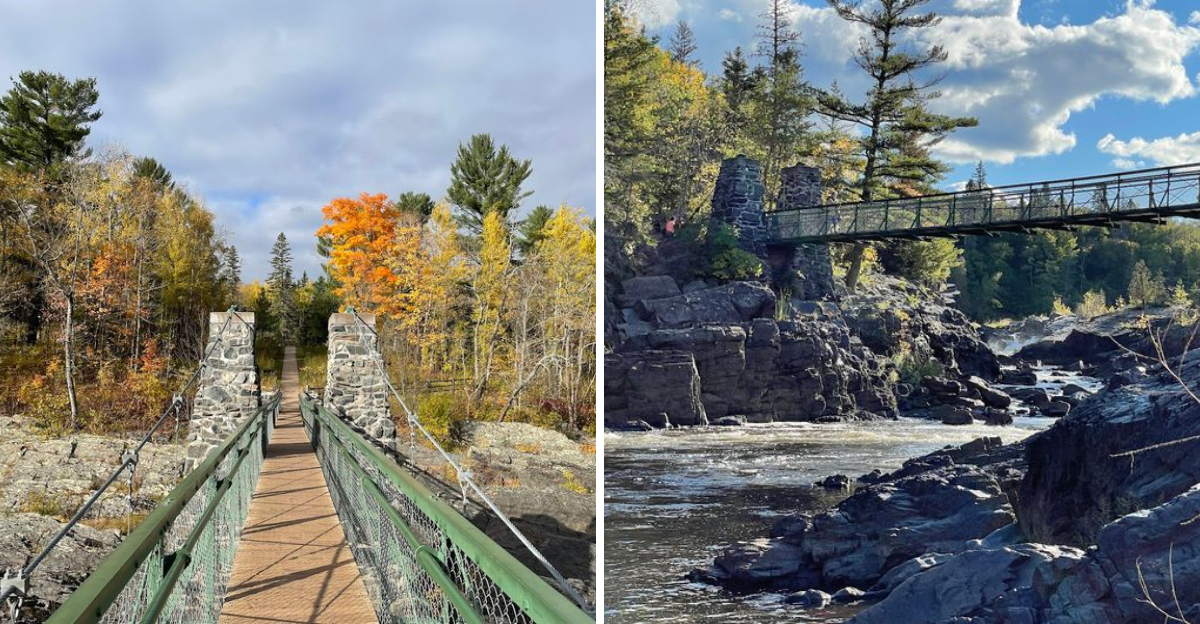
A historic Minnesota suspension bridge sets the tone the moment you step onto it. It sways slightly over the water, just enough to remind you you’re off solid ground.
Below, the river moves steady and calm, cutting through the landscape as the forest opens up on both sides.
Crossing it feels like the start of something bigger. On the other side, miles of scenic hiking trails branch out in every direction.
You don’t just cross the bridge here – you use it as a gateway into the wilderness. And once you’re on those trails, it’s easy to forget where the bridge even was, because the real adventure has already started.
The Swinging Bridge Itself
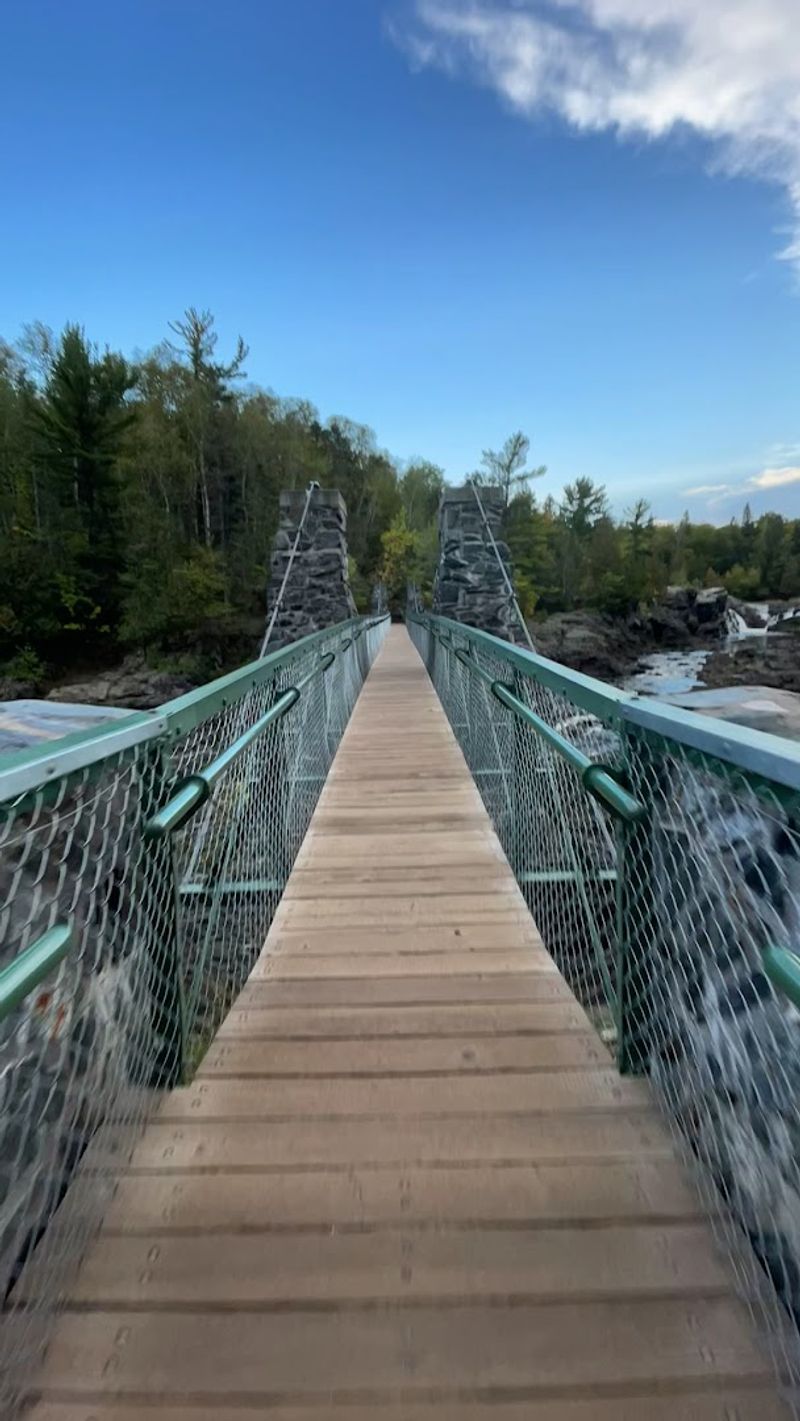
Walking onto the Swinging Bridge for the first time feels like stepping into a different world. The bridge sways slightly with each step.
That gentle movement is part of what makes crossing it so memorable.
Built to span the wild St. Louis River, this suspension bridge connects the two sides of the park. It gives hikers access to trails that would otherwise be completely unreachable.
The structure has a real history tied to the flooding events that have shaped this area over the decades.
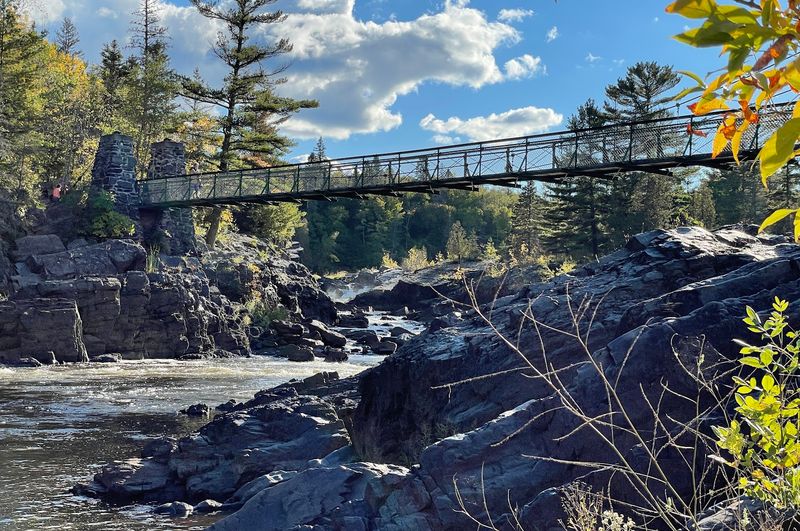
Standing at the center of the bridge is genuinely breathtaking. The river crashes over massive slate boulders directly below.
Rocky cliffs rise on both sides, framing a view that feels more like Alaska than Minnesota.
The bridge is open 24 hours a day, every day of the week. It is a short, easy walk from the visitor center.
No special gear is needed to enjoy this iconic spot.
The St. Louis River Views
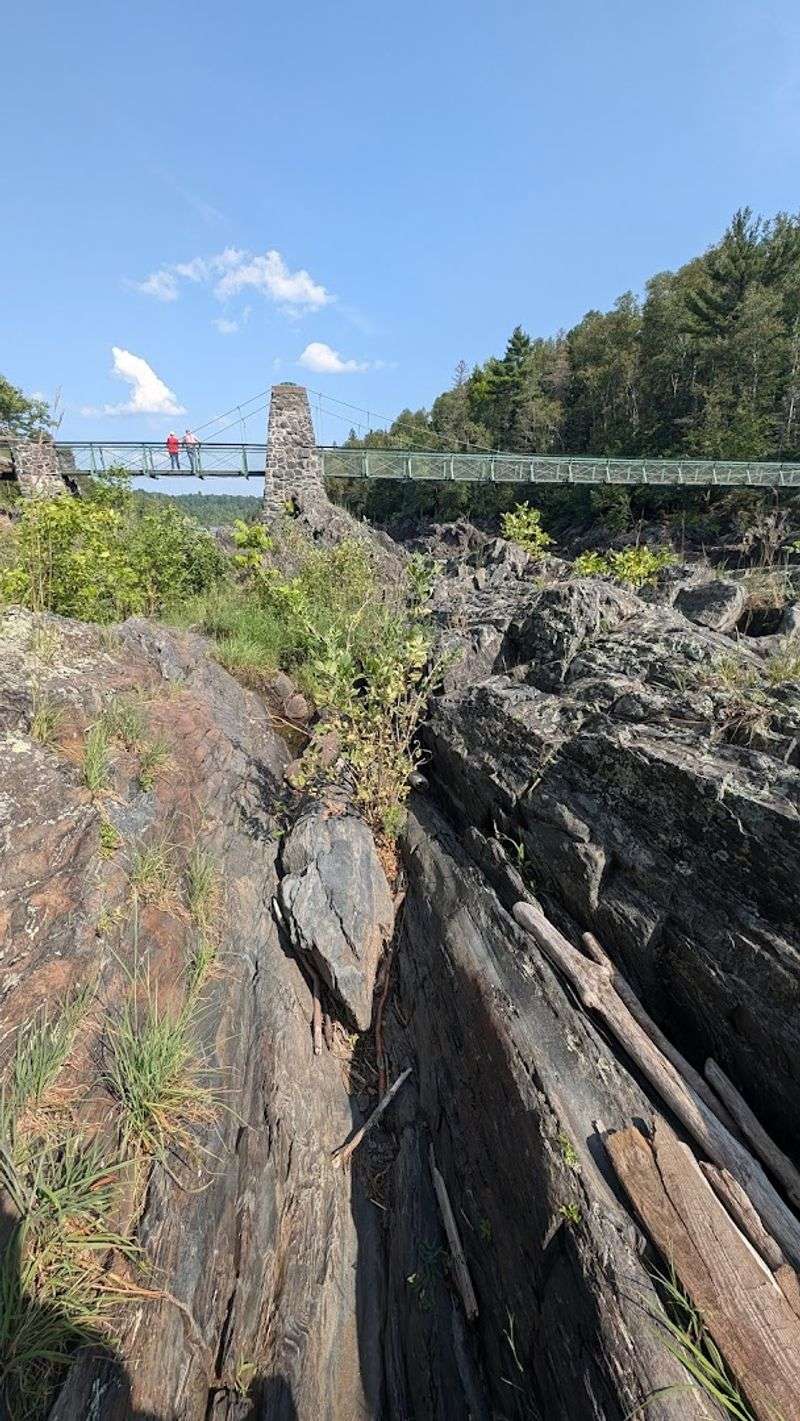
The St. Louis River is the real star of this park. I leaned over the railing of the bridge and watched the water tear through the rocks below.
The sheer force of it is humbling.
The river cuts through ancient slate formations that have been shaped over thousands of years. You can see the layers clearly from the bridge.
Each one tells a different chapter of geological history.
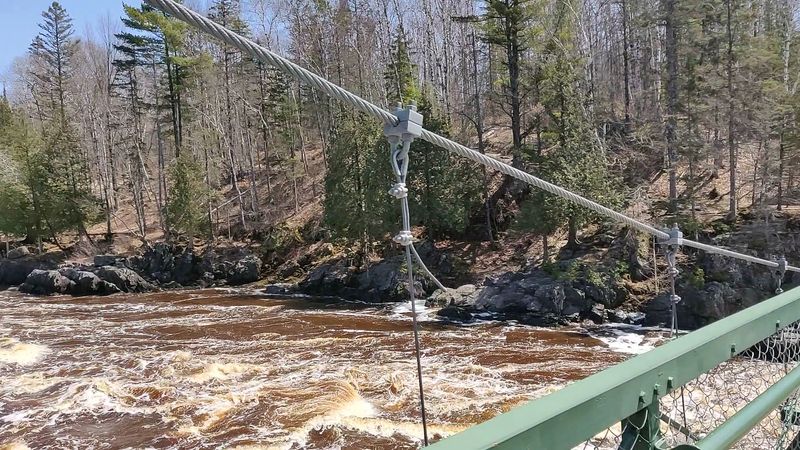
In spring, snowmelt pushes the river to dramatic heights. The water turns a deep, churning brown and the sound becomes almost deafening.
Summer brings clearer water and a calmer flow that lets you spot individual boulders beneath the surface.
The view from the middle of the bridge is the best in the entire park. It is one of those spots where people just stop and stare.
Cameras come out instantly, and nobody rushes to leave.
Rock Formations Along the Riverbank
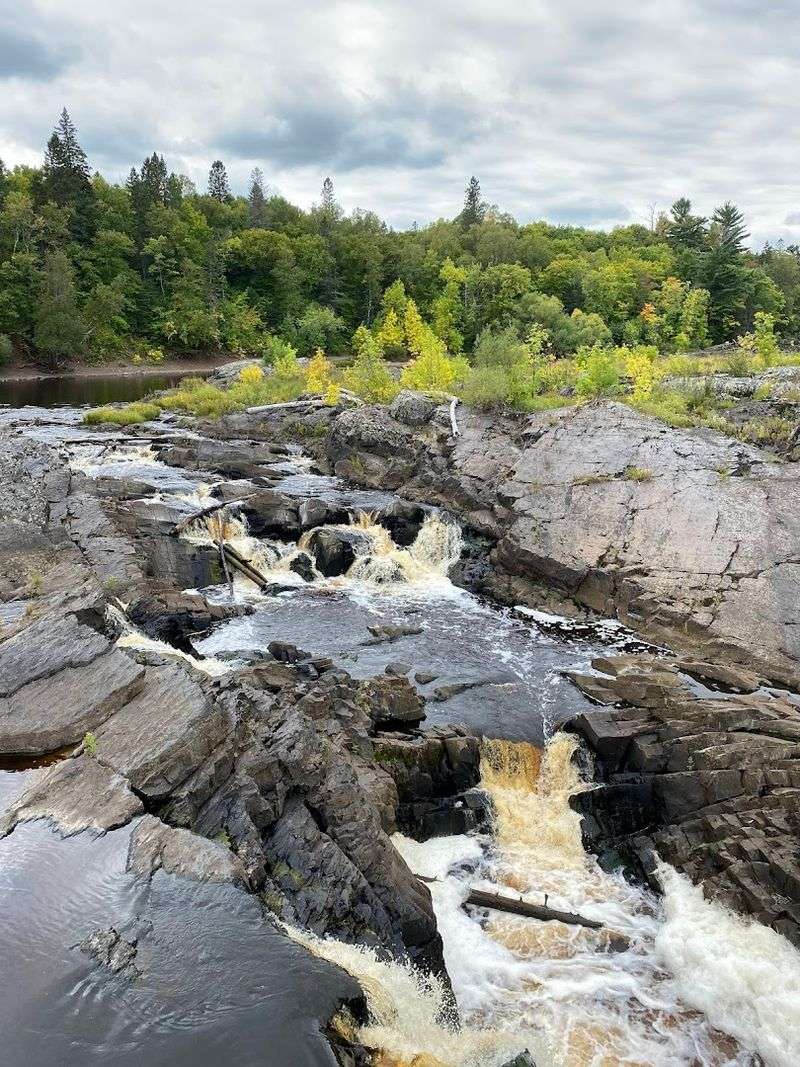
The geology here is unlike anything I have seen at other Minnesota parks. The slate rocks are tilted at sharp angles, almost like someone stacked them sideways on purpose.
They create a dramatic, jagged landscape that runs along both banks of the river.
These formations are hundreds of millions of years old. Geologists are drawn to this park specifically because the exposed rock layers are so well-preserved.
You do not need a science degree to appreciate them, though.
Kids especially love climbing around on the rocks near the water. The surfaces are rough and grippy, which makes scrambling easier than it looks.
Just wear sturdy shoes and keep an eye on smaller children near the water’s edge.
The boulders scattered throughout the riverbed add another layer of visual interest. Some are enormous, the size of small cars.
Others are smooth and flat, perfect for sitting and watching the river pass.
Hiking Trails Beyond the Bridge
Once you cross the Swinging Bridge, the trail network opens up in every direction. There are paths for beginners and routes that will genuinely challenge experienced hikers.
The variety here is remarkable for a state park.
The trails wind through thick forest, along river bluffs, and across open rocky terrain. Some sections require light rock hopping.
Others follow smooth, well-maintained paths that are accessible to most visitors.
I took a trail that climbed above the river and looked back at the bridge from above. The perspective from up there is completely different.
It made the bridge look small against the scale of the landscape.
The park has over 50 miles of trails in total. That is more hiking than many national forests offer.
Spending just one day here barely scratches the surface of what is available to explore.
The Visitor Center and Park Facilities
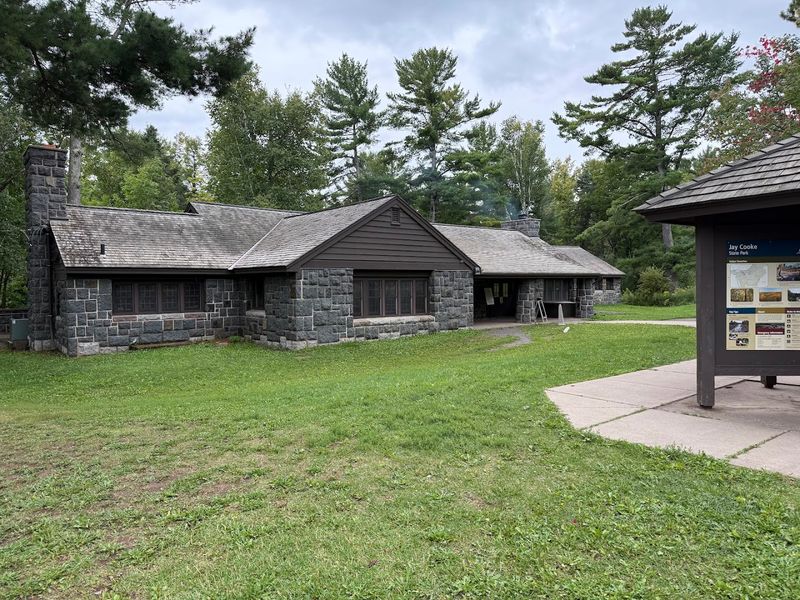
The visitor center at Jay Cooke is genuinely useful, not just a building you walk past. Staff there are friendly and quick to help you plan your day.
They have maps, trail info, and a small shop with souvenirs worth browsing.
Restrooms at the visitor center are clean and well-maintained. That detail matters more than people admit when you are spending a full day outdoors.
It sets a tone for how the rest of the park is cared for.
Parking is conveniently located just steps from the bridge. The walk from your car to the bridge is maybe 50 feet.
That makes it easy for families with young kids or visitors with limited mobility to reach the main attraction quickly.
The park office can answer questions about trail conditions and seasonal closures. They are especially helpful after spring flooding, which can change access routes.
Checking in there first saves a lot of guesswork on the trail.
Seasonal Beauty Throughout the Year
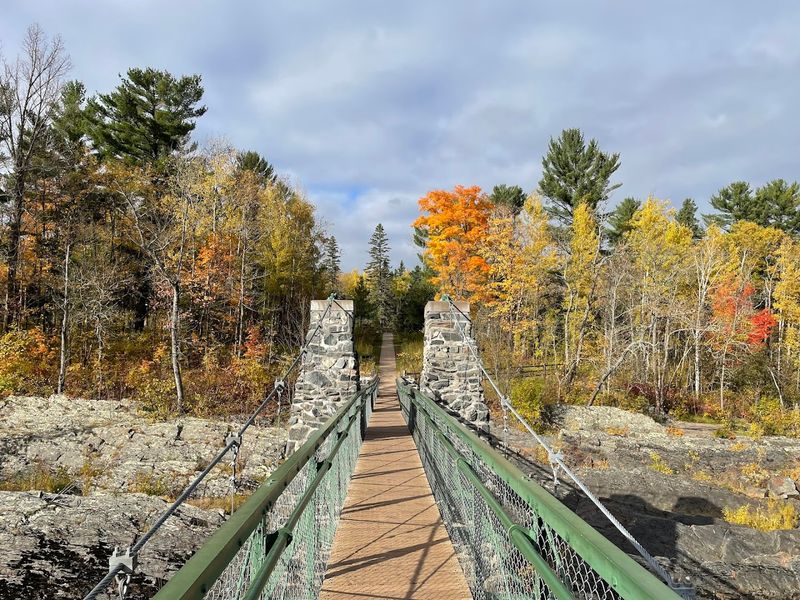
Jay Cooke does not save its best look for just one season. Every time of year brings something completely different to the experience.
That keeps people coming back again and again.
Fall is stunning here. The forest turns gold and red around the bridge, and the river reflects the colors like a mirror.
It is one of those scenes that makes you stop walking just to take it in.
Winter transforms the park into something almost surreal. The rocks frost over and snow blankets the trail edges.
One visitor described it as feeling like a mountain winter wonderland, and that is not an exaggeration.
Spring brings the river to its most powerful state. Snowmelt swells the St. Louis River dramatically.
Summer is lush and green, with longer days giving you more time to explore the full trail network without rushing.
Wildlife and Nature Watching
The wildlife presence in Jay Cooke is easy to notice if you slow down and pay attention. Birds are especially active near the river.
You can hear them long before you see them.
White-tailed deer are common throughout the park. Spotting one near a trail edge early in the morning feels like a small gift.
The park’s dense forest provides excellent cover and habitat for a wide range of species.
One honest note: mosquitoes can be intense during summer months, especially away from the water. Bringing insect repellent is genuinely important, not just a suggestion.
Long sleeves on warm days can save you a lot of discomfort.
The river itself supports a healthy ecosystem. Watching the water move through the rock formations, you can imagine all the life that depends on it.
Nature watching here does not require binoculars, just patience and a willingness to look around.
The Bridge’s Flood History
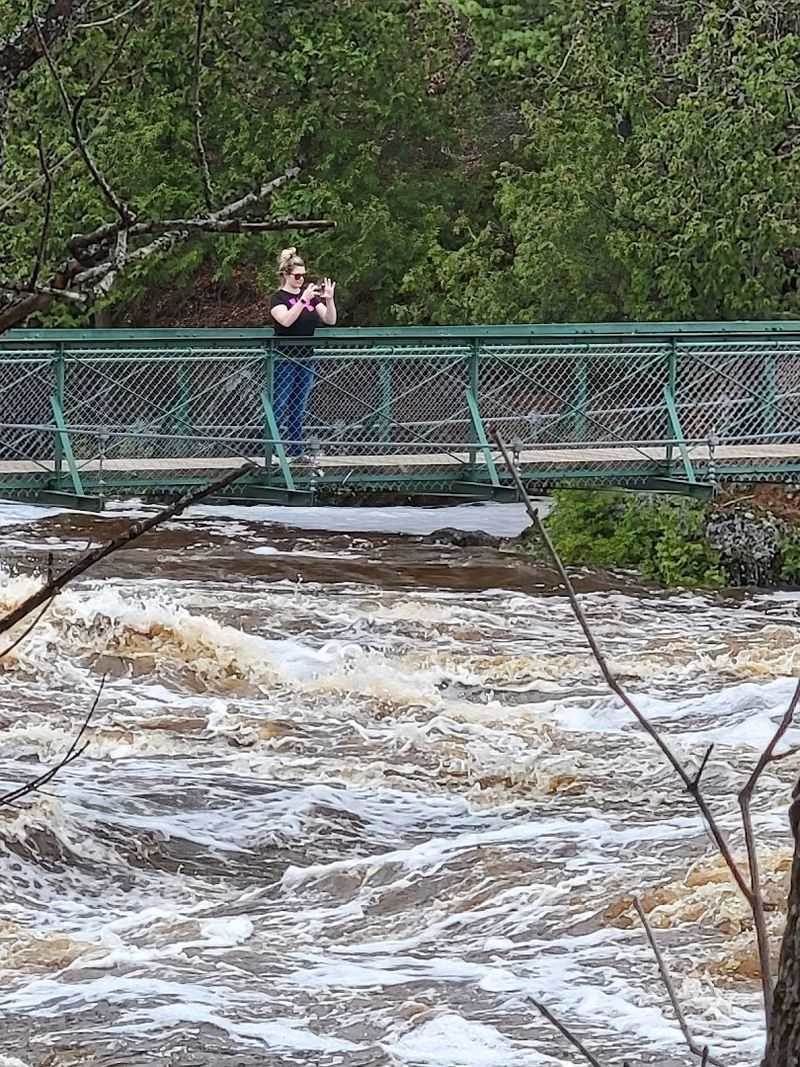
The Swinging Bridge has a real and colorful history tied to flooding in the area. That history adds meaning to every crossing.
You are not just walking over a river, you are walking over a story.
The St. Louis River has flooded dramatically multiple times over the decades. These events reshaped the landscape and damaged infrastructure throughout the park.
The bridge and surrounding trails have been rebuilt and restored more than once.
Understanding that history makes the park feel more alive. The rocks you see, the river’s current path, the shape of the banks, all of it was influenced by those powerful flood events.
Nature left its mark here in a very visible way.
Park staff and informational signs help explain the flood history in context. It is the kind of background detail that turns a nice hike into something more meaningful.
The bridge stands as proof that this landscape keeps changing.
Family-Friendly Adventure Opportunities
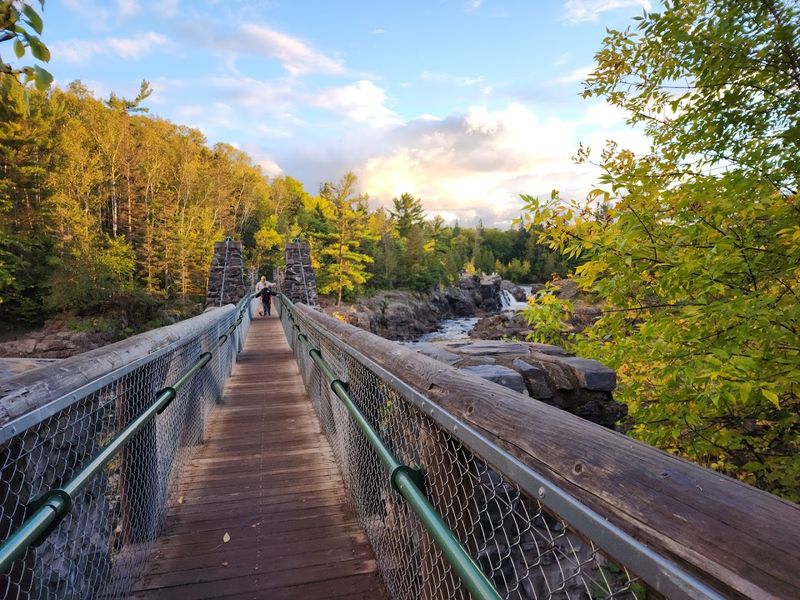
Jay Cooke is genuinely one of the best family destinations in Minnesota. The bridge crossing alone is exciting for kids.
That slight sway gets squeals of delight from children every single time.
The rock formations near the river are a natural playground. Kids can scramble and climb in ways that feel adventurous but stay manageable.
Parents can watch from nearby without feeling anxious about safety.
Trail options cover a wide range of difficulty levels. Shorter loops near the bridge are perfect for families with young children.
Longer trails give older kids and teens something more challenging to work toward.
The whole park has a welcoming, well-organized feel. Clean facilities, helpful staff, and easy parking all reduce the stress of a family outing.
It is the kind of place where kids ask to come back before you have even left the parking lot.
Planning Your Visit to Jay Cooke State Park
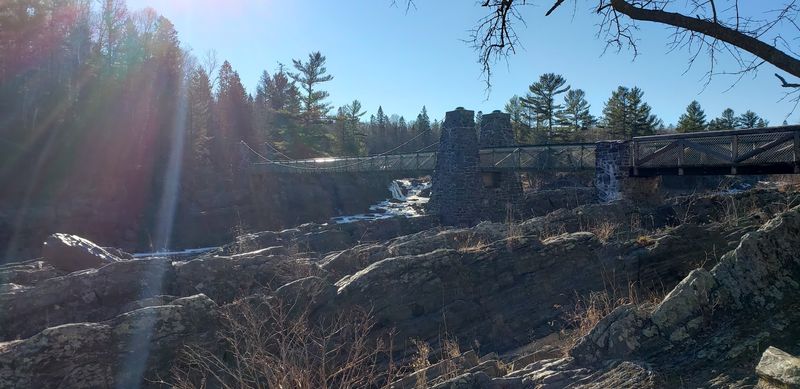
Getting to Jay Cooke is straightforward. The park sits along Minnesota Highway 210, near Carlton, just southwest of Duluth.
It is an easy drive from the Twin Cities or from the Duluth area.
The Swinging Bridge is open every day, all year, around the clock. There is no need to plan around specific hours.
That flexibility makes it easy to visit early in the morning when the light on the river is especially beautiful.
Parking near the bridge fills up on busy weekends. Arriving earlier in the day improves your chances of finding a spot without waiting.
The turnover is steady, so patience pays off if you arrive during peak hours.
Pack layers, good footwear, and insect repellent in warmer months. The trails can be rugged in spots.
A little preparation goes a long way toward making the experience as enjoyable as possible.
Address: 780 MN-210, Carlton, MN 55718
