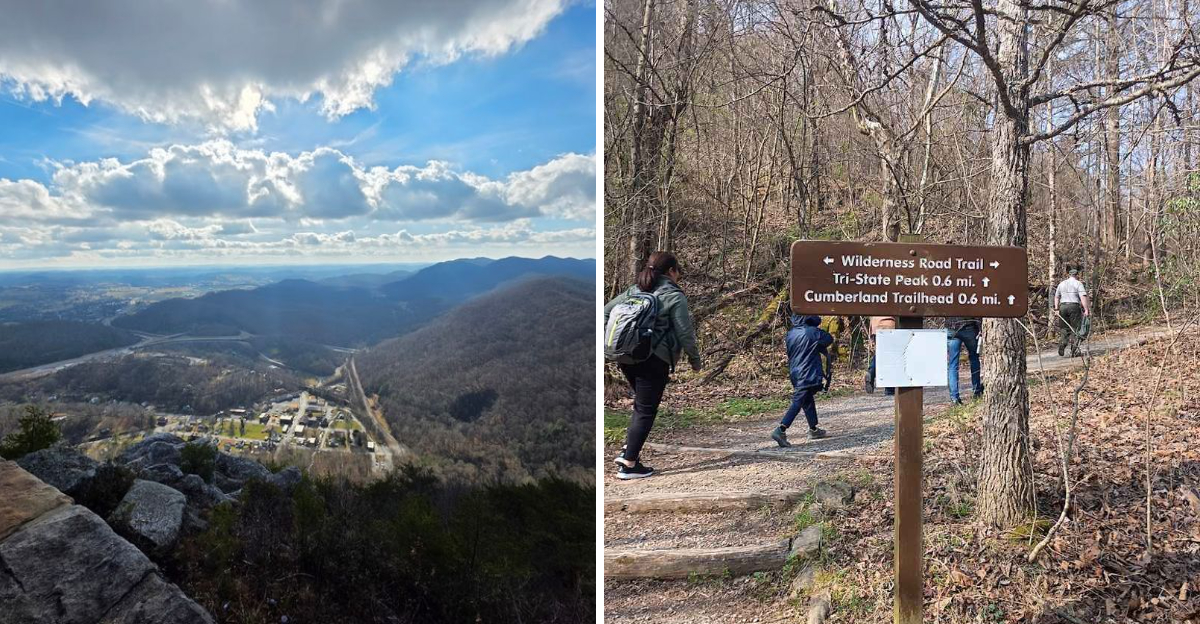
Skip the usual national park debates for a second, because one of the most striking landscapes in the eastern United States rarely gets the attention it deserves. Where Virginia, Kentucky, and Tennessee meet, a rugged mountain pass carved a path that helped shape the nation’s earliest chapters.
Long before modern roads, waves of pioneers crossed through this narrow opening in the Appalachians in search of a new beginning. Today, this park blends that deep history with sweeping ridge views and trails that feel frozen in time.
The setting is powerful without trying, and the sense of place lingers long after you leave, making it hard to believe it flies under the radar.
The Pinnacle Overlook: A View That Stops You Cold
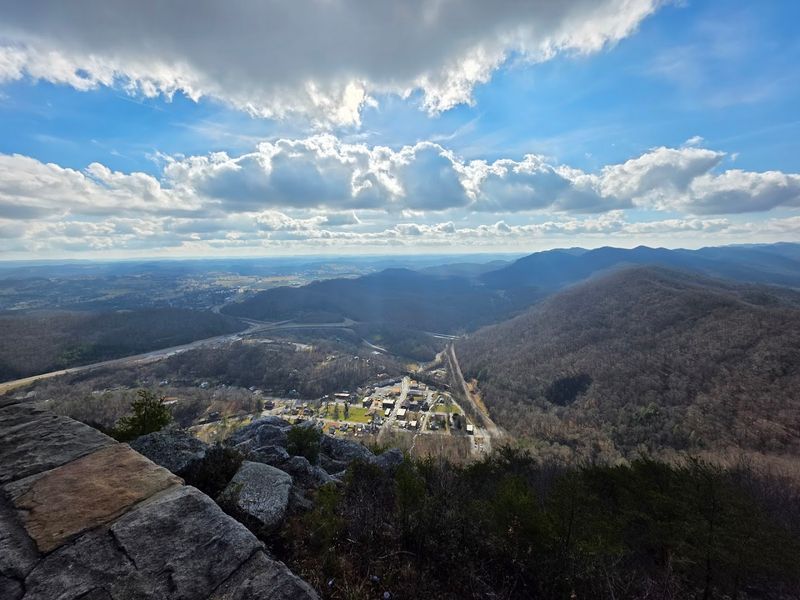
Some overlooks make you nod politely. The Pinnacle Overlook makes your jaw drop completely.
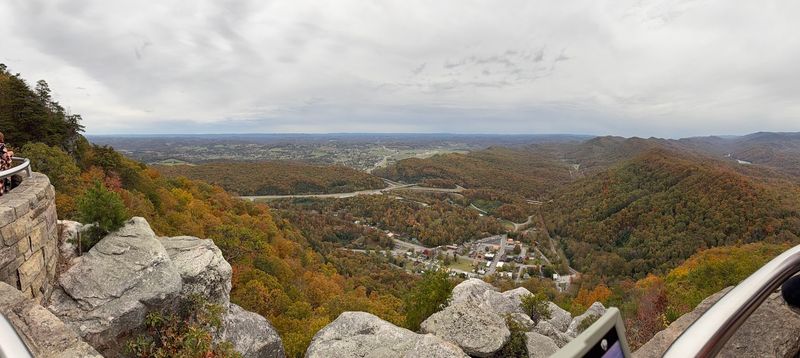
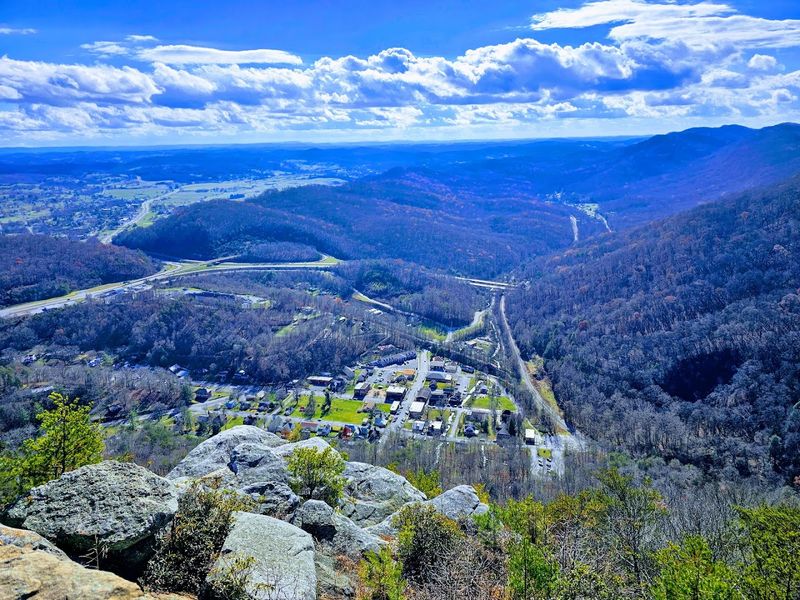
Perched high above the surrounding ridgelines, this spectacular vantage point delivers one of the most sweeping panoramic views in all of Virginia, stretching across three states at once.
Getting up here is surprisingly manageable. A paved road winds its way toward the top, and a short accessible pathway leads to the main viewing platform, so practically everyone in your group can experience it firsthand.
Standing at the edge, you can trace the natural corridor of the gap below, imagining the long columns of settlers who once filed through that very pass. On a clear morning, the layers of blue-green ridges seem to go on forever, stacking up like pages in a history book.
Photographers absolutely love this spot during golden hour, when warm light pours across the valleys and the shadows carve dramatic shapes into the mountainside. Pack a light jacket even in summer because the elevation brings a noticeable breeze.
The Pinnacle Overlook is proof that some of the most rewarding experiences in Virginia require nothing more than showing up and looking out.
The Visitor Center: Where the Story Actually Begins
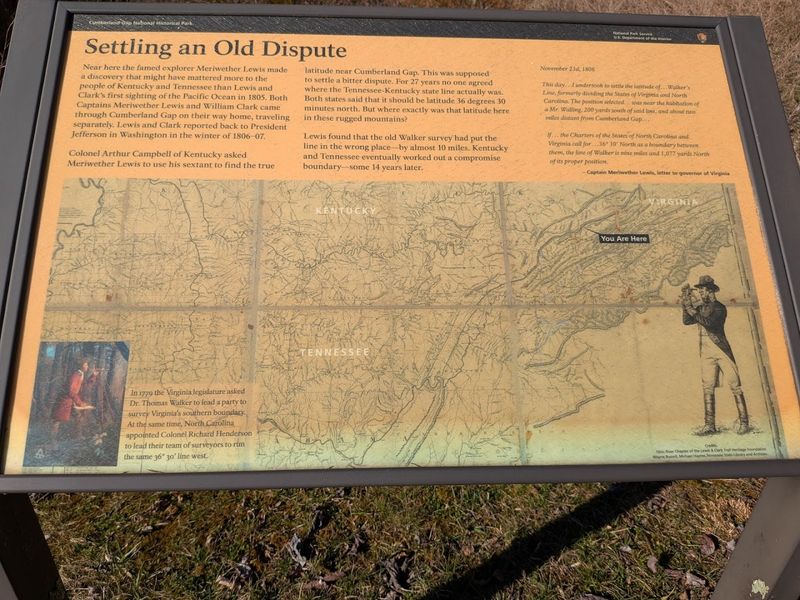
Before lacing up your boots and hitting the trails, the visitor center at Cumberland Gap National Historical Park deserves a proper stop. This is no dusty room with faded posters.
The exhibits here are genuinely engaging, layering the natural science of the Appalachians with the dramatic human stories of those who crossed through this gap centuries ago.
A short film runs regularly inside a small cinema space, covering Daniel Boone and the broader saga of westward migration in a way that actually holds your attention. Kids and adults alike come out of that screening with a completely different appreciation for what they are about to explore outside.
The staff at the center are knowledgeable and enthusiastic, happy to point you toward the right trail for your fitness level or recommend the best time to book a Gap Cave tour. Interactive displays cover everything from Indigenous history to frontier life, and the gift shop stocks some genuinely worthwhile souvenirs.
Starting your visit here means every trail, overlook, and historic structure you encounter afterward carries extra meaning. In Virginia, this kind of rich interpretive experience is rare, and the visitor center sets the tone for everything that follows.
Gap Cave: Underground Drama You Did Not Expect
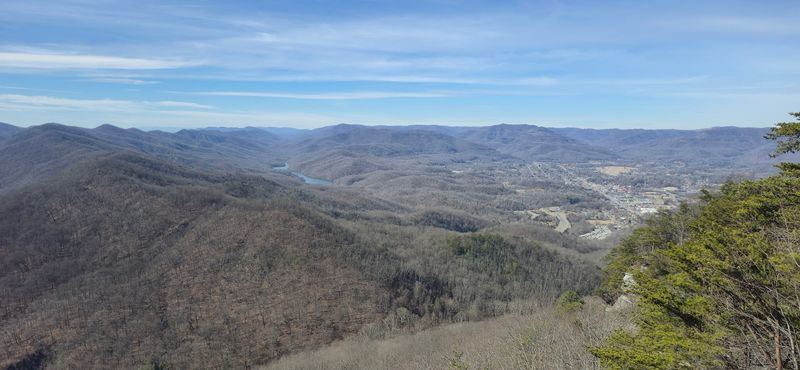
Most people come to Cumberland Gap for the mountain scenery, so discovering that a spectacular limestone cavern sits right beneath those same mountains feels like a bonus round. Gap Cave is one of the park’s most beloved attractions, and for good reason.
The underground chambers are dramatic, full of formations built over thousands of years of slow geological work.
Guided tours are the only way in, which is actually a plus. Rangers lead small groups through the cave with plenty of fascinating commentary about the geology, the wildlife that lives inside, and the history of human use dating back centuries.
Booking early is essential because school groups and families snap up tour slots fast, especially during spring and fall.
The temperature inside stays consistently cool year-round, making it a refreshing escape during hot summer days. Wear closed-toe shoes and bring a light layer regardless of the season.
Spotting cave crickets, salamanders, and even bats in their natural underground habitat adds a wildlife dimension that surprises most first-time visitors. Cumberland Gap National Historical Park keeps proving it has more layers than you initially expect, and Gap Cave might just be the most memorable one of all.
The Hensley Settlement: A Ghost Town That Is Not Actually Abandoned
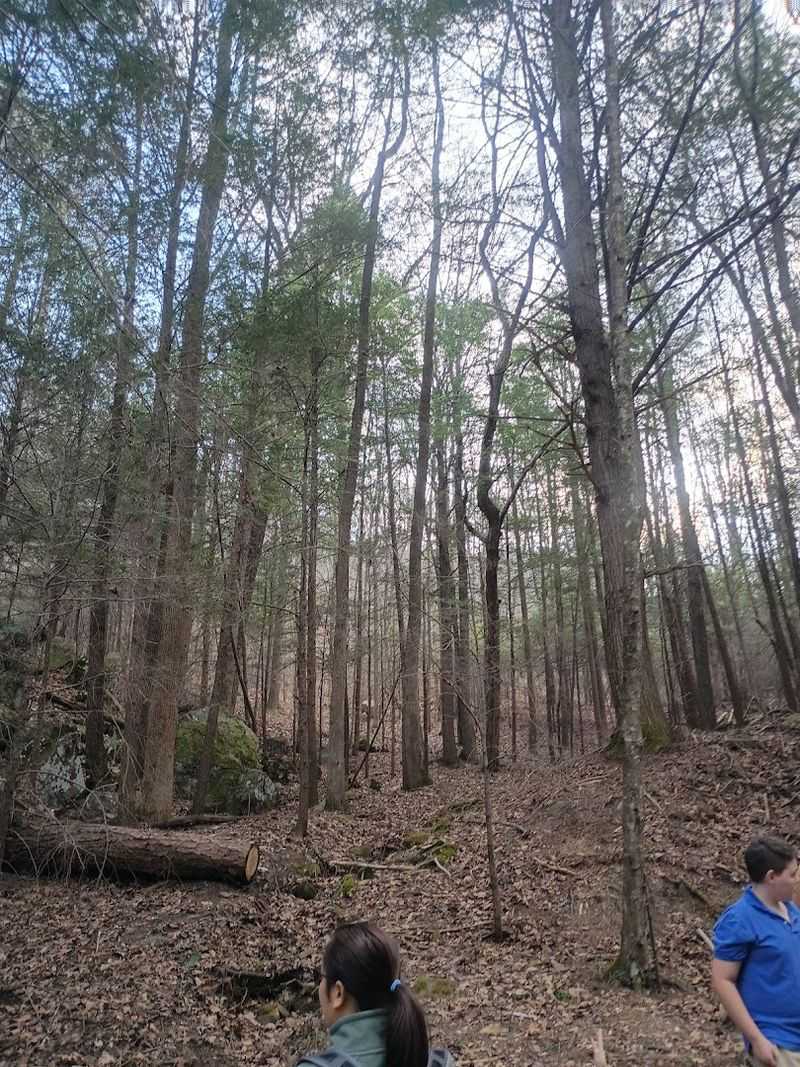
Perched on a remote ridgetop deep inside the park, the Hensley Settlement is one of the most fascinating places in all of Virginia’s national park system. Families lived here in near-total isolation well into the twentieth century, farming the land and building a tight-knit mountain community completely off the grid before that phrase even existed.
Today the settlement is preserved and partially restored, with original log cabins, barns, root cellars, and fencing still standing across the landscape. Walking through feels genuinely surreal, like the families stepped away just last week rather than decades ago.
Reaching Hensley requires a serious hike or a scheduled shuttle ride offered by the park, which adds to the sense of earned adventure. The trail winds through dense forest before opening onto the ridgeline clearing where the settlement sits, framed by enormous sky and mountain views.
Rangers occasionally lead interpretive programs at the settlement, bringing the history of the families who lived here to vivid life. The Hensley Settlement is the kind of place that lingers in your memory long after you leave, a quiet reminder of how self-sufficient and resilient early Appalachian communities truly were.
The Tri-State Peak: Stand in Three States at Once
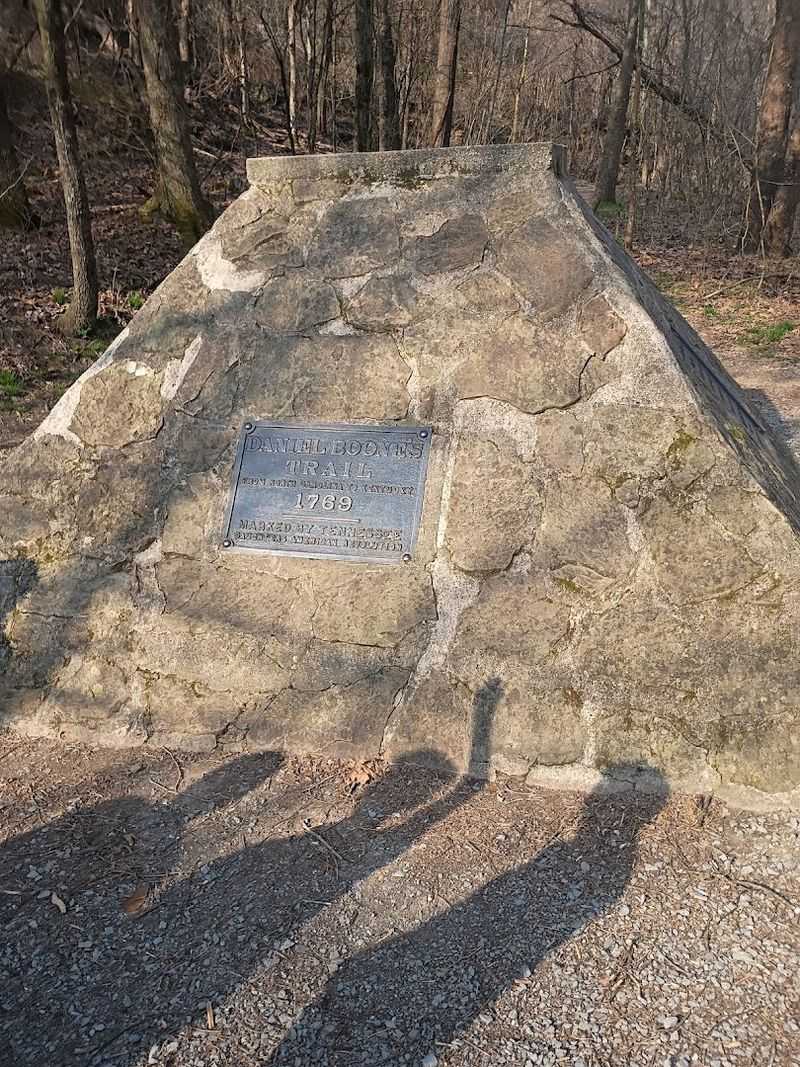
There are not many places on the planet where you can plant one foot in one state and stretch your arms into two others simultaneously. The Tri-State Peak at Cumberland Gap National Historical Park is exactly that kind of wonderfully absurd geographic experience, and it never gets old.
A well-marked trail leads up to the summit where Virginia, Kentucky, and Tennessee all converge at a single point. The hike is rewarding without being punishing, winding through beautiful forest cover before opening up at the top with solid views in multiple directions.
Once you arrive at the marker, the goofy photo opportunities are basically mandatory. Standing with one foot in each state, doing a little hop across three borders, the whole thing feels playful and surprisingly emotional once you realize you are standing at the same natural landmark that guided Daniel Boone and thousands of pioneers toward their futures.
Families with kids especially love this spot because it turns a nature hike into a geography lesson and a story all at once. The Tri-State Peak is one of those simple, memorable experiences that reminds you why getting outside in Virginia is always worth the effort.
The Wilderness Road: Walk the Path That Built a Nation
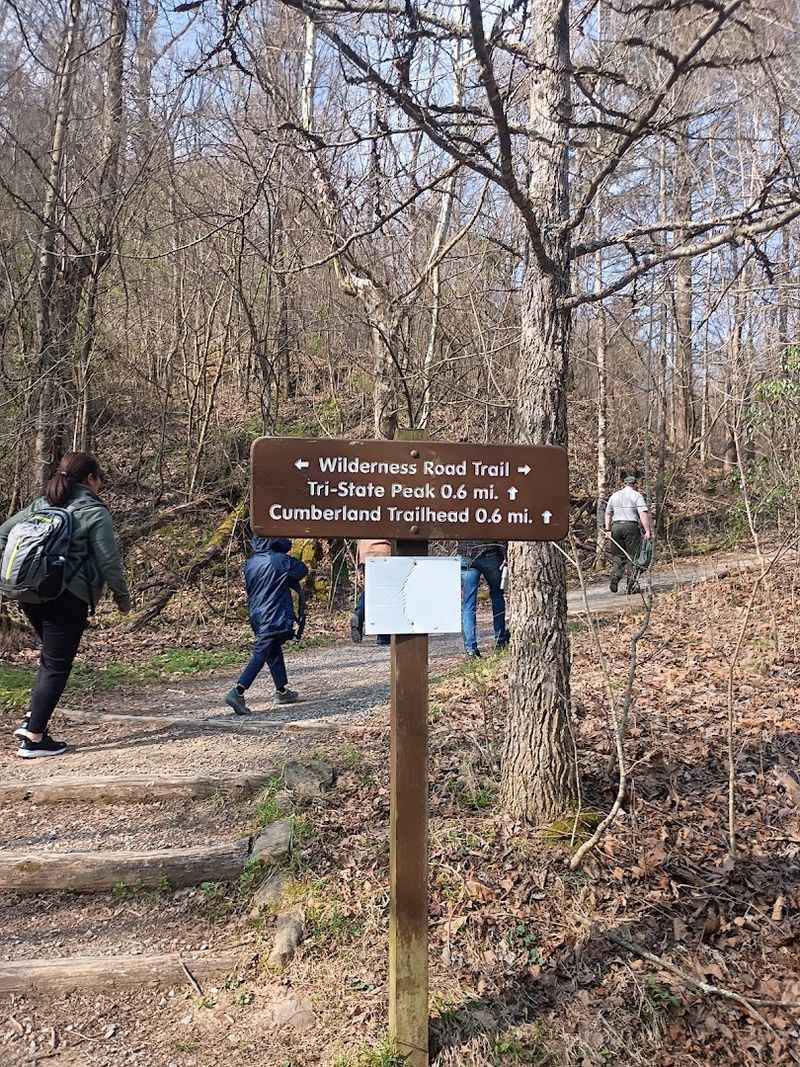
Long before interstates and GPS, the Wilderness Road was the highway of the American frontier. This legendary route carved through the Appalachian Mountains served as the primary pathway for hundreds of thousands of settlers pushing westward into Kentucky and beyond during the late eighteenth and early nineteenth centuries.
Today a portion of the original road survives inside Cumberland Gap National Historical Park as a hikeable trail, and walking it carries a weight that is hard to describe. Your boots follow the same general path as those early pioneers, through the same gap in the same mountains, surrounded by the same ancient forest.
Interpretive signs along the route add context, explaining what travelers would have carried, how long the journey took, and what dangers they faced along the way. It transforms a simple forest walk into something much more immersive and meaningful.
The trail is accessible from multiple entry points and connects to other routes within the park, making it easy to build a longer loop or keep it short depending on your energy level. Virginia has no shortage of scenic trails, but the Wilderness Road brings a layer of historical storytelling that most hiking experiences simply cannot match.
Sand Cave: The Sandstone Surprise Nobody Talks About
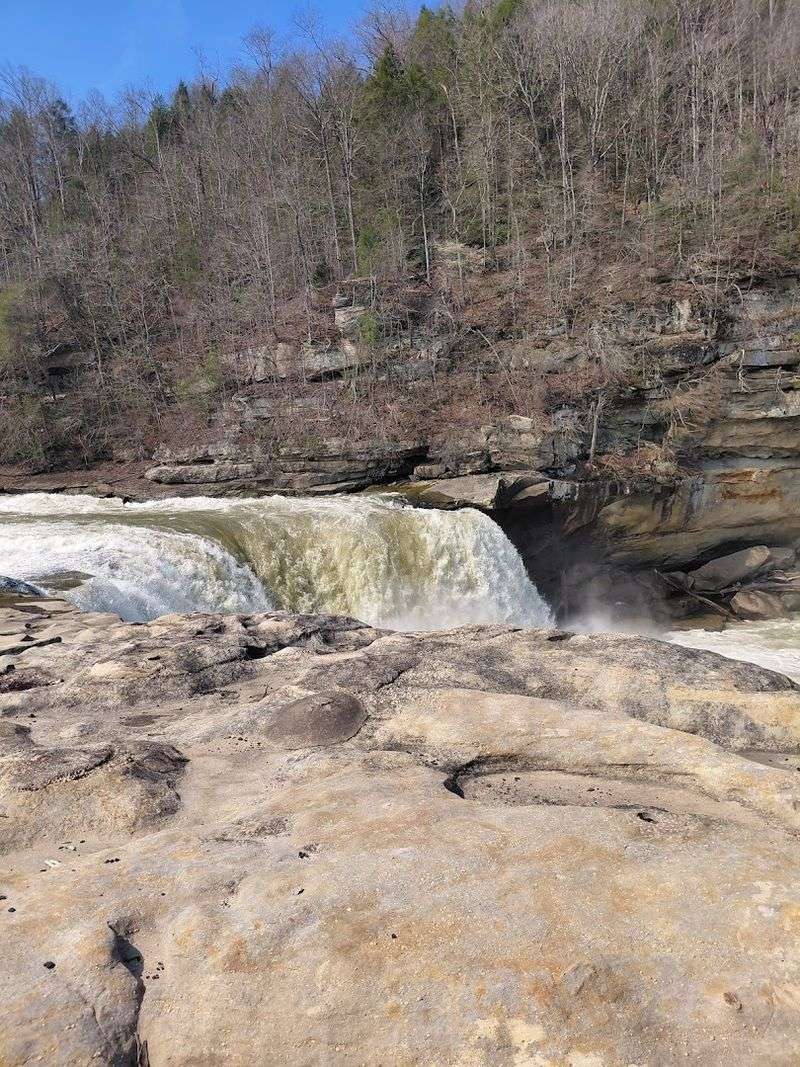
Tucked along a lesser-traveled trail inside the park, Sand Cave is one of those spots that rewards curious explorers who go beyond the obvious highlights. This is not a traditional dark cavern.
It is a massive sandstone rock shelter, a sweeping curved overhang that looks like nature sculpted it specifically for dramatic effect.
The smooth, warm-toned walls and sandy floor create an atmosphere unlike anything else in the park. Light filters in from the open front of the shelter, casting soft shadows across the stone and giving the space an almost otherworldly quality that makes photographers very happy.
Getting here involves a moderately steep trail that winds through beautiful hardwood forest, which is genuinely enjoyable on its own before you even reach the cave. The payoff at the end feels completely out of proportion to the effort, in the best possible way.
Geology fans will appreciate the visible layers of sandstone and the obvious erosion patterns that explain how the shelter formed over millennia. Cumberland Gap National Historical Park keeps stacking up surprises like this, and Sand Cave stands as proof that the park’s less-publicized corners are just as spectacular as its famous overlooks.
Virginia truly hides its best secrets in plain sight.
Wilderness Road Campground: Sleeping Under Appalachian Stars
Spending a night inside Cumberland Gap National Historical Park is a completely different experience from a day visit, and the Wilderness Road Campground makes it incredibly easy to stay. The sites are paved, shaded by tall mature trees, and laid out in a way that gives each spot a genuine sense of privacy and quiet.
Electric hookups are available, making the campground accessible for RVs and campers who need a power connection. Potable water is available on-site, the bathhouses are kept impressively clean, and rangers regularly patrol the grounds, which adds a reassuring sense of security throughout the night.
Waking up in the morning with mist rolling through the mountain forest and birdsong filling the air is the kind of restorative experience that city life simply cannot replicate. Trails are accessible directly from the campground, so you can head out for a morning hike before most people have even arrived at the park entrance.
Evenings at the campground feel genuinely peaceful, with the sounds of the forest taking over once the day-trippers head home. For anyone looking to fully absorb the atmosphere of this remarkable corner of Virginia, spending at least one night at the Wilderness Road Campground is absolutely the right call.
The Iron Furnace: Industrial History Meets Natural Beauty
Not every landmark at Cumberland Gap National Historical Park is about pioneer footpaths and mountain passes. The Iron Furnace is a striking piece of industrial heritage hiding in plain sight near the park entrance, and it adds a fascinating dimension to the overall story of this region.
Built from locally quarried stone, the furnace once smelted iron ore as part of the broader industrial development of the Appalachian region during the nineteenth century. Standing in front of it today, the structure feels enormous and strangely beautiful, its mossy stonework blending into the surrounding forest with an almost romantic quality.
A wooden boardwalk connects the furnace area to nearby trailheads, making it easy to combine a visit here with a longer hike along the Tennessee Road Trail or the Boone Trail. The setting is particularly photogenic in spring when wildflowers bloom around the base of the structure.
Interpretive panels explain the furnace’s history and its role in the local economy, grounding the experience in real context rather than leaving visitors to guess. Cumberland Gap National Historical Park consistently delivers these layered historical surprises, and the Iron Furnace is a perfect example of why this Virginia gem deserves far more attention than it currently receives.
Plan Your Visit: Getting to Cumberland Gap National Historical Park, Ewing
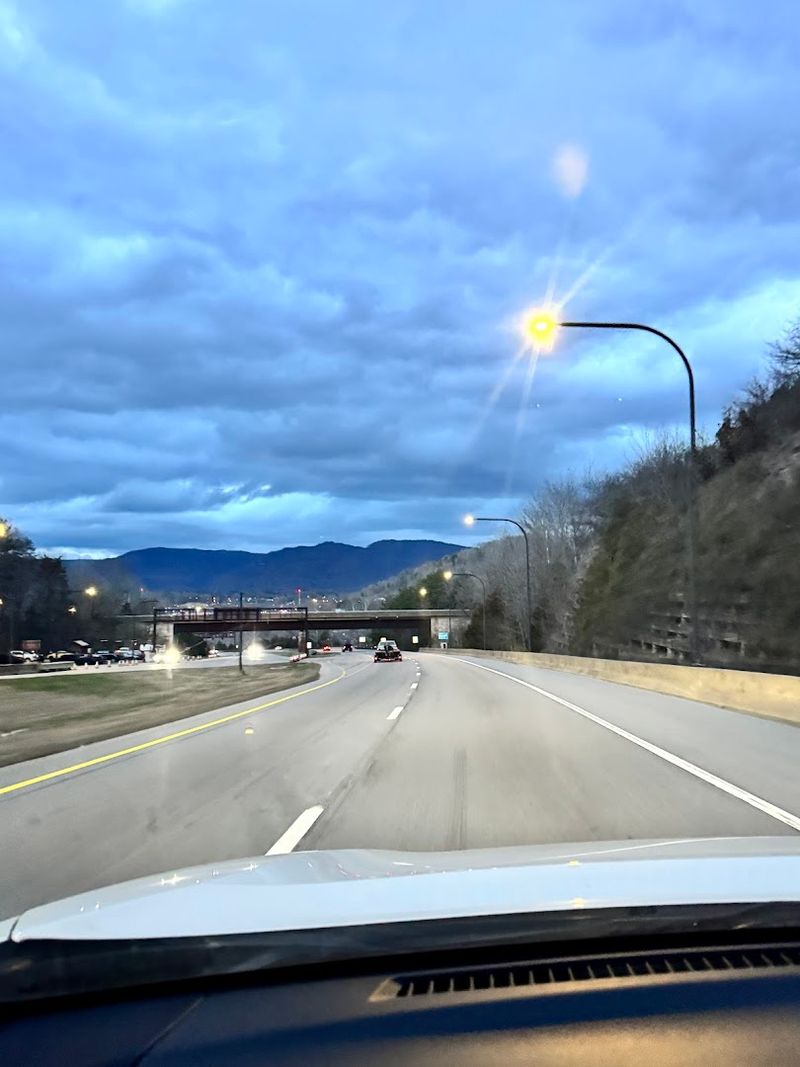
Reaching Cumberland Gap National Historical Park is part of the adventure. The drive through the surrounding Appalachian landscape is genuinely beautiful, with forested ridges and winding roads building anticipation long before you reach the park boundary.
The Virginia entrance near Ewing puts you right in the heart of the action.
The park sits at the meeting point of Virginia, Kentucky, and Tennessee, so it is reachable from multiple directions depending on where you are coming from. The main visitor center is located on the Kentucky side in Middlesboro, but trails and access points spread across all three states, giving the park a wonderfully multi-dimensional geography.
Entrance to the park is free, which makes it one of the most accessible national parks in the eastern United States. The visitor center operates daily with consistent hours, and the cave tours require advance reservations, so planning ahead pays off significantly.
The park is genuinely family-friendly, manageable for all fitness levels, and spectacular across every season. Fall foliage turns the ridgelines into a canvas of orange and red.
Spring brings wildflowers and waterfalls. The address for the main facility is Middlesboro, KY 40965, and the park phone number is plus one six zero six two four eight two eight one seven.
Pack your curiosity and go.
Dear Reader: This page may contain affiliate links which may earn a commission if you click through and make a purchase. Our independent journalism is not influenced by any advertiser or commercial initiative unless it is clearly marked as sponsored content. As travel products change, please be sure to reconfirm all details and stay up to date with current events to ensure a safe and successful trip.
