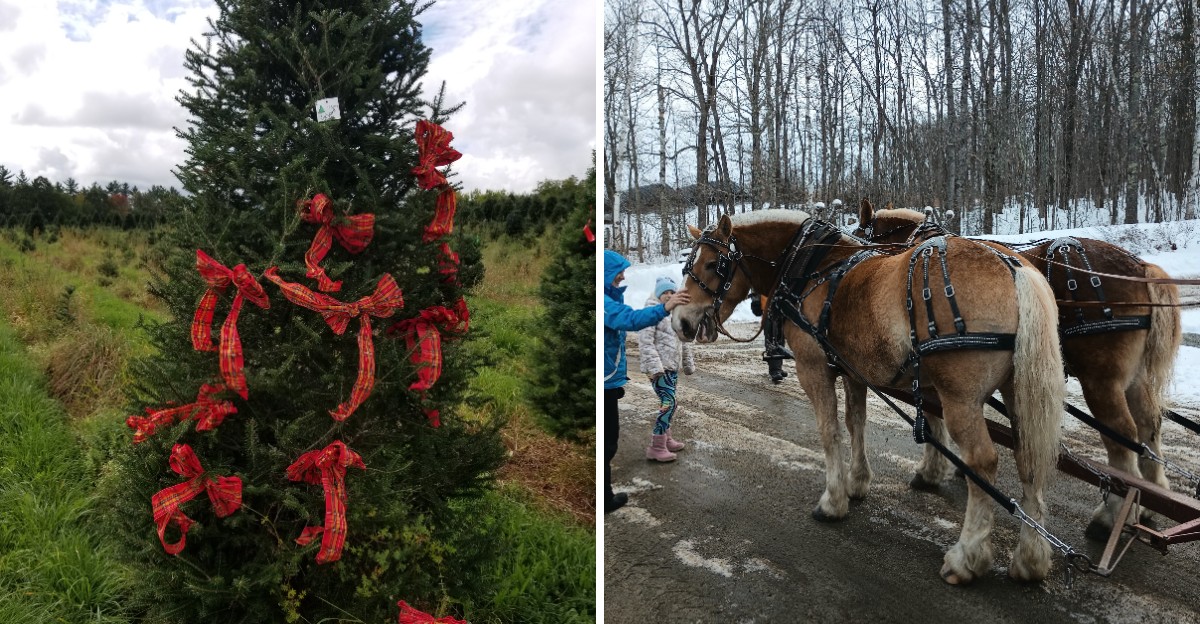
About 52,000 fir trees grow on one hillside farm, and a family promise is the reason they’re there. When the estate was donated in 1978, the gift came with a rule.
A crop must always be grown on the land.
Christmas trees took that job, and they’ve held it for decades. Every spring, roughly 7,000 new seedlings go into the ground.
I love that a holiday tradition grew out of a legal promise.
The setting makes it even better. Old stone walls wind across the fields.
The Presidential Range rises in the distance, often dusted with snow by late fall in New Hampshire.
I believe the best family traditions come with a story attached. This one has a saw, a wagon ride, and a hilltop view.
So who’s picking the tree this year?
A Promise From 1978 Keeps These Fields Full Of Firs
Most tree farms start with a business plan. The Rocks Christmas Tree Farm started with a family condition attached to a very big gift.
In 1978, the grandchildren of John Jacob Glessner donated the estate to the Society for the Protection of New Hampshire Forests. Their one rule was simple: a crop must always be grown on the land.
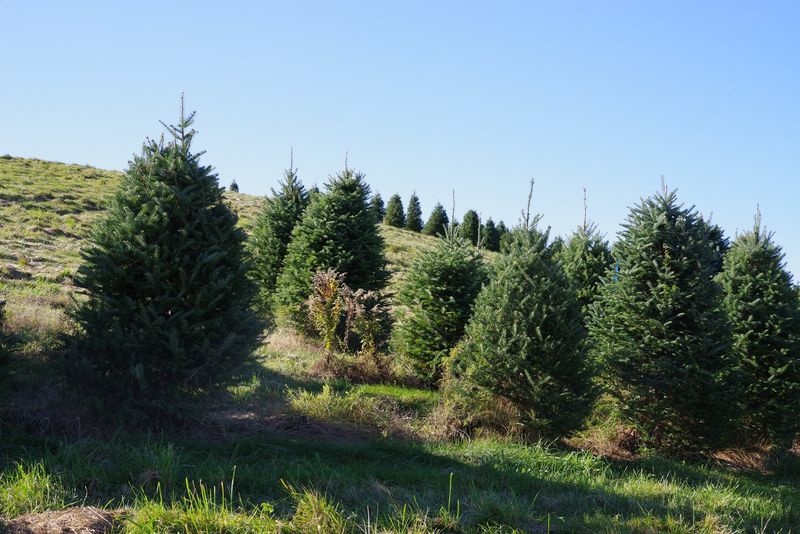
Christmas trees answered that call, and they’ve kept answering it for decades. Today the tree farm covers about 60 acres.
Around 52,000 fir trees grow there at different stages.
Planting never really stops. Roughly 7,000 new trees go into the ground each year in late April.
That means the tree you cut this December was likely planted many springs ago.
I like knowing the farm isn’t just pretty scenery. It’s a working promise, kept season after season by a conservation group.
Every tree sold helps support the land and its programs.
The whole estate sprawls across about 1,400 acres. The tree fields are only one slice of it.
Still, they’re the slice that turns this quiet hillside into a holiday destination each winter.
That’s a lot of responsibility for a bunch of firs. They seem to handle it well.
Bring A Saw, Pick A Fir, And Earn Your Holiday Bragging Rights
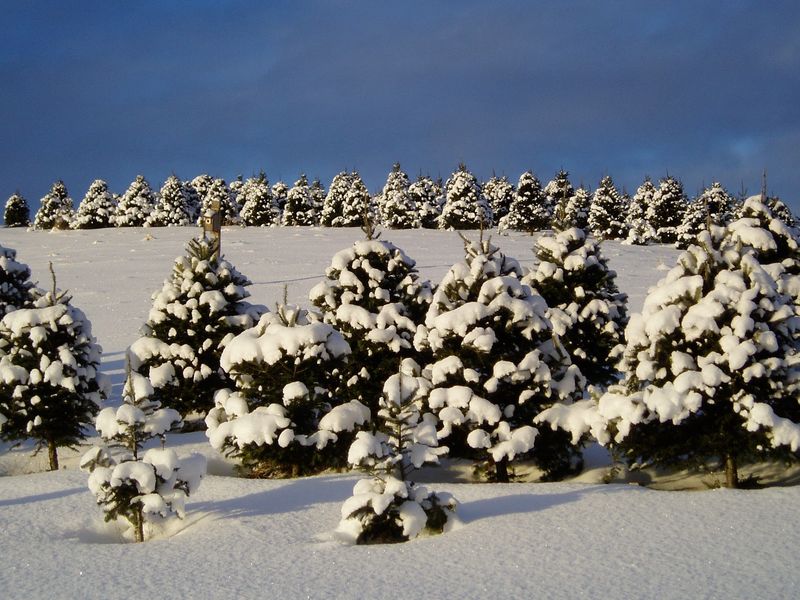
Cut-your-own is the whole show here. You wander the rows, find your tree, and saw it down yourself.
The farm grows two classic types. Balsam fir is famous for that rich holiday scent.
Fraser fir is loved for its sturdy branches that hold heavy ornaments.
For the 2026 season, all trees are planned as cut-your-own. Pre-cut trees aren’t part of the regular lineup.
Anyone with accessibility needs should contact the farm ahead of time to ask about options.
Here’s my advice: take your time. Walk a few rows before deciding, because trees look different up close.
Measure your ceiling at home before leaving, since a field makes every tree look smaller.
Dress for the weather, too. These are open hillside fields in the White Mountains.
Warm boots and gloves will make the hunt much more fun.
I can’t imagine a better way to start the season. Picking a tree from a store lot is fine.
Cutting one yourself, with mountains watching, feels like a real event.
And yes, you get to tell everyone you did it. That counts for something at holiday dinners.
Handmade Wreaths Might Steal The Spotlight From Your Tree
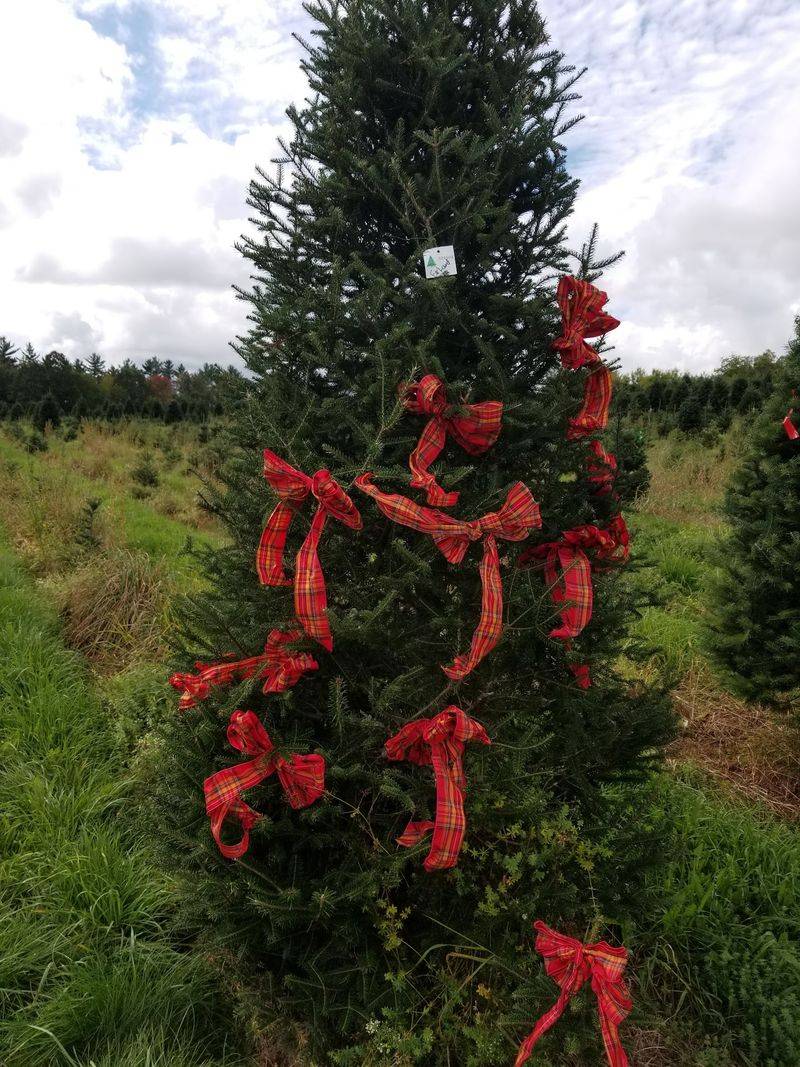
Not everyone has room for a giant fir. Luckily, the wreaths here are made to impress on their own.
The Rocks sells handmade holiday wreaths during the Christmas season. They’re crafted with care, which shows in the finished shape and fullness.
A wreath on the door is a sweet way to greet guests.
Wreaths also solve a few holiday problems. Apartment living?
Small porch? Traveling for the holidays?
A wreath gives you that fresh evergreen feel without moving furniture.
They make thoughtful gifts as well. A grandparent, teacher, or neighbor would probably love one.
It’s a gift that comes from a real working farm, not a factory.
My tip is to grab your wreath early in your visit. That way you won’t forget it after a busy tree hunt.
You can tuck it safely in the car before heading back out.
Wreath sales follow the tree season dates. For 2026, that window runs from November 21 through December 13.
Plan around those dates so you don’t miss out.
Honestly, buying both a tree and a wreath feels completely reasonable. Your front door deserves a little holiday glory too.
Meet The Chicago Businessman Who Fell For These Hills
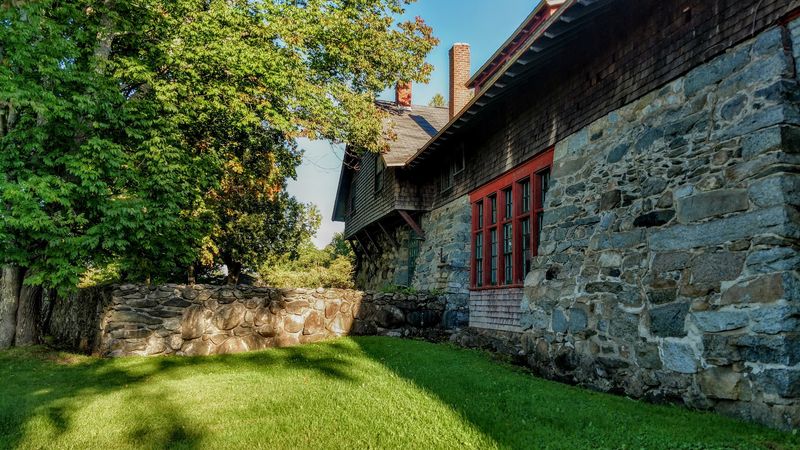
Back in 1882, a man from Chicago bought a 100-acre farm in Bethlehem. His name was John Jacob Glessner, and he co-founded International Harvester.
The Streeter Farm was only his starting point. Over about two decades, Glessner kept adding land, buildings, and formal gardens.
The estate eventually grew past 1,300 acres.
He had more in mind than a fancy summer retreat. Glessner wanted to protect the land from harmful farming practices of the time.
That makes The Rocks an early private conservation effort.
The big Shingle-style house from 1883 no longer stands. Plenty survives, though, including stone walls, terraced gardens, and several historic buildings.
The estate counts around twenty structures today.
In 1984, The Rocks Estate joined the National Register of Historic Places. That’s a serious honor for a place that now sells Christmas trees.
I find it charming that a wealthy family’s summer playground now belongs to everyone. Families who would never have been invited in 1890 can now roam the grounds freely.
Glessner protected these hills long before conservation was popular. Every holiday visitor gets to enjoy the results of that choice.
An 1884 Barn Got A Second Life As A Net-Zero Visitor Center
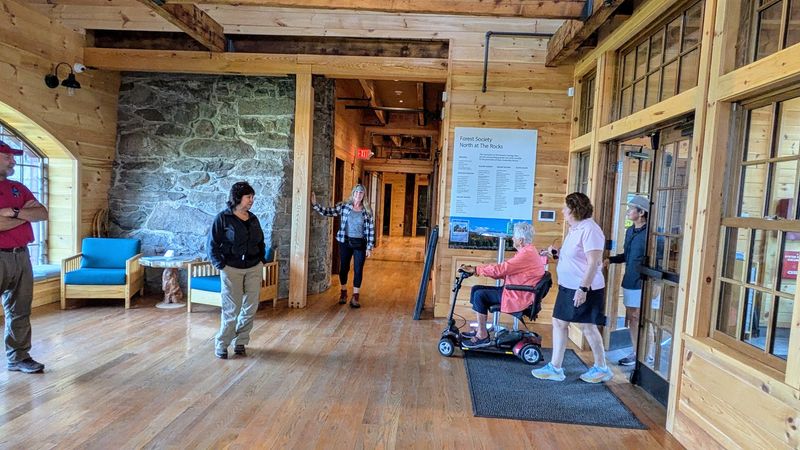
Fire struck the historic Carriage Barn in 2019. Instead of losing it, the Forest Society brought it back better than before.
The renovation wrapped up in June 2024. The 1884 building is now a net-zero facility, meaning it’s designed to produce as much energy as it uses.
That’s an impressive upgrade for a structure built before cars existed.
Today the barn serves as the visitor center at The Rocks. It holds interpretive exhibits about the estate and its land.
It also hosts public programs throughout the year.
Inside, you’ll find a gift shop with locally made gifts, crafts, and seasonal items. It’s a handy place to grab a present or two.
The shop may stay open a bit past tree season in December.
Outside the holiday rush, the visitor center keeps regular daytime hours. Check current hours before you go, since schedules can change with the seasons.
I love when old buildings get a smart second act. This barn once sheltered carriages.
Now it shelters holiday shoppers, history fans, and anyone needing a warm break.
That’s quite a career change. The barn seems to be thriving.
Horse-Drawn Wagons And A Crackling Fire Pit Seal The Deal
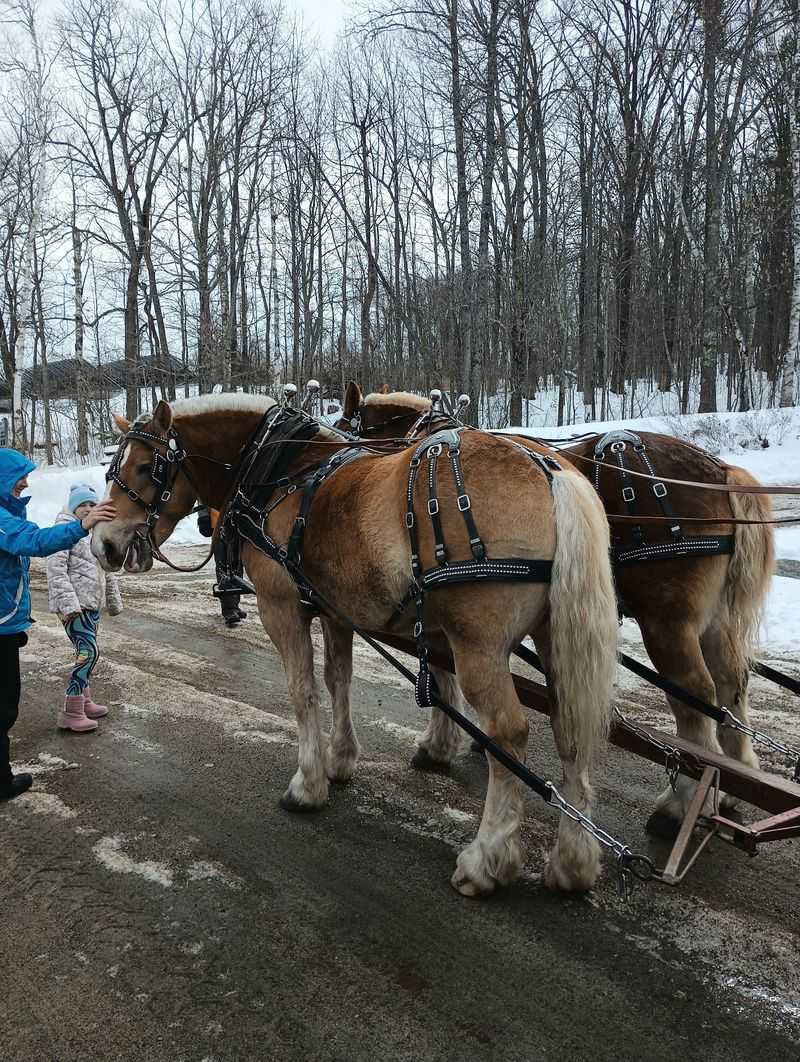
Norman Rockwell would feel right at home here. The holiday scene at The Rocks has often been compared to one of his classic paintings.
Part of that magic comes from the horses. On select dates during the Christmas season, complimentary horse-drawn wagon rides are offered.
Free wagon rides through tree fields? Hard to argue with that.
Since the rides happen only on certain dates, plan ahead. Check the schedule before your trip if a wagon ride is a must for your crew.
Cold fingers get some relief too. A fire pit is available for warming up during the holidays.
It’s a cozy spot to rest after sawing down a tree.
Inside the Carriage Barn, local nonprofit partners sell hot drinks and snacks. A warm cup tastes even better after time in the fields.
Plus, your purchase supports community groups.
Opening day usually brings a holiday craft fair inside the barn. It’s a fun bonus for anyone hunting unique gifts.
Put all of it together and you’ve got a full holiday outing. The tree almost becomes a souvenir from a much bigger day.
Kids Get Their Own Corner Of The Holiday Fun
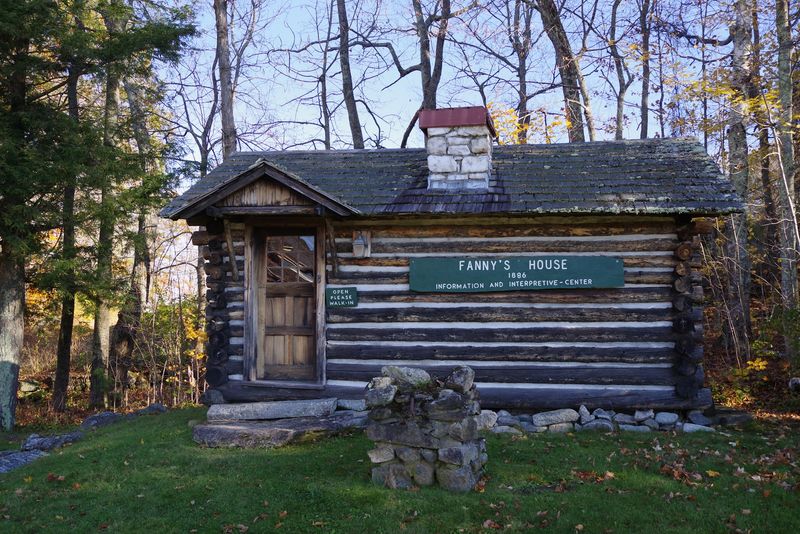
Family tree trips have been a thing here since 1990. That’s more than three decades of kids tugging parents toward the perfect fir.
The Rocks keeps young visitors in mind. On select holiday weekends, an indoor kids’ activity center opens up.
It gives little ones a warm place to play while grown-ups browse or rest.
Children’s activities are part of the holiday season lineup. Combined with wagon rides and tree hunting, there’s plenty to keep small hands busy.
Here’s a practical idea: give each child a job. One can scout trees, another can judge height, and someone can hold the saw tag.
Kids love feeling like part of the team.
Families who enjoy learning will find more than holiday fun. The Forest Society runs family-friendly educational programs throughout the year.
Topics touch on forests, wildlife, and the land itself.
I believe traditions stick best when kids feel included. Choosing a tree from a real field gives them a story to tell.
Years later, they might bring their own children back.
That’s how a 1990 start becomes a family habit. One sticky, sap-covered mitten at a time.
Those Mountain Views Will Fill Your Camera Roll Fast
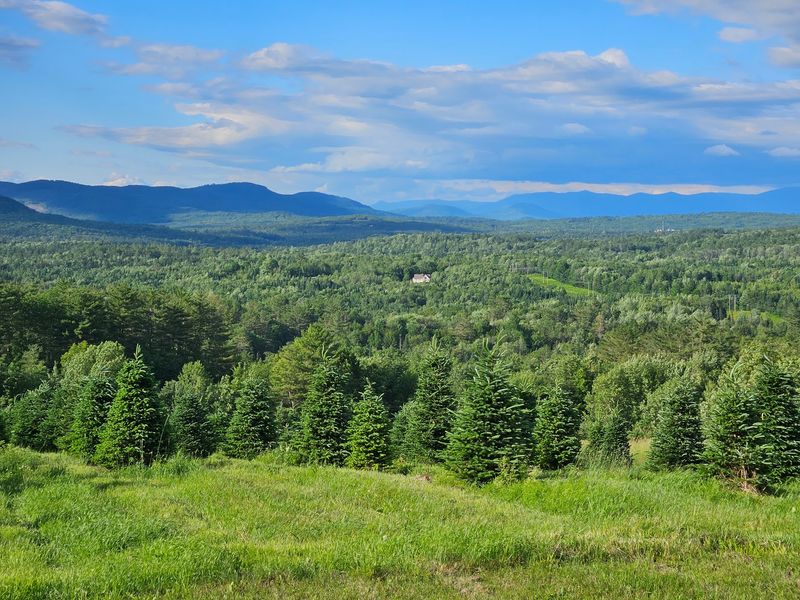
Some tree farms have nice views. This one has the Presidential Range lined up along the horizon.
The Rocks sits in the White Mountains of Bethlehem, New Hampshire. From the hillsides, you can take in sweeping mountain scenery.
On a clear winter day, those peaks make a stunning backdrop for holiday photos.
Look closely at the grounds, too. Rambling stone walls wind through the property.
Formal terraced gardens and careful landscaping show off the estate’s past.
One feature stands out for history lovers. A hillside amphitheater was built from granite foundation stones of former estate buildings.
It’s a clever way to reuse pieces of the old estate.
Photo tip: climb the slope a bit before snapping your shot. Higher ground opens up the view across the valley.
Then frame your tree, your family, and those mountains together.
Visitors can find the estate at 113 Glessner Road, Bethlehem, NH 03574. It’s close to where U.S.
Route 302 meets Interstate 93, making the drive easy.
Your holiday card practically designs itself here. Just try to get everyone looking at the camera at once.
Come Back In Spring For Maple Season And Muddy-Boot Hikes
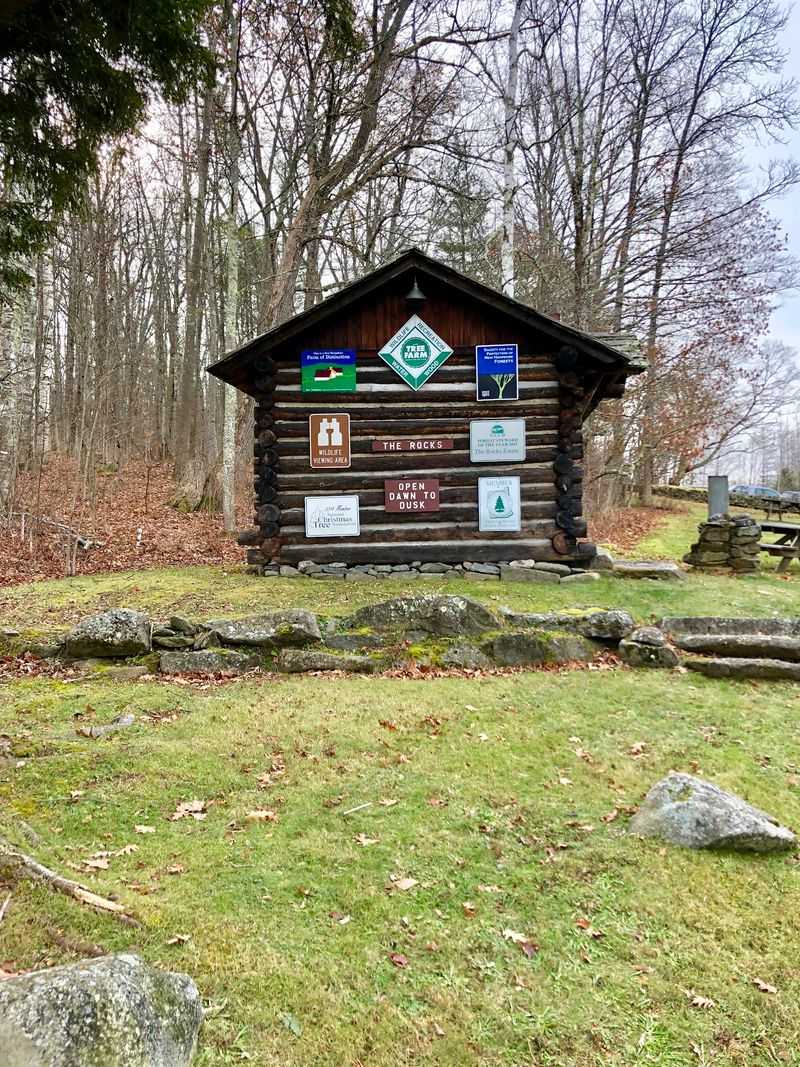
December isn’t the only season worth marking on your calendar. The Rocks stays busy all year long.
Trails at The Rocks Christmas Tree Farm are open daily from dawn to dusk. They welcome walking, hiking, snowshoeing, and cross-country skiing.
Interpretive signs along the way explain the property’s history and environment.
Spring brings something sweet. The New Hampshire Maple Experience offers maple tours in late March and early April.
That’s when the sap starts running and sugaring season kicks off.
Missed spring? Self-guided maple tours run from July through Columbus Day.
You can learn about tapping and sugaring at your own pace.
The estate also offers educational programs, group tours, and private tours. Its historic buildings and gardens make it a popular spot for weddings and meetings, too.
One quick tip: check for posted notices before visiting outside the holidays. Trail access can occasionally change for land management reasons.
I like that a place famous for Christmas trees doesn’t hibernate. Coming back in another season shows a whole new side of these New Hampshire hills.
Who knew a tree farm could moonlight as a maple classroom?
