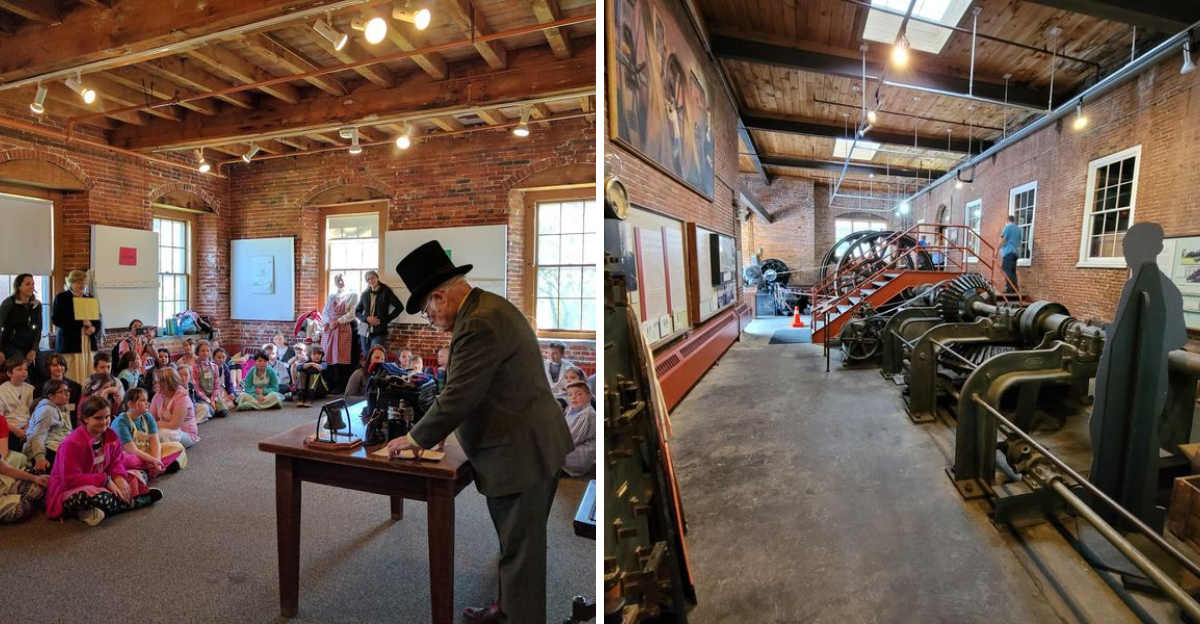
I have visited a lot of historic industrial sites over the years, but I have never visited anything quite like this. The building is a massive brick structure, and it has been standing for over two centuries.
This New Hampshire mill is the oldest largely unaltered brick textile mill in the United States, and it is a piece of living history. I walked through the rooms on a quiet afternoon and felt the weight of the past in every corner.
The original wooden beams are still intact. The knitting machines are still in place.
The water wheels that once powered the mill are still visible through openings in the floor. The mill opened in 1823 as a weaving mill, and it operated until 1969.
It has survived fires and economic downturns and changing technology. That is the thing about this New Hampshire mill.
It is not just a building. It is a testament to the people who built it and worked in it.
Their stories are still here.
A Building That Refused to Be Torn Down
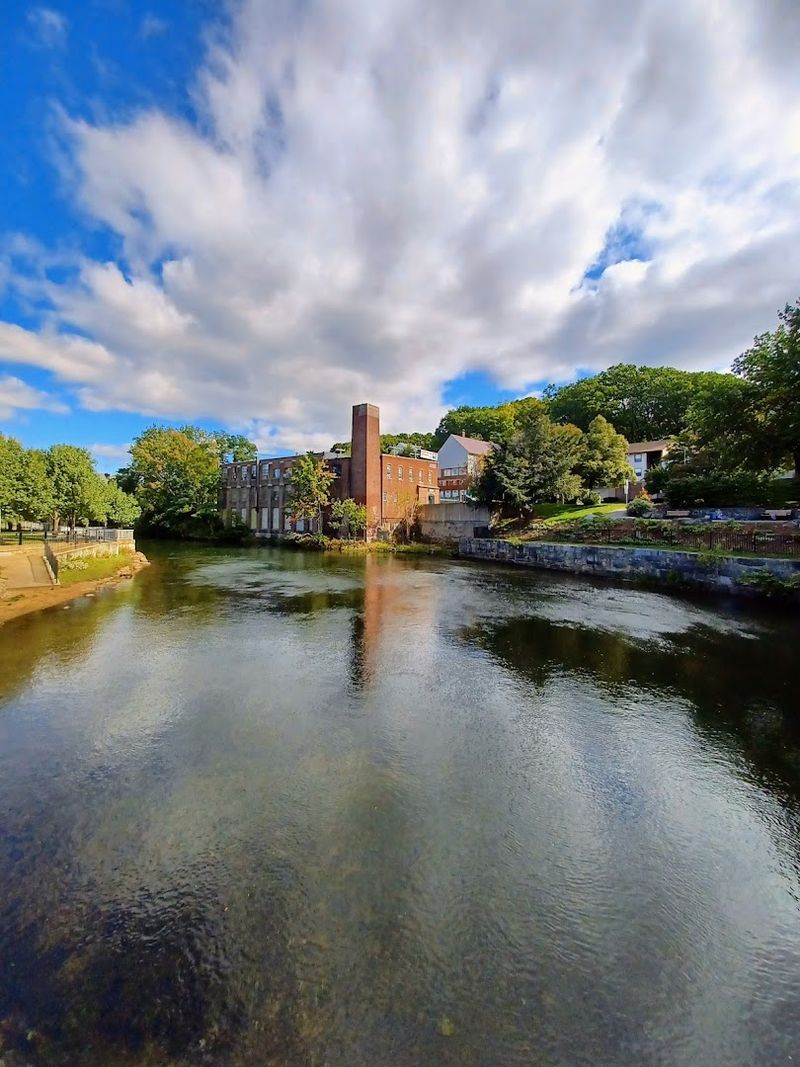
Not every historic building gets a second chance, but the Belknap Mill Museum in Laconia practically fought its way back from the brink. In the early 1970s, demolition crews were already eyeing this gorgeous brick structure when a passionate group of locals stepped in and said absolutely not.
The Save the Mill Society launched a community-driven campaign that stopped the wrecking ball in its tracks. That grassroots energy eventually evolved into the Belknap Mill Society, which continues to steward the building to this day.
It’s one of the most inspiring preservation stories New Hampshire has ever produced.
What makes this survival story even more remarkable is what was preserved. The mill’s original brick walls, timber beams, and structural bones remain largely intact, giving the building an authenticity that most museums can only dream about.
Standing inside feels like stepping through a time portal, where the past is not reconstructed but genuinely real. Every corner whispers stories of workers, machines, and a community built around the hum of industry.
From Weaving to Socks, the Mill Did It All
Few buildings can claim a career as versatile as this one. When the current brick structure opened in the late 1820s, it was humming with weaving operations, producing fabric at a pace that impressed even the most seasoned industrialists of the era.
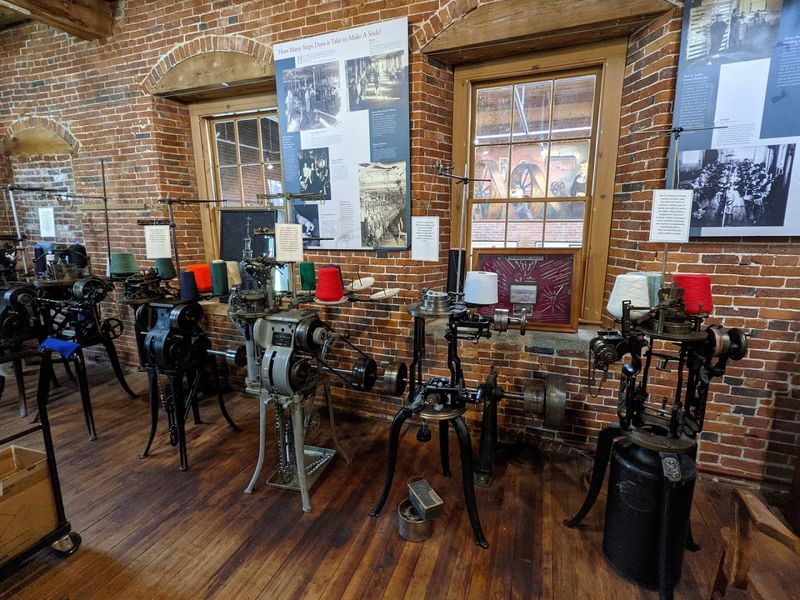
Then the Civil War arrived and changed everything. The mill pivoted to knitting, and for more than a century afterward, it churned out hosiery with remarkable efficiency.
Stockings, socks, and other knitted goods rolled off its machines decade after decade, making the mill an economic cornerstone of Laconia, New Hampshire.
By the time operations finally wound down in 1969, the mill had spent well over a hundred years producing knitwear. That long industrial legacy is now celebrated inside the Knitting Museum, one of the building’s most fascinating exhibit spaces.
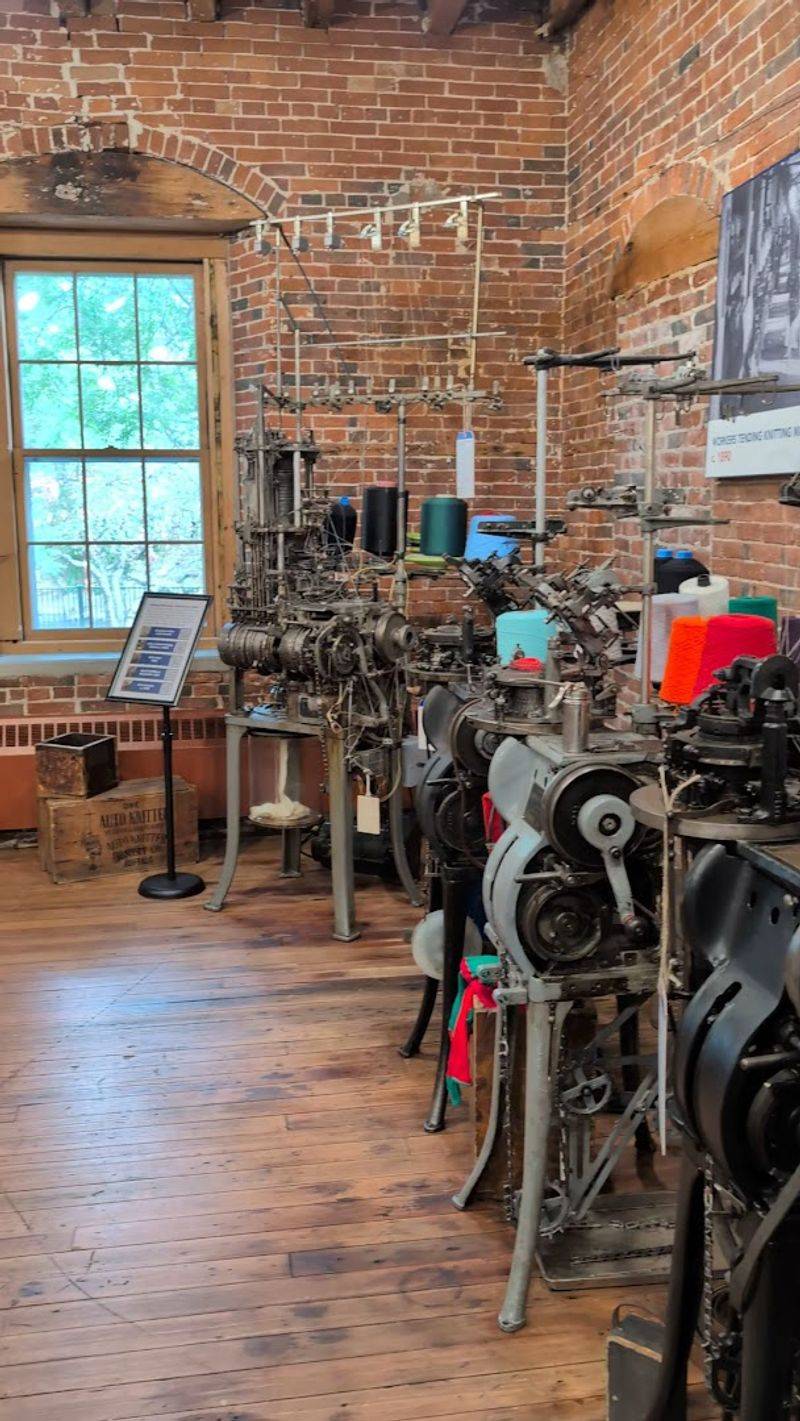
Vintage knitting machines sit exactly where workers once operated them, and the exhibit explains how hosiery production evolved through the generations. Seeing those intricate mechanical contraptions up close makes you genuinely appreciate the ingenuity baked into every stitch.
Water Power That Drove an Entire Community
There’s something almost magical about a river quietly powering an entire industrial operation, and the Belknap Mill Museum makes that magic completely tangible.
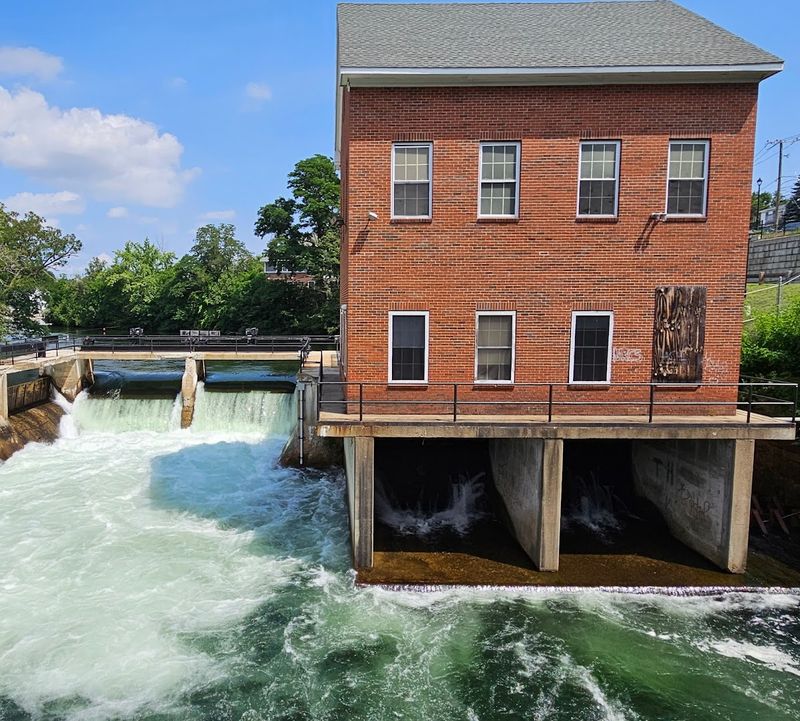
The Winnipesaukee River runs right alongside the building, and for most of the mill’s working life, it was the engine that kept everything moving.
Around the turn of the twentieth century, three power turbines were incorporated into the mill’s structure, allowing it to harness the river’s energy with even greater efficiency. Then, in 1918, a hydroelectric power plant was added, a bold modernization that kept the mill competitive well into the new century.
Today, the Powerhouse Museum interprets that entire story with clarity and flair. The exhibit walks through how water was channeled, controlled, and converted into mechanical energy that ran floors full of machines.
It’s the kind of engineering history that sounds dry on paper but becomes genuinely thrilling when you’re standing next to the actual turbines. New Hampshire has always had a knack for harnessing its natural resources creatively, and this exhibit proves that spirit goes back a very long way.
Bring your curious brain because this one rewards attention.
The Karagianis Gallery Tells Two Centuries of Stories
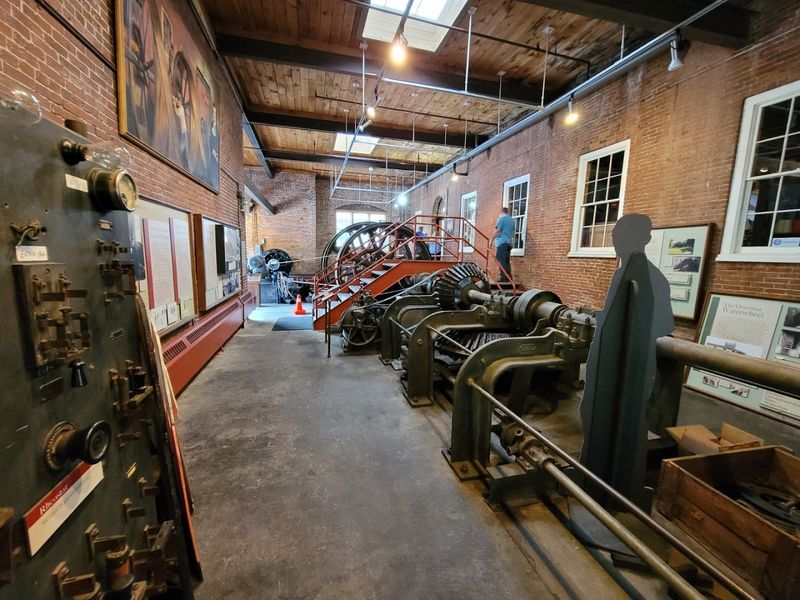
Two hundred years of history is a lot to fit into one room, but the Karagianis Gallery at Belknap Mill Museum pulls it off with real elegance.
This dedicated exhibit space traces the full arc of the mill’s life, from its earliest days as a weaving operation through its long run as a hosiery producer and right up to its current life as a cultural landmark.
The gallery does not just pile up facts and dates. Instead, it weaves together personal stories, industrial milestones, and community context into a narrative that feels genuinely alive.
Photographs, artifacts, and interpretive panels combine to create an experience that resonates whether you’re a history enthusiast or just a curious first-time visitor.
What I found most compelling was how the gallery connects the mill’s story to the broader growth of Laconia itself. The building was not just a factory.
It was a social institution that shaped the rhythms of daily life for generations of New Hampshire families. Workers who spent their careers here raised children, built neighborhoods, and created a community identity that still echoes through the city today.
The Karagianis Gallery honors all of that with quiet, confident storytelling.
Threads of Innovation and Made in Laconia Exhibits
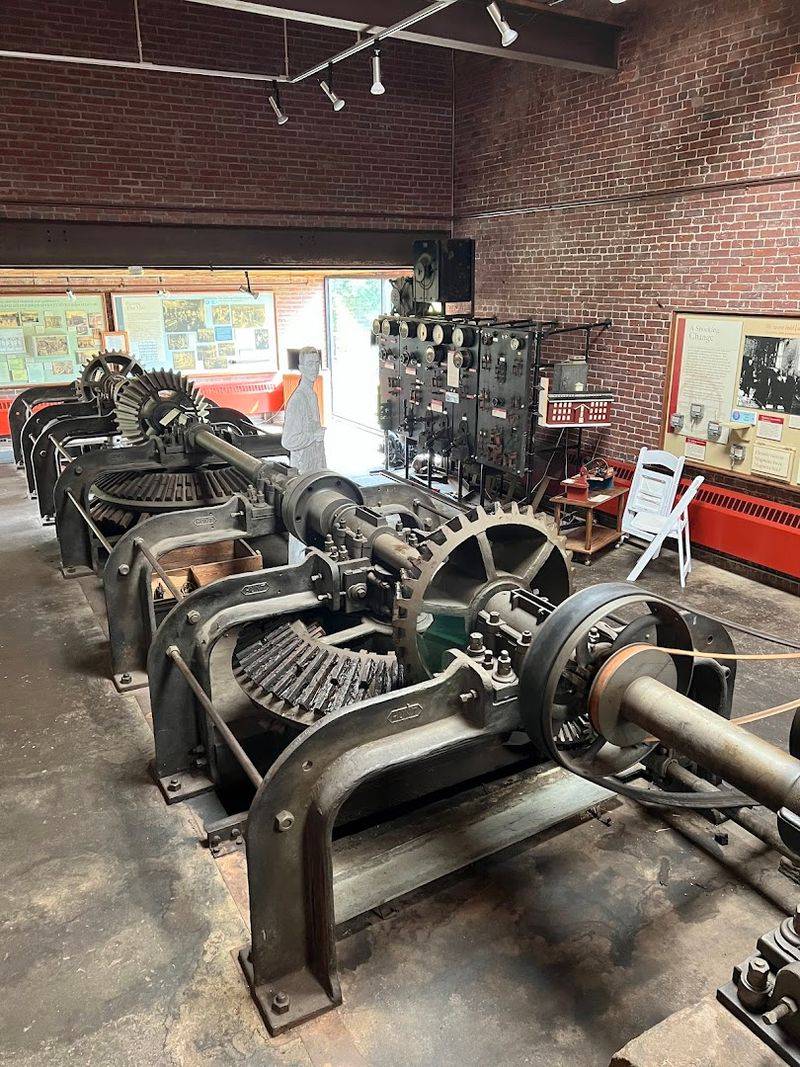
Head up to the fourth floor of the Belknap Mill Museum and you’ll find two exhibits that pack a serious punch. “Threads of Innovation” and “Made in Laconia” sit side by side, and together they paint a vivid picture of what industrial ingenuity looked like in a small New Hampshire city.
“Threads of Innovation” zeroes in on the technological leaps that transformed textile production over the decades. It’s not just a collection of old machines.
It’s a timeline of human problem-solving, showing how each generation of workers and engineers found smarter, faster, and more efficient ways to get the job done.
“Made in Laconia” broadens the lens, celebrating the full range of products and industries that gave this city its economic backbone. The exhibit reminds you that Laconia was not just a mill town in the generic sense.
It was a place where specific people, with specific skills and ambitions, built something genuinely impressive. Climbing those stairs to the fourth floor feels like earning a reward, and the exhibits absolutely deliver on that promise.
Clear signage and thoughtful curation make this one of the museum’s most rewarding stops.
Art Finds a Home in These Old Brick Walls
Old mills and contemporary art might seem like an unlikely pairing, but inside the Belknap Mill Museum the combination is completely electric. The Riverside Gallery hosts rotating art exhibitions that bring fresh creative energy into a space already saturated with historical character.
The contrast between the rough-hewn brick walls and the polished artwork hanging on them creates a visual tension that feels genuinely exciting. Local artists from across New Hampshire have displayed their work here, and the gallery has become a beloved fixture in Laconia’s arts community.
Monthly exhibitions keep the programming fresh, giving people reasons to return again and again.
What strikes me most is how the gallery manages to feel both intimate and expansive at the same time. The mill’s generous ceiling heights and original architectural details provide a backdrop that most dedicated art spaces would envy.
Walking through an exhibition here, you’re absorbing two kinds of creativity simultaneously: the artistry of the current show and the extraordinary craftsmanship of the building itself. It’s a layered experience that rewards slow, attentive exploration.
The Riverside Gallery proves that historic preservation and contemporary culture are not competing priorities but deeply compatible ones.
School Trips That Actually Make Kids Excited About History
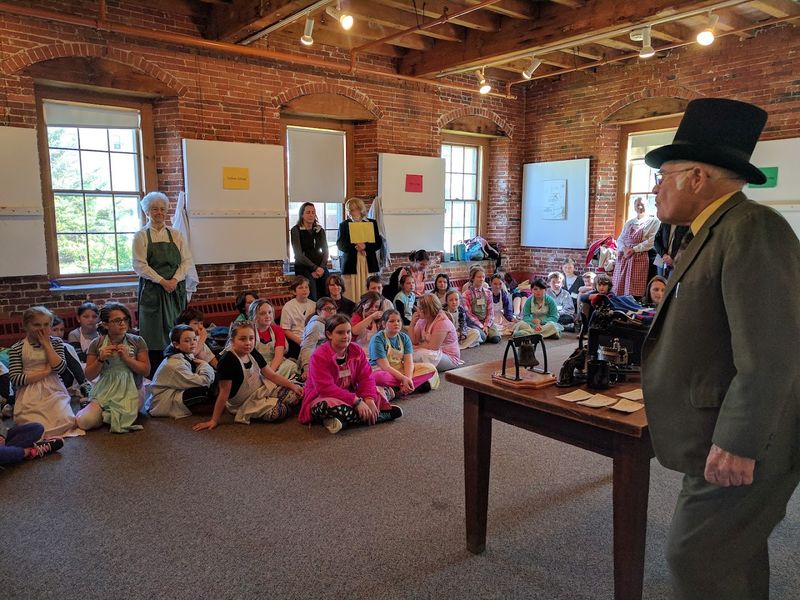
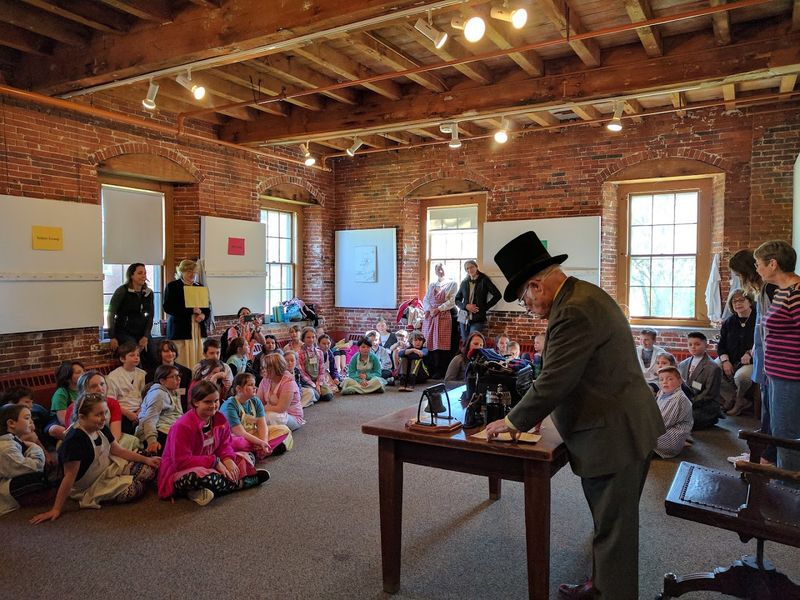
Getting kids genuinely excited about industrial history is no small feat, but the Belknap Mill Museum has cracked that particular code. The museum runs a standout educational program for elementary school children called “My First Day of Work at the Belknap Mill,” and it is exactly as immersive as it sounds.
Rather than passively absorbing information from display panels, participating students step into the roles of mill workers.
They learn what a typical workday looked like, how the machines operated, and what life was like for the men, women, and children who kept this New Hampshire institution running through the decades.
The program is hands-on, interactive, and cleverly designed to meet kids where they are. By making history personal and immediate, it transforms what could be a forgettable school outing into something students actually talk about afterward.
Teachers who bring their classes here consistently find that the experience sparks follow-up curiosity back in the classroom. The museum’s commitment to education reflects a broader belief that understanding the past is not just an academic exercise but a genuinely useful life skill.
Programs like this are exactly why places like the Belknap Mill Museum deserve every bit of community support they receive.
A Venue That Hosts Weddings, Shows, and Everything In Between
Museums are not always the liveliest places on a Friday night, but the Belknap Mill Museum throws that assumption right out the window. Beyond its exhibits and educational programs, the building serves as one of Laconia’s most distinctive event venues.
It’s hosting weddings, concerts, theater performances, fundraisers, and community gatherings throughout the year.
The third-floor hall is particularly celebrated for its acoustics, making it a natural choice for musical performances and theatrical productions. Brick walls and original timber beams create an atmosphere that no purpose-built event space can replicate, no matter how generous the renovation budget.
The Chertok Room on the second floor has been the backdrop for countless wedding receptions, business meetings, and private celebrations.
Its combination of historic character and practical amenities, including elevator access, a small kitchen, and clean restrooms, makes it genuinely functional as well as beautiful.
Renting space here also supports the ongoing preservation work of the Belknap Mill Society, so every event is a small act of community investment. New Hampshire has no shortage of beautiful venues, but few carry the weight of genuine history the way this one does.
Booking here feels like being part of something larger than any single occasion.
National Recognition That Was a Long Time Coming
Some places earn their official recognition quickly. Others have to wait for the world to catch up with what the locals already knew.
The Belknap Mill Museum falls firmly into the second category, though the wait was absolutely worth it.
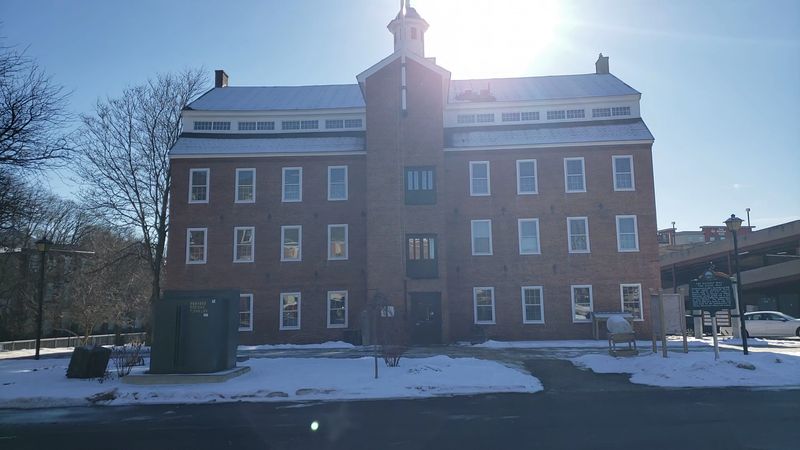
The mill’s listing on the National Register of Historic Places in the early 1970s came just as the community was rallying to save it from demolition.
That official recognition added crucial weight to the preservation effort, signaling to the broader world that this building was not just locally significant but nationally important.
The designation as New Hampshire’s Official Meetinghouse added another layer of institutional acknowledgment to the mill’s already impressive resume.
It’s a title that reflects the building’s role as a genuine community gathering place, one that has hosted everything from labor meetings to arts events to civic celebrations over the course of its long life.
Standing inside the Belknap Mill Museum today, surrounded by original brickwork and historic machinery, it’s easy to understand why so many people fought so hard to protect it. This is not just a building.
It’s a living document of American industrial history, and New Hampshire is richer for having kept it.
Plan Your Visit to 25 Beacon Street East
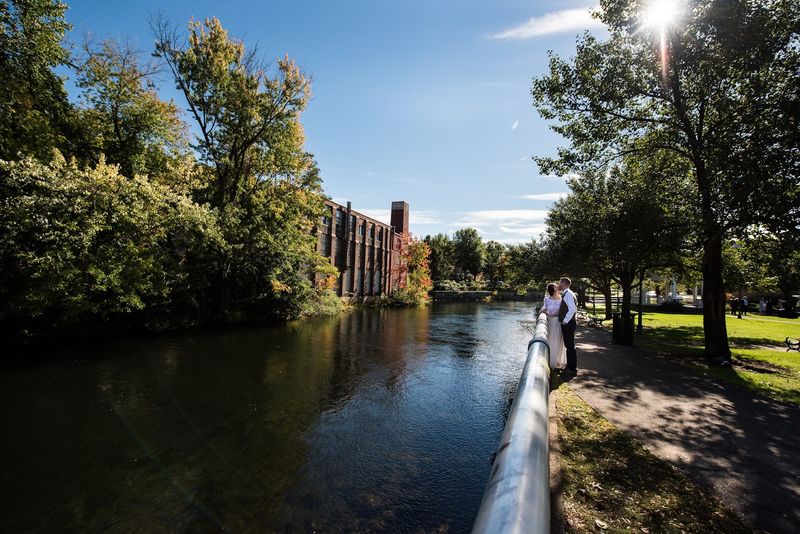
Getting to the Belknap Mill Museum is genuinely easy, and the surrounding area makes the trip even more worthwhile. The museum sits at 25 Beacon Street East in Laconia, New Hampshire, right alongside the Winnipesaukee River, with free parking available near Town Hall just down the hill.
The museum is open Tuesday through Saturday, with hours running from mid-morning into the afternoon. Admission is free, though the Belknap Mill Society warmly welcomes donations to support ongoing preservation and programming.
That generosity of spirit is baked right into the museum’s DNA.
A small gift shop rounds out the experience, offering a curated selection of locally relevant items that make for genuinely meaningful souvenirs. The building is fully accessible, with elevator service reaching all floors, so everyone in your group can explore without limitations.
My honest advice is to give yourself more time than you think you’ll need. The exhibits are compact but rich, and the building itself demands slow, appreciative attention.
Laconia is a fantastic base for exploring the Lakes Region of New Hampshire, and the Belknap Mill Museum makes for a perfect anchor to any itinerary. You can reach the museum directly at 603-524-8813 or through belknapmill.org for the latest programming updates.
