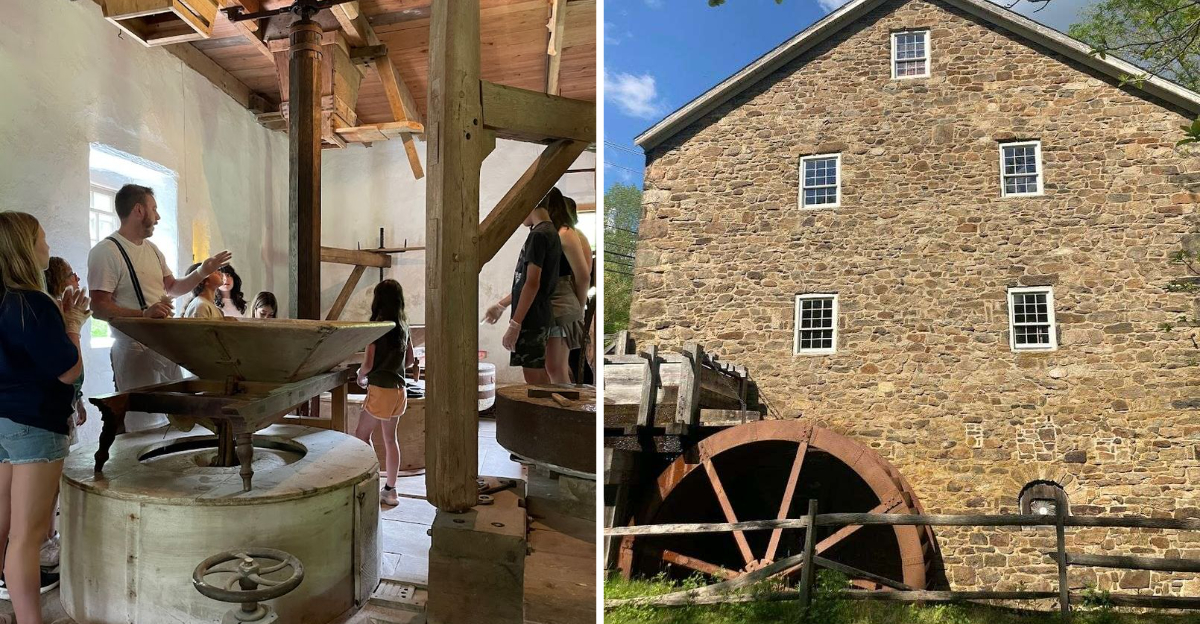
Have you ever watched a massive wooden water wheel turn slowly, powered by nothing but the force of a rushing stream?
It is oddly mesmerizing.
This beautifully preserved gristmill does exactly that, grinding grain just as it has for over a century.
The giant millstones crush corn and wheat into flour using the same time-honored techniques that fed entire communities back in the day.
Visitors can peek through the windows and watch the machinery in action, while the friendly staff explains the fascinating process with genuine enthusiasm.
The whole place hums with quiet history and the gentle creak of old wood.
Grab a bag of freshly ground flour on your way out and take a piece of living history home with you.
New Jersey is full of surprising treasures, and this one is beautifully simple and wonderfully authentic.
A Mill Built to Last
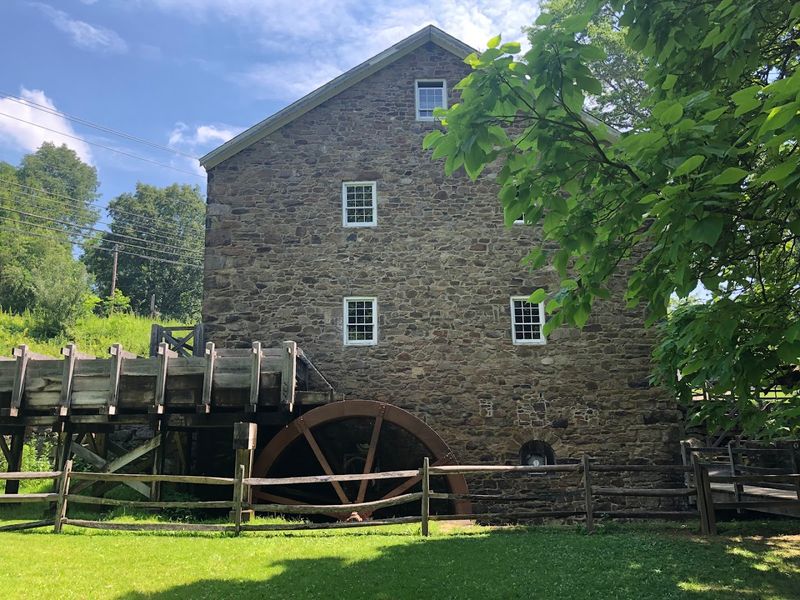
Some buildings tell you their age the moment you look at them. Cooper Gristmill has that kind of presence, standing four stories tall with thick stone walls that feel like they were meant to outlast everything around them.
Retired General Nathan Cooper built the current structure in 1826, replacing an even older mill that had operated on the same site since the 1760s. That is a long line of grain-grinding history on one patch of New Jersey land.
When it opened, the mill was genuinely cutting-edge. It featured four sets of millstones, mechanical elevators, conveyors, and cleaning machines that made it one of the most advanced operations in the region at the time.
The mill ran continuously until around 1913, when it became the last operating gristmill in Chester Township to close. The Morris County Park Commission acquired the property in 1963 and restored it carefully before reopening it to the public in 1978.
Knowing that history makes every creaking floorboard feel meaningful.
The Black River Does the Heavy Lifting
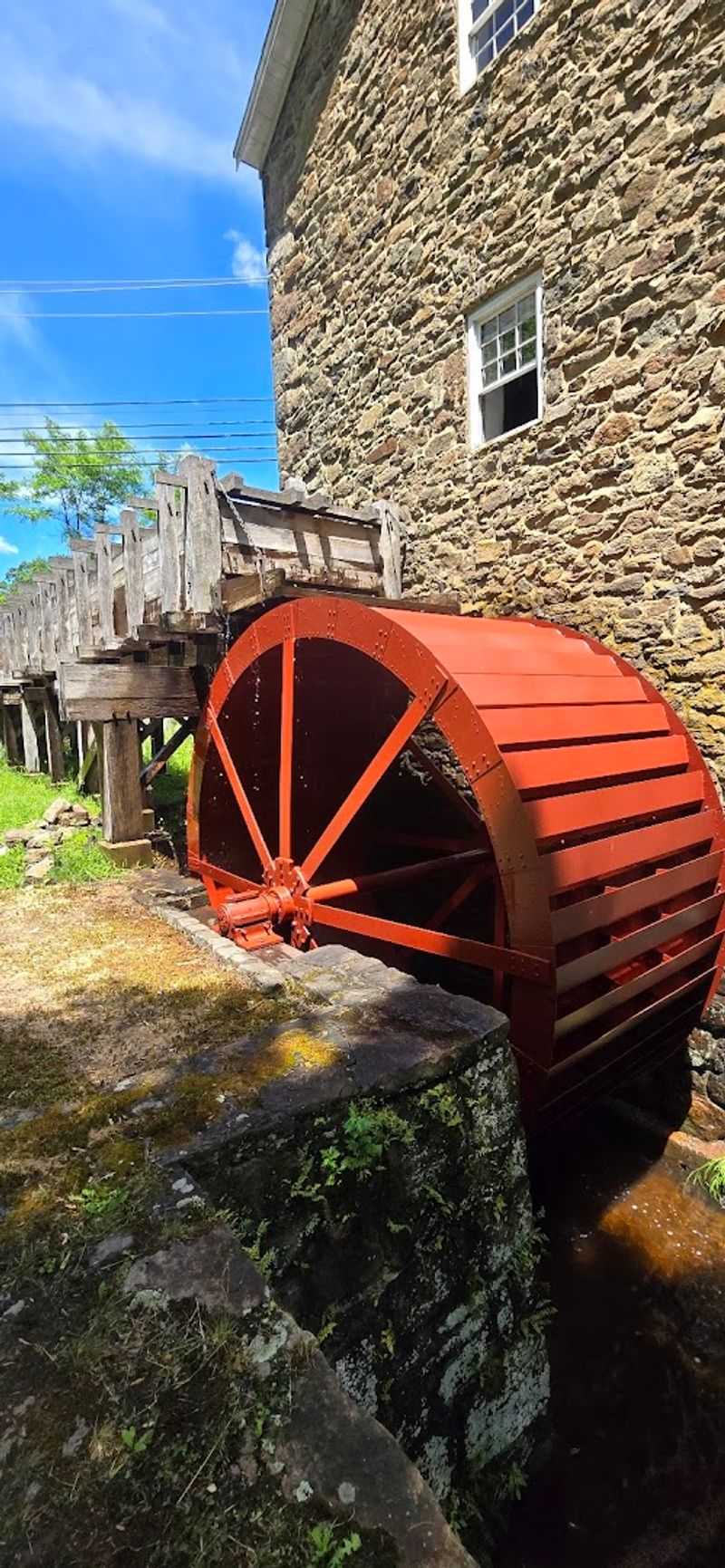
There is something almost hypnotic about watching water do actual work.
At Cooper Gristmill, the Black River powers a steel water wheel that drives the entire operation, and once you see it moving, you start to understand why people built mills next to rivers for hundreds of years.
The original mill used two overshot waterwheels, which were eventually replaced by more efficient horizontal turbines in the mid-1800s. The current steel wheel carries on that same tradition of letting the river do what it does best.
All that water energy transfers directly to two sets of millstones, each weighing around 2,000 pounds. The mill can process up to 800 pounds of flour per hour when running at full capacity, which is a genuinely impressive number for a building that looks like it belongs in a history painting.
Feeling the floor vibrate gently when the machinery kicks on is one of those small sensory moments that sticks with you long after the visit ends. The river has been doing this job for a very long time.
Two Thousand Pounds of Grinding Power
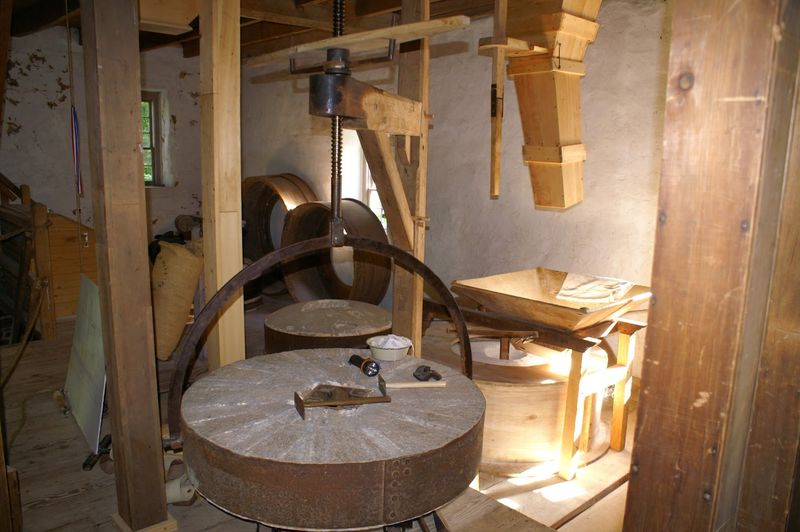
Standing next to a millstone that weighs as much as a small car puts a lot of things into perspective. These are not decorative pieces.
They are working tools that have been crushing grain into flour for generations, and they look every bit the part.
Cooper Gristmill runs two active sets of millstones, each pair capable of grinding wheat, corn, rye, and buckwheat into flour or meal. The stones are shaped and balanced with careful precision, because even a slight imbalance at high speed causes serious problems.
The gap between the upper and lower stone is what controls the texture of the finished flour. Adjust it slightly and you go from coarse cornmeal to fine whole wheat flour.
It sounds simple, but getting it right takes real skill and experience.
What makes these stones so impressive is that they are still doing exactly what they were designed to do. The flour sold at the mill comes directly from this process, ground the same way it was ground nearly two hundred years ago.
That continuity is genuinely rare.
Grains on the Menu
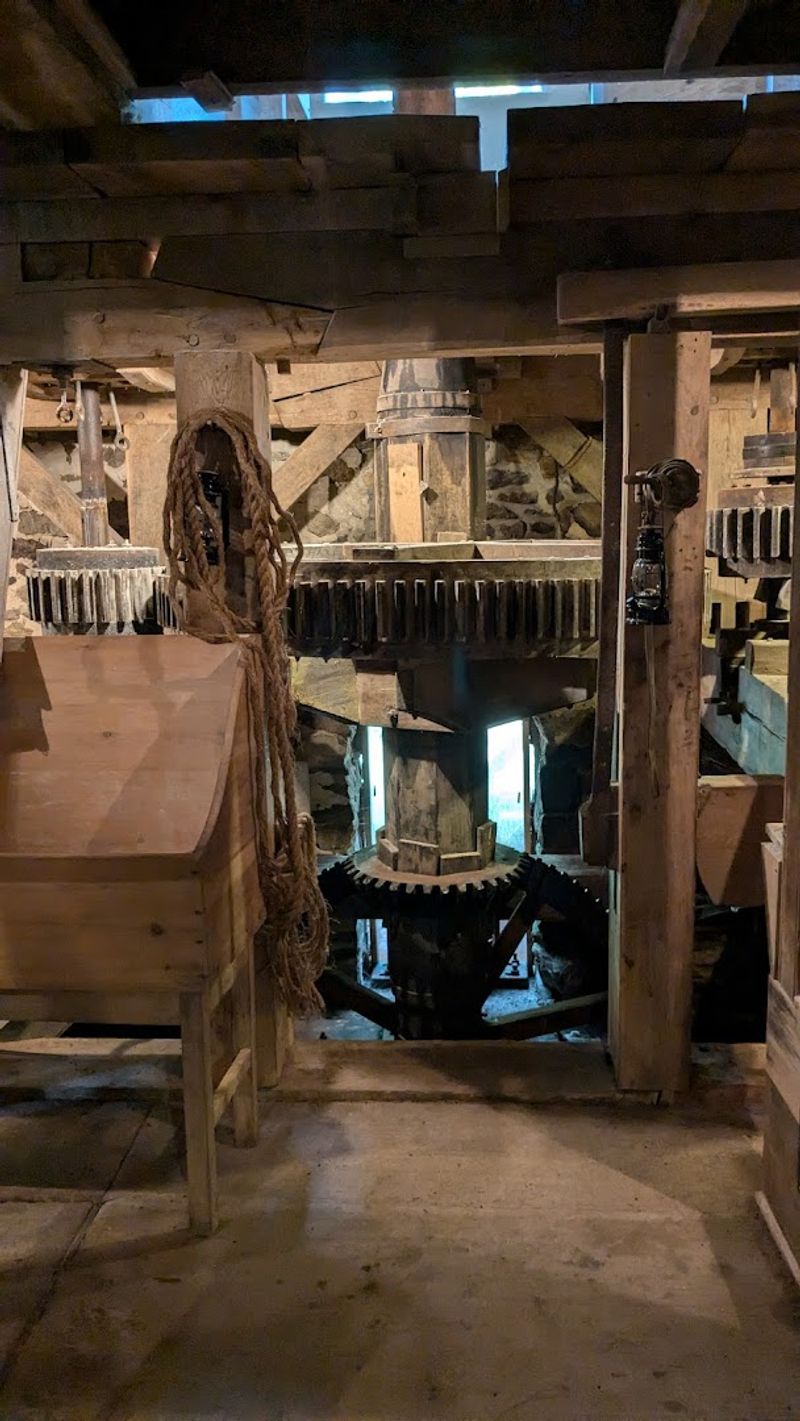
Not every mill grinds more than one kind of grain, which makes Cooper Gristmill stand out even among historic sites.
The operation handles wheat, corn, rye, and buckwheat, each requiring slightly different settings and producing a distinctly different finished product.
Whole wheat flour ground here has a nutty, earthy quality that packaged supermarket flour simply does not replicate.
Stone grinding preserves more of the grain’s natural oils and nutrients compared to modern steel roller milling, which strips a lot of that character away in the name of shelf stability.
Cornmeal from the mill is the kind of ingredient that makes cornbread taste like something your great-grandmother would have made on a wood stove. It is coarser, more flavorful, and noticeably different from the fine yellow powder sold in most grocery stores.
Visitors can purchase bags of freshly ground flour and cornmeal before leaving.
Taking home something that was literally just ground by 200-year-old stone machinery powered by a river feels like one of the better souvenirs available anywhere in New Jersey right now.
Guided Tours That Actually Teach You Something
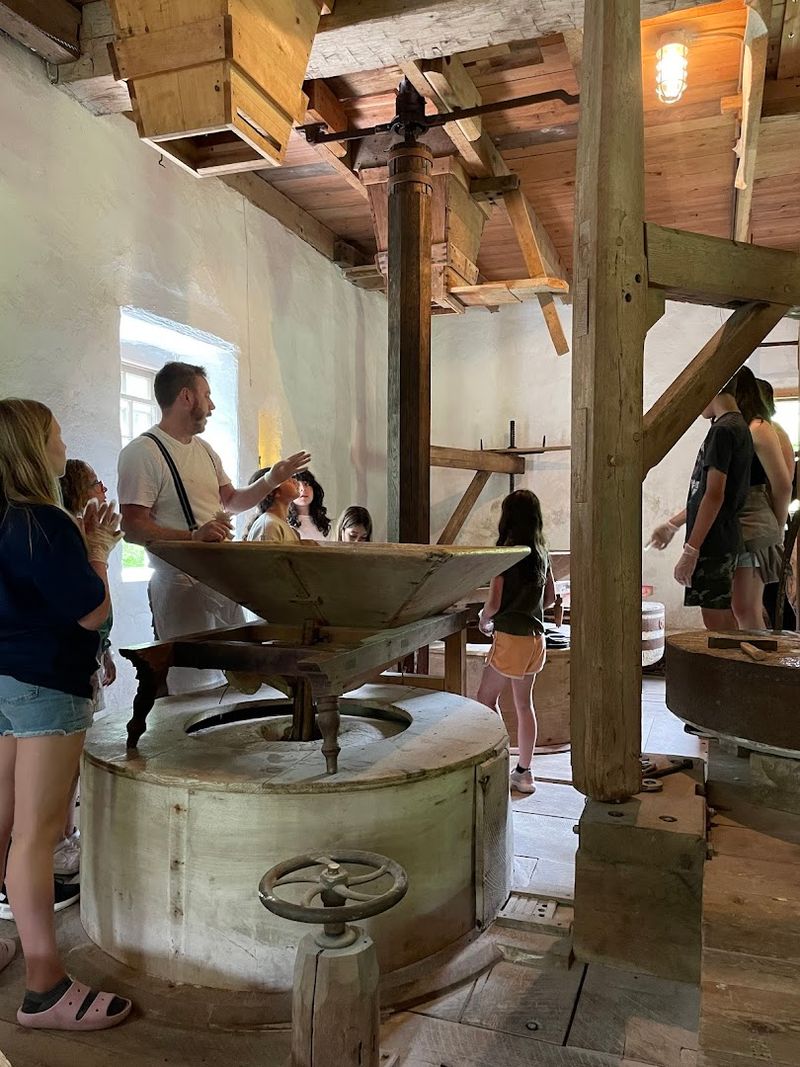
Most historic sites have tours. Not all of them leave you genuinely curious about milling technology for the rest of the week.
Cooper Gristmill manages to pull that off with guides who clearly love what they do and know the machinery inside and out.
Costumed staff walk visitors through every floor of the four-story building, explaining how grain moves through the system from raw kernel to finished flour. The demonstrations run with the actual machinery operating, so the experience is loud, tactile, and completely engaging.
Younger visitors especially seem to respond well to the hands-on nature of the tour. Seeing a massive stone start to spin and feeling the vibration in the floor makes history feel immediate in a way that textbooks rarely manage.
Questions are genuinely welcomed here. The guides are known for going deep on follow-up topics, from the engineering details of water wheel mechanics to the agricultural history of Morris County.
Leaving with more questions than you arrived with is actually a sign that the tour did exactly what it was supposed to do.
The Last Water-Powered Mill in New Jersey
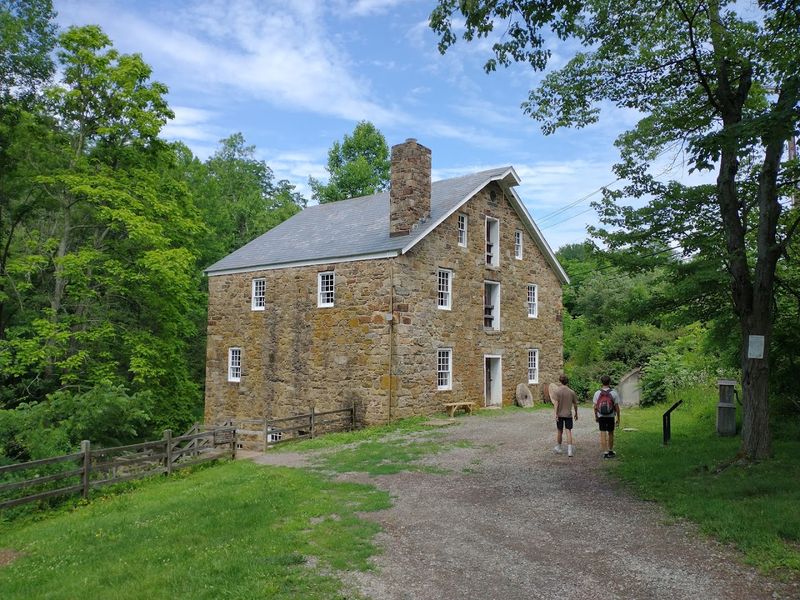
That distinction matters more than it might seem at first. New Jersey had hundreds of working mills during the 18th and 19th centuries, powering local economies and feeding communities across the state.
Almost all of them are gone now, either demolished or standing as silent ruins.
Cooper Gristmill is the only one that still runs, still grinds, and still produces flour that people actually take home and bake with. That makes it less of a museum piece and more of a living document of how things used to work.
Being listed on both the State and National Registers of Historic Places reflects how seriously the preservation community takes this site.
The restoration work done after 1963 was meticulous, focused on maintaining the original mechanical systems rather than replacing them with modern equivalents.
Visiting a place that holds a genuine one-of-a-kind status in its state feels different from visiting a typical historical attraction. There is a quiet weight to the fact that if this mill stopped operating, no other New Jersey mill would pick up where it left off.
From Milltown to Morris County Park
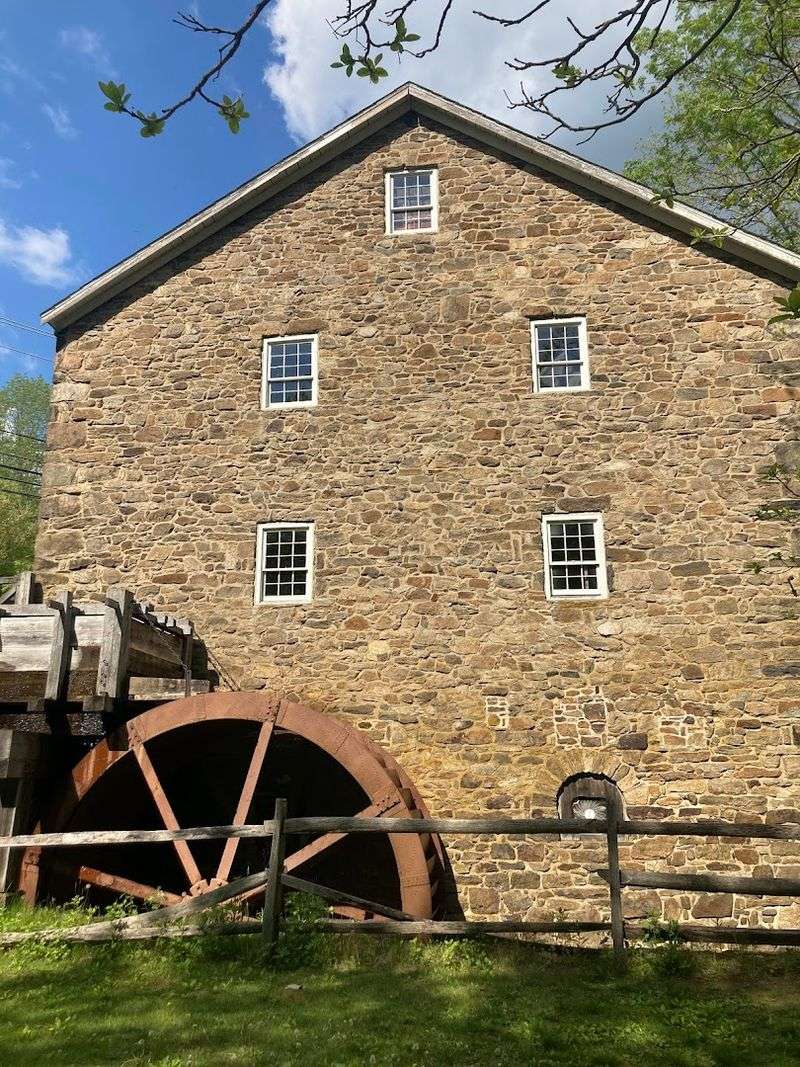
Before it was a park destination, this stretch of the Black River was a working community called Milltown, built around the economic engine of grain milling. The mill was not just a building.
It was the reason people settled here, built homes, and stayed.
Cooper Gristmill sat at the center of that community during its most productive years, processing grain for farms spread across the surrounding countryside.
The transition from active mill to closed building in 1913 mirrored what was happening across rural America as industrial food production scaled up.
Morris County Park Commission stepped in during 1963, recognizing that what remained was worth preserving. The restoration project that followed took years and required serious engineering knowledge to bring the original machinery back to working condition.
Walking the grounds today, you can still spot remnants of the old Milltown era along the river trail. Ruins, old sluiceways, and evidence of other mills that once operated nearby give the landscape a layered quality.
History is not just inside the building here. It is scattered across the whole property.
Trails Along the Black River
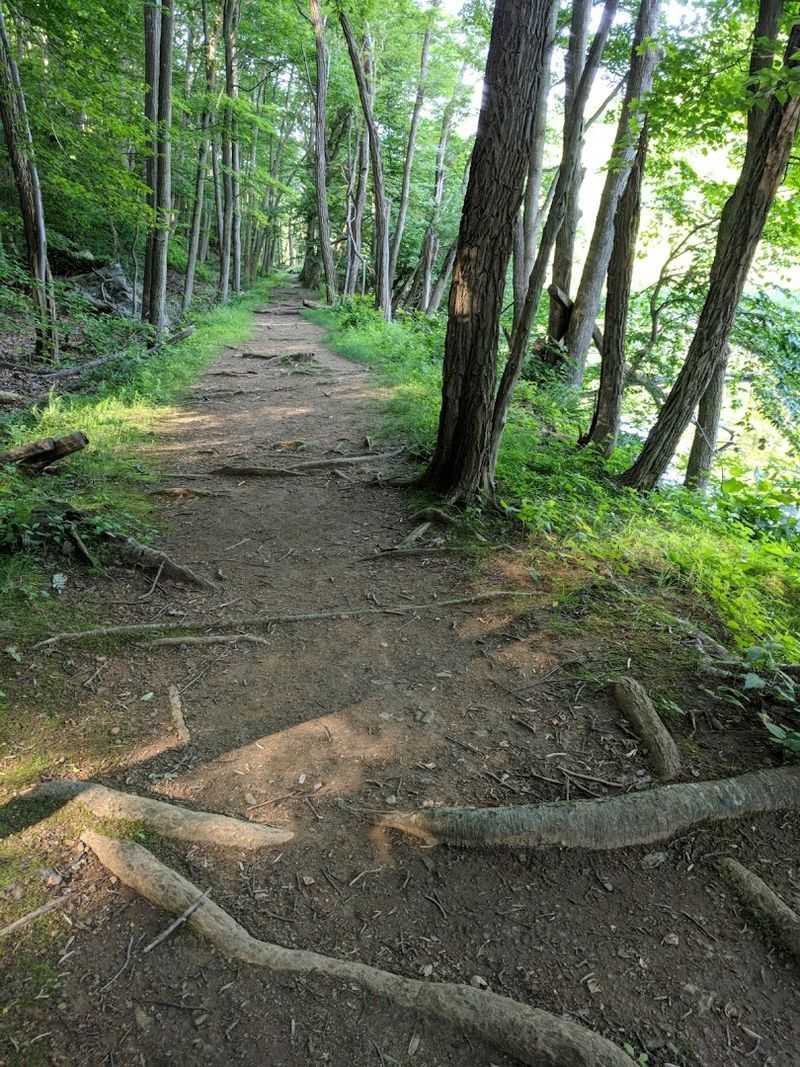
Coming for the mill and staying for the trails is a very reasonable way to spend a full day here. The Patriots Path follows the Black River through some genuinely beautiful Morris County landscape, and the section near the mill is particularly scenic.
The trail passes old mill ruins, visible sluiceways, and small mining pits that hint at the industrial past of this stretch of river. Waterfalls appear at certain points depending on water levels and the season, making the walk feel like a series of small discoveries.
Fall is a particularly compelling time to visit, when the tree canopy along the river turns into something out of a painting. Summer brings cool shade along the water, which makes the trail a welcome escape from heat elsewhere in the region.
Trail conditions vary by section, so sturdy footwear is genuinely recommended rather than just politely suggested. Some areas involve rocks, roots, and narrow boardwalks that reward attention and appropriate shoes.
The trails are dog-friendly, which seems to make the whole experience noticeably more enjoyable for everyone involved.
Stone-Ground Flour Worth Baking With
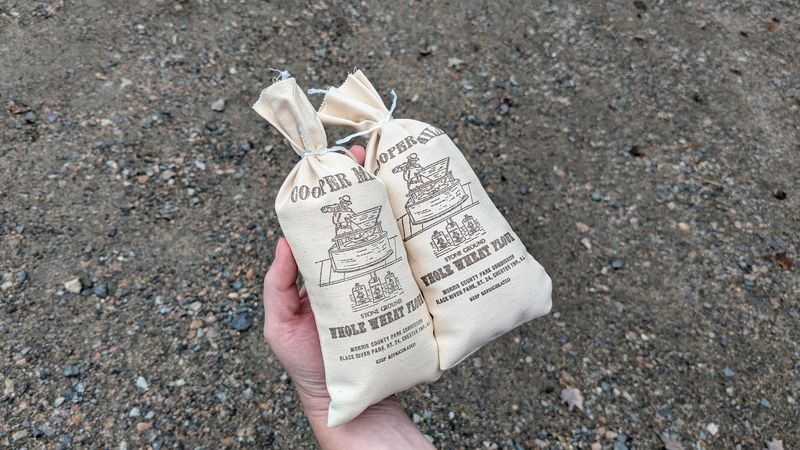
The flour you buy at Cooper Gristmill is not the same product you find on a supermarket shelf.
Stone grinding at low speeds generates less heat than industrial roller milling, which means more of the grain’s natural flavor compounds and nutrients survive the process.
Whole wheat flour from the mill has a depth of flavor that shows up immediately in bread, pancakes, or muffins. The bran and germ are still present in meaningful amounts, giving baked goods a texture and taste that feels genuinely old-fashioned in the best possible way.
Cornmeal from the mill carries a similar distinction. Used in cornbread, polenta, or johnnycakes, it produces results that taste noticeably different from commercially processed alternatives.
The coarser grind adds body and character that fine-milled cornmeal lacks entirely.
Taking home a bag of something that was ground by river-powered millstones earlier that same day is a connection to food production that most modern grocery shopping completely bypasses.
It is a small thing, but it changes how you think about where flour actually comes from.
Address: 66 Rte 24, Chester, NJ
