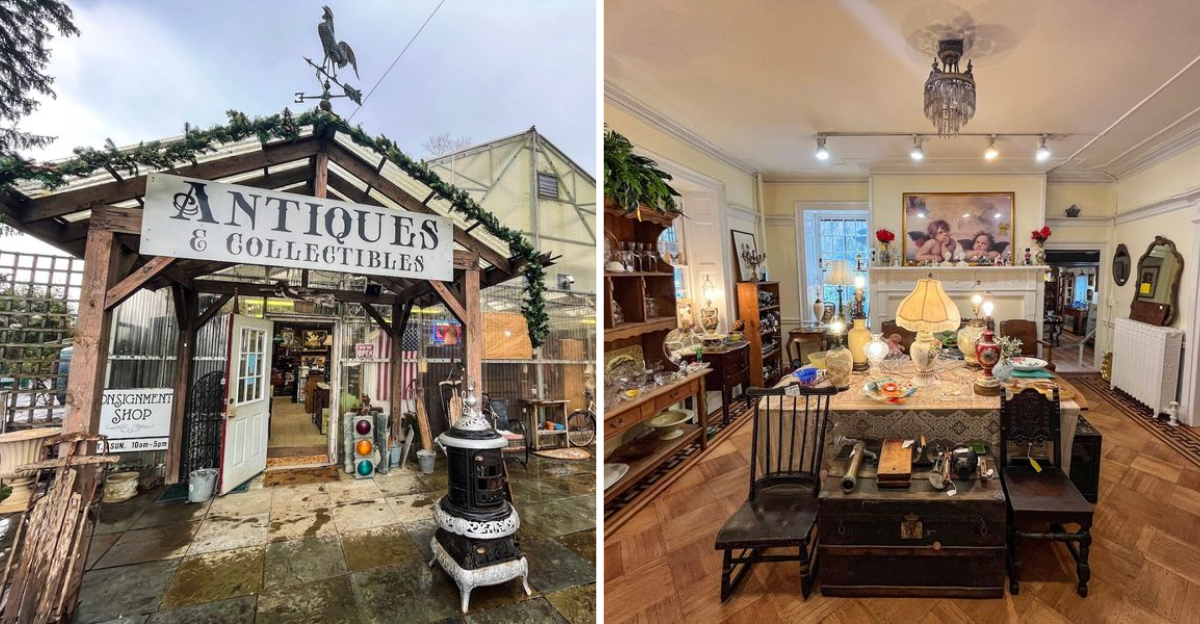
You do not need a time machine to step into New Jersey’s past. This historic property earned its spot on the National Register of Historic Places back in 1979.
Today, it lives a second life as a working farm stand and an antique shop. Wooden crates overflow with heirloom tomatoes and sweet corn.
Just inside, dusty furniture and vintage glassware wait for new homes. The floorboards creak under your feet.
The air smells of ripe peaches and old cedar. A 19th century homestead, now selling fresh produce and forgotten treasures.
History never tasted so fresh or looked so chipped. Go touch something old, then buy something grown.
New Jersey hides its best stories in plain sight. Bring cash and curiosity.
The homestead is waiting.
A National Register Landmark Since 1979
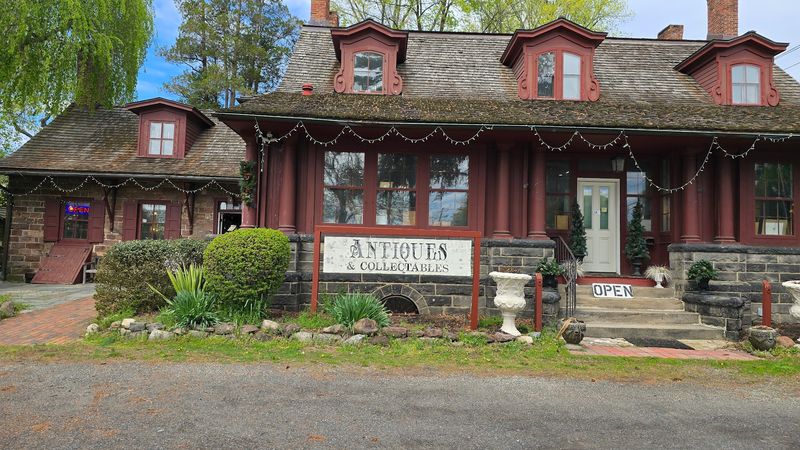
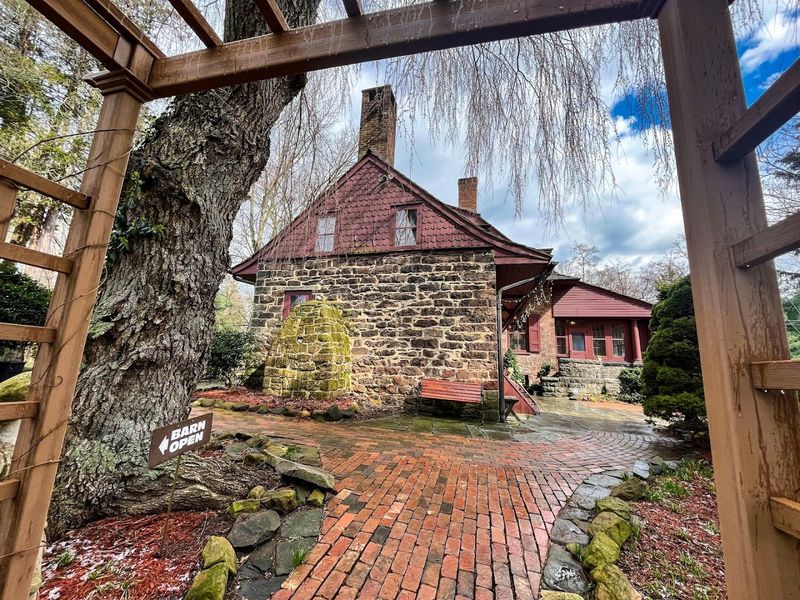
Some buildings whisper history. This one practically shouts it from its sandstone walls.
The Abram Demaree Homestead was officially added to the National Register of Historic Places on November 1, 1979, a recognition that cemented its place as one of New Jersey’s most significant surviving colonial properties.
The oldest section of the house was built between 1760 and 1769 by Abram Demaree himself. His son David A.
Demaree later added a two-story Federal-style main section in 1809, giving the structure that layered, lived-in character you can feel just standing in front of it.
What makes this designation special is not just the paperwork. It means the property has been evaluated and confirmed as genuinely historically significant.
Walking around the grounds, that weight of real history feels present in every detail, from the stone foundation to the original wood barn still standing on the property today.
The Sandstone House That Has Stood Since the 1760s
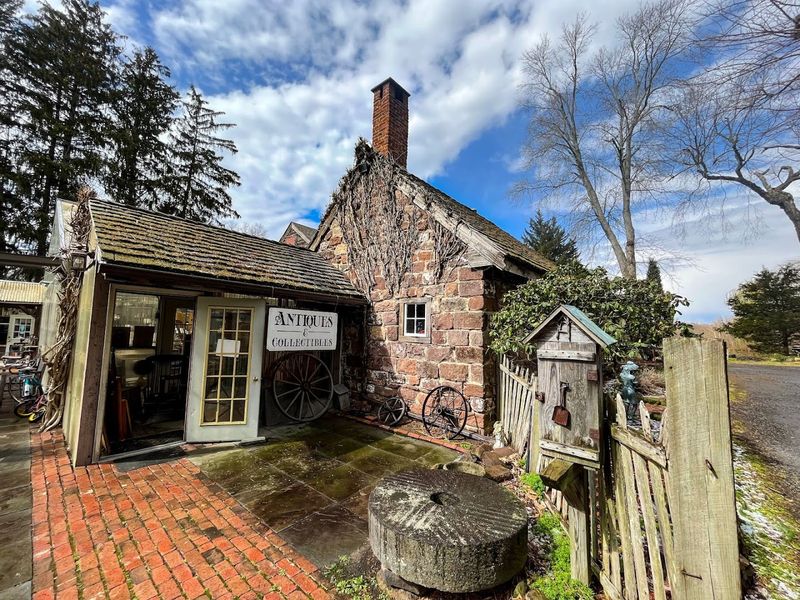
Standing in front of this house, it is genuinely hard to wrap your head around the fact that people were living here before the United States even existed as a country.
Abram Demaree chose this land and built his home from local sandstone, a material that has weathered nearly 260 years with remarkable grace.
The original section of the house carries that unmistakable character of early American colonial construction. Thick walls, modest proportions, and a solidity that modern buildings rarely achieve.
When David Demaree expanded the home in 1809 with the Federal-style addition, the two sections came together in a way that tells the story of a family growing along with a young nation.
Visiting today, you get to walk through rooms that have genuinely seen centuries of daily life. That connection to real human history, not a theme park version of it, is what makes this place feel so different from anything else in the region.
14 Acres of Continuously Farmed Land
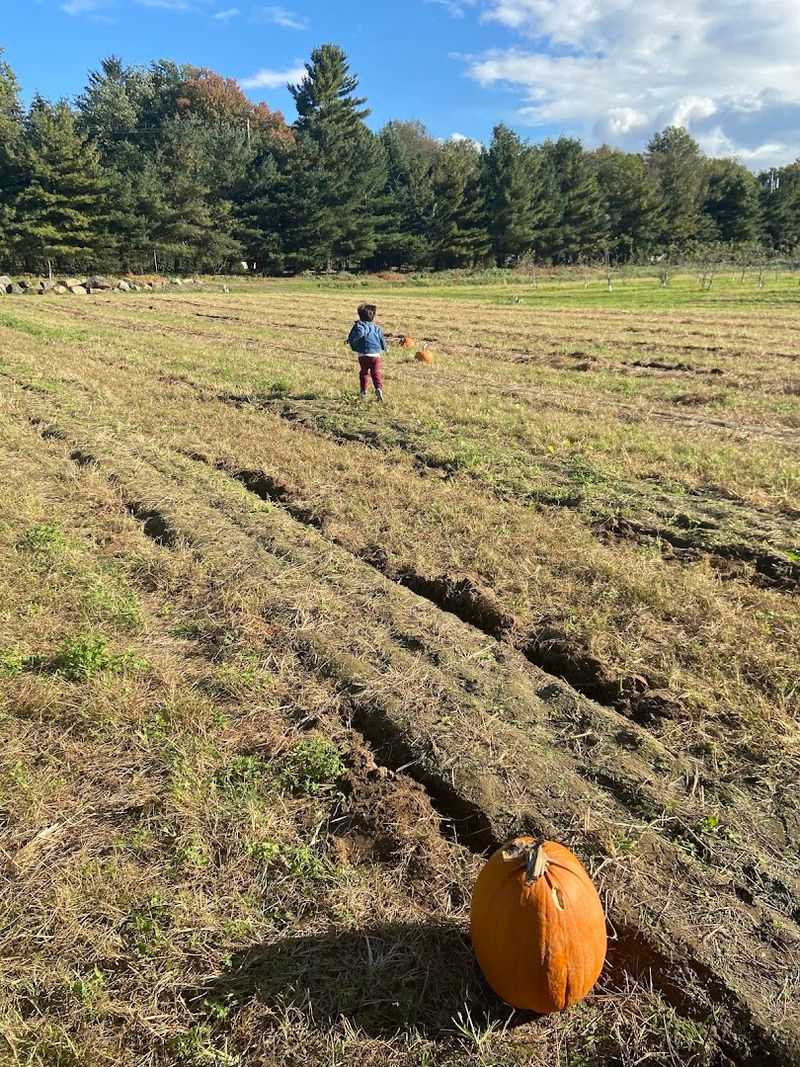
Fourteen acres does not sound massive until you realize those same acres have been farmed without interruption since the 18th century.
Known as Old Schraalenburgh Farm, the land across from the main house has been producing food for longer than most countries have been drawing borders on maps.
That kind of continuity is genuinely rare. Farming is hard, land gets sold, developments creep in.
Yet this plot has stayed in agricultural use through wars, economic shifts, and the relentless sprawl of suburban New Jersey. The soil here carries a kind of memory that feels almost tangible when you walk along the field edges.
Today the farm supplies fresh, natural ingredients that end up in the food served at the cafe right on the property. Knowing that the vegetables on your plate were grown just steps away changes the whole experience of eating.
It feels honest, grounded, and deeply satisfying in a way that grocery store produce simply cannot replicate.
The Farm Cafe Serving All-Natural, Locally Grown Food
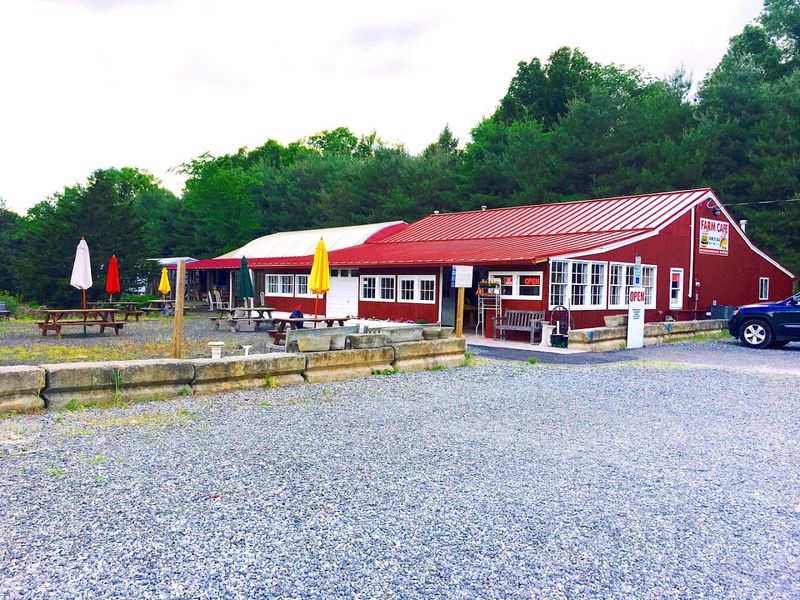
Few things in life are as satisfying as eating food that was literally grown across the street from where you are sitting.
The farm cafe at this homestead leans fully into that philosophy, serving casual, approachable food made from all-natural ingredients sourced directly from the farm.
The menu keeps things real and unpretentious. Think hearty chicken pot pie, cookies that smell like they just came out of a farmhouse kitchen, and pie crusts with that perfectly flaky texture that only happens when someone genuinely cares about the process.
Nothing here is trying to be fancy, and that is exactly the point.
Eating at the cafe feels like the natural conclusion to a morning spent exploring the antique shop and walking the farm grounds. The food connects you to the land in a way that is hard to describe but easy to feel.
Grab something warm, find a spot outside, and let the whole peaceful atmosphere of the property do the rest of the work.
The Antique Shop Housed in the Historic Demaree House and Barn
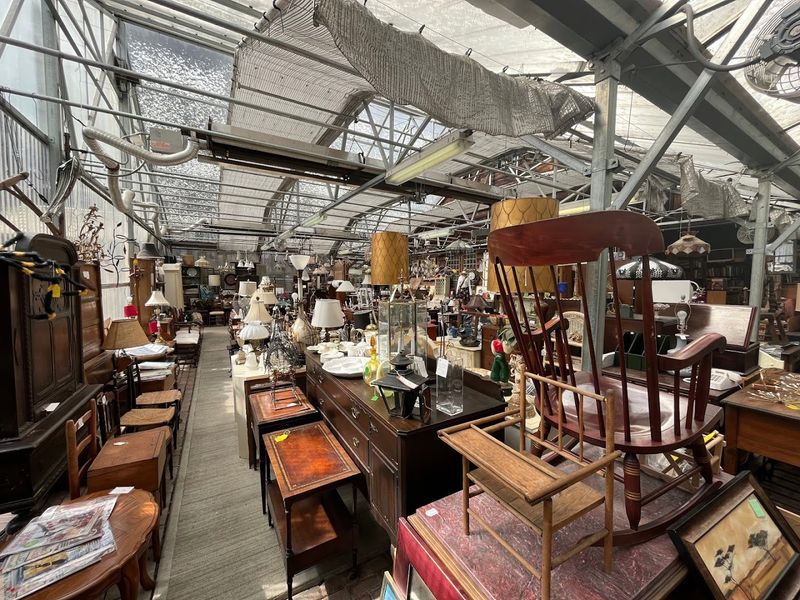
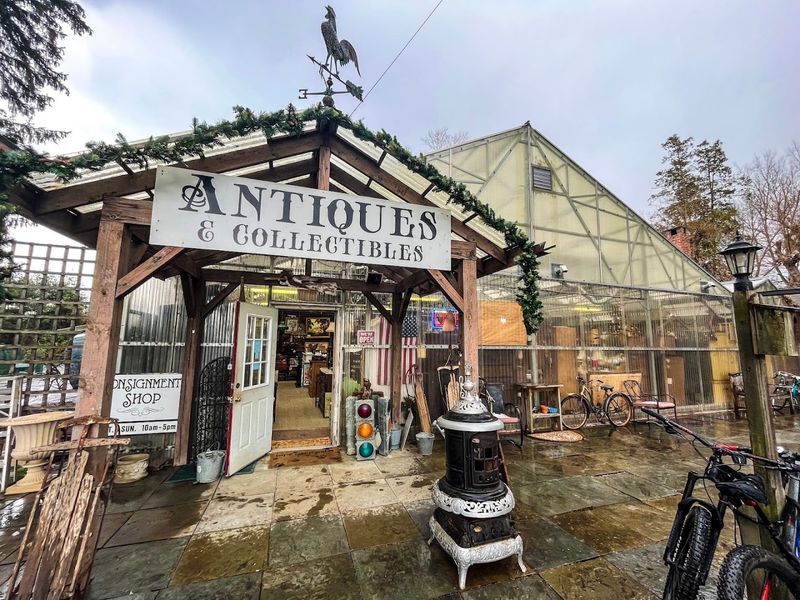
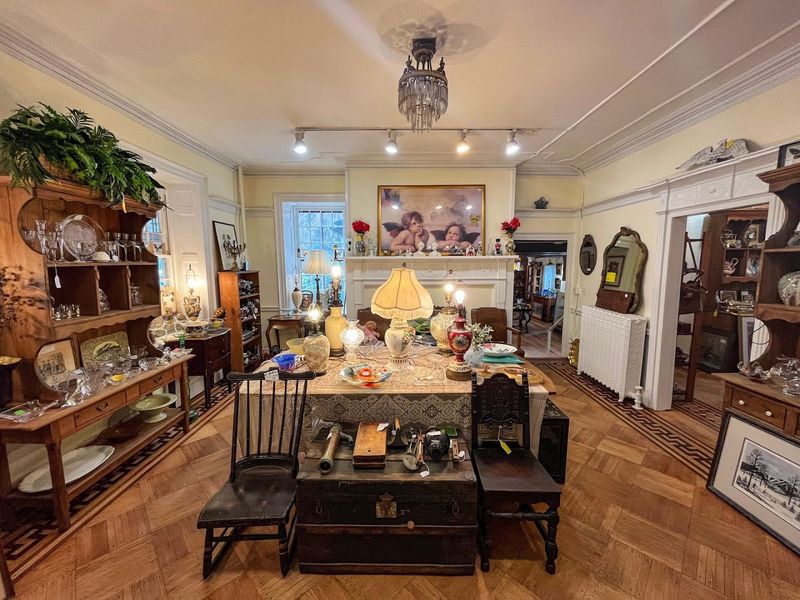
Stepping into the antique shop here is like opening a door into a very well-organized attic that belongs to someone with extraordinary taste.
The shop operates out of two distinct spaces: the historic Demaree House itself and a beautifully renovated original wood barn on the property.
The selection genuinely spans everything. Vintage furniture, crystal glasses, antique clocks, old books, framed artwork, jewelry, and curious objects that defy easy categorization.
The inventory rotates frequently because most items are sold on consignment, which means returning visitors almost always find something new to discover.
Browsing through room after room, there is a satisfying unpredictability to the whole experience. You might round a corner and find a mid-century modern lamp next to a hand-stitched quilt from the 1800s.
The historic setting of the buildings adds a layer of atmosphere that a regular antique mall simply cannot manufacture. This is treasure hunting with genuine architectural drama as the backdrop.
The 18th-Century Blacksmith Shop with Live Demonstrations
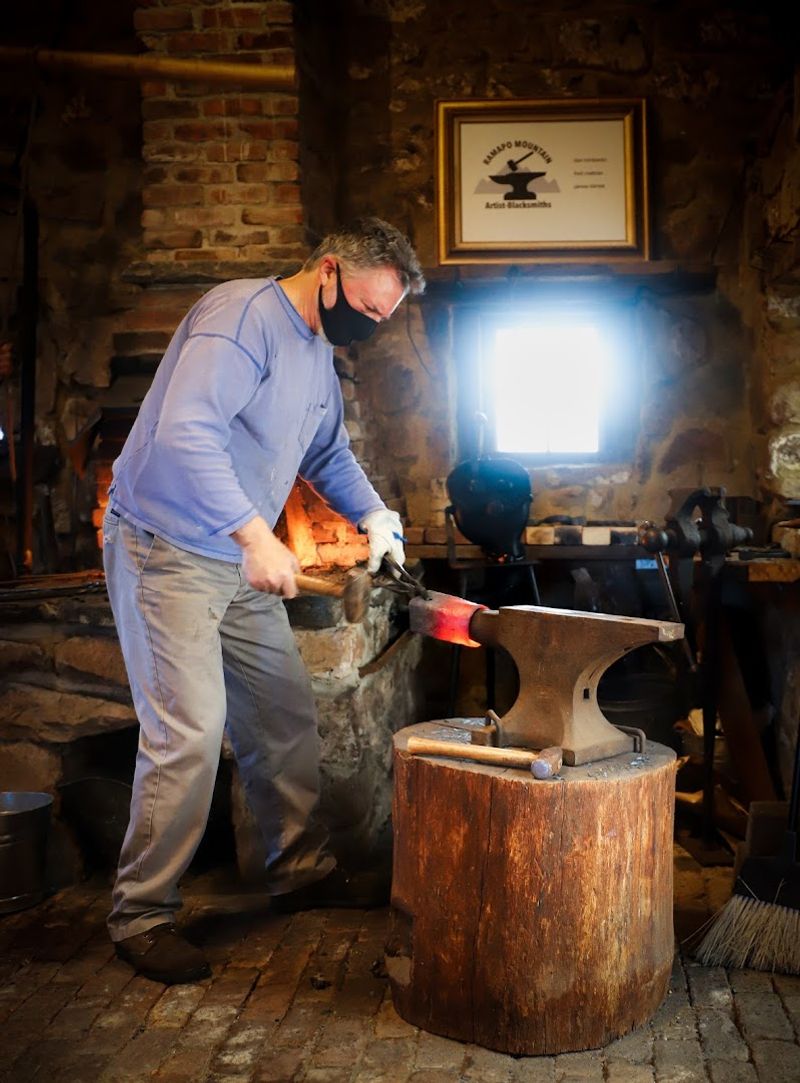
There is something primal and completely mesmerizing about watching someone shape metal over an open forge.
The blacksmith shop on this property dates back to the 1750s, making it one of the oldest surviving structures of its kind in the region, and it is still very much in active use.
Live demonstrations happen here, giving visitors an up-close look at a craft that has been practiced on this exact site for nearly three centuries.
The heat from the forge, the rhythmic clang of hammer on metal, and the smell of burning coal create a sensory experience that no museum exhibit behind glass can replicate.
For younger visitors especially, this is often the moment that makes the whole trip click. Seeing a skilled craftsperson work with tools and techniques from the colonial era transforms history from something abstract into something vivid and real.
The blacksmith shop alone makes the trip to Closter worth planning around.
A Nonprofit Organization Supporting Community and Preservation
Not every antique shop can say that your purchase helps fund college scholarships and local food banks. The Abram Demaree Homestead operates as a registered 501(c)3 nonprofit organization, which changes the entire context of spending money here.
Every dollar generated through the farm, cafe, and antique shop goes directly toward maintaining the historic buildings, preserving the colonial history of the site, and supporting the surrounding community.
Food donations to local food banks and scholarships for students are both part of how the homestead gives back.
That mission adds genuine meaning to every visit. Buying a vintage lamp or grabbing a slice of pie becomes a small act of community support rather than just a transaction.
It is refreshing to find a place where commerce and preservation and community care are all genuinely woven together rather than treated as separate concerns.
The homestead is proof that historic sites can stay alive and relevant by actively serving the people around them.
Weekend Hours and the Perfect Saturday Adventure
The homestead keeps a focused schedule, opening exclusively on Saturdays and Sundays from 10 AM to 5 PM. That limitation is actually part of its charm.
There is something special about a destination that asks you to plan around it rather than fitting itself into every spare moment.
A Saturday morning visit here has a natural rhythm that feels almost designed for the perfect day trip. Start with the farm stand, pick up something fresh from the fields, then wander across to the antique shop and lose an hour or two browsing through the barn and the house rooms.
If the blacksmith is demonstrating that day, factor in extra time because it is genuinely hard to walk away once you are standing there watching.
Finish with something warm from the cafe and you have assembled a full, satisfying day without ever leaving this one remarkable property.
It is the kind of outing that feels effortless but leaves you with a lot to think about on the drive home.
Vintage Finds and Seasonal Treasures Throughout the Year
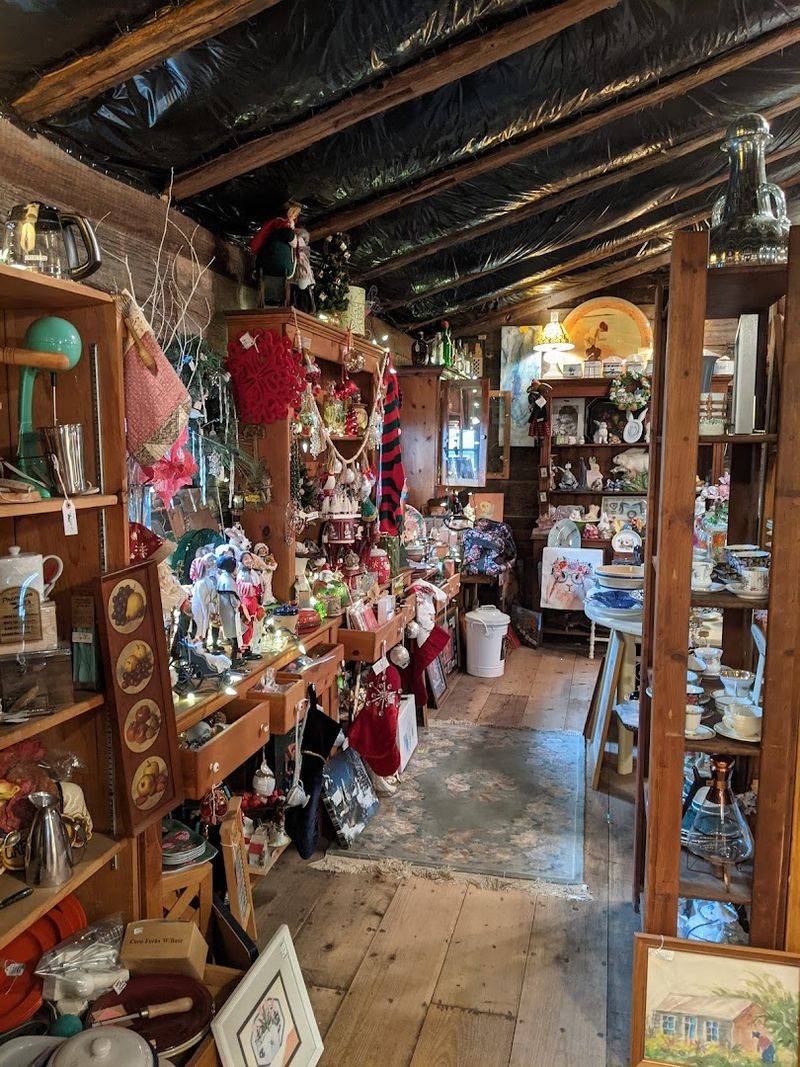
Every season brings something different to this property, which is one of the reasons regular visitors keep finding reasons to return.
Fall is particularly special, when the farm stand fills up with seasonal produce and the surrounding landscape takes on that golden, cinematic quality that makes New Jersey look like a countryside painting.
The antique inventory shifts constantly because of the consignment model, so a visit in March feels completely different from one in September. Clocks, fans, vintage jewelry, holiday decorations, old books, and furniture pieces cycle through with enough frequency to reward repeat trips.
There is also something to be said for the Christmas tree season, when the property adds yet another layer of seasonal warmth to an already atmospheric place.
The combination of fresh farm goods, rotating vintage finds, and the ever-present backdrop of 260-year-old architecture makes this one of those rare spots that genuinely earns its place on a regular weekend rotation.
How to Find and Make the Most of Your Visit
Getting to the homestead is straightforward. The property sits at 110 Schraalenburgh Road in Closter, New Jersey, and the address is easy to plug into any navigation app for a direct route from anywhere in the tri-state area.
Planning around the weekend-only hours is the most important logistical consideration. Arriving closer to 10 AM gives you the best shot at a relaxed, unhurried experience before the afternoon crowd builds.
Wear comfortable shoes because the grounds reward exploring, and bring a bag with enough room for whatever the antique shop decides to throw at you.
The farm stand and cafe are across the street from the main house, so budget time for both sides of the property. If a blacksmith demonstration is happening, that will be visible and audible from the grounds.
Address: 110 Schraalenburgh Rd, Closter, NJ.
