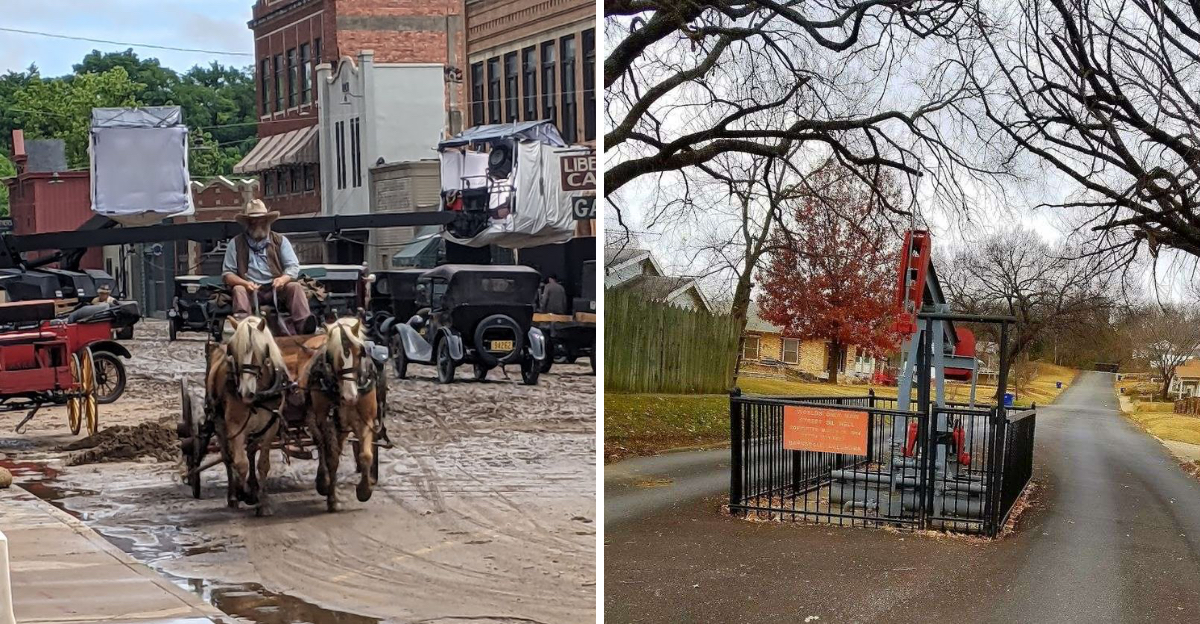
Let’s be real. Any place once nicknamed the “Wildest Place in America” is worth a second look.
That title belonged to this Oklahoma county, back when oil meant instant millionaires and the law was more of a suggestion than a rule. Bootleggers, outlaws, and fortune seekers all tore through here like the place owed them something.
The stories that survived are wild and absolutely true. You can still feel the electricity when you drive those back roads.
So if you are cruising through Oklahoma and want a little danger with your history lesson, roll down your window and listen close. The past is not done talking yet.
The Osage Nation and Its Unbreakable Roots
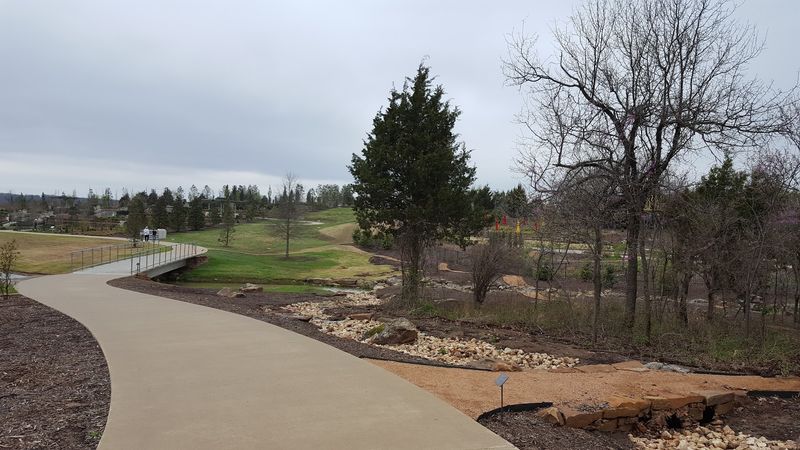
Long before Oklahoma became a state, the Osage people called this land home in a way that went far deeper than ownership. The Osage Nation was forcibly relocated from their ancestral lands further east and eventually settled in what is now Osage County.
What makes their story remarkable is what came next. When oil was discovered beneath their land, the Osage became among the wealthiest people per capita in the world during the early 1900s.
That wealth brought both pride and danger.
The Osage Nation today remains a federally recognized tribal government headquartered in Pawhuska, Oklahoma. The tribe runs its own government, schools, healthcare, and cultural programs.
Their presence shapes everything about this county, from the land use policies to the annual events that draw visitors from across the United States.
Walking through Pawhuska and seeing the Osage Nation seal displayed proudly is a reminder that this is not just a historical footnote. It is a living, breathing community that has survived extraordinary pressure and continues to thrive on its own terms.
The Osage Hills and Their Jaw-Dropping Scenery
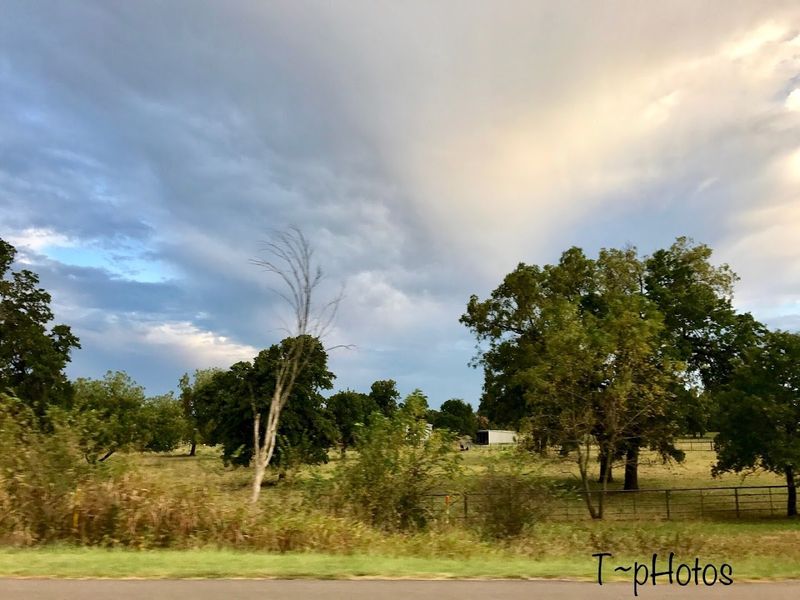
People often picture Oklahoma as flat and featureless, but the Osage Hills will change that assumption fast. This region in the northeastern part of the state is defined by gentle rolling hills, dense cedar and oak forests, and wide-open grasslands that seem to go on forever.
The landscape here has a raw, untouched quality that is genuinely hard to find in the modern United States. There are no towering skyscrapers or packed highways cutting through the view.
Just hills, sky, and the occasional hawk riding a thermal current overhead.
Osage County covers over 2,251 square miles, making it the largest county in Oklahoma by area. That size means there is a lot of open land to explore, and much of it looks today the way it did a century ago.
Tall-grass prairie stretches across large portions of the county, preserved in part by the Nature Conservancy.
Standing on a ridge in the Osage Hills at sunset, with the light turning the grass gold and the wind moving through the trees, is one of those moments that stays with you long after you leave Oklahoma behind.
Pawhuska, the County Seat With a Lot to Say
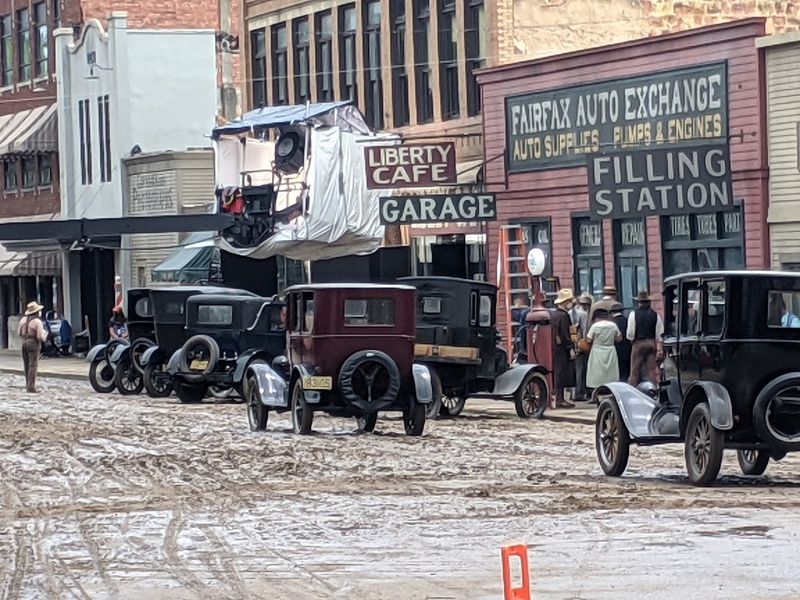
Pawhuska is the kind of small town that punches well above its weight. As the county seat of Osage County, it serves as the social and governmental hub of this sprawling region in northeastern Oklahoma.
The downtown area features beautifully preserved historic buildings that date back to the early twentieth century.
The town sits on a hill overlooking Bird Creek, and the views from certain spots in town are genuinely lovely. There is a quiet confidence to Pawhuska that comes from knowing it has been through a lot and is still standing strong.
Beyond its history, Pawhuska has developed a reputation as a destination worth visiting. The Osage Nation Museum located here is one of the oldest tribally owned museums in the United States, and it is packed with artifacts, photographs, and stories that bring the history of this county to vivid life.
The town also draws visitors interested in the Pioneer Woman brand, which has brought national attention to this small Oklahoma community. Walking Pawhuska’s streets, you get the sense that this town knows exactly who it is and feels no need to apologize for its size.
The Tallgrass Prairie Preserve and Its Wild Residents
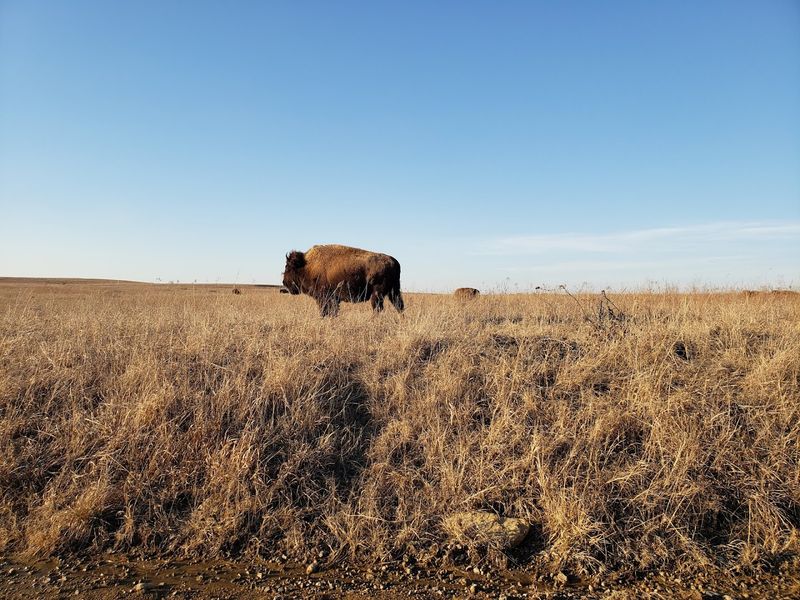
The Nature Conservancy’s Tallgrass Prairie Preserve in Osage County is one of the largest protected tallgrass prairies remaining in North America. It covers roughly 40,000 acres of land that looks almost exactly as it did before European settlement reached this part of the United States.
The preserve is home to a free-roaming herd of American bison, which is one of the most thrilling sights you can encounter in Oklahoma. Seeing these massive animals moving across open prairie, completely unhurried and unimpressed by your presence, is a powerful experience.
The prairie itself is a complex ecosystem filled with hundreds of plant species, migratory birds, white-tailed deer, coyotes, and a dazzling variety of wildflowers depending on the season. Spring brings explosions of color across the hillsides.
Visitors can drive through the preserve on a designated route and occasionally get surprisingly close to the bison herd. There are also hiking trails for those who want to explore on foot.
The preserve is located near the town of Pawhuska and is open to the public, making it one of the most accessible and awe-inspiring natural destinations in all of Osage County.
The Oil Boom That Changed Everything
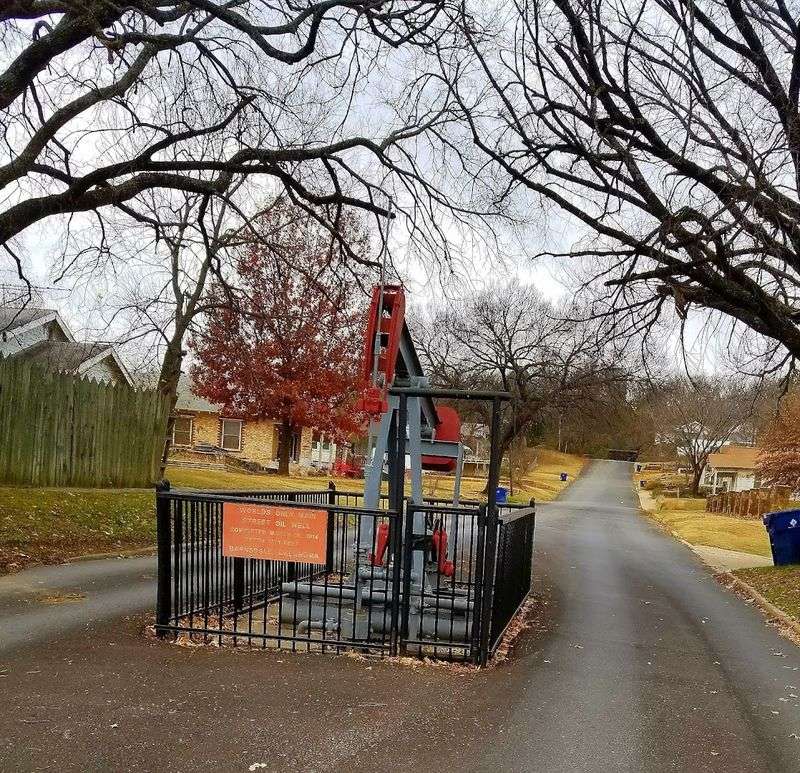
Few events in American history transformed a place as dramatically as the oil boom transformed Osage County. When oil was discovered beneath Osage land in the early twentieth century, the financial impact was staggering.
The Osage people held the mineral rights to their land, which meant every barrel pumped made them wealthier.
By the 1920s, Osage County was producing enormous amounts of oil, and the Osage Nation was receiving royalty payments that made many individuals extraordinarily wealthy by the standards of any era.
Grand homes were built, automobiles were purchased, and Pawhuska buzzed with an energy that few small towns in Oklahoma ever experienced.
That wealth also attracted greed, and a dark chapter followed involving a series of crimes against Osage citizens that became the subject of widespread investigation and eventually a major book and film. The story of what happened during that era is sobering and important.
Today, oil production continues in Osage County, though at a smaller scale. The legacy of the boom is visible in the architecture, the stories passed down through generations, and the complicated relationship between wealth, power, and justice that still echoes across this Oklahoma landscape.
Woolaroc Museum and Wildlife Preserve
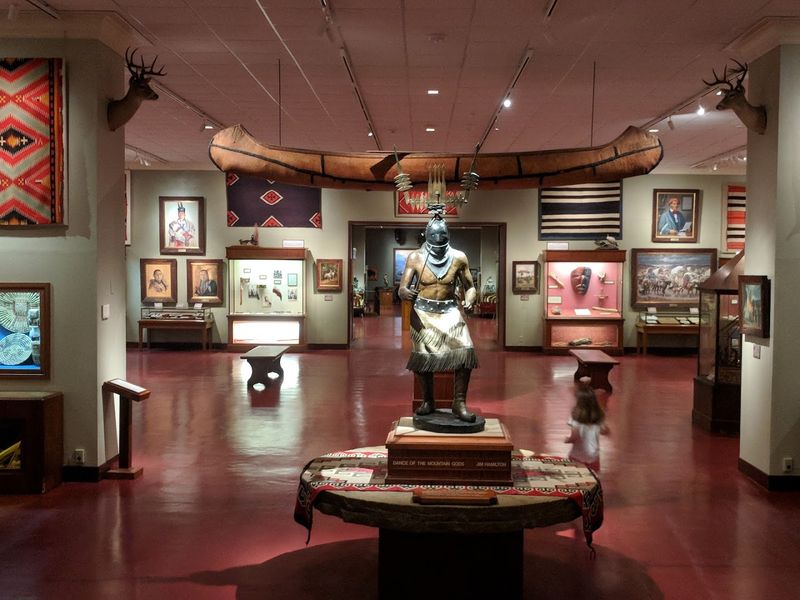
Few places in Oklahoma pack as much history, art, and wildlife into one location as Woolaroc does. Located about 12 miles southwest of Bartlesville near the town of Dewey in Osage County, this remarkable property was originally a retreat built in the 1920s.
The museum on the property houses an extraordinary collection of Western American art, Native American artifacts, and historical objects related to the oil industry and frontier life.
The collection spans thousands of items and tells the story of the American West in a way that is both scholarly and deeply engaging.
Outside the museum, the wildlife preserve roams free with bison, longhorn cattle, elk, deer, and a variety of other animals across hundreds of acres of Osage Hills terrain. Walking the grounds feels like stepping into a living diorama of what this part of the United States once looked like.
Woolaroc is a genuinely underrated destination that rewards curious visitors. The combination of world-class art, authentic history, and free-roaming wildlife in one place is rare anywhere in the country, and finding it tucked into the hills of Osage County makes it feel like a well-kept secret finally worth sharing.
Bird Creek and the County’s Waterways
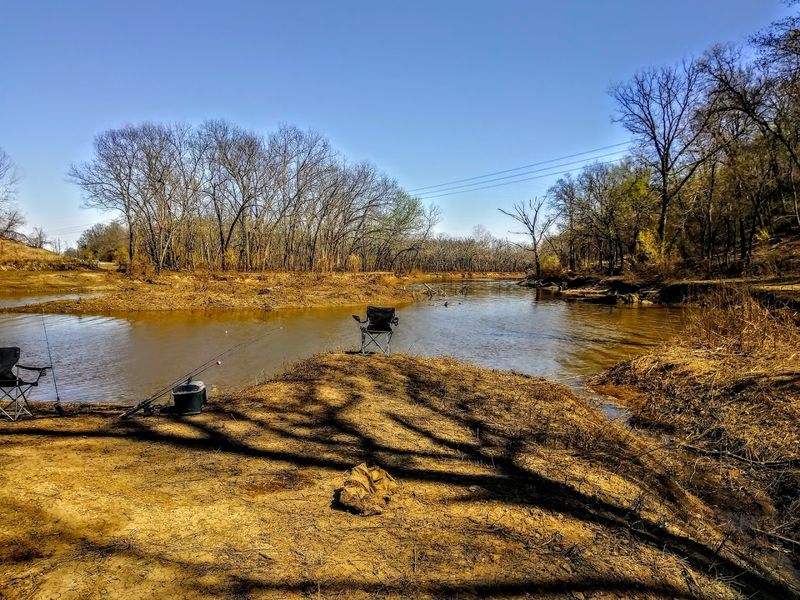
Water has always shaped life in Osage County, and the county’s creeks and rivers are woven into its identity in ways that go beyond geography. Bird Creek, which flows through the Pawhuska area, is one of the most recognizable waterways in this part of northeastern Oklahoma.
The creek and its tributaries provide habitat for fish, birds, and other wildlife. Fishing is a popular activity here, and the unhurried pace of sitting by the water watching the current move is exactly the kind of reset that people come to rural Oklahoma to find.
The broader county is also touched by the Caney River and several reservoirs that offer additional water recreation. Birding along these waterways is particularly rewarding, as the mix of prairie and woodland habitat creates ideal conditions for a wide variety of species throughout the year.
There is something quietly beautiful about the way water moves through this landscape. It softens the edges of the hills, nourishes the grasslands, and creates pockets of lush green that contrast with the open golden prairie.
Spending a morning along Bird Creek with nothing but birdsong for company is one of Osage County’s simplest and most satisfying pleasures.
The Osage Nation Museum in Pawhuska
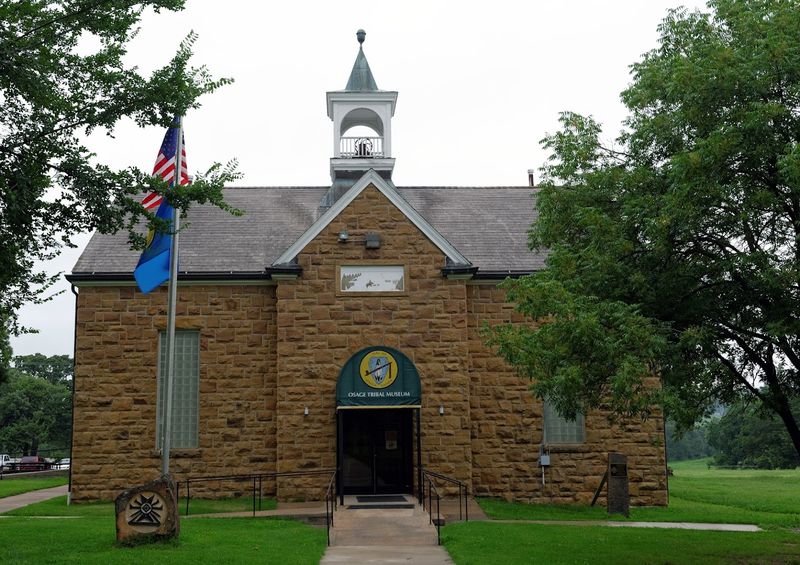
Calling the Osage Nation Museum a must-see feels like an understatement. Located in Pawhuska, this institution holds the distinction of being one of the oldest tribally owned and operated museums in the entire United States.
That alone makes it worth the visit.
Inside, the exhibits trace the full arc of Osage history, from their origins and traditions to the brutal challenges they faced during the oil boom era and beyond.
The collection includes traditional regalia, ceremonial objects, historical documents, and photographs that bring the community’s story to life with remarkable clarity.
What sets this museum apart from many others is the personal quality of the storytelling. The Osage Nation has curated its own history here, in its own voice, without filtering it through an outside perspective.
That authenticity makes every exhibit feel more meaningful.
The museum also hosts rotating exhibits and cultural events throughout the year. If your visit to Oklahoma happens to coincide with one of these events, the experience becomes even richer.
Plan to spend at least a couple of hours here, because rushing through a story this layered and important would genuinely be a shame.
The Annual Osage Nation Dances and Cultural Celebrations
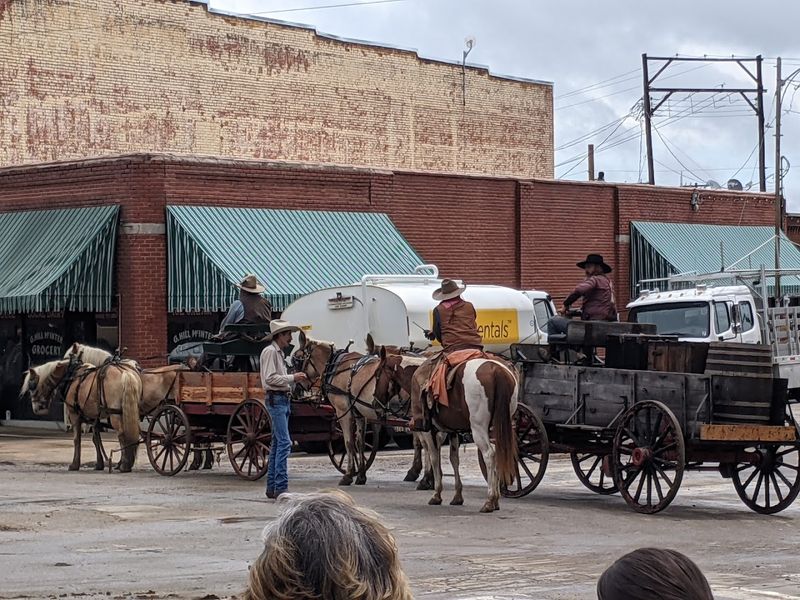
Every year, the Osage Nation hosts ceremonial dances that have been part of their cultural life for generations. These gatherings are among the most meaningful events in all of Osage County, and they reflect a living culture that has endured tremendous pressure without losing its core identity.
The In-Lon-Schka dances, held each June in Pawhuska, Hominy, and Grayhorse, are the most significant of these ceremonies. They are held over multiple weekends and involve traditional songs, drumming, and dances passed down through Osage families across many generations.
Attending these events as a respectful observer is a privilege that offers a window into a world that most outsiders rarely get to see. The regalia worn by dancers is extraordinary, featuring intricate beadwork, ribbons, and featherwork that represent years of skilled craftsmanship.
The ceremonies are not performances for tourists. They are genuine spiritual and cultural events that the Osage community participates in with deep reverence.
Being present, even quietly at the edges, is an experience that changes how you think about Oklahoma, about Indigenous culture, and about what it means for a people to truly hold onto who they are.
Hominy and the Smaller Towns Worth Exploring
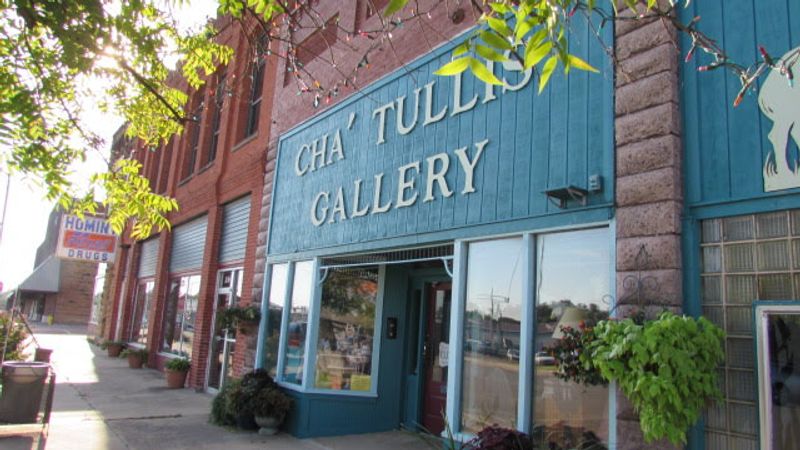
Pawhuska gets a lot of the attention in Osage County, but the smaller towns scattered across this vast Oklahoma landscape are just as worth your time. Hominy is one of the best examples, a small community in the southern part of the county with deep Osage roots and a character all its own.
Hominy is one of the three communities that hosts the annual In-Lon-Schka dances, which immediately tells you something important about its cultural significance. The town has a quiet, unhurried atmosphere that feels authentic in a way that more tourist-focused places sometimes do not.
Other small communities in Osage County include Fairfax, Barnsdall, and Wynona, each with its own personality and history. Fairfax, in particular, has a poignant history connected to the oil boom era that gives it a weight and depth worth understanding before you visit.
Driving through these small towns on a slow afternoon, stopping at a local diner or a roadside historical marker, is one of the best ways to understand what Osage County is really about. The county’s story does not live only in museums.
It lives in these towns, in their streets, and in their people.
Why Osage County Deserves a Spot on Every Oklahoma Itinerary
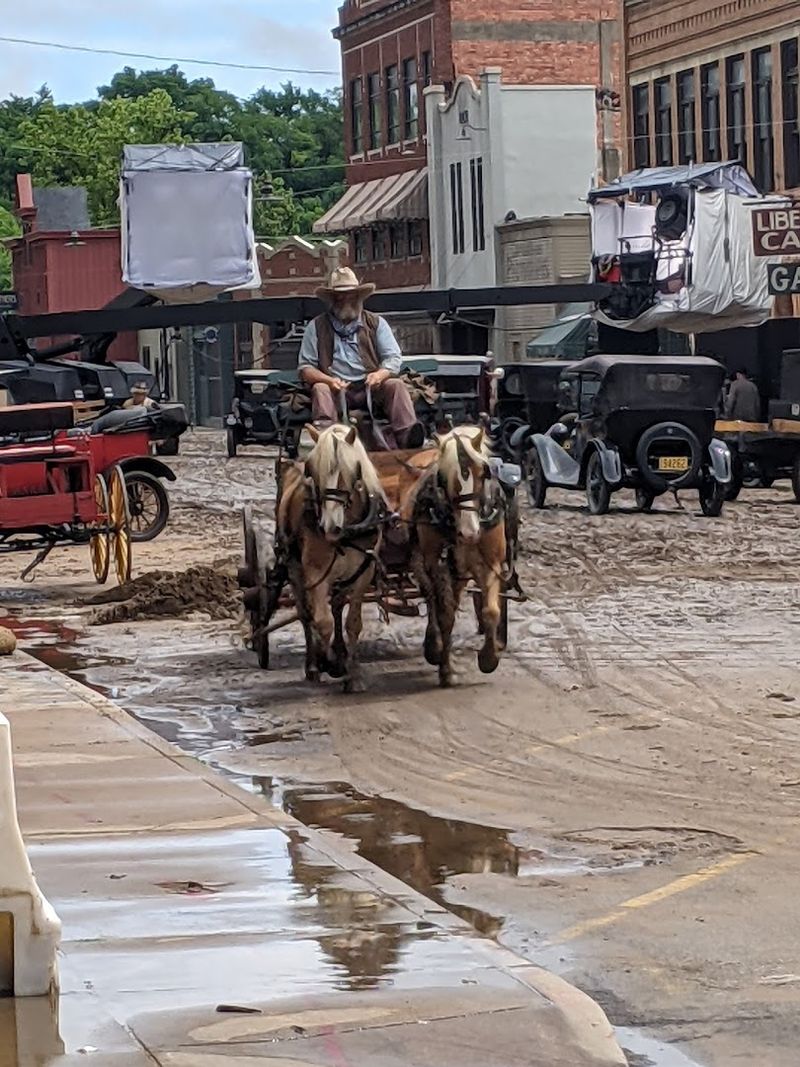
Osage County is not a place that announces itself loudly. It does not have a famous theme park or a glittering skyline.
What it has is something rarer and more enduring: a story that matters, a landscape that moves you, and a culture that commands respect.
From the sweeping Tallgrass Prairie to the corridors of the Osage Nation Museum, from the bison roaming Woolaroc to the ceremonial drums echoing across Pawhuska each June, this county offers experiences that connect you to something real.
Oklahoma has many beautiful and historically rich places, but few carry the depth that Osage County does.
The county’s past is complicated, sometimes painful, and always fascinating. Its present is equally compelling, shaped by a Native nation that continues to govern, preserve, and celebrate its identity with remarkable determination.
Coming here means slowing down enough to actually listen to what the land and its people are saying. It means choosing depth over spectacle.
If you are building an Oklahoma road trip and looking for the one stop that will stay with you longest, put Osage County at the top of that list and give yourself enough time to really feel it.
