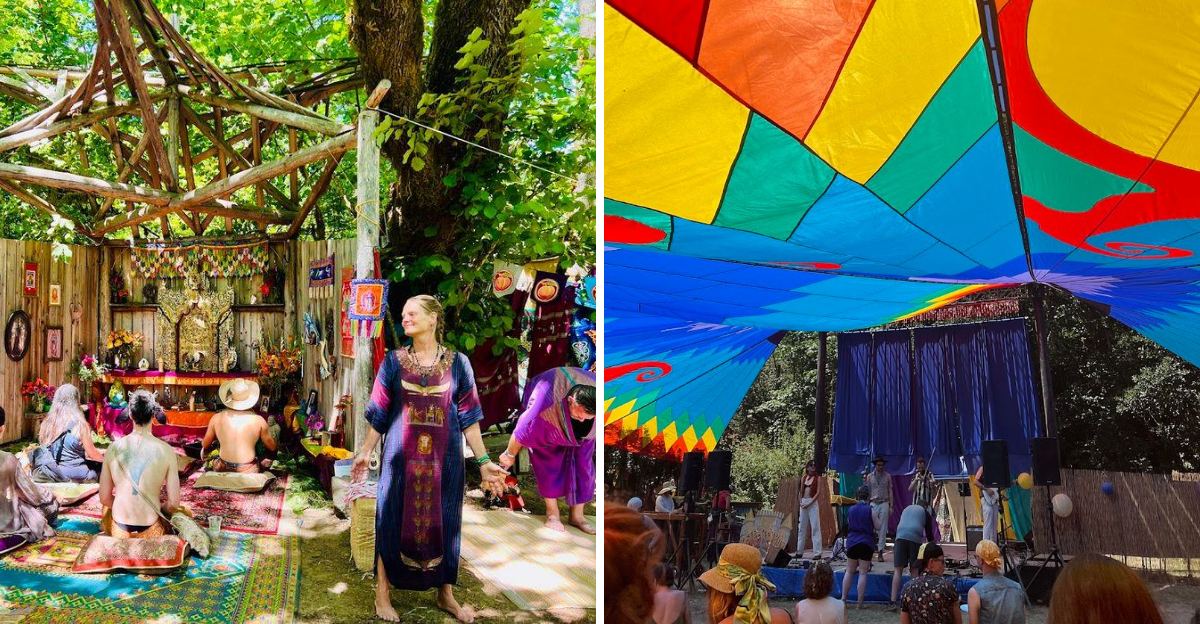
An Oregon fair like this doesn’t just show up – it takes over. I arrive and suddenly it feels like a full-on tent city has sprung to life, buzzing with thousands of families settling in for the week.
Every corner has something happening: games, food stalls, music, and that constant fairground energy that never really slows down.
Locals treat it like an annual tradition, while I’m just trying to figure out how everything fits into one giant community.
Days blur into nights under strings of lights and endless activity. And somehow, living inside a fair for a week feels less chaotic than you’d expect – and way more fun than you’re ready for.
A Living Tent City That Comes Alive Every Summer
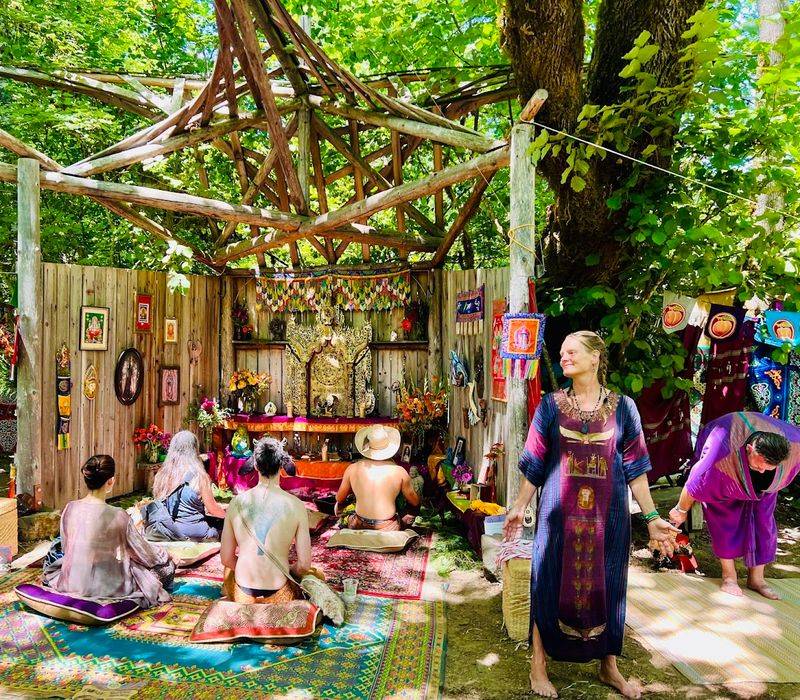
Walking into the OCF campground feels like stumbling into a neighborhood that built itself overnight. Hundreds of tents, tarps, and handmade shelters fill every available space beneath the trees.
Some setups look like they have been perfected over decades.
Families return year after year to the same spots. They bring rugs, string lights, and folding chairs to make their temporary home feel real.
Kids run between camps like they own the place, and honestly, for that week, they do.
The campground is not just a place to sleep. It is a social hub where strangers become neighbors and neighbors become lifelong friends.
Meals get shared. Stories get swapped.
Music drifts in from every direction.
The sheer scale of it is hard to describe. Thousands of people choose to live here all week instead of driving in and out.
That commitment to the experience says everything about how special this place really is. It is not just a fair.
It is a temporary city with its own rhythm and soul.
Over 50 Years of Folk, Art, and Free Spirit History
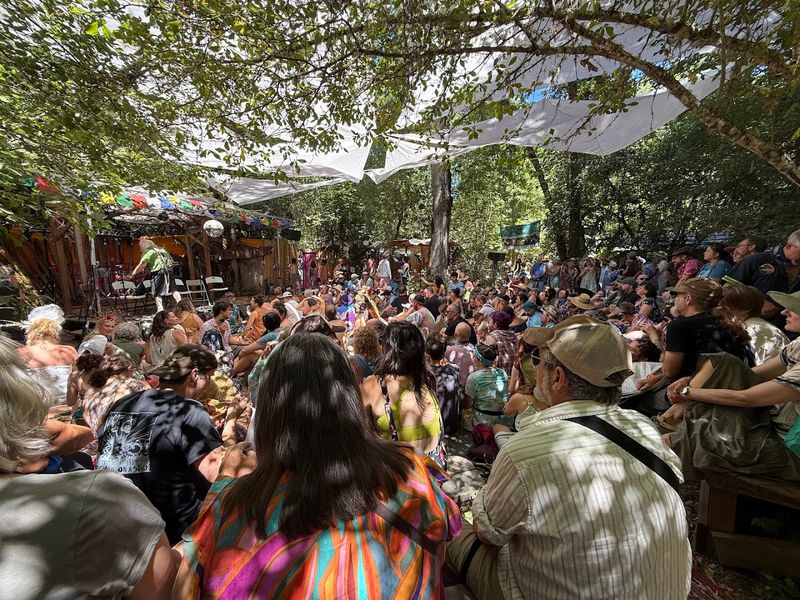
The Oregon Country Fair started back in 1969 as a small fundraiser for a local school. Nobody back then could have predicted it would grow into one of the most beloved festivals in the entire Pacific Northwest.
That origin story still feels woven into every corner of the fairgrounds.
The fair has always celebrated counterculture, creativity, and community. Over the decades, it built its own traditions, its own language, and even its own loyal population of returning participants.
Some families have been coming for three or four generations.
Walking the paths, you can feel that history. The old trees have watched thousands of performances.
The hand-painted signs carry decades of artistic love. Nothing here feels disposable or temporary.
Each year the fair adds new energy while honoring what came before. That balance between tradition and freshness is rare.
It keeps the event grounded without making it feel stuck in the past. The OCF is proof that something built with genuine heart can last a very, very long time.
17 Stages of Music, Theater, and Pure Performance Magic
Seventeen stages. Let that sink in for a second.
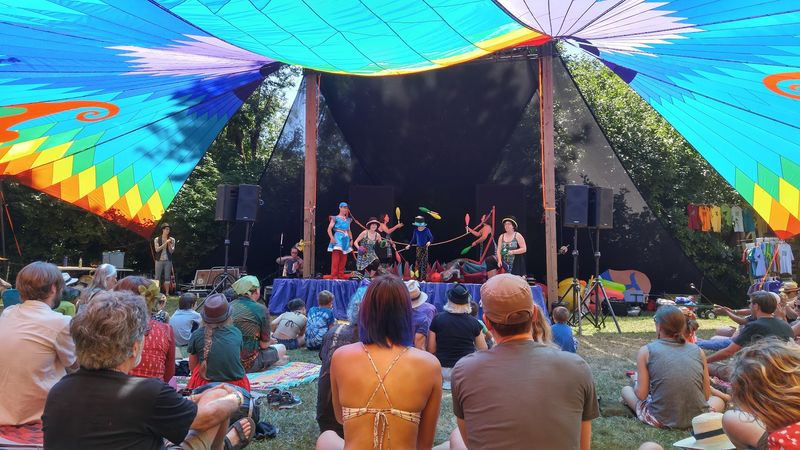
At any given moment during the fair, there are seventeen different performances happening across the grounds. Music, theater, dance, spoken word, and comedy all run simultaneously throughout the day.
The Kesey Stage is one of the most iconic spots on the property. Named in honor of Oregon legend Ken Kesey, it draws some of the most memorable performances of the weekend.
Standing near it during a great set feels electric.
But the smaller stages have their own charm too. Tucked into forest clearings or nestled beside food booths, these intimate spots offer surprise performances that stop you mid-step.
You might catch a bluegrass trio, a puppet show, or an acrobatic act within the same hour.
No schedule is needed to find something good. The performances find you.
That spontaneous energy is one of the most addictive things about the OCF. You never know what is around the next corner, and that unpredictability makes every visit feel completely fresh.
260 Plus Art Booths Packed With Handcrafted Treasures
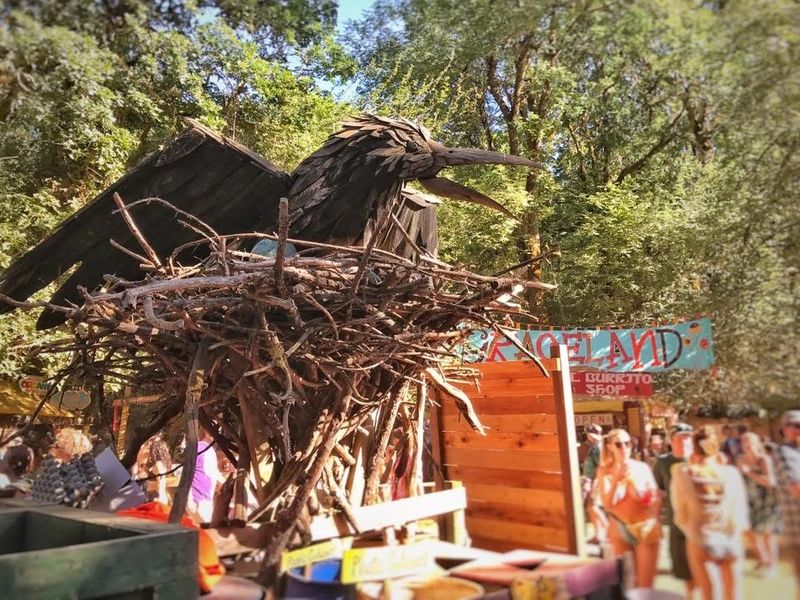
More than 260 art booths line the winding paths of the OCF, and each one feels like its own small gallery. Artisans spend months preparing their work for this event.
The level of craft on display is genuinely staggering.
Hand-blown glass catches the light in ways that make you stop walking entirely. Intricate jewelry sits beside hand-dyed fabrics and carved wooden sculptures.
Natural body products, leather goods, and ceramic pottery fill booth after booth with texture and color.
What makes it different from a typical craft market is the presence of the makers themselves. Most artists stand right at their booths, ready to talk about their process.
Buying something here feels personal, like you are taking home a piece of someone’s real creative life.
Budget some extra time just for browsing. It is easy to spend two hours wandering and still feel like you missed things.
That sense of endless discovery is part of what keeps people coming back. The art at the OCF is not background decoration.
It is the whole point.
Fresh, Local, and Wildly Creative Food Vendors
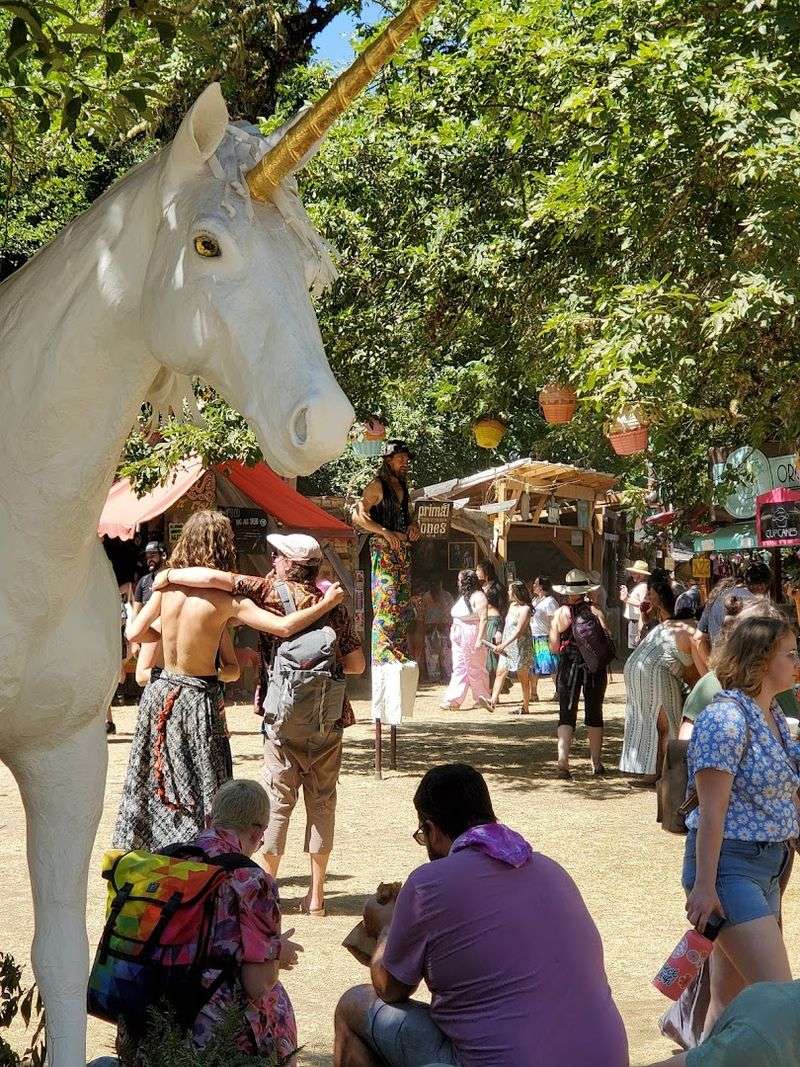
Food at the OCF is not an afterthought. It is a full experience on its own.
Vendors take serious pride in what they serve, and that pride shows up on every plate and in every bowl.
Fresh, local, and often organic ingredients are the standard here. Spicy tempeh wraps, handcrafted pies, fruit smoothies, and international dishes line the pathways.
The variety is impressive enough to satisfy even the pickiest eaters in the group.
Vegan and vegetarian options are everywhere, which reflects the fair’s long-standing values around sustainability and health. But there is plenty for everyone, regardless of dietary preference.
Nobody goes hungry at the OCF.
Eating here becomes part of the social experience. People sit on the grass, share bites, and strike up conversations with total strangers over a shared meal.
Some of the best moments at the fair happen not on a stage but beside a food booth with something delicious in hand. Bring cash, because many vendors do not accept cards.
Costumes, Creativity, and the Art of Self-Expression
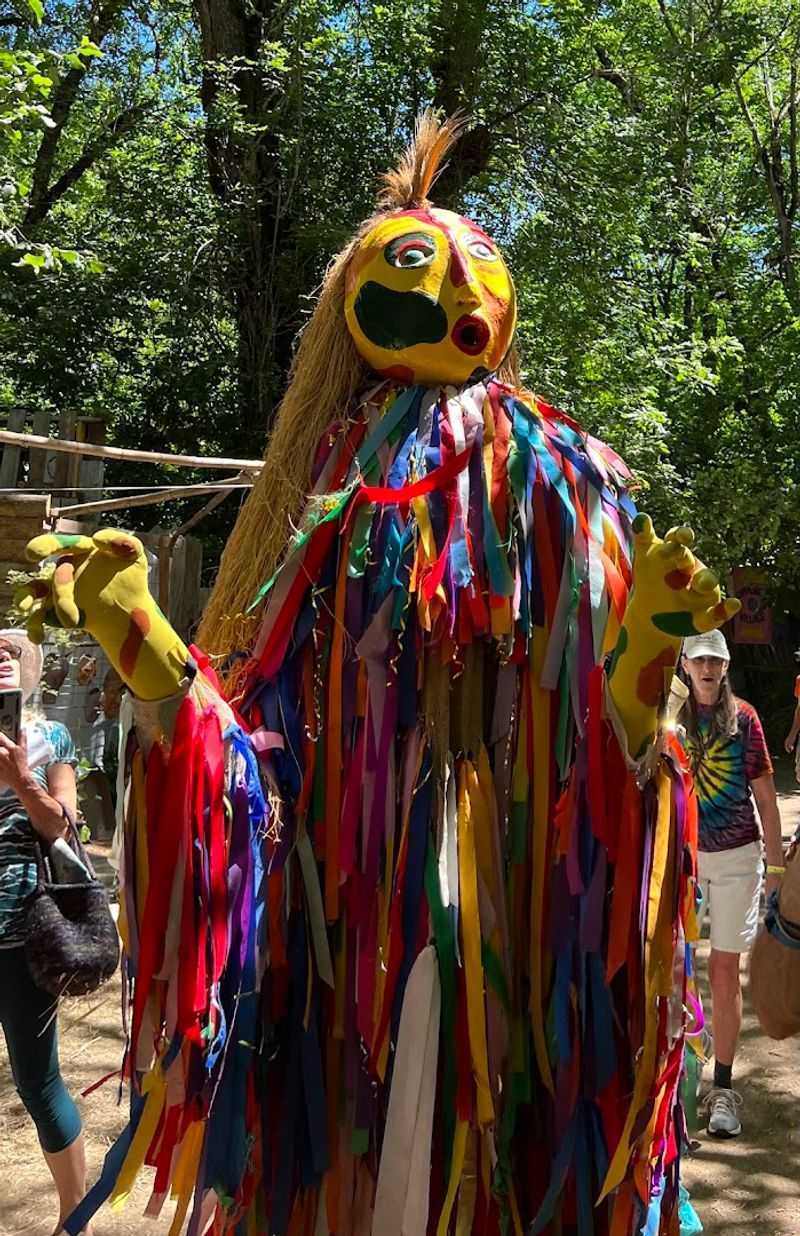
Nobody told people to dress up, but somehow almost everyone does. The Oregon Country Fair has developed a culture of costume and self-expression that feels completely organic and joyful.
Fairy wings, hand-sewn robes, face paint, and towering headdresses are a totally normal Tuesday here.
Stilt walkers appear from behind trees without warning. Jugglers weave through the crowd with casual confidence.
Performers and fairgoers blur together until you genuinely cannot tell who is onstage and who just wandered in from the parking lot.
That blurring is intentional. The OCF has always believed that every attendee is part of the show.
Dressing up is not required, but it is deeply encouraged. Even first-timers often arrive in something creative after reading about the culture online.
The result is a visual feast that never gets old. Every direction you look, there is something handmade, thoughtful, or just hilariously fun to admire.
The creativity on display in the crowd rivals anything happening on the official stages. That is a remarkable thing to witness.
Sustainability and Environmental Stewardship at Its Core
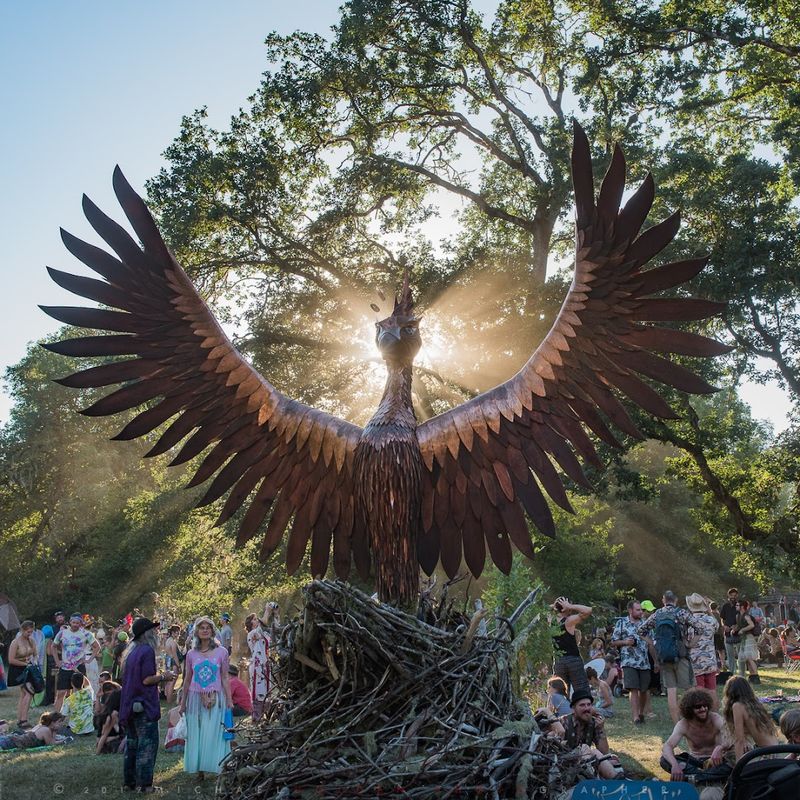
The OCF takes its environmental responsibility seriously, and it shows in practical ways throughout the grounds. Composting and recycling stations are positioned everywhere, and volunteers actively help fairgoers sort their waste correctly.
It never feels like a lecture. It just feels like the right way to do things.
The land itself is treated with deep respect. The fair runs along the Long Tom River, and protecting that ecosystem is a genuine priority.
Volunteers water the paths to keep dust down. Grounds crews monitor the trees and maintain the natural beauty of the property year-round.
Many booths and performances also weave environmental and social awareness into their work. Art installations address conservation themes.
Performers speak to community values. The messaging is present but never preachy.
Bringing a reusable water bottle is strongly encouraged, and refill stations are easy to find throughout the fairgrounds. That small act of preparation fits perfectly into the fair’s broader ethos.
The OCF proves that a massive festival can prioritize the planet without sacrificing a single drop of fun or creativity.
The Magical Nighttime World That Opens After Hours
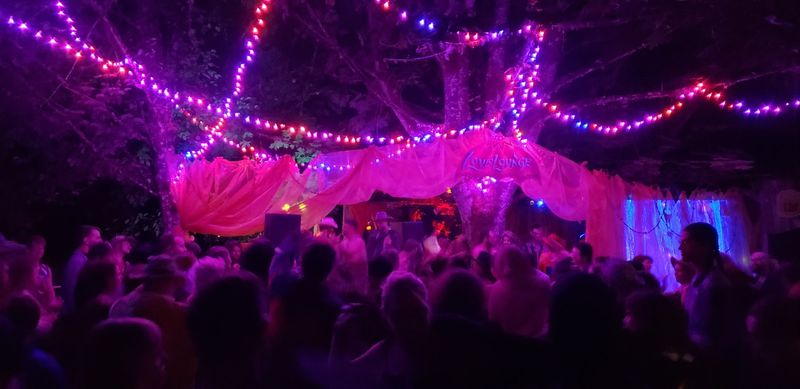
After the daytime crowds thin out, something shifts at the OCF. The lights strung through the trees begin to glow.
The energy changes from busy and buzzing to something slower, warmer, and almost dreamlike. It is a completely different fair after dark.
Camp areas come alive with music, laughter, and the smell of food cooking over small fires. Performers who spent the day on stage gather with friends.
The community aspect of the fair becomes even more visible when the official schedule winds down.
Those who camp on site get access to this quieter, more intimate version of the fair. It is described by long-time attendees as a reward for staying.
The experience of watching the fair transform from a daytime spectacle into a nighttime gathering is genuinely memorable.
Saunas and shower facilities are available for overnight campers. That small luxury matters more than you might expect after a long day of walking dusty paths in the July heat.
The OCF after dark is a whole separate chapter worth reading.
Family-Friendly Magic for Every Age Group
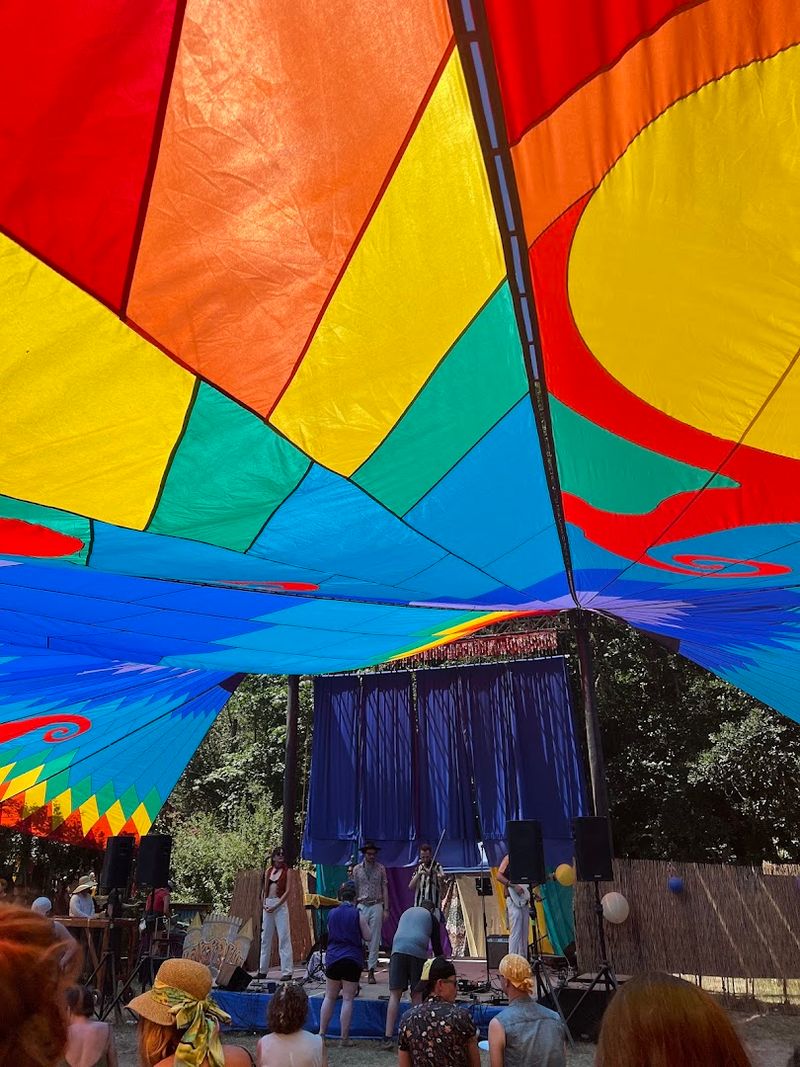
Bringing kids to the OCF is not just doable, it is genuinely wonderful. The fair has a long tradition of welcoming families, and the infrastructure supports them well.
Lost child stations, first aid posts, and a fenced perimeter make parents feel secure even in a crowd of thousands.
Children are mesmerized by the performers. Puppet shows, face painters, and musicians playing kid-friendly sets keep young visitors fully engaged.
Many kids leave talking about the stilt walkers or the drumline parade as the highlight of their summer.
Older kids and teenagers find their own groove here too. The art booths spark curiosity.
The live music pulls them in. The costumes and creative energy make them feel like anything is possible.
That feeling is hard to manufacture. At the OCF, it just exists naturally.
Generational attendance is common. Grandparents bring grandchildren to a fair they first visited decades ago.
That passing of tradition from one generation to the next gives the event a warmth that no marketing campaign could ever replicate.
Practical Tips for First-Time Fair Visitors
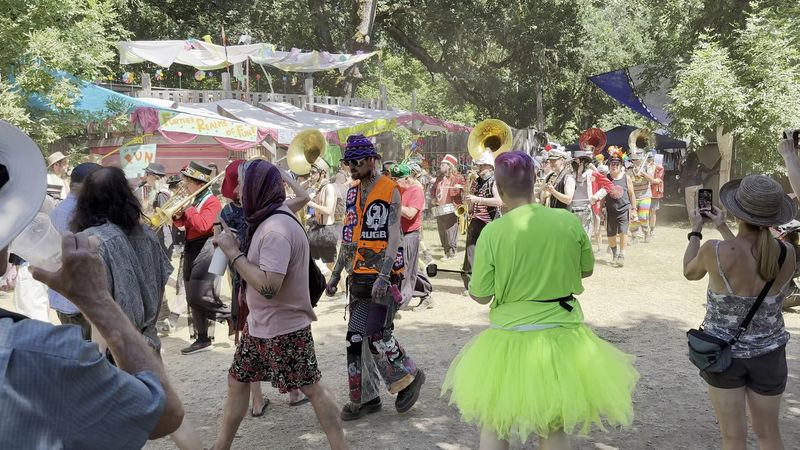
First-timers at the OCF are lovingly called fair virgins, and the community welcomes them with genuine enthusiasm. That said, a little preparation goes a long way toward having the best possible experience.
Comfortable shoes are absolutely non-negotiable.
The walk from the parking area to the fair entrance is long. The walk inside the fair is equally long.
Dust gets kicked up on dry days, so some visitors bring a small bandana or a light mask if they have breathing sensitivities. Hydration is critical in the summer heat.
Tickets must be purchased in advance. They are not sold at the gate.
Cash is strongly recommended for food and art purchases, though an ATM is available just outside the main entrance. Plan for it to be busy.
Public transportation to the fair is free, which is a fantastic option if you want to skip the parking situation entirely. Arrive mid-morning for the best experience.
Most importantly, leave the schedule behind. Getting a little lost is not a problem here. It is the whole adventure.
