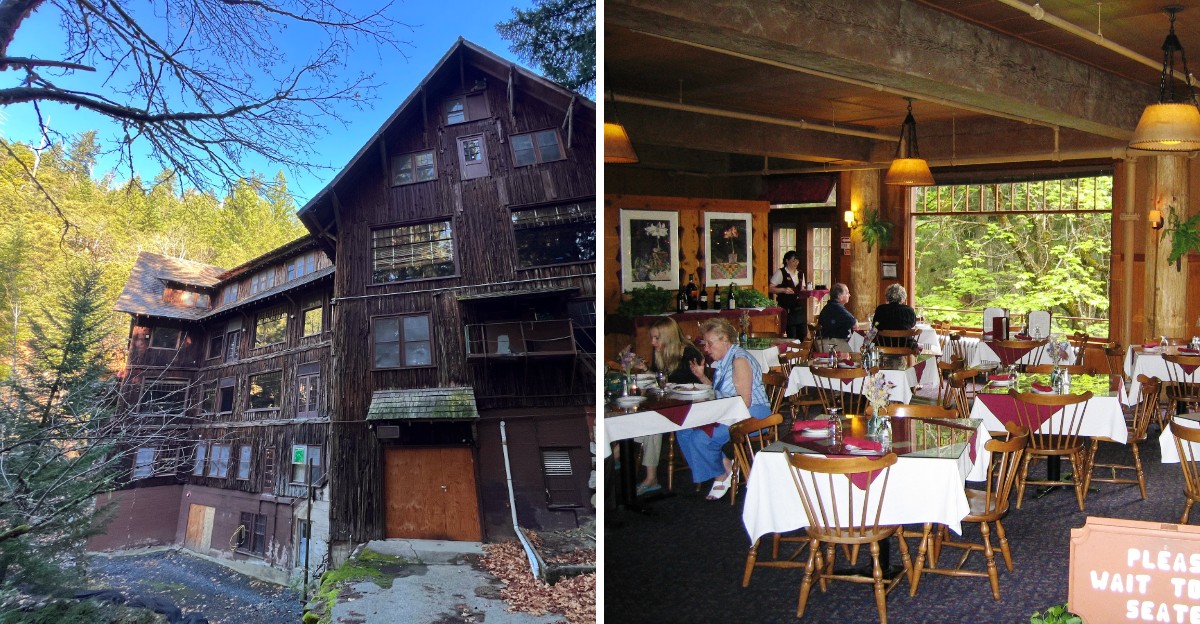
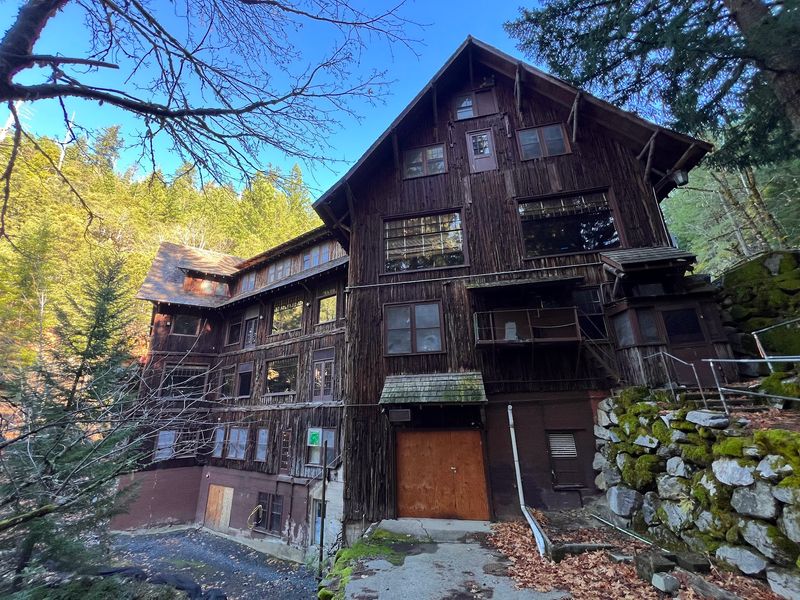
A creek once ran straight through the dining room of this six-story lodge. Somebody looked at a mountain stream and decided it belonged indoors, and I fully respect that energy.
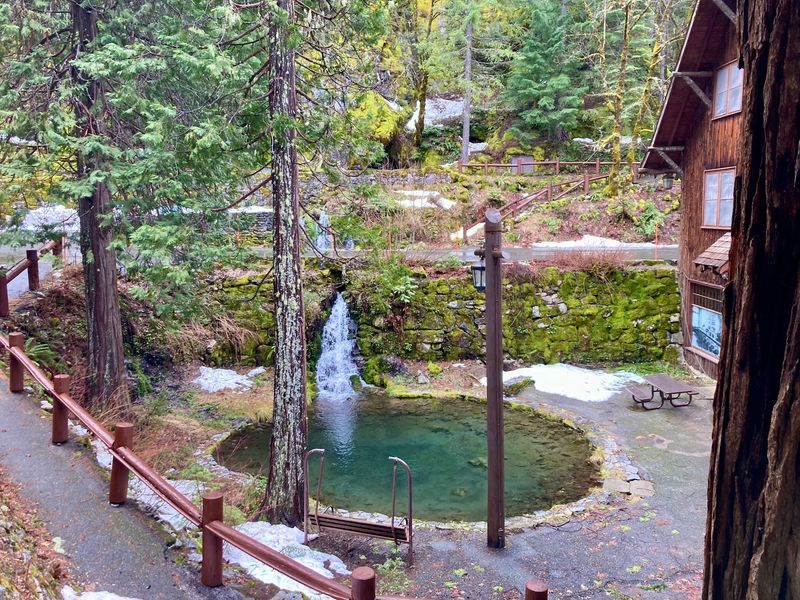
The walls wear cedar bark on the outside. Some of the marble inside came from the cave right across the road. I like how the building borrows pieces of the land around it instead of fighting it.
This place sits 4,000 feet up in the forested mountains of southern Oregon. Below the ground nearby, marble passages twist through the dark, and an underground river flows through them.
Right now, the lodge is closed for a big restoration. Its doors could reopen around 2030 if funding comes through. So why does a sleeping lodge still pull so many people up that winding mountain road?
A Lodge That Looks Like The Forest Grew It On Purpose
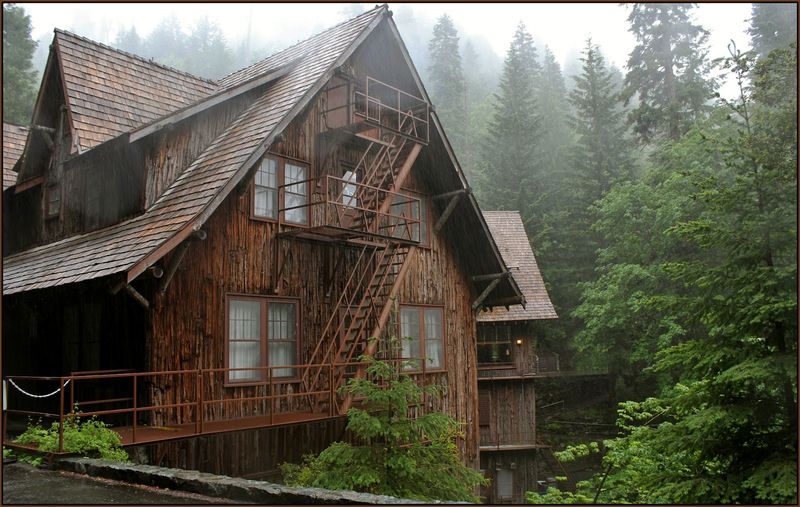
Cedar bark covers the outside walls. That single choice tells you a lot about the Chateau at the Oregon Caves. Built between 1931 and 1934, the six-story lodge follows a rustic style often called Parkitecture. The idea was simple. Make buildings in parks look like they belong to the land.
The bark is Port Orford cedar, a tree native to this corner of the Pacific Northwest. The result blends into the tall trees around it so well that it almost feels camouflaged. Honestly, it might be the only hotel that could win a game of hide-and-seek.
Local contractor Gust Lium built it, following the vision of landscape architect Arthur Peck. They clearly cared about how the lodge would sit in its setting. It rises from the steep banks of Cave Creek instead of a flat, easy lot.
That steep perch explains a lot about its look. The building stacks downward into the canyon rather than sprawling out. From certain angles, it seems taller than you expect.
Grab A Seat Near That Giant Stone Fireplace Someday
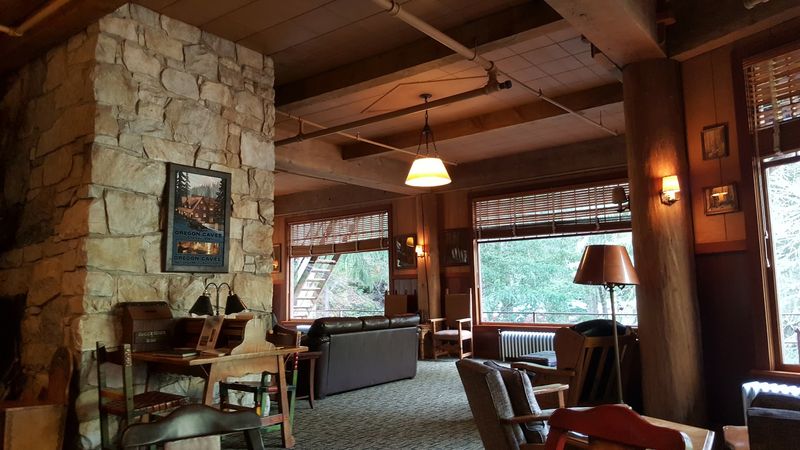
Some lobbies have a check-in desk and a sad plant. This one has a massive stone fireplace that steals the whole show.
The fireplace anchors a lobby built for lingering. Game rooms and cozy seating add to the friendly, gather-round feeling. It’s the kind of spot made for board games, books, and long talks.
Look up and you’ll notice the open central staircase. Builders made it from local fir, pine, madrone, and oak. Four kinds of wood in one staircase feels like a sampler platter from the surrounding forest.
Marble from the nearby cave also found its way into the building. That small detail connects the lodge to the underground world across the road. Your feet and the cave walls once shared the same stone family.
When the doors reopen, this lobby will likely become a favorite hangout again. Picture snow outside and a crackling fire inside. Yes, I’m breaking my own rule there, but the scene earns it.
No TV, No Wi-Fi, And Honestly, No Problem
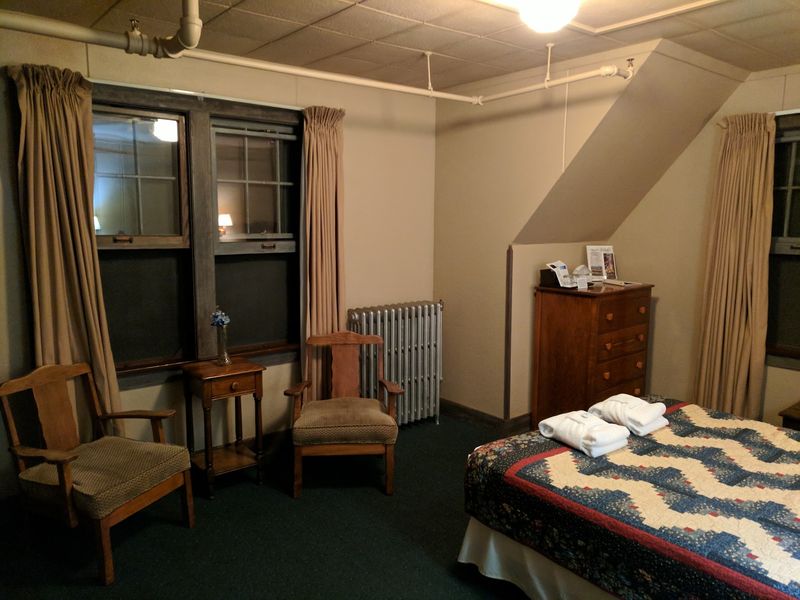
Kids used to ask a funny question here. Where’s the TV? When the lodge was open, rooms didn’t include televisions or Wi-Fi. That choice pushed guests to look out the window instead of at a screen. Trading screen time for stream time sounds like a pretty great deal to me.
The Chateau at the Oregon Caves plans to offer 23 overnight rooms when it reopens. Each room has its own distinctive charm. You won’t find cookie-cutter layouts stamped across every floor.
Some rooms show off redwood wainscoting. Others still feature original pressed-fiberboard walls from the lodge’s early days. Those details make the 1930s feel close enough to touch.
Staying overnight also offers a practical bonus. The road up the mountain winds a lot, and the lodge sits far from other hotels. Sleeping on site means skipping that drive in the dark.
For now, lodging remains closed while restoration continues. Keep an eye on park updates for reopening news. When the rooms return, booking early seems smart since there are only 23 of them.
Yes, A Stream Really Ran Through The Dining Room
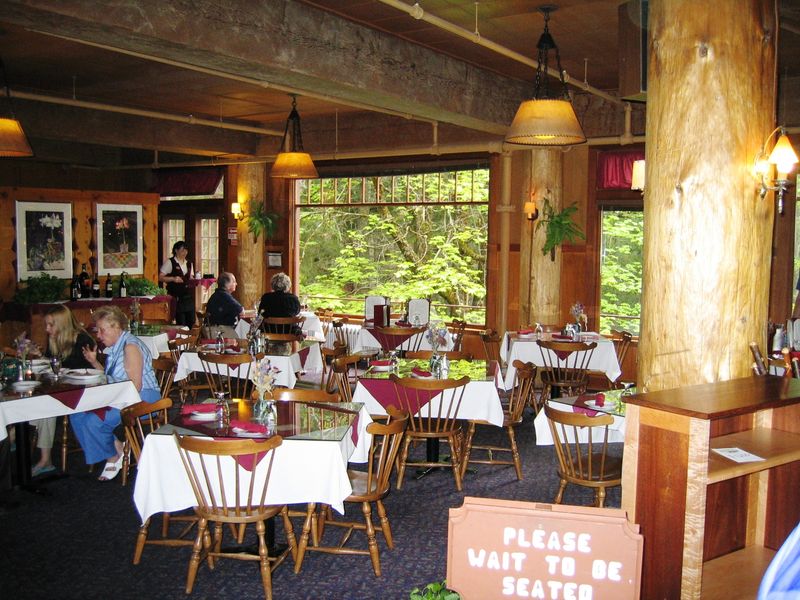
Most restaurants hang a waterfall painting on the wall and call it nature. This lodge did something much bolder.
Inside the dining room, a recreated stream flows right through the space. It started as a diversion of Caves Creek, the same creek tumbling past the building outside. Water features don’t get much more authentic than borrowing the real thing.
Canyon views add even more charm. Big windows look out over the gorge beside the lodge. Diners could watch the forest drop away while a little stream babbled nearby.
When the Chateau reopens, plans call for that fine dining room to return. The view and the indoor creek are part of what makes the space so memorable. It’s hard to name another dining room in Oregon with a feature this playful.
Right now, the lodge’s food service remains unavailable during restoration. That means packing snacks for any trip up the mountain. Nearby food options are limited, so plan ahead before leaving town.
Furniture Fans, Your Dream Collection Lives Here
Here’s a fun bit of trivia to pull out at dinner parties. The largest public collection of historic Monterey furniture in the United States lives in this lodge.
Monterey furniture was a popular ranch-style look in the 1930s. The pieces here were crafted from Oregon alder wood. Many were originally hand-painted with floral designs.
That’s what makes the collection feel personal. Each flower was painted by a human hand, not stamped by a machine. Chairs and tables become small pieces of art you can actually sit on.
The furniture also matches the lodge’s rustic style perfectly. Sturdy wood, simple shapes, and painted details all feel at home beside cedar bark and stone. Nothing looks out of place.
Collectors and history lovers have plenty of reasons to care about this lodge’s future. The restoration helps protect more than walls and floors. It also keeps a rare slice of American design together in one place.
Step Across The Road Into Marble Halls Under The Mountain
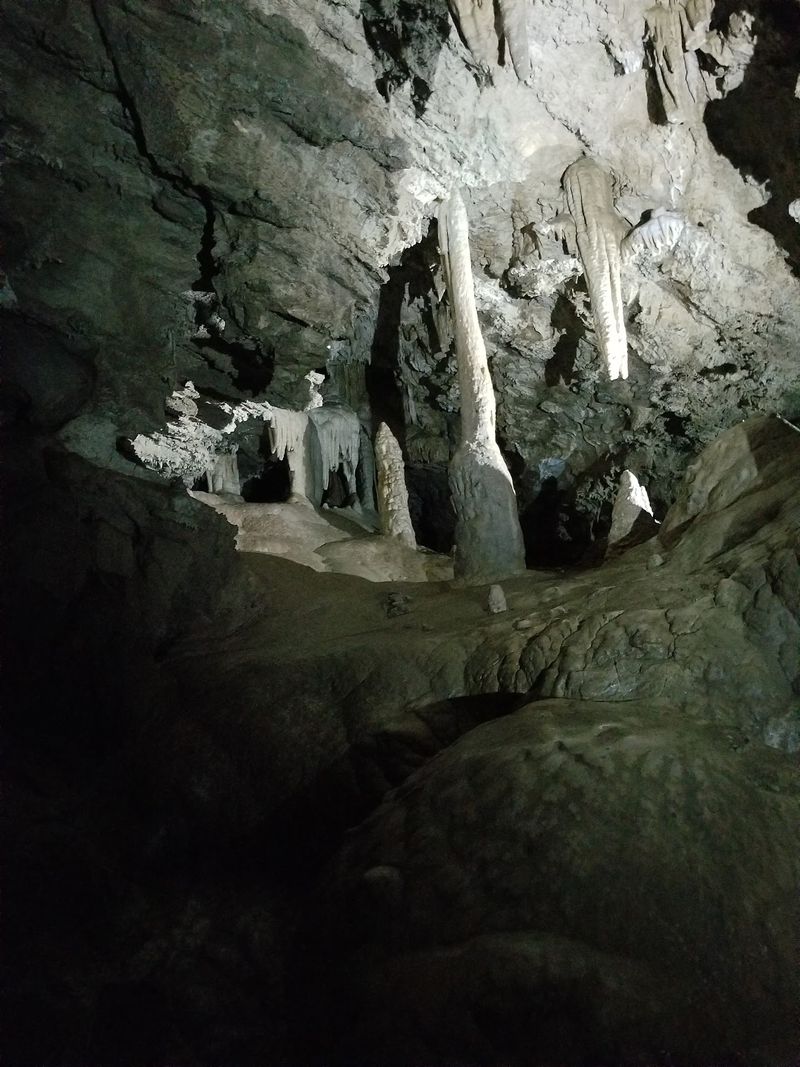
Right across from the lodge, the mountain opens up. Oregon Caves National Monument and Preserve hides a world of twisting marble passages underground.
Ranger-guided tours lead the way through it all. Expect flowstones, stalactites, and stalagmites shaped over a very long time. Self-guided tours aren’t part of the deal, so a ranger always leads.
The tour lineup gives you choices. There’s the Discovery Tour and a Kids and Family Cave Tour. Bolder visitors can try the Off-Trail Caving Tour.
Spooky fans have options too. The Candlelight Cave Tour and the Haunted Candlelight Tour add a moody twist. Exploring by flickering light feels like stepping into an old adventure story.
Then there’s the River Styx. It’s the first and only underground river in the National Park System recognized as Wild and Scenic. A river running through a cave sounds made up, yet here it is.
Cave tours run seasonally, usually late March through early November. They’re typically offered Thursday through Monday. Check the schedule before you go, because showing up on a Tuesday would be a sad surprise.
Pack A Jacket, Even If It’s July
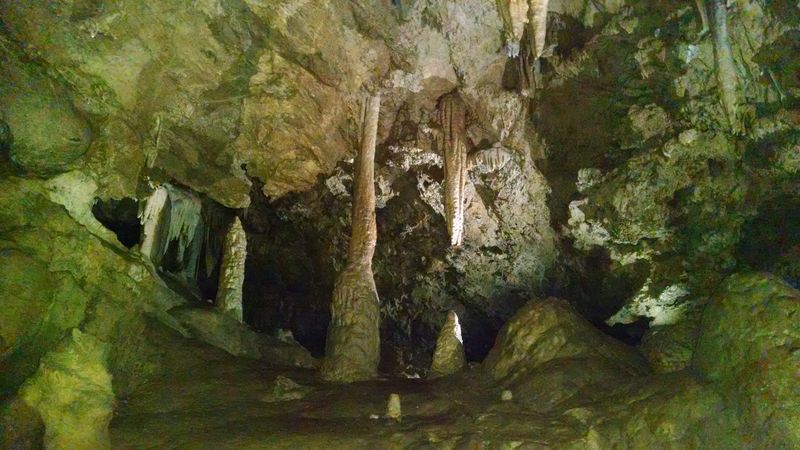
Forty-one degrees. That’s the year-round temperature inside the cave, no matter how hot the parking lot feels. A warm jacket is your best friend on this tour. Layers work well since you’ll go from summer heat to chilly stone halls fast. Your teeth will thank you.
Families should know about the height rule. Children must be at least 42 inches tall to join the basic tour. Measuring before the trip can save some tears at the entrance.
Tickets need planning too. Same-day tickets are best bought at the Illinois Valley Visitor Center in Cave Junction. That stop comes before the roughly 45-minute drive up to the monument.
Why bother with the extra stop? It helps make sure spots are still open when you arrive. Driving all that way only to miss a tour would sting.
Comfortable shoes with good grip are a smart pick as well. Cave passages twist and some spaces get narrow. Leave the fancy sandals in the car, and maybe bring a small snack for the ride back down.
The Trails Up Top Deserve Your Attention Too
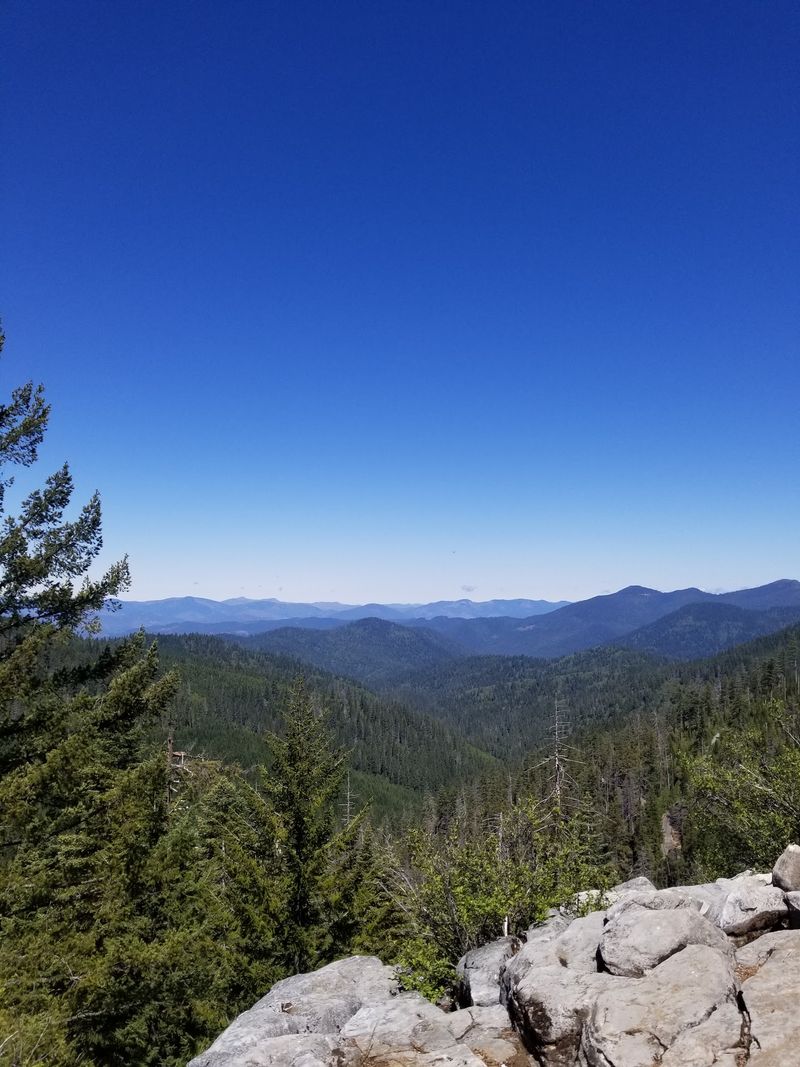
Caves get the headlines, but the forest above them is no sidekick. Trails wind through old-growth trees and high mountain meadows.
Hiking stays open year-round, even when cave tours take their seasonal break. That makes the area worth visiting in quieter months too. Fewer tours doesn’t mean fewer views.
Two trails start right at the Oregon Caves Visitor Center. The Cliff Nature Trail offers a great way to stretch your legs. The Big Tree Trail leads toward towering giants that live up to the name.
The whole region sits in the Siskiyou Mountains of southern Oregon. This area is known for unusual geology and plant life. Botany fans could spend hours just noticing what grows along the path.
Bring water and wear sturdy shoes. Mountain trails at 4,000 feet can feel tougher than you expect. Taking breaks is part of the fun anyway.
Pairing a hike with a cave tour makes for a full day. You get the underground world and the sky-high forest in one trip. Few places hand you both so easily.
Finding It Takes A Little Mountain Driving
GPS fans, write this down: 20000 Caves Hwy, Cave Junction, OR 97523. That’s home for the Chateau at the Oregon Caves.
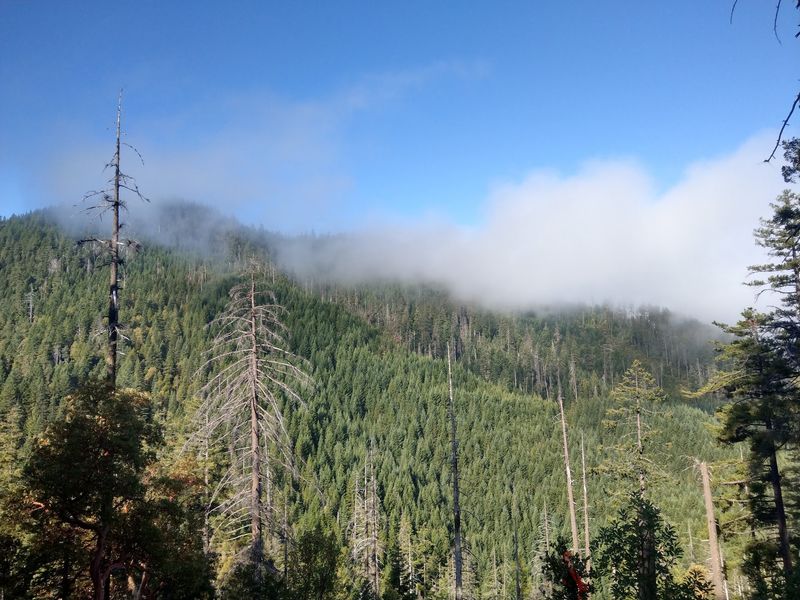
Don’t let the Cave Junction part fool you into thinking it’s in town. The lodge sits deep in the mountains, roughly 20 miles from Highway 199. The drive climbs into thick forest along a winding road.
It perches at about 4,000 feet in elevation. The lodge stands on the steep banks of Cave Creek. The cave entrance waits just across the way, and the visitor center is about a one-minute walk.
That closeness makes the setting special. Few historic lodges sit this near the main attraction. You could practically wave at the cave from the front steps.
The Illinois Valley Visitor Center in Cave Junction makes a handy first stop. Pick up tickets, ask questions, and then start the climb. The scenery along the way is a nice warm-up for what waits at the top.
Rooting For A Comeback Feels Pretty Easy Here
Big honors follow this lodge around. It became a National Historic Landmark in 1987 and is considered one of the Great Lodges of the National Parks.
Yet the doors have stayed closed since 2018. A large rehabilitation project began, and crews soon found serious structural problems. The foundation and seismic safety both needed major work.
Emergency repairs wrapped up in 2024. That was a key step toward saving the building. Still, more work remains before guests can return.
The target reopening is now 2030. Reaching it depends on raising an estimated 15 million dollars in more funding. That’s a lot of bake sales.
The Chateau at the Oregon Caves was also named one of the most endangered historic places in the country. Its closure has hurt nearby communities that count on visitors. Jobs and tourism spending took a hit.
Even so, you can still visit the monument, hike, and tour the caves in season. Admire the lodge from outside and follow restoration news. Oregon has plenty of beautiful places, but few with this much history waiting to wake back up.
