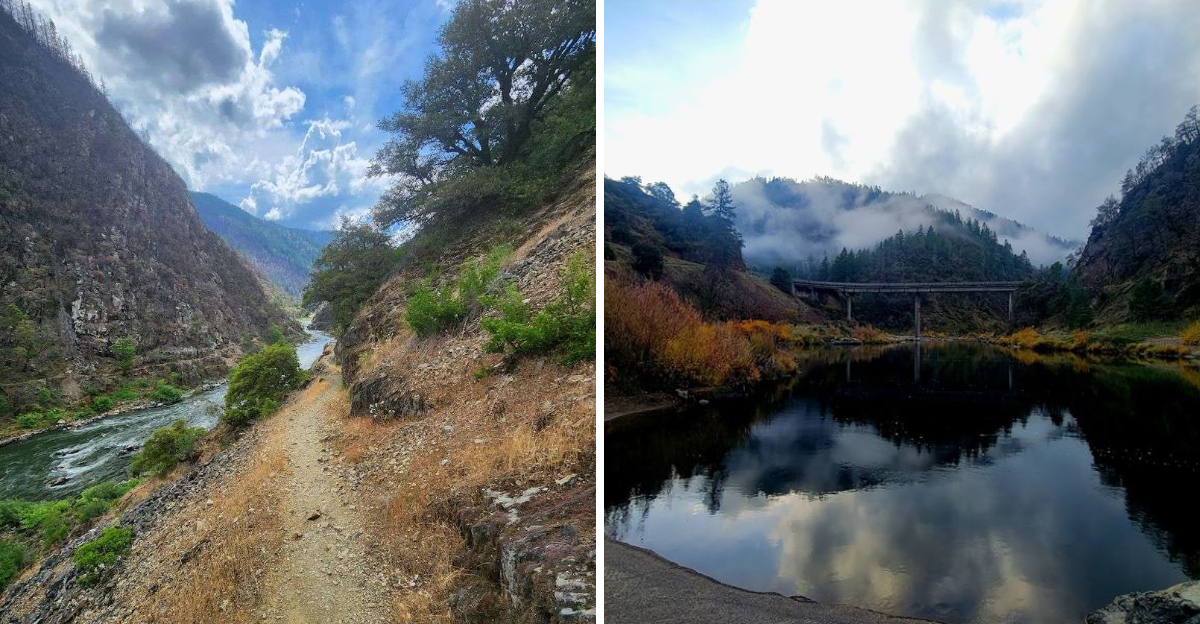
Walking this historic Oregon trail feels like stepping into a time machine – minus the confusing buttons. One minute you’re on a normal path, the next you’re crawling through a gold miner’s tunnel like a very cautious prospector.
I half expected someone to pop out with a pickaxe yelling, “Gold’s this way!”. The old buildings and relics make you wonder how anyone survived without Wi-Fi or coffee shops.
Every twist and turn has a story, and I couldn’t stop imagining the miners’ daily struggles – and secretly laughing at how spoiled we are today.
By the end, I felt like I’d earned my own honorary miner badge (and maybe a selfie with a pickaxe). This trail isn’t just history – it’s a playful, slightly muddy, and totally unforgettable adventure.
The Gold Miner’s Tunnel: A Walk Into Living History
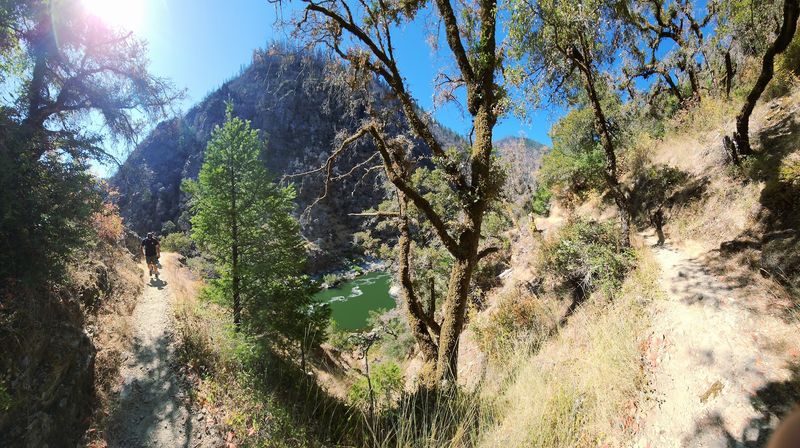
Walking into the gold miner’s tunnel on this trail is one of those moments that genuinely gives you chills. The tunnel was hand-carved by miners during the late 1800s gold rush era.
You can still see the tool marks scratched into the rock walls.
The passage is narrow and low in places. You might need to duck your head slightly as you move through.
Bringing a small flashlight makes the experience much more comfortable and safe.
Standing inside, it is easy to imagine the miners who spent long, exhausting days chipping away at solid rock. They were chasing gold in one of Oregon’s most remote canyons.
The tunnel is not just a trail feature, it is a preserved piece of American frontier history.
Most hikers pause here longer than anywhere else on the trail. The cool air inside the tunnel feels refreshing on a warm hiking day.
It is easily one of the most unique and memorable trail features in the entire Pacific Northwest.
Rogue River Canyon Views That Will Stop You Cold
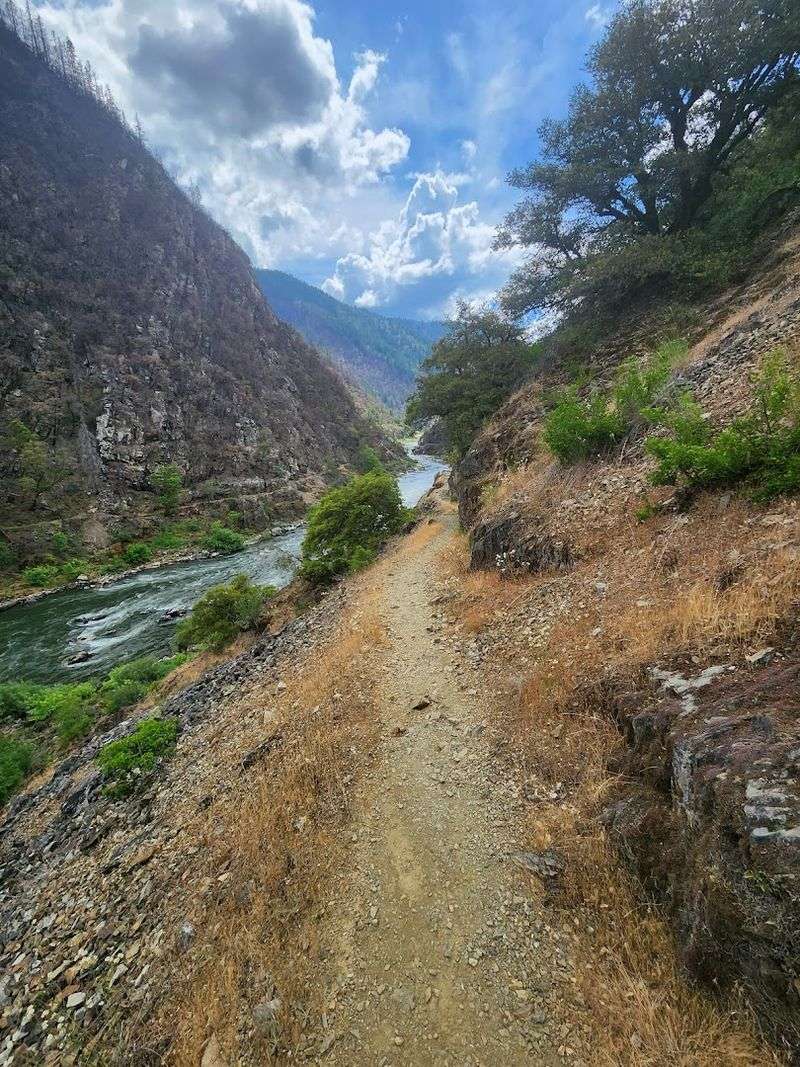
The canyon views along this trail are the kind that make you forget you were ever tired. The Rogue River cuts deep through ancient rock, creating dramatic cliffs that drop sharply to the water below.
Standing at one of the exposed viewpoints feels almost overwhelming in the best possible way.
Several sections of the trail hug the canyon edge very closely. The path narrows considerably in these spots.
Hikers who are nervous about heights will want to move carefully and stay focused.
The river far below looks like a ribbon of green glass from certain angles. Watching it twist through the canyon gives you a strong sense of just how ancient this landscape really is.
The geology here tells a story that goes back millions of years.
Photographers absolutely love the morning light in the canyon. The soft golden glow hits the cliffs in a way that looks almost painted.
Arriving early on a clear day gives you the most dramatic and rewarding views on the entire trail.
Wild and Scenic River Designation: What It Actually Means
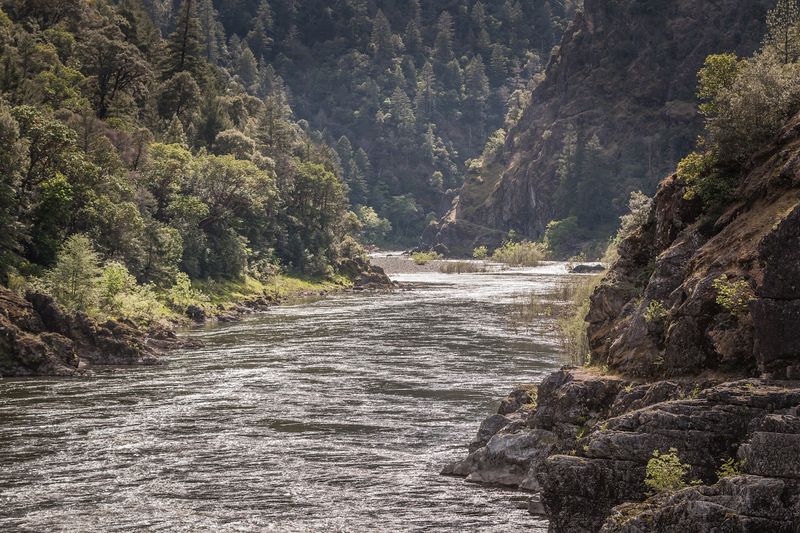
The Rogue River holds one of the most important environmental titles a river can earn in the United States. It was among the original rivers protected under the Wild and Scenic Rivers Act of 1968.
That designation means the river and its surrounding land are protected from development and damming.
Hiking this trail, you feel that protection everywhere you look. The water runs clear and cold.
The banks are lined with undisturbed vegetation that has been growing freely for decades.
The designation also protects the river’s fish populations, including wild salmon and steelhead. Spotting a large fish holding steady in the current is a surprisingly common experience here.
It adds a living, breathing energy to the whole hike.
Knowing the history behind the Wild and Scenic designation makes the trail feel more meaningful. People fought hard to keep this river wild.
Every step you take here is a reminder of why that fight was worth having.
Rafters on the River: A Moving Spectacle From the Trail
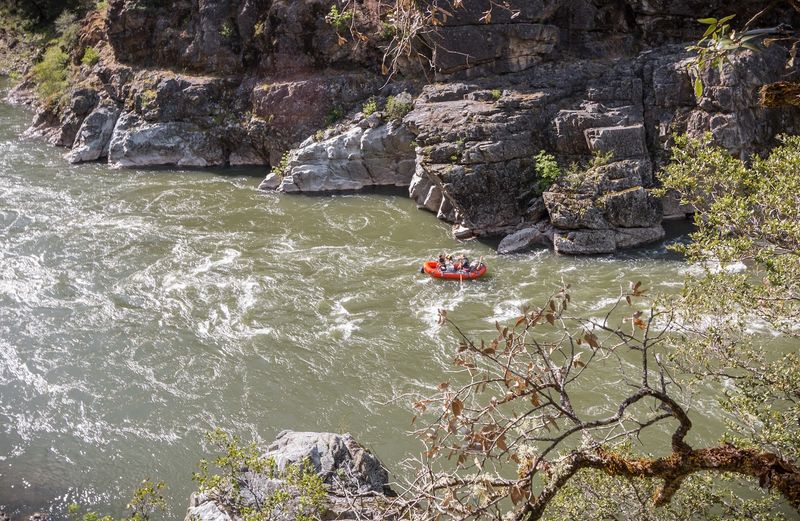
One of the unexpected joys of hiking this trail is watching the rafters work their way down the river below. From certain high points on the trail, you can see entire rafting groups navigating through rapids.
It adds a lively, almost theatrical element to the hike.
The Rogue River is famous for its white-water rafting runs. The rapids range from gentle floats to genuinely challenging technical sections.
Watching skilled rafters maneuver through the choppier stretches is genuinely exciting from above.
Hikers and rafters sometimes exchange waves across the distance. There is a friendly, shared energy between people experiencing the same wild place in different ways.
It makes the trail feel connected to something bigger than just walking.
If you time your hike during peak rafting season, usually late spring through summer, the river below stays lively and active. The sounds of rushing water and distant shouts of excitement carry up to the trail easily.
It turns the whole canyon into a kind of natural amphitheater.
Trail Difficulty and Terrain: Know Before You Go
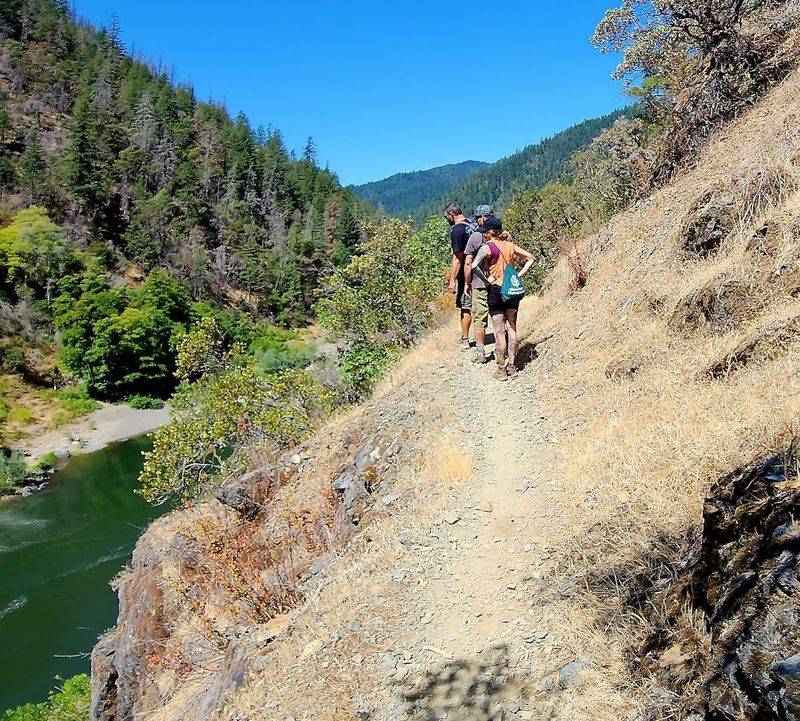
The Rogue River National Recreation Trail is not a casual afternoon stroll. The full trail covers roughly 40 miles of rugged, mountainous terrain.
Elevation changes are frequent, and some sections are genuinely demanding on the legs and lungs.
The path gets quite narrow in several places. In those sections, the drop-off to the river below is steep and unforgiving.
Paying close attention to your footing is not optional here, it is essential.
Sturdy hiking boots with good ankle support are strongly recommended. Trekking poles are a smart addition, especially on the downhill sections.
Packing enough water is critical because reliable water sources along the trail are not always easy to find.
Day hikers can access shorter sections of the trail without committing to the full route. The Grave Creek trailhead near Merlin is one of the most popular starting points.
Starting early in the morning gives you cooler temperatures and the best chance of seeing wildlife before the day heats up.
Wildlife Encounters Along the Canyon Edge
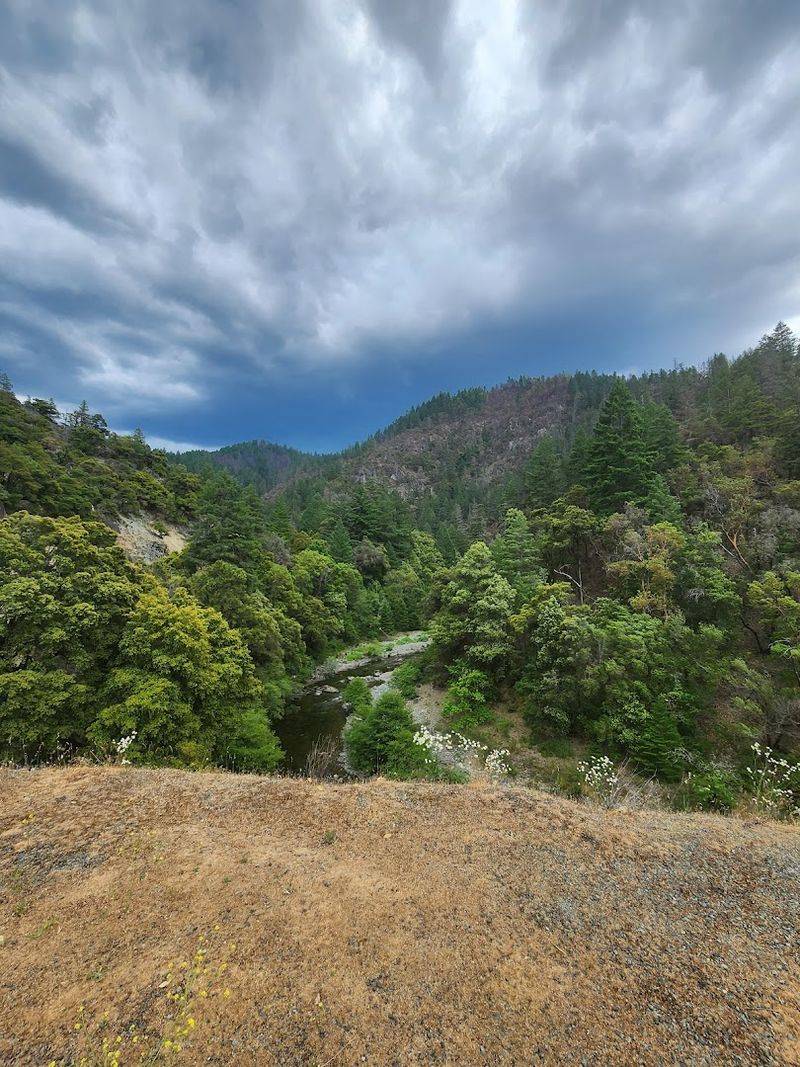
The canyon corridor along this trail supports a remarkable variety of wildlife. Black-tailed deer appear with surprising regularity, often standing just a few feet off the path.
Black bears also live in this area, so carrying bear spray is a sensible precaution.
Bald eagles are spotted frequently along the river corridor. Watching one glide silently over the canyon below you is a moment that stays with you.
Osprey are also common, and they hunt the river with impressive precision.
River otters occasionally appear along calmer sections of the Rogue. They tend to be shy but curious.
If you move quietly and stay patient, you have a real chance of a close encounter.
The trail passes through several distinct habitat zones. Oak woodland transitions into dense Douglas fir forest as the elevation shifts.
Each zone brings its own set of birds and animals, keeping the experience constantly fresh and engaging throughout the hike.
Camping Under the Stars in the Rogue River Wilderness
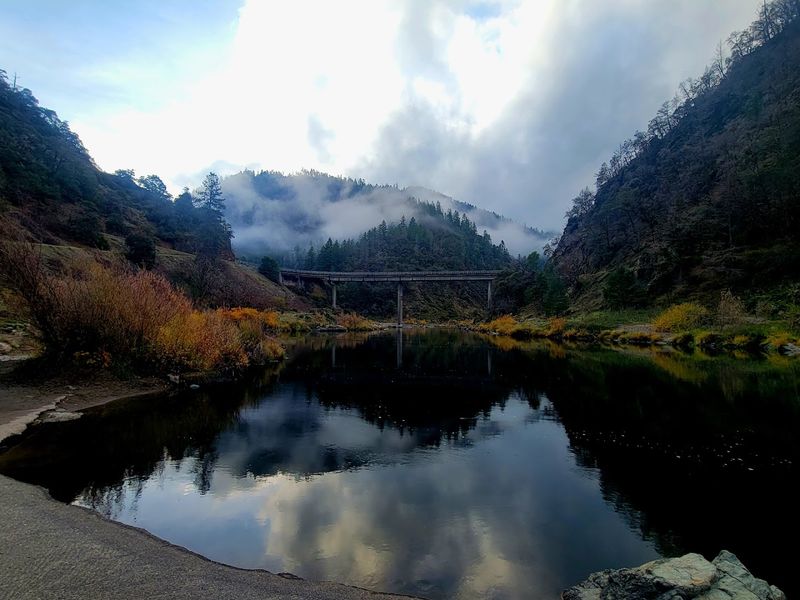
Spending a night on the Rogue River Trail is an experience that completely changes how you see the place. The darkness out here is deep and total.
The stars that appear overhead once the sky clears are genuinely staggering in number and brightness.
Several designated camping areas are spaced along the trail for backpackers. Reservations may be required for certain sections, especially during summer.
Checking with the Bureau of Land Management before your trip helps avoid any surprises.
Waking up to the sound of the river is one of those simple pleasures that is hard to put into words. The morning air carries a clean, earthy smell that feels deeply refreshing.
Getting up early means you often have the trail entirely to yourself for the first few hours.
Leave no trace principles are strictly expected here. Packing out everything you bring in keeps this wild place wild.
The wilderness experience this trail offers depends entirely on every hiker choosing to treat it with genuine respect.
The Grave Creek Trailhead: Your Gateway Into the Wild
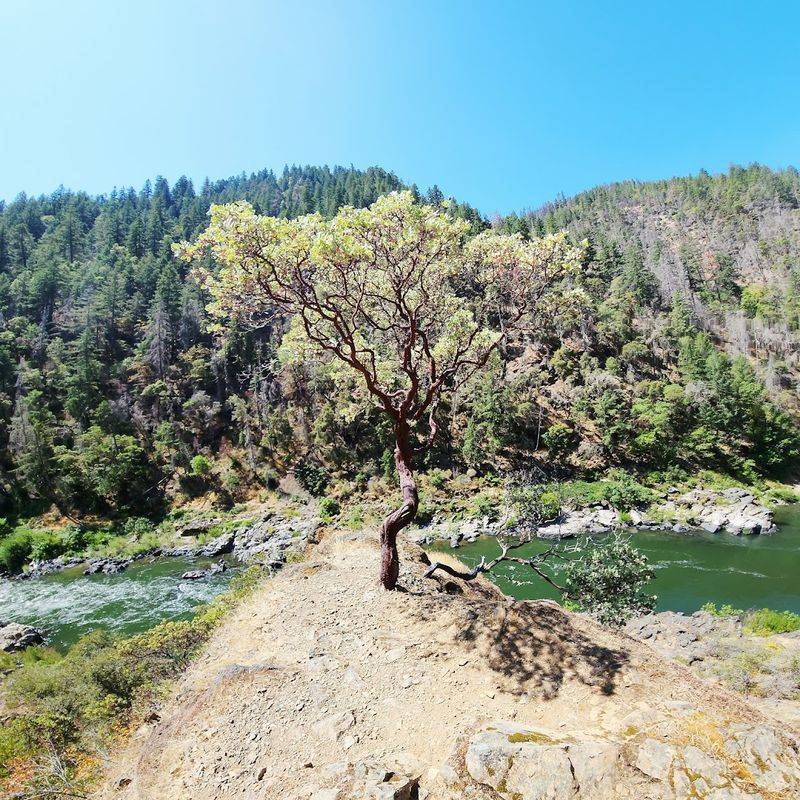
The Grave Creek trailhead near Merlin serves as the main western entry point for the Rogue River National Recreation Trail. Getting here involves a scenic drive through the Siskiyou foothills that sets the tone perfectly.
The road narrows as you get closer, and the landscape shifts into something wilder and more remote.
The trailhead has basic facilities including a small parking area. Arriving early on weekends is a smart move because space fills up quickly during peak season.
There is no fee to park, which is a genuinely nice bonus.
A wooden trail register sits at the trailhead entrance. Signing in takes only a moment.
It also helps rangers track trail usage and respond quickly if something goes wrong in the backcountry.
The first mile from Grave Creek gives you a strong preview of what the whole trail delivers. The canyon opens up quickly and the river appears below almost immediately.
It is one of those trail beginnings that makes you immediately glad you came.
Gold Rush History Along the Rogue River Corridor
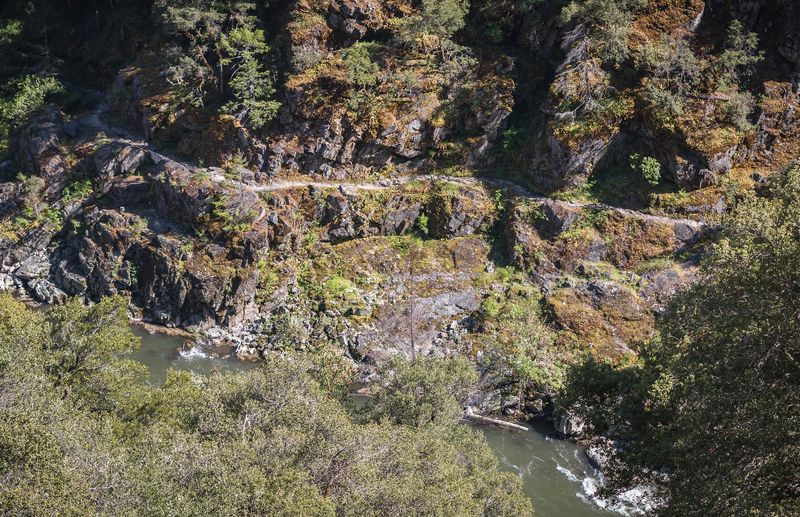
The Rogue River canyon has a gold rush history that runs deep into the 1800s. Prospectors flooded this region after gold was discovered in southwestern Oregon in the 1850s.
The tunnel carved into the trail is one of the most tangible reminders of that era still accessible to the public.
Old mining claims once dotted the canyon walls and river banks throughout this stretch of the Rogue. Evidence of that activity still appears occasionally along the trail.
Rusted equipment fragments and old rock clearings hint at the intense human effort that once defined this landscape.
The miners who worked here lived extraordinarily difficult lives. The terrain was brutal, the work was relentless, and success was never guaranteed.
Understanding that history adds real weight to every step you take through this canyon.
Some hikers have reportedly found small flakes of gold in the river gravel over the years. Recreational gold panning is allowed in certain sections with proper permits.
It is a small but thrilling connection to the original prospectors who carved their lives into these canyon walls.
Practical Tips for Hiking the Rogue River National Recreation Trail
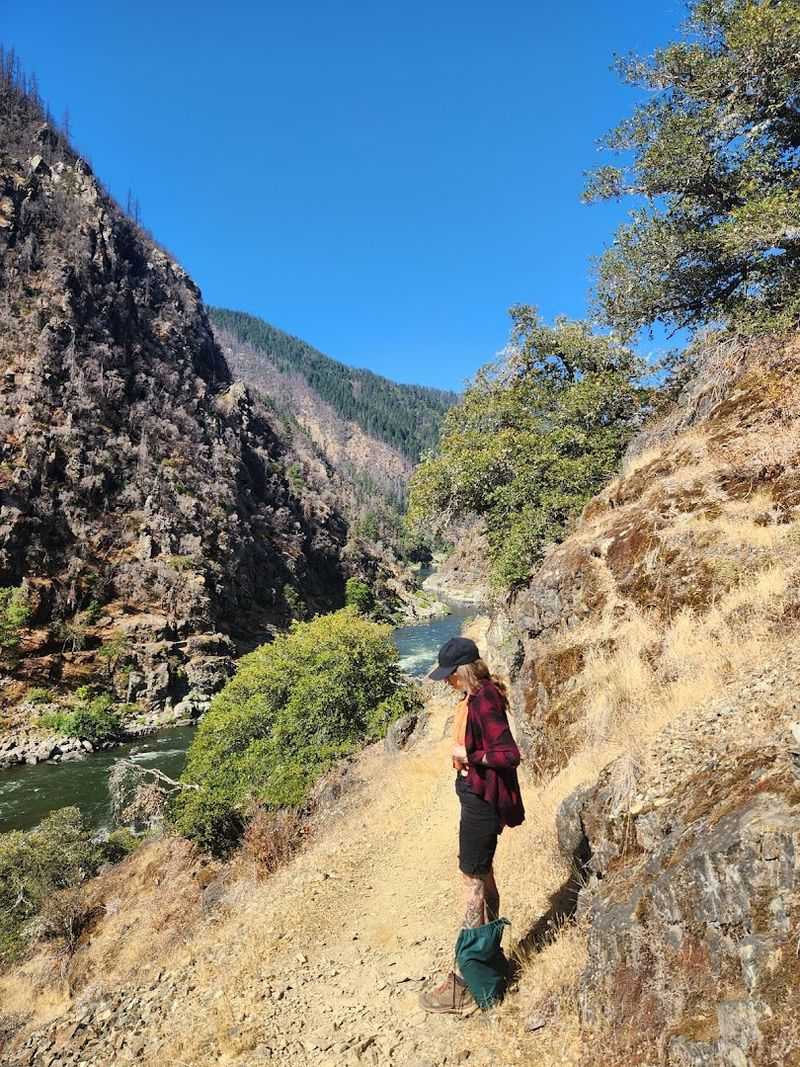
Planning a trip to this trail requires a bit more preparation than your average day hike. The remoteness of the canyon means help is not close if something goes wrong.
Telling someone your itinerary before you head out is a basic but genuinely important safety habit.
Water filtration is essential here. The river water is accessible in many spots, but always treat it before drinking.
A lightweight filter or purification tablets add almost no weight to your pack and could make a real difference.
Cell service is essentially nonexistent along most of the trail. A paper map and compass are worth carrying even if you feel confident with navigation.
The trail is well-marked in most sections, but canyon terrain can be disorienting in fog or low light.
The trail is open year-round, but spring and fall offer the most comfortable hiking conditions. Summer temperatures in the canyon can climb significantly.
Starting hikes at dawn during warmer months keeps the experience enjoyable and reduces heat-related risk considerably.
Dear Reader: This page may contain affiliate links which may earn a commission if you click through and make a purchase. Our independent journalism is not influenced by any advertiser or commercial initiative unless it is clearly marked as sponsored content. As travel products change, please be sure to reconfirm all details and stay up to date with current events to ensure a safe and successful trip.
