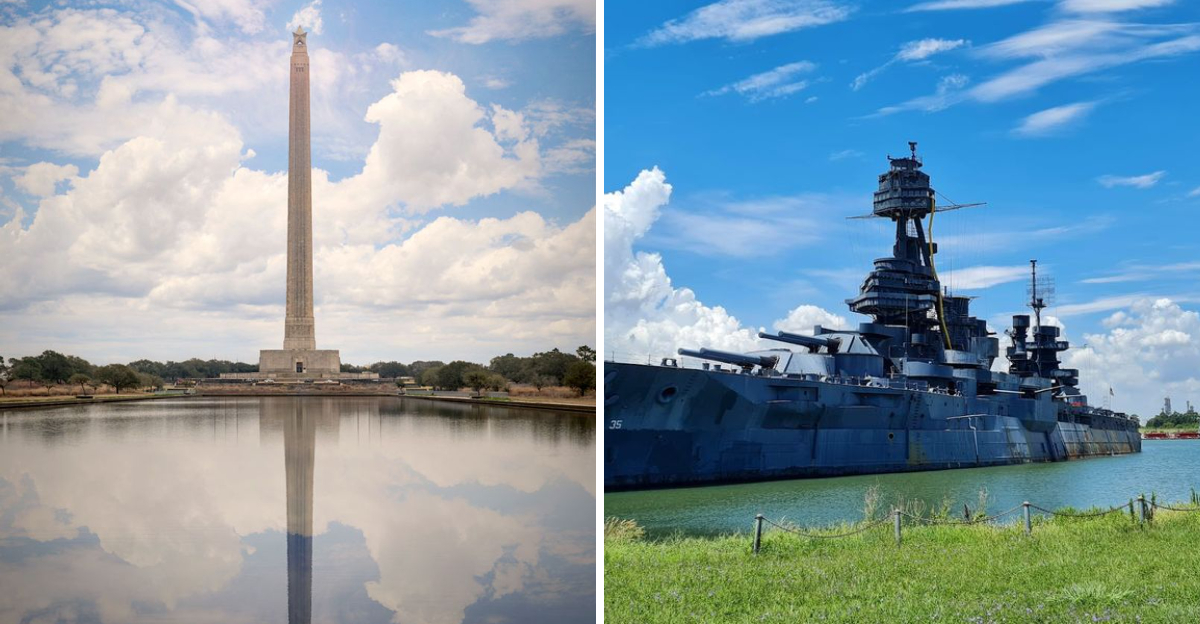
Standing here, it is hard not to think about how much changed in a single moment.
Wide open fields stretch out in every direction, quiet now, but once the setting for a battle that helped shape the future of Texas. The space feels calm, almost still, which makes the history behind it land even harder.
There is no need for over-explaining when the place speaks for itself. In Texas, moments like this are not just remembered, they are still felt.
The Battle That Changed Everything
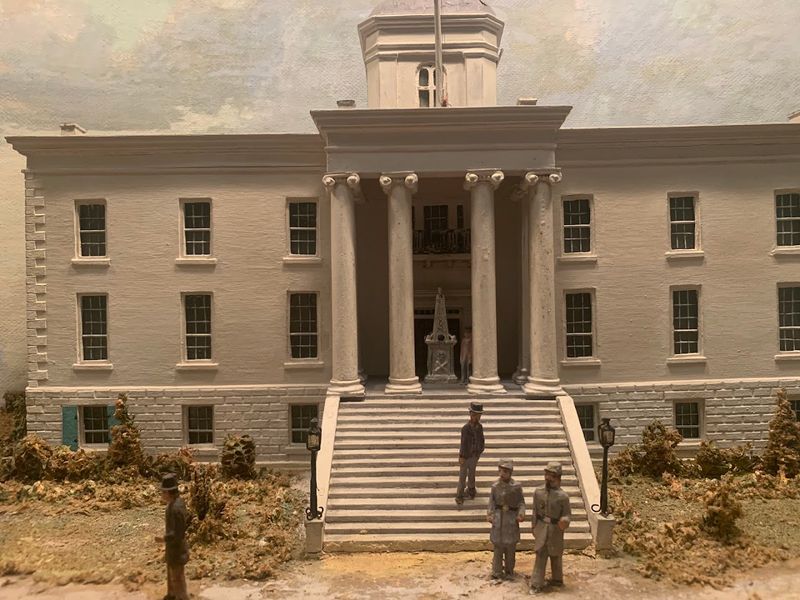
April 21, 1836 is a date that echoes through Texas history like no other. On that afternoon, General Sam Houston led a force of Texian soldiers against the much larger Mexican army commanded by General Antonio Lopez de Santa Anna.
The battle lasted just 18 minutes, but its impact stretched for generations.
What makes San Jacinto so extraordinary is how unlikely the victory seemed. The Texian army was outnumbered and had suffered brutal losses at the Alamo and Goliad just weeks before.
Morale was shaky, resources were thin, and the odds looked grim.
Yet the soldiers rallied with a ferocity that caught Santa Anna completely off guard. The Mexican forces were resting when the attack came, and the chaos that followed sealed a decisive Texian victory.
Santa Anna was captured the very next day.
The treaty that followed recognized Texas as an independent republic. That moment of independence eventually led to Texas joining the United States in 1845, triggering a chain of events that reshaped the entire continent.
Visiting the battleground today, you can feel the gravity of what happened here. The open land feels both peaceful and heavy at the same time.
The Monument That Towers Above It All
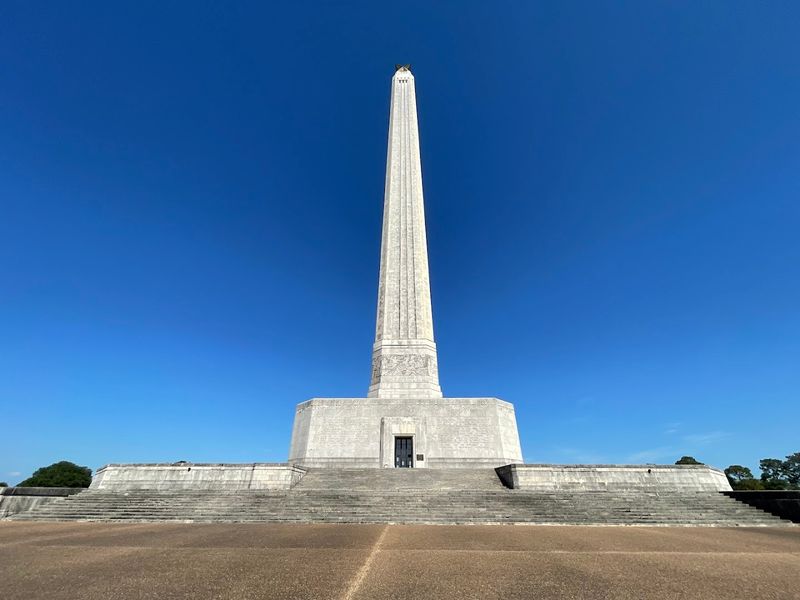
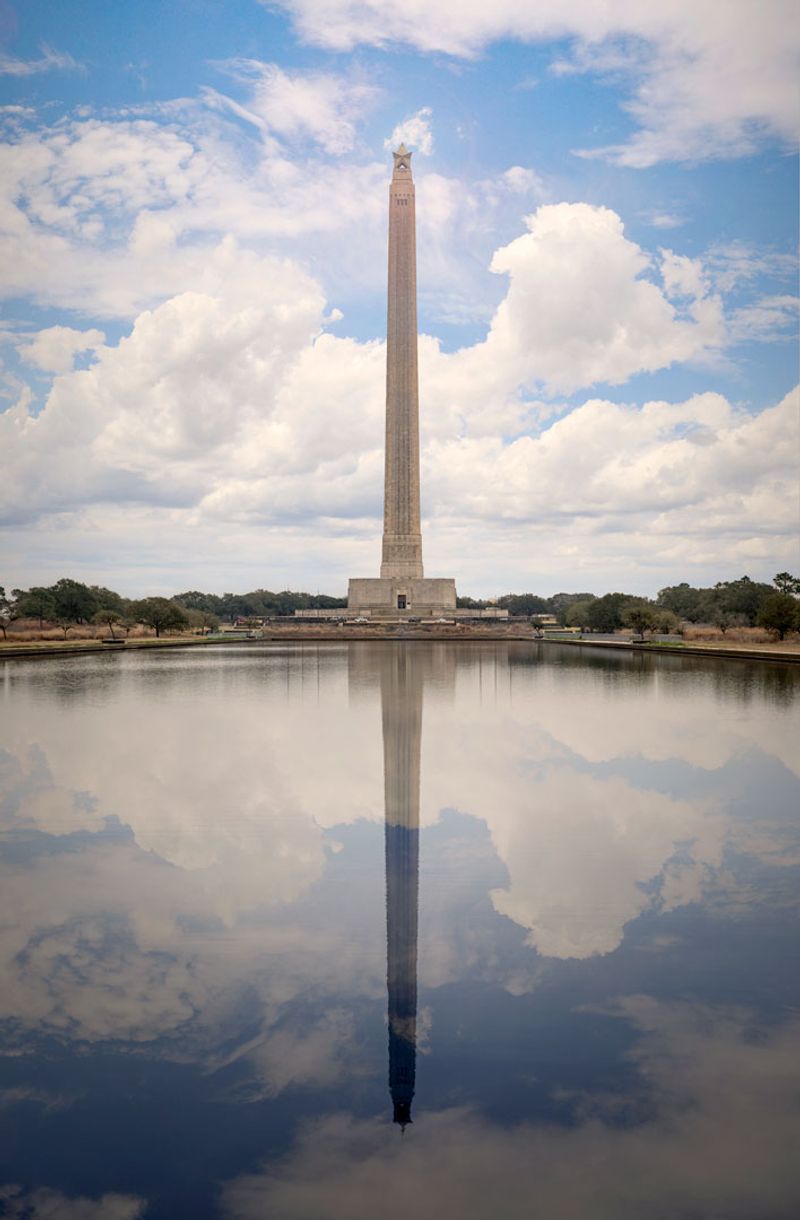
The first time you spot the San Jacinto Monument rising above the flat Texas landscape, it genuinely takes your breath away. At 567 feet tall, it is the tallest masonry column monument in the world, edging out even the Washington Monument by a few feet.
That fact alone is worth pausing on.
The structure was completed in 1939 and was built to honor the soldiers who fought and died during the Texas Revolution. A massive lone star caps the top, visible from miles away on a clear day.
It is the kind of landmark that makes you feel small in the best possible way.
Visitors can ride an elevator up to the observation deck near the top, where the views stretch across the battlefield, the Houston Ship Channel, and the surrounding Houston metro area. On a clear afternoon, the panorama is genuinely stunning.
I found myself lingering up there far longer than planned.
The monument is open Wednesday through Sunday, from 9 a.m. to 6 p.m. Even if you skip the elevator, simply standing at the base and looking up gives you a real sense of the scale and ambition behind this tribute to Texas history.
Inside the San Jacinto Museum of History
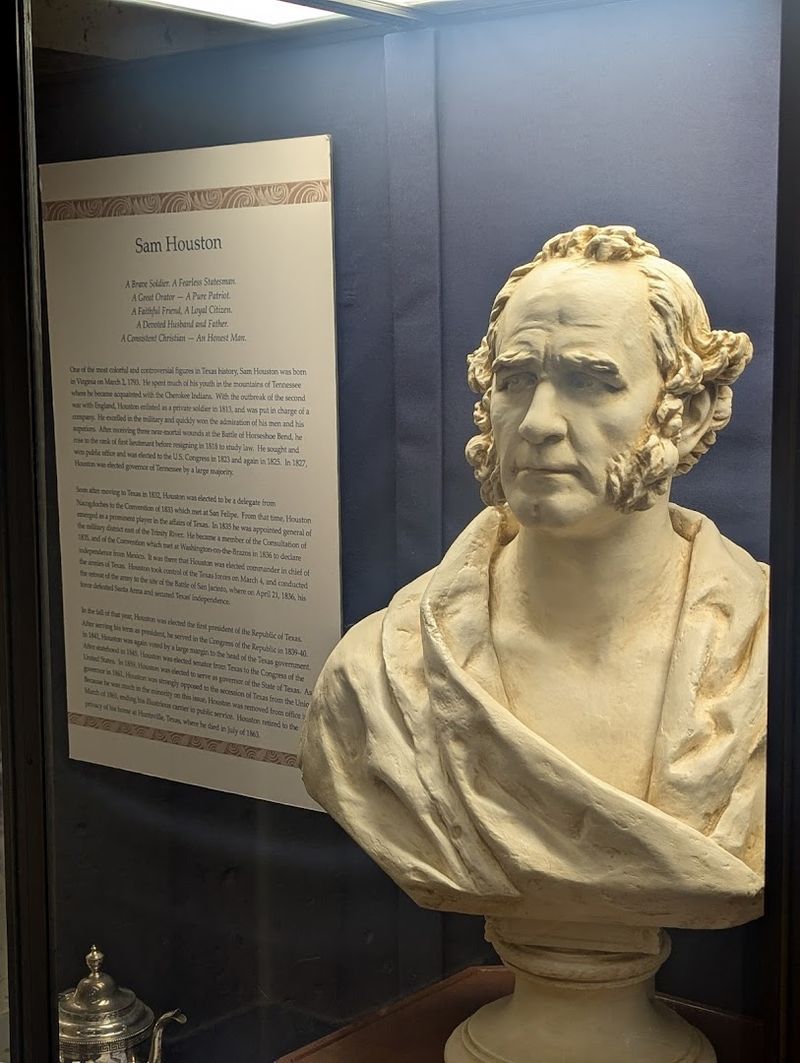
Hidden inside the base of the monument, the San Jacinto Museum of History is one of those quiet gems that rewards anyone willing to slow down and look closely.
The exhibits cover the full arc of the Texas Revolution, from the early tensions between settlers and the Mexican government to the final battle that ended it all.
It is well organized and easy to follow.
Beyond the revolution itself, the museum explores the broader story of Texas, including the Republic of Texas years, the eventual annexation into the United States, and the cultural forces that shaped the state.
There are artifacts, maps, documents, and detailed displays that bring each era to life without overwhelming you.
What I appreciated most was how the museum presented multiple perspectives. History is rarely simple, and the exhibits here do not pretend otherwise.
You come away with a fuller picture of what life was actually like during those turbulent years.
The museum is included with the monument admission and is open Wednesday through Sunday. If you are visiting with kids, the interactive elements and clear storytelling make it accessible for younger audiences too.
Plan at least an hour inside to give the exhibits the attention they deserve.
Exploring the Battlefield on Foot
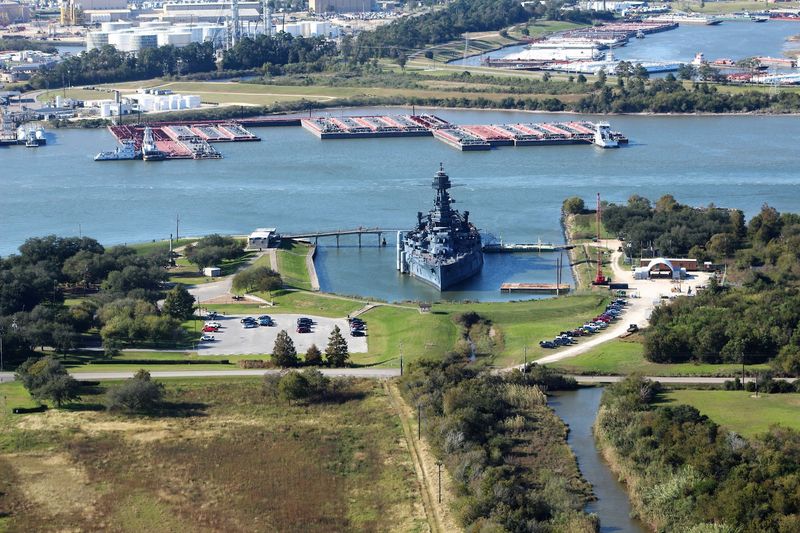
There is something deeply different about reading history in a book versus actually walking the ground where it happened. The San Jacinto Battleground offers self-guided tours across the open landscape, and the experience is surprisingly moving.
Markers and interpretive signs are placed throughout, giving context to specific locations where key moments unfolded.
The trails wind through grassy terrain that feels surprisingly serene. You can almost picture the chaos that erupted here nearly two centuries ago, and then the quiet that followed.
It is the kind of contrast that sticks with you long after you leave.
Birdwatching is a bonus that many visitors do not expect. The site sits near Galveston Bay and attracts a wide variety of bird species, especially during migration seasons.
Bring binoculars if you have them. The natural setting adds a whole other layer to the visit.
The battleground is open daily from 9 a.m. to 6 p.m., and access to the grounds is free. Comfortable shoes are a must, especially in warmer months when the sun hits the open field hard.
Early morning visits offer cooler temperatures and softer light that makes the landscape feel especially atmospheric and worth every step.
The Lone Star Star and Its Symbolism
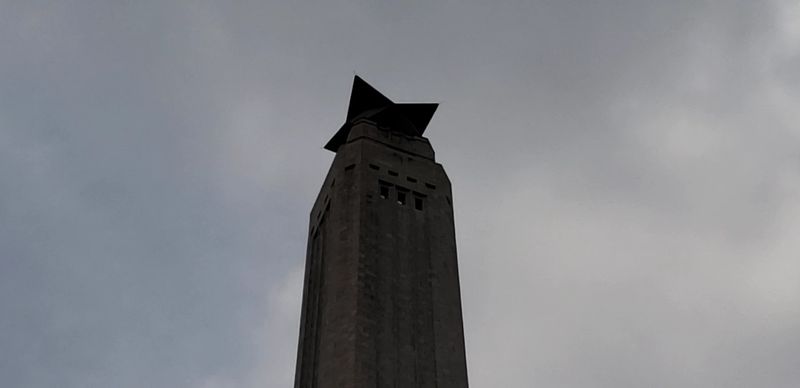
Perched at the very top of the San Jacinto Monument sits a 34-foot star, and it is not just decorative. The lone star is one of the most recognizable symbols in American regional identity, representing Texas independence, resilience, and pride.
Seeing it up close from the observation deck hits differently than spotting it on a flag or a highway sign.
The star was added as a deliberate nod to the Republic of Texas, which adopted the lone star as its official emblem during its years as an independent nation from 1836 to 1845. Every element of this monument was designed with intention, and the star is no exception.
From the ground, the star looks small against the sky. But the moment you ride up to the observation deck and step outside, the scale becomes real fast.
The craftsmanship and detail up close are genuinely impressive, especially considering the monument was built during the Great Depression using Texas limestone.
The symbolism packed into this single structure is remarkable. It is a monument to a battle, yes, but also to an identity.
Texas has always carried a distinct sense of self, and the lone star on top of this tower captures that spirit more powerfully than almost anything else in the state.
The Houston Ship Channel View
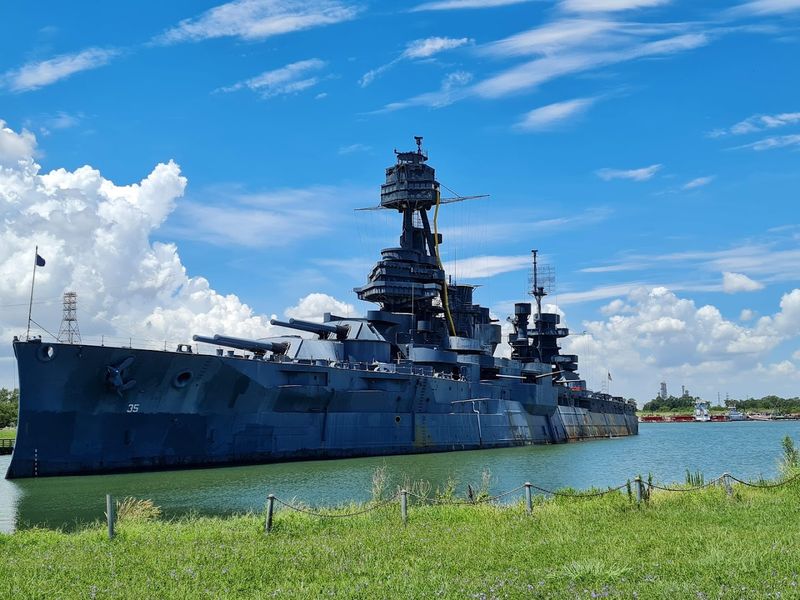
One of the unexpected highlights of climbing the San Jacinto Monument is the view it offers of the Houston Ship Channel. From the observation deck, you can see one of the busiest industrial waterways in the entire United States stretching out below.
It is a striking contrast, ancient battlefield below, modern commerce flowing just beyond.
The ship channel was developed in the early 20th century and transformed Houston into a major port city. Watching massive tankers and cargo vessels move slowly through the water from your perch nearly 570 feet above the ground is genuinely surreal.
It is the kind of view that makes you think about how much this region has changed since 1836.
On a clear day, you can also spot the Battleship Texas, a historic naval vessel that spent decades moored near the monument before being moved for restoration. The surrounding landscape of marshes, waterways, and industrial infrastructure tells its own layered story about the Gulf Coast region.
The observation deck is accessible by elevator and is included with monument admission. I recommend visiting on a weekday morning when crowds are lighter and visibility tends to be better.
The combination of history below and industry beyond makes this one of the most thought-provoking views in all of Texas.
Educational Programs and Events at the Site
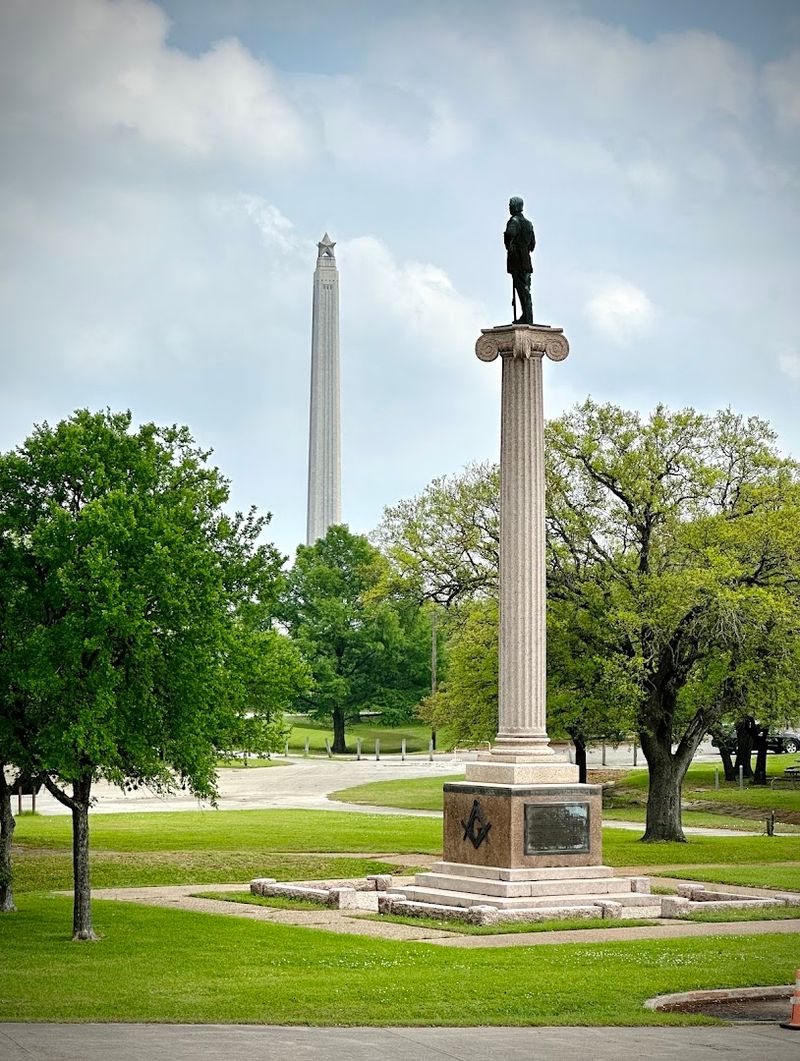
San Jacinto is not just a place to visit once and move on. The site offers a range of educational programs designed for school groups, families, and history enthusiasts of all ages.
These programs bring the story of the Texas Revolution to life in ways that go well beyond reading a textbook chapter.
Ranger-led programs, living history demonstrations, and special events tied to the anniversary of the battle are among the offerings throughout the year.
The annual San Jacinto Day celebration in April draws visitors from across the state and includes reenactments, ceremonies, and activities that make the history feel vivid and immediate.
For teachers planning field trips, the site provides curriculum-aligned materials and guided experiences that connect to Texas history standards. It is one of those rare field trip destinations where students actually pay attention because the setting does the teaching for you.
The battlefield itself is the classroom.
Checking the official Texas Historical Commission website before your visit is a smart move. Events and programs rotate throughout the year, and some require advance registration.
Whether you come on a regular day or during a special event, there is always something here that adds depth and meaning to the experience beyond just walking the grounds.
Planning Your Visit to San Jacinto Battleground
Getting to San Jacinto Battleground State Historic Site is straightforward whether you are coming from Houston or from farther out. The site sits at 3523 Independence Pkwy South in La Porte, about 22 miles southeast of downtown Houston.
The drive takes roughly 30 to 40 minutes from the city center depending on traffic, and parking on site is free.
The battleground itself is open every day from 9 a.m. to 6 p.m. at no cost. The monument and museum are open Wednesday through Sunday during the same hours.
Bringing water and sunscreen is genuinely important, especially if you plan to spend time on the open battlefield trails during warmer months.
Comfortable walking shoes make a big difference. The grounds are flat but expansive, and you will want to explore without worrying about your feet.
A light jacket can be useful in cooler months when the wind off the bay picks up more than expected.
There is a gift shop on site with books, maps, and Texas-themed souvenirs worth browsing. The whole visit, including the museum, monument elevator, and battleground walk, can comfortably fill three to four hours.
It is a genuinely rewarding day trip that leaves you with a much deeper appreciation for the history that shaped this state and this country.
Address: 3523 Independence Pkwy, La Porte, Texas
Dear Reader: This page may contain affiliate links which may earn a commission if you click through and make a purchase. Our independent journalism is not influenced by any advertiser or commercial initiative unless it is clearly marked as sponsored content. As travel products change, please be sure to reconfirm all details and stay up to date with current events to ensure a safe and successful trip.
