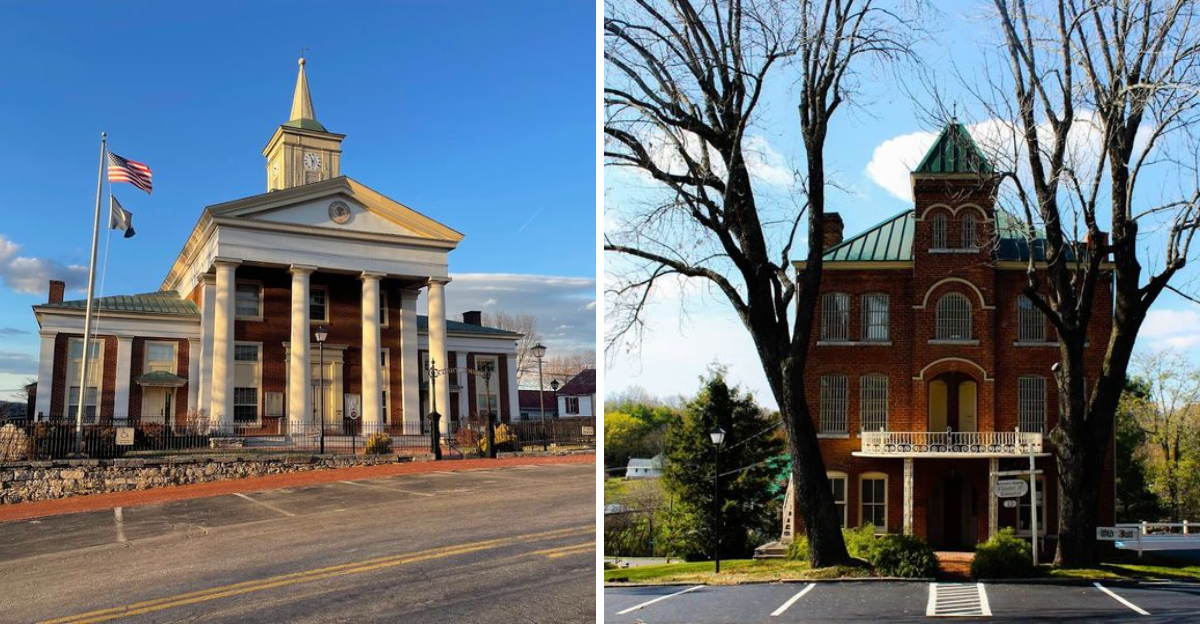
Think you know what stepping back in time feels like? Fincastle might just prove you wrong.
Tucked into the rolling hills of Botetourt County, this Virginia gem looks like someone hit pause on the clock somewhere around the 18th century and forgot to press play again. Walking through its streets feels less like tourism and more like accidentally wandering onto a movie set where everyone’s commitment to authenticity is impressive.
The brick sidewalks, historic courthouse, and century-old buildings aren’t reconstructions or theme park facades. They’re the real deal, still standing strong and telling stories from when America was just figuring itself out.
With a population barely scraping 800 people, Fincastle keeps things cozy, quiet, and refreshingly free from the usual tourist traps. This isn’t Williamsburg with costumed interpreters.
It’s just a town that never felt the need to modernize beyond what made sense, leaving visitors with an authentic glimpse into Virginia’s past without the gift shop overload.
The 1770 Courthouse That Still Runs the Show
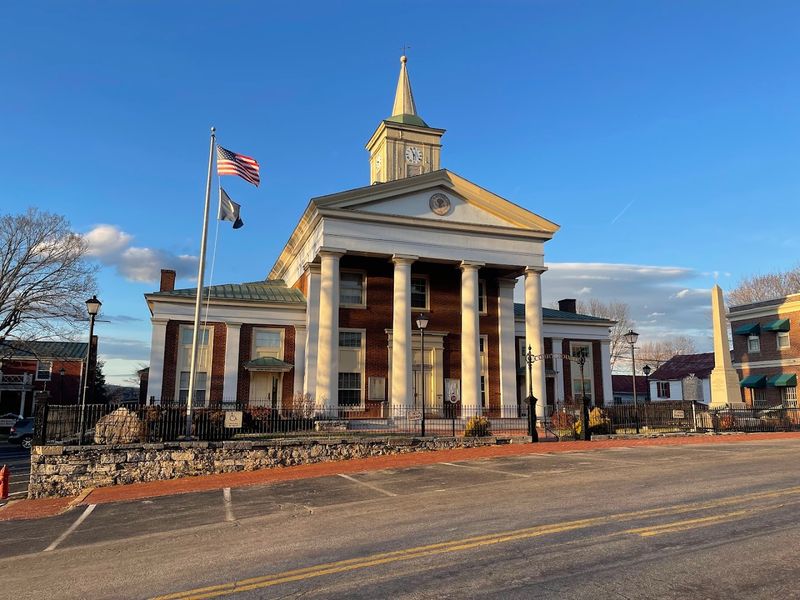
Standing proud in the town center since before America declared independence, the Botetourt County Courthouse isn’t some museum piece gathering dust. It’s still the working heart of local government, making it one of the oldest continuously operating courthouses in the entire country.
Walking up to this Georgian-style beauty feels surreal. The red brick facade, white-trimmed windows, and distinctive cupola look exactly like something from a history textbook, except you can actually walk inside and watch democracy in action.
The building survived the Civil War, countless renovations, and the relentless march of modernization that bulldozed so many historic structures across Virginia. Inside, the original woodwork and period details remain largely intact, creating an atmosphere that lawyers and judges from two centuries ago would instantly recognize.
Court proceedings happen here regularly, and watching a modern case unfold in such an authentically preserved space creates a fascinating contrast between past and present. The building represents continuity in the truest sense.
Visitors can explore during business hours, though respectful silence is expected when court is in session. The surrounding grounds offer perfect photo opportunities, especially when autumn leaves frame the historic structure in brilliant oranges and golds.
Main Street Looks Like a Period Drama Backdrop
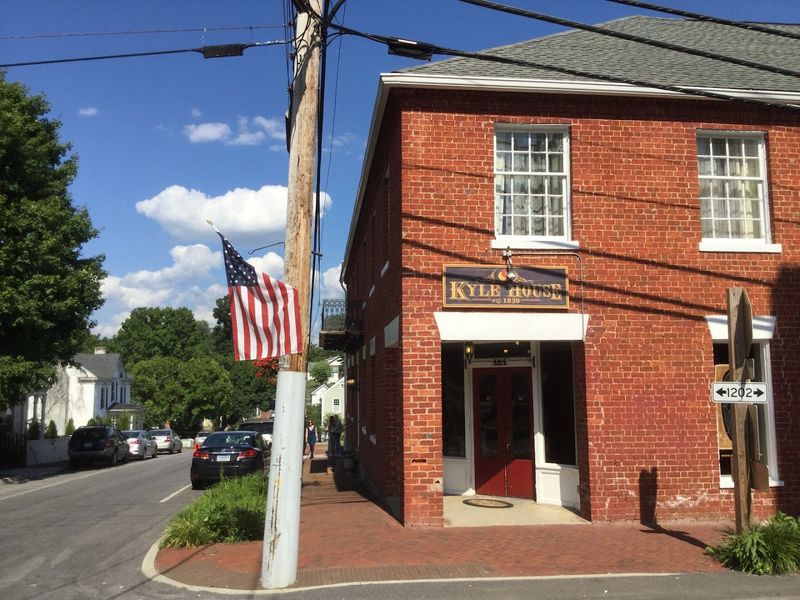
Strolling down Fincastle’s Main Street triggers an odd sensation, like your brain keeps expecting a director to yell cut. The storefronts, sidewalks, and even the street lamps seem almost suspiciously period-appropriate.
Unlike towns that slap historic facades onto modern structures, these buildings are genuinely old. Many date back to the early 1800s, and their architectural integrity remains remarkably intact.
No neon signs, no chain stores, no jarring modern insertions to break the spell.
Local businesses occupy these historic structures, operating much like they did generations ago but with modern conveniences tucked discreetly inside. The effect creates an immersive experience without feeling like a forced reenactment.
Brick sidewalks add to the authenticity, their slightly uneven surfaces worn smooth by countless footsteps over decades. Trees provide shade in summer, their branches creating natural canopies over pedestrians just as they did when horse-drawn carriages rattled past.
Photography enthusiasts find endless inspiration here. Every angle offers another postcard-worthy shot, and the lack of modern visual clutter makes capturing that perfect historic vibe remarkably easy.
Early morning light creates especially magical conditions when mist softens the already dreamy atmosphere.
Brick Sidewalks That Remember Everything
Most towns paved over their brick sidewalks decades ago, replacing character with convenience. Fincastle kept theirs, and they tell stories with every slightly uneven step.
These aren’t decorative reproductions installed for tourist appeal. They’re the original pathways, laid by hand generations ago, their surfaces polished smooth by over a century of foot traffic.
Each brick bears the marks of time, weather patterns creating subtle color variations that no modern installation could replicate.
Walking these sidewalks requires paying attention. The gentle irregularities demand mindfulness, slowing your pace naturally and encouraging the kind of leisurely strolling that modern life usually doesn’t permit.
It’s accidental mindfulness, courtesy of 19th-century infrastructure.
Local residents navigate them with practiced ease, their familiarity with every dip and rise evident in their confident stride. Visitors move more cautiously, but that hesitation becomes part of the experience, forcing a slower appreciation of surroundings.
The bricks connect directly to the town’s commercial past when craftsmen carefully laid each one, creating pathways meant to last generations. That they’re still functional today speaks volumes about both quality craftsmanship and community commitment to preservation over convenience.
Houses That Predate the Constitution
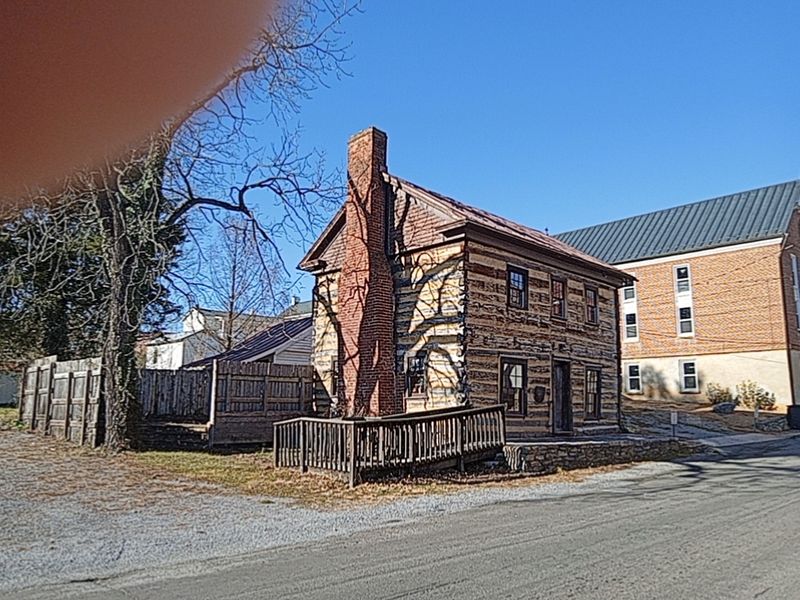
Scattered throughout Fincastle are residential structures so old they watched the American Revolution unfold. These aren’t replicas or heavily restored showpieces.
They’re actual homes where people still live, work, and raise families.
The architectural styles span several periods, from simple colonial structures to more elaborate Federal-style homes built as the town prospered. Many feature original stone chimneys, hand-hewn beams, and other construction details that modern building techniques can’t authentically replicate.
Some properties remain in the same families for generations, their current occupants serving as stewards of history rather than just homeowners. The responsibility weighs differently when your living room witnessed two centuries of family gatherings.
These homes aren’t museum pieces cordoned off behind velvet ropes. They’re lived-in spaces where laundry gets folded, dinners get cooked, and kids do homework at tables that might have hosted similar scenes when Thomas Jefferson was still alive.
The juxtaposition of modern life within genuinely historic structures creates a unique living situation. Satellite dishes might perch on 18th-century rooflines, and WiFi routers sit in rooms where candlelight once provided the only illumination.
It’s time travel with plumbing.
The Cemetery That Reads Like a History Book
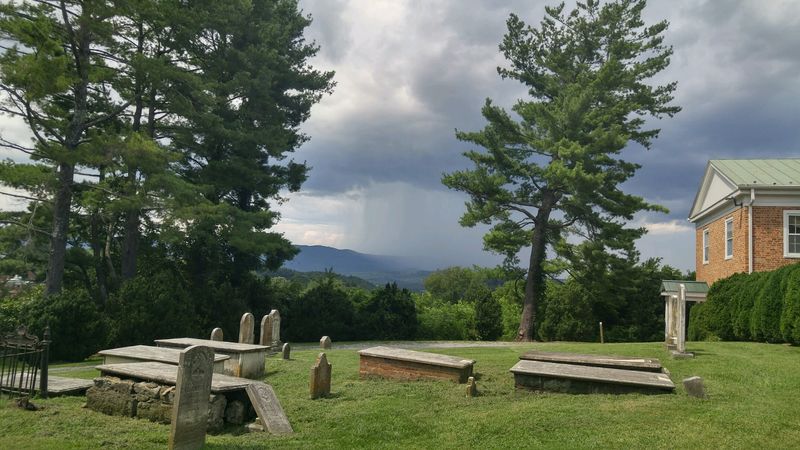
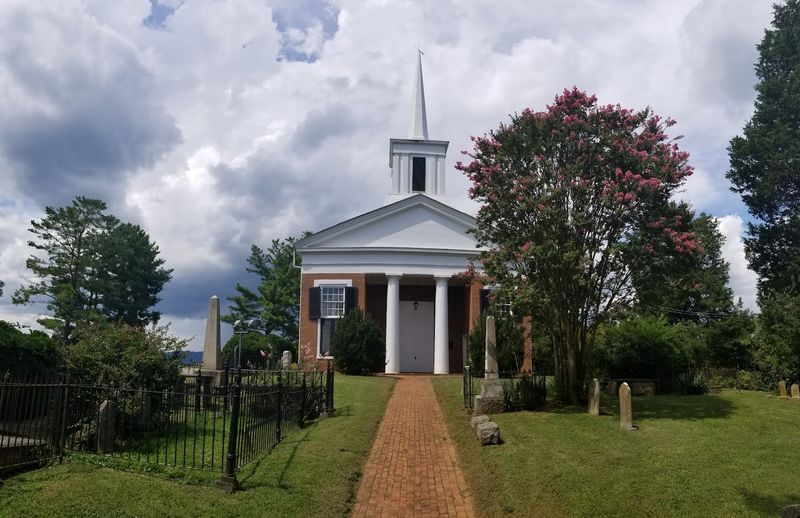
Fincastle’s cemetery isn’t just a burial ground. It’s an outdoor archive documenting the town’s entire existence through names, dates, and sometimes remarkably candid epitaphs carved into weathered stone.
Revolutionary War soldiers rest here alongside Civil War veterans from both sides, their graves a silent testament to how small towns contained complex loyalties during America’s most divisive conflict. The dates alone tell stories about life expectancy, childhood mortality, and the harsh realities of frontier existence.
Many headstones feature intricate carvings, their artistic details still visible despite decades of weather exposure. Angels, urns, and symbolic imagery reflect changing attitudes toward death and remembrance across different eras.
Some inscriptions remain perfectly legible while others have faded to mysterious fragments.
Local historians conduct occasional tours, sharing stories about notable residents whose contributions shaped the town’s character. These aren’t famous names you’d recognize nationally, but their impact on this specific community created ripples still felt today.
Visiting requires respectful behavior, obviously, but the cemetery welcomes those genuinely interested in connecting with the past. Autumn visits offer particular beauty when falling leaves carpet the grounds and soften the somber atmosphere with seasonal color.
Architecture That Refused to Modernize
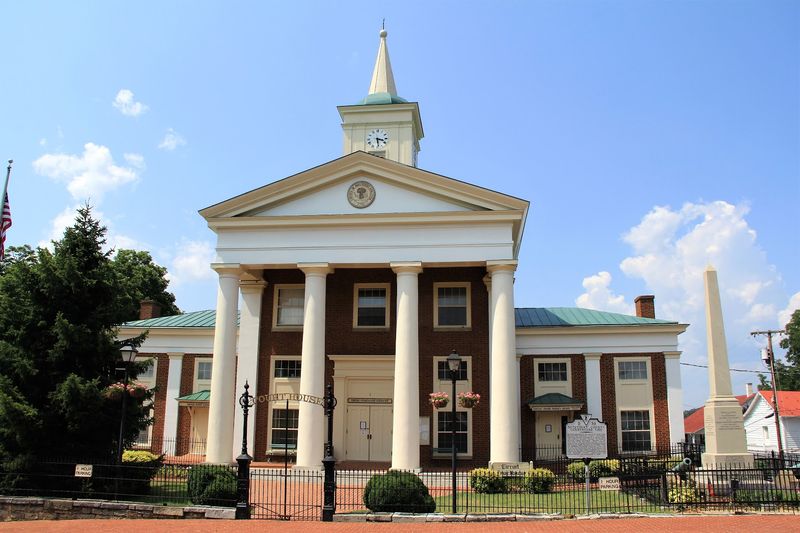
What makes Fincastle truly special isn’t just having old buildings. Plenty of towns can claim that.
The remarkable part is how little these structures changed to accommodate modern tastes or convenience trends that swept through America.
No mid-century modern insertions break the visual flow. No 1970s renovations left unfortunate aesthetic scars.
The town seems to have collectively decided that preservation trumped trendiness, a choice that requires ongoing commitment and occasional inconvenience.
This architectural consistency creates an immersive environment impossible to achieve when historic buildings sit next to jarring contemporary structures. Your eye doesn’t get pulled out of the past by visual contradictions.
The illusion holds.
Different architectural styles coexist harmoniously, representing various prosperity periods without creating dissonance. Georgian, Federal, and Greek Revival elements blend naturally, their shared age and careful maintenance creating unity despite stylistic differences.
Maintaining these structures requires specialized knowledge and materials increasingly difficult to source. Local craftspeople possess skills passed down through generations, understanding how to repair historic buildings using period-appropriate techniques.
Their work ensures authenticity extends beyond surface appearances.
You can find the heart of this architectural treasure at 14 W Main St, Fincastle, VA 24090, where the historic district showcases this remarkable preservation.
A Town Square Frozen in Time
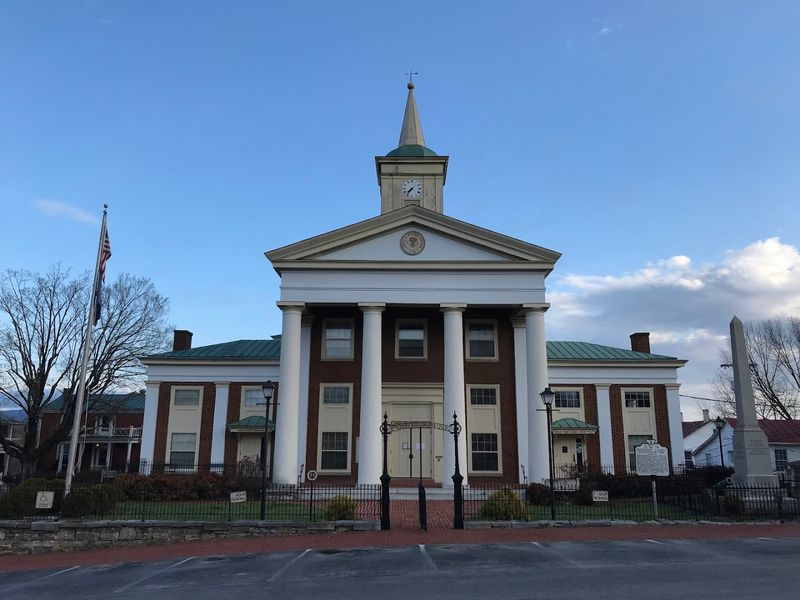
Town squares often become parking lots or get carved up for traffic flow improvements. Fincastle’s remains essentially unchanged, functioning today much as it did when horses provided transportation and town meetings drew the entire population.
The layout follows classic Virginia town planning, with the courthouse commanding central position and commercial buildings arranged around the periphery. This design facilitated community interaction, and it still does, just with cars instead of carriages.
Mature trees provide shade and seasonal beauty, their massive trunks indicating they’ve witnessed generations of town life. Sitting beneath them feels meditative, especially during quieter weekday afternoons when few people pass through.
Events still happen here, from farmers markets to holiday celebrations, maintaining the square’s role as community gathering place. These occasions bring the space alive with activity that echoes similar gatherings from centuries past, creating temporal connections between present residents and their ancestors.
The square’s proportions feel right in ways modern urban planning sometimes misses. It’s scaled for human interaction rather than vehicle accommodation, creating an intimate atmosphere that encourages lingering rather than rushing through.
Time moves differently here, or maybe you just notice its passage more clearly.
Locals Who Live the History Daily
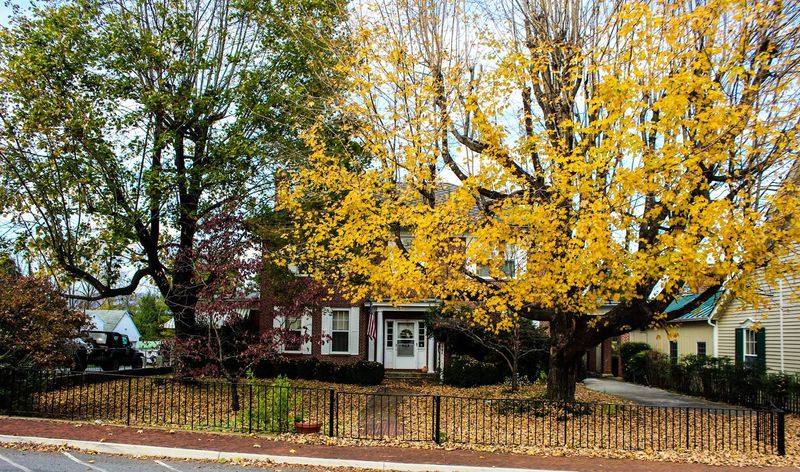
Fincastle’s authenticity extends beyond architecture to its residents, whose connection to local history runs deep. Many families trace their roots back generations, their personal histories intertwining with the town’s broader narrative in ways that shape daily perspective.
These aren’t people playing dress-up or performing history for tourists. They’re simply living in a place where the past remains present, where family stories reference events from centuries ago with the same familiarity others might discuss last decade.
This creates an unusual cultural continuity. Traditions persist not because anyone mandated their preservation but because they never stopped making sense.
Why change what works? Why abandon practices that still serve their purpose?
Conversations with longtime residents reveal this embedded historical consciousness. They reference buildings by previous owners from decades past, recall businesses that occupied storefronts generations ago, and navigate using landmarks that disappeared before many visitors were born.
New residents often arrive specifically seeking this atmosphere, drawn by the chance to live somewhere authenticity isn’t manufactured. They become stewards of preservation, understanding that maintaining Fincastle’s character requires active participation, not passive observation.
The town’s future depends on people choosing its past.
Absence of Modern Visual Pollution
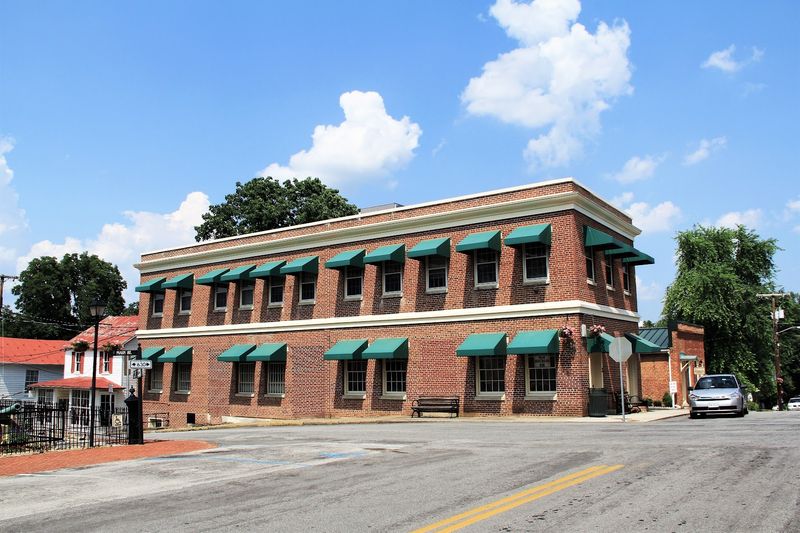
Perhaps nothing contributes more to Fincastle’s time machine quality than what’s missing. No garish billboards scream for attention.
No franchise logos interrupt sightlines. No digital screens flash advertisements into your peripheral vision.
This absence isn’t accidental. Local regulations and community standards maintain visual harmony, recognizing that authenticity requires restraint.
Businesses can’t simply slap up whatever signage they want. The result feels refreshingly calm compared to the sensory assault most commercial districts deliver.
Even necessary modern elements like street signs and traffic signals are implemented with consideration for historical context. They’re present but not prominent, functional without being intrusive.
Someone clearly thought about how to add contemporary requirements without destroying period atmosphere.
This visual discipline extends to utilities. Power lines run behind buildings where possible.
Modern infrastructure gets tucked away rather than displayed prominently. The effect lets your brain accept the historical illusion without constant reminders of the present.
Visiting Fincastle highlights how much visual noise we’ve normalized elsewhere. The quiet here isn’t just auditory.
It’s optical too, giving your eyes permission to rest and your mind space to wander backward through time without constant interruptions yanking you forward.
Seasonal Changes That Enhance the Atmosphere
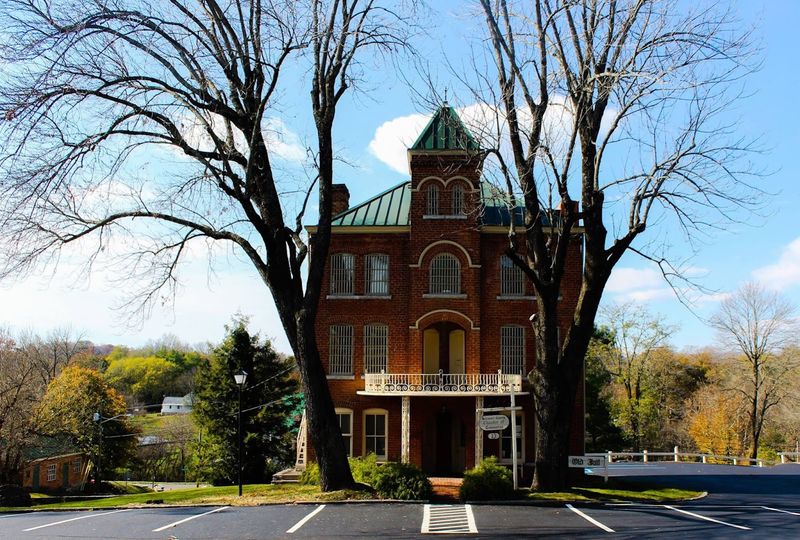
Fincastle’s historic character intensifies with seasonal shifts, each bringing atmospheric changes that deepen the sense of stepping backward through time. Fall transforms the town into a painter’s fantasy, brilliant foliage framing historic structures in colors that photographs barely capture.
Winter strips away the softening effects of leaves and flowers, revealing architectural bones in stark clarity. Snow dusting colonial rooflines and covering brick sidewalks creates scenes indistinguishable from 19th-century lithographs.
The cold encourages brisk walking, much like residents experienced before central heating.
Spring brings renewal that mirrors the town’s own persistence, flowers blooming around buildings that have witnessed countless springs before. The seasonal continuity becomes tangible, connecting present moments to identical scenes from decades or centuries past.
Summer’s heat slows everything down, encouraging the kind of porch-sitting and shade-seeking that defined life before air conditioning. The town’s pace matches the temperature, creating lazy afternoons where time feels negotiable rather than rigid.
These seasonal rhythms haven’t changed fundamentally in centuries. Modern residents experience weather’s impact on daily life much like their ancestors did, creating another thread of continuity connecting past to present.
Nature’s calendar still matters here in ways urbanization often erases.
Dear Reader: This page may contain affiliate links which may earn a commission if you click through and make a purchase. Our independent journalism is not influenced by any advertiser or commercial initiative unless it is clearly marked as sponsored content. As travel products change, please be sure to reconfirm all details and stay up to date with current events to ensure a safe and successful trip.
