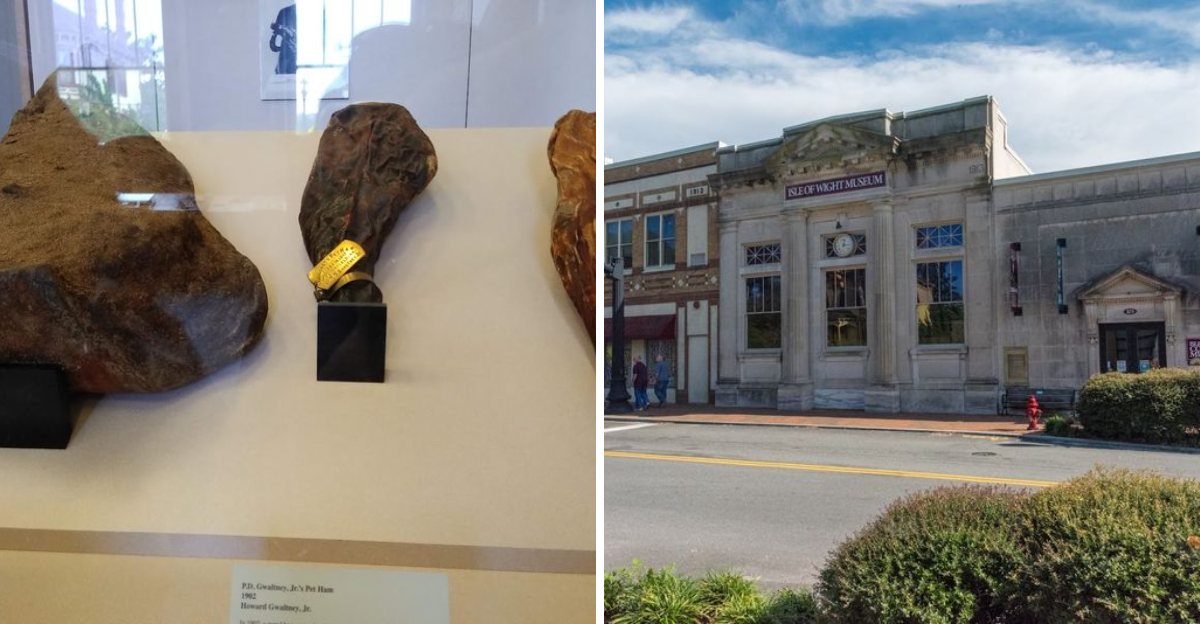
In a quiet Virginia town, a ham has been patiently aging since 1902, and it somehow lives up to the hype. Smithfield, known as the Ham Capital of the World, is home to this unlikely centerpiece, preserved inside a small museum on Main Street.
Walking in, the setting feels simple enough, until you come face to face with a century-old cured ham fitted with a brass collar. It is unexpected, a little strange, and completely memorable.
This spot leans into that charm, turning local history into something that feels vivid, quirky, and surprisingly hard to forget.
The World’s Oldest Edible Ham
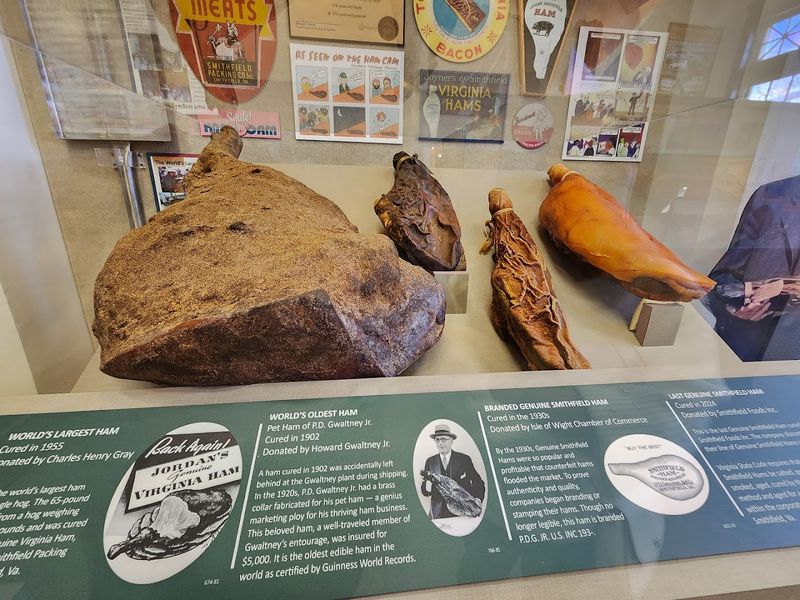
Picture a ham so legendary it made the pages of Ripley’s Believe It or Not, not once but three times. That is exactly what greets you at the Isle of Wight County Museum, and the moment you see it, your brain takes a second to catch up with your eyes.
The story starts in 1902 when a Smithfield meatpacking businessman named P.D. Gwaltney Jr. accidentally left a cured ham hanging in his packing house.
For roughly two decades, it just stayed there, quietly aging while the world moved on around it.
By the time Gwaltney noticed it again in 1924, the ham had become something extraordinary. He fashioned a brass collar for it, called it his pet ham, and began showing it off at expositions to prove just how well his smoking and curing methods worked.
Today it rests in a climate-controlled case at the museum, still technically edible after more than 120 years. Virginia has a lot of bragging rights, but this one might just take the cake, or rather, the ham.
The Ham Cam: Watch History Live
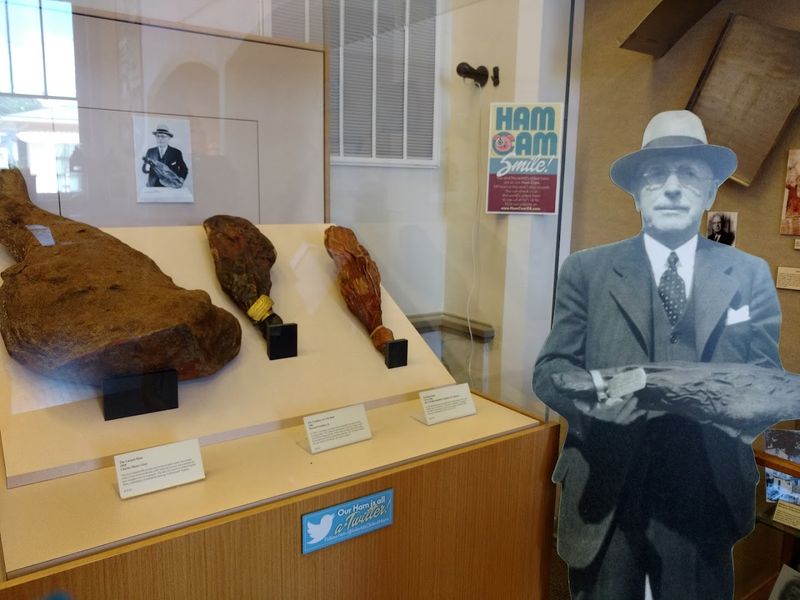
Long before live streaming was cool, this Virginia museum was already ahead of the game. The Ham Cam is a 24/7 live feed that lets anyone in the world watch over the oldest edible ham on the planet from the comfort of their couch.
Sounds absurd? Absolutely.
Completely fascinating? Also yes.
The Isle of Wight County Museum set up this feed so that ham enthusiasts, history buffs, and curious internet wanderers could check in on the famous artifact anytime they want.
It has become a quirky little internet attraction in its own right, drawing online attention from people who never even knew Smithfield existed before stumbling across the stream. There is something oddly meditative about watching a very old ham just exist peacefully in its case.
For those planning an in-person visit, the Ham Cam adds a fun layer of anticipation. You have already seen it online, and then suddenly you are standing right in front of it.
That transition from screen to real life hits differently when the subject is a 120-year-old cured ham wearing a brass collar in Virginia.
The Ham’s Annual Birthday Celebration
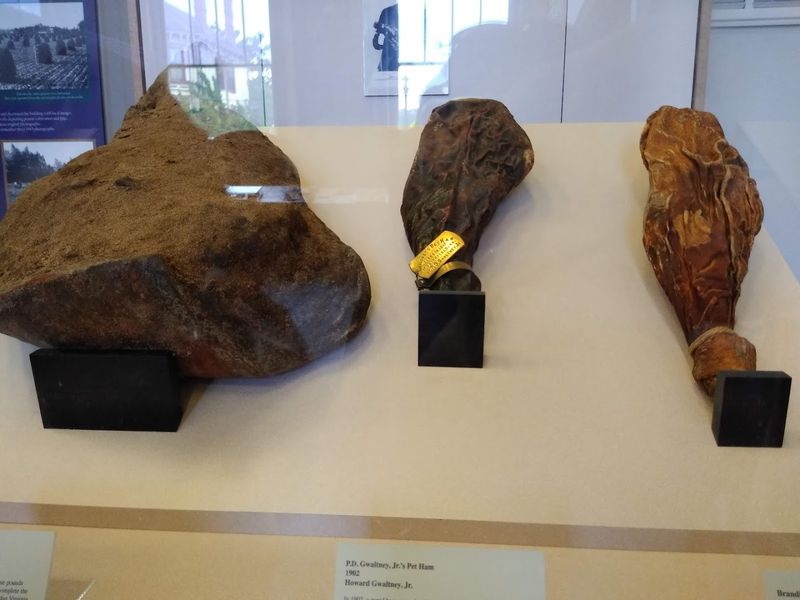
Every July, the Isle of Wight County Museum throws a birthday party for a ham, and I mean that with complete sincerity and zero irony. The celebration marks the traditional curing period for Smithfield hams, and the museum leans into the fun with genuine enthusiasm.
It is the kind of local tradition that reminds you why small-town Virginia is so endlessly charming. Communities here take their heritage seriously, and when your town is literally the Ham Capital of the World, you celebrate accordingly.
The birthday event draws locals and out-of-town curious types alike, all gathering to mark another year of this remarkable artifact’s survival. It turns what could be a stuffy historical footnote into a lively, laugh-filled community moment.
Smithfield’s connection to ham curing goes back centuries, with the first commercial sale of Smithfield ham recorded in the late 1700s. The Virginia General Assembly even passed a law defining what qualifies as a true Smithfield ham, requiring it to be processed within the town limits.
So yes, this birthday party has serious legal and historical weight behind it.
Prehistoric Fossils and Ancient Wonders
Most people show up expecting ham, and then their jaw drops when they realize the museum is also packed with prehistoric fossils. The Isle of Wight County Museum punches well above its weight when it comes to natural history, and the fossil collection is a genuine showstopper.
Kids especially go wild in this section. There is actually a spot where young visitors can dig for shark teeth and keep what they find, which is the kind of hands-on experience that turns a casual museum stop into a full-blown adventure.
Virginia’s coastal geography means the region has a rich fossil record, and the museum does a fantastic job of contextualizing these ancient finds within the local landscape. Millions of years of history packed into a few well-lit display cases.
Standing in front of those fossils and then walking over to see a 120-year-old ham creates one of the more unusual timelines you will ever experience in a single building. The museum seamlessly connects deep prehistoric history with modern Smithfield heritage, and somehow it all flows together in a way that feels completely natural.
Native American and Colonial Artifacts
Long before Smithfield became synonymous with ham, this corner of Virginia was home to Indigenous communities whose stories deserve to be told with care and depth. The Isle of Wight County Museum does exactly that, devoting significant exhibit space to Native American history and colonial-era artifacts.
Walking through this section feels like flipping through centuries of human experience. Pottery, tools, and everyday objects from both Native and Colonial periods are displayed with thoughtful context, helping visitors understand how this region evolved over time.
Virginia’s history is layered and complex, and the museum does not shy away from that complexity. The exhibits acknowledge the full arc of the area’s past, from the original inhabitants through European settlement and beyond, without oversimplifying or sanitizing the story.
For history lovers who appreciate nuance, this part of the museum is genuinely rewarding. Each artifact carries a story that connects to the broader Virginia narrative, and the presentation is polished enough to feel like a major metropolitan museum experience in a cozy, approachable small-town setting.
It is the kind of exhibit that makes you slow down and actually read every single placard.
The Turn-of-the-Century Country Store Exhibit
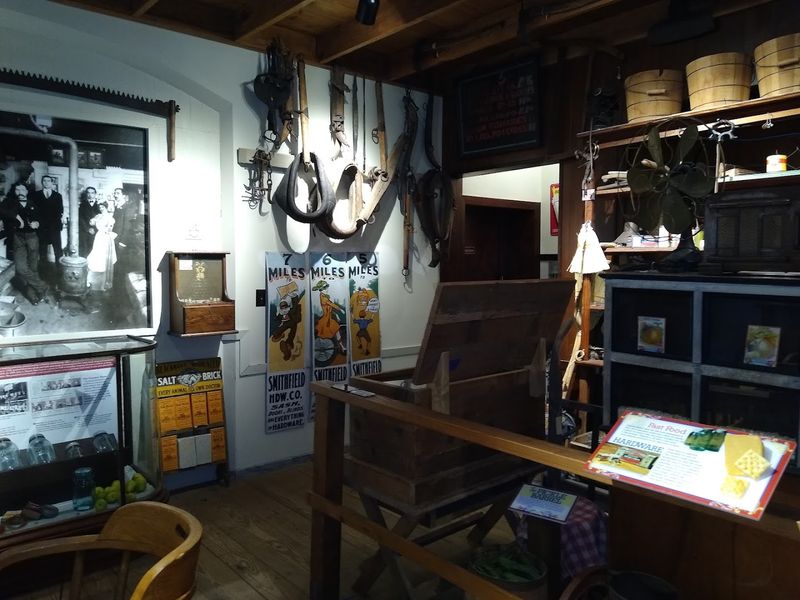
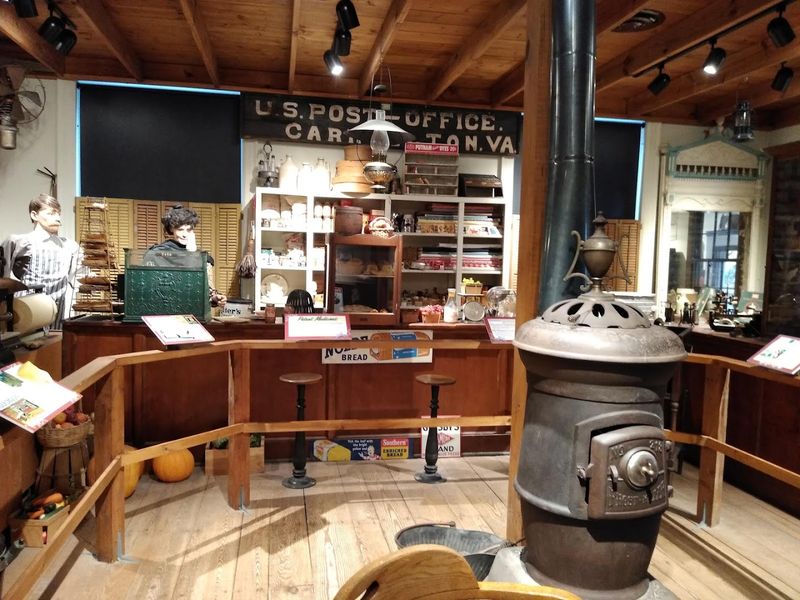
Of all the surprises packed into this museum, the recreated country store might be the most delightful one. Step inside and you are instantly transported to a turn-of-the-century general store, complete with period-accurate shelving, antique products, and talking shopkeeper figures that bring the whole scene to life.
It is theatrical in the best possible way. The Isle of Wight County Museum clearly understood that history hits harder when you can feel yourself inside it rather than just looking at it through glass.
The attention to detail in this exhibit is remarkable. Every item on those shelves tells a story about daily life in early Virginia, from the goods people traded to the social rhythms of small-town commerce.
It is nostalgic even for people who never lived through that era.
Children absolutely love the interactive quality of this space, and honestly, so do adults who appreciate a good bit of historical theater. The talking shopkeeper element adds a playful touch that keeps the energy light without undermining the educational value.
It is one of those exhibits you remember long after you have left the building and driven back down Main Street.
The Smithfield Ham Industry Story
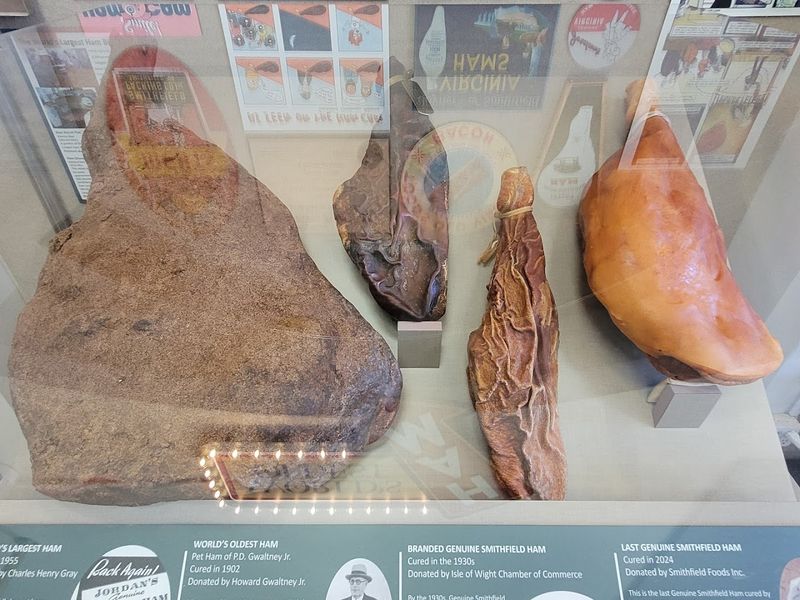
Smithfield ham is not just a product, it is a legally protected Virginia institution. The museum dedicates a full exhibit to the history of the ham industry, tracing its roots back to the 1700s and walking visitors through the evolution of curing techniques that put this small town on the world map.
The Virginia General Assembly actually passed legislation defining what a true Smithfield ham must be, requiring it to be processed within the town limits. That is the kind of legislative food protection usually reserved for French champagne or Italian Parmesan, and Smithfield earned every bit of it.
At the Isle of Wight County Museum, the ham industry exhibit blends business history with cultural identity in a way that feels genuinely compelling. Vintage equipment, historic photographs, and detailed wall panels paint a vivid picture of an industry that shaped an entire community’s identity for generations.
Even if you arrived thinking ham was just ham, you leave this section with a deep respect for the craft and tradition behind every Smithfield-cured product. Virginia’s food heritage is serious business, and this exhibit makes that crystal clear in the most engaging way possible.
The World’s Oldest Peanut on Display
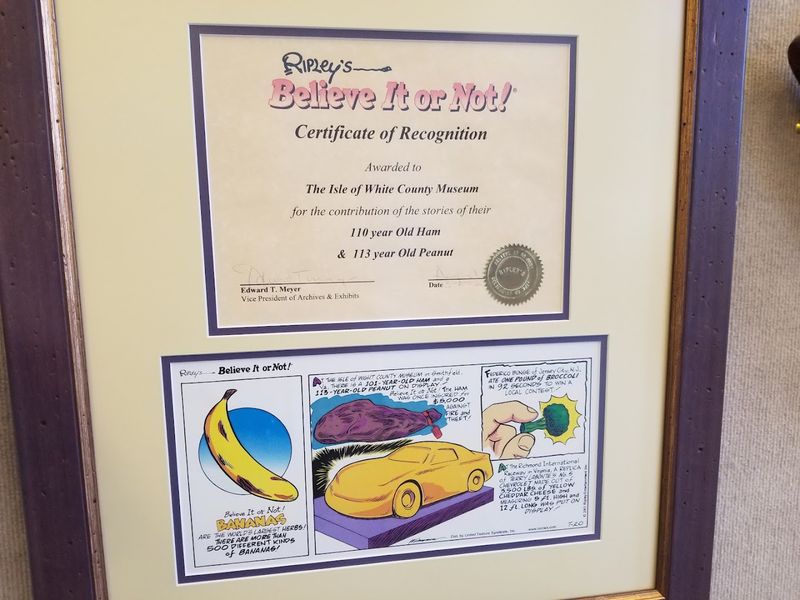
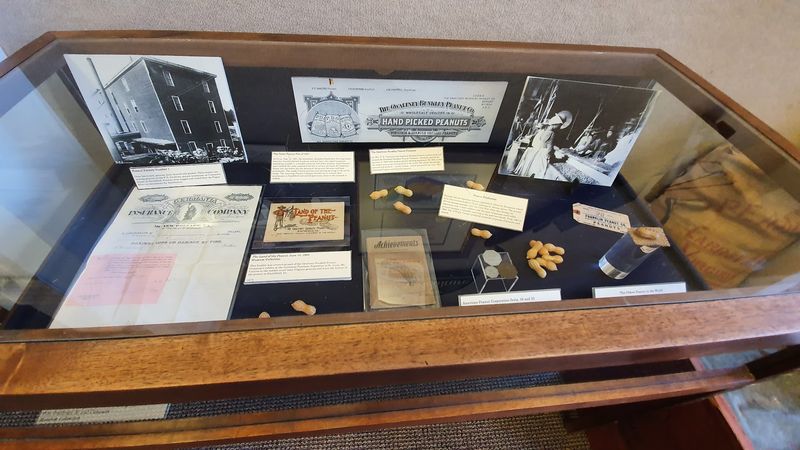
Just when you thought one world record was enough for a single building, the Isle of Wight County Museum casually also houses the world’s oldest peanut. Dating back to 1890, this tiny legume has somehow survived longer than most things made by humans, and it sits quietly in its display case like it is not the least bit impressed with itself.
Virginia has a long and proud history with peanut farming, and this artifact is a tangible connection to that agricultural legacy. The peanut and the ham together make for one of the most unexpectedly fascinating double-feature exhibits in any museum I have ever visited.
There is something wonderfully absurd about a place holding simultaneous world records for the oldest ham and the oldest peanut. It feels less like a coincidence and more like a cosmic declaration that Smithfield simply refuses to let food history go to waste.
For visitors who enjoy quirky record-breaking curiosities, this exhibit delivers big. Standing in front of both artifacts on the same afternoon creates a genuinely unique museum memory, the kind you will definitely bring up at dinner parties for years to come.
Civil War and Cold War Exhibits
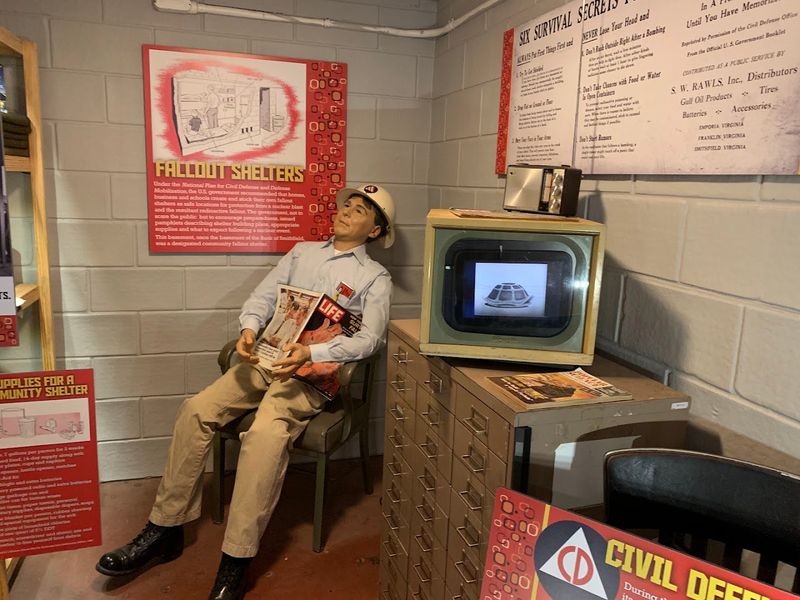
History at the Isle of Wight County Museum does not stop at pork products and peanuts. The museum has expanded its collection to include compelling exhibits on both the Civil War and the Cold War, adding serious historical depth to an already packed space.
Virginia was at the heart of the Civil War in ways that few other states can claim, and the museum contextualizes that turbulent period with artifacts and interpretive panels that feel both respectful and informative. The Cold War addition is a newer exhibit that surprised many regular visitors when it was introduced.
Seeing these two vastly different chapters of American history represented under the same roof as a 120-year-old ham is a genuinely surreal experience. Yet somehow the museum pulls it off with grace, weaving together local, regional, and national history into a coherent and engaging narrative.
The layout keeps visitors moving naturally from one era to the next, so the transitions feel organic rather than jarring. For history enthusiasts who appreciate broad scope in a compact format, this Virginia museum delivers far more than its modest exterior suggests.
Plan to spend more time here than you originally budgeted.
Visiting the Isle of Wight County Museum: What You Need to Know
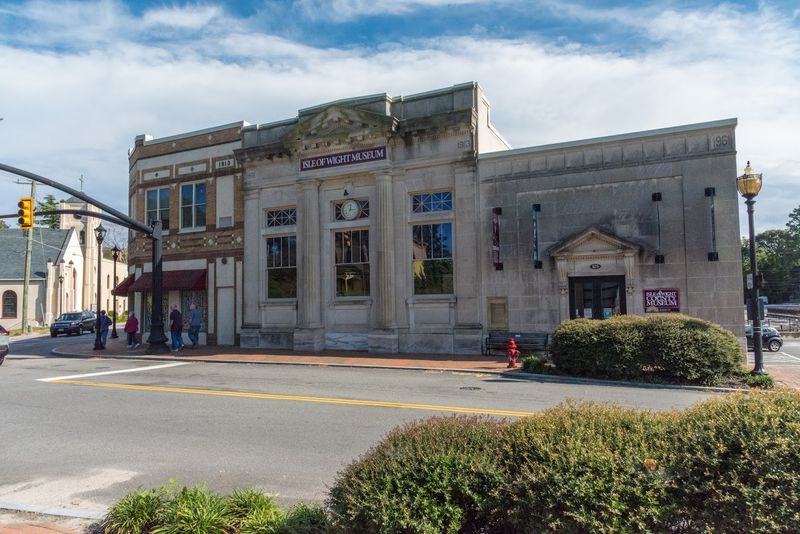
Located at 103 Main St, Smithfield, VA 23430, the Isle of Wight County Museum sits right in the heart of one of Virginia’s most charming small-town main streets. Getting there is easy, parking is available on the side of the building, and the surrounding area is full of shops and local spots worth exploring before or after your visit.
The museum is open Tuesday through Saturday from 10 AM to 4 PM, and Sunday from noon to 4 PM. The friendly staff is known for being knowledgeable and genuinely enthusiastic about the collection, so do not hesitate to ask questions.
A scavenger hunt is available for kids, which makes the experience interactive and keeps younger visitors fully engaged throughout. The gift shop is small but charming, with thoughtful souvenirs that actually reflect the local heritage rather than generic tourist trinkets.
My honest advice is to budget at least an hour, though you might find yourself lingering longer than expected. The Isle of Wight County Museum manages to pack an astonishing amount of history, humor, and heart into a compact space.
Pack your curiosity, bring the family, and get ready to meet the most famous ham in Virginia.
Dear Reader: This page may contain affiliate links which may earn a commission if you click through and make a purchase. Our independent journalism is not influenced by any advertiser or commercial initiative unless it is clearly marked as sponsored content. As travel products change, please be sure to reconfirm all details and stay up to date with current events to ensure a safe and successful trip.
