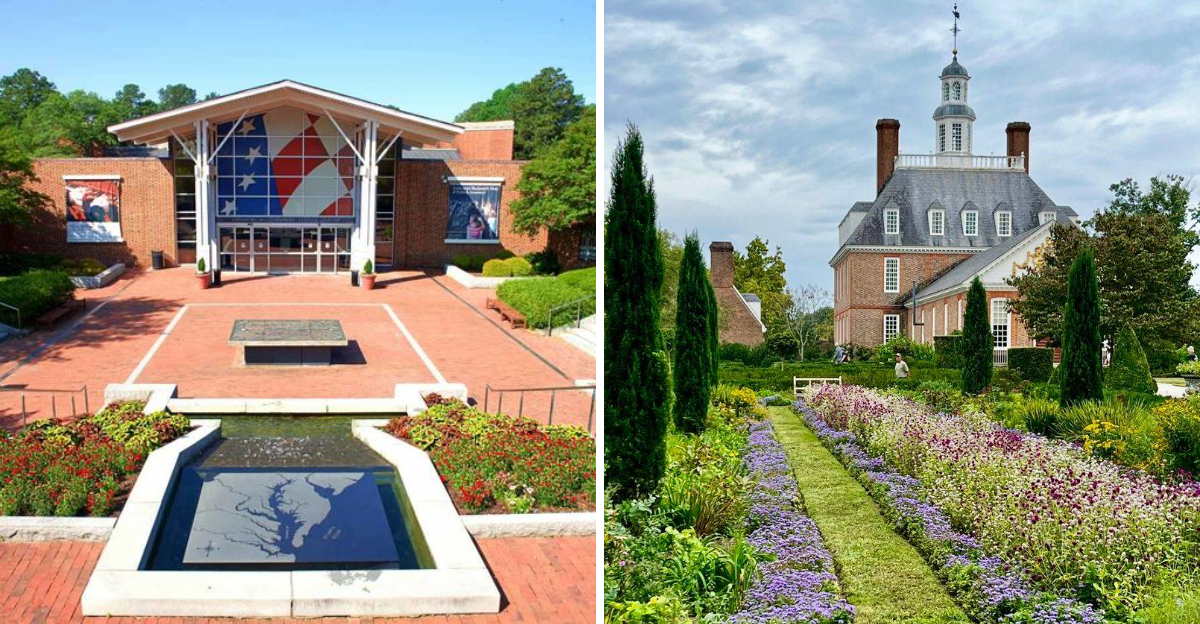
Walking through Colonial Williamsburg feels like opening a history book and stepping right into its pages. This living museum in Virginia brings the past to life in ways that classroom lessons never could.
Costumed interpreters, authentic buildings, and traditional crafts create an experience where you can almost hear the echoes of revolutionary conversations. Whether you love history or just enjoy exploring unique places, this town offers a genuine connection to America’s founding era that makes learning about the past feel exciting and real.
1. Costumed Interpreters Bring History to Life
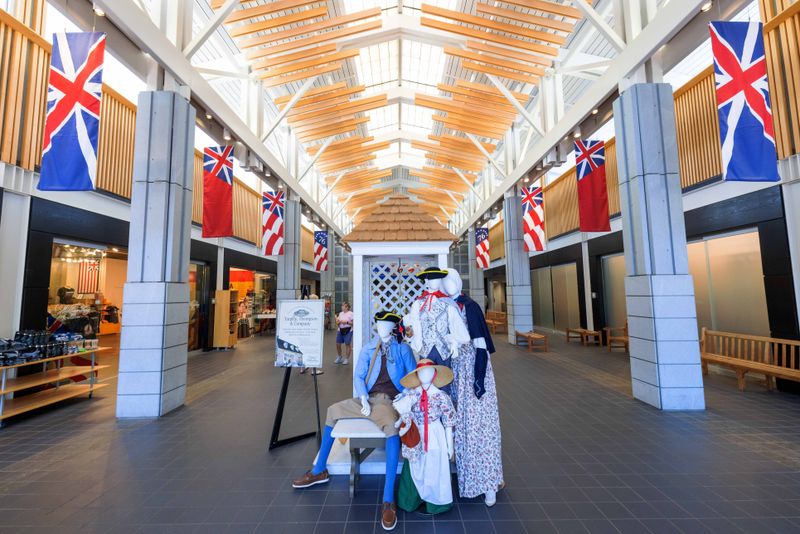
Characters in period clothing walk the streets and engage visitors with authentic stories from the colonial era. These aren’t just actors reading scripts; they embody real historical figures and everyday people who lived during revolutionary times.
When you meet Patrick Henry delivering passionate speeches or Martha Washington sharing insights about her life, the connection to history becomes personal and memorable. Interpreters demonstrate incredible knowledge and stay completely in character, answering questions as if they truly lived in the eighteenth century.
Conversations feel natural and educational without being boring or preachy. You might encounter enslaved individuals sharing their struggles, founding fathers debating independence, or tradespeople explaining their crafts.
Each interaction adds depth to your understanding of colonial life. The dedication these interpreters show makes visitors feel transported across centuries.
Children especially love asking questions and seeing how people react from a historical perspective. Adults appreciate the nuanced discussions about complex topics like freedom, governance, and daily survival.
Walking down Duke of Gloucester Street, you never know who you might meet next. One moment you’re chatting with a blacksmith, the next you’re discussing politics with a revolutionary leader.
This immersive approach makes learning feel effortless and entertaining. History stops being about memorizing dates and becomes about understanding real people facing real challenges.
The interpreters’ passion and expertise create magical moments that stick with you long after your visit ends. Their commitment to authenticity ensures every encounter feels genuine and valuable.
2. Authentic Trade Shops Showcase Traditional Crafts
Skilled artisans demonstrate colonial-era crafts in working trade shops scattered throughout the historic area. Watching a blacksmith hammer glowing metal or a wigmaker carefully style horsehair creates fascinating connections to how people once lived and worked.
These aren’t static displays behind glass. Tradespeople actively practice their crafts while explaining techniques, tools, and the importance of their work in colonial society.
The blacksmith shop rings with the sound of metal on metal as sparks fly from the forge. Leather workers stitch saddles and shoes using methods passed down through generations.
Cabinet makers shape wood with hand tools, creating furniture pieces that would have furnished colonial homes. The coffee roaster offers samples of drinking chocolate or coffee at the end of informative talks about these valuable commodities.
Not all trade shops open every day, so checking which ones have flags displayed out front helps plan your route. Each shop offers unique insights into specialized skills that modern machinery has largely replaced.
Children find these demonstrations captivating, often asking endless questions about tools and techniques. Parents appreciate how these hands-on exhibits make abstract historical concepts tangible and understandable.
Spending time in these shops reveals how much skill and time went into creating everyday items. You gain new respect for the craftspeople whose work sustained colonial communities.
The tradespeople welcome questions and love sharing their knowledge with curious visitors. Their enthusiasm for their crafts makes even seemingly mundane tasks interesting and educational.
3. Original and Reconstructed Buildings Create Authentic Atmosphere
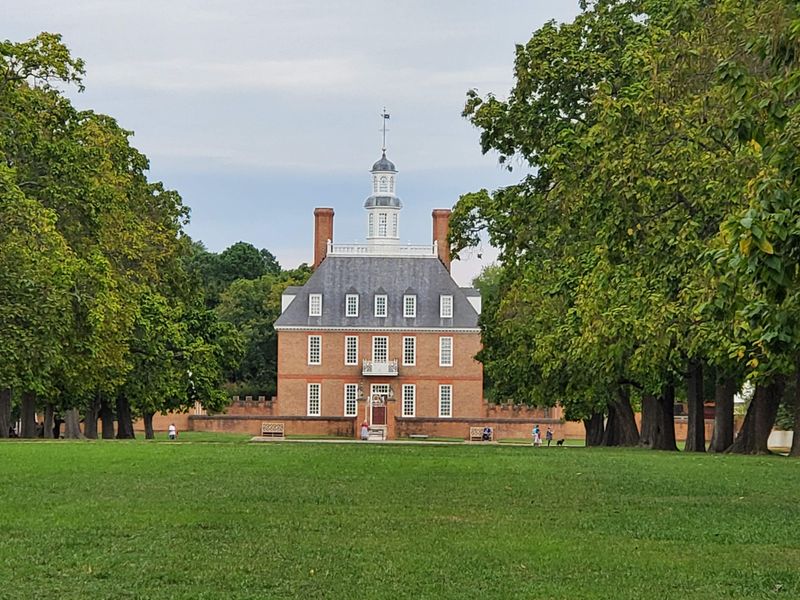
Over forty landmark buildings dot the three-hundred-acre historic area, mixing original structures with carefully reconstructed ones. Each building tells part of the story of Virginia’s colonial capital from its glory days before the American Revolution.
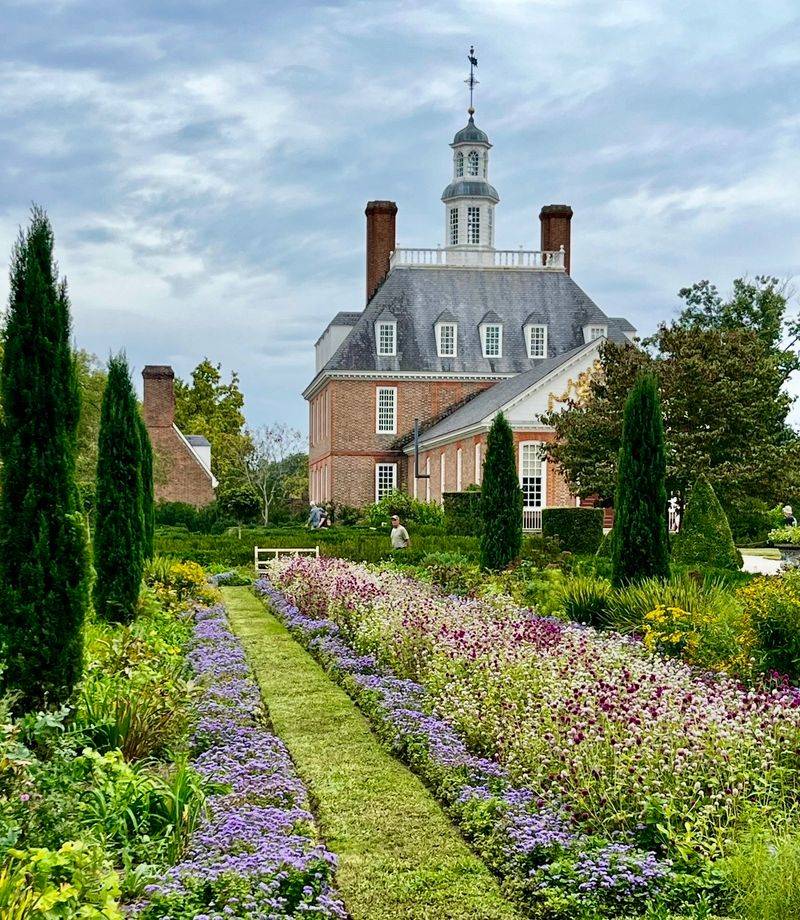
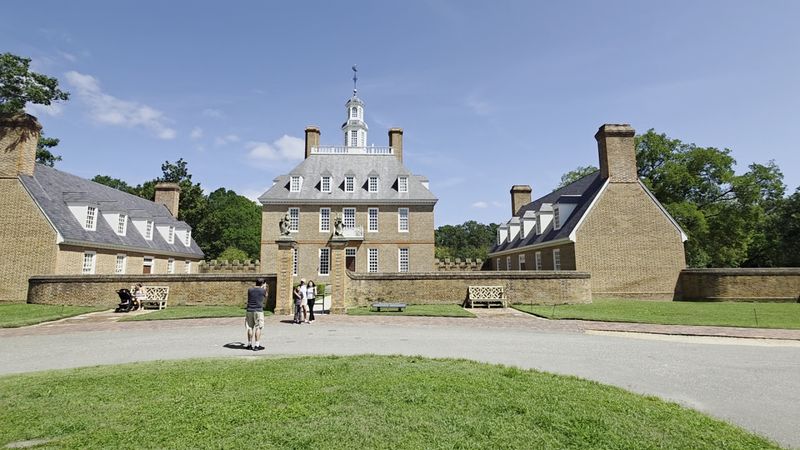
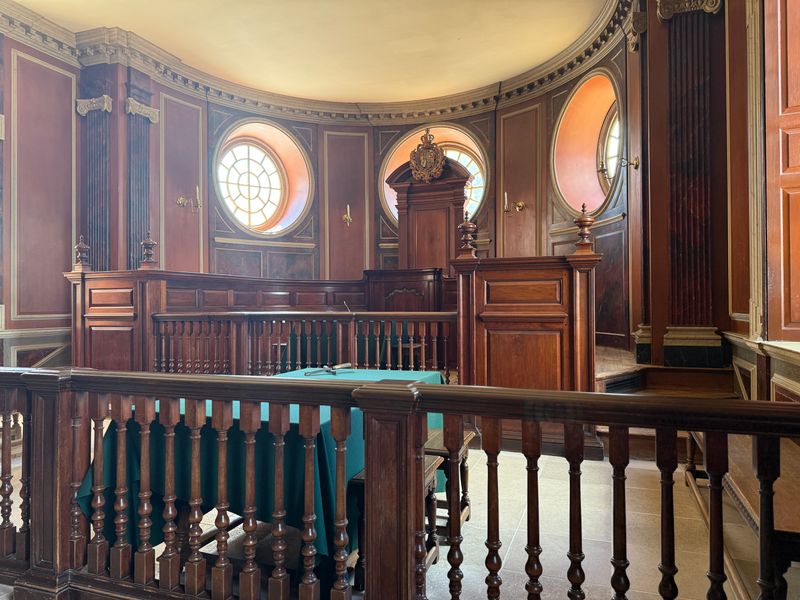
The Capitol building stands as a symbol of early American governance where important decisions shaped the nation’s future. The Governor’s Palace showcases the grandeur and power of British colonial authority.
Original buildings carry the weight of actual history within their walls. People really walked these floors, made decisions in these rooms, and lived their daily lives in these spaces.
Reconstructed buildings follow archaeological evidence and historical records to recreate accurate representations of lost structures. Architects and historians worked together ensuring every detail matches what once stood on these sites.
Stepping inside these buildings with your admission ticket reveals period furnishings, architectural details, and room layouts authentic to the era. Guided tours provide context about who lived or worked there and what happened within those walls.
Some buildings served governmental functions while others were private homes, shops, or public gathering spaces. Each contributes to the complete picture of colonial town life.
The physical presence of these structures makes history tangible in ways photographs or descriptions never could. You can touch the same doorframes, climb the same stairs, and look out the same windows as people did centuries ago.
Walking between buildings on pathways and streets laid out in their original patterns enhances the immersive experience. The town’s layout itself teaches lessons about colonial urban planning and community organization.
4. Horse-Drawn Carriages Transport You Back Centuries
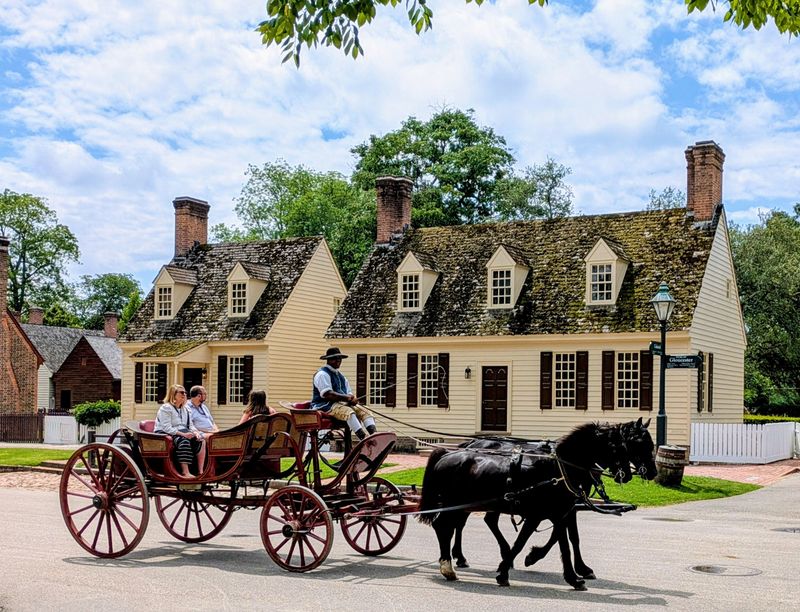
Clip-clopping hooves on the streets create an auditory backdrop that immediately signals you’ve entered a different time. Horse-drawn carriages offer rides through the historic area, providing both transportation and atmosphere.
Sitting in a carriage while rare breed horses pull you along car-free streets feels wonderfully anachronistic. Modern vehicles stay restricted to certain areas, preserving the illusion of stepping back through time.
Carriage drivers often share historical information and point out significant buildings as you ride. Their commentary adds educational value to what could simply be a pleasant journey.
Families especially enjoy this experience as a way to rest tired feet while still exploring. Children delight in the novelty of traveling by horse instead of car.
The gentle rocking motion and slower pace encourage you to notice architectural details and landscape features you might miss while walking. You observe the town from a different perspective, literally and figuratively.
Watching other carriages pass by while you stroll the streets adds authenticity to the colonial atmosphere. These aren’t just tourist attractions; they serve as functional period-appropriate transportation.
The horses themselves represent breeds that would have been common during colonial times. Their presence adds another layer of historical accuracy to your experience.
Booking a carriage ride requires separate fees beyond basic admission tickets. Many visitors consider it worth the extra cost for the unique memories created.
The combination of visual, auditory, and physical sensations makes carriage rides memorable highlights of many visits. Something about moving through history at horse speed rather than car speed changes how you perceive and absorb your surroundings.
5. Seasonal Events and Special Programming Add Variety
Throughout the year, special events transform the historic area with unique programming that highlights different aspects of colonial life. December brings particularly magical transformations with holiday decorations adorning buildings throughout the district.
Grand Illumination occurs on the first three Saturdays in December, featuring tree lighting ceremonies, bonfires, musical performances, and spectacular fireworks displays. These free public events draw large crowds who gather to celebrate the season in historically inspired ways.
Wreaths decorate doors and windows along the streets, creating picturesque scenes that photograph beautifully. The combination of colonial architecture and festive greenery produces an atmosphere unlike anywhere else.
Special programs run throughout the year, from toy-making workshops at the Art Museum to ghost tours that explore Williamsburg’s spookier stories. Each season offers different activities that give repeat visitors new experiences.
The year ahead promises extraordinary programming as the nation celebrates its two hundred fiftieth anniversary and Colonial Williamsburg marks its one hundredth. Expanded exhibits and restored sites will debut showcasing how locations looked specifically in revolutionary times.
Checking the events calendar on the Colonial Williamsburg website before visiting helps you plan around programs that interest you most. Some special events require additional tickets while others come included with general admission.
Holiday visits offer particularly rich experiences with carolers, special performances, and extended hours. The atmosphere during these times feels especially festive and memorable.
Even without special events, daily programming includes tours, demonstrations, and presentations that vary throughout the week. No two visits ever feel exactly the same because the programming constantly changes and evolves.
6. Multiple Museums Enhance Historical Understanding
Beyond the historic area buildings, world-class museums provide additional context and showcase artifacts that deepen your understanding of colonial America. The Art Museum offers free admission and houses impressive collections that span different periods and styles.
Exhibits within museums change periodically, giving repeat visitors fresh content to explore. Talks by experts cover various topics related to colonial history, art, and culture.
Special programs like toy-making workshops allow hands-on participation that makes museum visits interactive rather than passive. Creating colonial-period games provides tangible souvenirs and practical understanding of how children once entertained themselves.
Museums contain extensive collections of items too fragile or valuable to display in the historic buildings. Seeing original artifacts behind climate-controlled glass connects you to real objects that real people once owned and used.
Educational displays explain context around artifacts, helping visitors understand their significance and how they fit into broader historical narratives. Well-designed exhibits make complex information accessible to various age groups and knowledge levels.
Museum staff and docents provide knowledgeable assistance and can answer specific questions about collections. Their expertise adds depth that signage alone cannot provide.
Climate-controlled museum spaces offer welcome breaks from weather extremes during summer heat or winter cold. Families appreciate having indoor options when outdoor exploring becomes uncomfortable.
The museums complement rather than duplicate what you experience in the historic area. Together, they create a comprehensive educational experience that addresses history from multiple angles.
Free museum access means even visitors who don’t purchase full admission tickets can still engage with some aspects of Colonial Williamsburg’s offerings. This accessibility helps more people connect with American history.
7. Convenient Visitor Center Helps Plan Your Experience
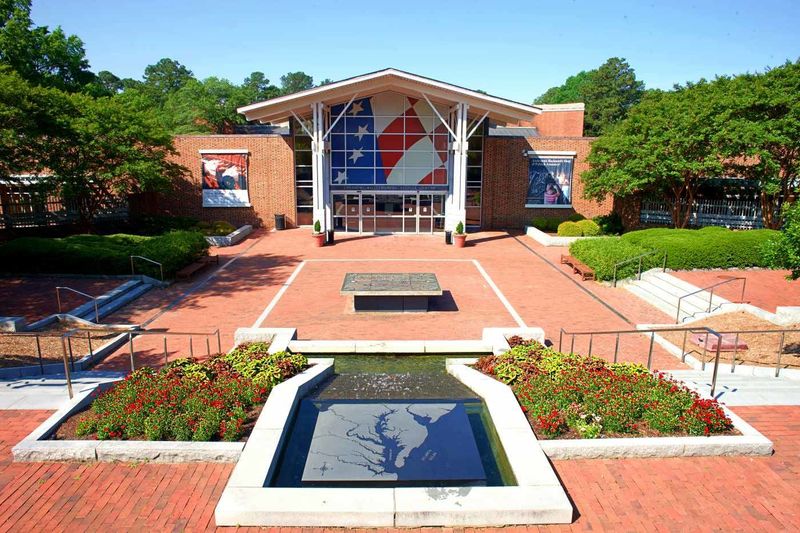
Starting your visit at the Visitor Center located at 101 Visitor Center Drive in Williamsburg, Virginia sets you up for success. Information desks staffed with knowledgeable associates provide orientation and help you understand what to expect.
Purchasing tickets in advance online streamlines your arrival, but you can also buy them on-site if needed. Multiple ticket office locations throughout the area provide flexibility, though the Visitor Center remains the primary starting point most guests use.
Maps available at the Visitor Center show building locations, trade shop positions, and other important landmarks. These printed guides help you navigate the expansive historic area without getting lost or missing key sites.
Associates can explain which buildings and shops are open on your visit day since not everything operates daily. Flags displayed outside buildings indicate they’re currently open and accepting visitors.
The Visitor Center also houses exhibits that provide historical background before you enter the historic area. This orientation helps you appreciate what you’ll see and understand the significance of different locations.
Shuttle buses run between the Visitor Center and the historic area, covering about one-third of a mile. While the walk through beautiful landscapes is enjoyable, shuttles provide convenient alternatives for those with mobility concerns or who prefer not to walk.
Restroom facilities, water fountains, and other amenities at the Visitor Center let you prepare comfortably before beginning your exploration. Taking time here prevents you from needing to backtrack later for forgotten necessities.
Staff can answer questions about dining options, special programs, and practical logistics like parking. Their local knowledge helps visitors make informed decisions about how to spend their time.
8. Immersive Street Layout Creates Authentic Town Feel
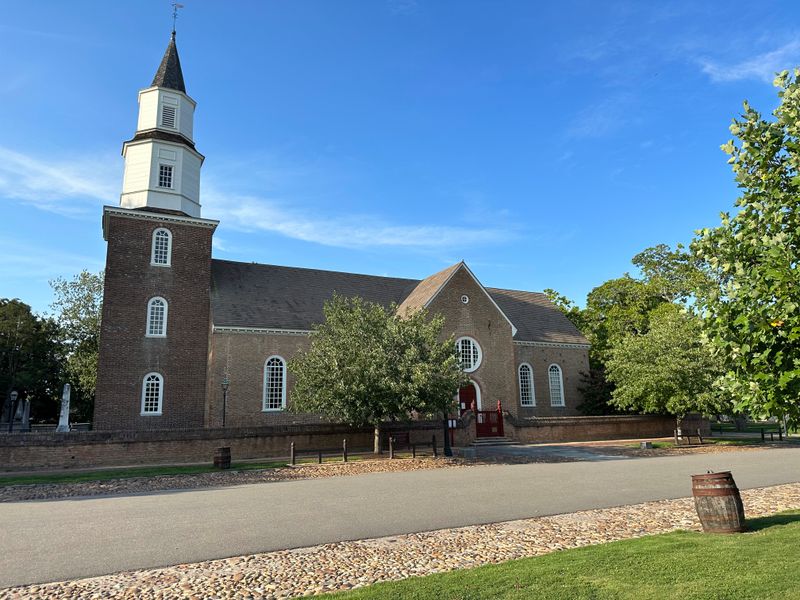
Duke of Gloucester Street forms the main thoroughfare running through the historic area, lined with buildings, shops, and significant landmarks. Walking this central avenue gives you the same perspective colonial residents would have experienced moving through their capital city.
Car-free streets throughout the historic district eliminate modern intrusions that would break the historical spell. Without traffic noise and exhaust fumes, you can focus entirely on the sights, sounds, and atmosphere of colonial times.
Cobblestone walkways add period-appropriate texture underfoot, though they require sturdy comfortable shoes to navigate safely. These uneven surfaces remind you that modern smooth pavement didn’t exist in the eighteenth century.
Streets and pathways follow their original colonial layout, preserved and maintained to match historical records. The town’s physical organization teaches lessons about how communities functioned and how different buildings related to each other.
Side streets and alleys invite exploration beyond the main thoroughfare. Wandering these smaller paths often leads to discovering quieter trade shops or beautiful gardens tucked away from crowds.
The scale of the town feels walkable and human-sized compared to modern sprawling developments. You can cover significant ground on foot without feeling overwhelmed by distance.
Period gardens with plants common in colonial times grow alongside buildings. These landscaping details add authenticity and beauty while demonstrating what colonists cultivated for food, medicine, and decoration.
Rare breed animals occasionally appear in appropriate locations, representing livestock varieties that existed during the colonial period. Their presence adds living elements to the historical recreation.
The complete absence of modern signage, power lines, and contemporary buildings within the historic area maintains the illusion remarkably well. Careful attention to these details makes the time-travel experience convincing and immersive.
9. Educational Value Makes History Tangible for All Ages
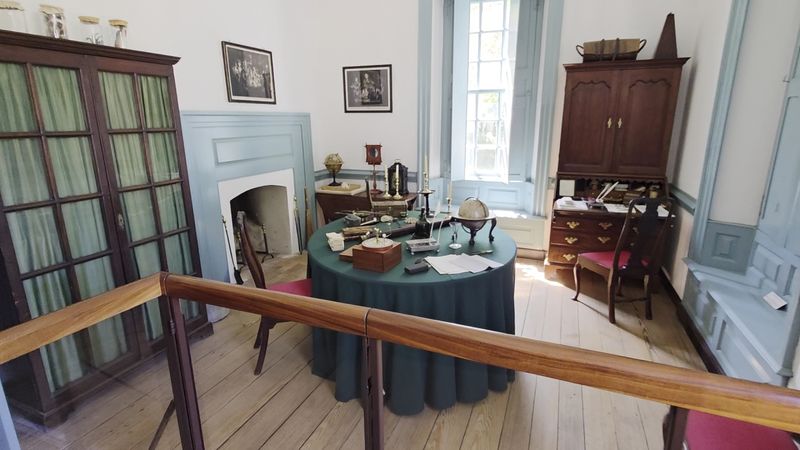
Teachers and parents recognize Colonial Williamsburg as an unparalleled educational resource that brings textbook history to life. Children retain information better when they experience it through multiple senses rather than just reading words on pages.
School groups frequently visit, taking advantage of specialized educational programming designed for different grade levels. The hands-on, interactive approach aligns with modern educational philosophy about active learning.
Even very young children find things to enjoy and learn from. Trade demonstrations fascinate toddlers while older kids engage with more complex historical concepts through conversations with interpreters.
Adults without particular history backgrounds discover they learn effortlessly in this environment. The engaging presentation style makes absorbing information feel natural rather than like studying.
Diverse perspectives get represented through interpreters who portray enslaved individuals, free people of color, women, tradespeople, and elite colonists. This inclusive approach provides more complete understanding of who built America and whose stories deserve telling.
Complex topics like revolution, governance, freedom, and social hierarchy become discussable through the lens of specific historical examples. Abstract concepts gain concrete meaning when attached to real people and situations.
The foundation’s mission includes using history to inform present and future decisions about building a more perfect union. Educational programming encourages critical thinking about how past events connect to current challenges.
Visitors consistently report leaving with greater appreciation for American history and deeper understanding of the revolutionary period. The experience sparks curiosity that often leads to further reading and learning after visits end.
Making history accessible, engaging, and relevant ensures each generation maintains connection to foundational national stories. Colonial Williamsburg serves this crucial cultural and educational function exceptionally well.
Dear Reader: This page may contain affiliate links which may earn a commission if you click through and make a purchase. Our independent journalism is not influenced by any advertiser or commercial initiative unless it is clearly marked as sponsored content. As travel products change, please be sure to reconfirm all details and stay up to date with current events to ensure a safe and successful trip.
