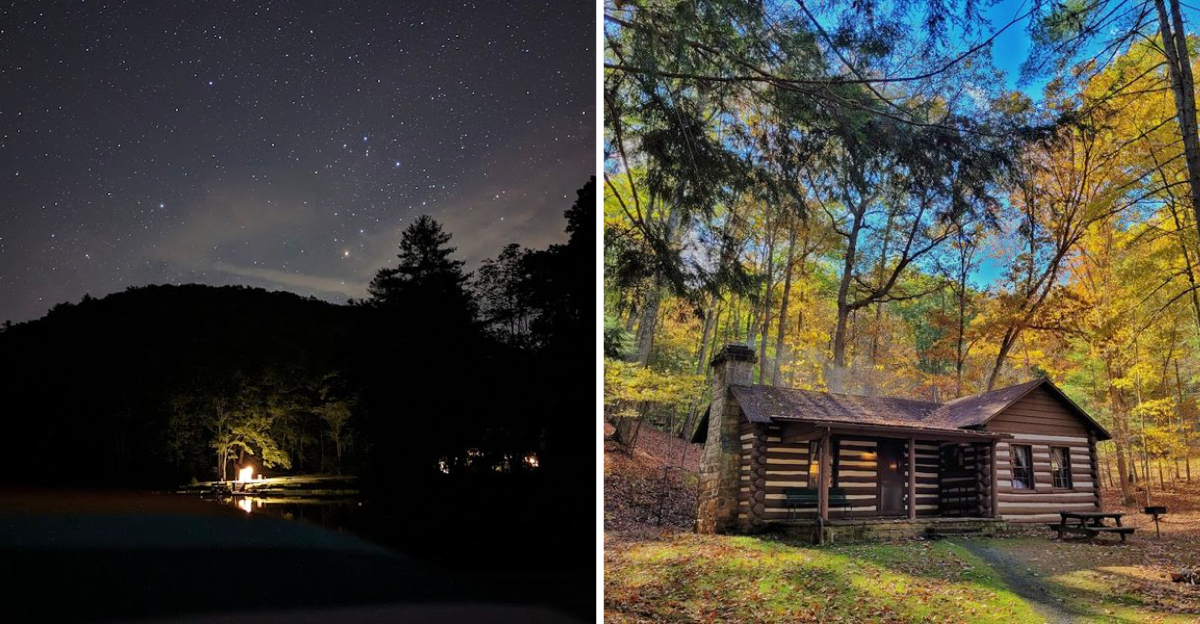
West Virginia knows how to do dark skies right. This historic park does not care about your signal bars.
Drive deep enough and your phone gives up. That is the moment the magic starts.
The trees close in. The road gets quiet.
Then night falls and the sky explodes. No city glow.
No light pollution. Just the Milky Way stretched across like somebody spilled glitter on black velvet.
You can hear yourself think. Or better yet, stop thinking entirely.
A telescope helps but your naked eyes will do just fine. This is not a park for people who need notifications.
It is for people who need wonder. Go look up.
Your cell phone can wait.
West Virginia’s Largest State Park and Why That Scale Actually Matters
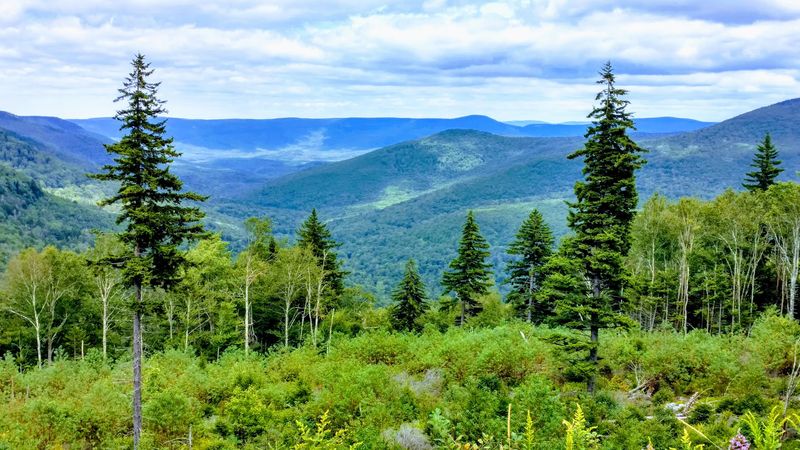
More than 10,100 acres of mountain wilderness greet you the moment you pass through the park entrance, and the sheer size of Watoga State Park is something you feel before you fully understand it. The ridgelines keep going.
The forest keeps deepening. There is a reason this place earned the title of West Virginia’s largest state park.
That scale means real solitude. You can hike for hours and genuinely feel like the mountains belong only to you.
The park sits in Pocahontas County, one of the most sparsely populated counties in the entire eastern United States, which adds another layer of quiet that bigger parks simply cannot offer.
For families, solo hikers, and anyone craving a true wilderness reset, that size translates to freedom. With 37.5 to 40 miles of trails winding through the property, every visit can look completely different.
Pack extra snacks, lace up solid boots, and plan to get wonderfully, happily lost for a few hours.
No Cell Service, No WiFi, and Somehow That Feels Like a Gift
Pulling into the park and watching those signal bars disappear one by one is genuinely alarming for about fifteen minutes. Then something shifts.
Conversations get longer. Card games go later into the night.
The silence between people stops feeling awkward and starts feeling comfortable.
The reason for the dead zone is fascinating. Watoga sits near the Green Bank Observatory, which operates under a strict National Radio Quiet Zone.
Sensitive telescopes there require the surrounding area to stay free of wireless interference, which means no cell towers, no WiFi pinging through the trees, and no background hum of the internet following you everywhere.
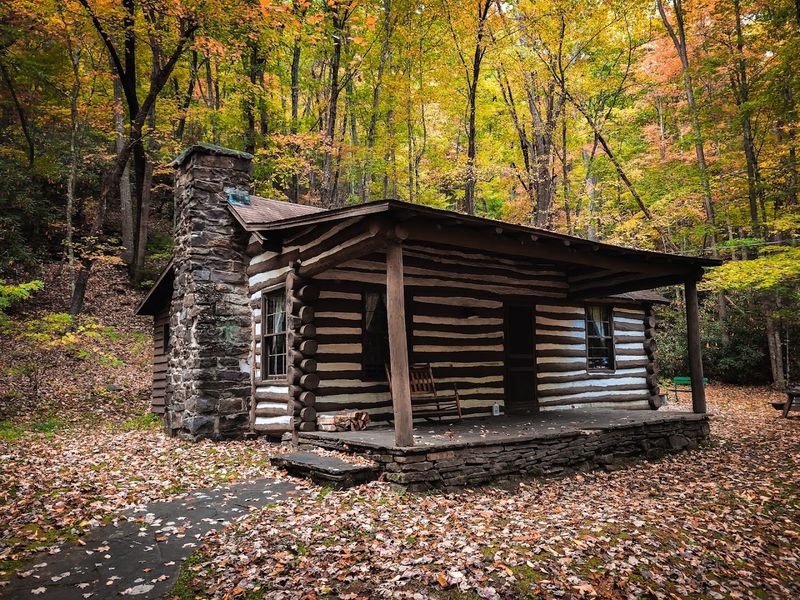
Cabins come fully equipped with kitchens, bedding, and fireplaces, so the lack of connectivity never becomes an inconvenience. Bring a stack of books, a few board games, and ingredients for a proper camp breakfast.
The forced unplugging feels less like a restriction and more like a reminder of how good it feels to simply be somewhere without broadcasting it.
The Milky Way Over Watoga Is the Kind of Sky That Changes You
In 2021, Watoga State Park received official International Dark Sky Park designation from the International Dark-Sky Association. That is not a casual honor.
It means the park met rigorous standards for darkness, lighting control, and public stargazing access, placing its skies among the darkest available to the public in the entire eastern United States.
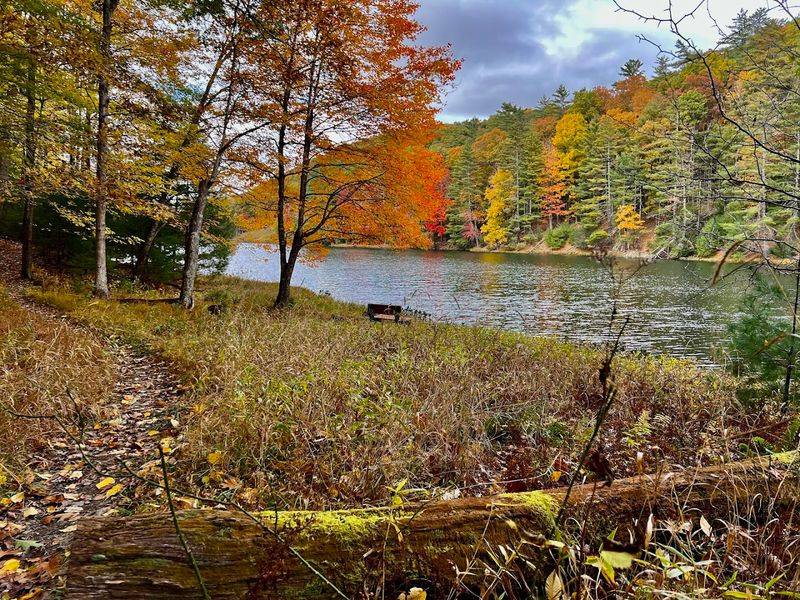
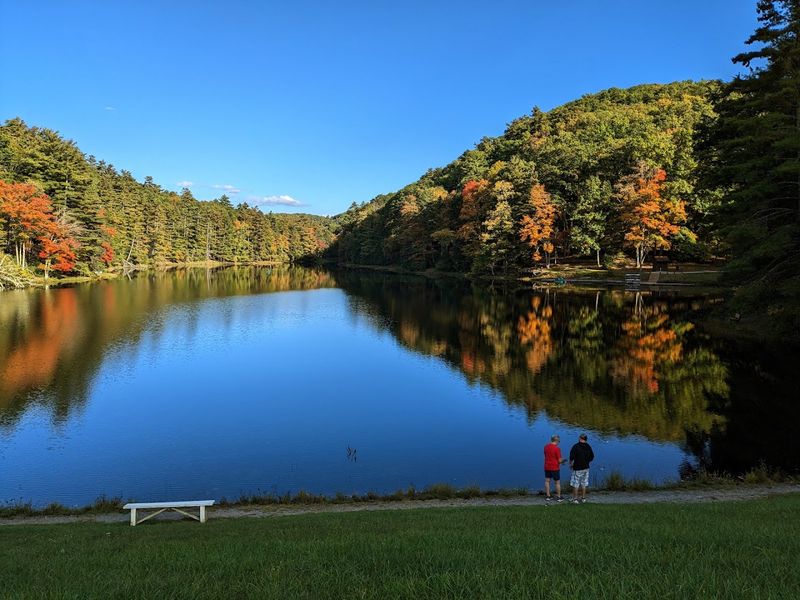
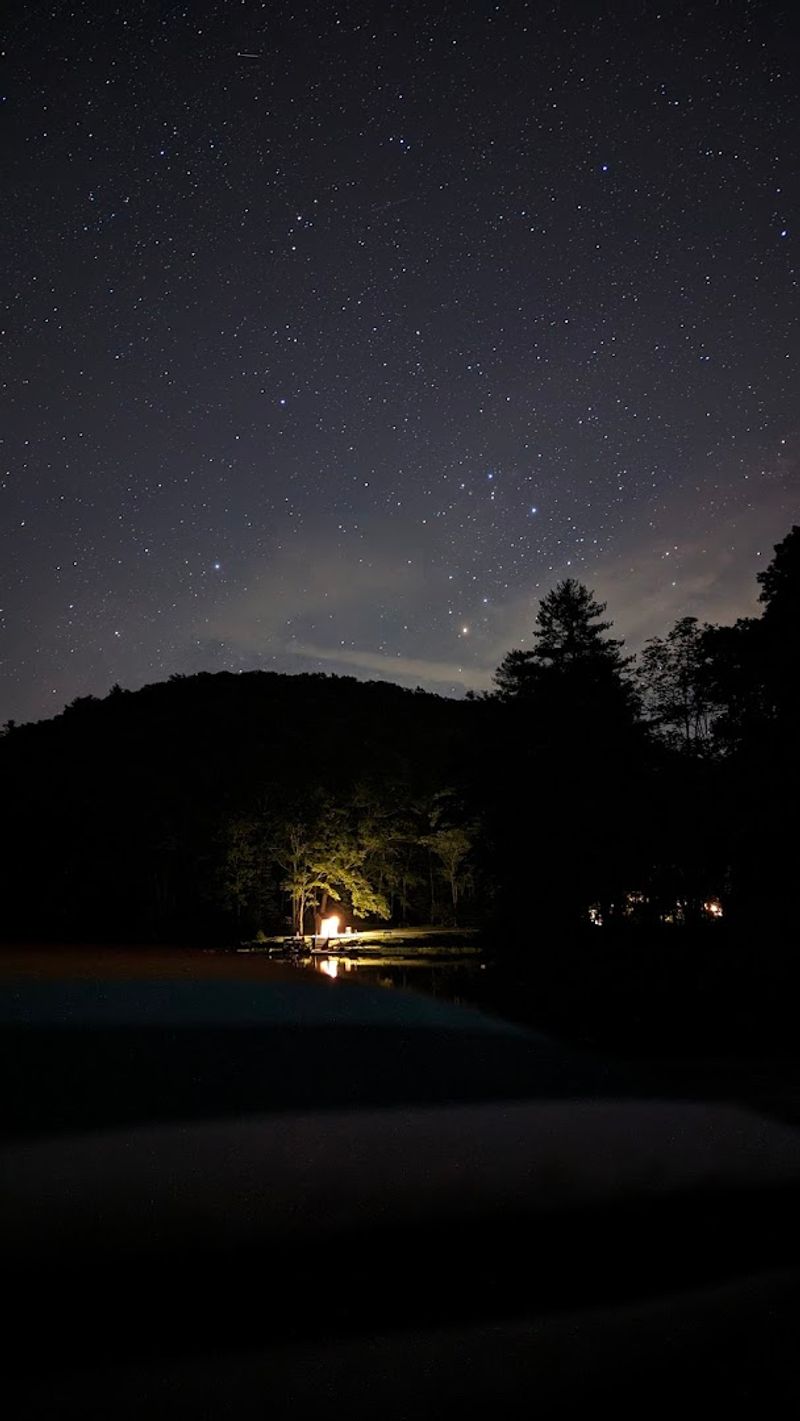
The name Watoga itself comes from a Cherokee word meaning “starry waters,” which feels almost too perfectly poetic once you are standing at the edge of Watoga Lake watching the Milky Way reflect across the surface. Planets appear undimmed.
Meteor showers turn into full spectacles. The sky feels genuinely three-dimensional in a way city skellers never experience.
Head to the dam area after dark with a blanket and something warm to drink. Give your eyes at least twenty minutes to adjust.
What starts as a faint smear overhead slowly resolves into thousands of individual stars, then hundreds of thousands, and the whole experience quietly rearranges your sense of scale in the best possible way.
CCC-Built Cabins That Carry Almost a Century of Mountain Stories
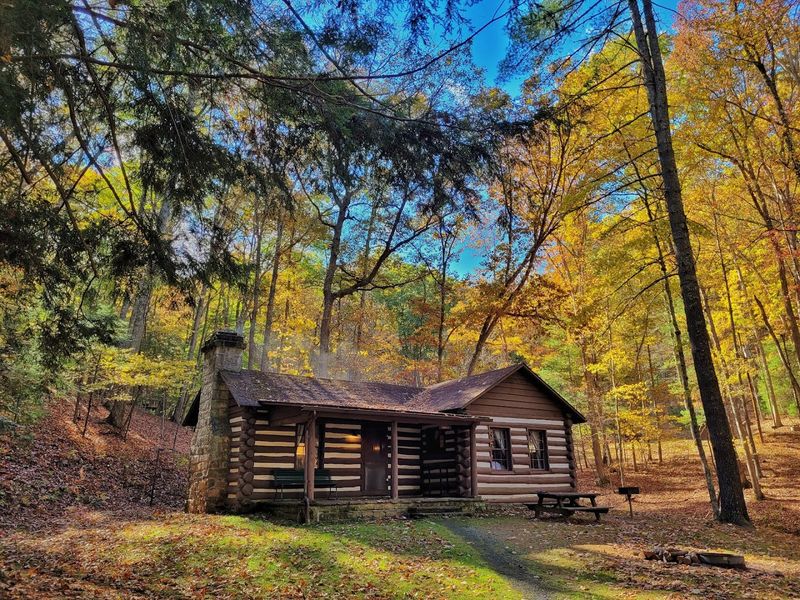
The Civilian Conservation Corps arrived at Watoga between 1933 and 1935, and the structures they left behind are still standing, still functioning, and still listed on the National Register of Historic Places. Staying in one of these cabins is not just comfortable, it is genuinely historic.
The stonework, the log construction, and the hand-built fireplaces all carry that unmistakable CCC craftsmanship.
Thirty-four cabins are available for rental, ranging in size to suit couples, families, and larger groups. Modern updates like propane stoves, refrigerators, and renovated bathrooms have been added over the years without stripping away the original character.
The fireplaces remain the centerpiece of every cabin, and the park provides firewood with each night of your stay.
Mornings inside these cabins have their own particular rhythm. Something about cooking breakfast on a propane stove while woodsmoke drifts from the chimney and deer wander through the clearing outside makes even scrambled eggs feel like an event.
These are not just places to sleep. They are places to actually inhabit.
Hiking Trails That Reward Every Fitness Level With Something Beautiful
Nearly 40 miles of trails spread across the park’s terrain, covering everything from gentle riverside walks to climbs that earn their views. The variety means a first-time visitor can find something manageable on day one and still have unexplored ground to cover on day three.
That kind of depth keeps people coming back year after year.
The Ann Bailey Lookout Tower trail stands out as a particular favorite. The log tower at the summit delivers sweeping mountain views that feel disproportionately grand for the effort required to reach them.
Early morning is the best window, when mist still hangs in the lower valleys and the light turns everything gold.
Trail conditions are well maintained throughout the seasons. Fall transforms the forest into a full color spectacle that makes every uphill stretch worth it.
Spring brings wildflowers and rushing streams. Even winter hikes carry their own appeal when snow quiets the forest completely.
Pack a proper trail map from the visitor center, wear layered clothing, and plan for more time than you think you need.
Watoga Lake, Fishing, and the Simple Pleasure of a Slow Morning
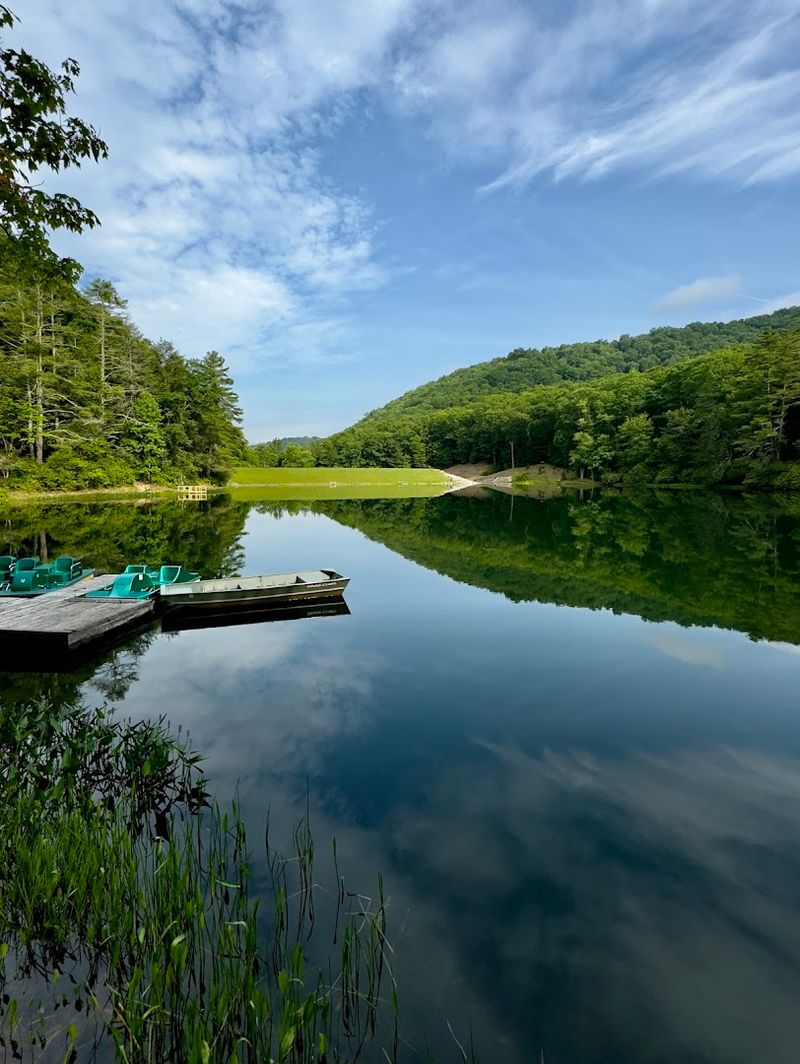
The 11-acre fishing lake at Watoga is the kind of spot that earns its own category of relaxation. Boat rentals are available on site, and the lake is stocked for fishing, which means you can spend an entire morning doing nothing more ambitious than casting a line and watching herons work the shallows.
Nobody is judging your technique here.
The lake also doubles as a prime stargazing platform after dark. Its still surface mirrors the sky above with remarkable clarity, and on a clear night the reflection of the Milky Way across the water creates a visual that photographs cannot fully capture.
Standing at the edge of the dam at midnight is one of those experiences that earns its own category of memory.
Kayaking and canoeing on the Greenbrier River nearby add more water-based options for those who want to cover more ground. The river moves at a pace that feels designed for conversation and observation rather than adrenaline.
Bring snacks, wear sunscreen, and let the current set the schedule for the afternoon.
The Fred E. Brooks Memorial Arboretum Is a Living History Lesson
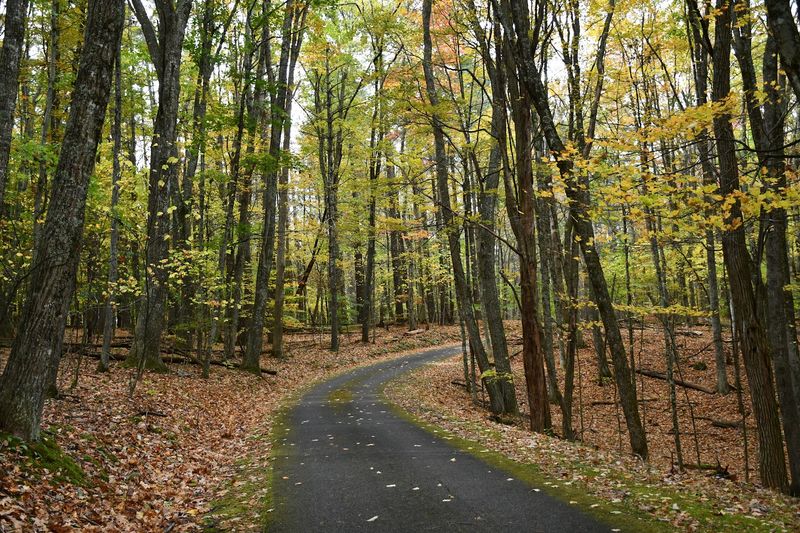
Established in 1938, the Fred E. Brooks Memorial Arboretum is one of the quieter gems tucked inside the park, and it tends to surprise visitors who stumble onto it expecting just another walking path.
This is a living collection of native Appalachian tree species, many of them labeled and documented, making it genuinely educational without feeling like a classroom.
The arboretum works well as a slow, contemplative walk rather than a workout. Families with younger kids find it especially engaging because the labeled trees give children something to look for and identify.
The variety of species on display reflects the extraordinary biodiversity of the Appalachian region, which supports more tree species than most of Europe combined.
Going in autumn turns the arboretum into something almost theatrical. Each species hits its peak color at a slightly different time, which means the display shifts and changes across the season.
Spring brings an entirely different show with flowering species and fresh leaf emergence. Either way, this small corner of the park rewards the kind of visitor who slows down long enough to actually look.
Synchronous Fireflies and the Summer Night Magic You Did Not Expect
Most people know that synchronous fireflies exist in Great Smoky Mountains National Park, but far fewer realize that Watoga State Park is one of only a handful of locations in the entire country where this phenomenon can be witnessed.
During peak summer weeks, the fireflies in certain forest clearings begin flashing in coordinated pulses, creating a light show that feels genuinely surreal.
The experience is hard to describe accurately without sounding like an exaggeration. Hundreds of fireflies blink in near-perfect unison across a dark forest understory, then pause together before starting again.
It has a rhythm to it that feels almost musical. No app, no tour guide, and no entrance fee required.
Timing matters. The synchronous display typically peaks in late June, though the exact window shifts slightly year to year depending on temperature and conditions.
Arriving at the park during that window and finding the right meadow edge at dusk is one of those experiences that earns its own story. Bring insect repellent and patience, and let the forest do the rest.
The CCC Museum and the Story Behind Every Stone and Log in the Park
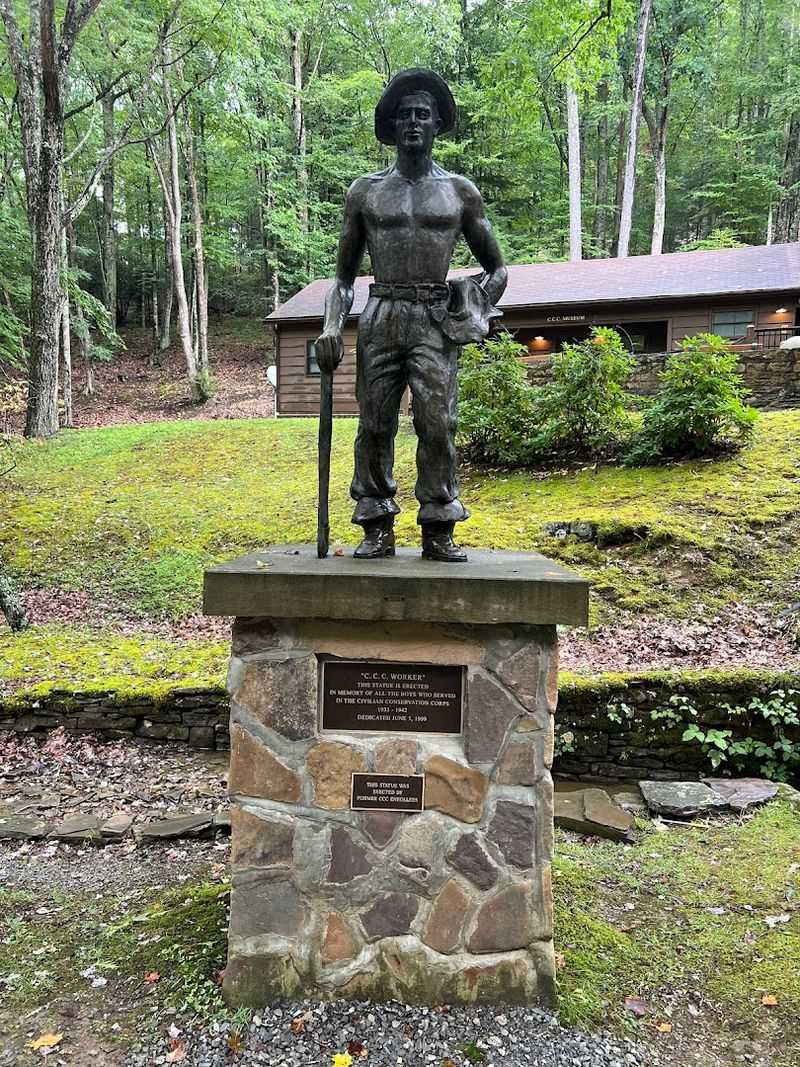
The Civilian Conservation Corps Museum inside the park does not get nearly enough attention, and that is a shame because the story it tells is one of the more remarkable chapters in American public land history.
Young men from across the country arrived here during the Great Depression and, with hand tools and extraordinary labor, built a park that has now served visitors for nearly ninety years.
The museum displays period photographs, original tools, and documentation of the construction projects that shaped the park. Over 100 CCC-built structures remain on the property, all of them listed on the National Register of Historic Places.
Walking through the exhibits and then stepping outside to touch the actual stonework those men laid gives the history a physical weight that textbooks rarely achieve.
Plan at least thirty to forty-five minutes here, especially if you are visiting with kids who have been hiking the trails and sleeping in the cabins.
Connecting the experience of the park to the human effort behind it changes how you see every trail marker, every stone wall, and every cabin fireplace you encounter afterward.
Food, Local Eats, and the Joy of Cooking in a Cabin Kitchen
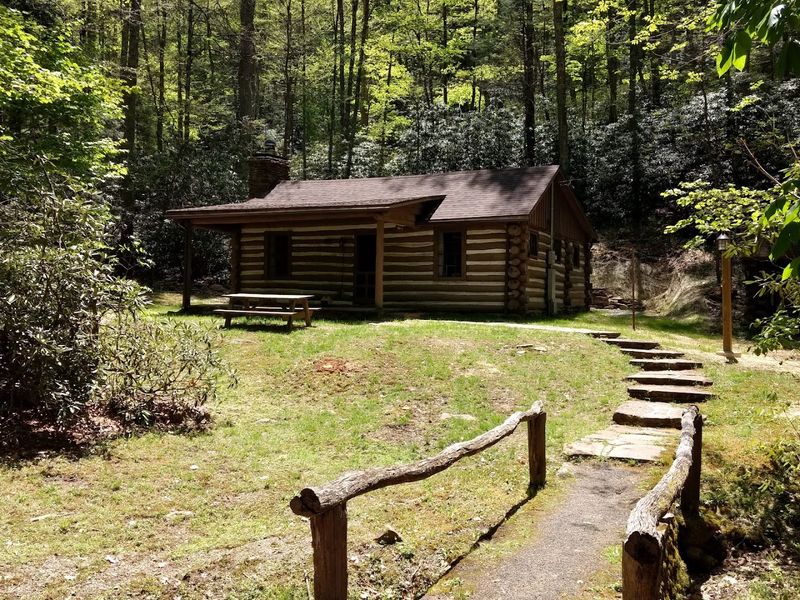
Cooking inside a Watoga cabin is one of those small pleasures that somehow tastes better than it has any right to. The kitchens come stocked with pots, pans, utensils, and enough equipment to pull off a real meal.
There is something deeply satisfying about chopping vegetables by a window that looks directly into old-growth forest while a cast iron pan heats up on a propane burner.
For those who prefer eating out, Jack Horner’s Corner in nearby Seebert has become something of a local institution. Pizza and ice cream served just outside the park boundary, with a casual atmosphere that fits perfectly with the unhurried pace of a Watoga trip.
Marlinton, a short drive away, offers grocery options and a few restaurants for evenings when cooking feels like too much effort.
The rhythm of cabin meals at Watoga tends to slow everything down in the best way. Breakfast takes longer.
Dinner stretches into the evening. Without screens competing for attention, the table becomes the actual center of the gathering, and somehow every meal ends up being the best one of the trip.
Address: 4800 Watoga Park Rd, Marlinton, WV
