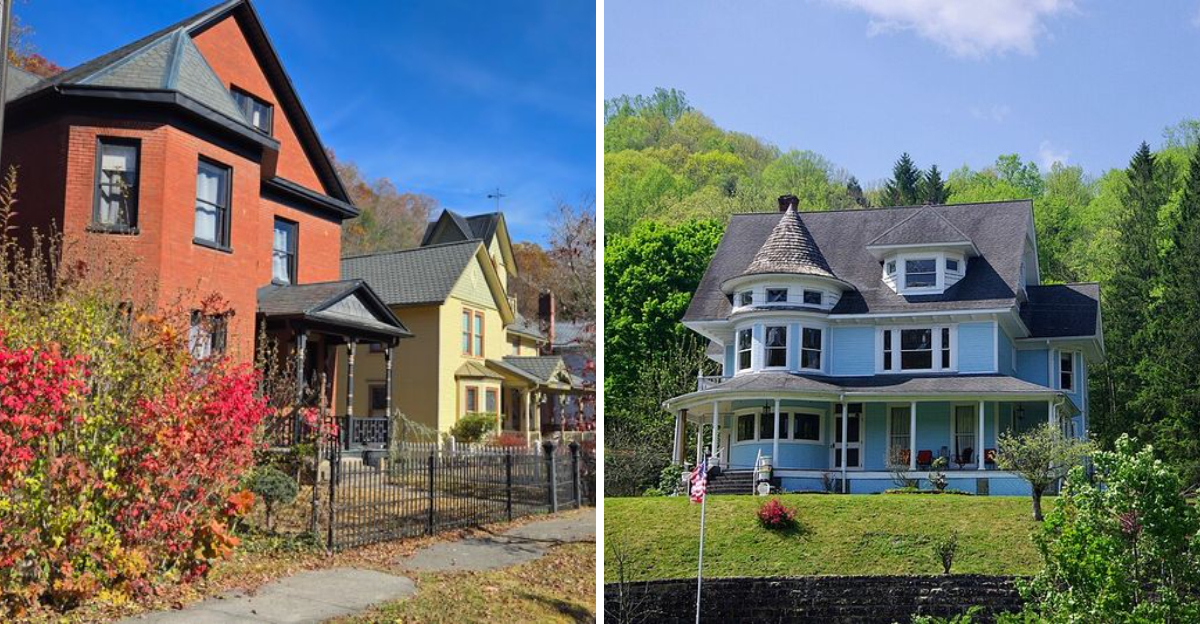
Wander through a West Virginia town where coal barons once built mansions so grand, they turned this place into a symbol of old-money opulence.
At the turn of the 20th century, this tiny town held more wealth per person than almost anywhere else in the country.
Picture brick-paved streets, ornate homes with stunning fixtures, and a bank so flush with cash that its janitor wheeled money down Main Street in a wheelbarrow.
A fire took the commercial heart, but the mansions survived to tell the story.
Today, this historic district welcomes visitors with self-guided walking tours and seasonal home tours that invite you inside these preserved treasures.
Step back in time and feel the echoes of coal-era glory on every corner.
A Town Built On Coal Fortunes
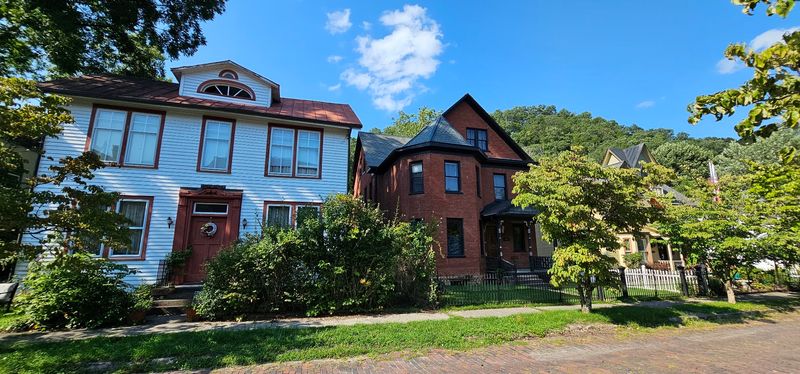
Standing on the brick streets here, it hits you that this ground was once worth more than gold. The town was founded in 1888, right beside the enormously rich Pocahontas coalfields.
Those coalfields stretched over forty miles and, at their peak, employed around 100,000 miners. All that labor sent money flowing straight into this small community, turning a quiet bend in the Bluestone River into the financial center of southern West Virginia.
The Bank of Bramwell became legendary, once considered the wealthiest bank per capita anywhere in the United States. Trains mattered too, since the Norfolk and Western railroad made fourteen stops here every single day.
One story that stuck with me involves a bank janitor hauling bags of money to the depot in a wheelbarrow, which says everything about how much cash moved through town. Walking the same brick pavement gives that history a strange, physical closeness.
Nothing here was built near coal by accident. Coal built it, funded it, and shaped every block you see.
Mansions Around Every Corner
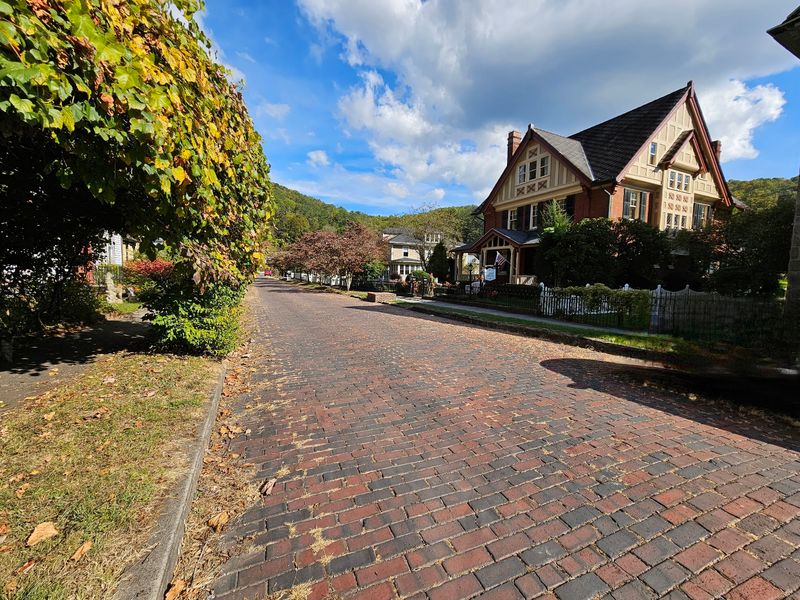
Turn a corner and there it is again, another enormous house grinning down at you from behind an iron fence. The concentration of grand homes here feels almost unfair for a town this size.
Around the turn of the 20th century, somewhere between fourteen and seventeen millionaires lived within these town limits at the same time. Coal operators chose to settle here, just far enough from the dust and noise of the mines but close enough to keep an eye on business.
The result is a remarkable collection of Victorian and Tudor style mansions, still standing and still cared for. Names like the Goodwill House, the Thomas House, the Hewitt House, and the Mann House come up again and again on any walk through the district.
Each one has its own personality, from steep gables to broad porches to unexpected towers. They were never just big houses.
They were statements, built to announce exactly how well the coal business was going.
Where The Wealthy Once Gathered
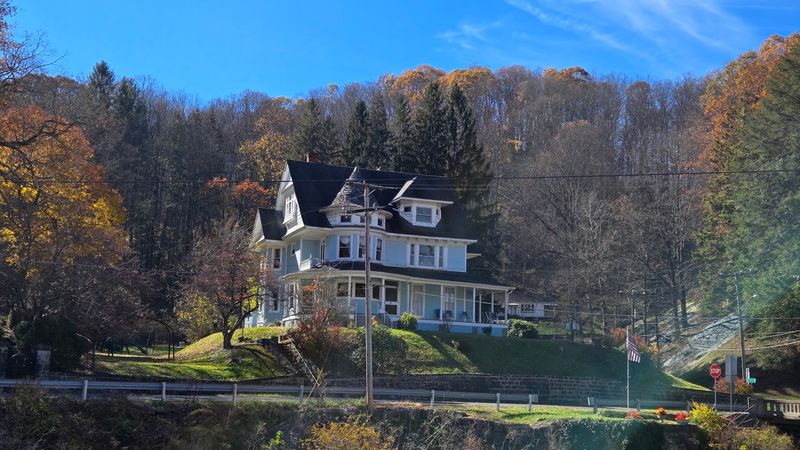
It is easy to picture these mansions humming with company on a cool evening. They were not only homes, they were the stages for a whole social world.
Coal operators and their families lived within walking distance of one another, sharing business interests and dinner invitations in equal measure. That closeness created a tight, lively social calendar of dinners, dances, and formal gatherings.
The town had conveniences that were remarkably modern for the era. Before 1900 there were electric street lights, a local water company, and telephone service, which was extraordinary for a place this small.
Inside the houses, butler pantries hint at the scale of meal preparation happening behind the scenes. Formal living rooms and dining rooms were built for long evenings of food and conversation, not quick suppers.
Walking past those tall windows now, I imagine warm light spilling onto the brick street. The elegance was real, and the buildings still carry a trace of it.
Architecture From Another Era
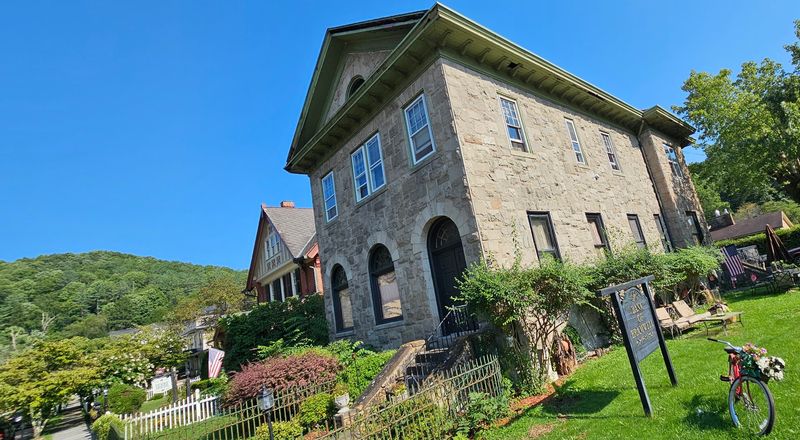
Architecture nerds, prepare to lose an hour or three. The styles here range from fussy Queen Anne detailing to sturdy American homestead forms and clean craftsman lines.
Coal operators imported materials when local options would not do. The Tudor Revival home built by W.H.
Thomas between 1909 and 1912 reportedly used timber and tiles shipped from England.
The Hewitt House, finished in 1914, went the other direction and celebrated native bluestone along with Indiana white oak paneling inside. The Edward Cooper house from 1910 shows off a Queen Anne tower with Ionic detailing and a decorative copper roof, its orange bricks also shipped over from England.
Step closer and you notice carved staircases, stained glass, and beveled windows that throw color across the floors. Slate, copper, and tile roofs top it all off.
Some homes included indoor pools, ballrooms, dumbwaiters, and even central vacuum systems. Wrought iron fences finish the picture with a flourish.
Stories Behind The Front Doors
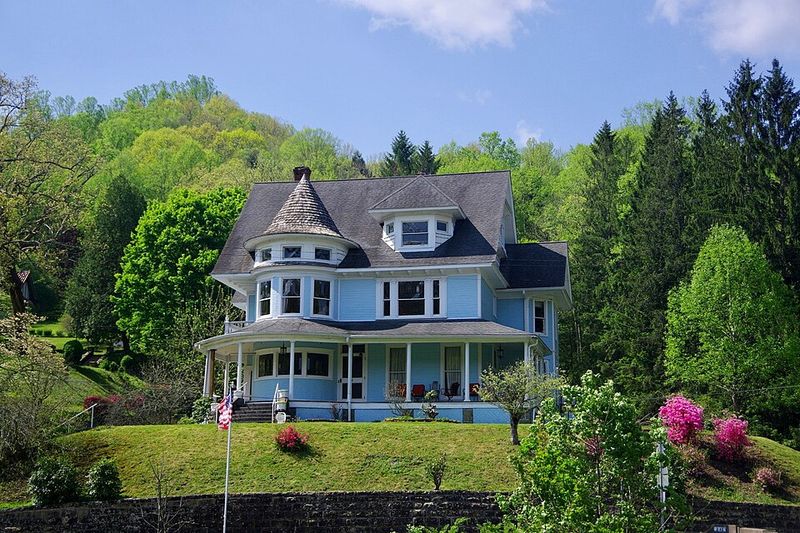
Behind each heavy front door sits a family history that lasted generations. The Philip Goodwill House, built in 1895, overlooks the Bluestone River and holds seventeen rooms across about 6,500 square feet.
Its third floor ballroom tells you plenty about how often the family entertained. Inside there are hardwood floors, tall ceilings, distinctive woodwork, and a butler pantry that once kept dinners running smoothly.
The Mann House has a study wrapped in a leather-like fabric on the walls, plus a formal living room, dining room, and a conservatory. Details like that make the people who lived there feel less like names on a plaque.
Some believe the H.V. McNeer House is the oldest home in town, acquired back in 1889.
The Perry House, built in 1902 for the first cashier of the Bramwell bank, stayed in that family for decades.
These walls witnessed birthdays, arguments, holidays, and quiet mornings. That is what makes a walk here feel personal rather than museum-like.
Walking Through A Gilded Past
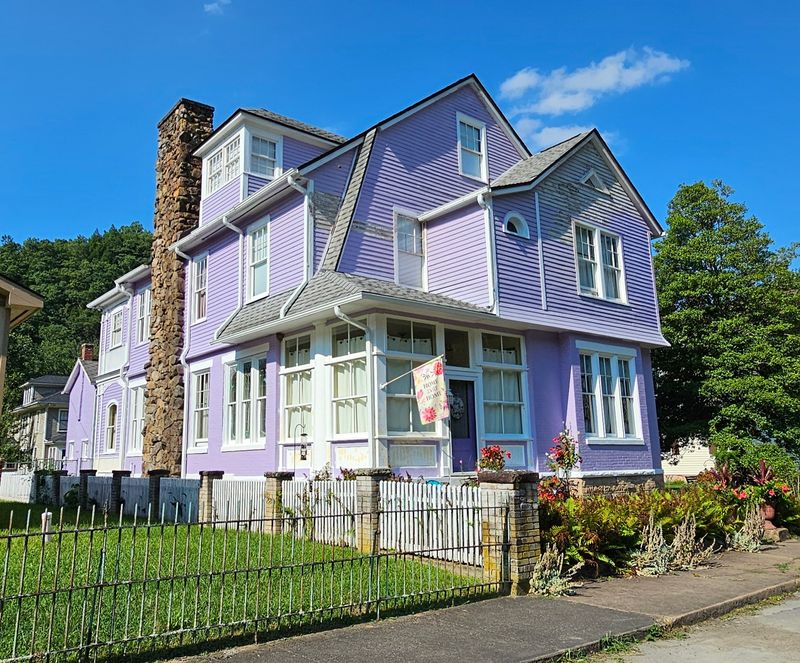
Slow walking is the only sensible speed here. The town sits on a horseshoe bend of the Bluestone River, which gives the whole place a tucked-away, storybook shape.
Those brick streets once carried coal wagons and fine carriages, and today they gently encourage you to wander instead of rush. The mansions line up like patient sentinels, their grandeur barely dimmed by time.
What surprised me most was the quiet. There is a dignified hush over the district, the kind that lets you actually hear leaves and birds between houses.
Because so many opulent homes sit so close together, the effect feels cohesive rather than scattered. It reads like a living museum where people still bring in groceries and water the flowers.
Comfortable shoes help, and so does a willingness to stop mid-sidewalk to stare at a turret. The walk is less sightseeing and more time travel with fresh air included.
How The Boom Years Shaped Everything
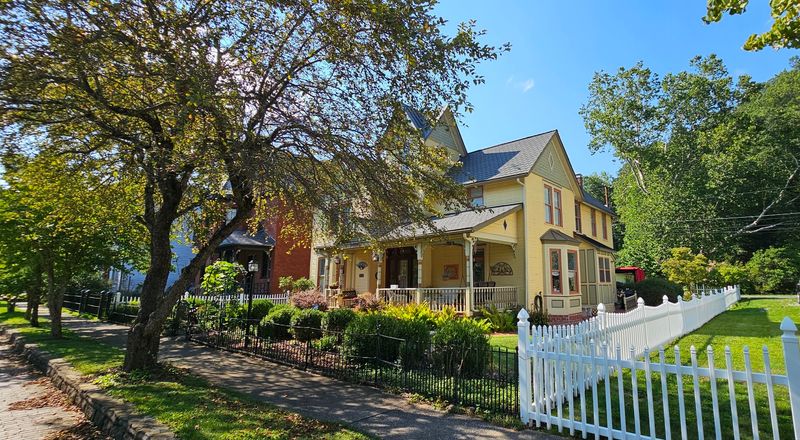
Growth here happened at a dizzying pace. After 1887, the number of operating mines in the Pocahontas coalfield jumped from four to thirty-eight within just eight years.
That surge fed the town directly, drawing merchants, ministers, doctors, and attorneys alongside the coal operators. A whole social and professional network formed almost overnight.
Because mine owners chose to build their homes here rather than beside the mines, the town developed a refined, residential character. That decision also pushed the arrival of amenities unusual for such a small place, including early electric streetlights, a water company, and telephone service.
The Bank of Bramwell, chartered in 1889, sat at the center of it all, handling the enormous sums the coal industry generated. Population climbed fast too, reaching 4,000 by 1896.
You can still read that boom in the layout, in the width of the porches, in the confident scale of everything. Prosperity did not just visit this town, it constructed it.
Preserving The Town’s Grandest Homes
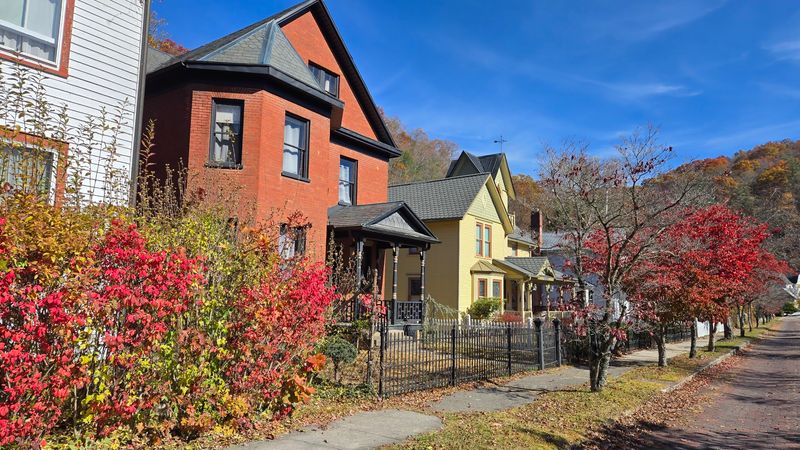
Beautiful old houses do not stay beautiful by luck. The town earned a listing on the National Register of Historic Places in 1983, which gave preservation efforts a solid framework.
Local groups carry much of the weight. The Bramwell Millionaire Garden Club and the Bramwell Foundation both work to protect the town’s character, with the Foundation focused on acquiring, restoring, and operating properties key to that heritage.
Private homeowners deserve real credit too, since several of the coal operators’ houses were brought back to life through years of patient restoration. An active Landmarks Commission and a design review ordinance help keep new work in step with the old.
Community fundraising plays a part as well, including the Spring Tour of Homes hosted to support preservation. All of that effort is why the ornate woodwork, leaded glass, and distinctive roofs still look sharp.
Visiting feels like walking through something people actively love. That care is visible in every repainted porch rail.
What Visitors Can Explore Today
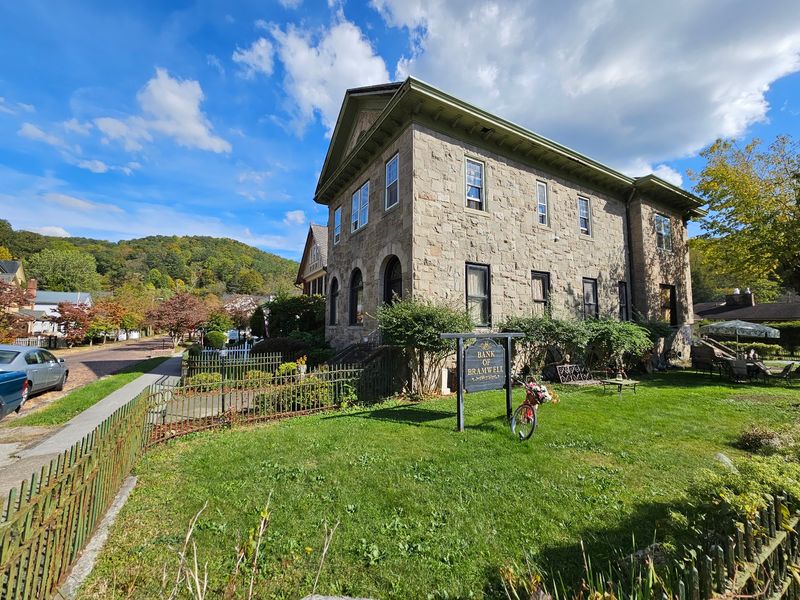
Planning a visit is refreshingly simple. Self-guided walking tour brochures are available and cover nineteen stops, each with background on the families and homes that defined the town’s golden years.
If you want to see interiors, pre-arranged group tours and seasonal home tours in spring and at Christmas open the doors to some of these properties. Historic interpreters often share stories of early families, which turns a pretty facade into an actual narrative.
Inside the homes, butler pantries, formal dining rooms, and ballrooms quietly reveal how elaborate hosting and dining once were. It is a subtle window into the food culture of the coal era.
The Nick J. Rahall Coal Heritage Interpretive Center, set in a replica of the old town depot, adds exhibits and relics that explain West Virginia coal history in depth.
The district itself stays open around the clock, so an early morning stroll is entirely possible. Bring a camera and a little curiosity.
A Small Town With A Big History
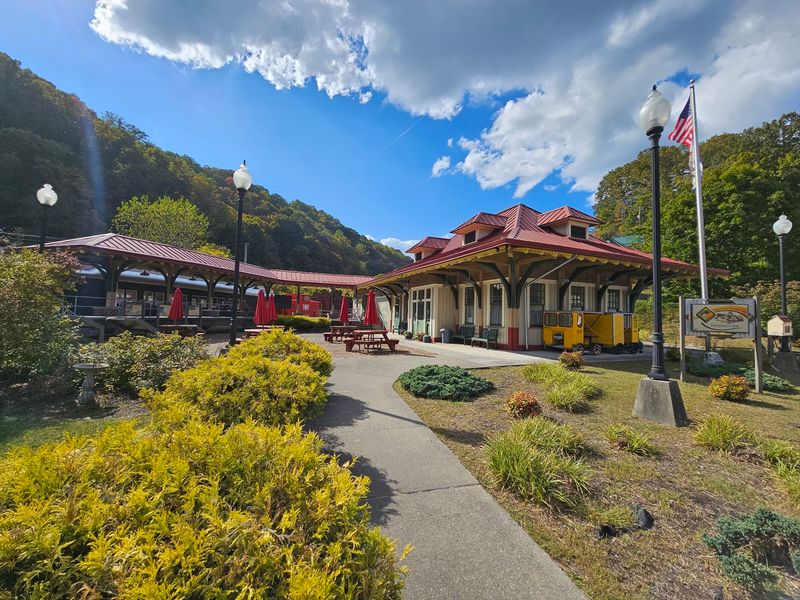
Only a few hundred people live here now, which makes the scale of the history almost comic. Once called the richest small town in America, it reportedly had more millionaires per capita than anywhere else in the country.
From its founding in 1888 through the peak years of the Bank of Bramwell and into today’s careful preservation work, the story keeps its momentum. Ambition, industry, and architecture braid together on every block.
The Victorian and Tudor mansions serve as monuments to the coal operators who dreamed them up. Their upkeep means visitors get more than a plaque and a parking spot.
What I appreciated most is that history here is not sealed behind glass. It is a lived-in landscape where the past sits right next to porch swings and mailboxes.
For anyone curious about coal country and gilded ambition, this small town delivers far more than its size suggests.
Address: 209 Main St, Bramwell, WV 24715, United States
