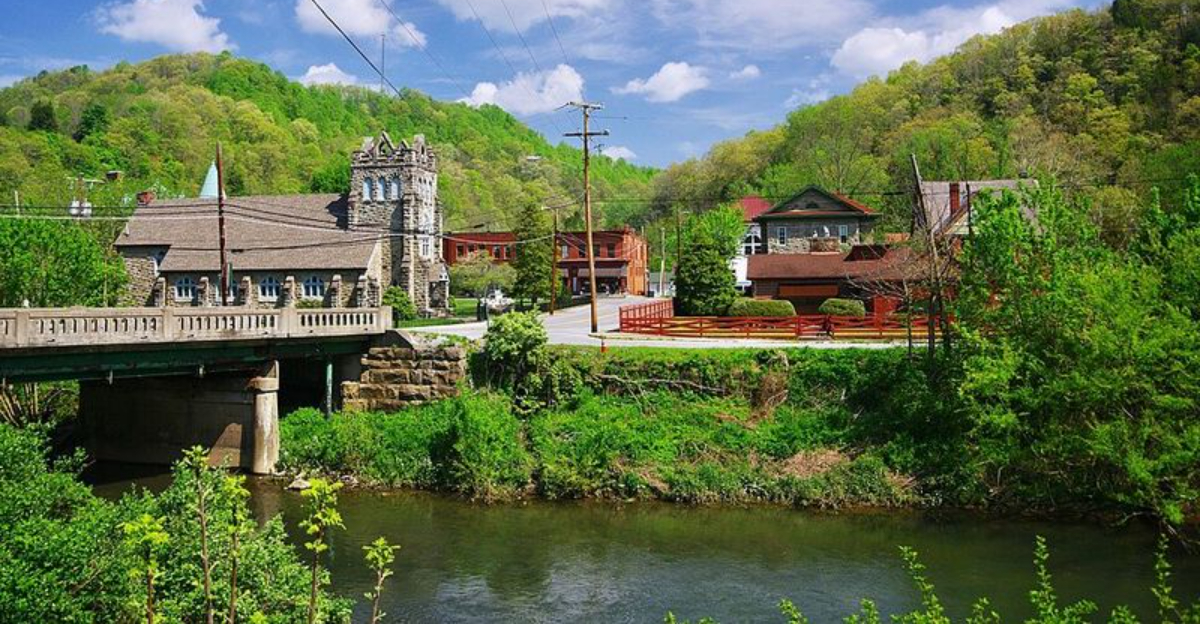
Back in the late 1800s, this tiny West Virginia spot had more millionaires per capita than anywhere else in America. No, really.
It sat at the heart of the coal fields, and the money flowed so freely that the bank janitor supposedly pushed a cart full of cash down Main Street every week to catch the train.
Think your neighborhood has bragging rights?
This town of a few hundred residents was home to fourteen millionaires at its peak.
Coal barons built Victorian mansions that still line the streets today.
The high school team was literally called the Millionaires.
Now the population hovers around 270, but those historic homes still stand, proud and slightly stunned, like old money that refuses to admit the party ended.
Where Coal Wealth Built Its Crown Jewels
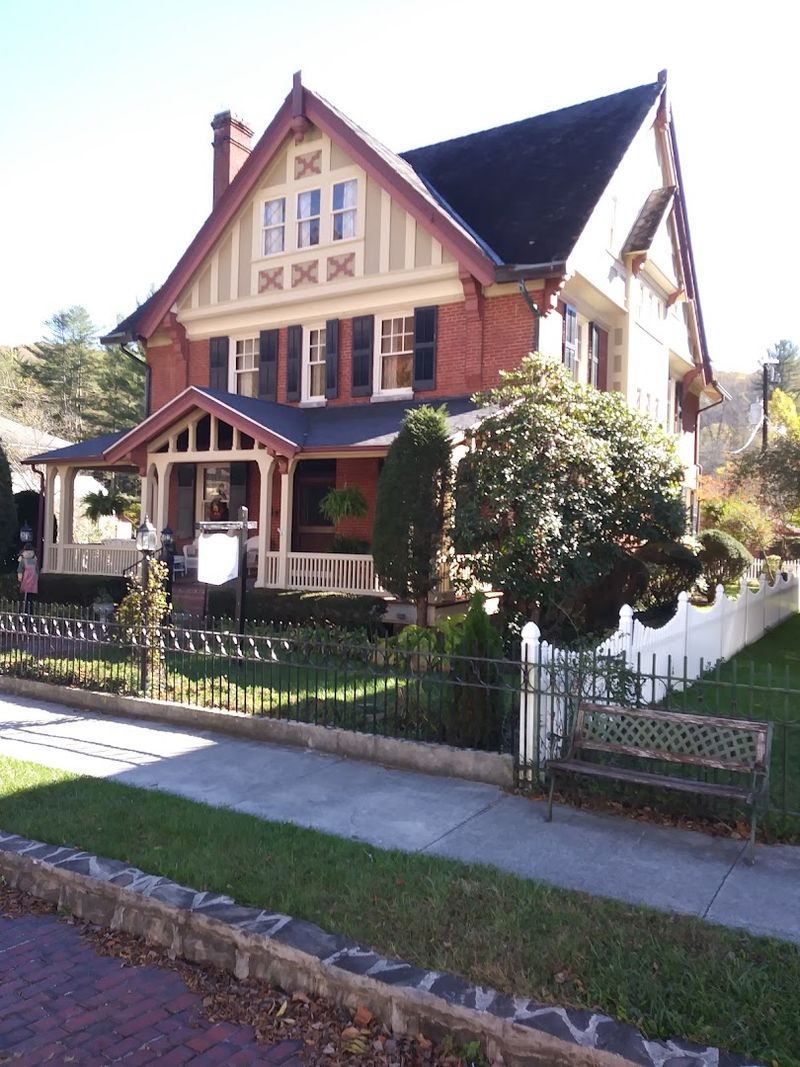
Walking along what locals call Millionaire Row genuinely feels like stepping into a living history book. The mansions here were not built to impress just anyone.
They were built to announce that coal had made certain men extraordinarily powerful, and the architecture makes that point without whispering.
At one point, as many as seventeen millionaires called this small stretch of Mercer County home. That number is staggering when you consider the town’s population hovered around 4,000 during its peak years.
These were not modest homes with a few nice touches.
Authentic Tiffany stained glass windows caught the light in parlors. Ballrooms occupied entire wings of houses that families actually lived in.
The craftsmanship visible from the sidewalk alone is enough to make any architecture lover stop mid-step and just stare. Every house tells a slightly different story about ambition, coal money, and what it meant to build something permanent in a town that ran on black gold.
Richest Per Capita in the Nation
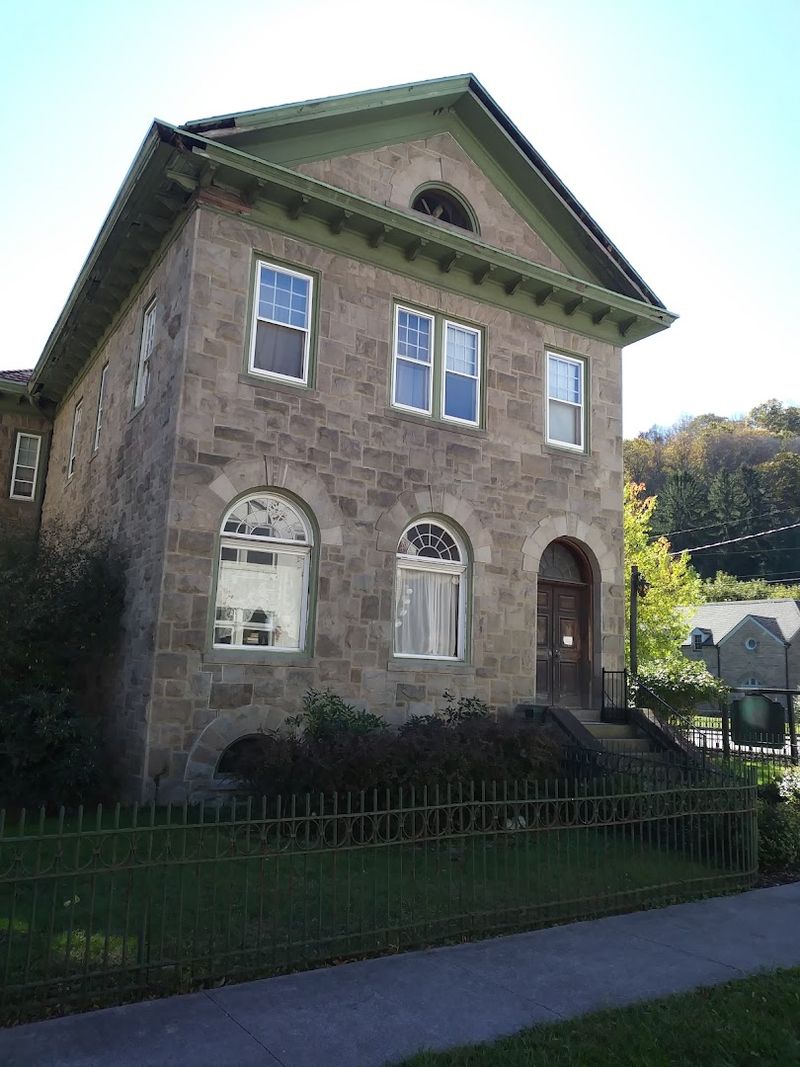
Few buildings in West Virginia carry as much financial mythology as the Bank of Bramwell. At its height, this institution was considered the wealthiest bank per capita in the entire United States, which is an extraordinary claim for a building sitting in a town most Americans have never heard of.
Founded by Isaac T. Mann, who also launched the Pocahontas Fuel Company, the bank served as the financial spine of southern West Virginia.
Coal operators deposited fortunes here. Investments flowed in and out of this building that shaped entire communities across the region.
The bank’s closure in 1933, a direct consequence of the Great Depression, marked the symbolic end of Bramwell’s gilded era. That moment was felt far beyond these streets.
Stepping inside or simply standing at the facade today, you get this quiet sense of weight, like the walls still remember every transaction that passed through them. It is one of the most quietly powerful historic sites in all of Appalachia.
The Engine Behind All That Wealth
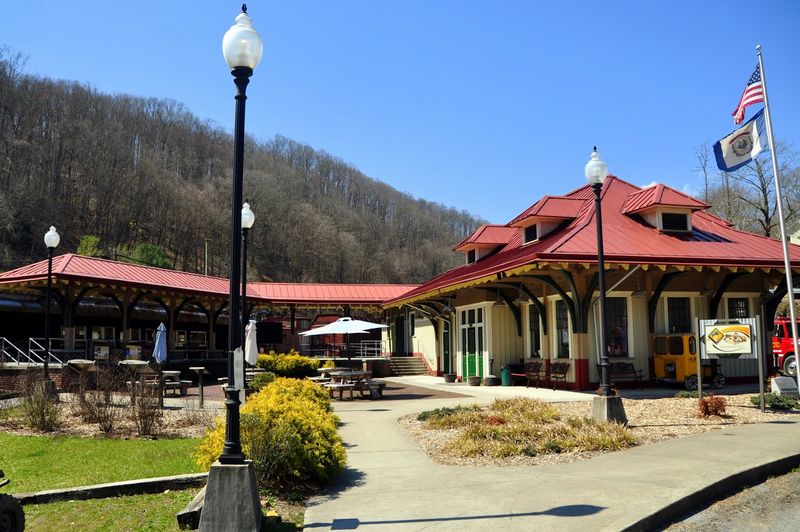
Everything that made Bramwell extraordinary traces back to coal. Specifically, it traces back to the Pocahontas coalfields, a geological goldmine that at peak production employed over 100,000 miners and fueled industries across the eastern United States.
Bramwell positioned itself as the commercial and financial center for this entire operation. Operators, investors, and company executives did not live in the mining camps.
They lived here, in grand houses, behind carved wooden doors, with their fortunes safely deposited a short walk away at the bank.
The relationship between coal and Bramwell was symbiotic and intense. When the coalfields thrived, the town gleamed.
When the industry contracted, the town felt every tremor. Understanding that relationship makes the architecture feel less like decoration and more like evidence.
Every ornate porch column and leaded glass window represents a calculation someone made about permanence, prosperity, and what it meant to plant roots in a place built entirely on what lay beneath the ground.
J.H. Bramwell and the Founding Story of a One-of-a-Kind Town
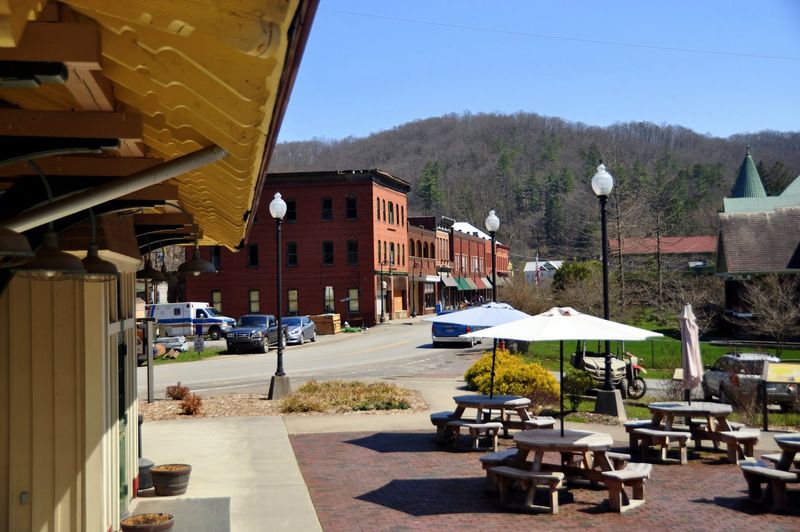
Not every town gets named after its most influential resident, but Bramwell is an exception that feels entirely earned. J.H.
Bramwell, the town’s namesake and first postmaster, helped lay the foundation for what would become one of the most financially remarkable communities in American history.
The town was established in the late 1800s, right as the coal industry in southern West Virginia was beginning its explosive ascent. Timing, geography, and ambition all converged in a way that seems almost improbable in hindsight.
A small river town in Mercer County became the address every coal baron wanted on their stationery.
What makes the founding story compelling is how quickly wealth accumulated. Within just a couple of decades, this was not a frontier settlement anymore.
It was a place with mansions, a nationally significant bank, and social circles that rivaled those of much larger American cities. That kind of transformation, happening this fast, in this corner of Appalachia, is genuinely hard to wrap your head around.
Victorian Architecture You Simply Cannot Find Anywhere Else
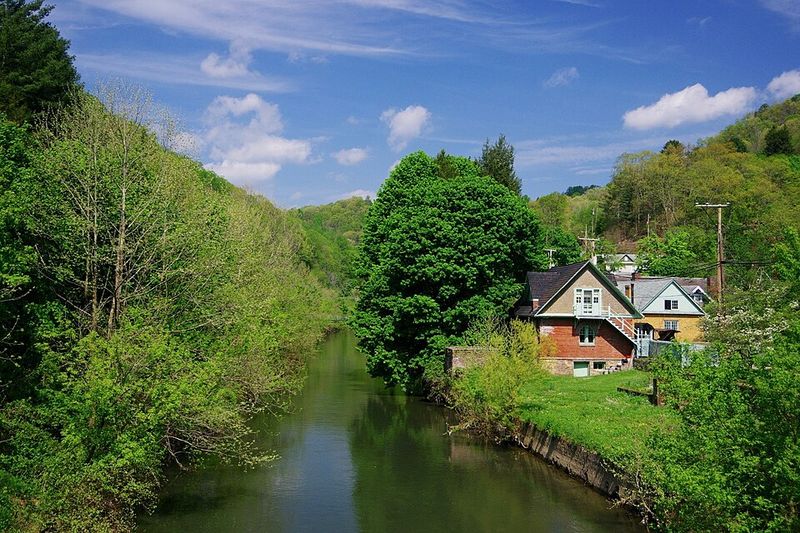
There is something almost absurd about how well-preserved the Victorian architecture in Bramwell remains. These are not reconstructed facades or museum replicas.
These are original homes, built during the height of coal prosperity, still standing with their original bones mostly intact.
The design details are what get you. Wrap-around porches with turned spindles.
Bay windows with original glass that warps the light in that old, imperfect way. Rooflines that spike and curve in directions that modern construction simply does not attempt.
Every house is a different personality wearing the same general era like a shared wardrobe.
For anyone who loves architectural history, a slow walk through these streets is genuinely moving. You are looking at physical evidence of a moment in American economic history that was both extraordinary and fleeting.
The craftsmanship required to build these homes reflected the confidence of people who believed their prosperity would last forever. Some of that confidence aged better than others, but the buildings themselves have outlasted nearly everything else.
Life Inside the Mansions
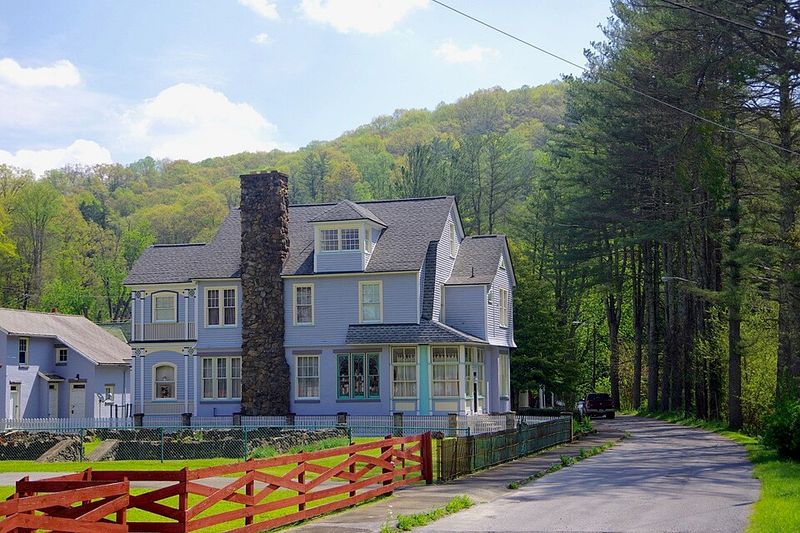
From the outside, the Bramwell mansions are impressive. From the inside, they are a different experience entirely.
Authentic Tiffany stained glass windows are not something you expect to find in a small Appalachian town, and yet here they are, still filtering afternoon light into rooms that once hosted some of the most powerful people in the American coal industry.
Ballrooms were a practical feature in these homes, not a luxury add-on. Social life in Bramwell during its peak years revolved around gatherings that required real space.
These were not casual affairs. They were events that reflected the ambitions and status of the families who hosted them.
Stepping into one of these historic interiors, whether through a tour or a bed-and-breakfast stay, connects you to a very specific slice of American life.
It is the life of people who built an industry from scratch, moved enormous wealth through a tiny town, and furnished their homes as though they planned to live there forever.
Some of those details have survived remarkably well.
Natural Beauty Wrapped Around History
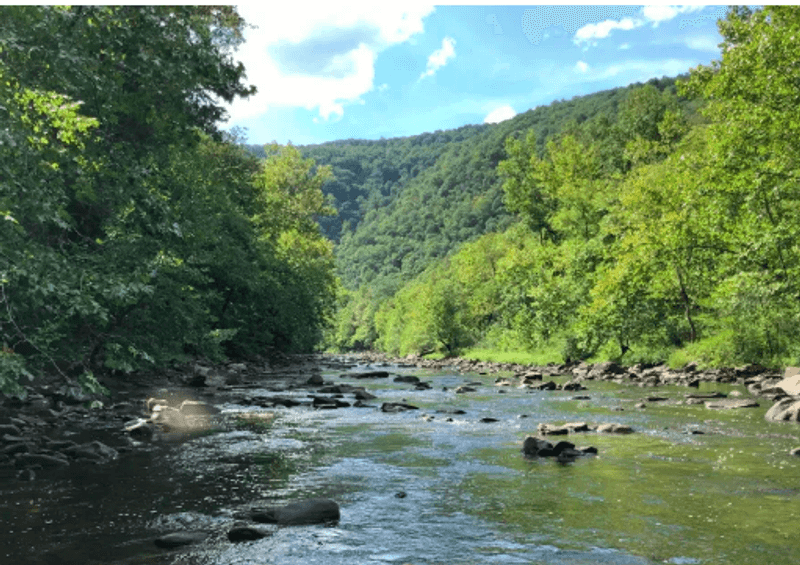
Bramwell sits right along the Bluestone River, and that geographic detail matters more than it might seem at first. The river gave the town its original identity long before coal money arrived and rewrote everything.
Water shaped this landscape, and the landscape shaped the community that grew here.
Walking near the river today, you get a version of Bramwell that feels quieter and more elemental than the grand mansions suggest. The hills roll in every direction.
The water moves with that unhurried Appalachian rhythm that makes you want to slow your own pace down considerably.
The Bluestone River corridor is also part of what makes visiting Bramwell feel like a complete experience rather than just a history lesson. You get the architecture, the stories, and the industrial legacy on one side of the visit.
Then you get this, a river town tucked into the mountains, peaceful and green and genuinely beautiful in a way that has nothing to do with millionaires or coal. Both versions of Bramwell deserve your attention.
Appalachian Flavors in a Historic Setting
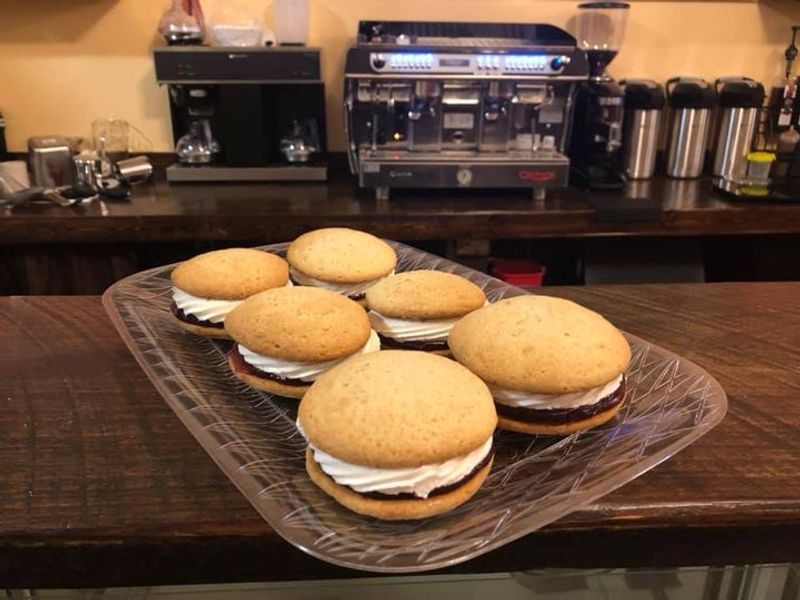
Eating in and around Bramwell is its own kind of time travel.
The food culture of southern West Virginia leans hard into Appalachian tradition, and that means dishes built on honest ingredients, slow cooking, and recipes that have been passed down through generations without much need for revision.
Cornbread that comes out of the oven with a dark, crackling crust. Pinto beans cooked until they are silky and rich.
Fried apples that taste like someone bottled an entire autumn afternoon. These are the flavors that define the region, and they pair perfectly with the pace of a town like Bramwell.
Stack cake, a layered Appalachian dessert made with dried apple filling between thin gingerbread-like layers, is the kind of thing you should seek out specifically. It is not flashy.
It does not need to be. The food here, like the town itself, earns your admiration through substance rather than spectacle.
Every bite connects you to the culture that built these mountains and fed the miners who worked beneath them.
A Small Town with an Outsized Story
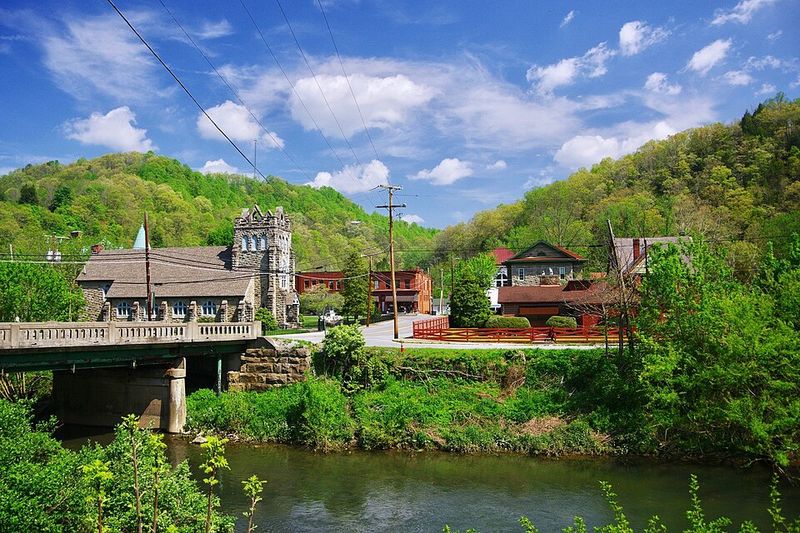
With a population of just 277 according to the 2020 census, Bramwell is about as small as American towns get. But small does not mean insignificant, and this place makes that argument more convincingly than almost anywhere else in the country.
The town sits within the Bluefield, WV-VA micropolitan area, which gives it regional context, but Bramwell itself operates on its own frequency. Arriving here feels like finding something most travelers have overlooked, which is part of what makes the visit feel rewarding rather than routine.
The streets are quiet. The pace is unhurried.
You can walk the entire town in an afternoon and still feel like you have only scratched the surface of what it has to tell you. Bramwell rewards slowness and curiosity in equal measure.
Bring a camera, wear comfortable shoes, and plan to linger longer than you think you need to. The town has a way of holding onto you once it gets your attention, and the history here is worth every mile of the drive.
Address: Bramwell, West Virginia
