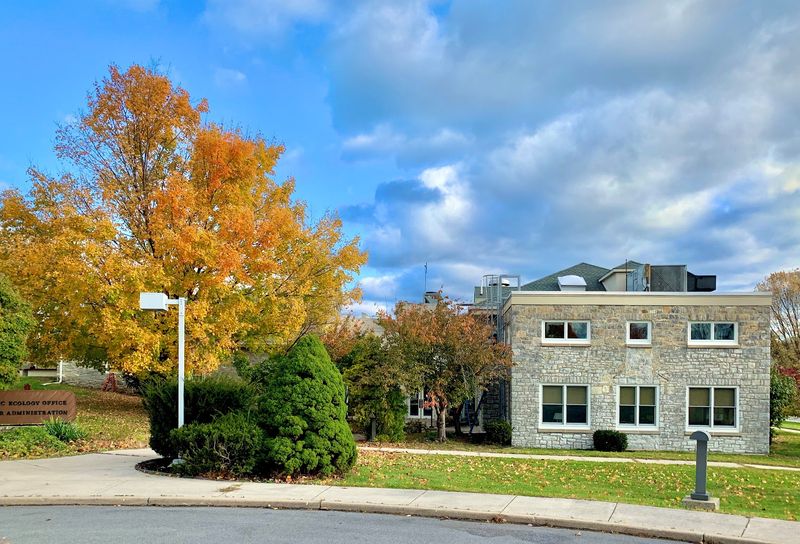
A tiny village with roughly 60 historic structures, some reportedly dating to the 1700s, could soon share a fence line with an industrial plant of about a million square feet. The product at stake is water, pumped straight from the ground beneath it.
I had to read that twice. The whole place has been on the National Register of Historic Places since 1980, and it still looks like the rural crossroads it was centuries ago.
Now residents are asking hard questions about trucks, wells, and old stone walls. They worry about springs that feed a federal fish research center down the road, too.
I love a story where neighbors in West Virginia stand up for the ground under their feet. So what makes this little spot worth such a fight, and what exactly is coming its way?
The answers are more interesting than you might expect.
Leetown
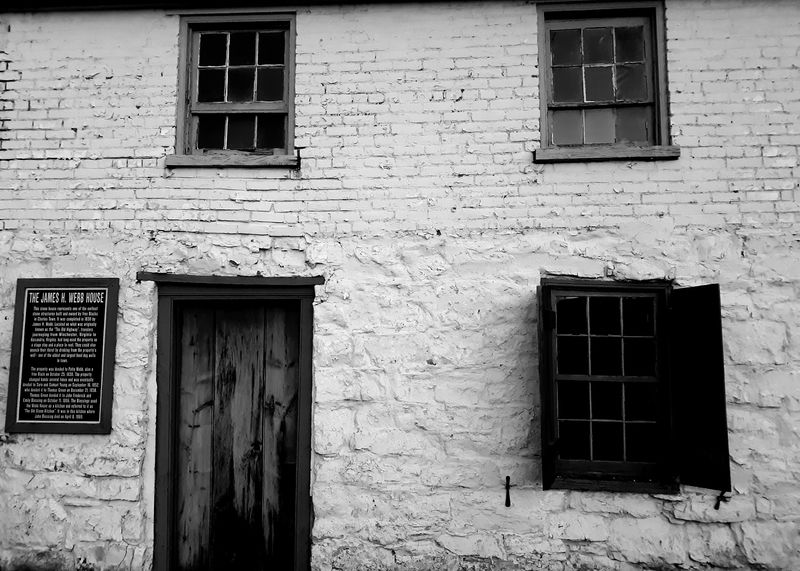
Some towns grow up and out, but this one mostly stayed put for about 250 years. Leetown sits in the rolling farm country of Jefferson County, in West Virginia’s Eastern Panhandle.
The village earned a spot on the National Register of Historic Places in 1980. Preservation sources describe it as a rare, largely intact example of an 18th-century rural crossroads community.
You won’t find a busy downtown or a strip of chain stores here. What you will find is a cluster of old homes, farm buildings, and country lanes that still follow their early paths.
Reporting on the dispute notes roughly 60 historic structures within the area. That’s a remarkable number for a place most travelers zip past on the way to Charles Town or Shepherdstown.
The name comes from a Revolutionary War figure, which we’ll get to shortly. For now, just know the village carries a lot of history for its size.
That history is exactly why so many residents feel protective. When a big industrial project shows up next door, a place this small has a lot to lose.
Address: Leetown, Kearneysville, WV 25430
Prato Rio
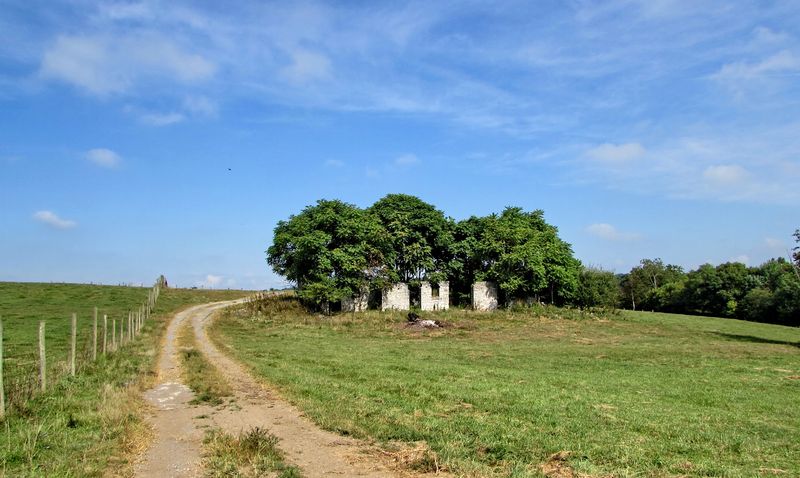
A general who once argued with George Washington gave this village its name. Charles Lee served as a major general in the Continental Army and settled in this corner of what was then Virginia.
His home, known as Prato Rio, still stands near the village. It’s a modest stone house, which may surprise anyone expecting a grand plantation mansion.
Lee’s career had more drama than a soap opera. He was court-martialed after the Battle of Monmouth in 1778, and he later retired to this quiet farmland.
The house now sits on land associated with the federal science center down the road. That connection makes Prato Rio part of the village’s living landscape, not just a footnote.
You can appreciate why locals see the house as a key piece of the bigger picture. Lose the setting, and the story it tells gets harder to read.
Historic homes like this one depend on quiet surroundings to feel right. A busy truck route nearby could change that feeling in a hurry.
Address: Leetown Road, Kearneysville, WV 25430
Traveller’s Rest
Two Revolutionary War generals as neighbors is a pretty wild flex for one small farm community. Horatio Gates, famous for the American victory at Saratoga, built his home called Traveller’s Rest in this same area.
Gates and Charles Lee were both former British officers who joined the American cause. Having both of them settle near each other adds real weight to the village’s historic claim.
Traveller’s Rest is a private property, so you’ll want to admire it respectfully. Its presence still shapes how historians view the surrounding countryside.
Think about how rare that is. Plenty of places claim a famous visitor, but this area can point to two generals who chose to live here.
Preservation advocates often stress that historic homes need their context. Farmland, tree lines, and quiet roads help tell the story as much as the buildings do.
That’s one reason residents describe the bottling plant fight as bigger than a single site. The concern covers a whole historic landscape stitched together over centuries.
Address: Near Leetown, Kearneysville, WV 25430
The Proposed Bottling Plant
A million square feet is roughly the size of 17 football fields lumped together. Reporting from outlets including WV Public Broadcasting and WV MetroNews describes a proposed water bottling facility of about that scale near the village.
The plan would reportedly draw groundwater from the area and package it for sale. For a community built on wells and springs, that detail got attention fast.
Supporters of projects like this usually point to jobs and tax revenue. Those benefits matter in any county, and they’re part of the public conversation here too.
Residents, though, have raised questions about scale and location. Many say the issue isn’t bottled water itself but putting a plant this large beside a historic district.
Details of the proposal may change as reviews and hearings move forward. If you’re following along, local news coverage is the best way to track updates.
What’s clear is that West Virginia doesn’t see this kind of standoff every day. A tiny village and a massive industrial plan make for a striking contrast.
Address: Leetown area, Kearneysville, WV 25430
Karst Groundwater
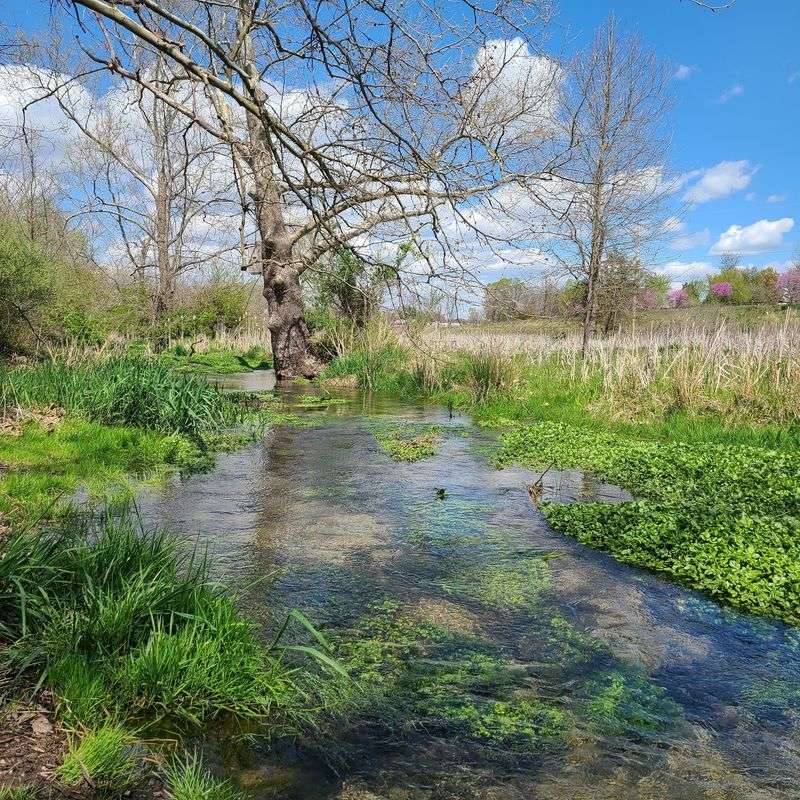
Under those pretty pastures sits a geology lesson that explains the whole fuss. Much of Jefferson County rests on limestone, which forms what scientists call karst terrain.
Karst is full of cracks, channels, and caves that let water move quickly underground. That makes springs plentiful but can also make groundwater sensitive to heavy use or pollution.
Homes and farms in rural areas like this often rely on private wells. If the water table drops, families could feel it right at the kitchen faucet.
Residents have asked how much water a large bottler might pull. They also want to know how that pumping could affect nearby wells and springs over time.
Those are fair questions for any community on karst. Water can travel farther and faster than you might guess when it’s moving through limestone.
You don’t need a science degree to see the stakes. When the ground acts like a sponge full of tunnels, what happens in one spot can echo somewhere else.
Address: Jefferson County, Kearneysville, WV 25430
Leetown Science Center
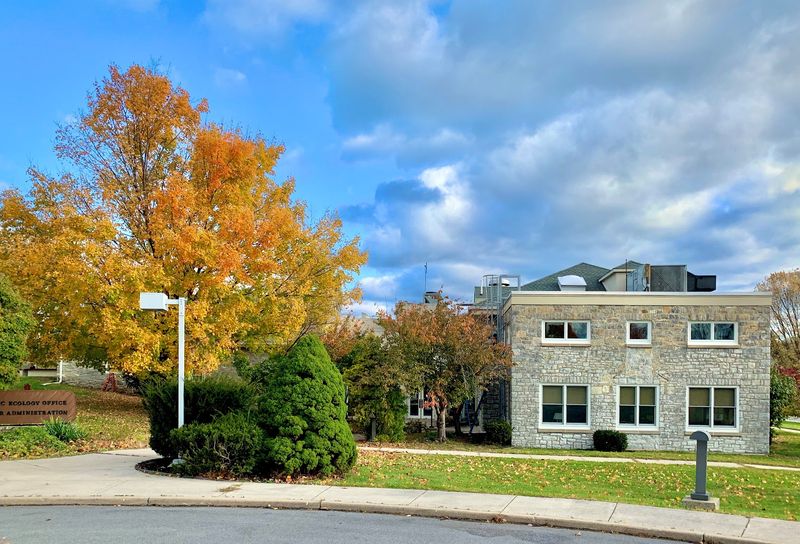
Fish scientists picked this spot for a reason, and that reason is spring water. The U.S.
Geological Survey operates the Eastern Ecological Science Center here, long known as the Leetown Science Center.
The facility studies fish health, aquatic species, and water quality. Its research relies on clean, steady flows from the area’s springs.
A national fish hatchery also operates nearby on the same general campus. Hatcheries need cold, reliable water, which helps explain why this location works so well.
That’s why the bottling plant question reaches beyond neighbors. If spring flows change, the work of a federal research center could feel the ripple.
It’s a neat twist for a village this small. A crossroads hamlet from the 1700s also hosts modern science that matters to waterways far beyond West Virginia.
For residents, the center is proof that the local water is special. They argue a resource valued by scientists deserves extra care.
Address: 11649 Leetown Road, Kearneysville, WV 25430
Civil War Sites
Soldiers once marched down roads that now see school buses and farm trucks. The Eastern Panhandle sat in a contested zone during the Civil War, and Leetown saw action too.
In July 1864, Union and Confederate troops skirmished near the village. That clash came during Jubal Early’s push north toward Washington.
Jefferson County changed hands many times during the war. Its farms, roads, and rail lines made the region a prize for both sides.
Preservation groups often count these battle-related landscapes as part of the historic record. They see open fields as evidence, not empty space.
If you enjoy Civil War history, this area rewards a slow drive. Nearby Harpers Ferry and Charles Town add even more layers to the story.
Residents worry that large buildings and heavy traffic could chip away at that setting. Once a historic landscape is paved, getting it back is pretty much impossible.
Address: Leetown Road, Kearneysville, WV 25430
Truck Traffic Concerns
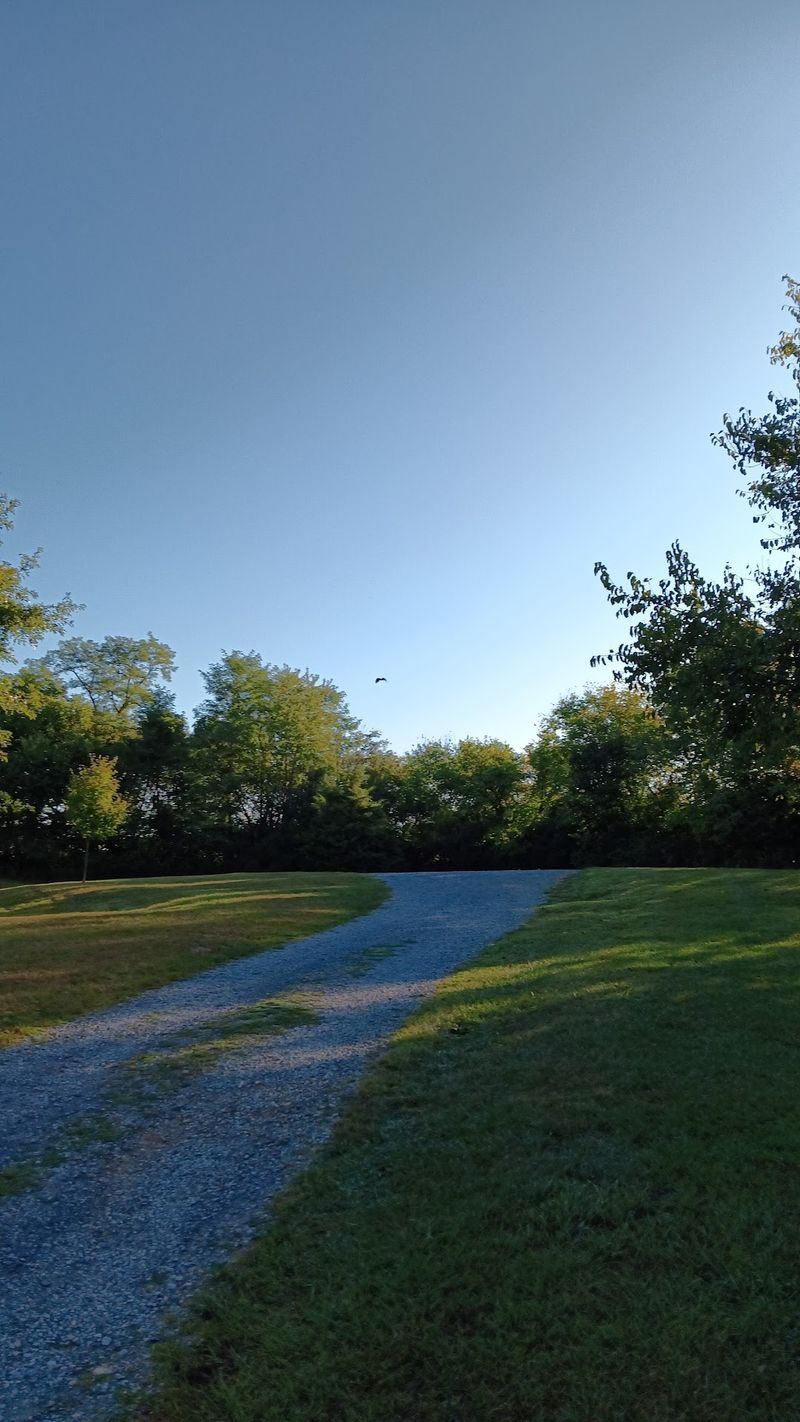
Country roads built for wagons weren’t exactly designed with tractor-trailers in mind. Heavy truck traffic is one of the loudest worries raised by residents in news coverage.
A bottling plant ships product constantly, and water is heavy. That could mean a steady line of big rigs moving through or near the village.
Old buildings close to the road may be more vulnerable to vibration over time. Residents have also raised concerns about safety on narrow, winding routes.
Then there’s the simple matter of peace and quiet. Many people chose this area precisely because it still feels like the countryside.
If you’ve ever lived on a quiet road that suddenly got busy, you know the feeling. The change shows up in your sleep, your commute, and your evening walks.
Planning officials typically review traffic studies for projects this large. Residents hope those reviews take the village’s age and layout seriously.
Address: Leetown Road, Kearneysville, WV 25430
Opequon Watershed
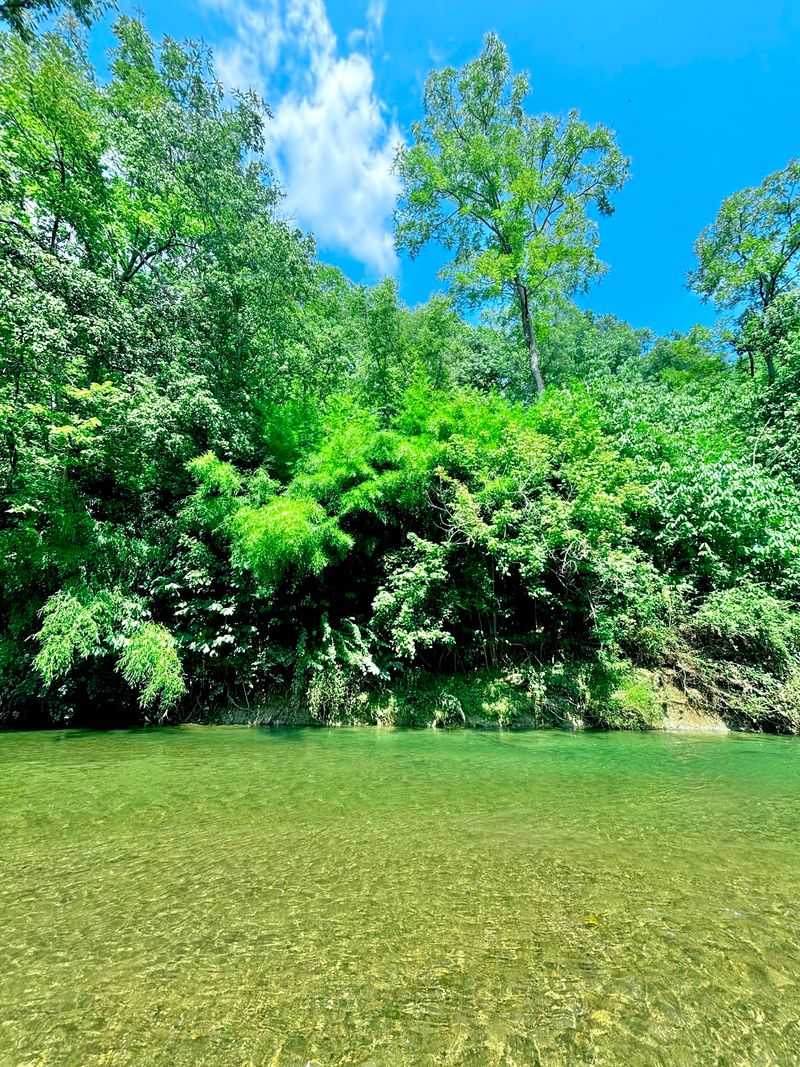
Water doesn’t care about property lines, and the Opequon Creek proves it. The creek drains a big chunk of the Eastern Panhandle on its way to the Potomac River.
The Opequon Watershed nonprofit works to protect water quality across this region. The group has weighed in on concerns tied to groundwater and the proposed plant.
Groundwater and surface streams are closely linked in karst country. Springs feed creeks, and creeks carry that water downstream to the Potomac and beyond.
That connection widens the conversation. A local land use decision could matter to anglers, farmers, and families miles away.
You might be surprised how many West Virginia streams trace back to quiet springs. Protecting one helps protect a whole network of waterways.
Watershed groups often encourage folks to learn where their water comes from. It’s a pretty good habit, whether you live near Leetown or not.
Address: Opequon Creek, Jefferson County, WV 25430
Community Pushback
Small villages can make a surprisingly big noise when something they love is on the line. Residents near Leetown have organized, attended public meetings, and voiced concerns to county officials.
Their message focuses on history, groundwater, and rural character. Many say they want growth that fits the land instead of overwhelming it.
Coverage from WV Public Broadcasting, WV MetroNews, and other outlets has followed the debate. That attention has brought the village’s story to people across the state.
The final outcome may hinge on permits, zoning, and public review. Those processes can take time, so the story is still unfolding.
What stands out is the pride on display. People here see themselves as caretakers of something rare, and they’re acting like it.
If you visit the Eastern Panhandle, consider driving through slowly and respectfully. You’ll get a feel for why so many folks think this corner of West Virginia is worth defending, one well and one stone wall at a time.
Address: Leetown, Kearneysville, WV 25430
