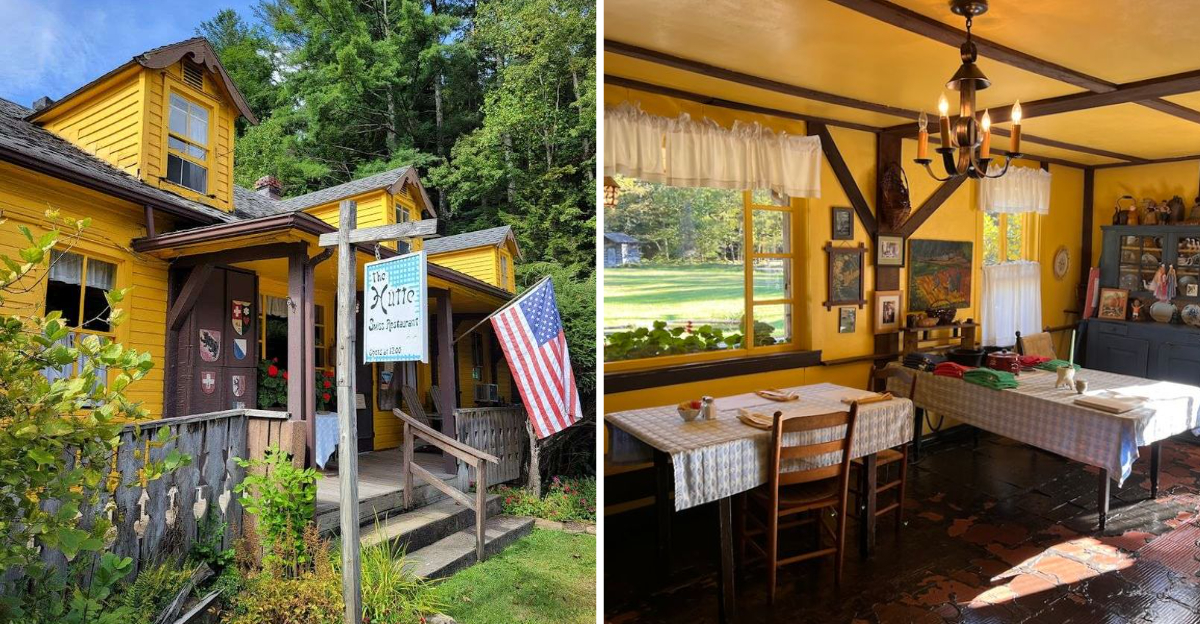
This 150-year-old Swiss restaurant in West Virginia operates like a beautiful time machine.
The building is stuffed with antiques, a wood fired stove keeps everything cozy, and the food arrives like a warm hug from someone’s Swiss grandmother.
Think homemade sausage, creamy local cheese, and rosti potatoes that will haunt your dreams.
Nothing here is in a hurry, and that is the whole point.
You came for a meal and you will leave with a story about the place that refused to change for anyone.
A Swiss Village Hiding in the West Virginia Mountains
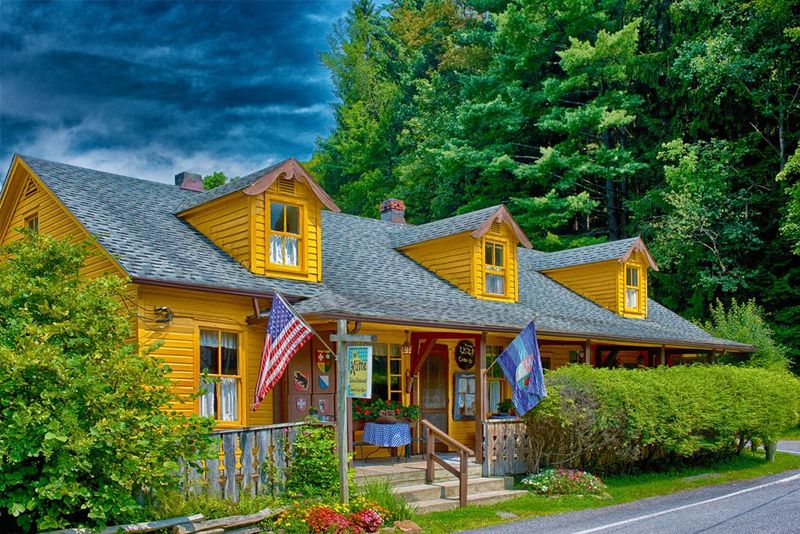
Most people have never heard of Helvetia, West Virginia, and that is honestly part of its magic.
Set deep into Randolph County, this tiny mountain community was founded by Swiss immigrants in 1869, and somehow, against all odds, it kept its culture alive for over 150 years.
The isolation that kept outsiders away also preserved everything that makes Helvetia extraordinary. Hand-painted signs greet you in Swiss-German phrases.
Alpine gingerbread trim decorates the buildings. The whole place feels like a page torn from a storybook set somewhere in the Alps.
Getting here requires winding through some seriously scenic mountain roads. The drive itself becomes part of the experience, building anticipation with every curve.
When the village finally appears through the trees, it genuinely feels like crossing into another country. Helvetia is not just a backdrop for The Hutte Restaurant.
It is the reason the restaurant exists, and understanding that connection makes every bite taste even more meaningful once you sit down to eat.
The Story Behind the Restaurant That Became a Community Soul
Founded in 1968 by Eleanor Fahrner Mailloux and Delores Baggerly, The Hutte was born from a genuine desire to keep Swiss traditions breathing in a community that risked losing them. Eleanor did not just open a restaurant.
She created a gathering place, a living archive of the culture her neighbors inherited from their Swiss ancestors.
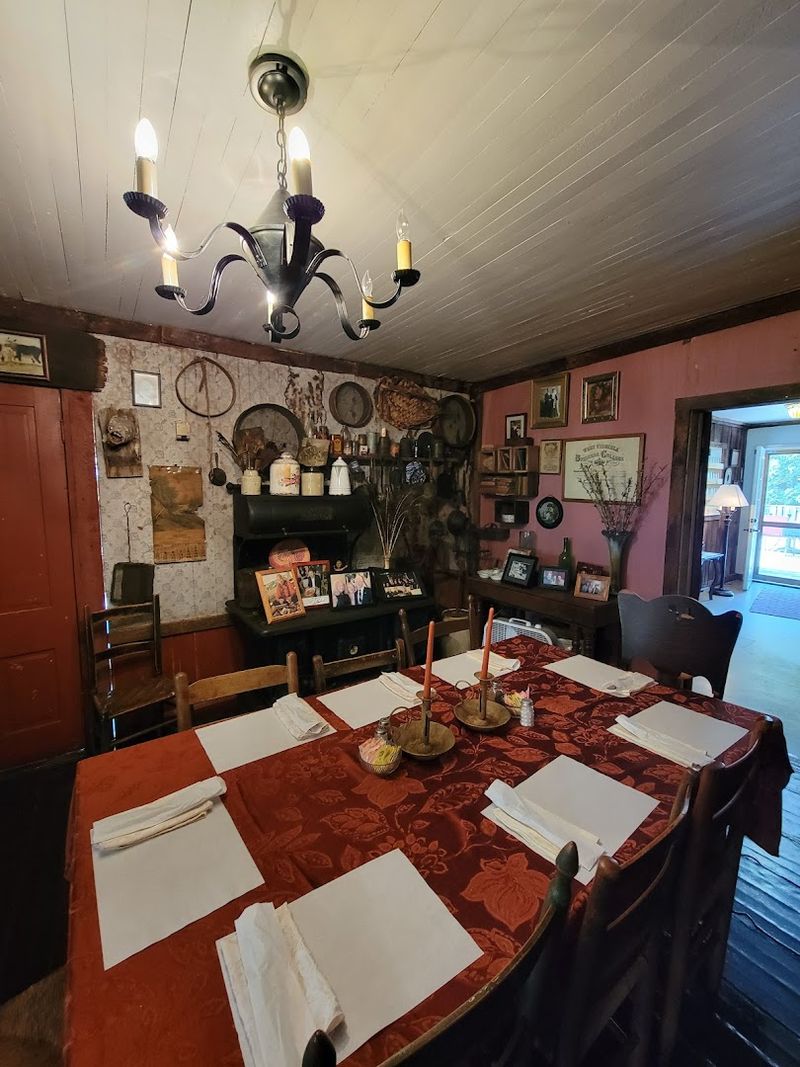
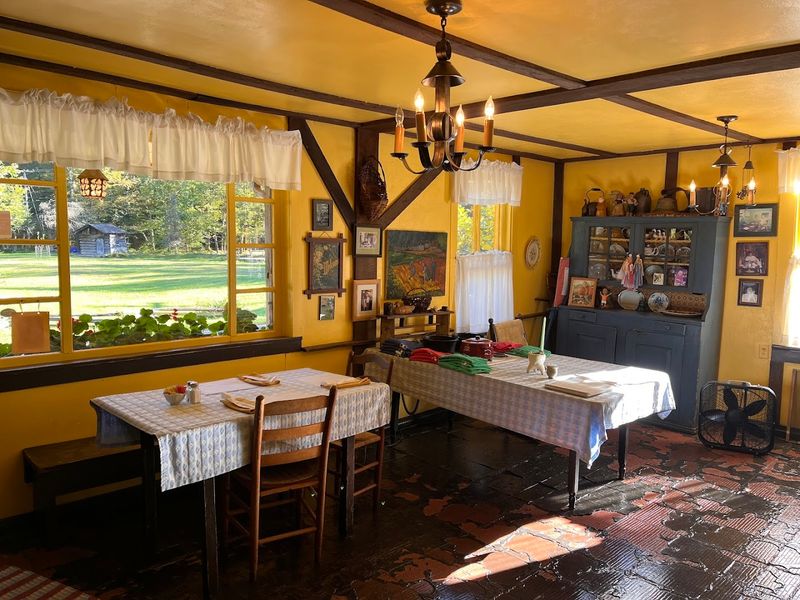
The building itself is over 100 years old, and every creaking floorboard and leaning wall tells a story. Much of the furniture inside belonged to past village residents, giving the space a warmth that no interior decorator could manufacture on purpose.
It genuinely feels like walking into someone’s beloved home.
Today, Eleanor’s daughter Heidi Mailloux Arnett and granddaughter Clara Lehmann carry the torch as the third generation running this remarkable place. The family continuity is palpable throughout every corner of the restaurant.
Eleanor is described by those who love this place as someone who still lives in the walls, in the food, and in the people who keep her dream going strong every single day.
Walking Into a Room That Feels Like Your Grandparents’ Living Room
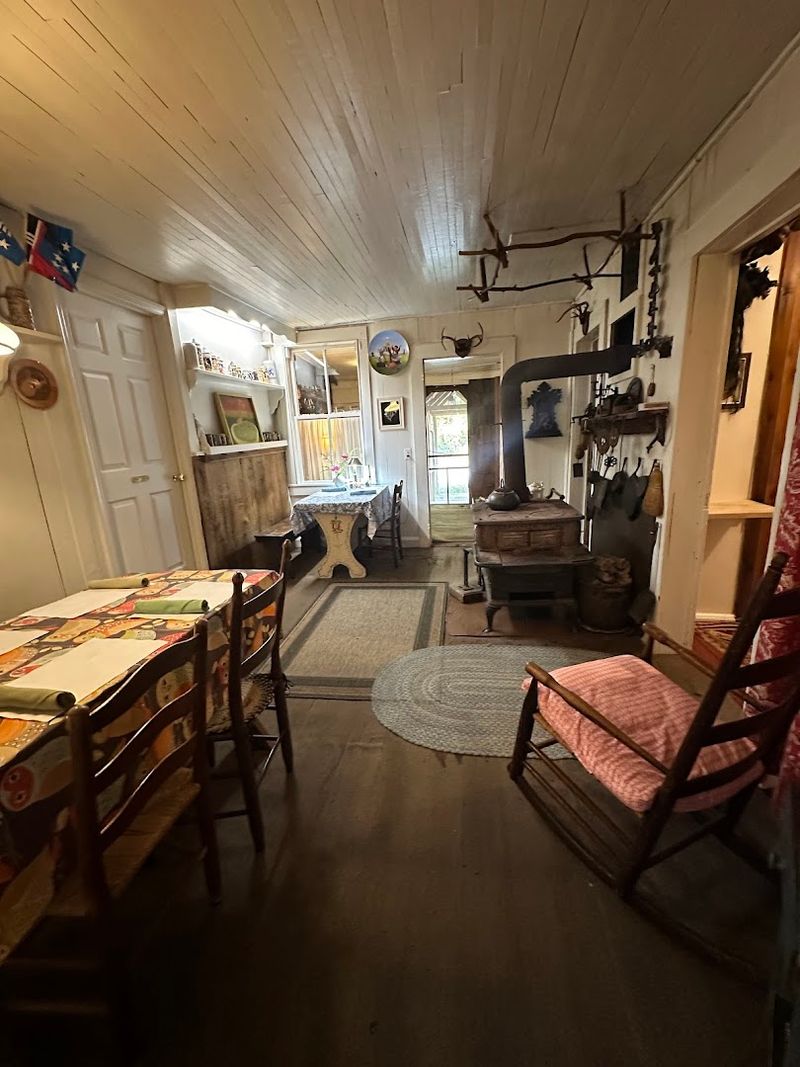
Stepping inside The Hutte is one of those rare moments where you forget you are in a restaurant at all. Antiques fill every corner.
Old books line the shelves. Vintage photographs stare back at you from the walls, their subjects long gone but somehow still present in the room’s warm energy.
A pump organ sits quietly in one corner, looking like it could start playing folk songs at any moment. Coal stoves anchor several rooms, giving the whole place a toasty, lived-in feeling that is almost impossible to replicate.
Every chair, every table, every trinket has a history connected to someone who once called Helvetia home.
Each room in the building offers a slightly different dining setting, which means no two visits feel exactly the same. Some guests end up in the cozy library room, surrounded by shelves of old volumes.
Others find themselves near a window overlooking the quiet village street. The atmosphere does not feel curated.
It feels genuinely inherited, which makes it infinitely more special than any intentionally designed dining space.
Rösti, Bratwurst, and the Swiss Flavors That Define the Menu
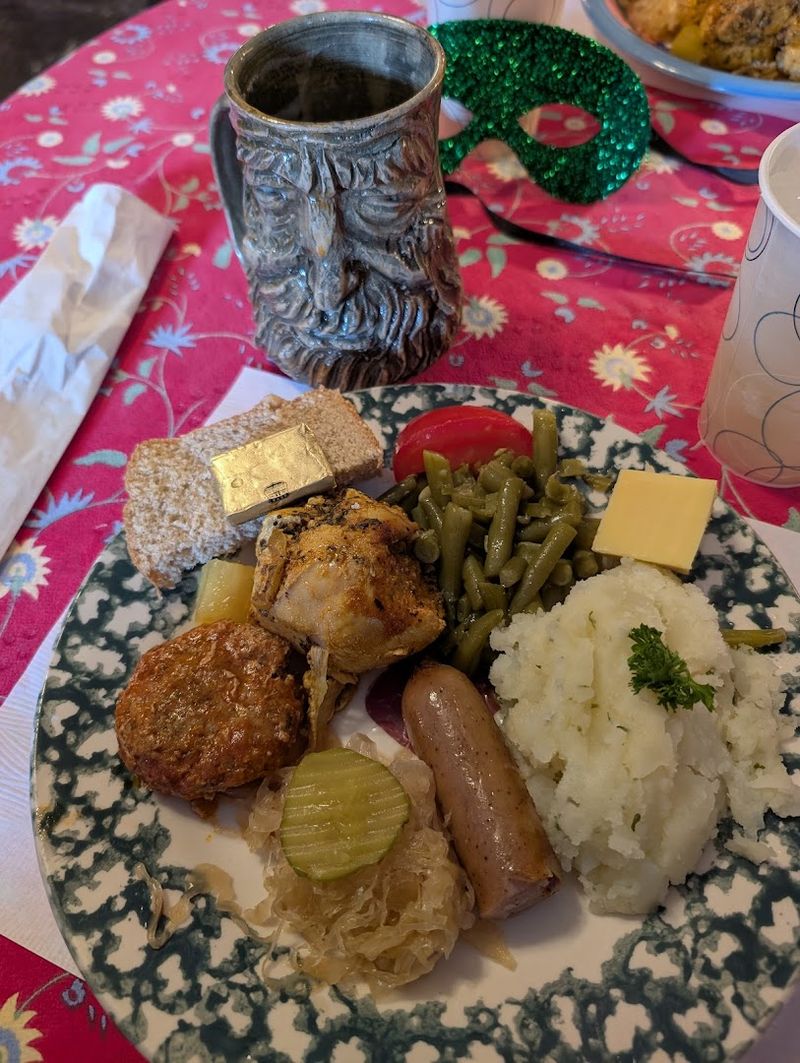
The menu at The Hutte is not trying to be trendy. It is rooted in recipes passed down from Helvetia’s original Swiss settlers, collected from townspeople over generations, and prepared with an honesty that modern restaurants rarely manage to pull off.
Rosti, the classic Swiss potato dish, arrives golden and crispy, the kind of thing that makes you wonder why you have not been eating it your whole life. Homemade bratwurst carries a depth of flavor that store-bought versions cannot come close to matching.
Sauerbraten, ham dinner, and locally produced Swiss cheese round out a menu that feels both foreign and deeply comforting at the same time.
Southern Appalachian influences weave naturally into the Swiss foundation, creating a cuisine that belongs entirely to this one specific place on earth. The green beans are fresh and simple.
The bread basket arrives warm. Everything on the plate feels intentional rather than assembled.
Eating here is not just satisfying hunger. It is participating in a food tradition that has survived more than a century of change in the outside world.
The Locally Made Swiss Cheese That Deserves Its Own Fan Club
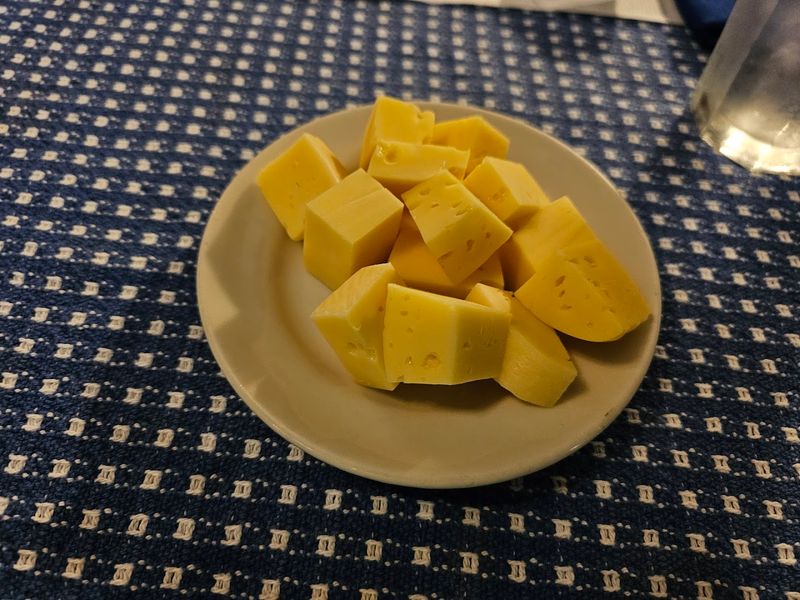
Few things on the menu generate as much pure, unfiltered enthusiasm as the locally made Swiss cheese at The Hutte.
Soft, mild, and melt-in-your-mouth in a way that mass-produced grocery store cheese simply cannot replicate, this is the kind of cheese that makes you stop mid-conversation just to appreciate what is happening in your mouth.
A small cheese plate typically arrives with meals, which feels less like a side dish and more like a welcome gift. The cheese is made with care and connection to the same Swiss cheesemaking traditions the original Helvetia settlers brought with them from Europe.
That lineage is somehow detectable in every creamy bite.
Visitors consistently describe it as the best Swiss cheese they have ever tasted, with some comparing it favorably to cheese found in Europe. Ordering the full cheese plate as a starter is a genuinely excellent decision.
Pair it with the warm bread basket and the house hot mustard, and you have an opening act that honestly threatens to steal the show from everything that follows on the menu.
Homemade Applesauce and Sauerkraut That Change How You Think About Sides
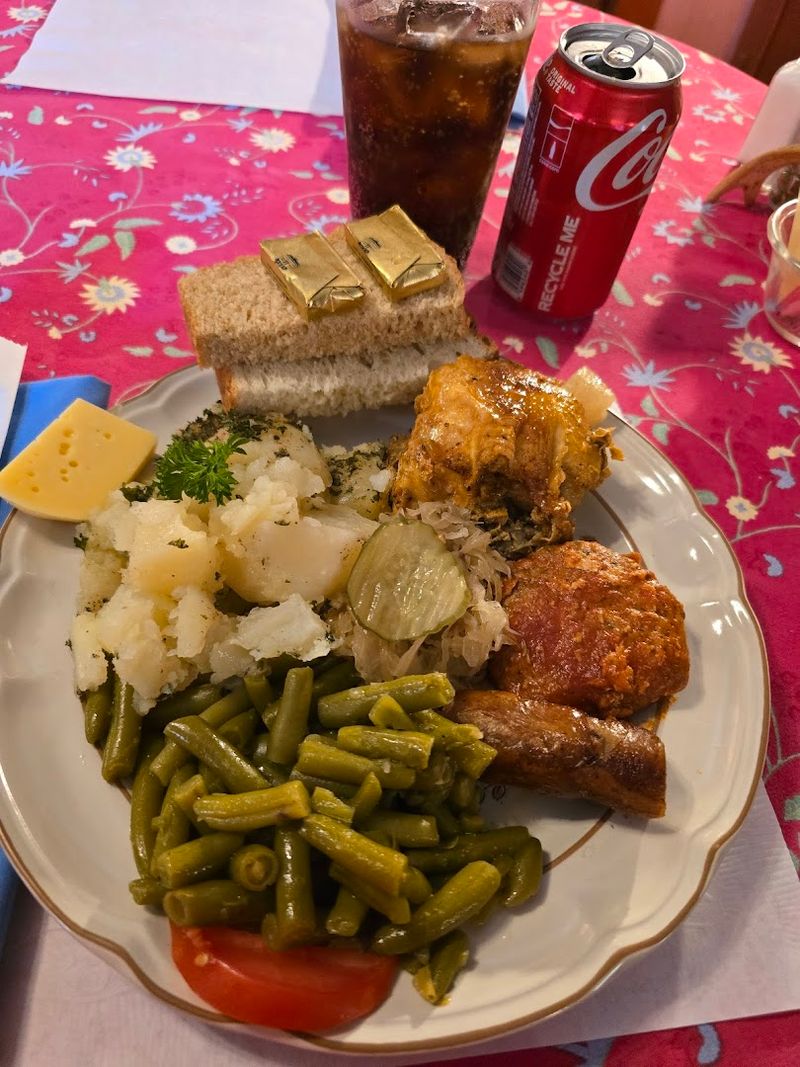
Side dishes are usually an afterthought. At The Hutte, they are quietly among the most memorable parts of the entire meal.
The homemade applesauce carries a brightness from what tastes like a hint of lemon zest, giving it a complexity that makes it feel more like a condiment than a simple accompaniment.
The sauerkraut is equally surprising. Rather than the sharp, aggressively sour version most people expect, this one leans slightly sweet and deeply savory, balancing perfectly against the richness of the bratwurst or ham.
It is the kind of side dish that makes you scrape the bowl clean and quietly consider whether ordering a second helping would be socially acceptable.
Together, these two sides represent everything The Hutte does best: taking humble, traditional ingredients and preparing them with such care and precision that they become genuinely extraordinary. They are not fancy.
They do not need to be. Their simplicity is exactly the point, and their quality is a direct reflection of a kitchen that takes even the smallest details seriously every single service.
The Sampler Plate: The Best Way to Experience Everything at Once
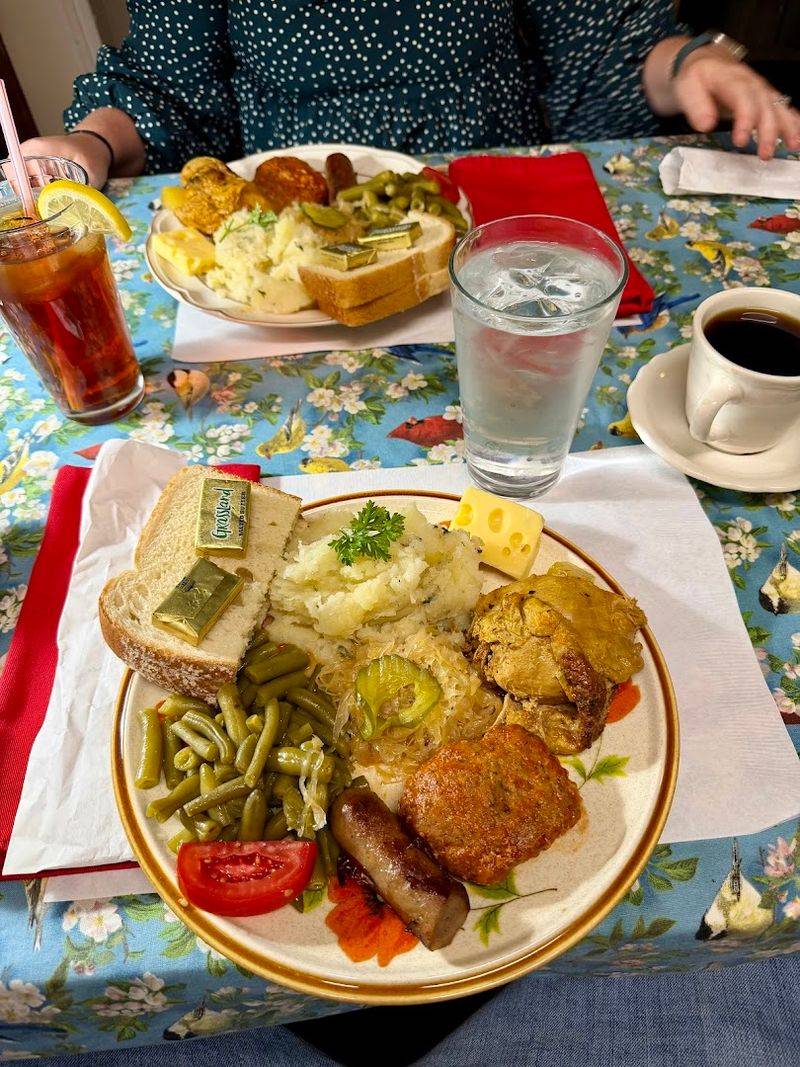
For first-time visitors who cannot decide what to order, the sampler plate solves the problem beautifully. It is a heaping, generous spread that covers the greatest hits of the menu in one spectacular presentation.
Bratwurst, chicken, rosti, sauerkraut, green beans, mashed potatoes, Swiss cheese, fresh bread, and peach cobbler for dessert, all arriving together in what can only be described as a very good life decision.
The sampler is typically available on Saturdays through certain seasons, making it worth checking ahead of time to plan your visit accordingly. When it is on offer, it tends to be the dish that tables around you are eating, and for good reason.
The portion size is genuinely impressive, which is part of why splitting it with a companion works surprisingly well.
What makes the sampler more than just a large plate of food is the way it tells the full story of The Hutte’s culinary identity in one sitting. Every component connects back to Swiss heritage, Appalachian tradition, or both simultaneously.
It is less a meal and more an edible introduction to Helvetia itself.
Peach Cobbler: The Dessert That Closes the Meal Perfectly
By the time dessert arrives, most guests are already deeply content. Then the peach cobbler shows up, and suddenly there is room for one more thing.
Warm, golden, and fragrant, this dessert has developed a devoted following among everyone who has ever made the drive out to Helvetia.
It is not a complicated dessert. That is precisely why it works so well.
The crust is tender and buttery. The peach filling is sweet without being cloying, carrying the kind of honest fruit flavor that reminds you of summer even in the middle of autumn.
It arrives feeling like the natural conclusion to a meal that was already incredibly satisfying from start to finish.
Several visitors have described the peach cobbler as genuinely out of this world, which sounds like hyperbole until you actually eat it. Some guests, upon finishing their meal and preparing to pay, are surprised to learn dessert is still coming.
That moment of unexpected delight is very on-brand for The Hutte, a restaurant that consistently delivers more than anyone quite expects when they first pull up to 1 Main St.
The Fasnacht Festival and the Living Cultural Calendar
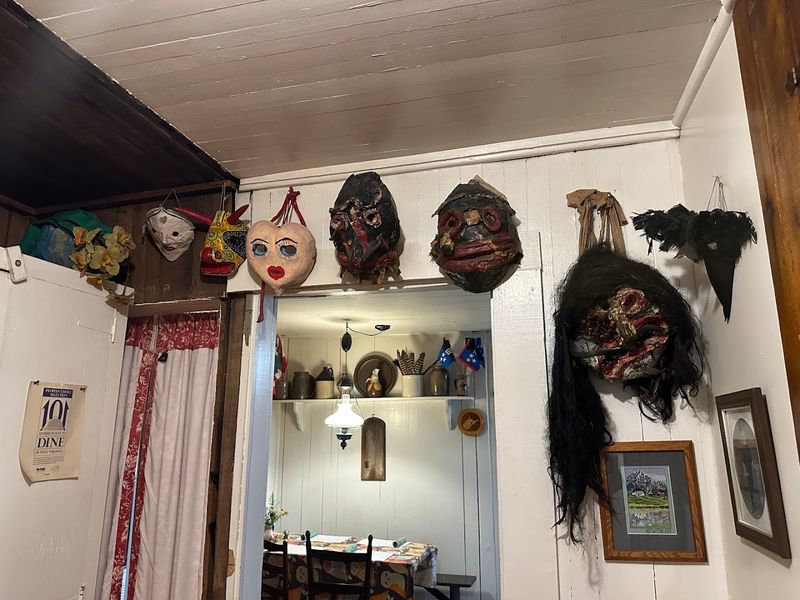
Helvetia does not just preserve Swiss culture inside a restaurant. The whole village celebrates it through living traditions, and the annual Fasnacht festival is the most spectacular example.
Fasnacht is a traditional Swiss carnival held before Lent, and Helvetia’s version draws visitors from across the region who come to experience something genuinely unlike any other event in West Virginia.
During Fasnacht, The Hutte shifts to a sampler-only menu to accommodate the larger crowds, which is actually a perfect way to experience the food during a day already packed with cultural energy.
Colorful handmade Fasnacht masks decorate the restaurant walls year-round, serving as a permanent reminder of the celebration even when the festival itself is months away.
The masks are striking, vivid, and slightly otherworldly, adding a layer of visual drama to the already fascinating interior decor. Visiting during Fasnacht means experiencing Helvetia at its most alive and communal.
But even on a quiet Tuesday in November, the spirit of that celebration lingers in the building, in the food, and in the warmth of everyone who works there and keeps these traditions breathing.
Practical Tips for Planning Your Visit to The Hutte
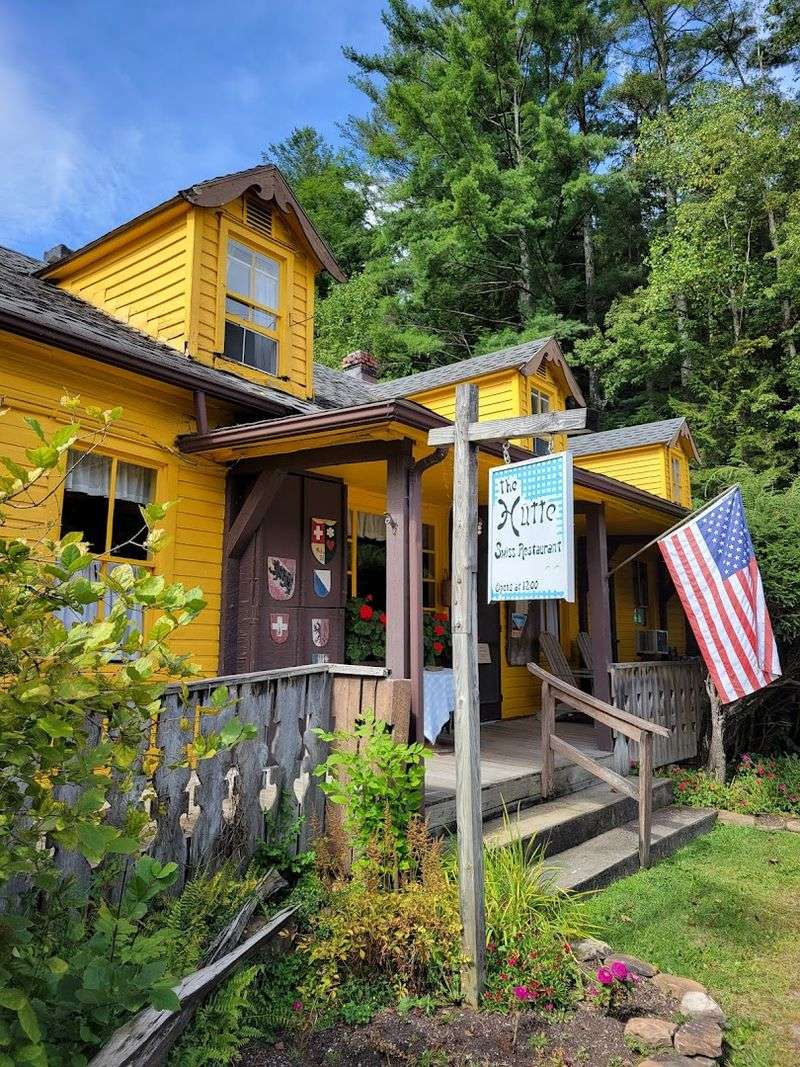
Planning ahead makes the difference between a smooth, joyful visit and an unfortunate drive home hungry. The Hutte operates on limited hours and is located in a genuinely remote area, so calling ahead before making the trip is strongly recommended.
A reservation is not always required, but it is always a smart idea given how far most visitors travel to get here.
Cash and checks are the accepted payment methods, so leaving the credit card in the wallet is essential. There are no ATMs conveniently nearby, and the last thing anyone wants is to eat an incredible meal and then scramble to figure out how to pay for it.
Bringing enough cash ensures the experience stays entirely stress-free from arrival to departure.
The drive to Helvetia is part of the adventure. Winding mountain roads deliver stunning Appalachian scenery that makes the journey feel worthwhile before the food even enters the picture.
Make sure to arrive with a healthy appetite and plenty of time to wander the village before or after the meal. The Hutte is not a quick stop.
It is a full experience worth savoring completely.
Address: 1 Main St, Helvetia, WV
