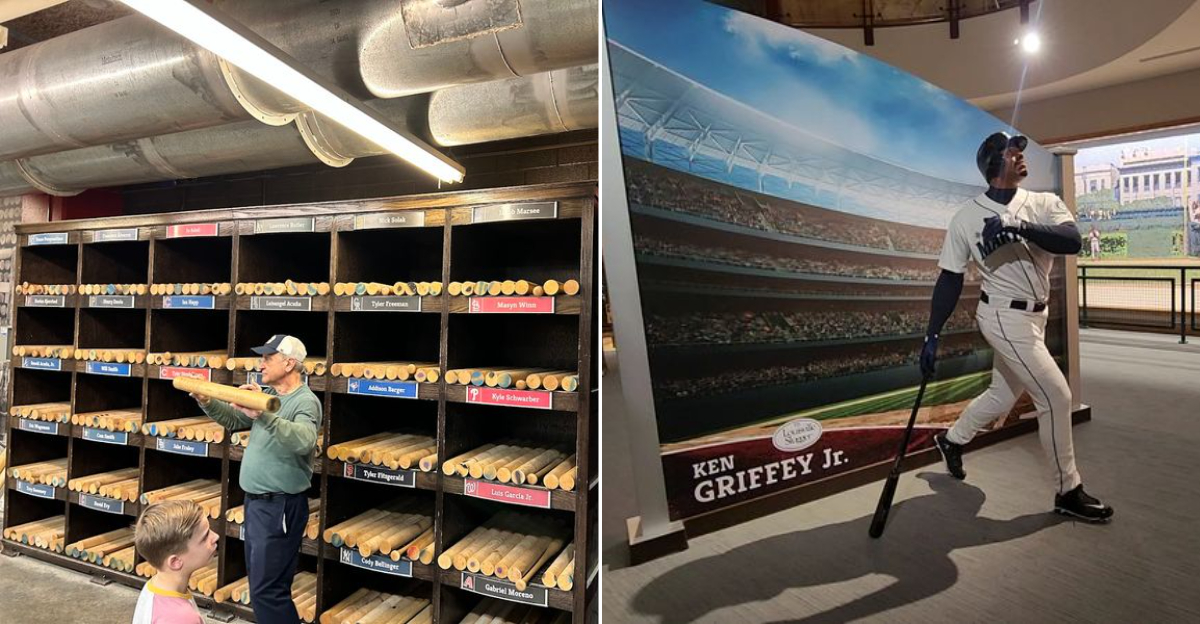
Have you ever held a baseball bat and wondered about the hands that shaped it? I felt that curiosity the moment I stepped into this iconic factory tour in Kentucky, where the air smells like fresh wood and history.
Watching a craftsman turn a simple cylinder of ash into a perfectly balanced bat felt almost like witnessing magic. The machines hum, the sawdust flies, and you can actually touch the same wood that legends once gripped.
I walked away with a mini bat and a huge appreciation for the skill behind every swing. It is not just a tour, it is a reminder that great things start as raw pieces of nature, shaped by patient, skilled hands.
Whether you love baseball or simply admire honest craftsmanship, this day trip will leave you inspired and smiling. Bring your curiosity and leave with a story worth telling.
The Giant Bat Sets The Mood
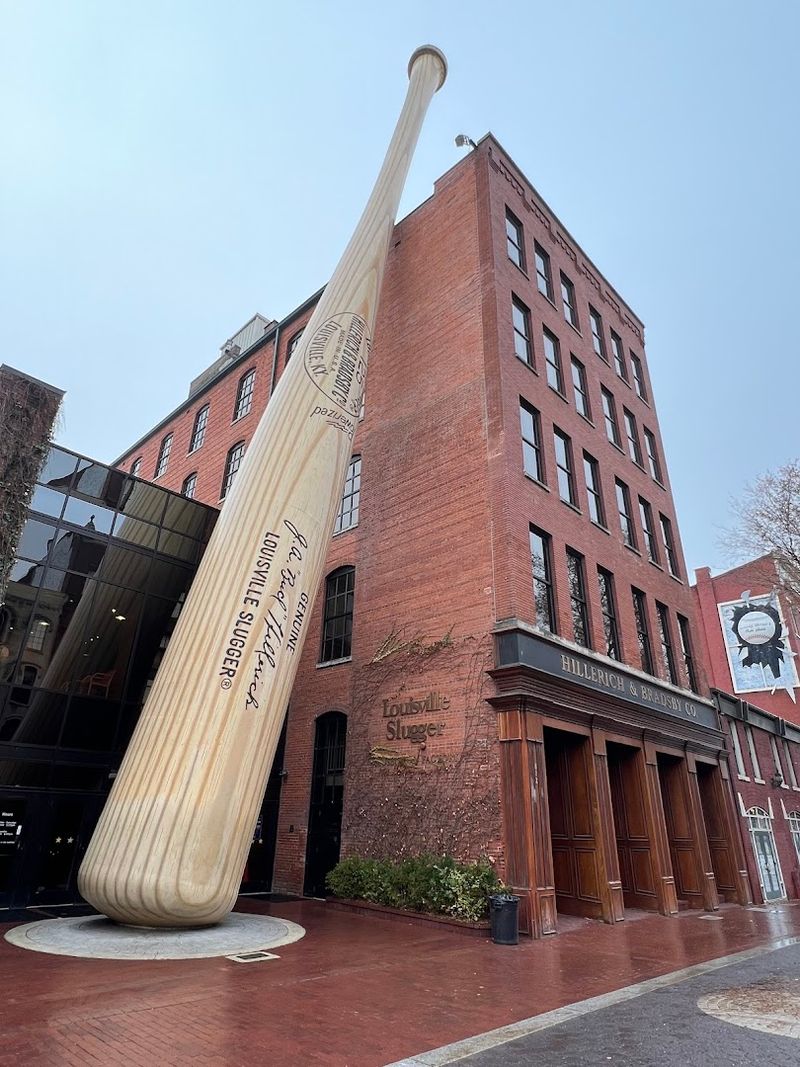
The first thing that gets you is the giant bat outside, and honestly, it does exactly what a landmark should do because it makes you grin before you even open the door. You do not need to care deeply about baseball to feel the pull of that entrance, since it has the kind of playful confidence that tells you the visit is going to be more than a few display cases and a gift shop.
Standing there on Main Street, you already get the sense that this place knows its own story and is not shy about telling it.
That matters more than you might think, because so many factory tours begin in a flat, practical way that feels like homework with better lighting. Here, the building gives you a little theater right away, and the downtown Louisville setting adds that nice feeling of being somewhere storied without making the whole thing feel stiff.
It is welcoming, a little dramatic, and completely comfortable at the same time.
I love attractions that let you settle into the mood before any guide starts talking, and this one really does that well. You walk up curious, then amused, then suddenly a little invested, which is a pretty good emotional progression for the front sidewalk.
Main Street Feels Like The Right Place
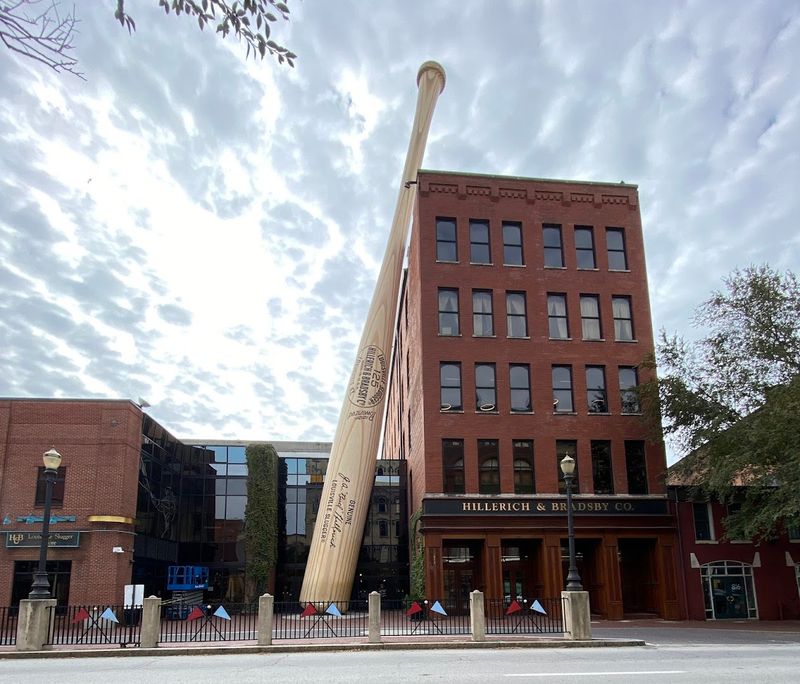
What I appreciate almost immediately is how well this place fits its block, because the museum does not feel dropped into downtown Louisville as some random attraction. It feels rooted there, like the city and the brand grew up together and still speak the same language.
When you head to Louisville Slugger Museum & Factory at 800 W Main St, Louisville, KY 40202, you are walking into a part of Kentucky that still feels proudly connected to making things with care.
Main Street helps with that feeling a lot, since the historic stretch around the museum gives the visit some texture before the tour even begins. You are not just stepping into a factory experience in isolation, but into a neighborhood that makes the whole outing feel grounded and worth slowing down for.
I always like when a place gives you a strong sense of where you are, and this one absolutely does.
Even before you get to the exhibits, there is already a nice shift in pace that makes the day feel intentional instead of rushed. You arrive expecting a quick stop, and then the street, the facade, and the whole atmosphere start convincing you to stay present for it.
The Opening Film Actually Pulls You In
I am usually the person who braces for the introductory video and hopes it is short, but this one genuinely helps you settle into the story. Instead of feeling like filler before the main event, it gives the whole visit a little heartbeat and makes the factory floor feel connected to people, memory, and tradition.
That is a pretty smart way to begin, because by the time you move on, you are no longer just waiting to see machines at work.
The film gives you context without drowning you in it, which is harder to pull off than museums like to admit. You come away with enough background to understand why Louisville Slugger matters, while still feeling curious rather than overloaded.
I think that balance is a big reason the tour lands so well with people who arrive at different levels of interest.
There is also something nice about starting in a dark, quiet room before stepping into the brighter, busier factory spaces. It creates a little pause, and that pause makes the rest of the experience feel more deliberate.
You are eased into the place instead of pushed through it, and I really noticed the difference.
Watching Bats Take Shape Is Weirdly Mesmerizing
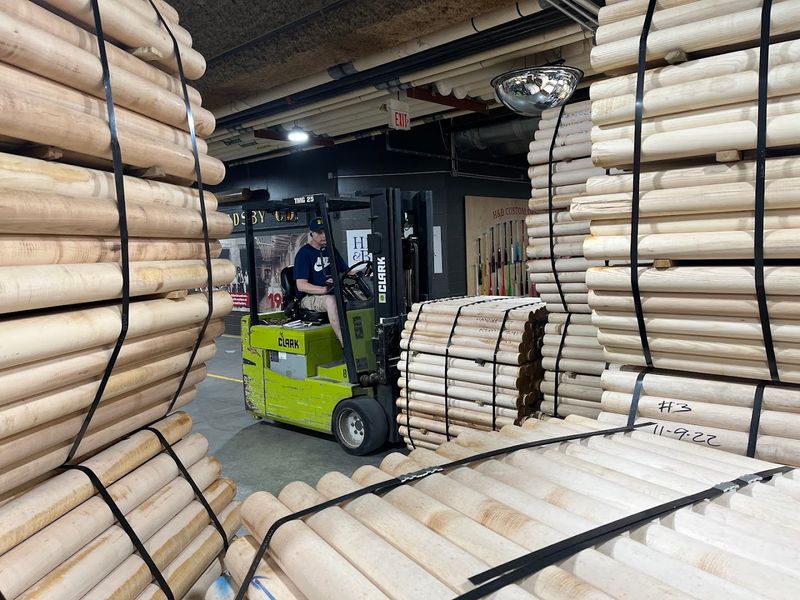
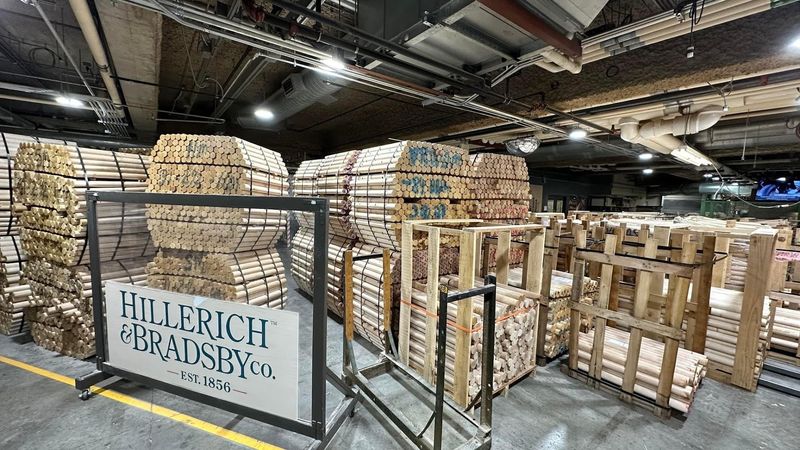
Once you are looking down onto the factory floor, it gets surprisingly hard to pull your eyes away from what is happening. A baseball bat is such a familiar object that you almost forget it has to come from somewhere, and then suddenly you are watching raw wood move through shaping, sanding, branding, and finishing in a steady sequence that feels both practical and a little beautiful.
The whole process has that satisfying rhythm that makes ordinary manufacturing feel almost theatrical.
I think what stays with you is the mix of precision and repetition, because it reminds you how much attention lives inside things we casually recognize. You are not just hearing that bats are made here in Kentucky, but seeing the line of work itself unfold in front of you.
That directness gives the tour a lot of its power.
There is also a simple pleasure in standing with other visitors and quietly tracking each step as the wood changes shape. You can feel the room leaning into the same curiosity, which makes the experience communal in a really easy way.
Nobody has to force wonder onto it, because the process does that on its own.
The Craft Feels Human, Not Just Mechanical
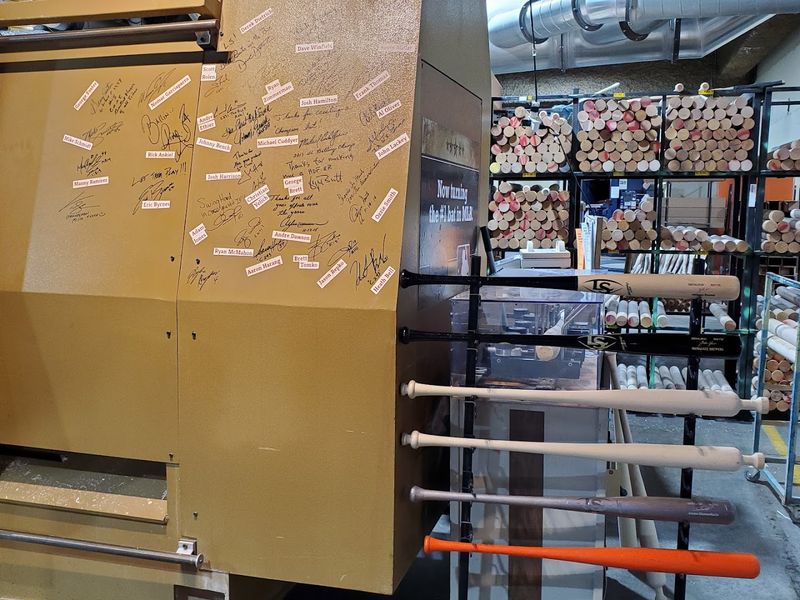
What surprised me most was how human the whole factory feels, even with machines doing a lot of the visible motion. You can sense that this is still about standards, touch, judgment, and the kind of practiced attention that only comes from people who know what they are looking for.
That changes the emotional temperature of the tour, because you are not only watching production happen, but noticing care show up in very ordinary motions.
There is something deeply appealing about seeing craftsmanship presented without fake nostalgia or overdone drama. The museum does not need to oversell the idea of skill, because the details make the point on their own.
A branded surface, a clean finish, a careful check along the way, and suddenly you are thinking less about souvenirs and more about labor done well.
I always think places like this work best when they leave room for your own reaction, and Louisville Slugger does that nicely. You can admire the efficiency, but you can also stand there thinking about generations of people who have made, used, and cared about these bats.
That is where the inspiring part starts to sneak up on you.
The Museum Side Gives The Story Some Weight
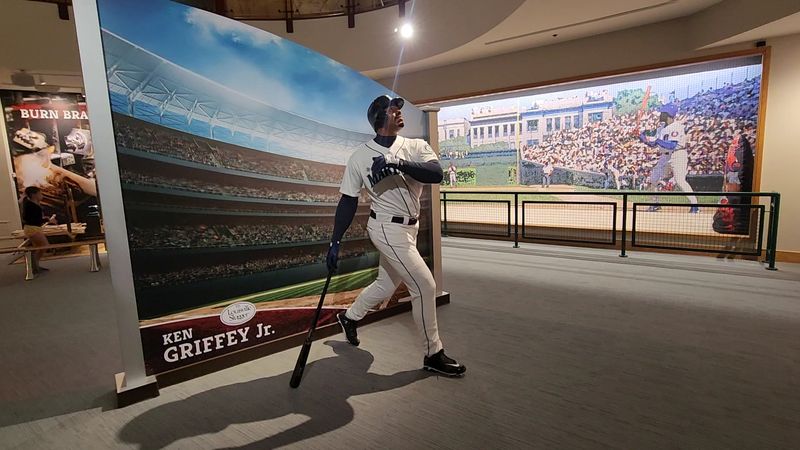
After the factory energy, the museum galleries slow everything down in a way that really helps the visit breathe. You move from watching bats being made into spaces filled with baseball history, and that shift gives the objects more meaning because now they are tied to real moments, real people, and a very long cultural thread.
Even if you are only casually familiar with the sport, the memorabilia has enough presence to pull you in.
I liked that the exhibits do not feel dusty or overly reverent, which can happen fast in sports museums. Instead, there is a liveliness to the displays, partly because the bat itself is such a direct object and partly because the storytelling stays clear and accessible.
You are never left feeling like you need specialized knowledge to understand why something matters.
That makes the whole place friendlier and more affecting than you might expect from the outside. The museum side gives the tour emotional depth without getting heavy, and that is a nice trick.
By this point, Kentucky starts feeling less like a backdrop and more like an active part of how this story continues to live.
Holding History Changes The Whole Experience
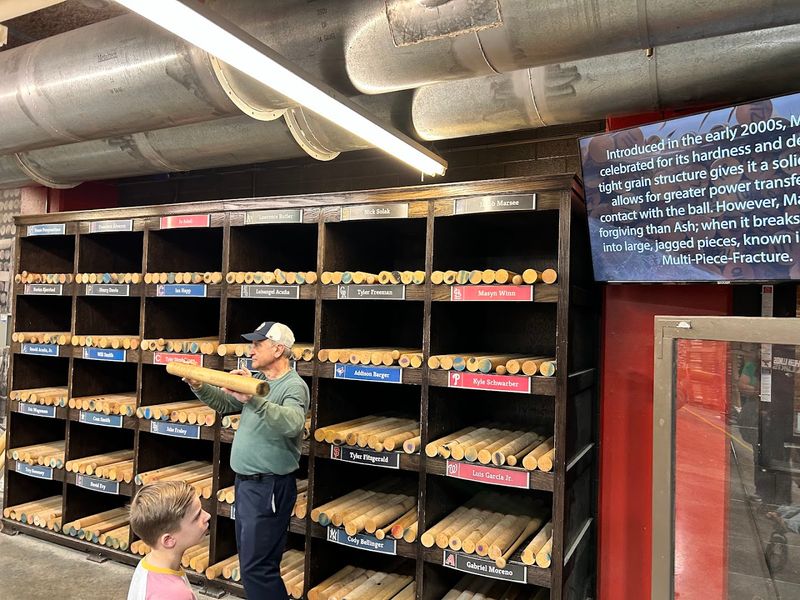
There is a real difference between looking at sports history and actually feeling some of it in your hands, and this place understands that completely. When you get the chance to engage with the material in a more direct way, the visit stops being abstract and starts feeling personal, almost immediate.
That little shift is powerful, because touch can do what labels and timelines sometimes cannot.
I am always grateful when a museum trusts visitors enough to make the experience tactile where it can, since that usually means the memory sticks better afterward. You leave not only remembering names or stories, but remembering weight, texture, and that strange jolt of connection that happens when an object suddenly feels real.
It is one of those moments that quietly changes the whole tone of the day.
What I like here is that the hands-on element does not come across as flashy or gimmicky. It fits naturally with the larger story about craftsmanship, use, and the life of an object beyond the display case.
If you are visiting Kentucky and want something that feels grounded instead of manufactured for attention, this part of the museum really delivers that feeling.
It Works Even If Baseball Is Not Your Thing
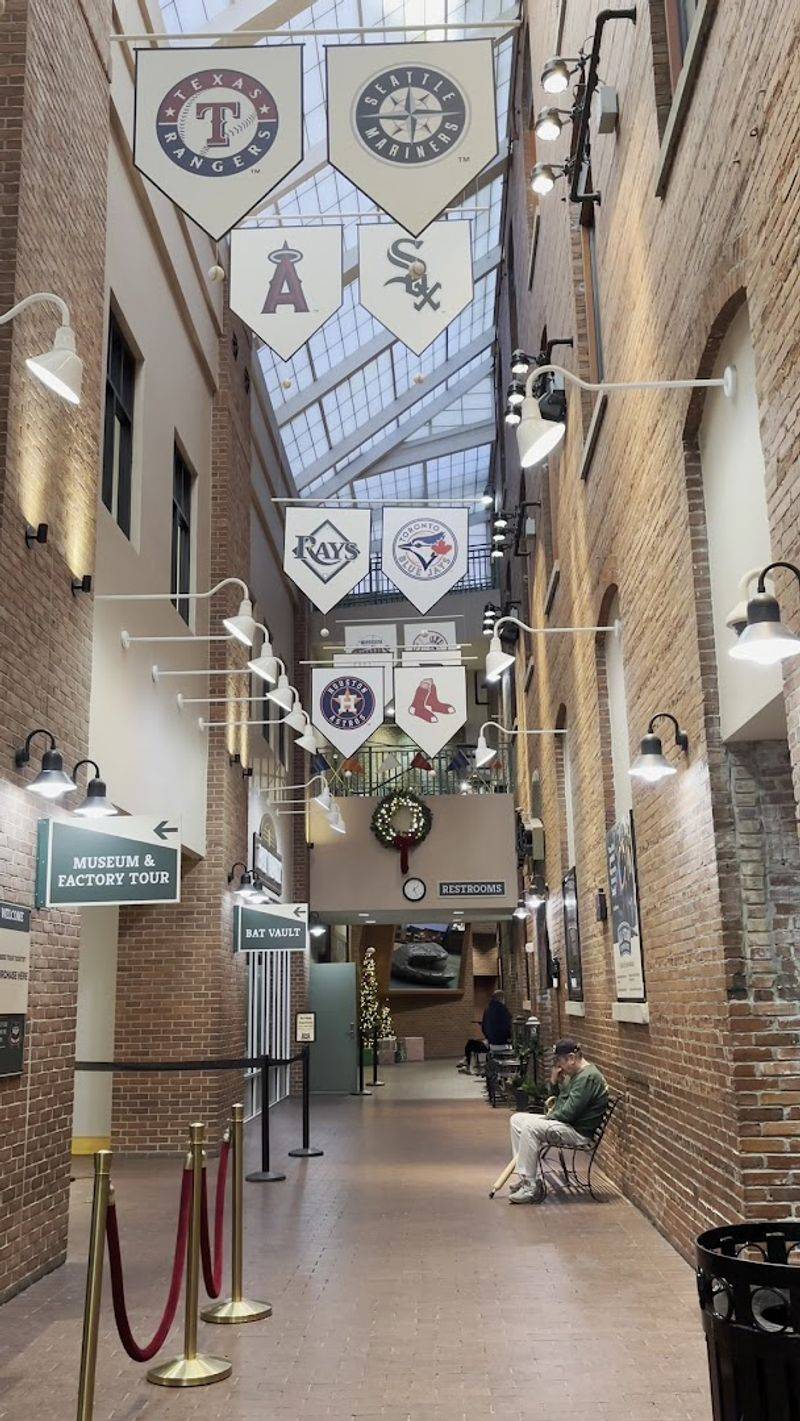
This is probably the part I would tell a skeptical friend first, because you really do not need to be a baseball obsessive for this place to click. At its best, the museum is about work, design, identity, memory, and the satisfaction of seeing how a familiar object comes into being.
Baseball gives the visit its language, but craftsmanship is what makes the experience feel universal.
That is why the day never feels closed off to newcomers or casual visitors. You can come in with almost no background and still find yourself drawn into the sights, sounds, and stories because the presentation stays approachable the whole time.
I have a lot of affection for attractions that respect your curiosity without making you prove anything first.
There is also a warmth to the place that keeps it from feeling too niche, and that warmth goes a long way. Families, solo travelers, and people just wandering through Louisville all seem able to find their own entry point.
In Kentucky, where so much travel can get framed through one expected lens, I like that this experience feels iconic while still remaining open, easy, and genuinely inviting.
You Leave Feeling More Inspired Than Expected
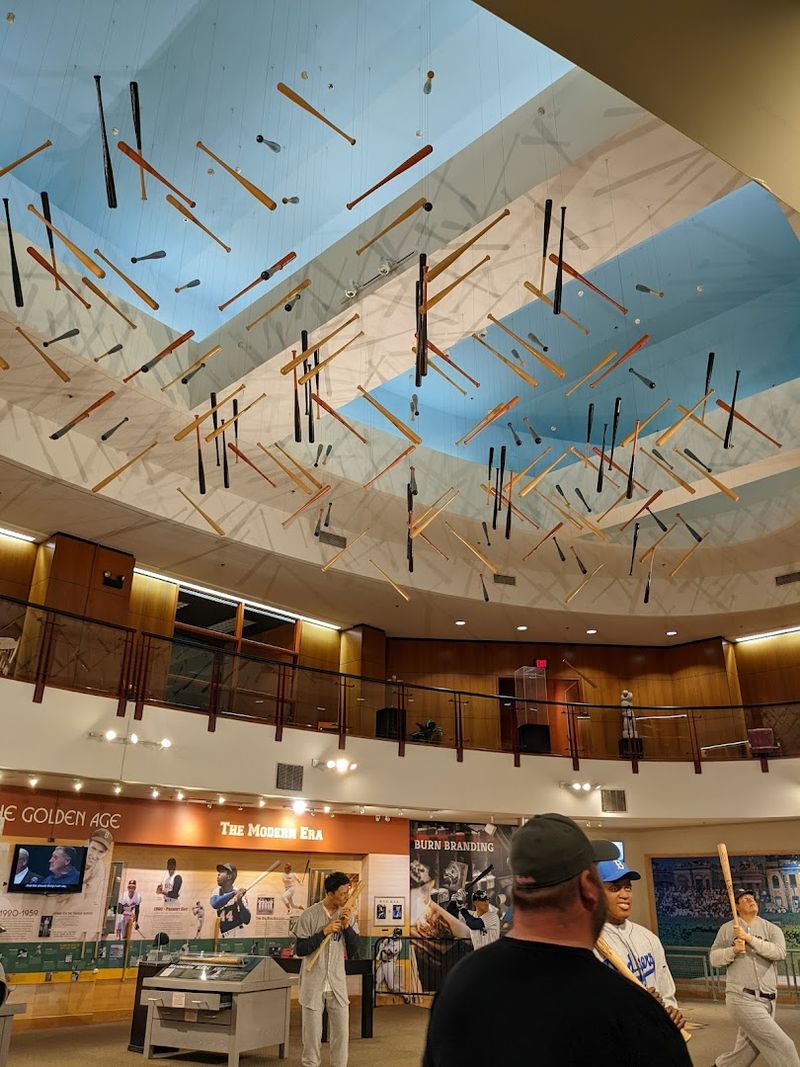
By the time you step back outside, the strongest feeling is not excitement exactly, though there is some of that too. It is inspiration, but in a grounded way, the kind that comes from seeing a place take its identity seriously without turning precious about it.
You have just spent time inside a working story, and that tends to stay with you longer than a standard museum visit.
I think the reason it lands so well is that Louisville Slugger connects several satisfying ideas at once. It is local but widely recognized, historic but still active, and deeply tied to Kentucky while also speaking to people far beyond the state.
That combination gives the visit a kind of emotional reach that feels bigger than the building itself.
If you are putting together a day in Louisville and want something that feels distinctly rooted, easy to enjoy, and actually worth talking about afterward, this is the stop I would bring up first. It has personality, movement, and heart, and none of that feels forced.
You leave with a better sense of the city, a stronger affection for Kentucky, and a quiet appreciation for things made well.
