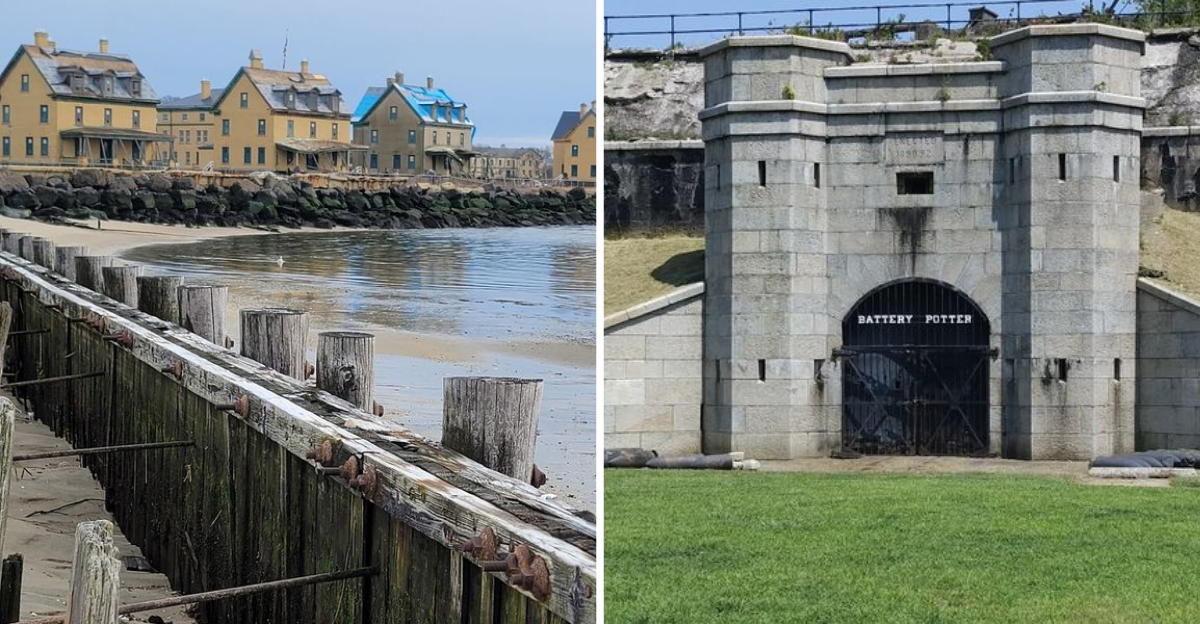
Did you know New Jersey has a seaside fortress that feels like stepping into a time machine, with cannons and old barracks whispering stories of the past?
The salty breeze mixes with history, making every walk along the grounds feel alive.
I once brought a picnic here and ended up spending more time imagining soldiers stationed by the shore than eating my sandwich.
Doesn’t it amaze you how places like this can make history feel less like a textbook and more like a lived-in memory?
The views stretch wide, blending ocean calm with echoes of defense. Insider tip: head there at sunset; the golden light makes the fortress walls look almost cinematic.
A Fort Built to Guard a Harbor
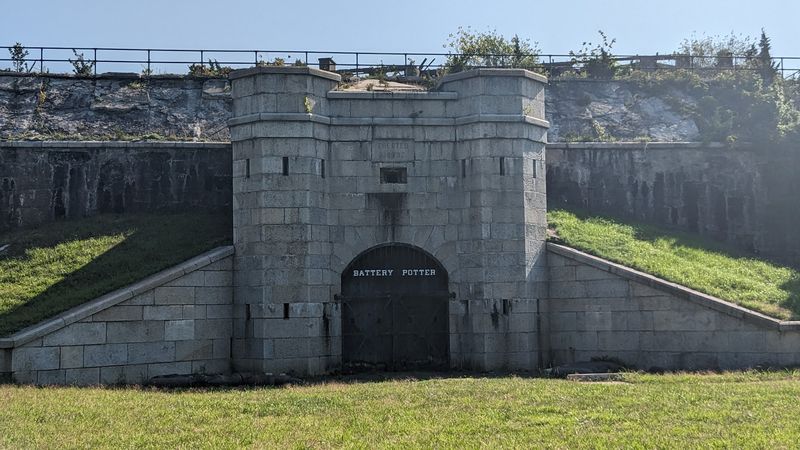
Few places in the Northeast carry the kind of layered military history that Fort Hancock holds so naturally. Perched at the northern tip of Sandy Hook, this fort was officially established in 1895, though the U.S.
Army had been building up defenses on this narrow strip of land since the 1850s. The location was no accident.
Sandy Hook sits at the entrance to New York Harbor, making it one of the most strategically important spots on the entire East Coast.
The original granite structure from 1859 was never fully completed, but it set the stage for everything that followed. Artillery batteries, ammunition bunkers, and officer quarters gradually took shape over the following decades.
The fort eventually grew into a full military installation capable of defending against naval attacks from the open sea.
What makes it so compelling today is how much of that history is still physically present. You can walk right up to the old gun emplacements and feel the sheer scale of what was built here.
The fort served through two World Wars and into the Cold War era, each chapter leaving its own mark on the landscape. Standing at the edge of the grounds with Manhattan visible across the water puts everything into perspective.
The Fort Hancock Museum and What It Reveals
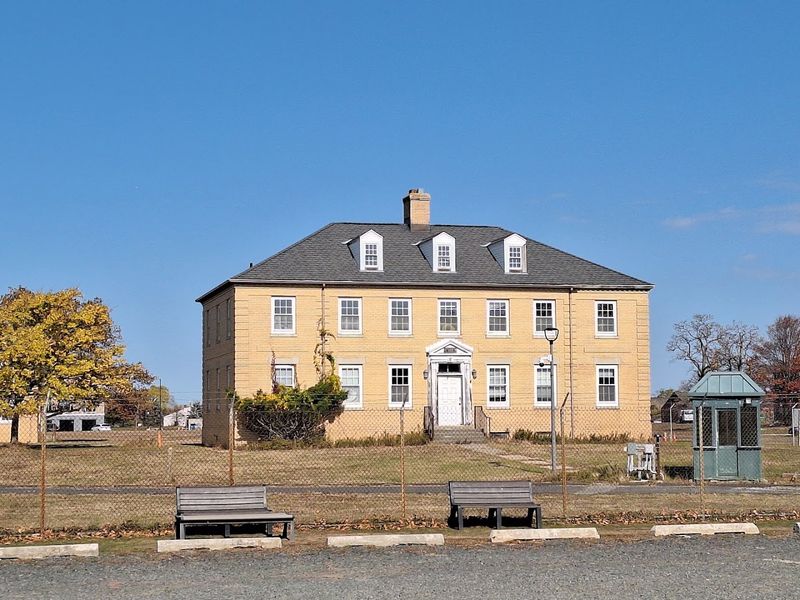
Tucked inside the beautifully restored Guardhouse, the Fort Hancock Museum is the kind of small museum that punches well above its weight. It does not try to overwhelm you with endless text panels.
Instead, it pulls you in with real artifacts, photographs, and thoughtfully arranged exhibits that tell the story of coastal defense from the late 1800s all the way through the Cold War.
The collection gives context to everything you see outside. Suddenly those concrete gun platforms and underground tunnels make a whole lot more sense.
You start to understand the scale of what it actually took to protect a harbor as busy and vital as New York’s, and how the technology evolved dramatically over just a few decades.
One of the most fascinating aspects is seeing how the fort adapted with the times. Early artillery gave way to more sophisticated systems, and by the mid-20th century, Nike missile technology had become part of the picture.
The museum walks you through each era with clarity and genuine care for the subject. Even if you are not a military history fan walking in, there is a good chance you will be one walking out.
Plan to spend at least 45 minutes here before heading outside to explore.
Battery Gunnison and the Gun Emplacements
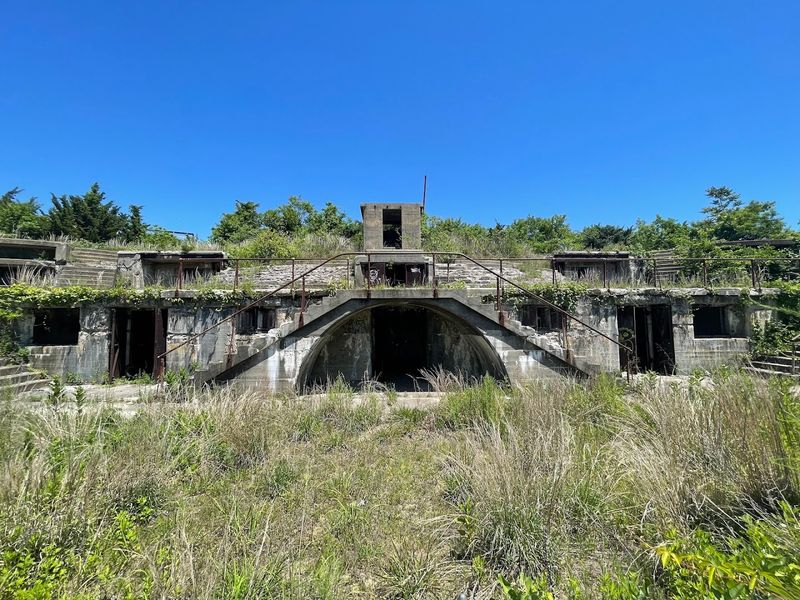
Battery Gunnison is the kind of place that stops you mid-step and makes you recalibrate your sense of scale. These massive concrete structures were designed to house enormous coastal artillery guns, and even without the weapons in place, the sheer bulk of the construction is jaw-dropping.
The walls are thick enough to absorb a direct hit, and the underground storage areas give you a real sense of how seriously this defense network was taken.
Walking through the battery feels a bit like exploring a concrete maze. Passageways lead to ammunition rooms, observation posts, and firing platforms that once held guns capable of reaching targets miles out at sea.
The engineering behind it all reflects both ambition and urgency, built during a time when a naval attack on New York Harbor was considered a genuine threat.
Preserved as part of the Gateway National Recreation Area, Battery Gunnison offers an up-close look at coastal defense history without any velvet ropes keeping you at a distance. You can actually walk through the spaces where soldiers once worked and waited.
The ocean breeze hits differently when you are standing at a gun platform facing open water, knowing that people once stood in this exact spot ready to defend the coastline. It is a moment that stays with you.
Officers Row and the Homes That Tell Their Own Story
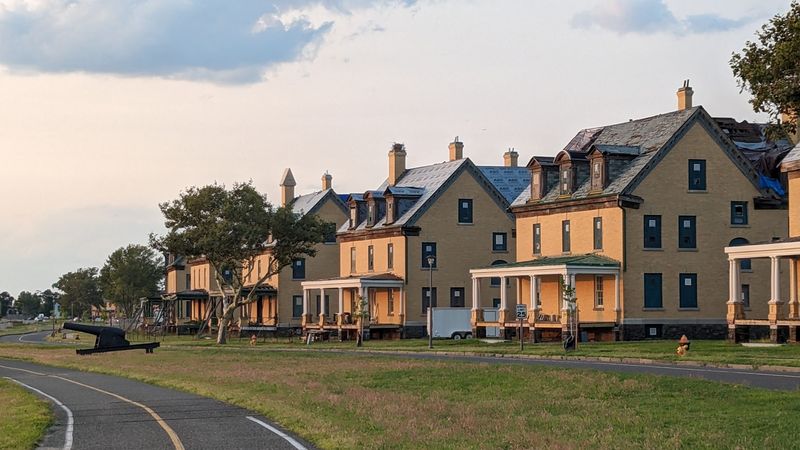
There is something unexpectedly moving about Officers Row. A long line of late-19th century homes stretches along the waterfront, each one a handsome reminder that Fort Hancock was not just a military post but a living community.
Families called this place home for generations, and the architecture reflects both the era and the ambition of the Army to create something lasting and dignified on this windswept peninsula.
Many of the homes are in various states of preservation, some restored beautifully and others showing the honest wear of decades without full upkeep. That contrast actually adds to the atmosphere rather than detracting from it.
The peeling paint and overgrown paths carry their own kind of poetry, a reminder that history is not always tidy or fully funded.
One of the standout stops along the row is the History House, a restored officer’s residence set up to reflect daily life during the 1940s. Period furniture, kitchen equipment, and personal items bring the space to life in a way that photographs simply cannot.
Osprey nests have taken over some of the chimneys along the row, which adds a delightful layer of wildness to the whole scene. Bring a camera because the light along this stretch in the late afternoon is genuinely stunning.
Sandy Hook Lighthouse: The Oldest in the Country
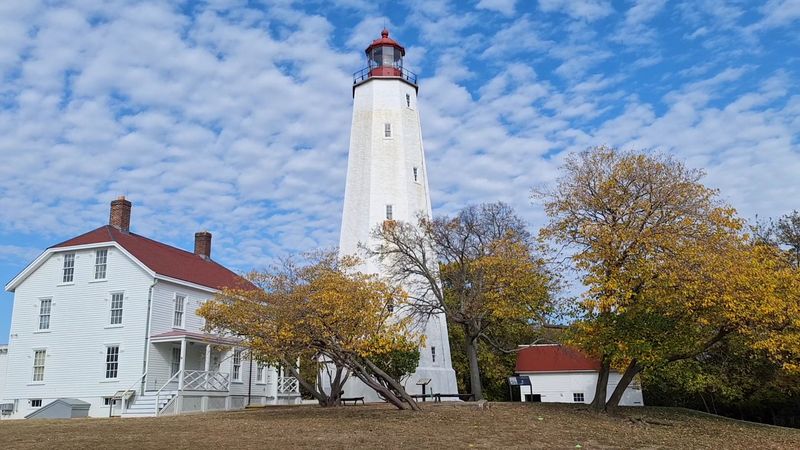
Built in 1764, the Sandy Hook Lighthouse holds a title that genuinely earns a double-take: it is the oldest operating lighthouse in the entire United States. That is not a regional claim or a technicality.
This lighthouse has been guiding ships into New York Harbor for over 260 years, outlasting wars, storms, and centuries of change on the shoreline around it.
The lighthouse is a National Historic Landmark, and standing at its base gives you a real appreciation for colonial-era engineering. The octagonal white tower rises 85 feet above the ground, and on days when ranger-led tours are available, climbing to the top rewards you with panoramic views that stretch all the way to the Manhattan skyline.
The original Fresnel lens, dating back to the late 1800s, is still visible and absolutely worth seeing up close.
Getting here is easy since the lighthouse sits within the Fort Hancock grounds and is accessible on foot or by bike from the main parking areas. The surrounding landscape, with its maritime forest and open bay views, makes the walk itself part of the experience.
Tour availability varies by season, so checking ahead with the National Park Service before your visit is a smart move. This is one of those rare spots where the history feels completely unmediated and alive.
The Beaches of Sandy Hook and Ocean-Fresh Eats Nearby
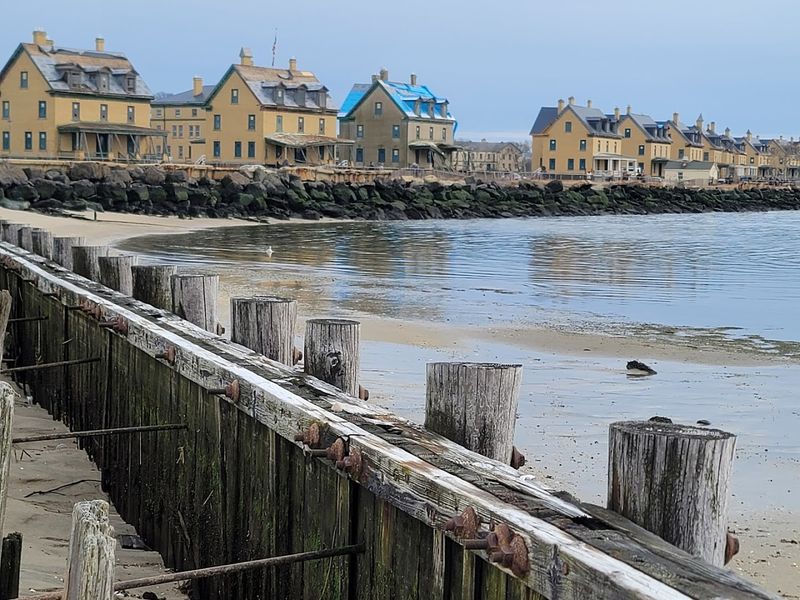
Seven miles of beaches line the Sandy Hook peninsula, ranging from calm bay-side shores to open Atlantic stretches with real surf energy. The variety is part of the appeal.
Families with young kids tend to gravitate toward the gentler bay beaches, while the ocean-facing stretches attract swimmers and surf-watchers who enjoy a bit more wave action with their sunbathing.
After a morning exploring Fort Hancock’s bunkers and batteries, the pull of the ocean becomes hard to resist. There is a small cafe near the lighthouse and fort parking area that serves snacks and light bites, making it a convenient stop for anyone who worked up an appetite on the bike trail.
Lobster rolls, fresh seafood, and casual waterfront dining are also available at nearby spots just outside the park, giving the whole visit a genuinely coastal New Jersey flavor.
The combination of history and beach access is honestly what sets Sandy Hook apart from other historic sites in the region. Most military parks do not come with swimming beaches attached.
Parking fees apply during peak summer season between Memorial Day and Labor Day, but the park itself is free to enter year-round. Coming in the shoulder season, when the crowds thin and the light turns golden earlier, is a genuinely underrated way to experience the full magic of this place.
Birdwatching and Wildlife at Sandy Hook
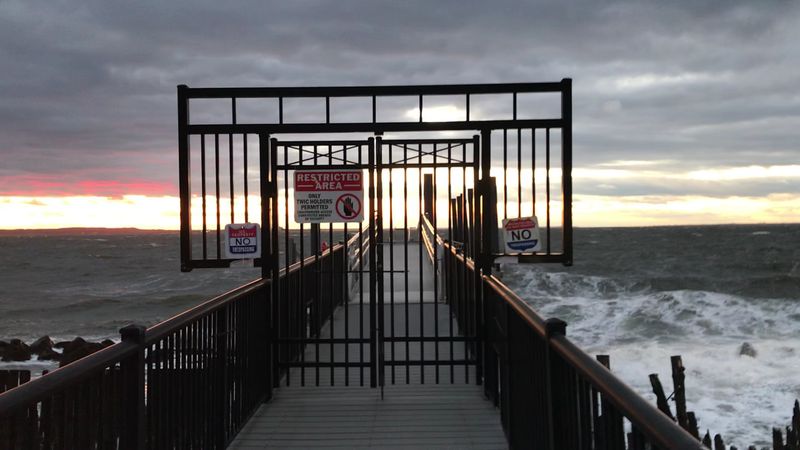
Sandy Hook sits along one of the most active migratory bird corridors on the East Coast, and the result is a birdwatching scene that genuinely surprises first-time visitors. The peninsula’s mix of habitats, maritime forest, freshwater ponds, salt marsh, and open beach, creates a layered ecosystem that attracts an extraordinary range of species throughout the year.
Spring and fall migrations bring the biggest variety, but interesting sightings happen in every season.
Ospreys are practically the unofficial mascots of the area. Their enormous stick nests perch on chimneys along Officers Row and on dedicated platforms throughout the grounds, and watching them dive for fish over the bay is one of those effortless wildlife moments that requires zero effort to enjoy.
Herons, egrets, piping plovers, and a rotating cast of warblers and raptors round out a checklist that keeps serious birders coming back repeatedly.
Even if birdwatching is not your primary reason for visiting, the wildlife presence adds a layer of vitality to the whole experience. The natural world has thoroughly reclaimed parts of the old military base, with vegetation pushing through concrete and birds nesting in structures built for entirely different purposes.
That overlap of the wild and the historical gives Fort Hancock an atmosphere that feels genuinely alive rather than preserved behind glass. Bring binoculars if you have them.
Planning Your Visit to Fort Hancock
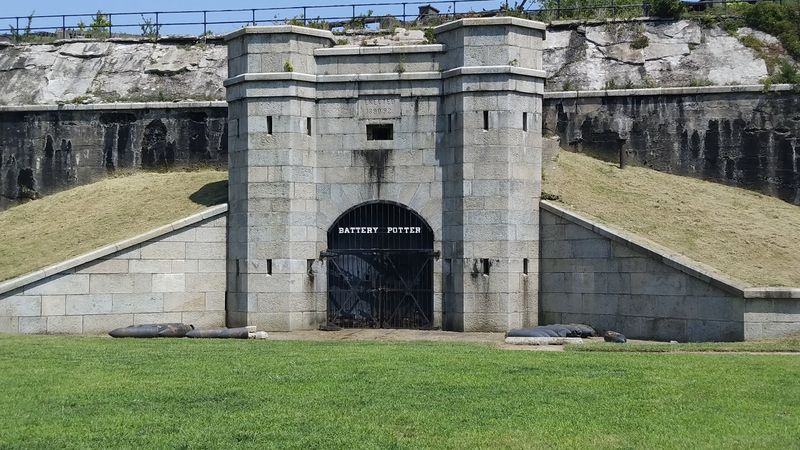
Fort Hancock is open to visitors every day of the week, with grounds accessible from 6 AM to 8 PM. The park is part of the Gateway National Recreation Area, managed by the National Park Service, which means the entry to the fort itself is free year-round.
Parking fees apply at the beach areas during the summer season, but simply coming to explore the historic grounds and trails costs nothing extra beyond the drive out.
Getting there is straightforward from most of northern New Jersey and the New York metro area. The Sandy Hook peninsula is accessible by car via the Garden State Parkway, and seasonal ferry service from New York City makes it reachable without a vehicle during the warmer months.
The visitor center near the lighthouse area is a helpful first stop for maps, ranger schedules, and information on guided tours when available.
Wearing comfortable shoes is genuinely important here. The grounds cover a significant area, and the best parts require actual walking across uneven surfaces and sandy paths.
Bringing water, sunscreen, and snacks is a smart move, especially in summer when the sun reflects off the concrete and sand with real intensity.
Address: Sandy Hook, NJ 07732.
Dear Reader: This page may contain affiliate links which may earn a commission if you click through and make a purchase. Our independent journalism is not influenced by any advertiser or commercial initiative unless it is clearly marked as sponsored content. As travel products change, please be sure to reconfirm all details and stay up to date with current events to ensure a safe and successful trip.
