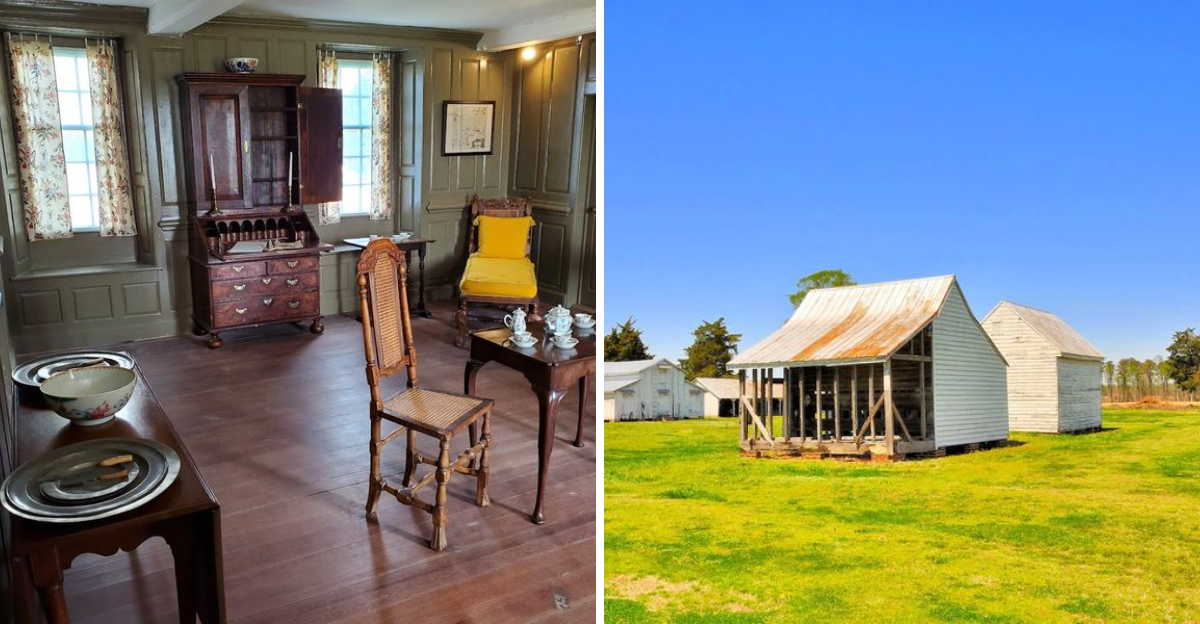
Few places make an impression this quickly, and this Virginia estate is one of them. Hidden in Surry County, it holds records most historic sites can only dream of, including the oldest surviving English formal garden in North America.
The architecture alone is striking, with centuries-old brickwork still standing strong after more than 350 years. Every detail feels preserved with purpose, offering a clear window into a much earlier era.
It challenges the usual image of Virginia history and replaces it with something far more tangible, immersive, and enduring.
Virginia’s Oldest Brick House Still Standing Strong
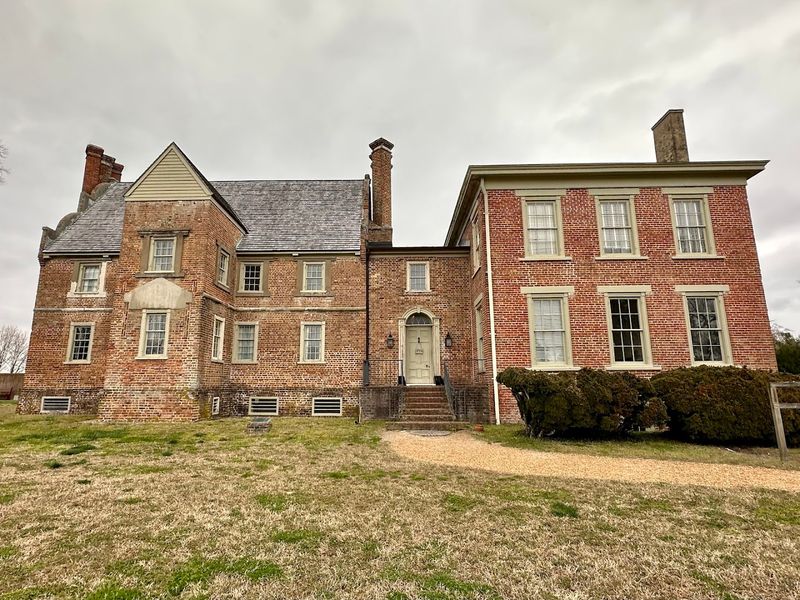
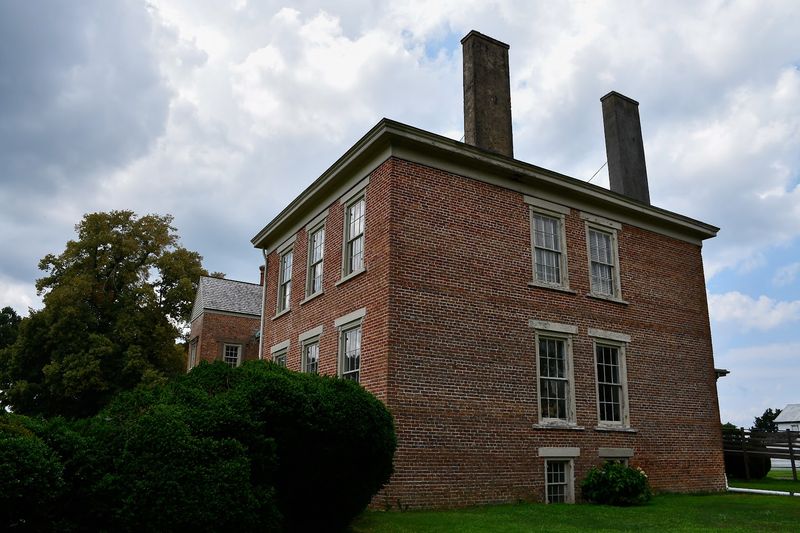
Few buildings on American soil can claim the kind of age and resilience that Bacon’s Castle proudly wears on its centuries-old brick facade. Built in 1665 by Arthur Allen, this remarkable structure is recognized as the oldest documented brick dwelling in all of North America, a title that carries serious weight.
Standing in Surry, Virginia, the house looks almost impossibly intact for something so ancient. About 75 percent of the original building material is still in place, meaning the very bricks you see were laid by hand more than three and a half centuries ago.
That fact alone gives me chills every time I think about it.
Virginia has no shortage of historic homes, but this one operates on a completely different level. The sheer permanence of the structure, the way it anchors itself to the land, makes every other colonial-era building feel almost temporary by comparison.
Bacon’s Castle is not just old. It is extraordinarily, breathtakingly old, and it has the credentials to prove it.
Jacobean Architecture That Will Absolutely Blow Your Mind
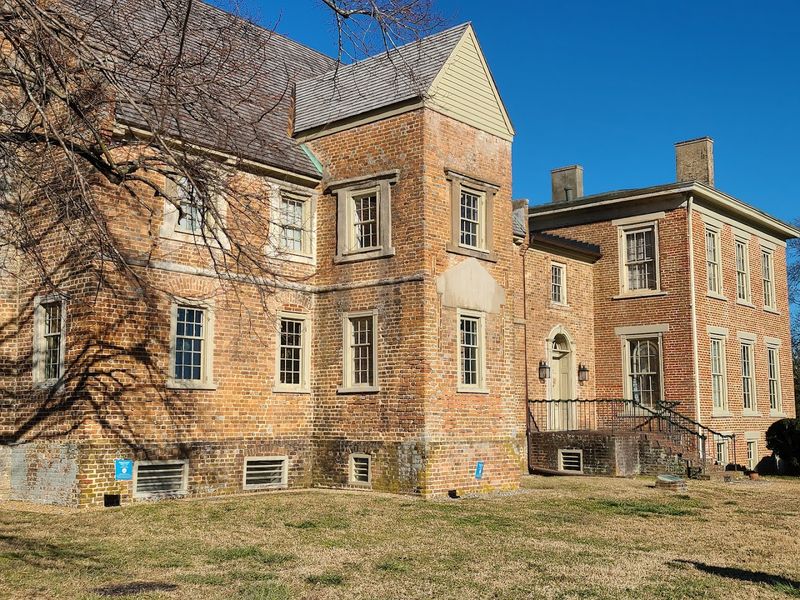
Jacobean architecture is rare anywhere in the world, but finding a near-perfect example of it sitting quietly in rural Virginia feels almost surreal. Bacon’s Castle showcases the style with a confidence that only comes from being the real thing, not a reproduction, not a restoration fantasy, but the genuine article.
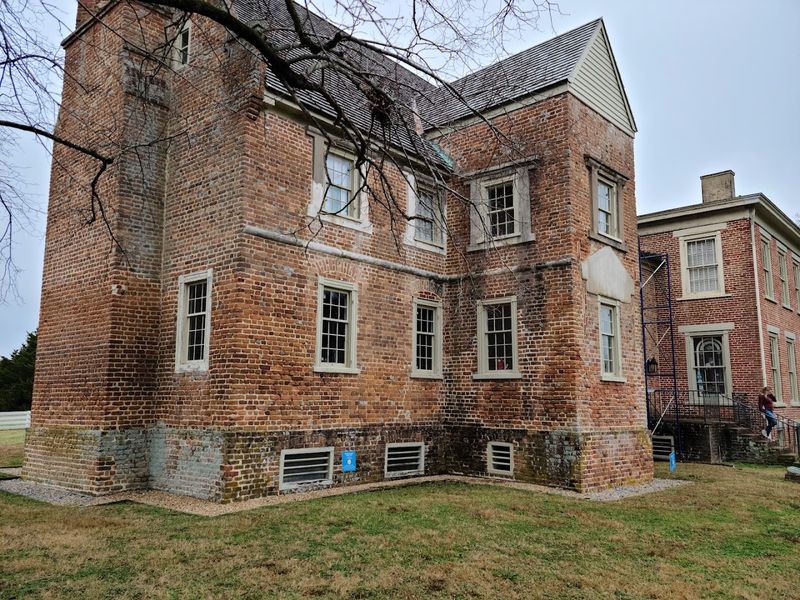
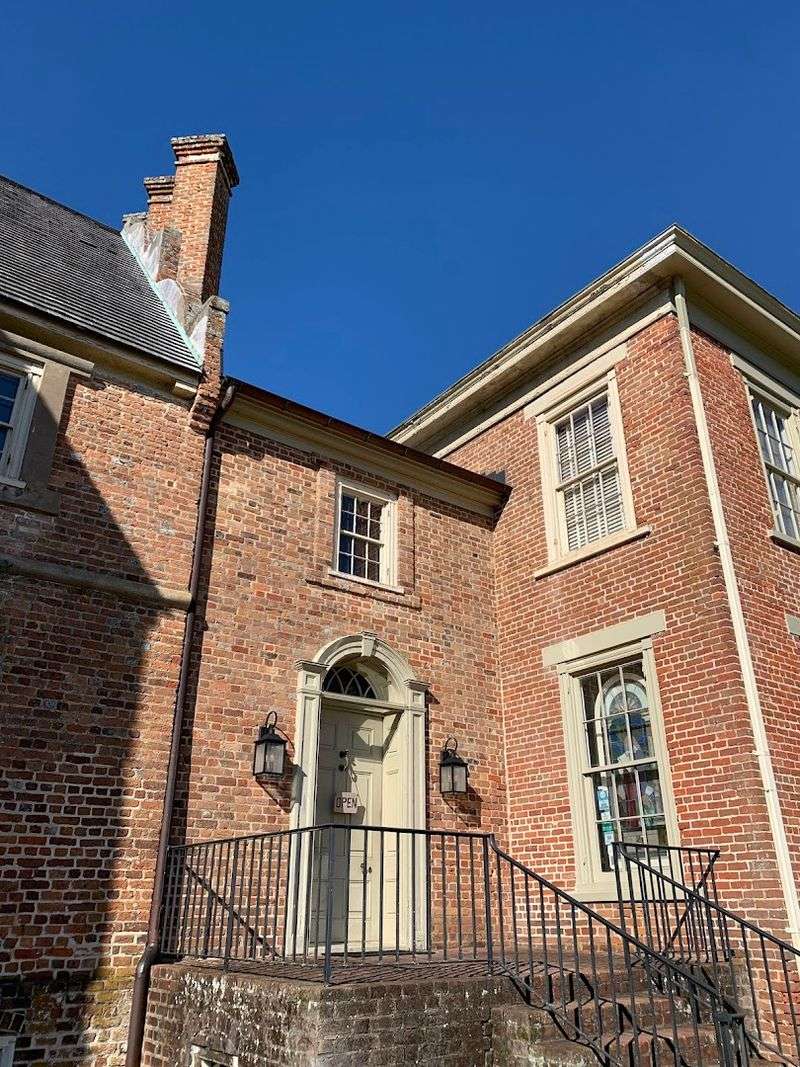
The building’s most striking features are its curvilinear gable ends, a signature Jacobean flourish that was fashionable in early 17th-century England and almost never seen in colonial America. Paired with the dramatic triple-clustered chimney stacks rising from each end, the silhouette of this place is unlike anything else on the continent.
Walking around the exterior, I kept noticing small details that most people rush past. Tiny shells are embedded in the mortar between the exterior bricks, a quirky colonial-era building technique that adds a layer of texture and charm to the already striking facade.
The craftsmanship throughout Bacon’s Castle reflects a builder who took enormous pride in every single detail, and that pride has kept the structure standing for well over three centuries in the Virginia countryside.
The Oldest English Formal Garden in North America
The garden at Bacon’s Castle is not just beautiful. It is historically significant in a way that makes every carefully placed plant feel like a living artifact.
Archaeologists have confirmed that this is the oldest surviving English formal garden in North America, a designation that puts it in an entirely different category from any other garden on the continent.
Formal English gardens of this era were designed with strict geometry, symmetrical beds, and deliberate plantings meant to signal wealth and sophistication. The garden here at Bacon’s Castle follows those same principles, offering a layout that echoes what a prosperous 17th-century Virginia planter would have proudly shown off to guests.
Strolling through it on a clear morning feels genuinely transportive. The neatly organized beds, the sense of structured calm, and the knowledge that people walked these same paths centuries ago create an atmosphere that no museum exhibit could ever replicate.
Virginia has many gardens worth visiting, but this one carries a weight of history that makes every step feel meaningful. Bacon’s Castle turns a garden walk into something closer to time travel.
The Rebel Story Behind That Unforgettable Name
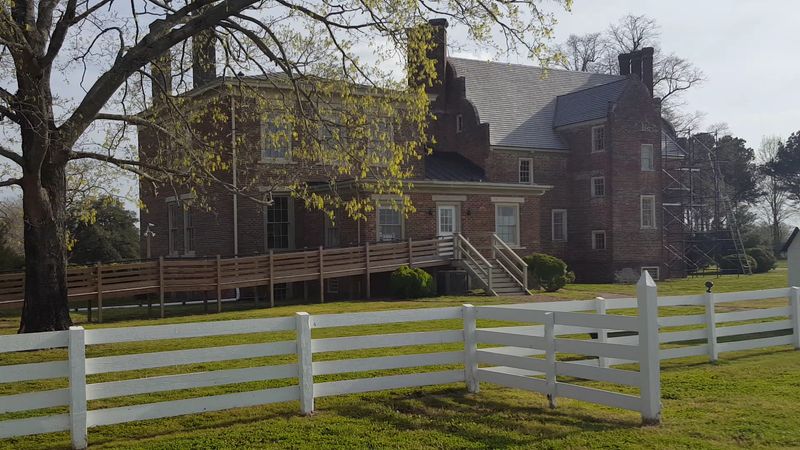
Here is a fun historical twist: the man whose name is attached to this property never actually owned it. Nathaniel Bacon, the firebrand leader of a famous 1676 colonial uprising known as Bacon’s Rebellion, used Arthur Allen’s house as a military stronghold during his revolt against the colonial government.
Bacon’s forces occupied the property for several months, and the association stuck so firmly in local memory that the house eventually adopted his name. A newspaper reporter later cemented the nickname, and from that point forward, Allen’s Brick House became Bacon’s Castle in the popular imagination and eventually in the official record.
The rebellion itself was one of the most dramatic episodes in early Virginia history, a conflict over land rights, Indigenous relations, and colonial governance that shook the entire region. Standing inside the house where Bacon’s men camped and strategized adds a layer of political drama to an already fascinating structure.
Every room in Bacon’s Castle seems to hold a story, and the tale of how it got its name is one of the most entertaining and surprising of them all.
Original Artifacts and Period Interiors Worth Every Minute
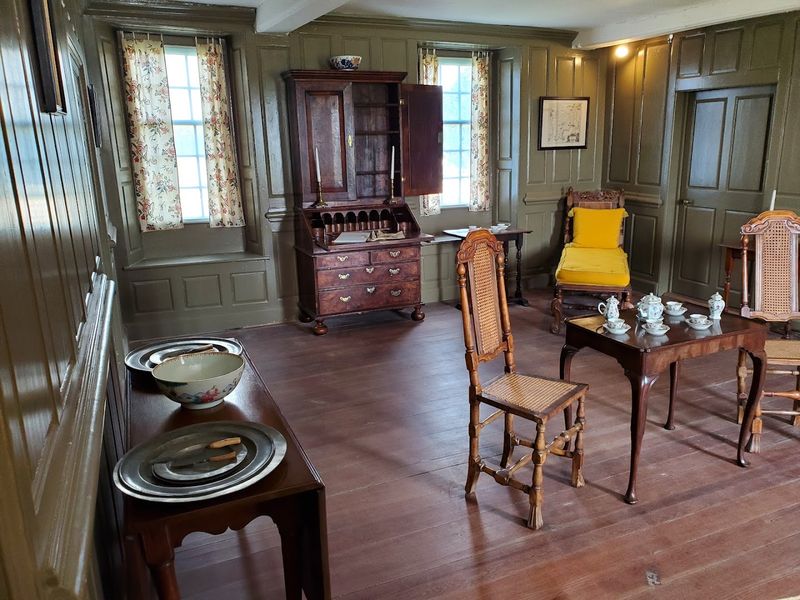
Stepping inside Bacon’s Castle is like walking into a very well-curated time capsule. The original wide-plank wood floors on the upper level have survived centuries of foot traffic, seasonal humidity, and the general chaos of history, and they still creak with a satisfying authenticity that modern floors simply cannot fake.
The furniture throughout the house dates primarily to the 18th century, offering a layered sense of how the property evolved across generations. Scattered among the rooms are genuine 17th-century artifacts unearthed during decades of careful archaeological excavation on the grounds, each one adding context to the lives of the people who called this place home.
One of my favorite discoveries during a tour was learning about a child’s shoe found hidden within the structure, a common superstitious practice in early colonial homes meant to ward off evil spirits. Small details like that make the history feel personal rather than textbook-dry.
Bacon’s Castle manages to be both a serious architectural landmark and an intimate portrait of domestic life in early Virginia, and that combination is genuinely rare in historic preservation anywhere in the country.
Guided Tours That Make History Actually Fun
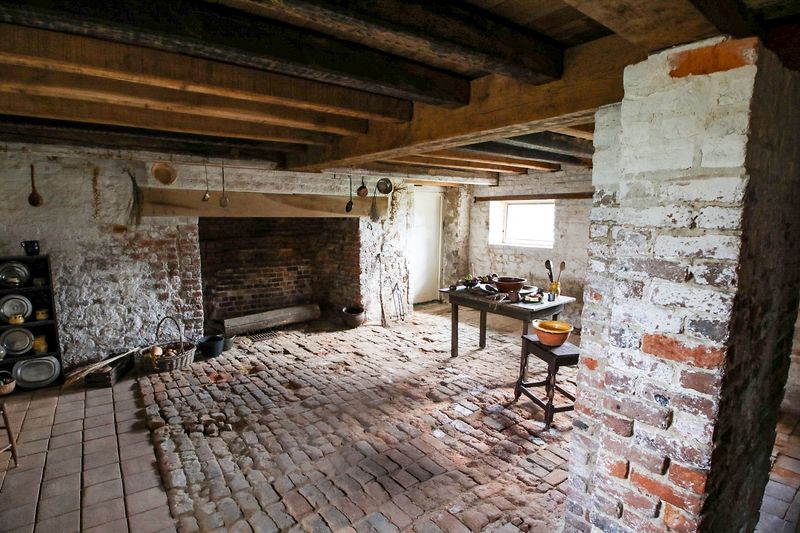
Not every historic site manages to make its story feel alive, but the guided tours at Bacon’s Castle are genuinely something special. The docents here bring an infectious enthusiasm to every room, weaving architectural history, social context, and a few genuinely surprising anecdotes into a narrative that keeps you locked in from start to finish.
Tours cover the entire house, moving through rooms that each carry their own distinct chapter of the property’s long story. Guides take the time to explain the significance of specific construction details, from the shell-embedded mortar on the exterior to the poem carved into a windowsill that was discovered during restoration work.
Those kinds of intimate details elevate the experience far beyond a standard walk-through.
The pacing of the tour feels relaxed and conversational rather than rushed, which gives you genuine time to absorb what you are seeing. Questions are welcomed and answered with real depth and knowledge.
For anyone who has ever found historic house tours a little dry, Bacon’s Castle will be a pleasant surprise. The staff clearly love this place, and that enthusiasm is absolutely contagious by the time you reach the final room.
The Grounds and Outbuildings Tell Their Own Stories
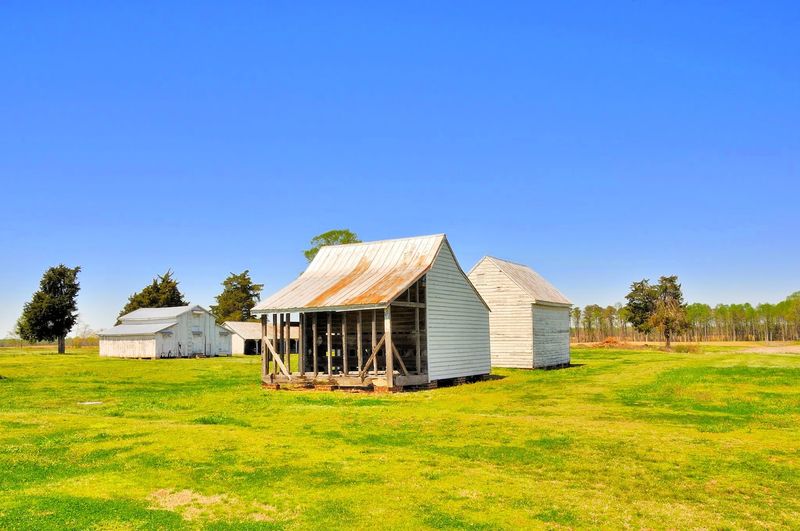
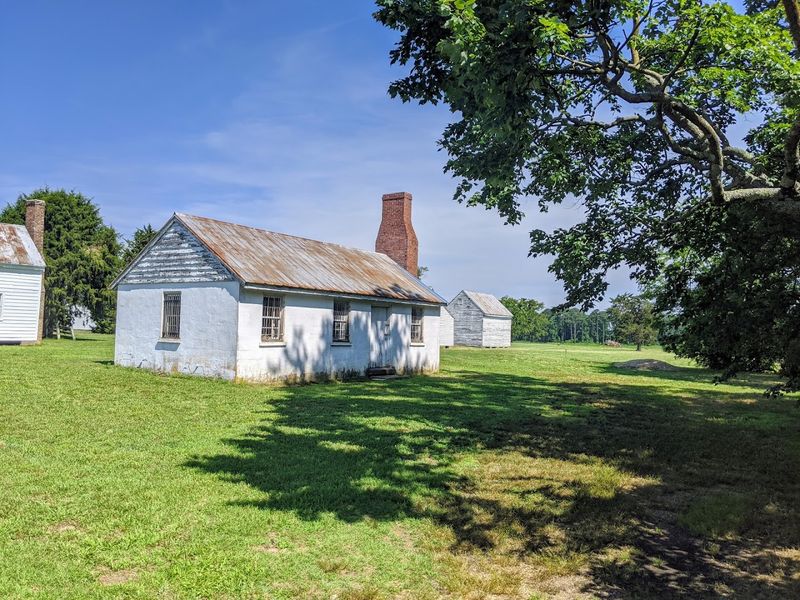
The house itself is the star, but the surrounding grounds at Bacon’s Castle deserve a slow, unhurried exploration of their own. Several historic outbuildings are scattered across the property, each one offering additional clues about how a prosperous 17th-century Virginia plantation functioned on a day-to-day basis.
The landscape has a quiet, almost meditative quality that feels completely removed from the modern world. Mature trees frame the main house beautifully, and the open lawns give the whole property a sense of scale and grandeur that photographs struggle to capture honestly.
Standing in the middle of the grounds and looking back at the house, the Jacobean silhouette rising against a Virginia sky, is genuinely one of those travel moments you carry with you long after you have driven home.
Archaeological excavations have been ongoing across the property for decades, and the discoveries made here continue to reshape what historians understand about early colonial life in the region. The grounds are not just a pretty backdrop for the main building.
They are an active site of historical inquiry, and walking them with that knowledge makes every step feel purposeful and connected to something much larger than a simple sightseeing trip.
A Living Piece of Preservation Virginia’s Remarkable Legacy
Bacon’s Castle is managed by Preservation Virginia, the oldest statewide historic preservation organization in the entire country. That fact alone tells you something important about the level of care and scholarly rigor that goes into maintaining this extraordinary property.
Preservation Virginia has been working on the restoration and study of Bacon’s Castle for more than half a century, and the results of that long-term commitment are visible everywhere you look. The brickwork is meticulously maintained, the garden is carefully managed according to historical research, and the interior artifacts are preserved with museum-grade attention to detail.
What makes this partnership particularly exciting is that the work is never really finished. New archaeological discoveries continue to emerge from the soil around the house, each one adding fresh layers to the story of this remarkable Virginia landmark.
The organization’s dedication ensures that Bacon’s Castle will still be standing and still be telling its extraordinary story generations from now. Knowing that a place this significant is in such capable and passionate hands makes the visit feel even more meaningful, because you are not just seeing history, you are witnessing active, ongoing stewardship of it.
Special Events That Bring the Past Roaring Back to Life
Beyond the standard tours, Bacon’s Castle occasionally transforms into a full-on historical spectacle that pulls the whole community together. The property has hosted Renaissance festivals right on the grounds, complete with tournaments and period activities that turn the already theatrical setting into something genuinely unforgettable.
Seeing the dramatic Jacobean architecture of Bacon’s Castle as a backdrop for a Renaissance fair feels almost poetically appropriate. The house was already centuries old when the events depicted at such festivals were still living memory, which adds a layer of authenticity that purpose-built event venues simply cannot match.
The castle opens portions of its interior during these events, giving festival-goers a taste of the historic tour experience alongside all the outdoor entertainment.
The events tend to be family-friendly and well-organized, drawing crowds from across the Hampton Roads and Richmond areas of Virginia. If your visit happens to coincide with one of these special occasions, count yourself seriously lucky.
Checking the Preservation Virginia website or calling ahead to confirm the schedule is always a smart move, especially since some events sell out faster than you might expect. Bacon’s Castle rewards the planners.
Plan Your Visit to This Unmissable Surry County Gem
Getting to Bacon’s Castle requires a bit of intention, and that is honestly part of its charm. Surry County sits across the James River from the more heavily trafficked Colonial Williamsburg corridor, which means the drive over feels like a genuine escape from tourist-trail predictability.
The rural setting amplifies the sense of stepping back in time the moment you pull into the parking area.
The property is open Friday through Saturday from 10 AM to 5 PM, and on Sundays from noon to 5 PM, so planning ahead is essential. Calling the site directly is always a good idea if you are visiting during a busy period or if online ticketing appears sold out, as the staff can sometimes accommodate additional visitors with a quick phone call.
Bacon’s Castle is located at 465 Bacons Castle Trail, Surry, VA 23883, and the phone number is 757-357-5976. More information, including upcoming events and tour details, is available at preservationvirginia.org.
Pack comfortable shoes for the grounds, bring your curiosity, and leave yourself more time than you think you will need. Virginia has many historic sites, but very few that earn the word iconic as completely as this one does.
Dear Reader: This page may contain affiliate links which may earn a commission if you click through and make a purchase. Our independent journalism is not influenced by any advertiser or commercial initiative unless it is clearly marked as sponsored content. As travel products change, please be sure to reconfirm all details and stay up to date with current events to ensure a safe and successful trip.
