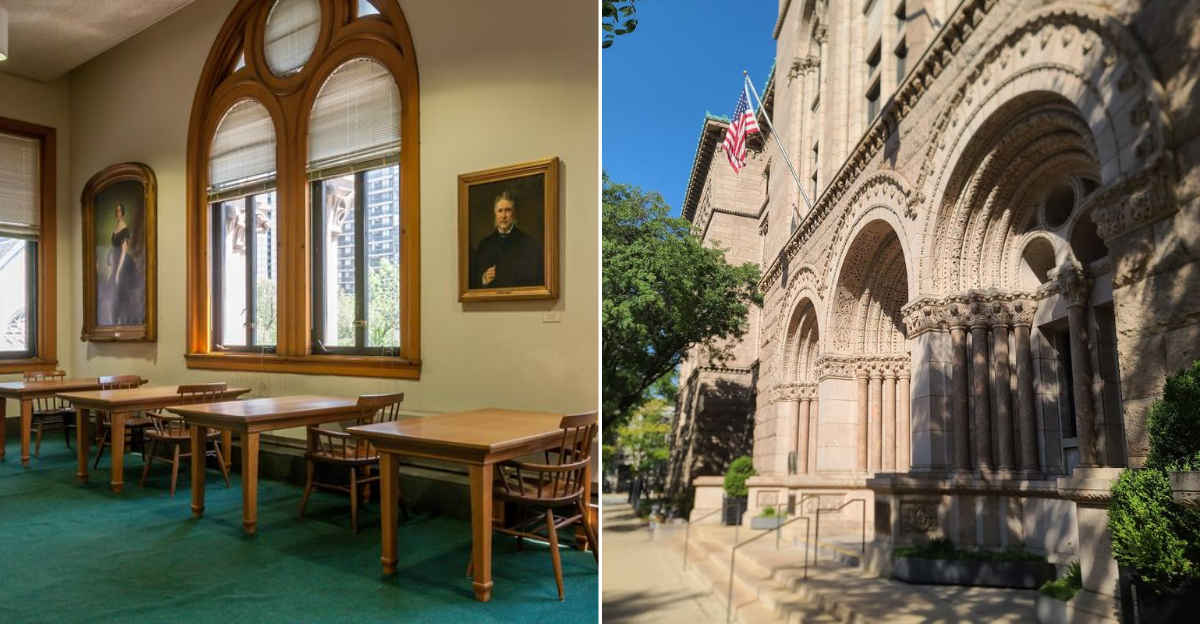
A grand marble staircase leads up to a room lined with oil paintings and centered around a long wooden card catalog that still holds the key to millions of books. This is not the library you remember from college.
Behind the unassuming exterior doors of a Romanesque Revival building in Chicago hides a reading room of breathtaking, scholarly grandeur, a hushed sanctuary where time seems to hold its breath.
Opened in 1887, this is a research library for the humanities, a “Literary Ft. Knox” that houses over one and a half million books, five million manuscript pages, and half a million historic maps.
The collection is so rare and valuable that the books are kept in a windowless climate-controlled tower to protect them from light and humidity.
You cannot check out a book here, but anyone can walk in and request to see a Shakespeare folio or a letter written by Christopher Columbus. It is a quiet, awe-inspiring monument to the past.
So which landmark on North Michigan Avenue hides a kingdom of rare history behind carefully guarded doors? Step inside. The card catalog is waiting.
The Quiet Surprise At The Curb

Honestly, the first thing that gets you is how restrained the building feels from the street, especially if you were expecting theatrical library drama right away. The granite exterior looks sturdy and thoughtful, more like it is keeping its best stories to itself than trying to impress anyone passing by.
That low-key feeling is exactly why the inside lands so hard once you finally walk through the doors.
Standing outside, I kept noticing the weight of the stone and the way the facade feels grounded in old Chicago without feeling flashy about it. There is a Romanesque pull to the arches and massing, but the whole thing still reads as calm rather than showy, which makes the reveal feel earned.
You do not get the whole emotional payoff from the sidewalk, and that is kind of the fun of it.
What I liked most was that the building seemed comfortable being serious, as if it knows it does not need to beg for attention. In a city full of bold architecture, that confidence feels refreshing, and it also makes you curious about what the designers were saving for the interior.
By the time you step closer to the entrance, you already feel that little shift where a casual stop starts turning into an experience.
That is the real charm here, at least to me. The exterior sets you up for one thing, then the library gently changes the conversation the moment you go inside.
If you love places that play it cool before they completely win you over, this one in Illinois does that beautifully.
Walking Through The Front Doors
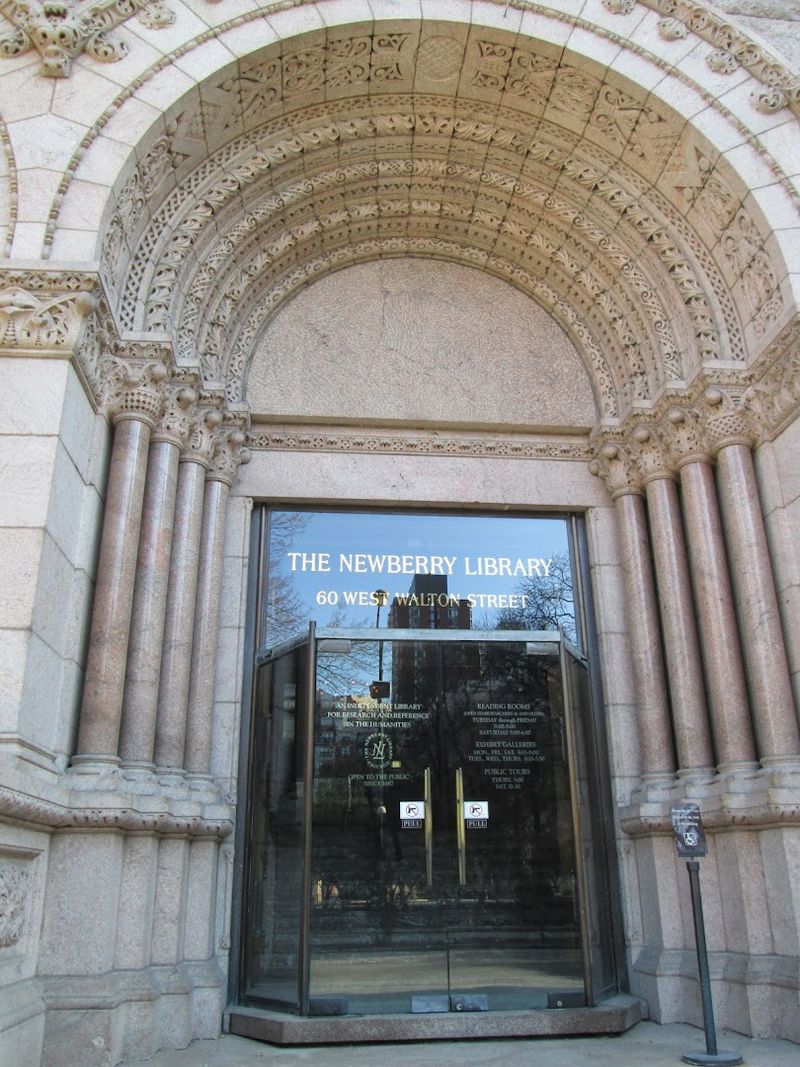
The second those doors open, the mood changes in a way that is hard not to feel in your chest. At Newberry Library, 60 W Walton St, Chicago, IL 60610, the transition from the reserved exterior to the interior atmosphere feels almost theatrical, but in a quiet, bookish way.
You are not hit with noise or spectacle, just this immediate sense that the building has been waiting for you to slow down.
I love that kind of entrance because it does not bully you into being impressed. Instead, the light, the scale, and the hush do the work together, and before long you are looking around with that slightly dazed expression people get in beautiful libraries.
It is less about one dramatic object and more about how the whole place starts gathering your attention, piece by piece.
There is also something deeply Chicago about that shift from practical street presence to interior richness. The city does this well, where a building can look disciplined outside and then turn unexpectedly generous once you step in.
Here, the generosity comes through in atmosphere first, and that makes the later details feel even better.
By the time I had fully crossed the threshold, I was already glad I had not just admired the facade and moved on. Some places ask for an extra minute, and then they give you back much more than that.
This library really knows how to make an entrance without ever acting like it is trying.
The Reading Room That Changes Everything
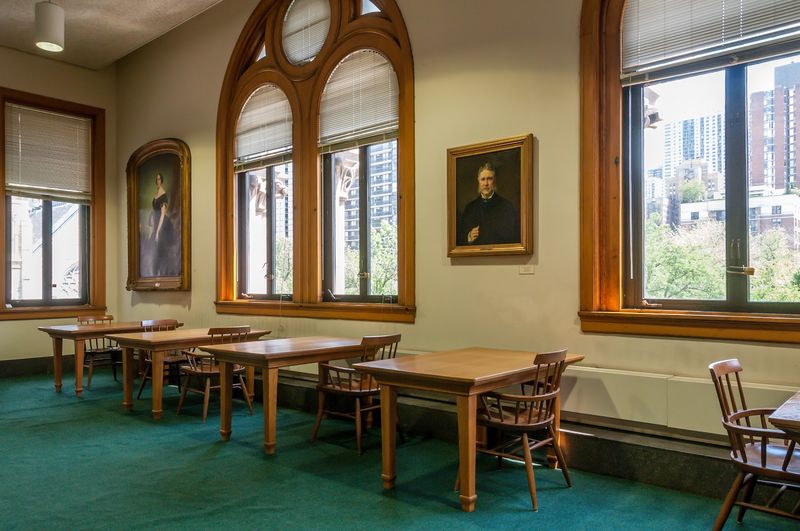
This is the moment where the whole visit snaps into focus, because the reading room is so much grander than the exterior lets on. You walk in expecting a handsome historic library, and then suddenly you are standing in a space that feels ceremonial, hushed, and genuinely transporting.
It makes you want to pull out a notebook even if you had no plan to write a single thing.
The scale matters, of course, but it is really the mood that gets under your skin. Long tables, warm light, and that dignified stillness all work together to create the kind of room where concentration feels contagious.
Even if you are only visiting and not researching, you start behaving like someone with a serious project because the room quietly asks that of you.
What I appreciate is that the grandeur never tips into stiffness. The room feels noble, but it does not feel cold, and that is a tricky balance that a lot of historic interiors never quite manage.
Here, you can admire the architecture and still feel welcome enough to settle in, look around, and take your time.
I kept thinking about how many people must have sat there chasing a question, following a hunch, or getting wonderfully lost in some old subject. That sense of shared purpose lingers in the air, and it gives the space a living quality rather than a museum feel.
If you come to Illinois looking for interiors with real presence, this room absolutely delivers.
Why The Building Feels So Distinct
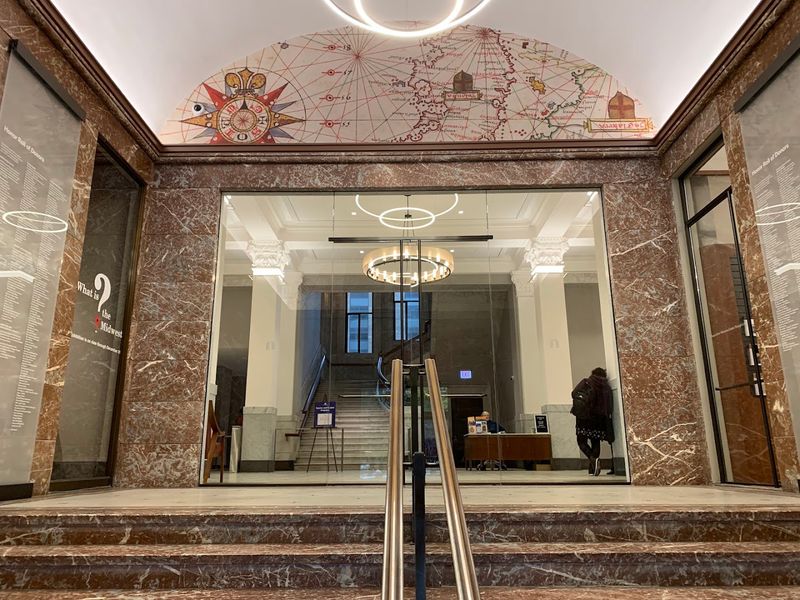
What makes this place stick in your head is that it never feels like just one style trying to dominate the whole story. The building carries that Spanish Romanesque character with real confidence, but there are also Renaissance touches that soften things and keep the experience from feeling too heavy.
You notice solidity first, then detail, then this strange sense that the whole design is more layered than it seemed from outside.
I found myself paying attention to the arches and proportions because they create this steady rhythm as you move through the library. Nothing feels accidental, yet nothing feels overly precious either, which is part of why the interior reads as both dignified and lived in.
It has that rare architectural personality where the building seems completely aware of itself without becoming self-conscious.
There is an old argument built into the place, too, between grand design and practical reading space, and somehow that tension gives the library part of its charm. You can feel the desire for visual drama, but you can also feel the pull toward usefulness and study.
Instead of fighting each other, those instincts now make the building more interesting to walk through.
That is why the Newberry does not blur into the background of other historic institutions in Chicago. It feels specific, maybe even a little stubborn, and that makes it memorable.
In Illinois, where architecture often likes to announce itself loudly, this library takes a quieter route and still leaves a serious impression.
The Broken Arches You Might Miss
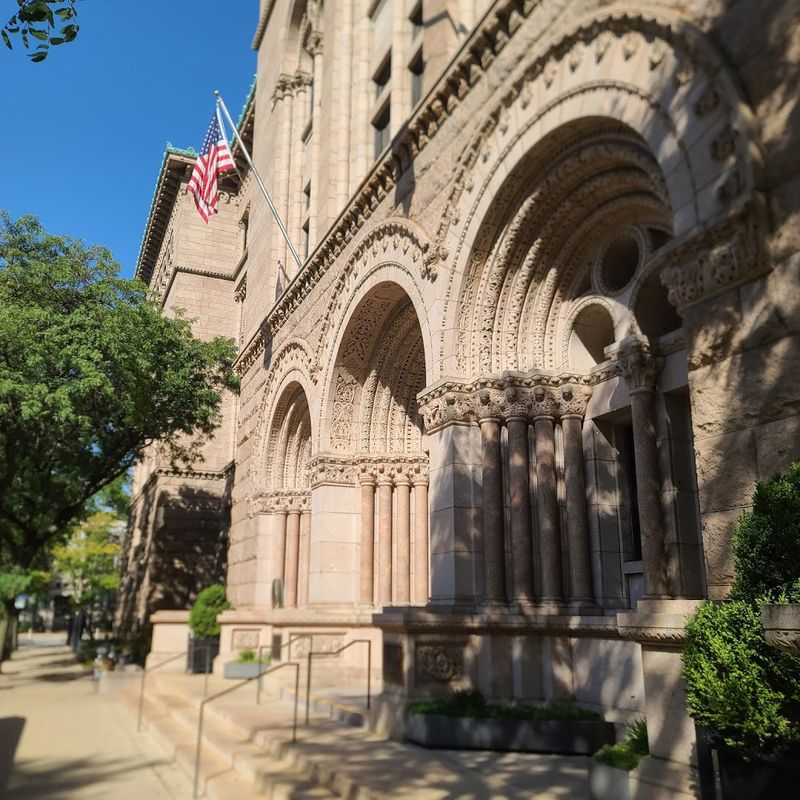
Here is a detail that makes the exterior more fun once you know to look for it. The facade includes broken arches at the corners, and they give the building this slightly unresolved look that is subtle enough to miss if you are hurrying past.
Once you notice them, though, the whole exterior starts feeling less plain and a lot more peculiar in the best way.
I always love architectural details that make you pause and ask, wait, what is going on there? These arches do exactly that, because they look intentional but also a little unfinished, which adds personality to a building that might otherwise seem stern at first glance.
It is the kind of feature that rewards curiosity, and that feels right for a library.
Knowing they came out of a design dispute only makes them better, because suddenly the facade starts carrying a bit of human drama. You are not just looking at stone anymore, you are looking at a disagreement fossilized into the building itself.
That tiny note of tension gives the outside more life, and it helps explain why the place feels so distinctive even before you enter.
What I like is how this detail deepens the surprise rather than spoiling it. The arches hint that the building has an inner complexity, but they still do not fully prepare you for the reading rooms waiting inside.
In Chicago, little architectural oddities can turn a good walk into a much better one, and this is exactly that kind of detail.
That Hushed Scholarly Energy
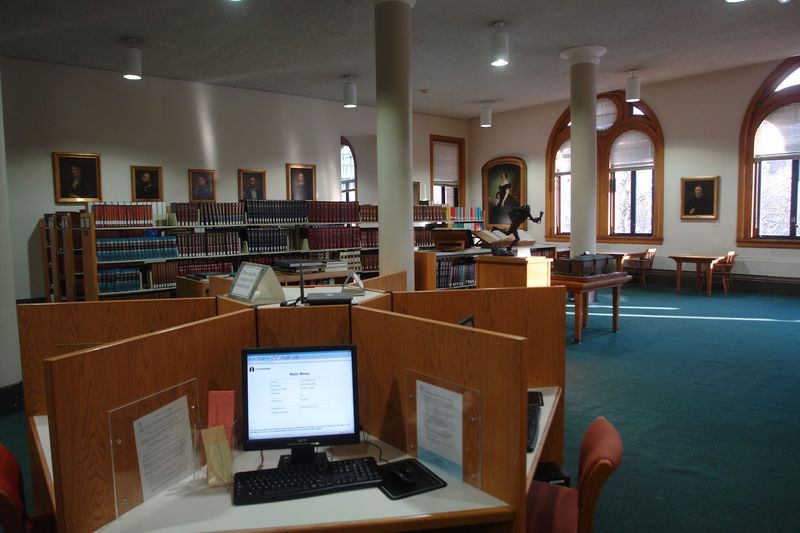
Some interiors are beautiful but emotionally flat, and this one is absolutely not that. The Newberry has a hush that feels active rather than sleepy, like the room is full of attention instead of silence for silence’s sake.
You pick up on it right away, and it changes how you move, how you look around, and even how long you want to stay.
I think that energy comes from the fact that this is not just a historic backdrop pretending to be useful. It is a real research library, and that gives the reading spaces a lived seriousness that you can actually feel.
The tables, chairs, and layout all support that mood, so the elegance never floats away from purpose.
There is something comforting about being in a room where people have come to think deeply, follow obscure questions, and sit with ideas longer than most places encourage. Even if you are only visiting for the architecture, you get pulled into that atmosphere a little bit.
The result is a kind of quiet companionship that makes the building feel alive instead of preserved.
That was probably my favorite part of being there, honestly. The beauty matters, but the sense of intellectual focus is what gives the beauty weight and meaning.
If you have ever wanted to experience a place where scholarship feels tangible rather than abstract, this library in Illinois gives you that without making a big speech about it.
Looking Up Changes The Whole Visit
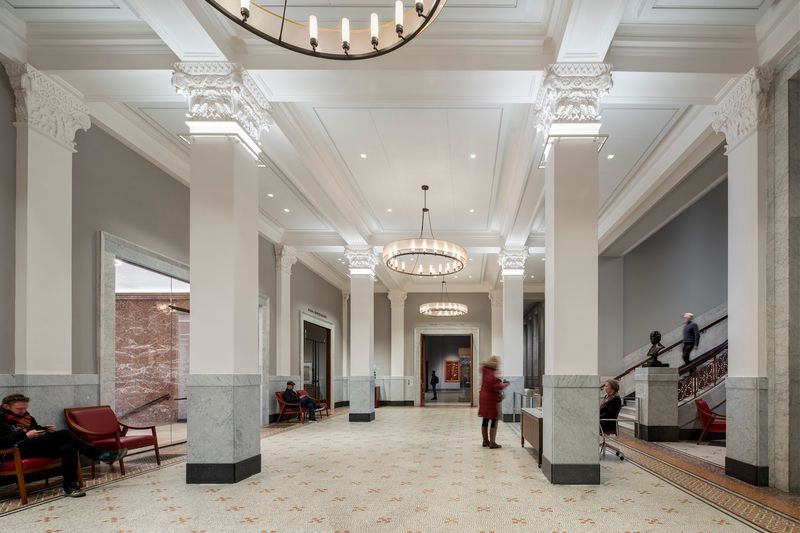
If you go in and never look up, you are missing half the experience, and maybe the half that lingers longest afterward. The vertical drama inside the Newberry works quietly, but it absolutely shapes how the rooms feel around you.
Ceiling height, arching forms, and the way light moves through the space all make the interior feel more expansive than the exterior suggests.
I noticed that the building keeps lifting your attention without ever becoming flashy about it. Your eyes travel upward almost by instinct, then drift back down to the reading tables and woodwork, and that movement creates a lovely sense of balance.
It is not one overwhelming focal point, but a layered experience where the room keeps revealing itself slowly.
That is probably why the place sticks with people after they leave. You remember the mood first, then specific details start surfacing later, like the height of the room or the way the architecture frames quiet activity below.
It feels composed, almost musical, and the effect is stronger because it comes through restraint rather than spectacle.
I would tell any friend visiting Chicago to give themselves a minute just to stand still and take in the full volume of the space. There is a different kind of awe in rooms that do not shout.
The Newberry understands that perfectly, and that calm confidence is a big part of what makes the interior so satisfying.
Why This Visit Stays With You
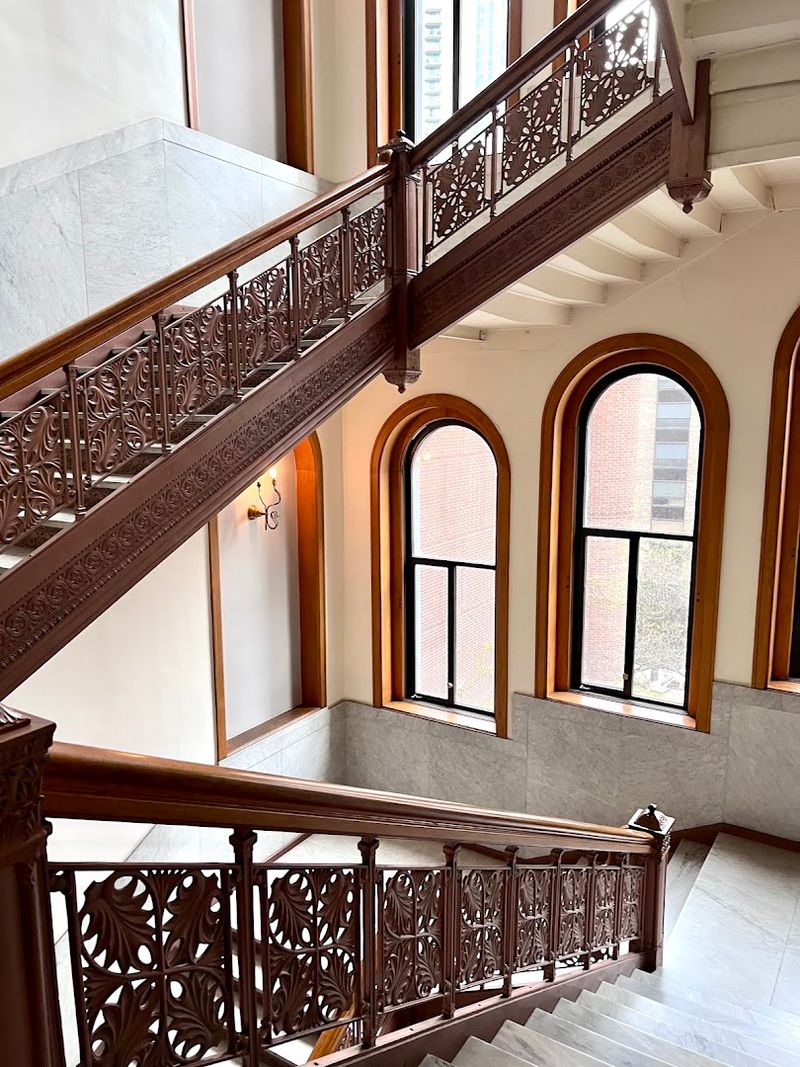
By the time you leave, the surprise of the place has turned into something a little deeper and harder to shake. It is not only that the reading room is beautiful, though it absolutely is, but that the whole visit keeps unfolding in your mind after you are back outside.
You remember how modest the entrance felt, then how quickly the interior changed the tone of your day.
That contrast is what makes the Newberry so satisfying to talk about later. If a friend asked whether it was worth stopping by, I would probably start with, you are not going to believe what is behind those doors.
Then I would end up describing the mood, the architecture, the hush, and that sense of entering a space built for serious thought without losing its human warmth.
The library also avoids the trap of feeling like a place you merely check off. It invites curiosity, and then it rewards attention with details that keep coming back to you afterward.
That could be the scale of the reading room, the strange charm of the exterior, or simply the way the building manages to feel both grounded and grand at once.
That is why I would send people here without hesitation. In Chicago, where there is never a shortage of things trying to grab your attention, the Newberry wins you over more quietly and maybe more completely.
It is one of those Illinois places that does not leave you the same way it found you.
