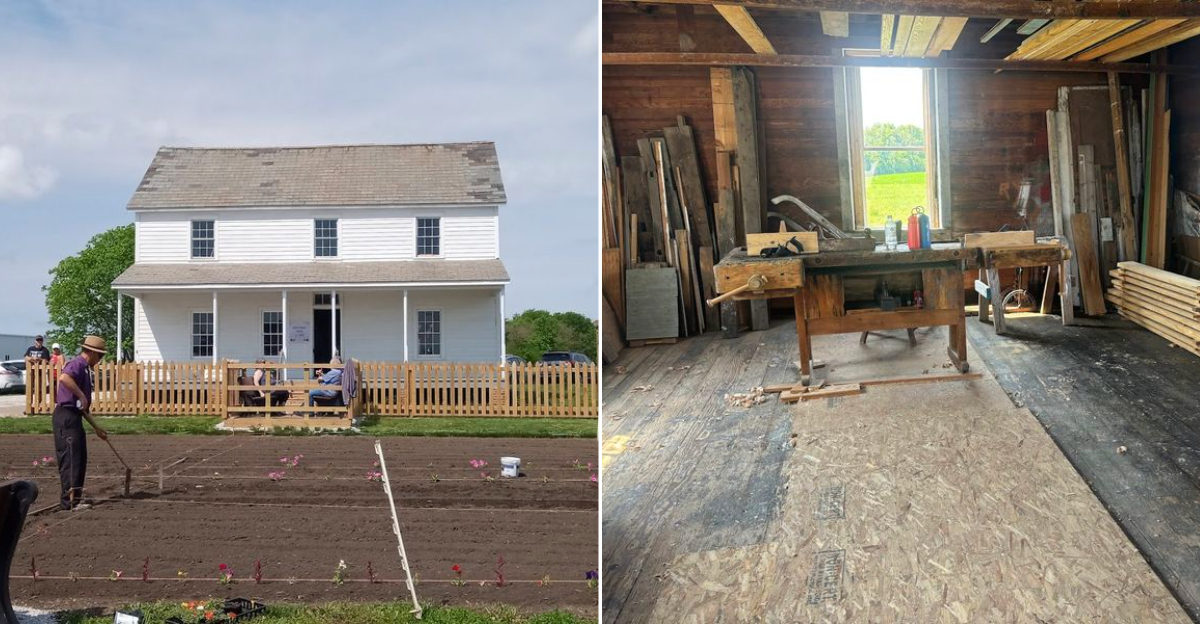
You do not have to be a history buff for this Illinois day trip to win you over. This living history farm takes Amish heritage and turns it into something you can actually walk through, watch, and connect with in a much more memorable way than a standard museum visit.
Instead of standing around reading plaques and moving on, you get a setting that feels active, grounded, and much easier to picture as part of real daily life. That is what makes the experience so engaging.
The farm gives visitors a closer look at traditions, work, and routines in a way that feels hands-on without losing the sense of heritage behind it. There is something about seeing the details come together in a real physical space that makes the story click faster.
For anyone who likes day trips that feel educational without becoming dry, this Illinois stop offers a lively and rewarding way to spend a few hours.
A First Stop That Feels Like Stepping Back In Time
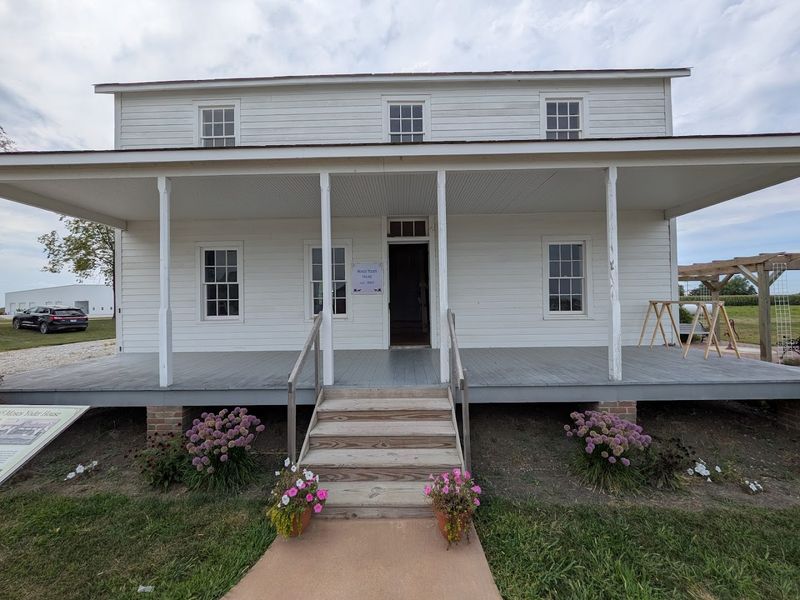
Pulling into the Illinois Amish Heritage Center at 284 East Illinois Route 133, Arthur, IL 61911, you can feel the day shift gears immediately. The barns and homesteads sit easy on the land, like they never hurried a minute, and you start matching your steps to that calm.
You hear a door hinge whisper, a cart roll somewhere, and a breeze move through corn stubble like a low conversation.
Instead of marching through exhibits, you settle into a rhythm where every building asks a simple question: want to see how this really worked? A docent points out a hand planed beam, and suddenly craftsmanship is not a term, it is a texture under your fingers.
The place does not perform for you, which is the best part, because it lets you meet the past at eye level.
You can stand at a threshold and picture a morning chore list unfolding, not as nostalgia but as practical choices that shaped family life. The rooms feel tidy yet used, with tools hung where muscle memory would reach without thinking.
Even the quiet corners carry a sense of purpose that modern days sometimes forget.
Give yourself a few slow breaths before moving on, because you will notice more when you ease into it. This is Illinois farm country, so the views stretch out and reset your pace without trying.
Ready to wander a little further and see how the small details stack into a whole day?
Why This Living History Farm Feels More Personal
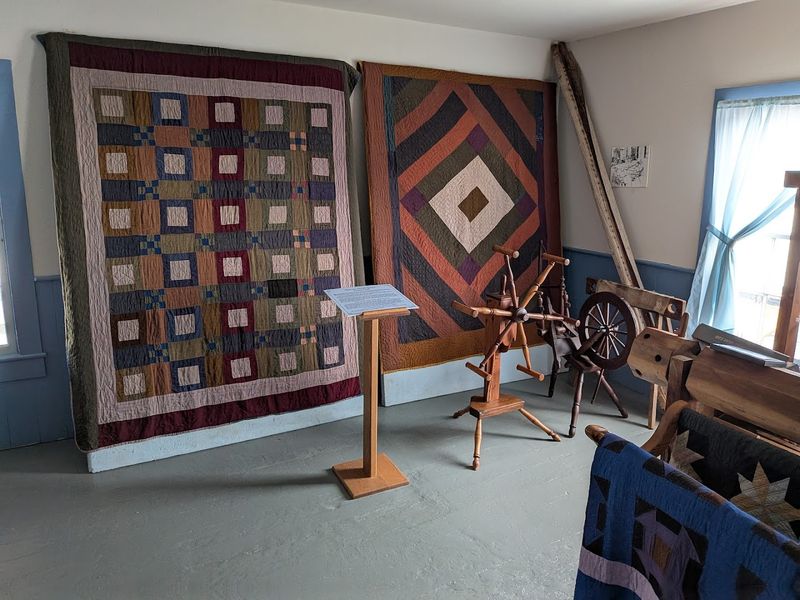
Here is the thing that sneaks up on you right away: the stories feel close because the spaces are small and human. You are not peering over a rope at some glossy ideal, you are standing where chores happened and conversations landed.
The scale makes everything legible, from the heft of a kettle to the way a window claims light.
People here talk with you, not at you, which turns facts into memories you will keep. A volunteer explains a quilting pattern, then asks what your grandmother stitched, and suddenly the timeline folds into your own.
You start connecting the dots between routine and belief, and the history sits down at the table like a relative.
Because nothing feels staged, your curiosity can wander without bumping into polish. You learn through touch, sound, and small demonstrations that match the pace of a real farm day.
That quiet authenticity makes even the simplest task feel meaningful and clear.
It helps that you can look across the fields and remember you are in Illinois, where weather and daylight still call a lot of the shots. The land frames the visit and keeps the tone honest.
By the time you leave this part of the grounds, the word personal will feel less like a claim and more like a natural result.
Historic Buildings That Bring Amish Heritage To Life
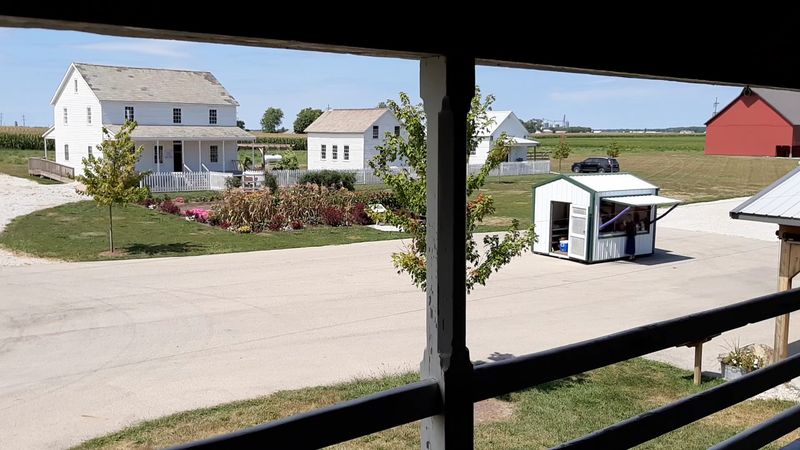
Walking up to the old houses, you start noticing choices that carry weight, like plain lines, sturdy materials, and windows sized for work instead of display. The rooms tell their stories without a narrator, using wear patterns, peg rails, and the calm order that comes from repeated practice.
It is not grand, but it is quietly confident, and that confidence travels.
Step into a kitchen and the past organizes itself around the stove, the table, and the light. You see how every tool earned its keep, and how a day built itself from simple anchors.
Nothing asks for applause, because the accomplishment is getting through the list with care.
The barns feel like they are still listening, beams resting easy while swallows claim the rafters. You can trace the path from feed to stall and out to the fields, and the sequence makes perfect sense.
Heritage is not a slogan here, it is a set of working relationships between people, animals, and time.
Because the buildings are preserved with humility, your mind does not chase museum drama. Instead, you settle into detail after detail, and the larger picture builds itself with patience.
That is how a place in Illinois can make history breathe, simply by letting the structures keep doing what they were built to do.
A Hands-On Setting That Goes Beyond Reading Signs
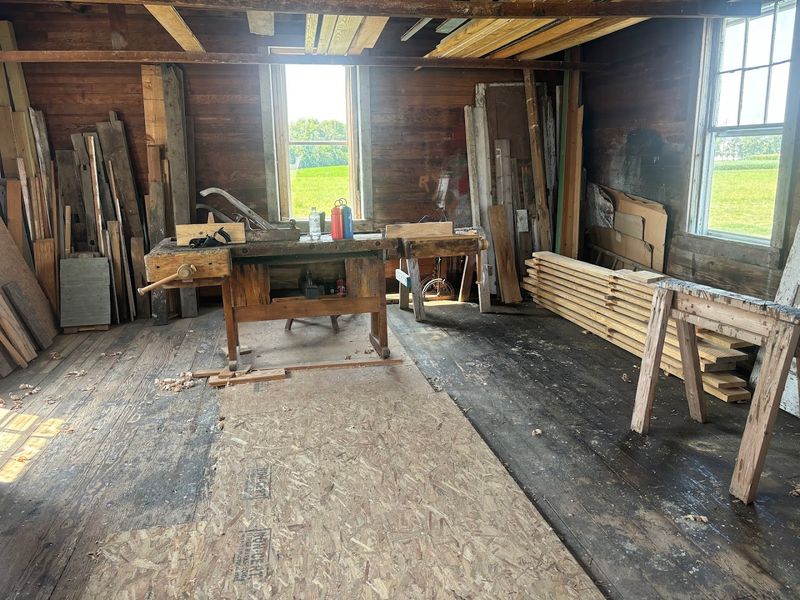
You do not stand around wondering what a tool did, because someone shows you, then lets you try. The motion teaches faster than any panel, and your hands remember what your eyes might forget.
You feel the rhythm in your shoulders, and suddenly the day has a beat you can keep.
A simple task becomes a tiny doorway to understanding how choices stack up. You learn why materials mattered, how patience sat beside skill, and where efficiency grew from repetition.
It is oddly calming, like your brain and your hands finally agree on the same conversation.
There is a kindness to the way demonstrations unfold, with room for questions and quiet watching. You can step forward or hang back without pressure, which makes curiosity feel safe.
By the time you try something yourself, the outcome matters less than the feel of doing it.
That is the secret sauce of this Illinois spot, honestly. The signs are helpful, but the learning lands when your senses join the talk.
Walk away and you will still feel the weight of a tool in your palm, and that small memory does more than any tidy sentence ever could.
Why Arthur Makes The Perfect Backdrop For This Visit
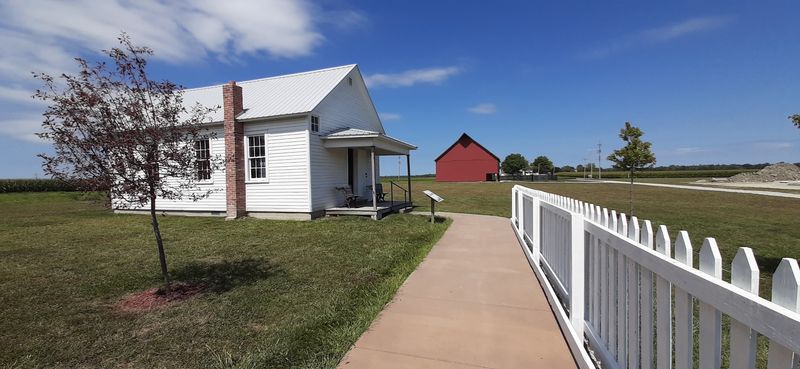
Arthur does not compete for attention, which is exactly why it frames the visit so well. The town keeps an easy pace, and the roads out to the farm feel like they were drawn with a steady hand.
You get that spacious Illinois horizon, and it sets the tone before you step from the car.
The surrounding countryside explains the history without saying a word. Fields reach out in measured lines, wind moves like a metronome, and the whole place keeps time with work instead of noise.
When a landscape is this comfortable with itself, your thoughts loosen and find their own stride.
Because the center sits just east of town, the transition from errands to reflection is quick. You can arrive with a busy head, then find it sorting into calmer stacks by the first fence line.
That shift matters more than people realize, because learning lands better when your pace slows.
Ask yourself what you want from a day like this, and the backdrop will answer. It makes room, keeps things straightforward, and never steals the focus from the stories.
That is a generous kind of hosting, and it is why this corner of Illinois keeps calling people back.
Barns, Homes, And Details Worth Slowing Down For
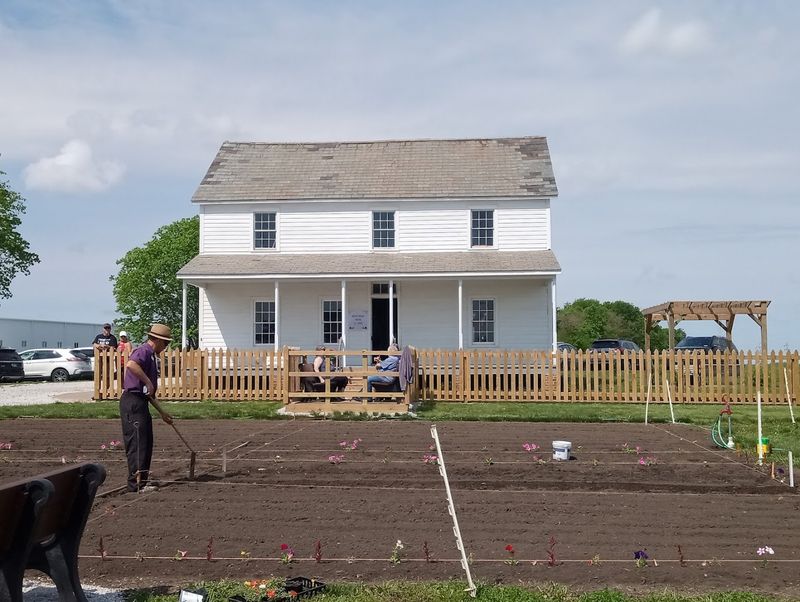
If you only have a few minutes, spend them with the details. A wooden latch polished by generations, a chalk line scribble on a beam, a quilt stitch that is steady but not fussy.
Those small choices are where personality lives, and you can hear it if you listen.
The barns are full of honest engineering that rewards a slower look. Joinery tells you how strength meets thrift, while tool marks sketch out lessons learned the practical way.
It is the opposite of flashy, and that modesty is part of the pleasure.
In the houses, look for how light gets used. Chairs sit where conversation could settle, windows gather the day, and hooks keep things ready without clutter.
The arrangement is quiet, but it keeps making sense the longer you pay attention.
Give yourself permission to linger, even if the schedule nudges. This is Illinois time, with long horizons and patient air, and the details bloom when you match that tempo.
You will leave with small images tucked in your pocket, and those are the ones that stay.
The Kind Of Day Trip That Feels Quiet And Memorable
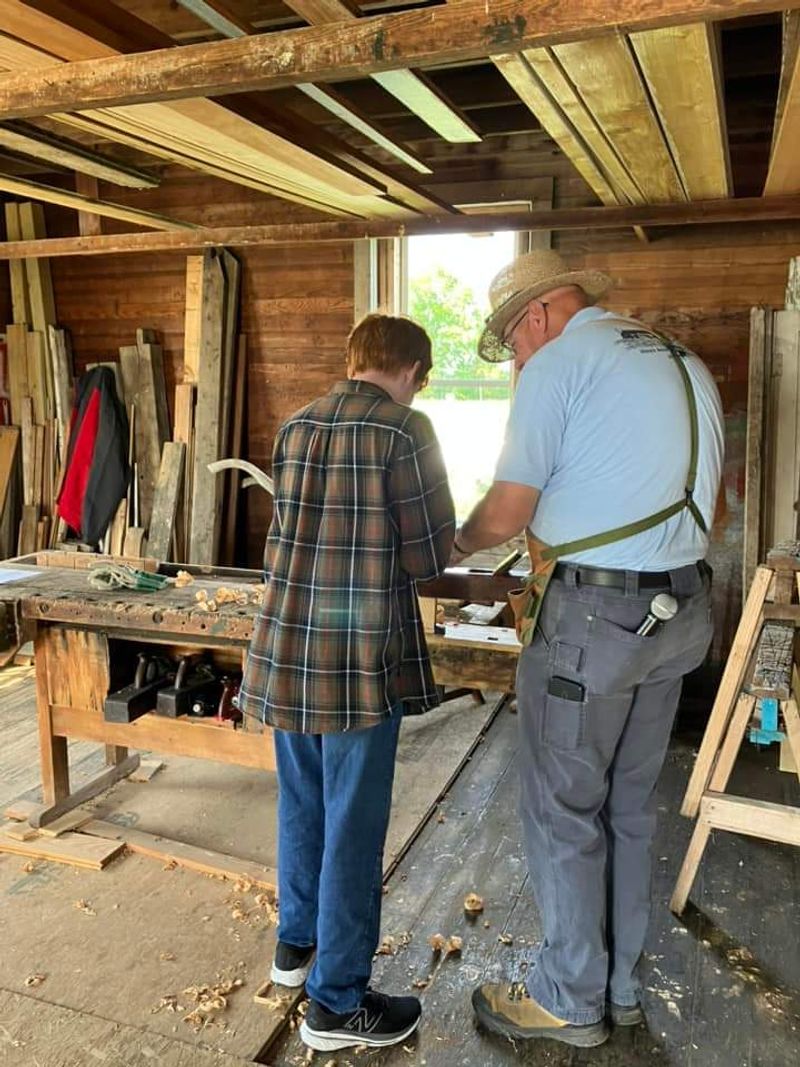
Some days are loud on purpose, and some days teach by being calm. This is the second kind, and you feel it in your shoulders before you even realize what changed.
The quiet is not empty, it is full of small signals you finally have time to notice.
You carry those signals with you as the visit unfolds, like a pocketful of smooth stones. Each building, each tool, each greeting puts another note in the melody, and by afternoon you can hum it without thinking.
Memory loves gentle repetition, and this place understands that truth without saying it.
Because nothing here rushes you, conversations stretch to the right length and questions get real answers. You can stand still, listen, try a task, and watch your attention deepen naturally.
That is when a day gets unforgettable, not by spectacle but by steady connection.
On the drive back through Illinois farmland, the landscape feels different because you are paying different attention. The barns and fields you pass are not scenery anymore, they are neighbors you just met.
That is a rare kind of souvenir, and you do not need shelf space to keep it.
How The Farm Turns Local History Into Something Real
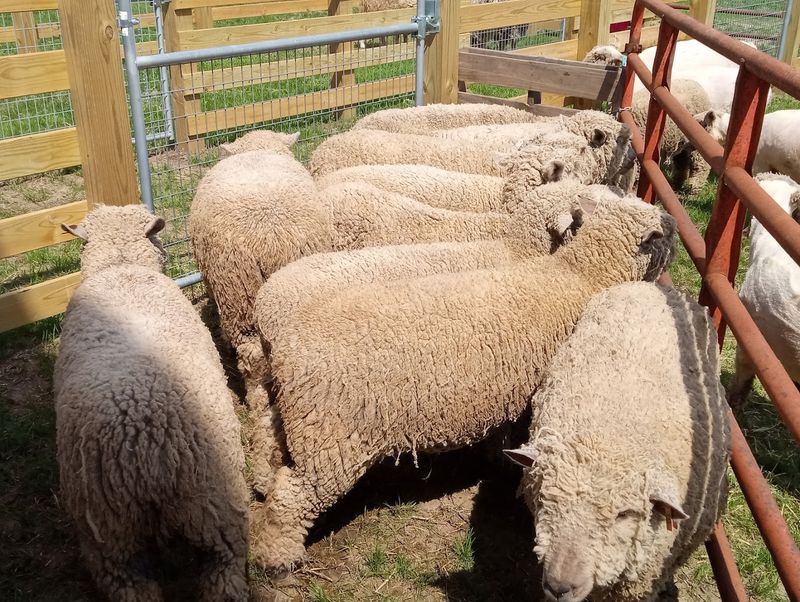
Local history can feel abstract until your senses get involved, and this farm knows how to invite them in. You see where families worked, hear the gentle clatter of tools, and feel textures that do not translate to text.
The learning sneaks up on you by being practical and kind.
Every choice points back to daily life, which is where big ideas actually live. Faith, community, and simplicity reveal themselves through routines that hold shape under pressure.
When you watch a task done the old way, you understand why it lasted, and what it still teaches.
The docents are generous with stories that start specific and end universal. You ask a question about a hinge, and somehow you are talking about patience, thrift, and responsibility.
That is the jump from information to meaning, and it happens here with welcome regularity.
By the time you step back outside, the history of central Illinois feels like something your hands recognize. It is not distant or decorative, it is sturdy and useful, like a good coat you trust in bad weather.
That is how local becomes real, and it is why this visit lingers.
A Heritage Stop That Feels Grounded And Genuine
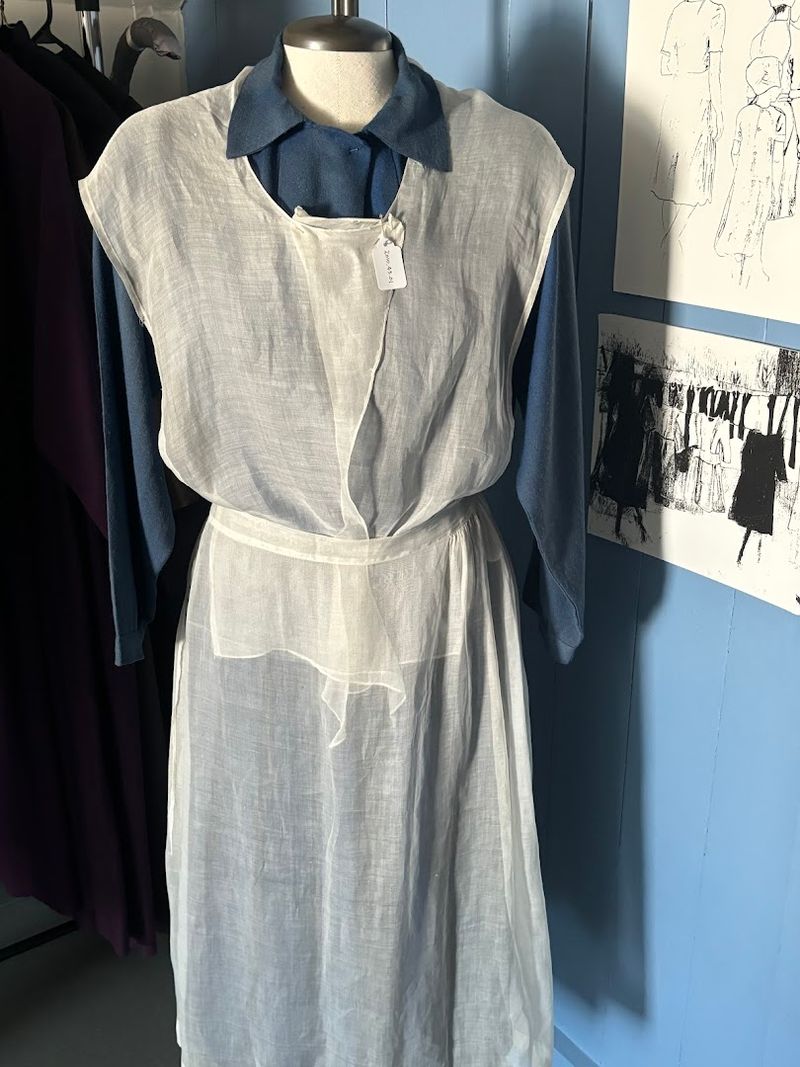
What makes this place feel true is how little it tries to impress. The buildings do their quiet work, the volunteers speak plainly, and the land keeps the mood steady.
You can relax into that honesty and let it set the tone for your day.
Genuine does not mean fancy, it means consistent when nobody is watching. The choices here hold together, from materials to methods to the way questions are welcomed.
You will catch yourself breathing deeper, because nothing is selling you anything you did not come for.
Stand by a fence line and look across the fields, and you will understand grounded. The stories are anchored to chores, seasons, and neighbors, not spectacle.
That anchor gives the visit a weight that you can feel without anyone pointing it out.
It all adds up to a stop that respects your time and attention, which is rarer than we admit. In Illinois, where wind and work share the schedule, that respect feels exactly right.
Walk away and you will still hear the soft hinge of a barn door, reminding you why you came.
The Illinois Detour That Leaves A Bigger Impression
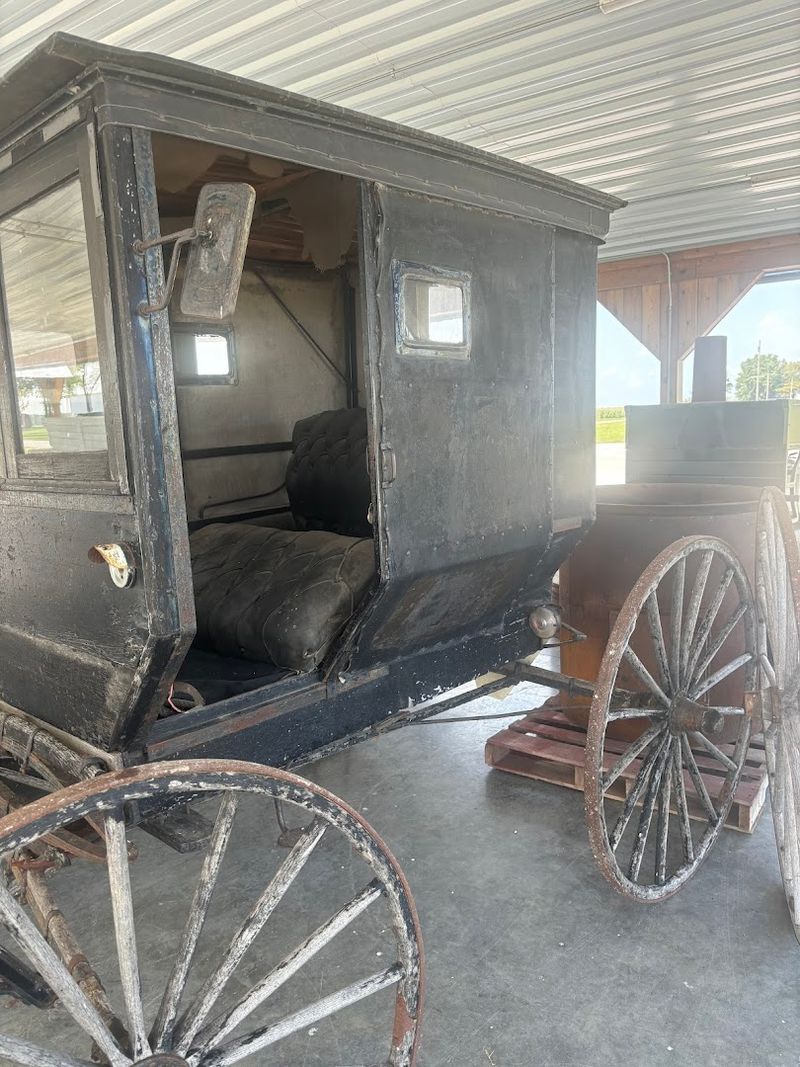
Some detours do not announce themselves, they just start working on you quietly and then refuse to fade. This is that kind of side trip, the one you remember longer than the main destination.
The drive is simple, the parking easy, and the reward shows up in small moments that stack.
Maybe it is the way light sits on a clapboard wall, or how a volunteer tells a story like a neighbor leaning on a fence. Maybe it is the steady cadence of tools, or the way a room keeps its dignity without polish.
Those details travel well, and they tend to speak up later when life gets busy again.
You wanted a hands-on day, and you got one, but you also got a recalibrated sense of pace. That is worth keeping, especially when the week starts racing the minute you get home.
A good detour changes how you carry the next stretch of road.
Back in the car, point yourself toward whatever comes next in Illinois with just a little more patience. The bigger impression is not loud, it is durable, and it will ride along without asking for attention.
That is a fine trade for a few hours well spent, and it is why this stop sticks.
Dear Reader: This page may contain affiliate links which may earn a commission if you click through and make a purchase. Our independent journalism is not influenced by any advertiser or commercial initiative unless it is clearly marked as sponsored content. As travel products change, please be sure to reconfirm all details and stay up to date with current events to ensure a safe and successful trip.
