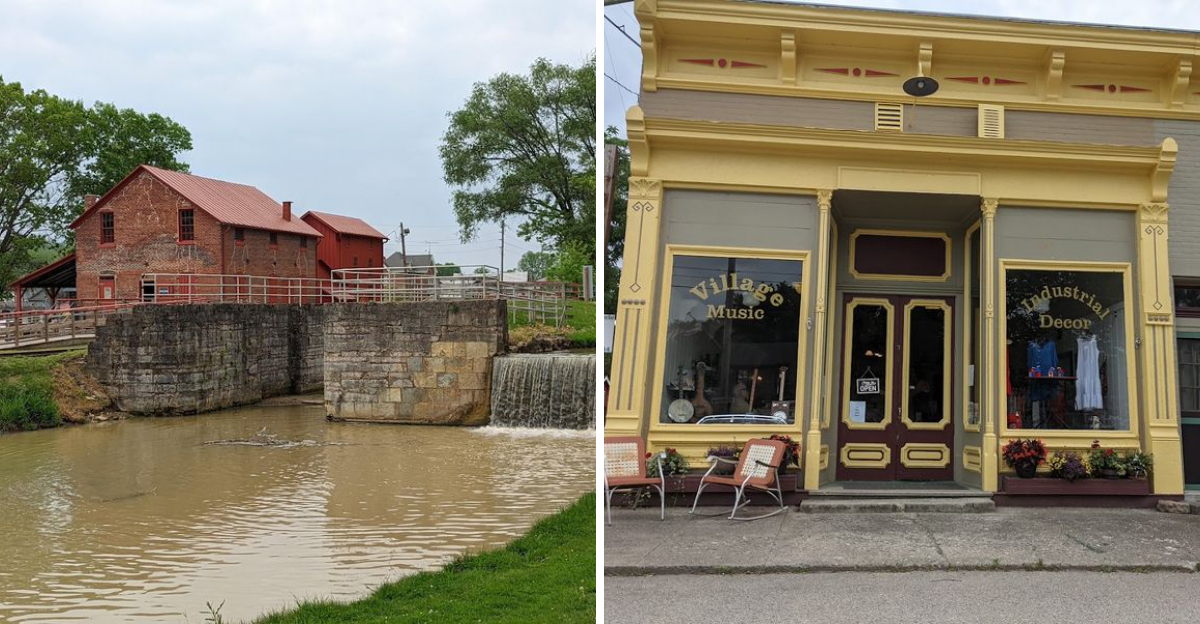
There are small towns, and then there are the ones that make you feel like you have stumbled into another era. In Indiana, a few historic communities still preserve the charm of the past with old structures, unique landmarks, and stories waiting around every corner.
Places like this prove that history does not always have to sit behind glass in a museum. From historic waterways to preserved pathways and classic architecture, every detail adds another layer to the experience.
It is the kind of destination where a simple walk can turn into a journey through centuries of local history. Whether you love exploring forgotten corners, taking scenic day trips, or finding places most travelers overlook, this town has plenty to discover.
Sometimes the most memorable adventures are hiding in the quietest places, far away from the usual crowds.
Duck Creek Aqueduct, A One-Of-A-Kind Engineering Wonder
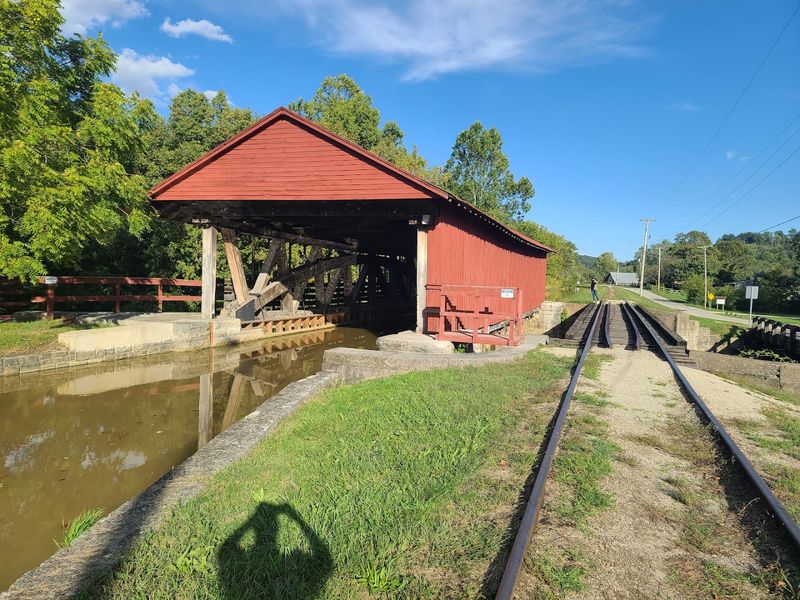
Not many places in the entire country can claim something like the Duck Creek Aqueduct, and Metamora has it. Built in 1843, this wooden covered bridge carries canal water over Duck Creek below, making it the only structure of its kind still in operation in the United States.
The first time you see it, the reaction is usually something between confusion and amazement. A bridge carrying water over a creek sounds like a riddle, but it is completely real and completely functional.
Civil engineers recognized it as a National Historic Civil Engineering Landmark, which tells you just how significant this structure really is.
What makes visiting even better is how accessible it is. You can walk right up to it, peer into the canal channel above, and watch the water moving through.
It is not behind a fence or visible only from a distance. The experience feels genuinely hands-on in a way that history museums rarely manage to pull off.
The aqueduct sits right in the heart of Metamora, so it is easy to include as part of a broader walk through town. Pair it with a stroll along the canal trail and a stop at Canal Lock 24 nearby, and suddenly you have a full afternoon of outdoor exploration without any planning stress.
This is the kind of landmark that makes you pull out your camera every few minutes because each angle looks better than the last.
The Whitewater Valley Railroad Brings History Rolling Right to You
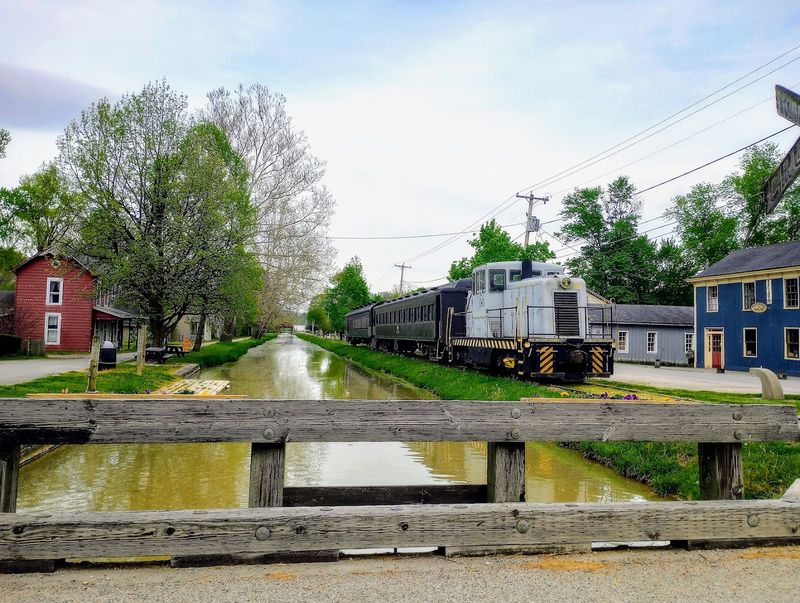
Riding the Whitewater Valley Railroad is one of those experiences that sneaks up on you. You board expecting a simple train ride, and then suddenly you are chugging past a working aqueduct and restored canal locks, watching Indiana’s transportation history unfold right outside the window.
The railroad runs on what used to be the towpath of the Whitewater Canal, which is a detail that makes the whole journey feel layered. Mules once walked this same ground pulling boats loaded with goods.
Now a beautifully maintained vintage train rolls through, honoring that same corridor in a completely different way.
Two options are available depending on how much time you have. The Metamora Local is a shorter two-mile round trip that takes about 30 minutes and runs on weekends.
The Valley Flyer departs from Connersville and gives you a longer scenic ride with a layover in Metamora so you can explore the town on foot.
The railroad operates from May through October, so timing your visit during that window is worth planning ahead. Families with kids especially love this one because it is interactive, scenic, and genuinely exciting.
There is something about a real vintage train that no museum exhibit can fully replicate, and this railroad absolutely delivers that feeling in a way that stays with you long after the ride ends.
Hiking and Biking the Whitewater Canal Trail Is Absolutely Worth It
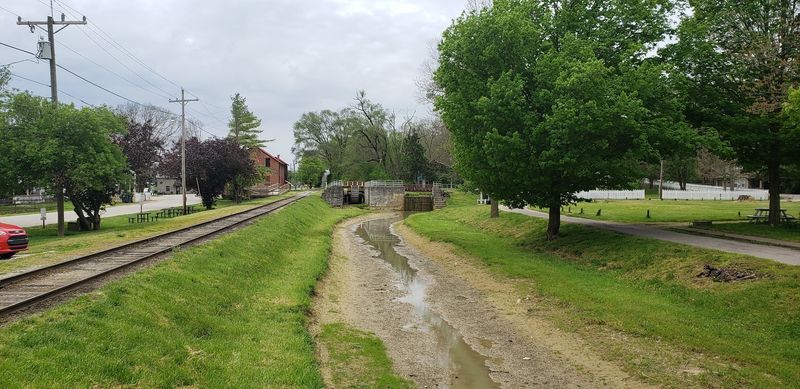
There is a certain kind of quiet that you only find on trails with real history behind them, and the Whitewater Canal Trail has that in abundance.
Stretching about 2.5 miles alongside the old canal, the path takes you through some genuinely beautiful Indiana scenery while telling a story beneath your feet.
Part of the trail actually follows the original towpath, the same packed dirt route where mules once pulled heavy cargo boats through the waterway. That detail alone makes every step feel meaningful.
You are not just walking a nature trail, you are retracing a route that shaped early Indiana commerce.
The trail is flat and manageable, which makes it a solid choice for families, casual hikers, and cyclists alike. You do not need special gear or serious athletic ability to enjoy it.
Just comfortable shoes and a willingness to slow down and notice things.
Along the way, you can spot original canal features including locks and stonework that have survived nearly two centuries. The natural setting adds to the experience, with trees arching over the path and the canal water moving quietly beside you.
Early morning visits are especially peaceful, when the light hits the water at a low angle and the whole corridor glows. Even if outdoor trails are not usually your thing, this one has enough history woven into it to keep your attention from start to finish.
You Have To Experience the Charm of Metamora’s Village Shops
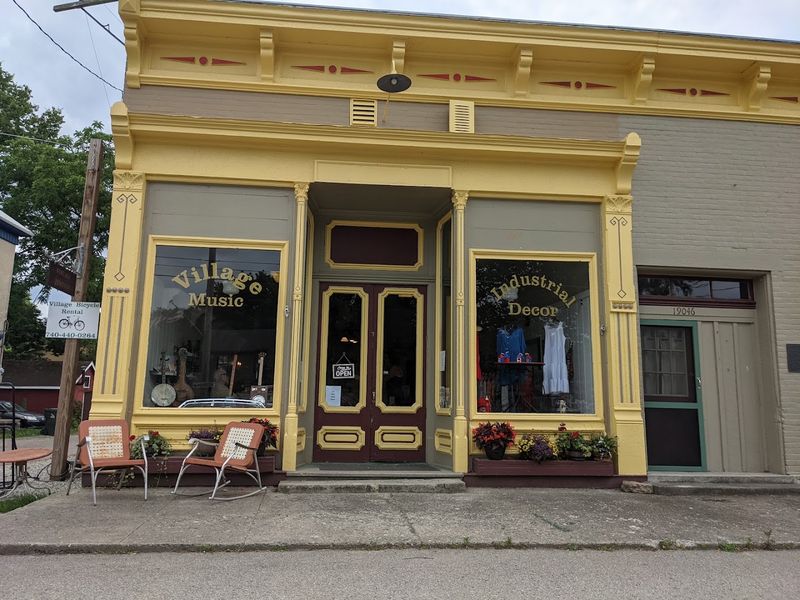
Metamora is small, genuinely small, with a population of just over 200 people. But somehow the town has managed to pack nearly 40 businesses into its historic village center, and browsing through them is one of the most enjoyable parts of any visit.
Antique shops are scattered throughout, and the kind of things you find in them feel appropriately old-fashioned for a canal town. Specialty stores selling handcrafted goods, local art, and unique gifts line the streets alongside eateries that feel personal rather than commercial.
Nothing here feels like a chain or a franchise.
One stop that always draws attention is Grannie’s Cookie Jars and Ice Cream Parlor, which holds a surprisingly massive collection of cookie jars alongside its ice cream offerings. It is quirky, fun, and completely unexpected, which pretty much sums up Metamora as a whole.
The kind of place you wander into not knowing what to expect and leave genuinely delighted.
Shopping here is unhurried. There are no crowds pushing you along, no parking garage stress, and no pressure to rush.
The whole village invites you to slow down, peek into doorways, and chat with shop owners who clearly care about what they do. Even if you are not a dedicated shopper, the atmosphere alone makes wandering through worth the time.
It feels like a real community, not a tourist trap dressed up to look like one.
The Metamora Grist Mill and Its Fascinating Milling Legacy
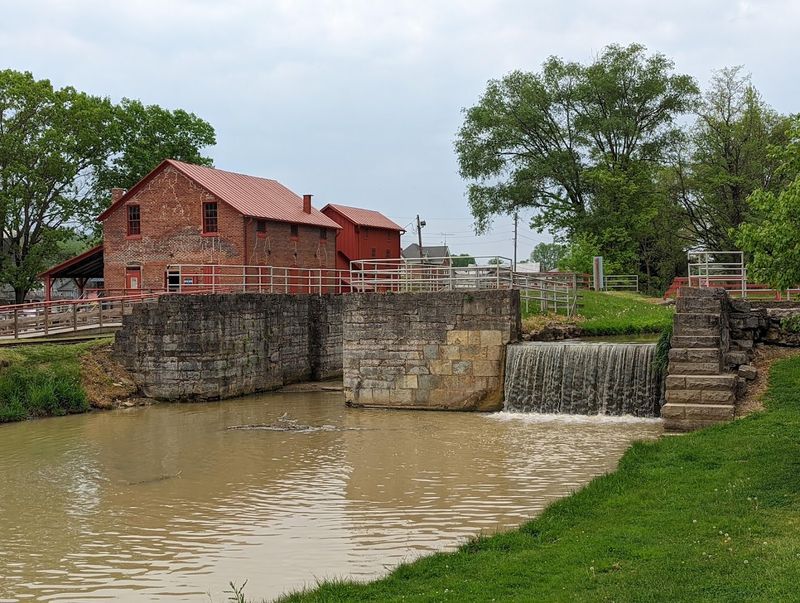
Few things connect you to the past quite like watching a water wheel turn grain into flour the same way people did over a century ago. The Metamora Grist Mill has been doing exactly that for generations, powered entirely by the flow of the Whitewater Canal.
Originally built as a cotton mill in 1845, the structure was converted to a flouring mill in 1856. It was rebuilt twice after fires, in 1900 and again in 1932, which means the building itself carries layers of history within its walls.
The 12-foot breast water wheel that powers the operation is one of the most visually striking things in town.
Corn was ground here into cornmeal and grits, and wheat was milled into whole wheat flour and cereal. Watching that process happen in real time, powered by nothing but moving water, is genuinely impressive.
It gives you a very clear picture of how communities survived and thrived long before modern supply chains existed.
It is worth checking current operating status before your visit, as the Whitewater Canal State Historic Site announced changes in 2025 that affected site operations.
Even so, the mill building and the canal infrastructure surrounding it remain a central part of what makes Metamora so visually compelling.
Bring your camera, take your time, and let the whole setting sink in before you move on to the next part of town.
Canal Days and the Metamora Music Festival Are Something Special
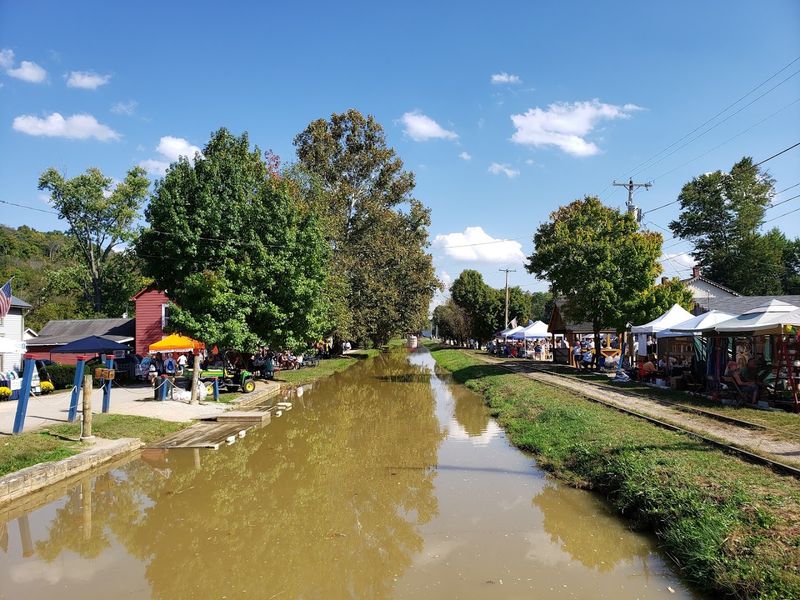
Metamora already has plenty going on during a regular weekend visit, but if you can time your trip around one of its annual festivals, the experience jumps to a completely different level. Two events in particular draw visitors from across the region every single year.
Canal Days kicks off on the first Friday of October and transforms the already charming village into a full-on celebration of its heritage. The streets fill with vendors, demonstrations, and activities that highlight the canal town history in a festive and approachable way.
The fall timing also means the surrounding trees are usually putting on a show of their own, which adds a gorgeous visual layer to the whole event.
The Metamora Music Festival runs over Labor Day weekend and brings together bluegrass, gospel, and folk musicians for a lineup that feels deeply rooted in the region’s culture. Live music drifting along the canal path while the sun sets is the kind of memory that sticks with you.
It is casual and community-driven, not a massive commercial production.
Both events are family-friendly and carry the same relaxed, welcoming energy that defines Metamora on any given day. Planning your visit around either one gives you a richer experience of the town as a living community rather than just a preserved historic site.
Check the town calendar before your trip so you do not accidentally miss one of these highlights.
The History of the Whitewater Canal Is Deeper Than You Might Expect
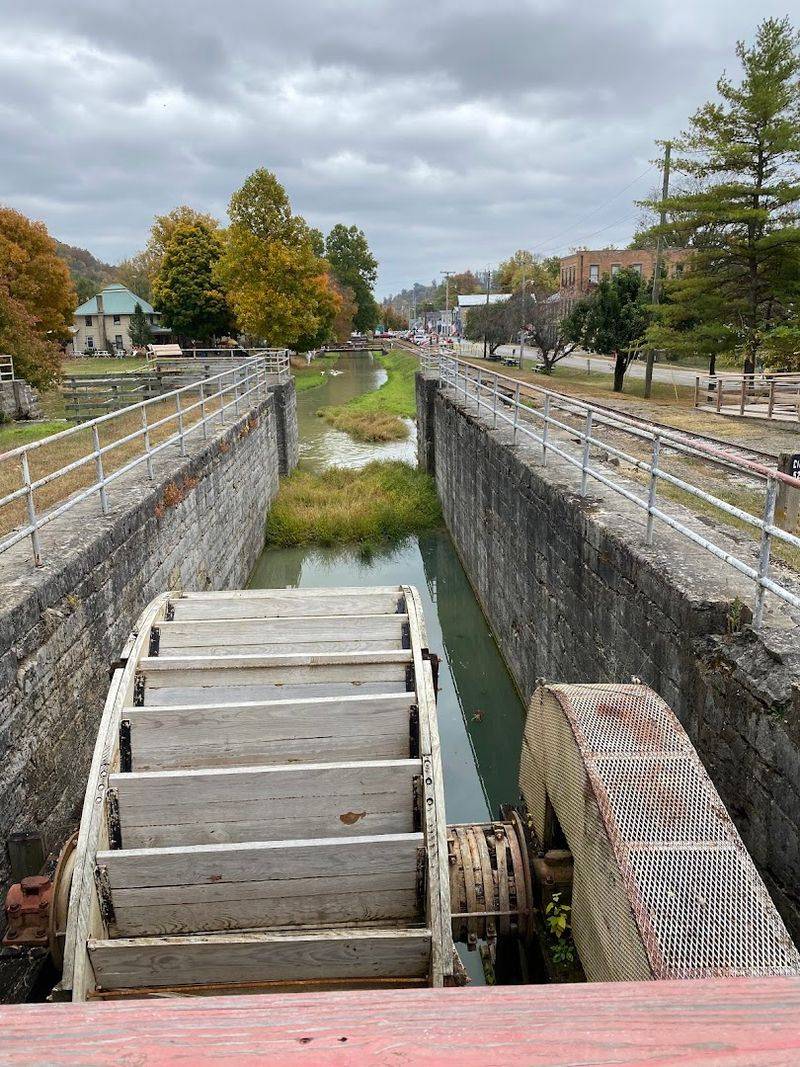
Most people arrive in Metamora knowing vaguely that it has something to do with a canal. But the full story of the Whitewater Canal is far more ambitious and dramatic than a quick glance suggests.
Understanding even a little of that backstory makes every corner of the town feel more alive.
Construction began in the 1830s and the canal was completed in 1847, stretching 76 miles and featuring 56 locks to manage a remarkable 491-foot drop in elevation. That is not a small engineering project.
For its era, this was a massive undertaking that required years of labor and enormous investment from the state of Indiana.
The canal played a central role in early commerce, moving goods between communities and connecting Indiana to broader trade networks. Then railroads arrived and made the waterway economically obsolete almost overnight.
But here is the interesting part: the canal water kept flowing, and mills along the route kept using that energy for decades afterward.
Metamora is now listed in two overlapping National Register Historic Districts, one covering the canal route itself and another covering the town’s late-19th-century commercial and residential buildings. That dual recognition reflects just how much authentic history survives here in physical form.
Walking through Metamora is not like reading about history in a textbook. It is more like the history is still standing right there next to you, quietly waiting for someone to notice it.
