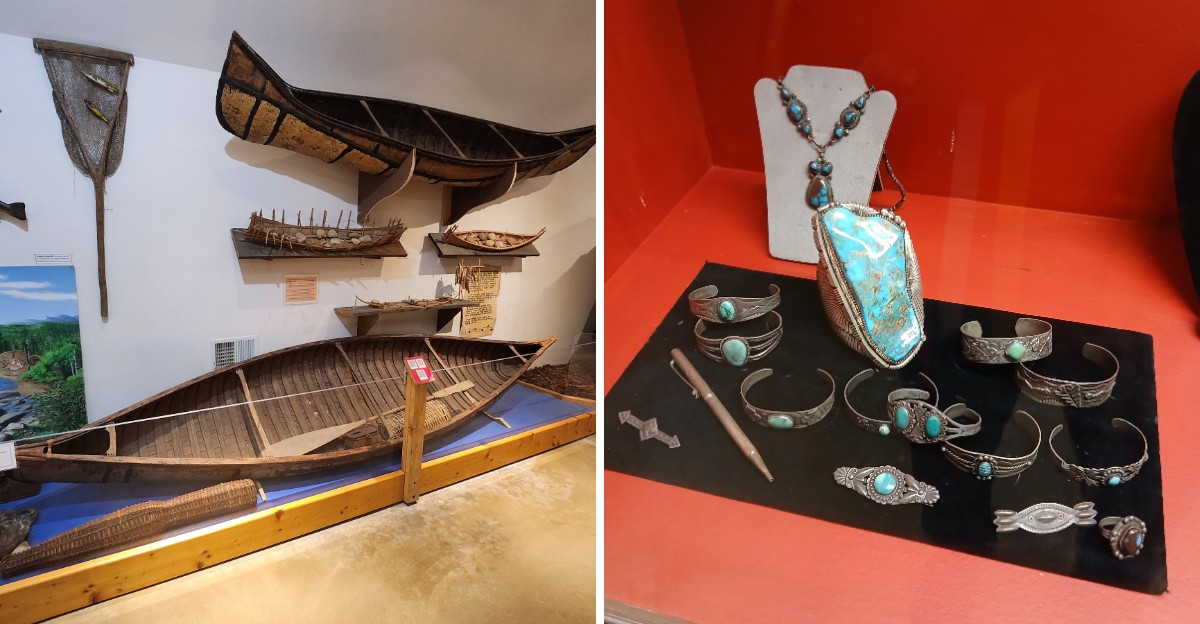
History books tend to cover the same events over and over, leaving out entire chapters that deserve far more attention. This New Hampshire museum exists to fill some of those gaps.
It focuses on Native American history, culture, and traditions, told in a way that feels personal and respectful rather than distant. The exhibits include artifacts, artwork, and stories passed down through generations.
You will find explanations of how tools were made, how food was gathered, and how communities organized themselves long before European settlers arrived. The staff are knowledgeable and happy to answer questions.
The museum is small enough to explore in a couple of hours, but the impact stays with you much longer. This New Hampshire museum is not just a collection of objects.
It is a reminder that the history of this land did not begin with the arrival of settlers. And once you learn what is here, you will wonder why it took so long to hear these stories.
A Collection Built Entirely On Gifts, Not Grabs
Most museum collections carry complicated baggage. Objects were taken, traded under pressure, or scooped up by collectors who never asked permission.
Here the story runs differently. Everything in the galleries arrived as a gift or a purchase made with care, which changes how the rooms feel the moment you walk in.
You notice it in the way pieces are presented. Labels credit nations and makers rather than treating the work as anonymous craft from some vague past.
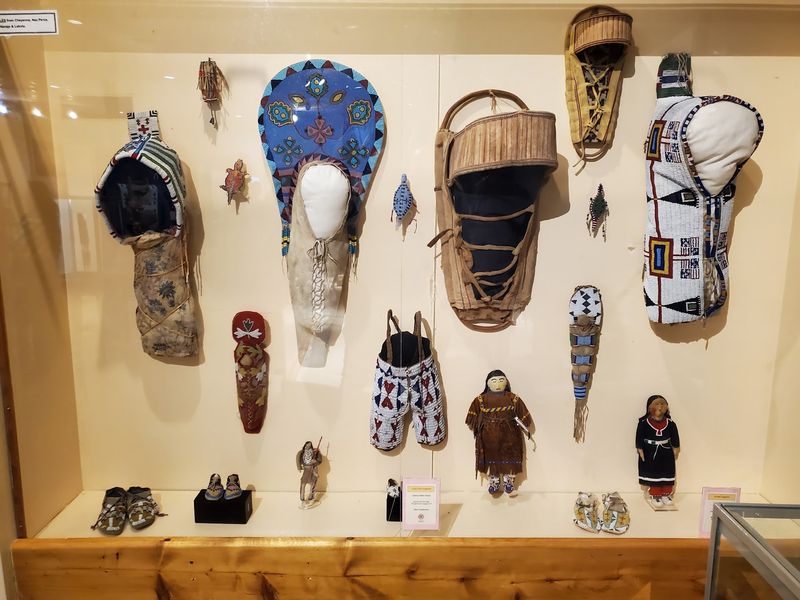
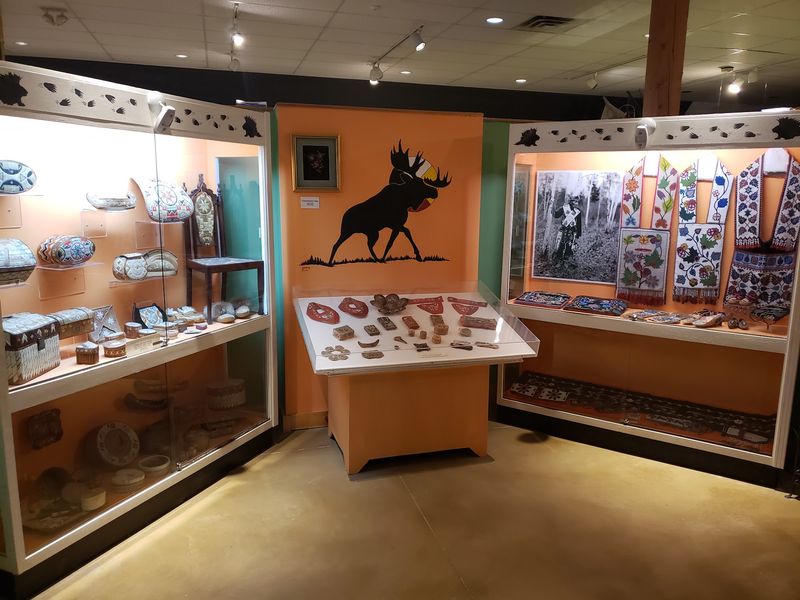
Beaded vests glow under the lights with colors that have not faded. Cradleboards, moccasins, and ceremonial regalia sit at eye level so you can study the stitching without squinting.
What surprises many people is the sheer range packed into a building this size. Nations from the Northeast, the Plains, the Southwest, the Northwest Coast, and the Arctic all have space here.
Comparisons to bigger institutions come up often, and the Mt Kearsarge Indian Museum holds its own. Fewer objects, yes, but each one earns its place.
Give yourself permission to linger. The galleries reward slow walkers far more than speed readers, and nobody here will rush you along.
Guided Tours That Turn Display Cases Into Living Classrooms
Skipping the guided tour would be a genuine mistake. The objects are beautiful on their own, but the explanations behind them are where the real payoff hides.
Tours typically run around an hour and a half, winding through the galleries region by region. Guides connect what you are seeing to climate, food sources, trade routes, and the practical genius of people who engineered brilliant solutions without hardware stores.
Questions are welcome, and they change the shape of the tour. Ask about a particular basket and you may end up learning how black ash splints are pounded loose from a log.
Staff here know the material deeply, and the depth shows. Nobody recites a script.
Kids handle these tours better than you might expect, largely because the storytelling stays vivid rather than dry. A curious seven year old and a history buff grandparent can walk out equally satisfied.
Rainy days in New Hampshire have a way of steering people toward the Mt Kearsarge Indian Museum, and those accidental visits often stretch into long, absorbing afternoons.
Call ahead if your group is large. Timing your arrival with a tour start makes everything better.
Basketry So Tight It Once Carried Water
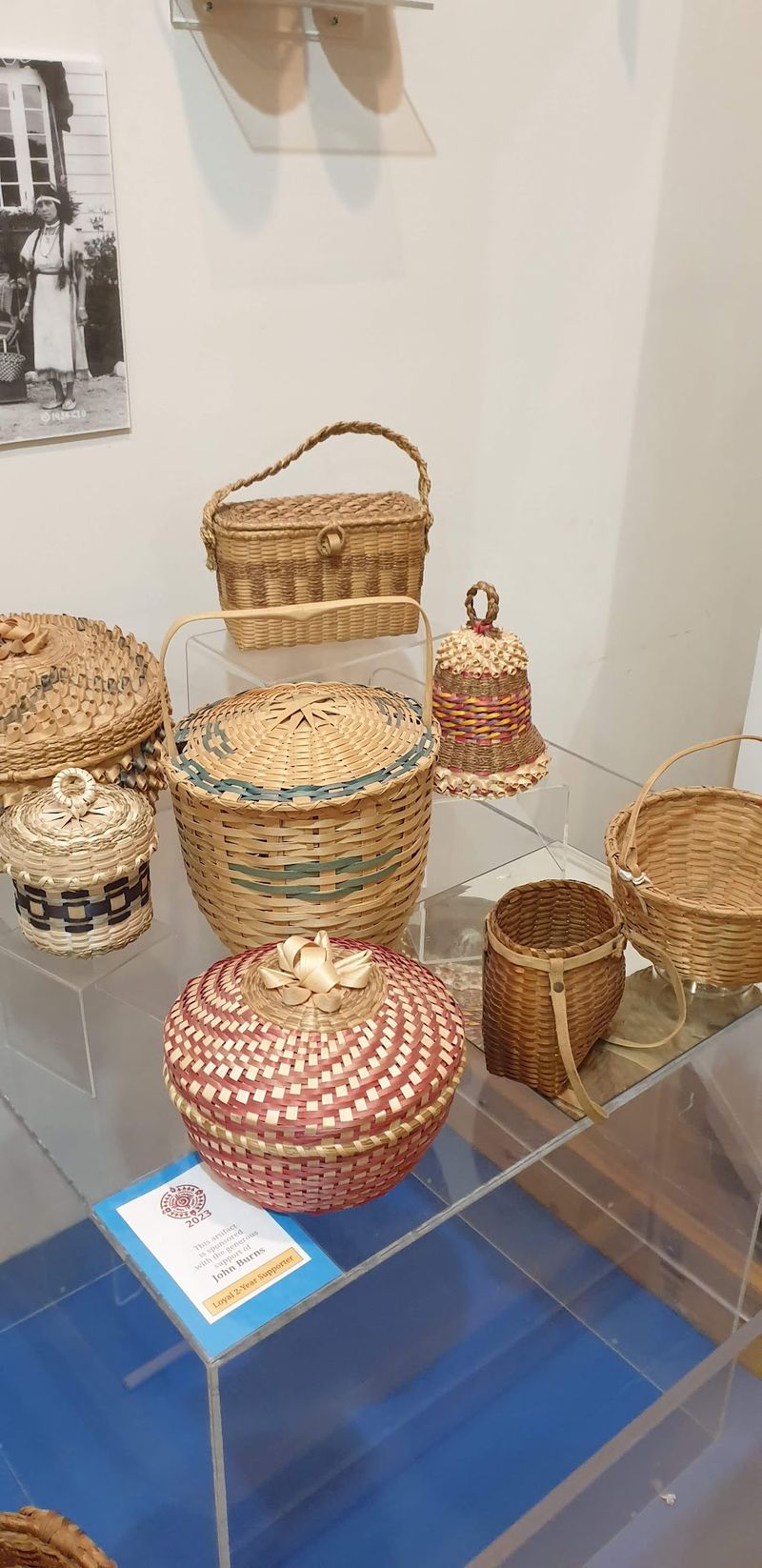
Weaving does not sound thrilling until you stand in front of a basket with stitches so fine they look machine made. They were not.
Ash splint work from the Northeast shares space with coiled pieces from the Southwest and cedar work from the Pacific Northwest. Side by side, the differences in technique tell you almost everything about the landscapes that produced them.
Some baskets were built for berry picking. Others stored seed corn, carried infants, or served in ceremonies.
A few were woven so densely they held liquid without leaking, which sounds impossible until you see the weave up close.
Sweetgrass shows up in Northeastern work, braided into rims and adding fragrance that lasted for decades. Dyes came from berries, roots, and bark rather than bottles.
Pay attention to the tiny curls and twists on the fancy baskets. Those decorative flourishes were signatures, regional styles as recognizable as handwriting.
Basketry remains a living tradition, not a closed chapter, and the museum makes that point clearly.
Photographers love this section for the textures alone. Even a phone camera picks up the rhythm of the weave beautifully.
Medicine Woods Trail Where The Forest Does The Teaching
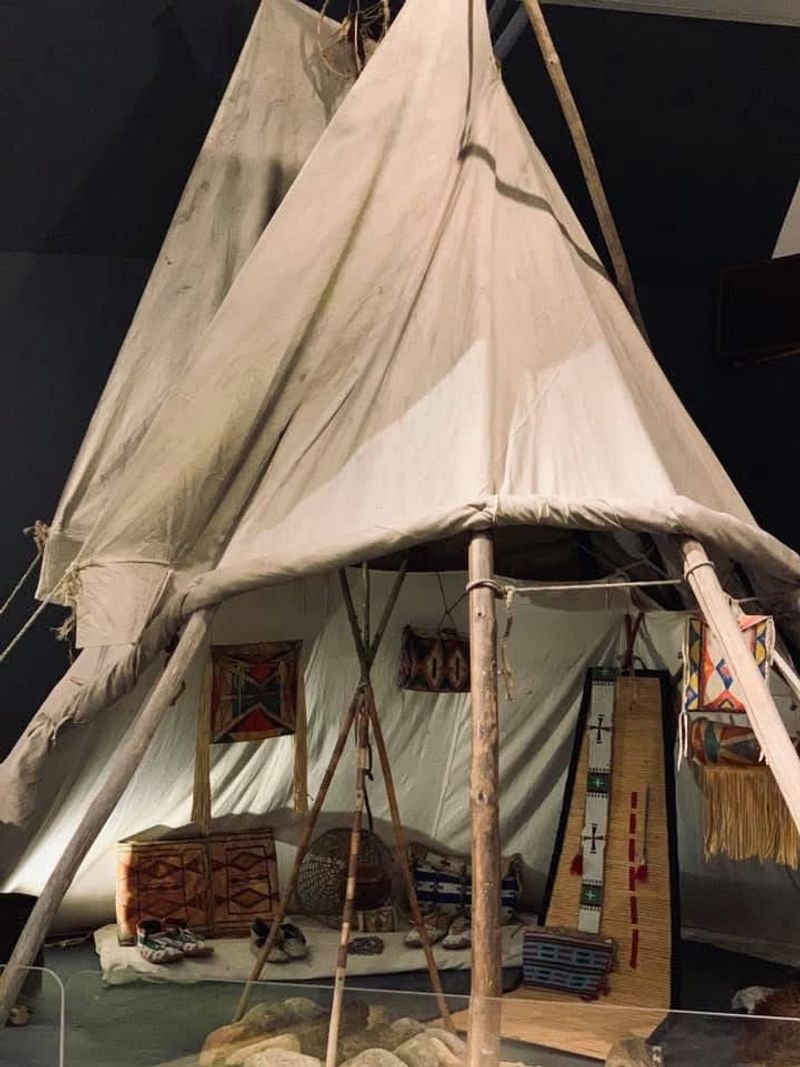
Step outside and the lesson keeps going. A woodland path loops through the property, marked with signs identifying trees and plants that Indigenous people relied on for food, medicine, tools, and shelter.
The walking is easy. No scrambling, no steep climbs, just a gentle stroll under hardwoods and evergreens.
White pine, birch, sumac, and ferns all get their moment. Learning that a plant you have walked past a thousand times once treated fevers or made cordage rearranges how you look at ordinary woods.
Birdsong replaces the hum of the galleries. In autumn the canopy turns ridiculous shades of orange, and New Hampshire foliage season makes this short loop punch far above its size.
Picnic spots sit near the trail, so packing lunch is a smart move. Spread out, eat slowly, and let the kids burn energy between exhibits.
Spring brings wildflowers and soft green light through new leaves. Summer offers shade when the parking lot bakes.
Plan an extra half hour minimum. Rushing this trail defeats its entire purpose, and the quiet is honestly half the reward.
Regalia That Makes You Stop Talking
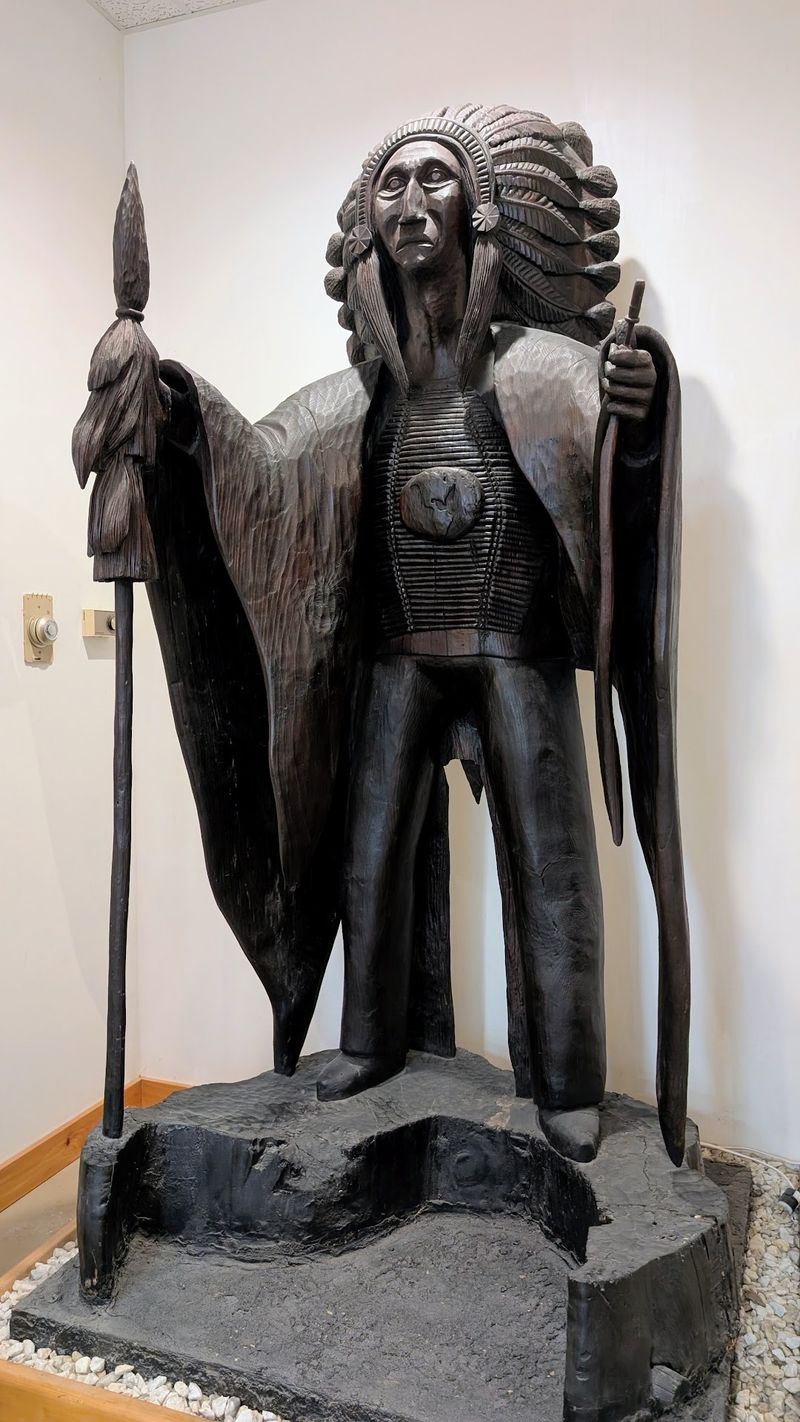
Some objects command silence. The regalia here does exactly that.
Beadwork covers vests, bags, leggings, and moccasins in patterns so dense the base material disappears entirely. Thousands of glass beads, each placed by hand, form florals and geometrics that still blaze with color.
Different nations favored different visual languages. Floral designs curl across Northeastern and Great Lakes pieces, while Plains work leans into bold geometry and striking color blocks.
Quillwork appears too, predating glass trade beads and requiring patience most modern hands could never summon. Porcupine quills were softened, dyed, flattened, and stitched into patterns finer than embroidery.
Regalia was never costume. Each piece carried meaning tied to family, achievement, ceremony, and identity, and that context is explained clearly rather than glossed over.
Standing close, you start doing math on the hours involved. Hundreds, easily, for a single garment.
Warner sits in a quiet corner of New Hampshire, which makes finding work of this caliber here genuinely startling. The Mt Kearsarge Indian Museum does not scale down its ambitions to match its square footage.
Look for the smallest pieces. The details hide there.
Abenaki Roots And The History Right Under Your Feet
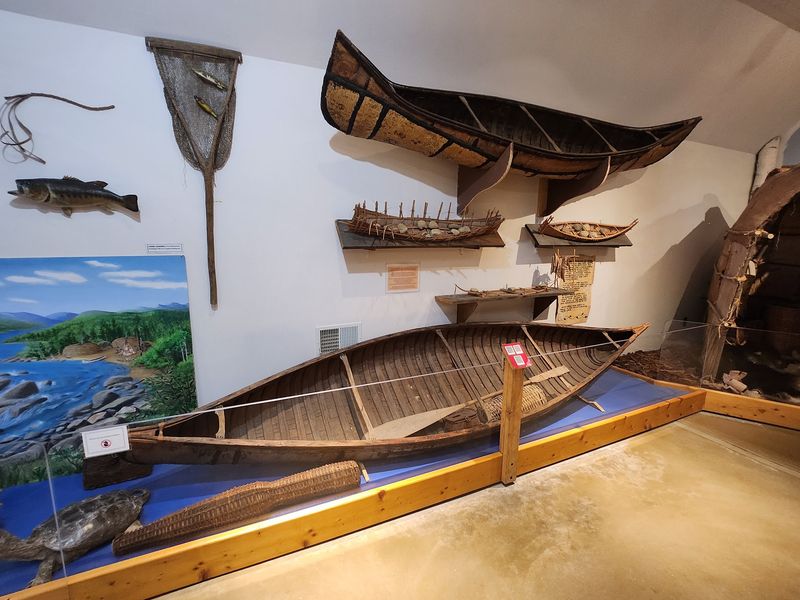
Textbooks covering New England history tend to sprint past the people who lived here first. That gap gets filled here in a serious way.
Abenaki life in this region gets real attention, from seasonal movement between hunting grounds and fishing spots to the tools that made survival possible through hard northern winters.
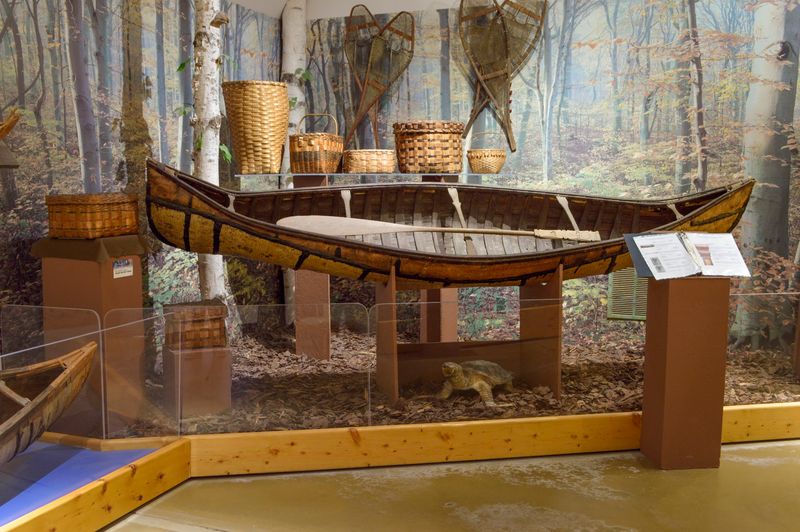
Birchbark shows up everywhere once you know to look for it. Containers, canoe construction, and shelter coverings all relied on a material peeled carefully so the tree kept living.
Maple sugaring predates colonists by a long stretch, something the museum highlights during late winter programming. Sap collection and boiling were Indigenous innovations first.
Fishing weirs, snowshoes, and hide preparation tools round out the picture. Each object argues against the tired myth of simple living.
Warner sits within the broader Abenaki homeland, so the exhibits are not describing somewhere distant. This history happened on these hills.
Families with school age kids get particular value here, since local curriculum rarely covers this ground in depth.
Walk out and the New Hampshire landscape looks different. That shift alone justifies the trip.
Powwows That Fill The Grounds With Drums And Color
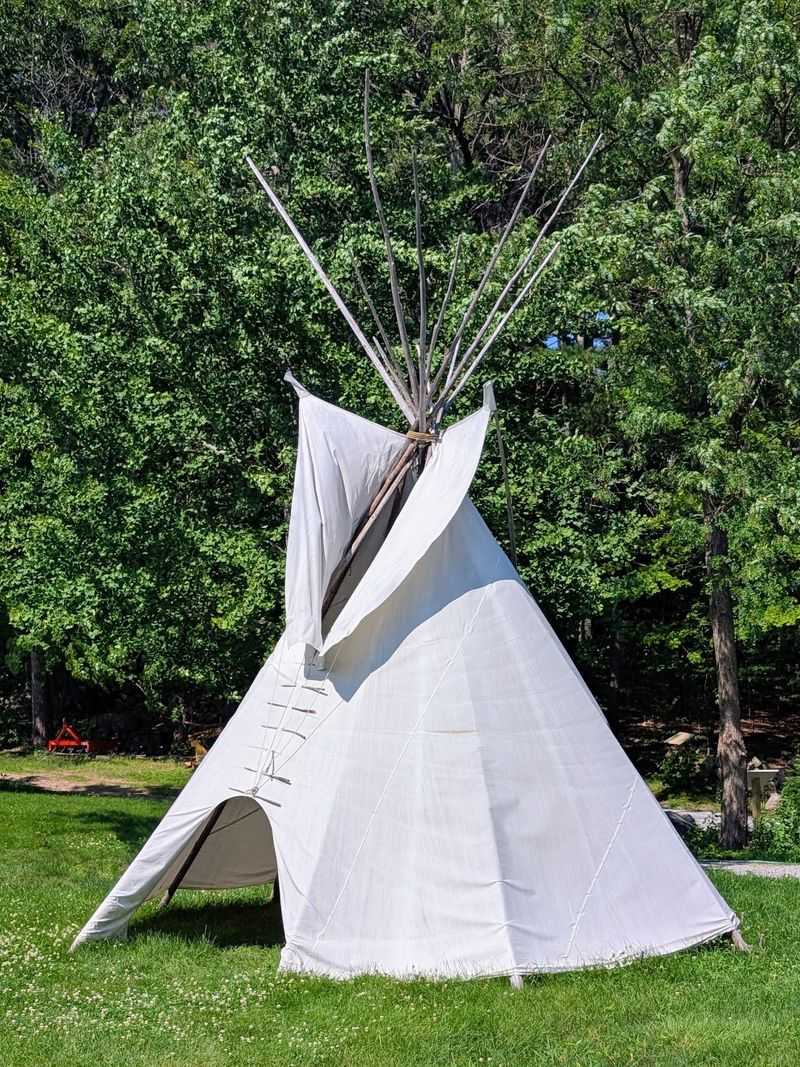
Once a year the quiet hillside transforms completely. Drum groups set up, dancers arrive in full regalia, and the grounds fill with sound that carries across the field.
Powwow weekend draws people from across the region. Dance categories range from fancy and grass to jingle dress and traditional, each with its own rhythm and history.
Watching is welcome, and the emcee explains what is happening throughout the day. Protocol gets shared openly so nobody feels lost.
Vendors set up tables with handmade jewelry, textiles, and artwork. Craft demonstrations often run alongside the dancing.
Harvest festivals bring another flavor entirely. Basket weaving, leather working, cornhusk doll making, and beading demonstrations turn the grounds into an open air workshop.
Bring a folding chair. Shade fills up quickly and standing through a full afternoon gets tiring.
Check the museum website before planning a trip around an event, since dates shift year to year. Weather can also reshape a schedule.
Festival days at the Mt Kearsarge Indian Museum feel less like a performance and more like an invitation. Show up curious and you will leave with far more than photos.
A Gift Shop Stocked With Actual Art
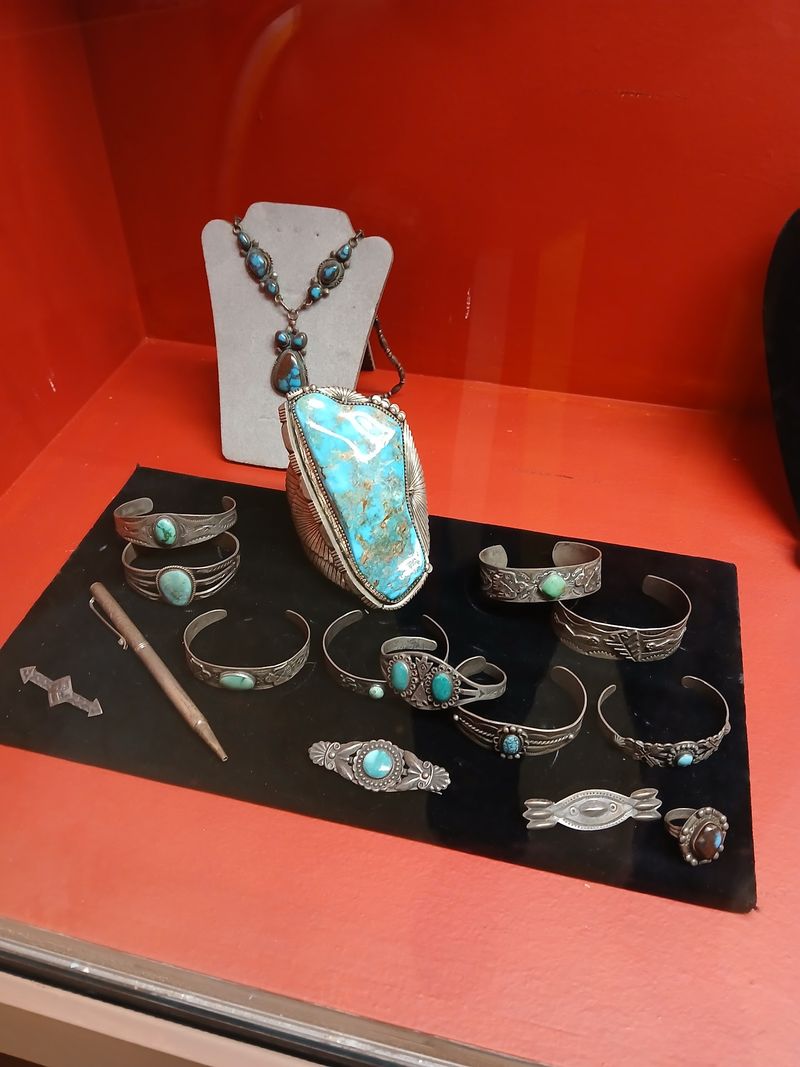
Forget the usual rack of keychains and magnets. The shop here stocks work made by Indigenous artists, and the difference is immediately obvious.
Silver and beadwork jewelry, pottery, carvings, textiles, and books fill the shelves. Prices reflect the skill involved, which is exactly as it should be.
Buying here sends money directly toward the artists and the museum rather than a novelty wholesaler. That matters more than the souvenir itself.
Books deserve a browse even if you buy nothing else. Titles cover regional history, Indigenous authors, plant knowledge, and craft techniques that are hard to find in general bookstores.
Smaller items exist for lighter budgets. Seed packets, cards, and modest beadwork make thoughtful gifts without heavy spending.
Ask about the maker behind a piece. Staff generally know, and a purchase carries more weight once you can name the hands that made it.
Leave a little time for the shop rather than treating it as an exit corridor. Rushing through means missing the best pieces.
Consider it the final gallery. The craftsmanship on these shelves belongs in the same conversation as the exhibits.
Small Enough To Breathe, Rich Enough To Return
Crowd fatigue is real. Big city museums can leave you exhausted before the second floor.
Nothing like that happens here. Galleries stay calm, sightlines stay clear, and you can stand in front of a case for ten minutes without anyone hovering behind you.
Two hours covers the essentials comfortably. Add the trail and a picnic and you have filled an entire afternoon without feeling stretched.
Repeat trips work well because the exhibits rotate and seasonal programming shifts the experience. Winter visits feel completely different from a golden October afternoon.
Accessibility is reasonable throughout the main galleries, though the woodland trail involves natural terrain.
Warner itself deserves a stop afterward. The small downtown has cafes and shops within easy reach, making a full day out of the trip.
Combining the museum with foliage driving or a hike on nearby trails turns a single stop into a proper New Hampshire weekend.
Photography rules are worth confirming at the desk before you start snapping away.
Arrive earlier in the day when tours tend to be roomier. Late arrivals still work, but leave enough runway for the full tour.
How To Find It And Make The Most Of Your Visit
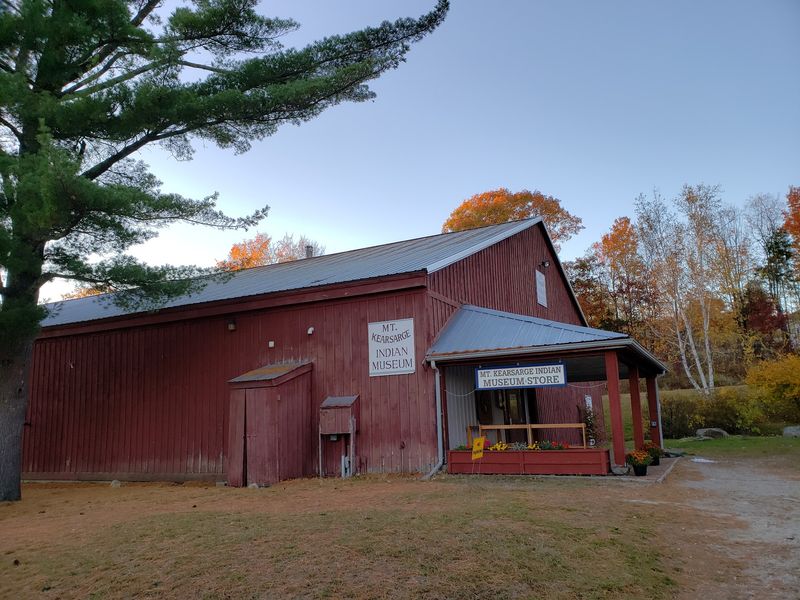
Getting here is refreshingly simple. The building sits just off Interstate 89, a short drive from Concord and easy to reach from most of southern New England.
Point your directions to the Mt Kearsarge Indian Museum at 18 Highlawn Road, Warner, NH 03278. Parking sits right at the entrance, free and uncomplicated.
Doors open from Monday through Saturday in the morning and Sundays from midday, with the season running through the warmer months. Checking the website before driving out is the smart move, since seasonal closures and event days shift the schedule.
Wear shoes you can walk the trail in. Sneakers beat sandals on root covered paths.
Pack water and snacks if you plan to picnic. The grounds invite lingering.
Guided tours are the heart of the experience, so build your timing around them rather than treating them as optional.
New Hampshire hides plenty of worthwhile stops along Route 89, yet few deliver this much substance per square foot.
Stop scrolling and start driving. The stories waiting on that hillside are the ones your history class forgot to mention.
