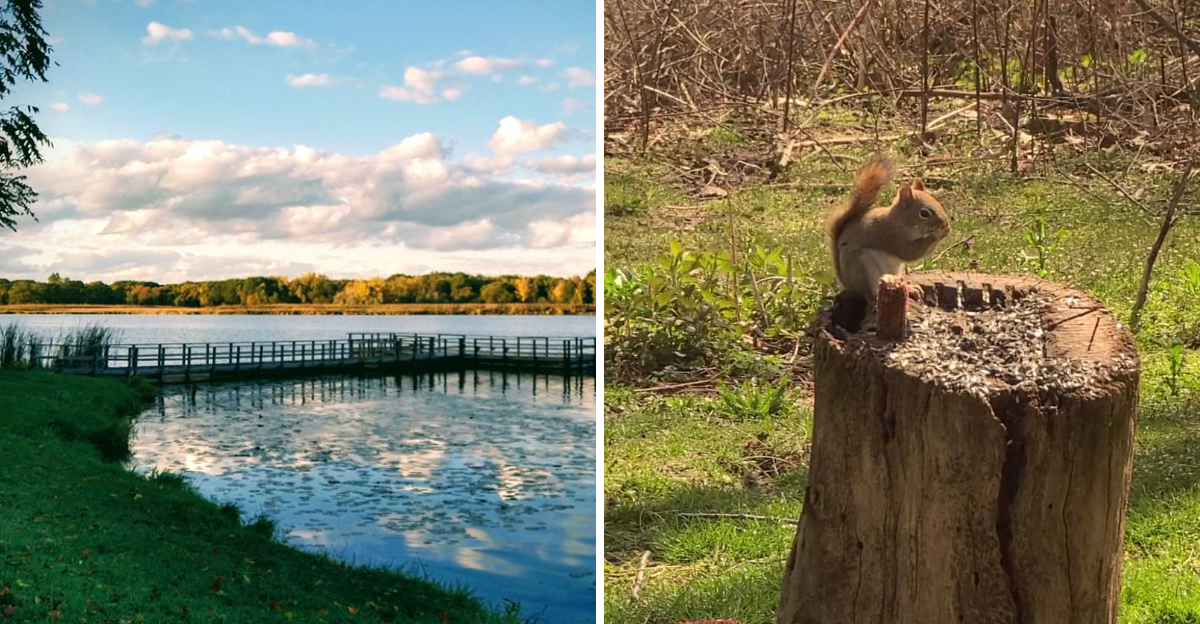
Nestled in the rolling hills of northern Indiana, Potato Creek State Park offers an unforgettable escape into nature where wildlife encounters and outdoor adventures come together.
Located at 25601 IN-4, North Liberty, IN 46554, this 3,840-acre park is a favorite for nature lovers and is currently undergoing a major expansion with a new 120-room lodge targeted to open in late 2026. Whether you are watching white-tailed deer along the forest edge or spotting great blue herons fishing in Worster Lake, the park offers countless chances to see animals in their natural habitat.
Over 25 miles of well-maintained trails wind through forests and wetlands, creating ideal conditions for quiet wildlife viewing.
Beyond its wildlife, Potato Creek delivers a wide range of outdoor activities, including a 327-acre lake, paved bike paths, and an educational Nature Center that hosts live animal “Creature Features” throughout 2026. These features help visitors better understand the local environment while enjoying time outdoors.
Well-Maintained Trail System Perfect for Wildlife Watching
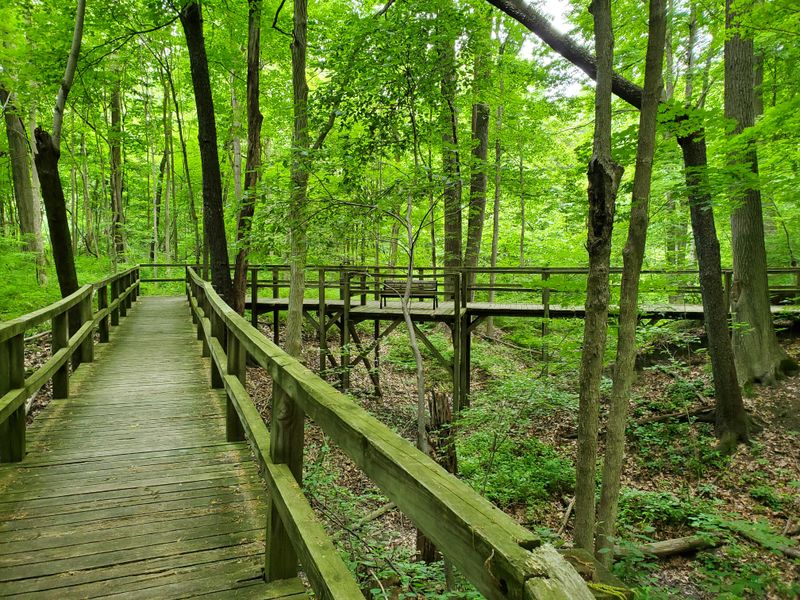
Potato Creek State Park features over 25 miles of trails that meander through varied terrain, making wildlife observation both accessible and exciting. The trail system includes everything from easy one-mile loops to more challenging routes that take you deep into the forest where animals feel safe and undisturbed.
Trail 3 stands out as a visitor favorite, offering a gentle one-mile walk with an overlook area where you can pause and scan the landscape for deer, foxes, and various bird species. The signage throughout the park is excellent, so you won’t waste time getting lost when you could be watching a family of raccoons foraging near the creek.
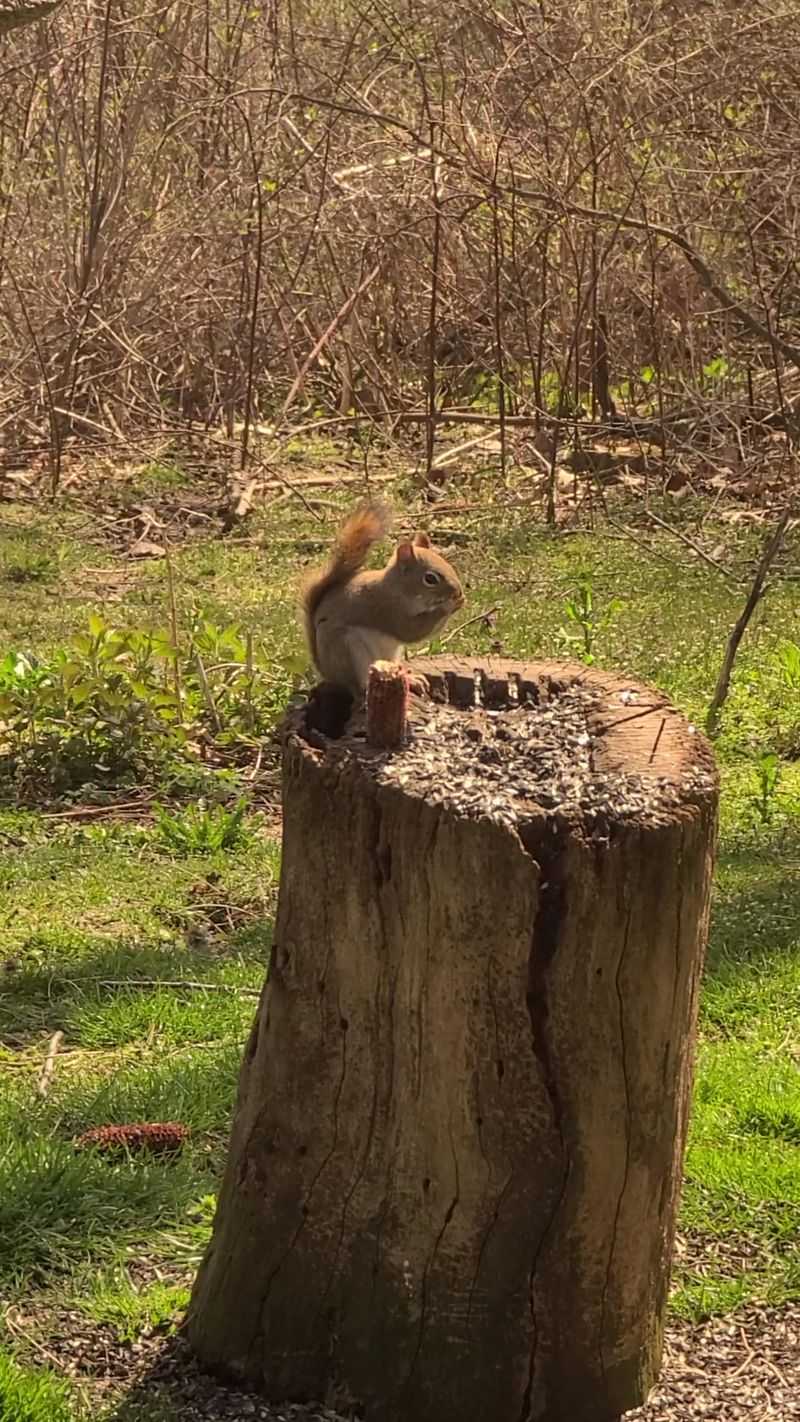
Early morning hikers often report the best wildlife sightings, as animals are most active during dawn hours. The trails wind through oak and hickory forests where woodpeckers hammer away at tree trunks and squirrels chatter from the branches above.
What makes these trails special is how they connect different ecosystems within the park. You might start your hike in dense woodland, then emerge near wetland areas where you can spot turtles sunning themselves on logs and frogs calling from the water’s edge.
Diverse Wildlife Population Throughout the Seasons
The park’s 3,840 acres support an impressive variety of wildlife that changes with the seasons, giving you different reasons to visit throughout the year. White-tailed deer are probably the most commonly spotted mammals, often seen grazing in open areas during early morning or late afternoon hours.
Birdwatchers find Potato Creek State Park particularly rewarding, with over 200 species documented in the area. The osprey tower near the lake provides a unique opportunity to observe these magnificent fish-eating raptors, especially during spring and summer when they’re actively hunting and raising young.
Great blue herons stalk the shallow waters along the shoreline, while red-tailed hawks circle overhead scanning for prey. During migration seasons, the park becomes a temporary home for warblers, thrushes, and other songbirds that fill the forest with their melodic calls.
Smaller mammals like chipmunks, groundhogs, and cottontail rabbits are frequently spotted along the trails. Lucky visitors might catch a glimpse of red foxes trotting through clearings or hear coyotes calling in the distance during evening hours.
The wetland areas support healthy populations of amphibians and reptiles, including various frog species, painted turtles, and water snakes. Spring brings a chorus of frog calls that creates a natural symphony throughout the marshy sections of the park.
Wild turkeys are another common sight, often traveling in groups and surprisingly comfortable around quiet observers. The park’s naturalist staff at the nature center can provide current information about recent sightings and the best locations for spotting specific species during your visit.
Educational Nature Center with Wildlife Exhibits
The nature center at Potato Creek State Park serves as an excellent starting point for understanding the wildlife you’ll encounter on the trails. Located conveniently within the park, this facility features exhibits showcasing the natural and cultural history of the area, including displays about local animal species and their habitats.
Knowledgeable naturalists staff the center and genuinely enjoy sharing their expertise with visitors. They can tell you which trails are best for wildlife viewing that day, what animals have been spotted recently, and how to increase your chances of memorable encounters.
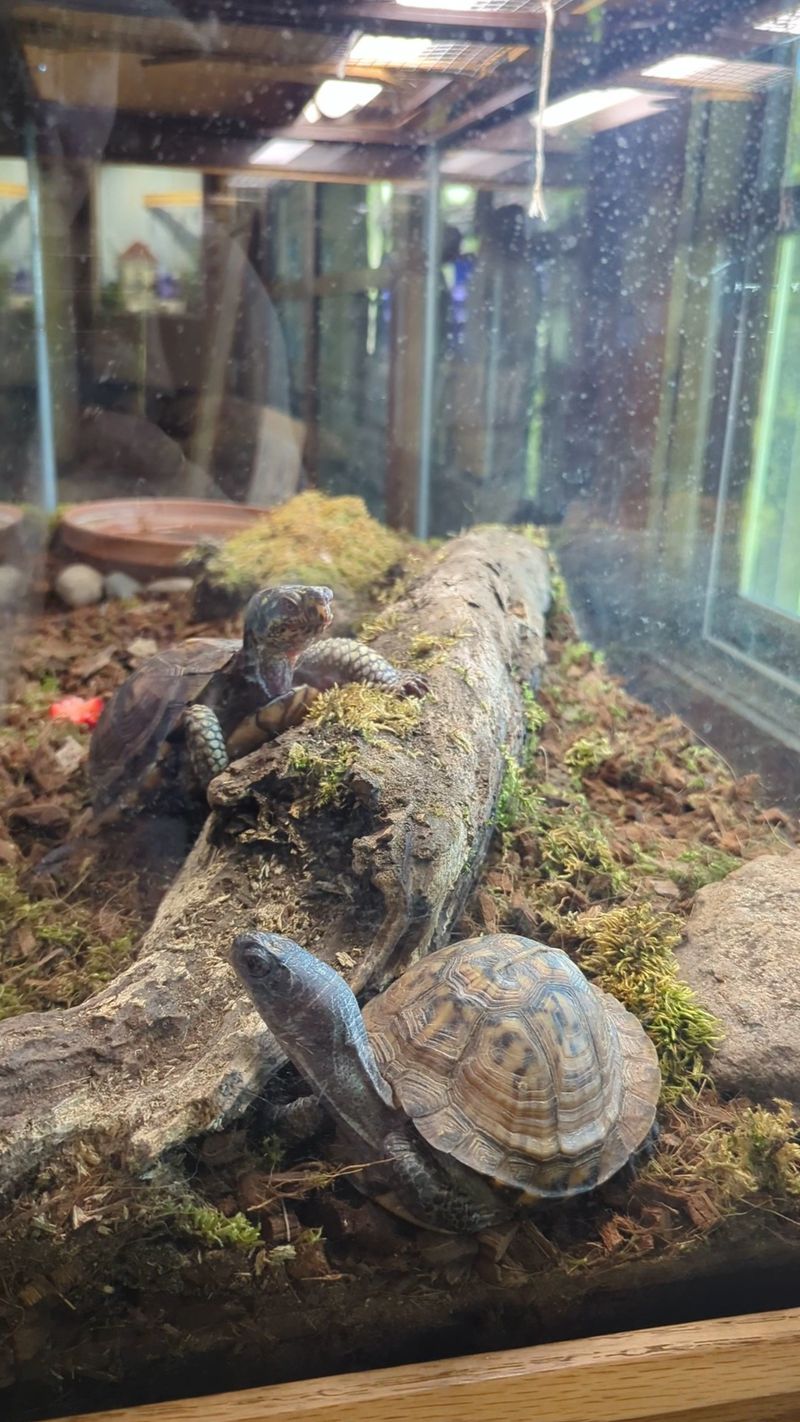
One of the most popular features is the opportunity to meet some of the center’s resident animals, including turtles that the naturalist sometimes takes for educational walks. These up-close encounters help visitors, especially children, develop a deeper appreciation for the wildlife they might see in the wild.
The second floor houses a children’s library filled with nature books, making it a perfect rainy-day activity or a way to learn more about specific species before heading out on the trails. Educational programs run throughout the year, covering topics from bird identification to tracking animal signs in the forest.
The center also provides trail maps and can recommend routes based on your fitness level and wildlife interests.
Peaceful Lake Opportunities for Waterside Wildlife Viewing
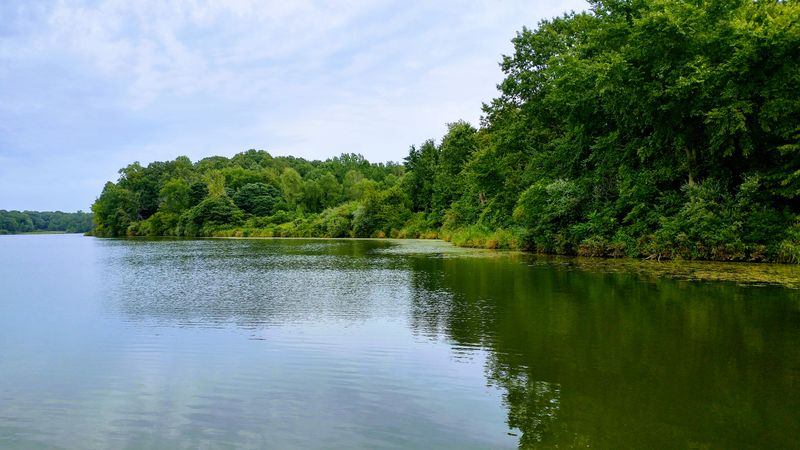
The 327-acre Worster Lake forms the centerpiece of Potato Creek State Park and creates prime habitat for aquatic and semi-aquatic wildlife. The shoreline stretches for miles, offering countless vantage points for observing animals that depend on the water for survival.
Paddling a kayak or canoe across the calm morning waters gives you a completely different perspective on wildlife viewing. From the water, you can quietly approach areas where herons fish, turtles bask, and muskrats build their lodges among the reeds.
The lake’s healthy fish population attracts not only anglers but also osprey, kingfishers, and occasionally bald eagles during winter months. Watching an osprey dive from height to snatch a fish from the water ranks among the most thrilling wildlife encounters the park offers.
Beaver activity is evident in certain areas around the lake, with gnawed tree stumps and dam structures showing where these industrious rodents have been working. Early morning or evening hours provide the best chances of actually seeing beavers swimming or working on their constructions.
Wetland Habitats Teeming with Unique Species
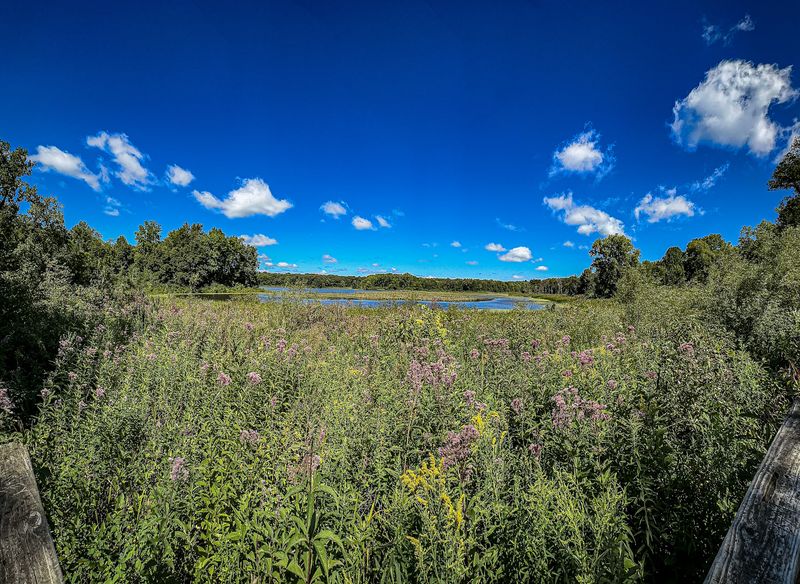
Among the park’s most ecologically important features are the wetland areas that support species rarely seen in other habitats. The Friends of the Wetlands Trail provides easy access to these special ecosystems, though the trail itself is quite short and leaves you wanting to explore more.
Wetlands act as natural filters and provide critical breeding grounds for amphibians, making them incredibly important for maintaining biodiversity. Spring transforms these areas into noisy gatherings where chorus frogs, spring peepers, and American toads create an almost deafening symphony of mating calls.
Great egrets sometimes join the great blue herons in these shallow waters, their pure white plumage standing out dramatically against the green vegetation. During warmer months, red-winged blackbirds establish territories in the cattails, their distinctive calls adding to the wetland soundscape.
Dragonflies and damselflies patrol the wetland edges in remarkable numbers during summer, their iridescent bodies flashing in the sunlight as they hunt for mosquitoes and other small insects. These predatory insects play a vital role in controlling pest populations while providing food for birds and fish.
Patient observers might spot green frogs sitting motionless along the water’s edge or hear the distinctive banjo-string call of green frogs echoing across the marsh. Water snakes, though often misidentified as dangerous, are actually harmless and fascinating to watch as they swim through the shallows hunting for fish and frogs.
The wetlands also attract mammals like mink and raccoons that hunt along the water’s edge. Deer frequently visit these areas to drink, and their tracks in the muddy soil tell stories of their nighttime visits for those who know how to read the signs.
Year-Round Access with Seasonal Wildlife Highlights
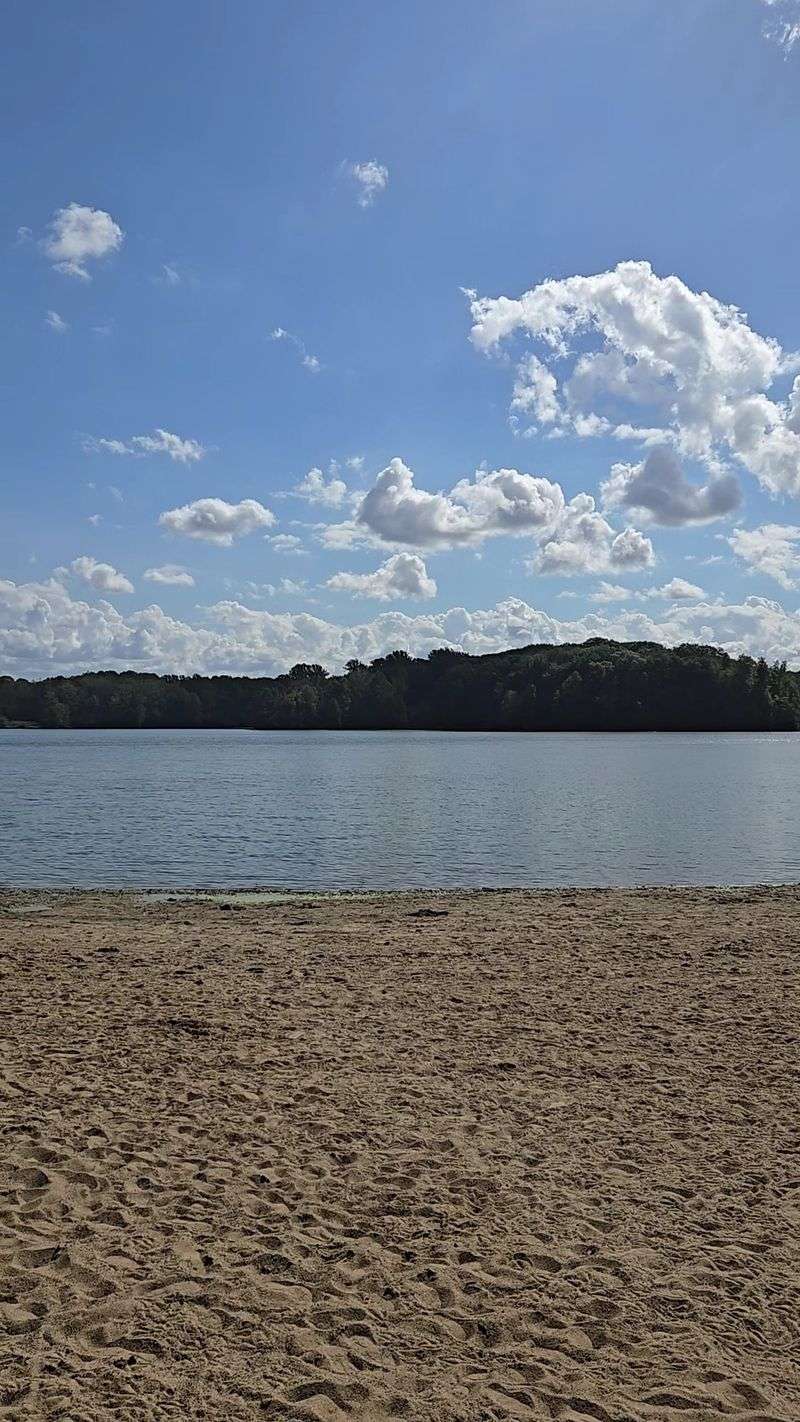
Potato Creek State Park opens its gates at 7 AM and stays accessible until 11 PM every day of the week, giving you flexibility to visit during prime wildlife activity periods. This extended schedule means you can arrive for sunrise hikes when nocturnal animals are returning to their dens and diurnal species are just beginning their day.
Each season brings different wildlife viewing opportunities that make repeat visits worthwhile. Fall delivers spectacular foliage that frames your wildlife encounters in brilliant oranges and reds, while also bringing migration activity as birds prepare for their southern journeys.
Winter transforms the park into a quiet wonderland where animal tracks in the snow tell detailed stories about who passed by and what they were doing. Deer are easier to spot against the bare landscape, and winter birds like dark-eyed juncos and white-throated sparrows visit feeders near the nature center.
Spring explodes with new life as wildflowers carpet the forest floor and baby animals make their first appearances. This is when the park truly comes alive with bird song, frog calls, and the energy of animals raising their young.
Summer offers the most comfortable hiking weather and the longest days for exploring. Young deer lose their spots, fledgling birds test their wings, and the lake buzzes with activity both above and below the water’s surface.
The park’s location at 25601 IN-4 in North Liberty makes it easily accessible from South Bend and surrounding communities. Its proximity to US Route 31 means you can reach this natural haven quickly without spending hours on the road, making spontaneous wildlife viewing trips entirely feasible whenever the mood strikes you.
Comfortable Amenities Supporting Extended Wildlife Watching
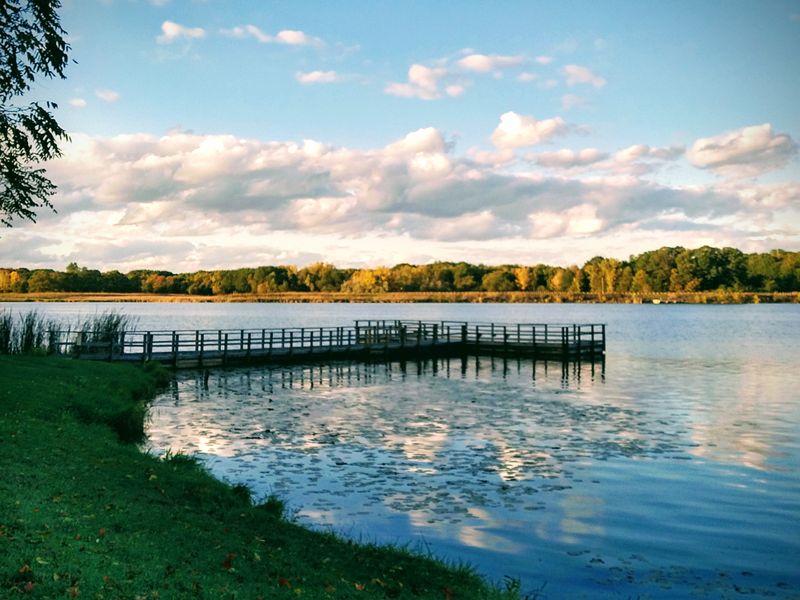
Successfully spotting wildlife often requires patience and spending extended time in the field, which is why Potato Creek State Park’s excellent amenities make such a difference. The park offers everything from primitive camping to modern cabins, letting you wake up surrounded by nature and start your wildlife watching at dawn.
The campground features well-spaced sites that provide both privacy and proximity to the trails. Clean bathhouses with hot water and modern water fill stations make camping comfortable enough that you can focus on enjoying nature rather than dealing with inconveniences.
For those who prefer more comfort, the park offers rental cabins that sleep multiple people and provide a cozy base for your wildlife adventures. Cabin 16 and other units let you enjoy the park experience without sacrificing modern conveniences, though some visitors note the beds could use updating.
The general store stocks essentials you might have forgotten, including snacks and ice cream for post-hike treats. Having supplies available on-site means you can extend your stay without needing to leave the park and potentially miss prime wildlife viewing hours.
Clean, well-stocked restrooms are strategically placed throughout the park, making it comfortable to spend entire days exploring without worrying about facilities. This is especially important for families with children who want to instill a love of nature and wildlife in the next generation.
The park’s infrastructure improvements, including new water and dump stations, show a commitment to providing quality visitor experiences. An inn is currently under construction near the lake, which will offer even more lodging options for wildlife enthusiasts who want to maximize their time observing the park’s incredible animal populations in comfort and style.
Dear Reader: This page may contain affiliate links which may earn a commission if you click through and make a purchase. Our independent journalism is not influenced by any advertiser or commercial initiative unless it is clearly marked as sponsored content. As travel products change, please be sure to reconfirm all details and stay up to date with current events to ensure a safe and successful trip.
