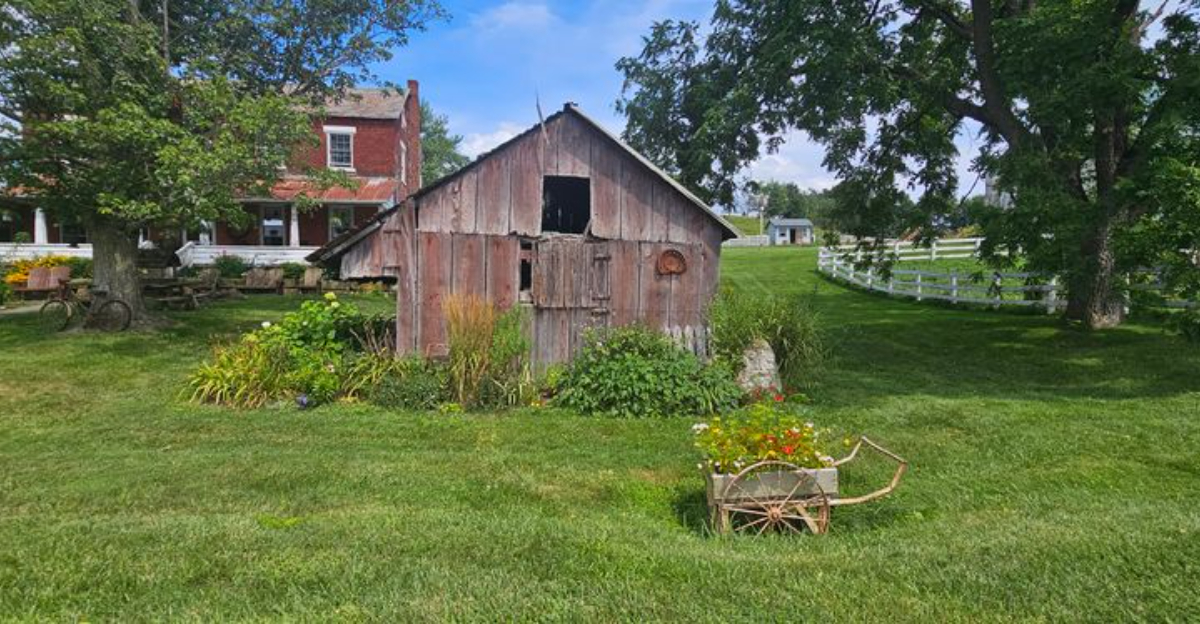
LaGrange County, Indiana sits tucked into the northeastern corner of the state, where rolling farmland stretches beneath wide open skies and horse-drawn buggies clip-clop along quiet country roads.
This region draws travelers seeking an escape from modern chaos, offering a glimpse into the traditional Amish way of life that has remained largely unchanged for generations.
Yet beneath the surface of this peaceful landscape lies a complex set of unspoken rules and boundaries that visitors quickly discover.
Understanding what is off limits here is essential for anyone hoping to experience this unique corner of Indiana respectfully and authentically.
Photography of Amish People
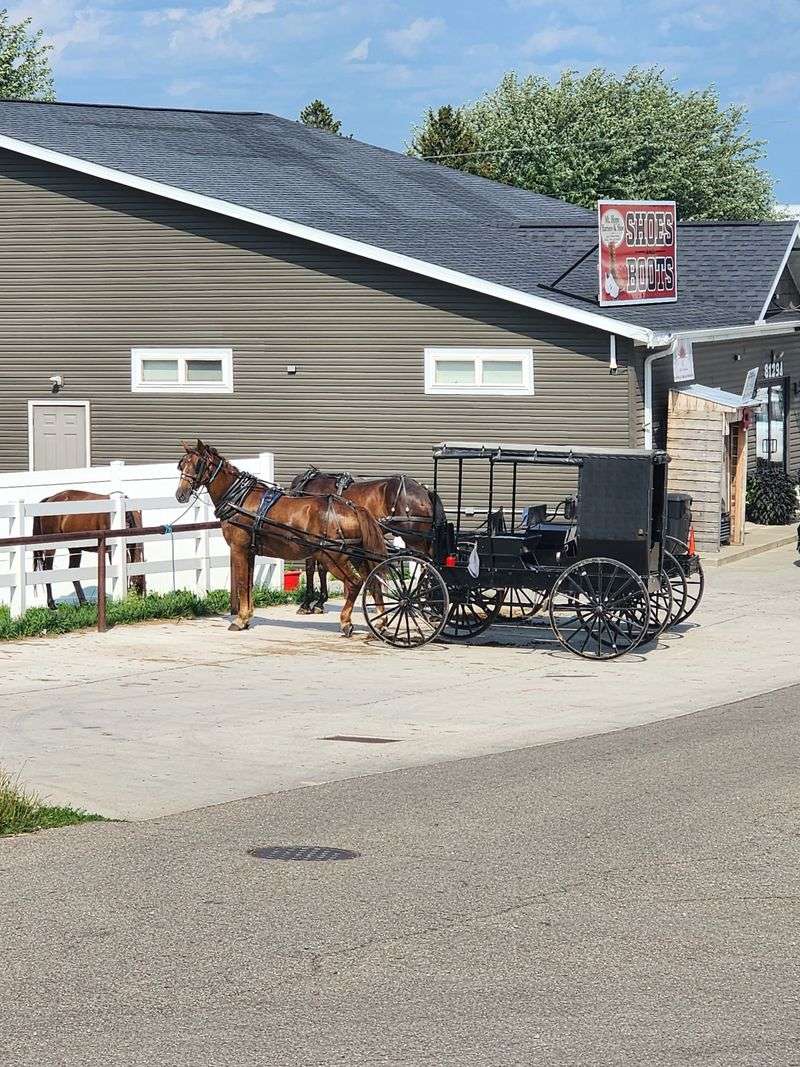
Cameras seem harmless enough when you are exploring a new place, but in LaGrange County, pointing one at an Amish person crosses a serious line.
The Amish interpretation of the biblical commandment against graven images extends to photographs, which they believe capture and preserve a person’s likeness in a way that promotes vanity and pride.
Many visitors arrive with innocent intentions, hoping to document the picturesque scenes of buggies and bonnets, only to realize they are making community members deeply uncomfortable.
Children playing in yards will turn away or run inside when they spot a camera pointed their direction.
Adults may politely but firmly ask you to stop, or they might simply avert their faces and walk away.
Some tourists mistakenly think that snapping a quick photo from a moving car is acceptable because it is less intrusive.
However, this behavior still violates the community’s beliefs and shows a fundamental lack of respect for their values.
The rolling countryside offers plenty of photographic opportunities that do not involve people.
Barns painted in traditional colors, fields of golden wheat swaying in summer breezes, and the geometric patterns of quilts hanging on clotheslines all make wonderful subjects.
Focusing your lens on the landscape rather than the people allows you to capture the essence of LaGrange County while honoring the boundaries that matter most to those who call this place home.
Remember that your desire for a memorable photo should never outweigh someone else’s deeply held religious convictions.
Entering Amish Homes Uninvited
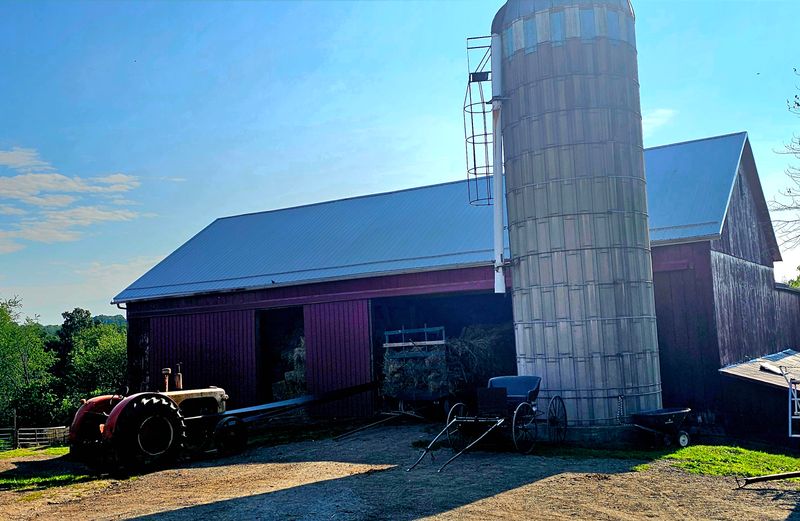
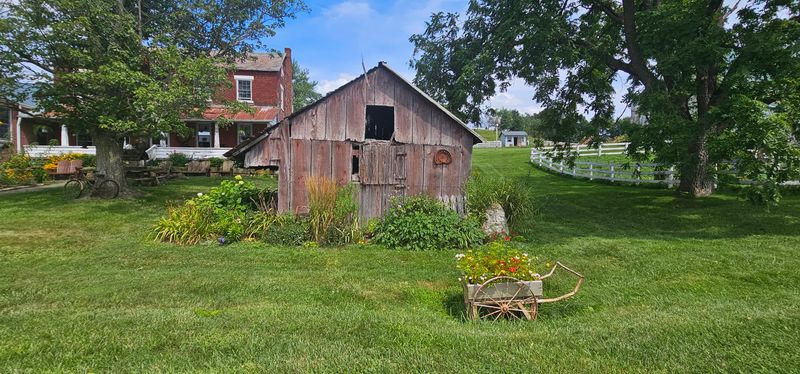
Curiosity about how the Amish live their daily lives can tempt travelers to wander onto private property for a closer look.
Some visitors see a charming farmhouse and assume that because there is no visible fence or gate, they are welcome to walk up the driveway and peek around.
This assumption could not be further from the truth.
Amish families value their privacy just as much as anyone else, and their homes are sacred spaces meant for family and invited guests only.
The absence of typical suburban barriers like privacy fences does not indicate openness to strangers.
Instead, the Amish rely on mutual respect and understood boundaries within their community.
Walking uninvited onto someone’s property, peering into windows, or approaching their home without permission is considered extremely rude and invasive.
These families work hard on their farms from sunrise to sunset, and unexpected visitors disrupt their routines and responsibilities.
If you genuinely want to experience Amish hospitality, several families in LaGrange County operate legitimate businesses that welcome visitors.
Roadside stands selling fresh produce, furniture workshops open to customers, and small bakeries run from home kitchens provide appropriate opportunities for interaction.
These commercial spaces represent the proper context for engagement, where the family has chosen to invite the public in on their own terms.
Respecting private versus public spaces shows that you understand the difference between cultural appreciation and intrusion.
The serene beauty of Amish farmsteads is best admired from the road, where you can appreciate the architecture and landscaping without crossing important personal boundaries.
Sunday Activities and Commerce
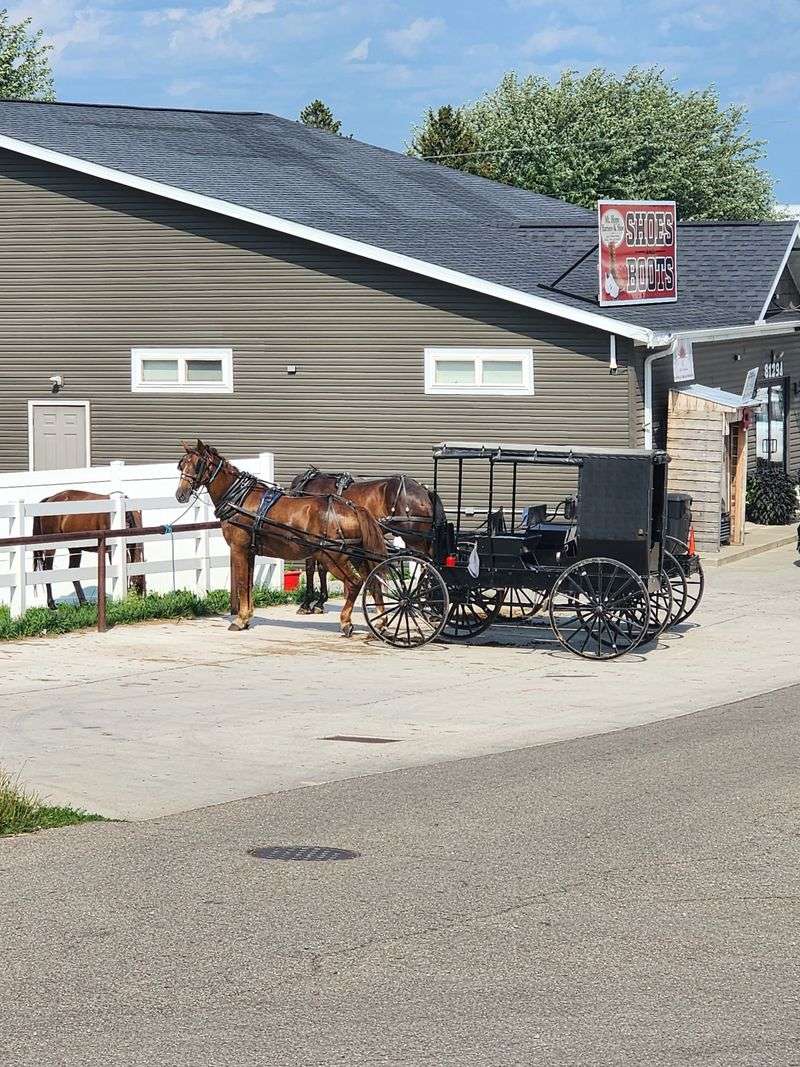
Sundays in LaGrange County operate on a completely different rhythm than the rest of the week, and visitors who arrive unprepared may find themselves confused by the sudden absence of activity.
For the Amish community, Sunday is strictly reserved for worship, family time, and rest.
Every business operated by Amish families closes its doors, roadside stands sit empty, and the usual clip-clop of buggies heading to market falls silent.
This day of rest is not a casual preference but a fundamental religious practice rooted in biblical teachings.
Travelers who knock on doors hoping to make a purchase or ask questions on Sunday will find no one answering.
The entire community gathers for church services that rotate between different family homes, lasting several hours and followed by communal meals.
Attempting to conduct business on this day demonstrates a profound misunderstanding of Amish values and priorities.
Even non-Amish businesses in heavily Amish areas tend to adjust their hours out of respect for their neighbors and the local culture.
Planning your visit to LaGrange County requires checking the calendar and understanding that Sundays are essentially off limits for commercial activities.
If you arrive on Sunday, use the time to drive the scenic backroads and appreciate the landscape without expecting to shop or dine at Amish establishments.
The stillness itself offers something valuable, a reminder of what life looks like when an entire community agrees to pause and prioritize spiritual renewal over productivity.
This weekly rhythm has persisted for generations and will continue regardless of tourist expectations.
Modern Technology Displays
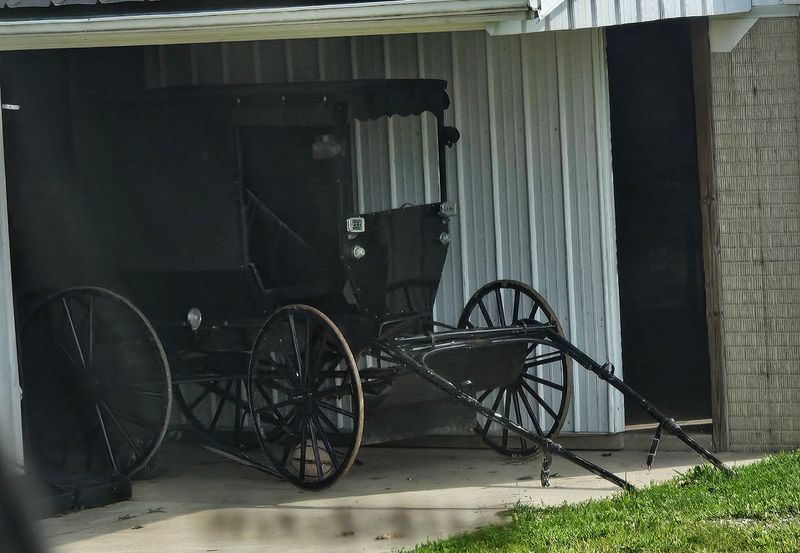
Walking into an Amish shop or home with your smartphone held high, music playing from wireless earbuds, or talking loudly on a phone call creates an uncomfortable clash of worlds.
The Amish have deliberately chosen to limit their use of modern technology, not because they are ignorant of its existence, but because they believe it threatens community cohesion and spiritual focus.
Flaunting your devices in their spaces feels disrespectful and creates unnecessary distance between you and the people you have come to learn about.
Many Amish businesses display small signs asking visitors to silence phones and refrain from using them inside.
These requests are not suggestions but boundaries meant to preserve the atmosphere they work hard to maintain.
Taking a phone call in the middle of a conversation with an Amish craftsman or scrolling through social media while they explain their work sends the message that you value your digital world more than the present moment.
Some communities make exceptions for certain technologies when they serve essential purposes, such as businesses using phones located in separate buildings for customer orders.
However, personal entertainment devices and constant connectivity remain firmly outside their chosen lifestyle.
Visitors who can set aside their phones and other gadgets for a few hours often report that the experience feels surprisingly liberating.
Engaging fully with the people and places around you without digital distractions allows for deeper connections and more meaningful memories.
The serene quality that draws people to LaGrange County in the first place comes partly from this absence of technological noise.
Honoring that by minimizing your own device use shows respect and allows you to experience the peace that defines this special place.
Immodest Clothing Choices
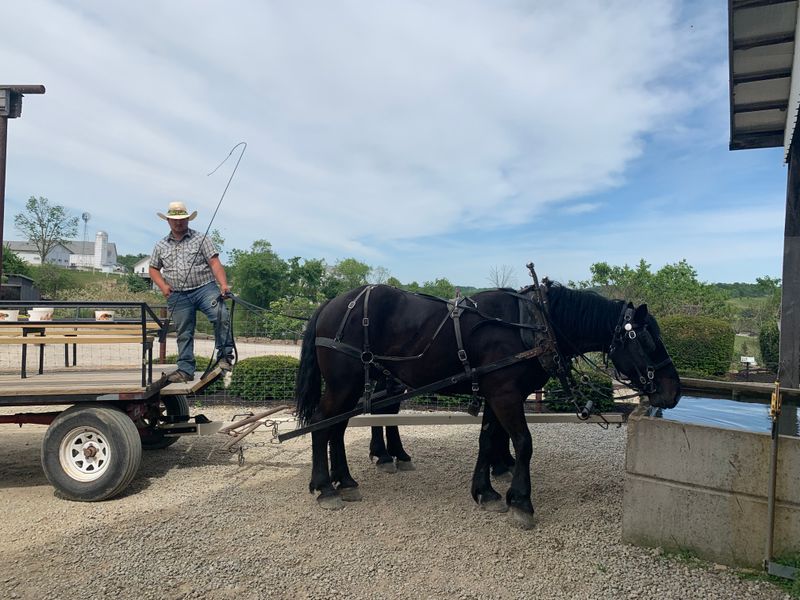
Summer heat can make shorts and tank tops feel like the only reasonable clothing options, but arriving in LaGrange County dressed this way may limit your interactions with the Amish community.
Modesty is a core value that extends beyond their own clothing choices to their expectations for respectful visitors.
While no one will forcibly remove you for wearing revealing clothing, you may notice cooler receptions, shortened conversations, or even refusal of service in some family-run businesses.
Amish women wear dresses that cover their arms and fall below the knee, along with head coverings that signify their faith and marital status.
Men wear long pants, long-sleeved shirts, and suspenders, avoiding buttons in favor of hooks and eyes on their coats.
These clothing standards reflect their commitment to humility and separation from worldly vanity.
When visitors arrive dressed in ways that directly contradict these values, it creates discomfort and can be seen as dismissive of their beliefs.
Packing appropriately for a visit to Amish country does not require adopting their exact style, but it does mean choosing modest options.
Lightweight pants or skirts that cover the knees, shirts with sleeves, and avoiding clothing with loud logos or messages shows consideration.
Many travelers find that dressing more modestly actually enhances their experience, opening doors to warmer conversations and more genuine interactions.
The Amish appreciate when visitors make an effort to respect their norms, even if you are not part of their faith.
This small adjustment to your wardrobe demonstrates cultural sensitivity and helps bridge the gap between your world and theirs.
Comfort matters, but so does showing respect in a community where clothing choices carry deep spiritual significance.
Loud Behavior and Disruptions
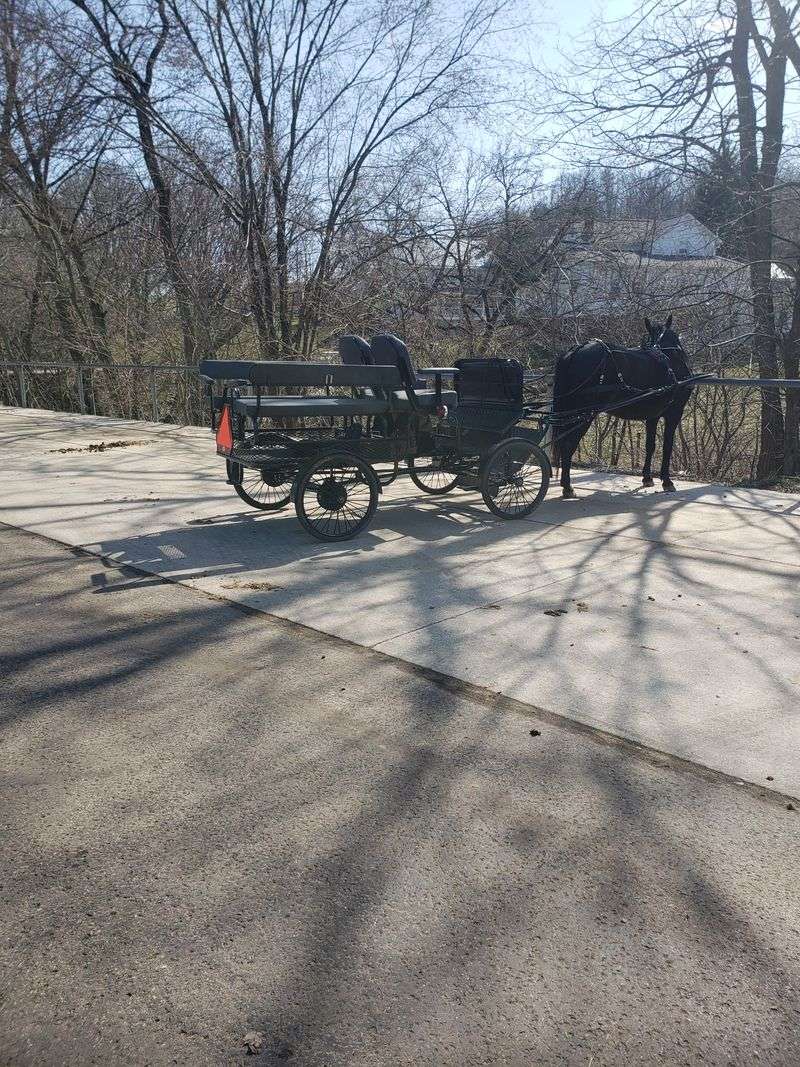
LaGrange County attracts visitors specifically because of its peaceful atmosphere, yet some travelers inadvertently shatter that tranquility with their behavior.
Loud music blaring from car windows, shouting conversations across parking lots, or revving engines disturb the quiet that defines daily life here.
The Amish community values peace and order, conducting their lives at a slower, quieter pace than mainstream American culture.
When visitors bring urban energy and noise levels into this rural setting, it feels jarring and disrespectful.
Remember that people live and work in these spaces every day, raising families and running businesses that depend on maintaining a certain environment.
Treating the area like a theme park rather than a real community with real residents creates tension and reinforces negative stereotypes about tourists.
Horse-drawn buggies share the roads with cars, and sudden loud noises can startle the animals, potentially causing dangerous situations.
A spooked horse may bolt or veer unpredictably, putting both the buggy occupants and other road users at risk.
Keeping your vehicle quiet and maintaining a calm presence benefits everyone sharing these country roads.
Inside shops and restaurants, speaking in moderate tones and controlling children’s behavior shows basic courtesy.
Amish-run establishments often have a hushed, almost reverent quality that reflects the values of their operators.
Matching your volume and energy to the existing atmosphere demonstrates awareness and respect.
The serenity that makes LaGrange County special is not an accident but a carefully maintained quality of life.
Visitors have a responsibility to preserve rather than disrupt that peace, ensuring that the community remains welcoming to thoughtful travelers while protecting what makes it unique in the first place.
Alcohol and Tobacco Use
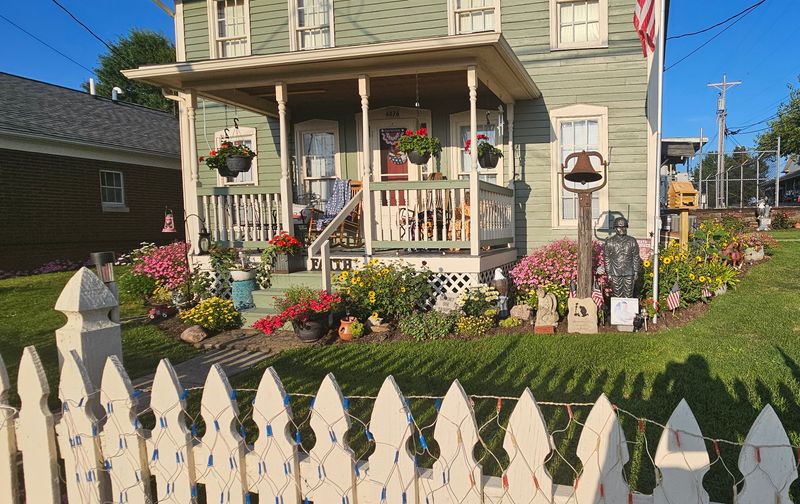
Pulling out a flask or lighting a cigarette in an Amish business or near Amish families will quickly mark you as an inconsiderate visitor.
The Amish community generally abstains from alcohol and tobacco, viewing them as unnecessary vices that can lead to addiction and poor judgment.
While individual practices vary slightly between different Amish affiliations, the conservative communities in LaGrange County maintain strict standards regarding substance use.
Public consumption of alcohol or smoking around Amish people or on their property is deeply offensive and violates their sense of propriety.
Many restaurants and shops operated by Amish families display clear no-smoking policies, and they certainly do not serve alcoholic beverages.
Asking for beer or wine at an Amish establishment reveals ignorance about their lifestyle and puts the proprietors in an awkward position.
Even in your own vehicle, drinking alcohol while driving through Amish areas sets a poor example and contradicts the values that permeate the community.
The smell of cigarette smoke or alcohol can linger on clothing and breath, creating discomfort in close quarters like small shops or market stalls.
If you need to smoke or want to enjoy alcohol, wait until you are in non-Amish spaces or back at your lodging away from the community.
This is not about imposing their beliefs on you but about showing respect when you are a guest in their cultural space.
Many visitors find that taking a break from these substances during their time in LaGrange County actually enhances the experience.
Approaching the visit with a clear mind and senses allows you to fully appreciate the subtle beauties and quiet pleasures that define Amish country.
Respecting their stance on alcohol and tobacco is a simple way to demonstrate that you value their community standards even if they differ from your own.
Questioning Religious Beliefs
Genuine curiosity about Amish faith and practices is natural, but there is a significant difference between respectful questions and intrusive interrogation.
Challenging their beliefs, asking why they do not embrace modern conveniences with a judgmental tone, or pressing for detailed explanations of their theology crosses important boundaries.
The Amish are generally private about their faith, practicing it through daily actions rather than public evangelism or debate.
They do not seek to convert outsiders and prefer not to defend or explain their choices to skeptical strangers.
When visitors approach with an attitude of superiority or disbelief, it creates defensiveness and shuts down any possibility of meaningful exchange.
Questions framed as criticisms, such as asking how they can live without electricity as if it is a hardship requiring justification, miss the point entirely.
The Amish have made conscious choices about their lifestyle based on centuries of tradition and theological reflection.
They are not waiting for outsiders to enlighten them about what they are missing.
If you are genuinely interested in learning, approach with humility and openness rather than skepticism.
Simple questions about daily life, farming practices, or craftsmanship are usually welcomed in appropriate settings.
Deeper theological discussions are typically reserved for people with established relationships within the community.
Recognize that not everything requires explanation or justification to outsiders.
Some aspects of Amish life are simply accepted as part of their covenant with God and each other.
Respecting that boundary means acknowledging that you may not fully understand everything you observe, and that is perfectly acceptable.
The mystery and difference are part of what makes visiting LaGrange County fascinating, and not everything needs to be dissected or analyzed to be appreciated.
Competitive Shopping Behavior
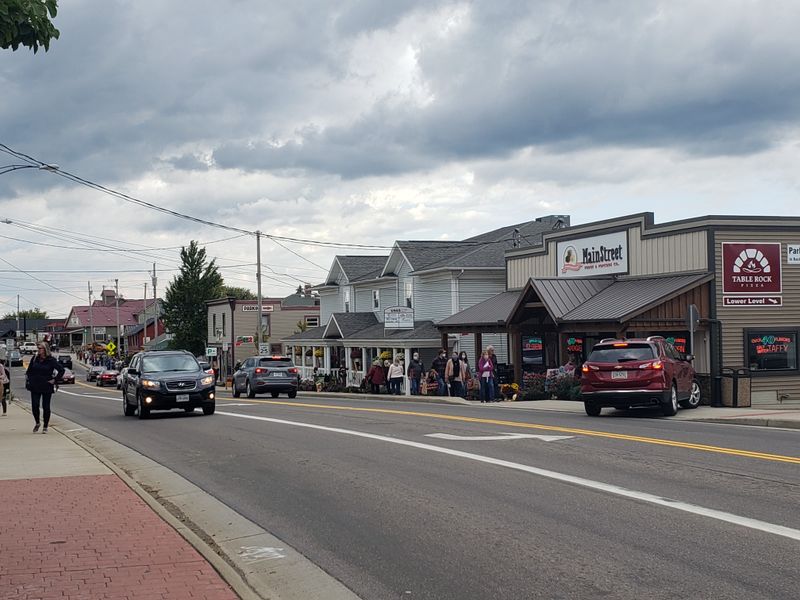
Aggressive bargaining, demanding discounts, or comparing prices loudly while shopping at Amish businesses demonstrates a fundamental misunderstanding of their economic approach.
The Amish price their goods fairly based on the time, materials, and skill required to produce them, not according to mass-market competition or profit maximization strategies.
When you purchase a handmade quilt, a piece of furniture, or fresh produce from an Amish vendor, you are supporting a family and a way of life, not just acquiring a product.
Treating these transactions like flea market negotiations insults the craftsmanship and integrity behind the work.
Many Amish craftsmen and women spend years perfecting their skills, creating items that far surpass factory-made alternatives in quality and durability.
Their prices reflect this reality, and they are not inflated tourist rates but honest valuations of their labor.
Complaining that you can find something cheaper at a big box store misses the entire point of shopping in Amish country.
If you want mass-produced goods, those stores are readily available elsewhere.
Coming to LaGrange County means choosing to support traditional craftsmanship and sustainable practices.
Some visitors make the mistake of treating Amish vendors as if they are desperate for sales and will cave to pressure.
In reality, these families are financially stable through their farming and businesses, and they would rather not make a sale than compromise their principles.
Polite conversation and genuine appreciation for their work will get you much further than haggling.
If something exceeds your budget, simply thank them and move on rather than making them feel their work is overpriced.
The economy in Amish communities operates on mutual respect and fair dealing, values that visitors should honor when they engage in commerce here.
Touching or Approaching Horses and Buggies
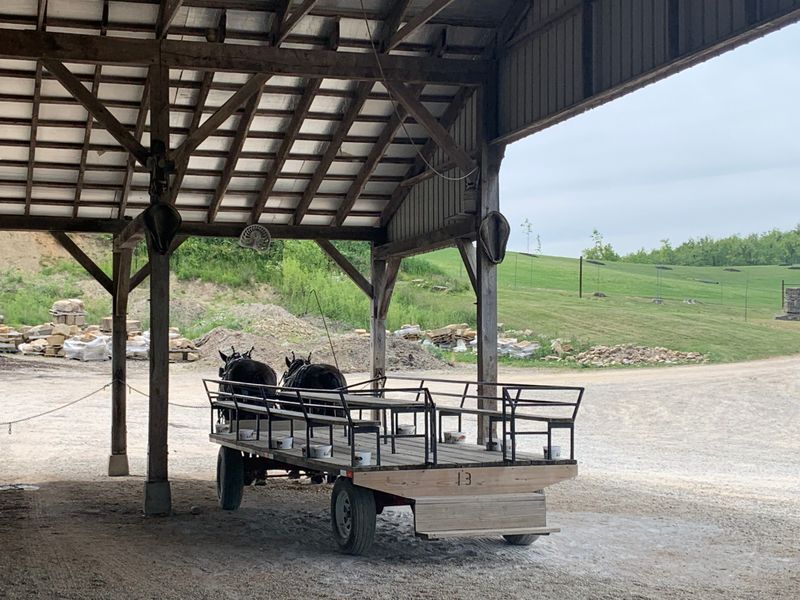
The sight of a beautiful horse hitched to a traditional buggy tempts many visitors to approach for a closer look or a quick photo.
However, these are not petting zoo animals but working horses that serve as essential transportation for Amish families.
Approaching without permission, making sudden movements, or trying to touch the horse can startle it and create a dangerous situation.
Even well-trained buggy horses may react unpredictably to strangers, especially if they are tired from a long journey or uncomfortable in hot weather.
A spooked horse could injure itself, damage the buggy, or hurt bystanders with a sudden kick or by bolting.
The owners are responsible for their animals and understandably protective of their safety and well-being.
When you see a buggy parked outside a store or restaurant, the respectful approach is to admire it from a distance without touching.
If you absolutely must get closer, wait for the owner to return and politely ask permission first.
Most Amish people will appreciate your courtesy and may even allow you to briefly pet the horse or ask questions about its care.
On the road, maintaining safe distance from buggies is both a legal requirement and a moral obligation.
These vehicles travel much slower than cars, typically between five and ten miles per hour, and cannot accelerate quickly to avoid danger.
Tailgating, honking impatiently, or passing too closely puts everyone at risk.
Indiana law requires drivers to slow down and pass buggies with caution, giving them plenty of space.
Remember that families with small children often travel in these buggies, making your careful driving even more critical.
Treating horses and buggies with respect acknowledges their importance to daily Amish life and helps keep everyone safe on shared roads.
Dear Reader: This page may contain affiliate links which may earn a commission if you click through and make a purchase. Our independent journalism is not influenced by any advertiser or commercial initiative unless it is clearly marked as sponsored content. As travel products change, please be sure to reconfirm all details and stay up to date with current events to ensure a safe and successful trip.
