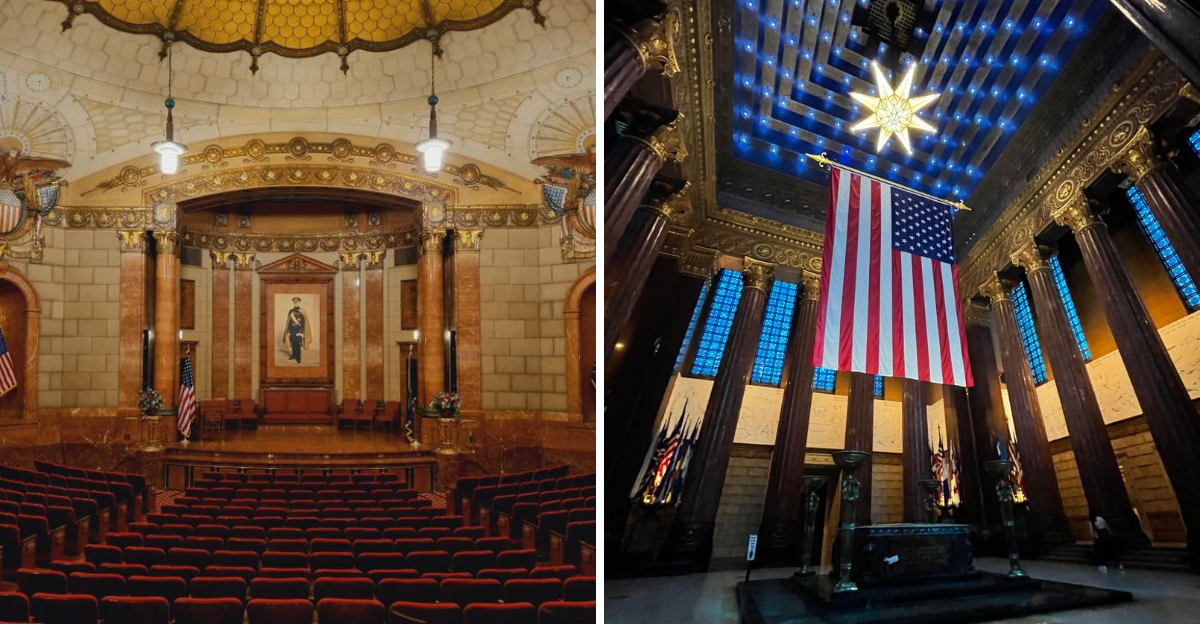
I remember the first time I walked past the Indiana War Memorial on Michigan Street. The massive limestone columns immediately caught my eye, and I couldn’t help but wonder what was waiting inside.
When I finally stepped through those doors, I realized I’d been missing out on something incredible, right in the heart of downtown Indianapolis. The best part?
Admission is completely free, yet the experience feels anything but ordinary. From the moment you walk in, you’re surrounded by stunning architecture, soaring ceilings, and exhibits that hit you with both history and emotion.
There’s a quiet reverence in the space that’s hard to find anywhere else in the city, a feeling that makes you pause and take it all in.
The Building Itself Is an Architectural Masterpiece
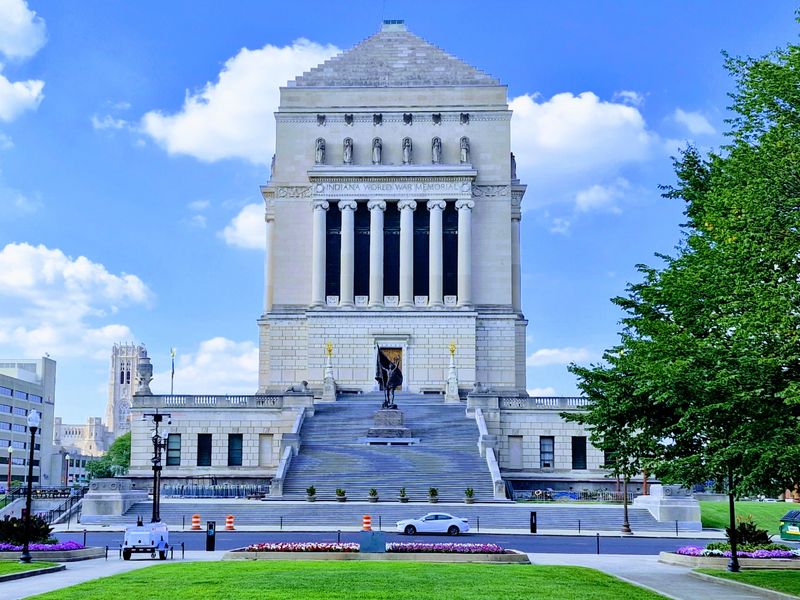
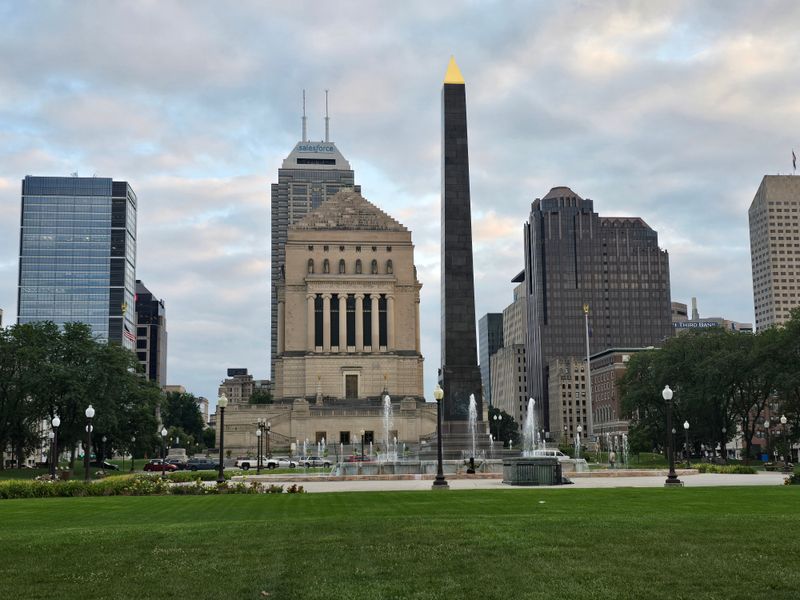
Walking up to the Indiana War Memorial feels like approaching a temple. The neoclassical design features towering limestone columns that reach skyward, creating an imposing yet welcoming presence on East Michigan Street.
Built in the 1920s and completed in 1933, this structure was designed to inspire awe and respect.
The exterior alone tells you this isn’t your average museum. Every detail, from the carved stonework to the symmetrical design, speaks to the craftsmanship of another era.
Natural light floods through tall windows, illuminating the interior spaces in ways that modern buildings rarely achieve.
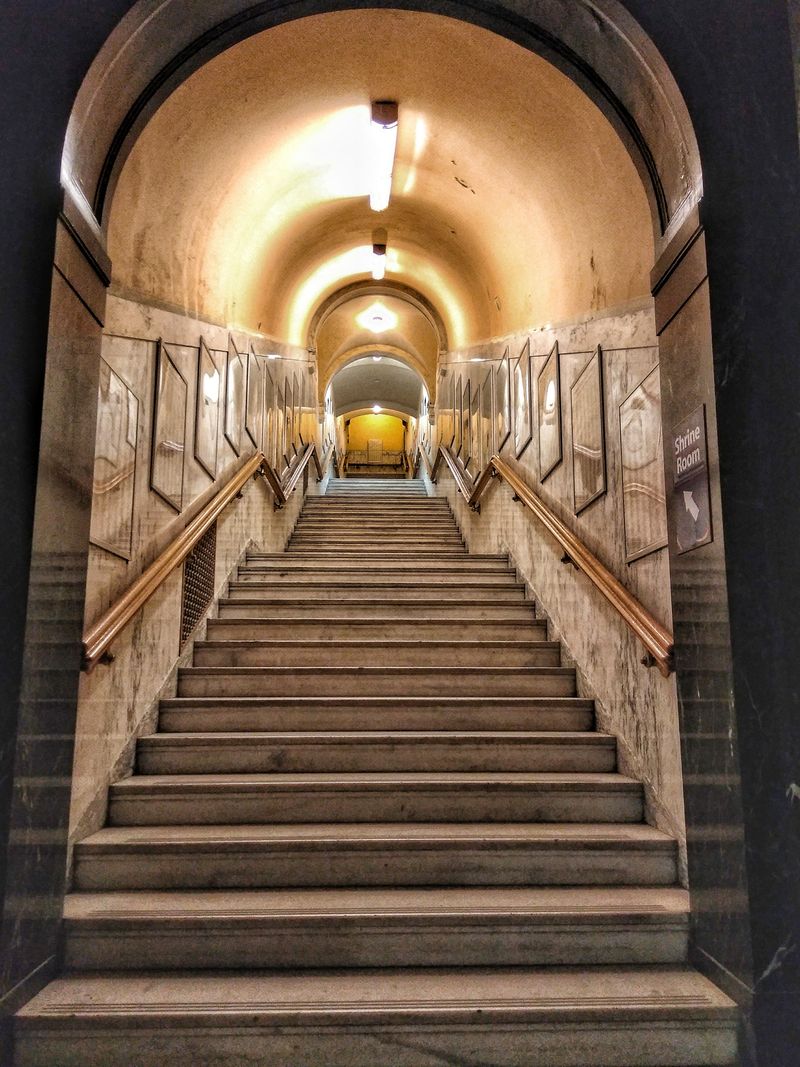
Inside, you’ll find marble staircases, ornate ceilings, and architectural details that would cost millions to replicate today. The building’s design follows the Egyptian Revival style, with Art Deco influences throughout.
Many visitors spend as much time admiring the structure itself as they do exploring the exhibits.
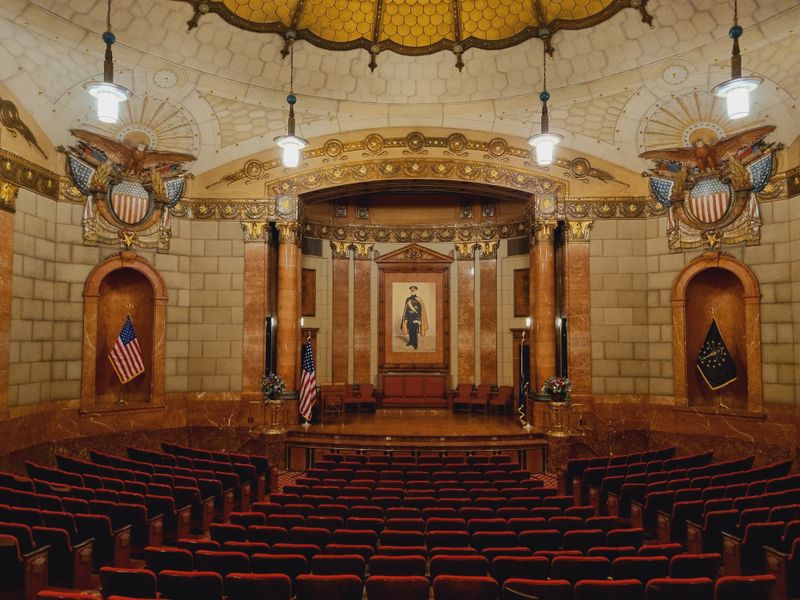
The auditorium on the first floor showcases stunning design work, with seating for hundreds and acoustics that make every word crystal clear. This space alone demonstrates the level of attention paid to every corner of the building.
You’re essentially touring a historic landmark while learning about military history, which makes the experience doubly rewarding.
The USS Indianapolis Exhibit Brings History to Life
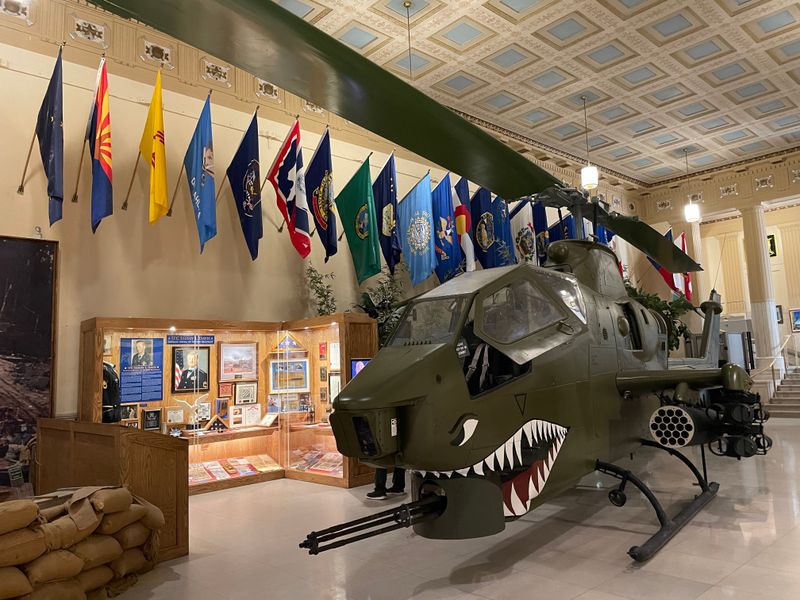
One of the most powerful sections of the museum focuses on the USS Indianapolis, the Navy cruiser that delivered components of the atomic bomb before meeting a tragic fate. The exhibit doesn’t just tell you what happened.
It immerses you in the story through artifacts, survivor accounts, and detailed displays that honor the 1,196 crew members aboard.
You’ll see actual items recovered from the ship and learn about the harrowing days sailors spent in the water after the vessel was torpedoed by a Japanese submarine in July 1945. Only 316 men survived, making it one of the worst naval disasters in U.S. history.
The exhibit handles this tragedy with dignity and respect.
Interactive elements help younger visitors understand the timeline and significance of events. Personal stories from Indiana natives who served aboard the ship add a local connection that makes the history feel immediate and relevant.
You’re not reading about distant events but about neighbors and fellow Hoosiers.
The level of detail in this exhibit rivals what you’d find in much larger, more expensive museums. Photographs, uniforms, and personal effects create an emotional connection that textbooks never could.
It’s a reminder that every historical event involved real people with families and dreams.
The Shrine Room Takes Your Breath Away
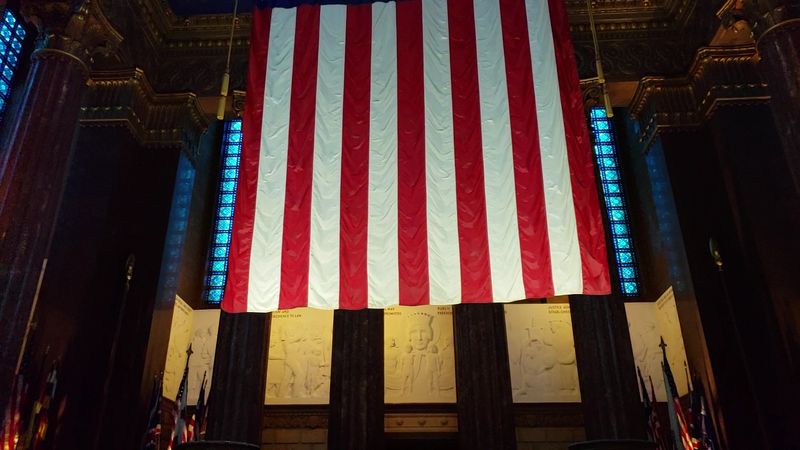
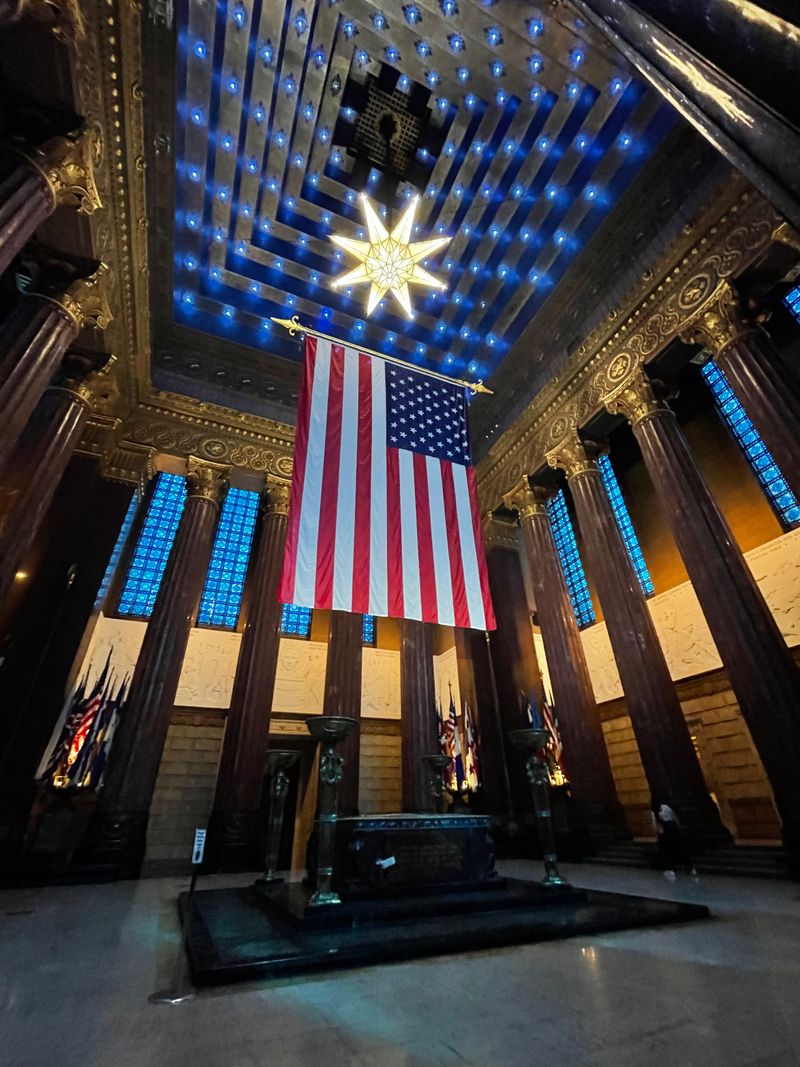
When you climb the stairs to the upper level and enter the Shrine Room, prepare to stop in your tracks. This space is unlike anything else you’ll experience in Indiana.
A colossal American flag dominates the room, hanging from a ceiling that soars more than 100 feet above you. The flag itself measures roughly 30 feet by 50 feet.
Massive marble columns, each resembling the girth of ancient redwoods, frame the Altar of Consecration at the far end. The altar bears the inscription “To Vindicate the Principles of Peace and Justice in the World.” Natural light filters through skylights, creating an almost ethereal atmosphere that commands silence and reflection.
The acoustics in this room are extraordinary. Even a whisper seems to carry weight and meaning.
Many visitors describe feeling a palpable sense of reverence the moment they step inside, regardless of their personal beliefs or military connections.
The room occasionally closes for maintenance and restoration work, so it’s worth checking the museum’s website before your visit. When it is open, plan to spend time here.
Rush through, and you’ll miss the full impact of this carefully designed space meant to honor sacrifice and inspire contemplation about the cost of freedom.
Exhibits Span From Revolutionary War to Present Day
The museum’s collection covers every major American conflict from the Revolutionary War through recent operations in Iraq and Afghanistan. Each era receives thoughtful treatment with period-appropriate artifacts, uniforms, weapons, and personal items donated by veterans or their families.
You’re essentially walking through centuries of American military history in one afternoon.
Life-size dioramas recreate battlefield conditions and help visitors visualize what soldiers experienced. One particularly striking display compares the boots and shoes worn by opposing armies during World War I, showing how something as simple as footwear could affect a soldier’s ability to fight.
These small details make abstract historical concepts tangible and understandable.
The museum does an excellent job highlighting Indiana’s contributions to each conflict. You’ll learn about Hoosier regiments, local heroes, and how wars affected communities across the state.
This local angle makes the exhibits feel personal rather than like generic military history you could find anywhere.
Videos supplement physical displays, providing context and first-person accounts from veterans. The museum also showcases the roles of women and Black soldiers throughout history, offering a more complete picture than many older military museums provide.
Educational without being overwhelming, these exhibits work for both history enthusiasts and casual visitors.
The 9/11 Memorial Section Honors Hoosier Victims
A dedicated section of the museum commemorates the September 11, 2001 terrorist attacks, with special focus on Indiana residents who lost their lives that day. Photographs, personal stories, and artifacts create a moving tribute that connects a national tragedy to local families and communities.
The exhibit includes pieces of steel from the World Trade Center.
Visitors often mention this section as particularly impactful, even more than two decades after the attacks. The museum presents the facts without sensationalism, allowing the human stories to speak for themselves.
You’ll learn about ordinary Hoosiers who were simply going about their day when history intervened.
One reviewer mentioned learning the Arabic phrase “as-salaamu alaykum,” which means “peace be upon you.” The museum uses this section not just to remember tragedy but to promote understanding and reflect on the complex aftermath of that day. It’s educational in the truest sense, encouraging visitors to think critically about history as it unfolds.
The exhibit serves as a reminder that global events touch local lives in profound ways. By personalizing the story through Indiana connections, the museum makes history feel immediate and relevant.
Younger visitors who don’t remember 9/11 gain valuable perspective, while those who lived through it find a space for reflection and remembrance.
Friendly Staff Enhance the Experience
Multiple reviews praise the staff at the Indiana War Memorial for their warmth and knowledge. The person at the front desk greets visitors with genuine friendliness, setting a welcoming tone from the moment you arrive.
This personal touch transforms what could be a standard museum visit into something that feels more like being welcomed into someone’s carefully curated collection.
Staff members are available to answer questions, provide directions to specific exhibits, and share additional context about displays. They’re knowledgeable without being pushy, helpful without hovering.
If you’re interested in a particular conflict or looking for information about a family member who served, they’ll point you in the right direction.
The donation-based admission model means there’s no pressure at the entrance, no ticket lines, and no feeling that you’re being rushed through to make room for the next group. Staff seem genuinely happy to have visitors, which isn’t always the case at free attractions.
Their enthusiasm is contagious.
This human element shouldn’t be underestimated. A friendly face and helpful attitude can make the difference between a good visit and a great one.
The staff at the Indiana War Memorial clearly understand they’re not just guarding a building but serving as ambassadors for an important historical and cultural institution.
The Location Puts You in the Heart of Indiana’s Memorial District
The Indiana War Memorial sits at 55 E Michigan St, right in the center of what’s officially known as the Indiana War Memorial Plaza Historic District. This 25-acre area represents the largest acreage dedicated to war memorials in the entire United States.
You’re not just visiting one monument but exploring an entire neighborhood devoted to honoring veterans.
After touring the museum, you can walk to the nearby Soldiers and Sailors Monument, explore the American Legion Mall, or relax in University Park at 1502 N Pennsylvania St. The Eiteljorg Museum of American Indians and Western Art sits close by at 500 W Washington St, offering another cultural experience if you want to make a full day of it. Mass Ave, Indianapolis’s arts and theater district, is just a short walk away.
For lunch, St. Elmo Steak House at 127 S Illinois St has been an Indianapolis institution since 1902, though there are plenty of other options nearby. Café Patachou at 225 W Washington St serves breakfast and lunch with fresh, locally-sourced ingredients.
Shapiro’s Delicatessen at 808 S Meridian St offers classic deli fare in a casual setting.
The central location means you can easily combine your museum visit with other downtown activities, making it perfect for both tourists and locals looking for a meaningful afternoon in the city.
Dear Reader: This page may contain affiliate links which may earn a commission if you click through and make a purchase. Our independent journalism is not influenced by any advertiser or commercial initiative unless it is clearly marked as sponsored content. As travel products change, please be sure to reconfirm all details and stay up to date with current events to ensure a safe and successful trip.
