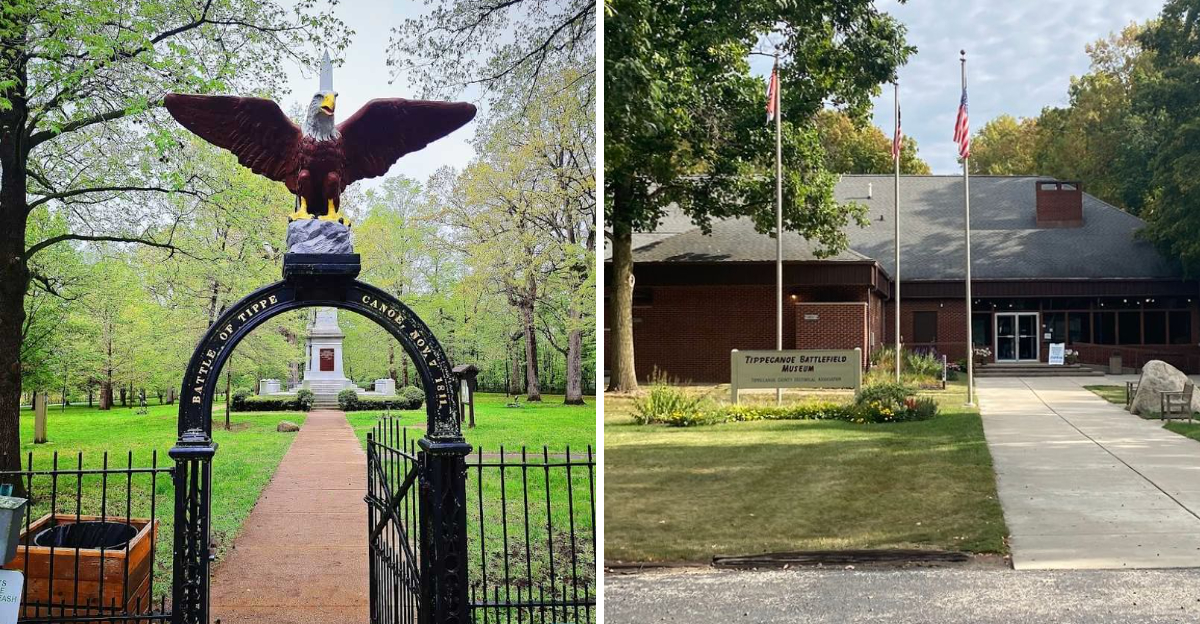
There are places in Indiana where history does not just sit quietly in a textbook. This battlefield park in Battle Ground is one of those places, and every time I think about it, I feel a genuine pull to go back.
The ground itself carries the weight of November 7, 1811, when U.S. forces under Governor William Henry Harrison clashed with Native American warriors in a battle that changed the shape of this nation. Standing there, it is easier to imagine how different the landscape must have felt then, and how much tension and uncertainty defined that moment in time.
If you care about where Indiana came from, this park deserves a spot on your list.
Historical Significance That Shaped a Nation
On November 7, 1811, something happened on this ground that most people outside Indiana never fully appreciate. Governor William Henry Harrison led U.S. forces against warriors rallied by Tenskwatawa, known as The Prophet, in a confrontation that would echo far beyond the Wabash River valley.
The Battle of Tippecanoe was not just a regional skirmish. It was a turning point that accelerated tensions leading directly into the War of 1812.
The battle weakened the Native American confederacy that Tecumseh had worked so hard to build. That collapse opened the door to rapid American westward expansion and reshaped the political future of the entire region.
For Indiana specifically, this moment was foundational. The state entered the Union just five years later in 1816, and the aftermath of Tippecanoe was a major reason why settlement surged so quickly.
Standing on the actual battlefield gives you a sense of scale that no textbook can match. You are not looking at a painting or a replica.
You are standing where it happened, on the same soil, under the same sky. Harrison later rode his fame from this battle all the way to the White House, making the phrase “Tippecanoe and Tyler Too” one of the most recognizable in American political history.
That connection between this quiet Indiana park and the presidency is something worth pausing over.
The 85-Foot Marble Monument Standing Tall
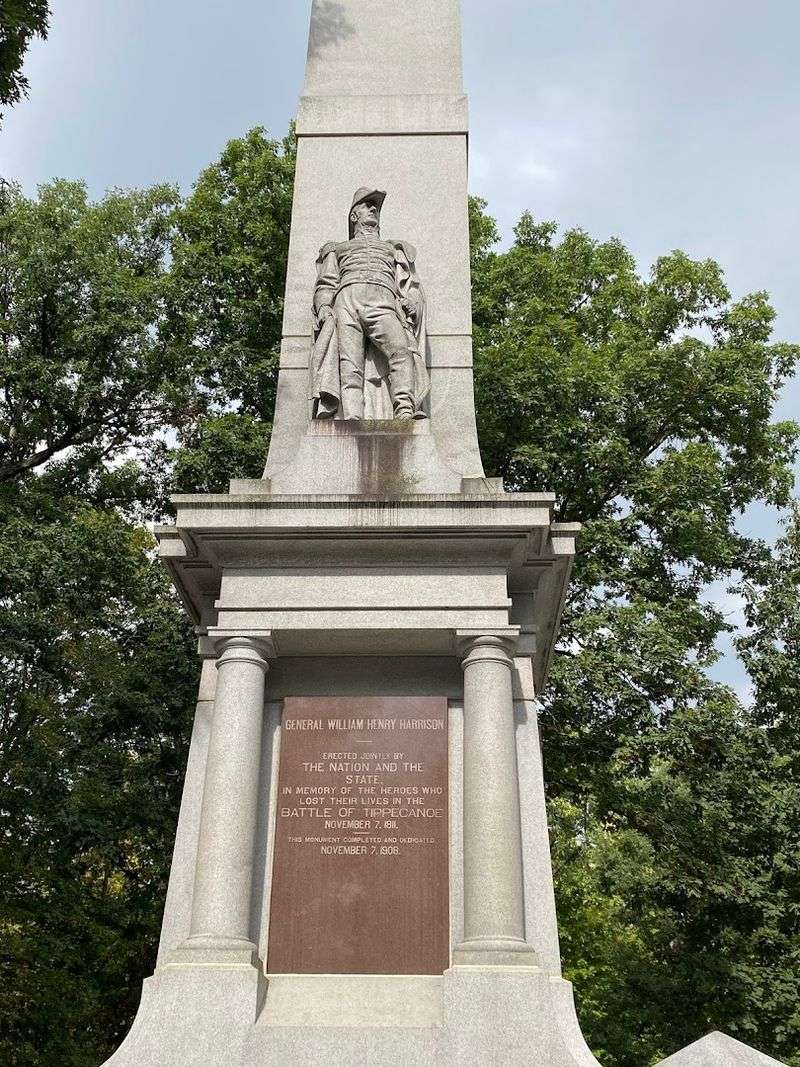
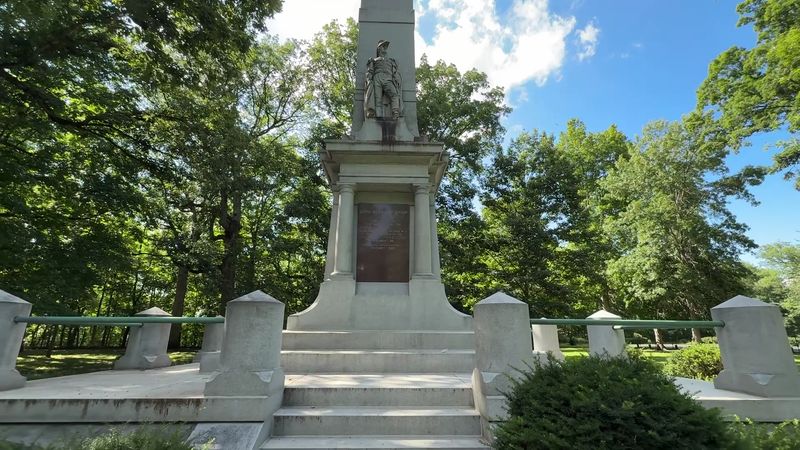
Few things in Indiana command your attention quite like an 85-foot marble obelisk rising out of an open park. Erected in 1908, the Tippecanoe Battlefield Monument serves as the visual anchor of the entire site.
When you first see it through the trees, there is a quiet authority to it that makes you slow your pace without even thinking about it.
The monument was built to honor those who fought in the battle, on both sides of the conflict. It stands as a physical declaration that what happened here mattered.
Visitors often walk the perimeter of the monument and read the inscriptions before making their way to the museum or the trails. It is one of those rare landmarks that feels genuinely earned rather than decorative.
Photographing the monument at different times of day produces dramatically different results. Morning light gives it a golden warmth, while late afternoon casts long shadows that add a more solemn mood.
Families, history students, and road-trippers all tend to stop here for a moment of reflection. It is also a practical landmark for orienting yourself within the park before you explore the surrounding grounds.
If you have driven past Battle Ground on US-52 and never pulled off, this monument alone is worth the detour. It is one of the more quietly impressive pieces of public history in the entire state.
Wah-ba-shik-a Nature Center for Curious Minds
History is the main draw at Tippecanoe Battlefield Park, but the Wah-ba-shik-a Nature Center adds a completely different layer to the visit. Named with a nod to the Indigenous heritage of the region, this center focuses on the local ecosystem and the natural world that surrounded the battlefield long before and long after 1811.
It is a genuinely delightful surprise for visitors who did not expect to find environmental education tucked into a history park.
The exhibits here cover the flora and fauna native to north-central Indiana, giving families a chance to connect with the land itself rather than just the events that unfolded on it. For younger kids who might not yet be gripped by battlefield history, the nature center offers a more hands-on, sensory experience.
Parents often find that starting here before the museum works well for keeping kids engaged throughout the whole visit.
Educational programs run through the center are particularly well-regarded by teachers and homeschool families in the Lafayette area. The center reinforces the idea that this land is not just a historical relic but a living, breathing ecosystem with ongoing stories to tell.
Spending time here adds real depth to a visit that might otherwise feel like a quick museum stop. It rounds out the experience in a way that makes Tippecanoe Battlefield Park feel complete rather than one-dimensional.
That combination of history and nature is genuinely rare.
Scenic Trails Along Burnett’s Creek
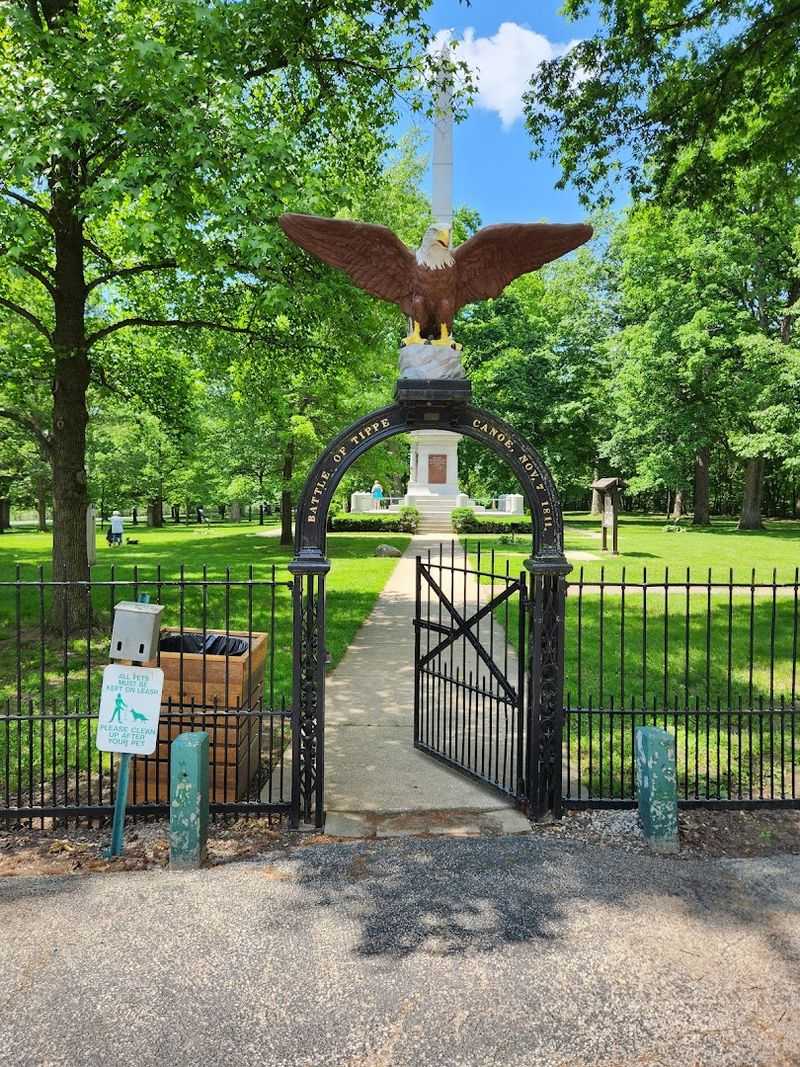
Some of the best moments at Tippecanoe Battlefield Park happen not inside a building but out on the trails along Burnett’s Creek. The paths here are historic in the truest sense.
These are the same waterways and wooded corridors that shaped the geography of the battle itself. Walking them gives you a physical understanding of why the location mattered strategically in 1811.
The trails are accessible and well-maintained, making them suitable for casual walkers, families with kids, and anyone who just wants to stretch their legs in a meaningful setting. The creek provides a calming soundtrack as you move through the landscape, and the tree cover makes this a particularly pleasant outing during the warmer months.
Fall color along the creek is something locals know well, and it turns the park into a genuinely beautiful destination from late September through October.
One visitor noted the trail connects southward toward Lafayette via the Wabash Heritage Trail, giving more dedicated hikers an extended route to consider. The industrial sounds near the I-65 corridor can occasionally intrude on the quieter sections, but the closer you stay to the creek and the core battlefield area, the more immersive the experience becomes.
Birding is also worthwhile here, particularly in the early morning hours. Bring comfortable shoes, carry some water, and give yourself at least an hour to walk the trails properly before heading into the museum.
Picnic Areas Perfect for a Relaxed Outing
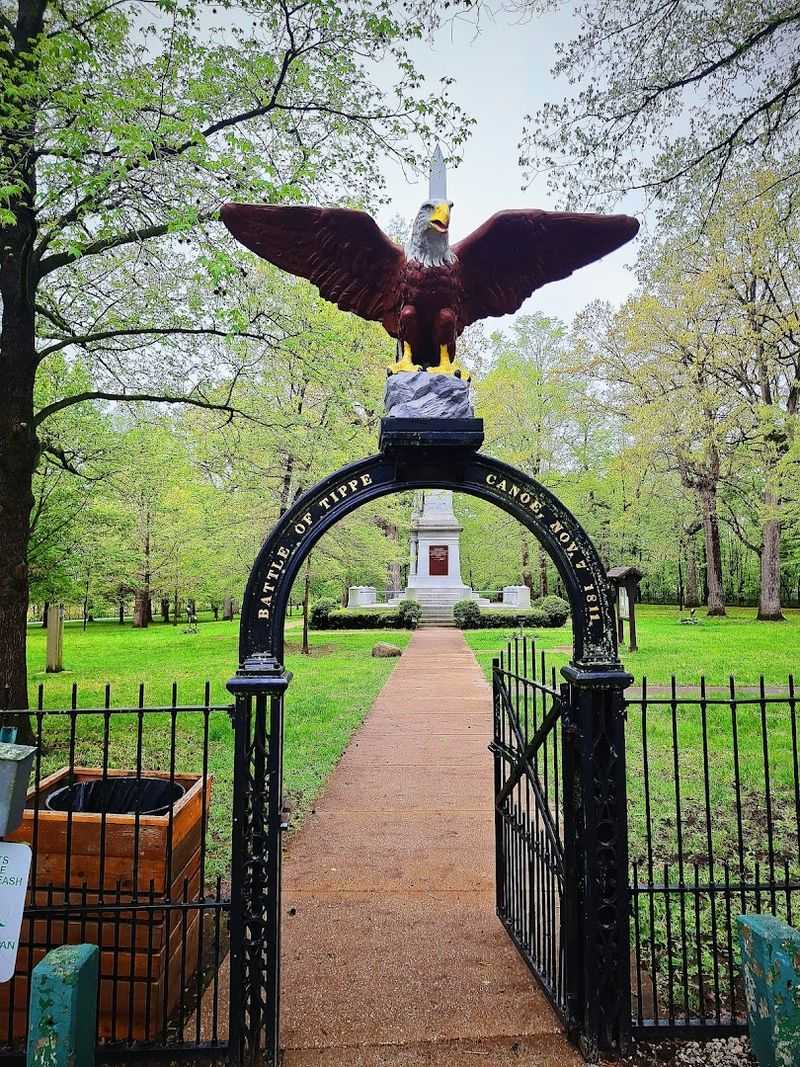
Not every great park visit needs to be a sprint from exhibit to exhibit. Tippecanoe Battlefield Park understands this, and the picnic areas here invite you to slow down and actually enjoy where you are.
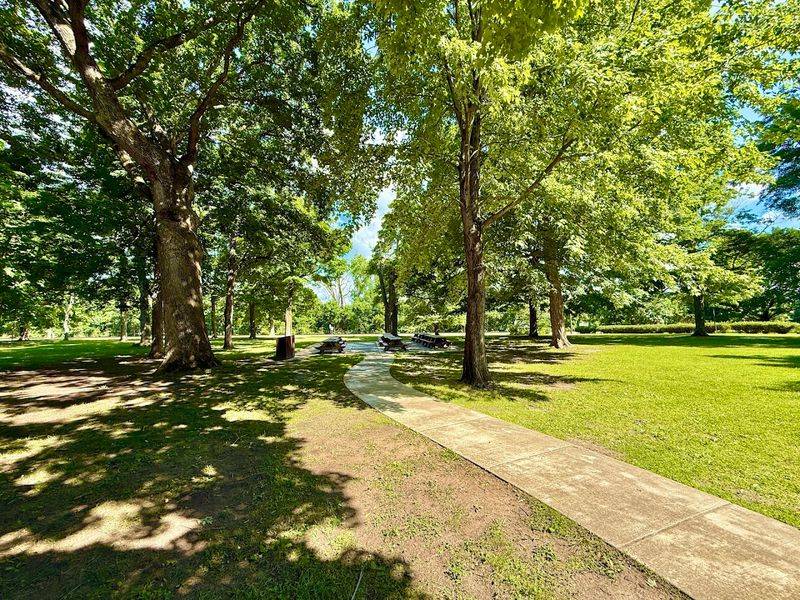
The park offers shaded tables and a reservable shelter, making it a practical choice for family outings, school groups, or anyone who wants to combine history with a proper outdoor meal.
The setting is genuinely peaceful. Surrounded by old trees and well-kept grounds, the picnic area feels removed from the noise of everyday life.
It is the kind of spot where you can unpack lunch, watch the kids run around on the grass, and feel completely unhurried. Groups visiting for educational purposes often make use of the shelter for gathering before or after their museum time, and it works well for that kind of structured visit too.
If you want to make a full day of it, the nearby town of Battle Ground has a few local spots worth checking out. TC’s Roadhouse at 203 Railroad St, Battle Ground, IN 47920 comes up regularly in local conversation as a casual bite nearby.
The combination of a satisfying outdoor picnic followed by a walk through the museum and trails makes for a well-rounded afternoon that does not feel rushed or overly planned. Sometimes the best Indiana days are the ones that unfold naturally, and this park is built for exactly that kind of easy, rewarding visit.
Tippecanoe Battlefield Museum Worth Exploring
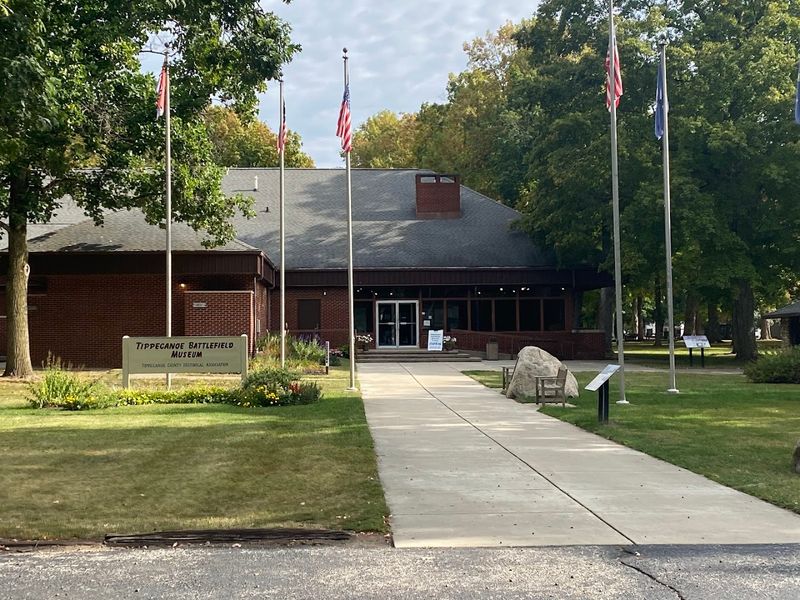
The museum at 200 Battleground Ave, Battle Ground, IN 47920 is operated by the Tippecanoe County Historical Association, and it punches well above its size. Small museums sometimes feel like afterthoughts, but this one was clearly put together by people who care deeply about the story they are telling.
The exhibits walk you through the battle itself, the political climate of the era, and the daily lives of the Native American communities who called this region home.
One of the standout features is the fiber-optic battle map, which lights up to show troop movements during the conflict. It is the kind of display that makes an 11-year-old lean forward and actually pay attention, and honestly, it works on adults just as well.
You also get detailed context on key figures like Tecumseh, Harrison, and The Prophet, which helps you understand the bigger picture rather than just the single day of fighting.
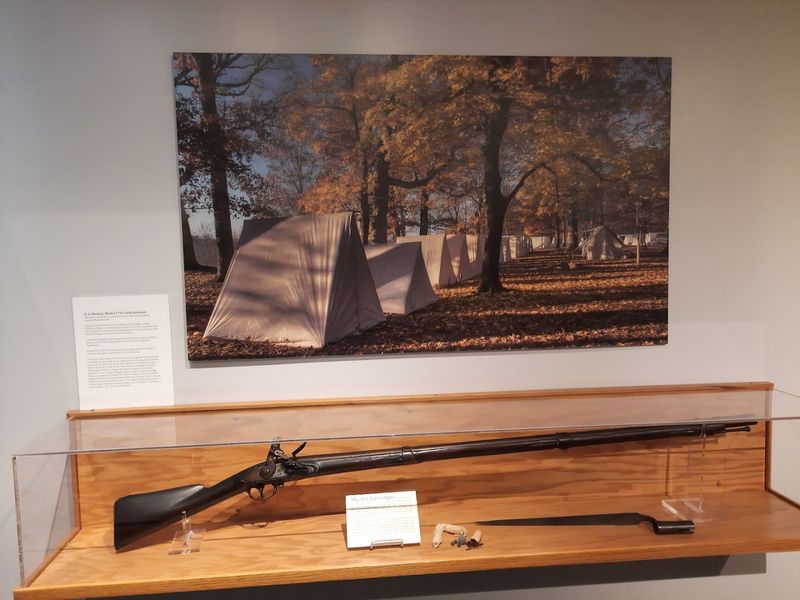
A rifle exhibit traces the evolution of firearms used during this period, and it is surprisingly fascinating even if you are not a history buff. The museum is open Thursday through Tuesday from 10 AM to 5 PM and is closed on Wednesdays.
The gift shop has been praised for fair pricing and a solid selection of locally relevant items. It is a great place to pick up something meaningful before you head back out to walk the grounds.
Educational Programs and Annual Reenactments
Every November, something remarkable happens at Tippecanoe Battlefield Park. The Tippecanoe County Historical Association organizes commemorative events around the anniversary of the battle, and the atmosphere on those days is unlike anything else in Indiana.
Reenactors arrive in period dress, interpretive programs run throughout the day, and the whole site takes on a living, breathing quality that static exhibits simply cannot replicate.
Beyond the annual commemoration, the Historical Association runs educational programming throughout the year that serves schools, homeschool families, and community groups. These sessions are designed to go deeper than a standard museum walkthrough, connecting the events of 1811 to broader themes in American history, Indigenous culture, and the formation of the Midwest as we know it today.
Teachers in the Lafayette area have used this site as a field trip destination for decades, and it consistently delivers in ways that resonate with students long after the visit.
If you are planning a visit around a specific event, checking the Tippecanoe County Historical Association website ahead of time is worth the effort. Programs fill up, and the annual battle commemoration draws visitors from well outside the immediate region.
Catching one of those events adds a dimension to the park that a quiet weekday visit cannot fully match. History taught through experience sticks differently than history read from a page, and this park has figured that out.
It is one of the better public history experiences available anywhere in Indiana.
