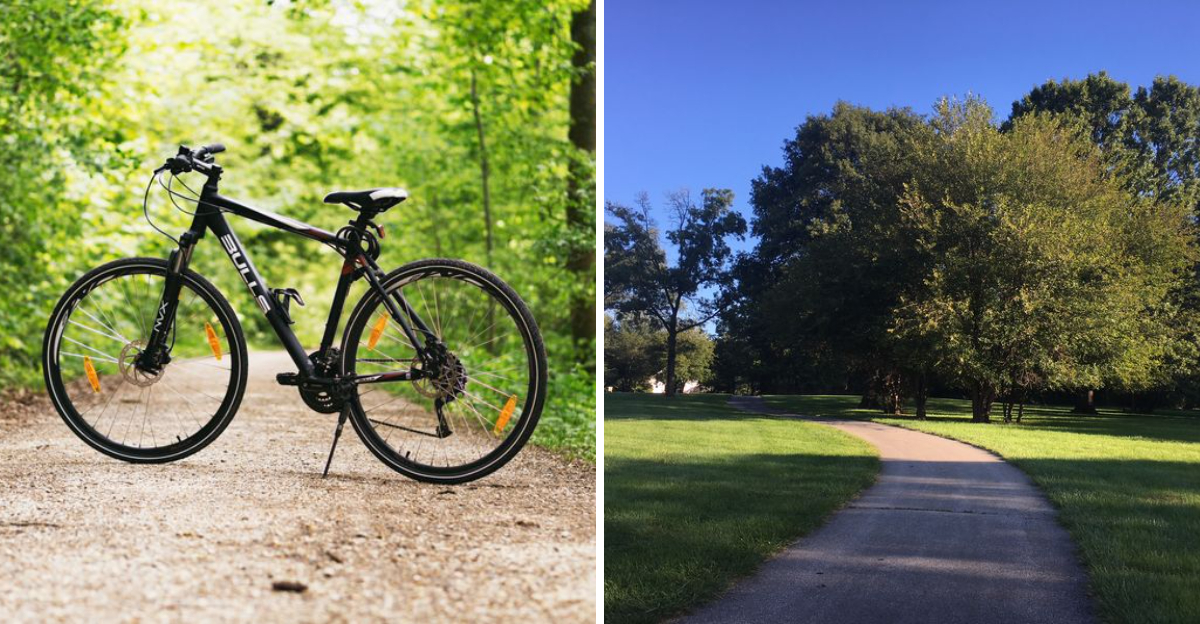
I discovered the Cardinal Greenway on a crisp October morning when I needed to escape the everyday hustle and reconnect with something real. This 62-mile ribbon of asphalt and crushed stone stretches from Muncie to Richmond, tracing the path of an old railroad that once carried commerce and dreams through eastern Indiana.
The trail winds through towns that feel frozen in time, where grain elevators still stand sentinel and downtown storefronts tell stories of bygone eras. What struck me most was how this converted rail corridor offers more than just a place to bike or walk.
It’s a journey through the heartland’s quiet beauty, past farmland that shifts with the seasons, through wooded corridors where wildlife thrives, and into communities that welcome travelers with genuine Hoosier hospitality.
Whether you’re a serious cyclist looking for a long-distance challenge or a family seeking a safe, scenic place to spend an afternoon, the Cardinal Greenway delivers an authentic slice of Indiana that you won’t find on the interstate.
Uninterrupted Miles of Safe, Paved Pathway
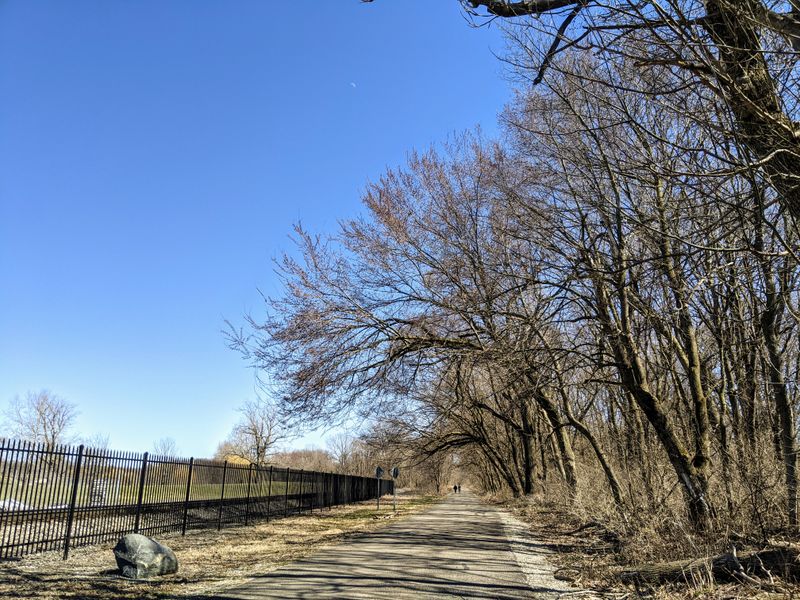
The Cardinal Greenway gives you something rare in today’s world: mile after mile of traffic-free riding where the only sounds are birds singing and wheels humming on pavement. Because this trail follows an old railroad bed, the grade stays gentle and predictable throughout its entire length.
You won’t find steep climbs or tricky descents that make some trails challenging for families or casual riders.
The surface quality remains consistently excellent, with smooth asphalt through most sections and well-maintained crushed stone in others. I’ve ridden trails across Indiana, and the Cardinal Greenway stands out for how well it’s maintained.
Local trail groups and volunteers work hard to keep it in top condition year-round.
Safety becomes second nature here since you’re completely separated from motor vehicles. Parents can relax while kids ride ahead, and older adults appreciate not worrying about cars whizzing past.
The trail’s width accommodates cyclists, walkers, and runners without anyone feeling crowded.
Access points appear regularly along the route, making it easy to plan rides of any length. You can tackle the entire 62 miles over a weekend or enjoy a quick 10-mile out-and-back during lunch.
The flexibility means everyone from beginners to experienced cyclists finds their perfect ride on this remarkable trail.
Historic Small Towns Worth Exploring
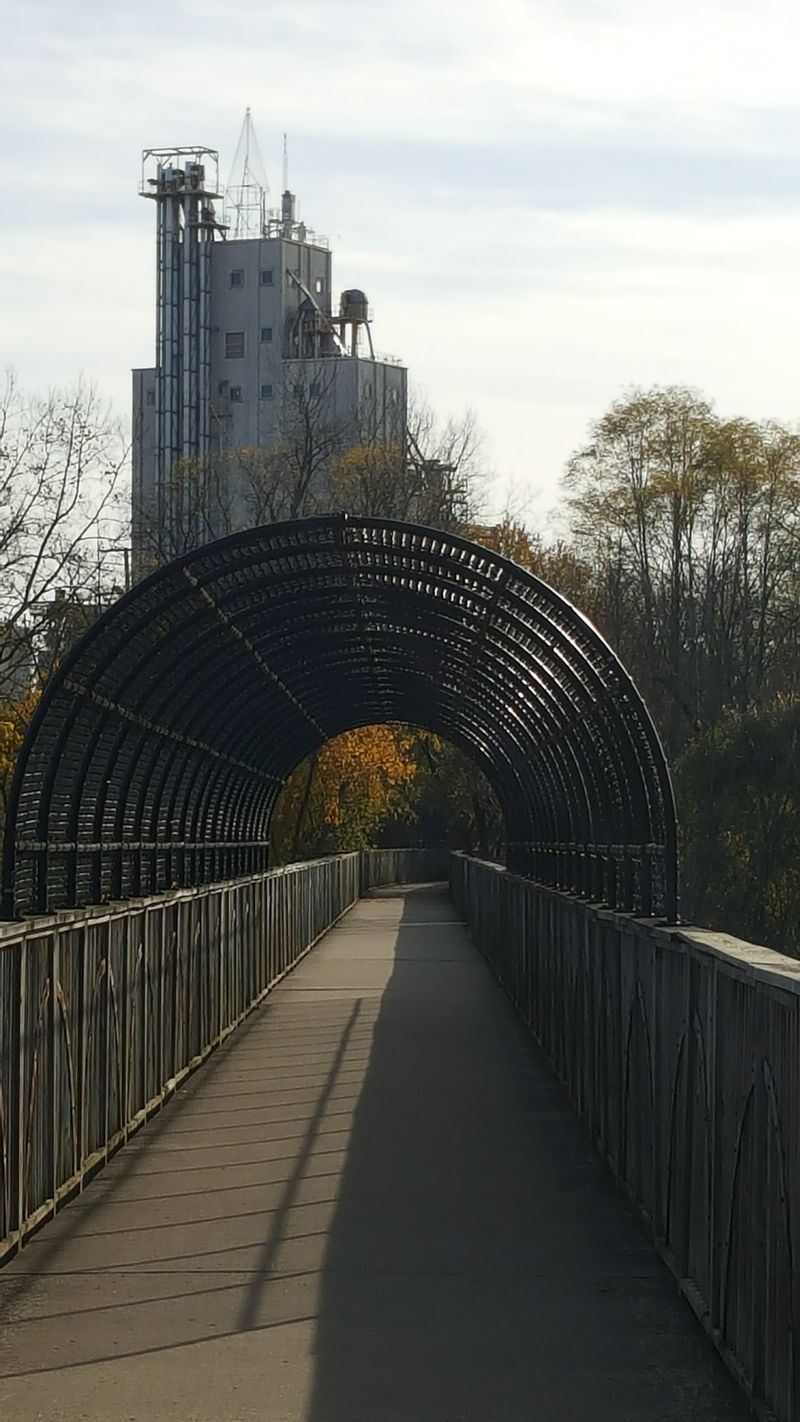
Riding through Gaston, Eaton, Losantville, and other communities along the Cardinal Greenway feels like pedaling through a living history book. These towns grew up alongside the railroad, and many buildings date back to when trains were the lifeline connecting rural Indiana to the wider world.
You’ll spot architectural details that modern construction has forgotten, like decorative cornices and hand-laid brickwork that speaks to craftsmen who took pride in their work.
Each town has its own personality and story. Gaston maintains a classic Main Street feel where locals still gather at the coffee shop.
Eaton’s downtown square centers around a historic courthouse that’s been serving the community for generations. These aren’t tourist traps trying to recreate the past, they’re real places where people still live and work.
Stop and walk around when you pass through. You’ll find friendly residents who remember when the trains still ran and can share stories about how these communities have evolved.
Small museums and historical markers provide context about the railroad’s impact on local development.
The Cardinal Greenway Trail Office in Muncie at 3011 W Kilgore Ave can provide maps showing exactly where the trail passes through each town and what amenities you’ll find there.
Abundant Wildlife and Natural Beauty
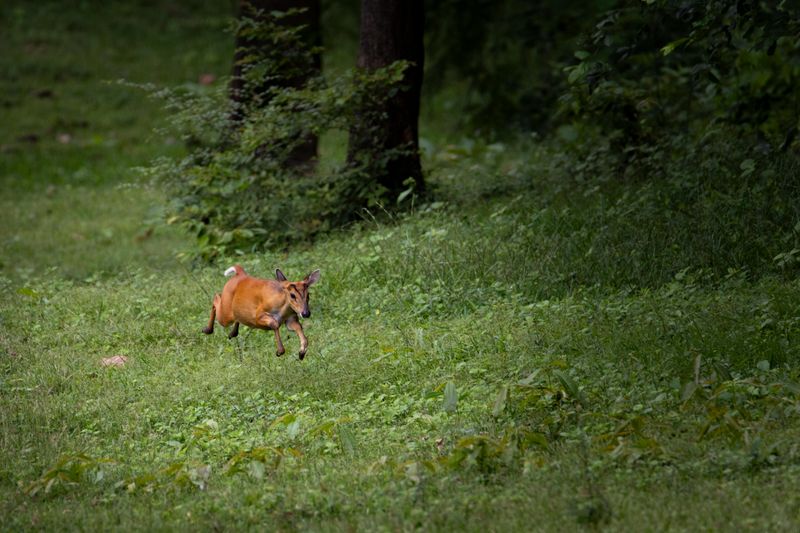
Nature reclaimed the old railroad corridor decades ago, and now the Cardinal Greenway serves as a vital wildlife corridor connecting habitats across eastern Indiana. I’ve spotted white-tailed deer grazing in adjacent fields during early morning rides, and once watched a red fox trot across the trail at dusk near Losantville.
Birds are everywhere, from common cardinals and blue jays to less common species that birdwatchers specifically seek out.
The trail’s tree canopy provides shade during summer rides and explodes with color each autumn. Oaks, maples, and sycamores line long stretches, creating a tunnel effect that makes you feel immersed in the woods even though you’re never far from farmland.
Wildflowers bloom along the edges from spring through fall, attracting butterflies and bees.
Wetland areas near Muncie and Richmond support different ecosystems where you might see herons wading or turtles sunning themselves. These spots offer excellent opportunities for nature photography or simply stopping to observe the natural world going about its business.
The changing seasons transform the trail’s character completely. Spring brings fresh green growth and migrating birds.
Summer offers lush vegetation and abundant wildlife activity. Fall delivers spectacular foliage.
Winter reveals the landscape’s bones and attracts hardy riders who appreciate the solitude.
Perfect for All Skill Levels and Ages
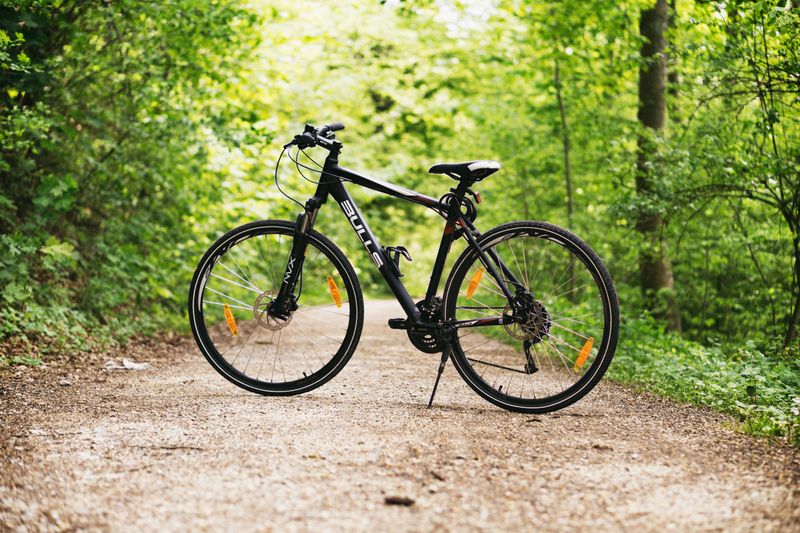
What makes the Cardinal Greenway truly special is how it welcomes everyone regardless of fitness level or cycling experience. The railroad grade means you won’t encounter hills that intimidate beginners or exhaust young riders.
My neighbor introduced her five-year-old to biking here, and within an hour the kid was confidently pedaling independently on the flat, smooth surface.
Older adults appreciate the trail’s gentle nature and numerous access points. You can plan a short ride knowing you won’t face unexpected challenges or get stranded far from your car.
Benches appear regularly along the route, providing rest spots where you can catch your breath and enjoy the scenery.
Serious cyclists use the Cardinal Greenway for training rides, taking advantage of the uninterrupted miles to build endurance or practice pacing. The lack of traffic signals and intersections means you can maintain consistent effort without constant stopping and starting.
Some riders complete the entire trail in a single day, while others spread it across multiple outings.
Accessibility extends beyond physical ability. The trail doesn’t charge admission fees, and parking at trailheads costs nothing.
This democratic approach means anyone can enjoy quality outdoor recreation without worrying about budgets or memberships. Families pack picnic lunches and make full days of it without spending money beyond what they bring from home.
Connection to White River Greenway and Beyond
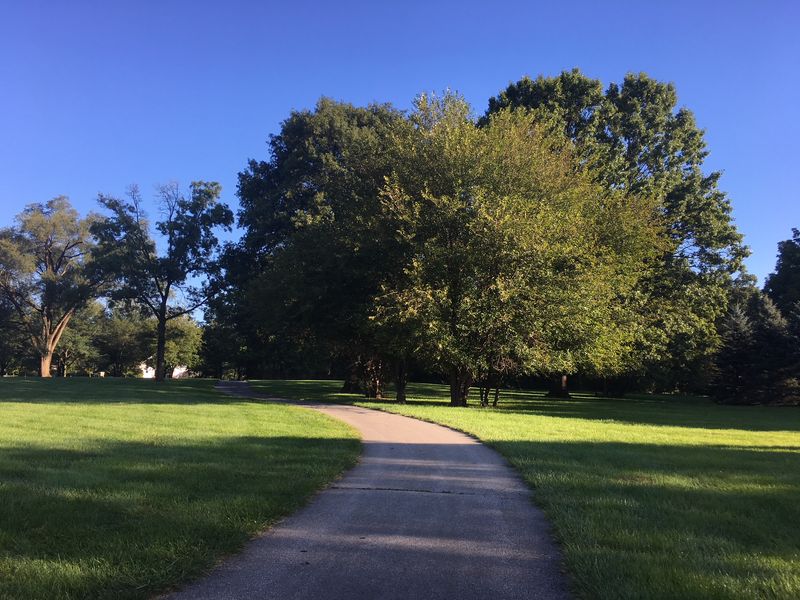
The Cardinal Greenway doesn’t exist in isolation but connects to a growing network of trails across Indiana. At its western terminus in Muncie, the trail links with the White River Greenway, which adds another 5.5 miles of paved pathway through the city.
This connection opens up additional riding opportunities and access to Muncie’s parks and attractions.
The White River Greenway portion runs alongside its namesake river, offering different scenery and a more urban trail experience. You’ll pass through McCulloch Park and connect to Ball State University’s campus, where the trail system continues to expand.
Students, faculty, and local residents use these interconnected paths for commuting as well as recreation.
Long-range plans envision connecting the Cardinal Greenway to even more trails, potentially creating routes that stretch from Indianapolis to the Ohio border. These connections would establish one of the longest continuous trail systems in the Midwest, opening up multi-day touring possibilities for adventurous cyclists.
The Muncie Visitors Bureau at 3700 S Madison St provides information about how the Cardinal Greenway fits into the larger trail network and can suggest extended routes for riders who want to explore beyond the main trail. Their staff knows the system well and can help plan rides that match your interests and abilities.
Rich Railroad Heritage and Historical Markers
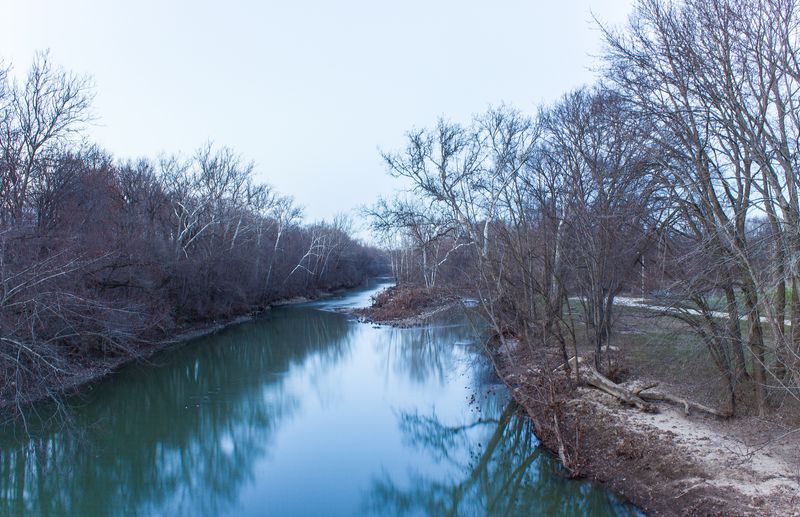
The Cardinal Greenway follows the former route of the Chesapeake and Ohio Railway, and remnants of that railroad past appear throughout your ride. Old depot buildings still stand in several towns, some converted to new uses while others await restoration.
These structures remind you that this peaceful trail once thundered with locomotives hauling freight and passengers across Indiana.
Historical markers along the route tell stories about the railroad’s impact on local communities. You’ll learn how the C&O connected small farming towns to larger markets, enabling agricultural commerce that sustained the regional economy for generations.
Some markers highlight specific events or notable figures associated with the railroad’s history.
In Muncie, the restored Wysor Street Depot serves as a tangible link to the past. Though not directly on the trail, it’s worth a short detour to see how these buildings functioned during the railroad’s heyday.
The depot’s architecture reflects the importance railroads held in community life during the late 1800s and early 1900s.
Railroad enthusiasts find the Cardinal Greenway particularly rewarding because the trail preserves the corridor’s essential character while adapting it for modern recreation. You’re literally riding the same path that trains followed, experiencing the landscape from the same perspective that railroad workers and passengers once enjoyed from their seats.
Seasonal Beauty and Year-Round Riding
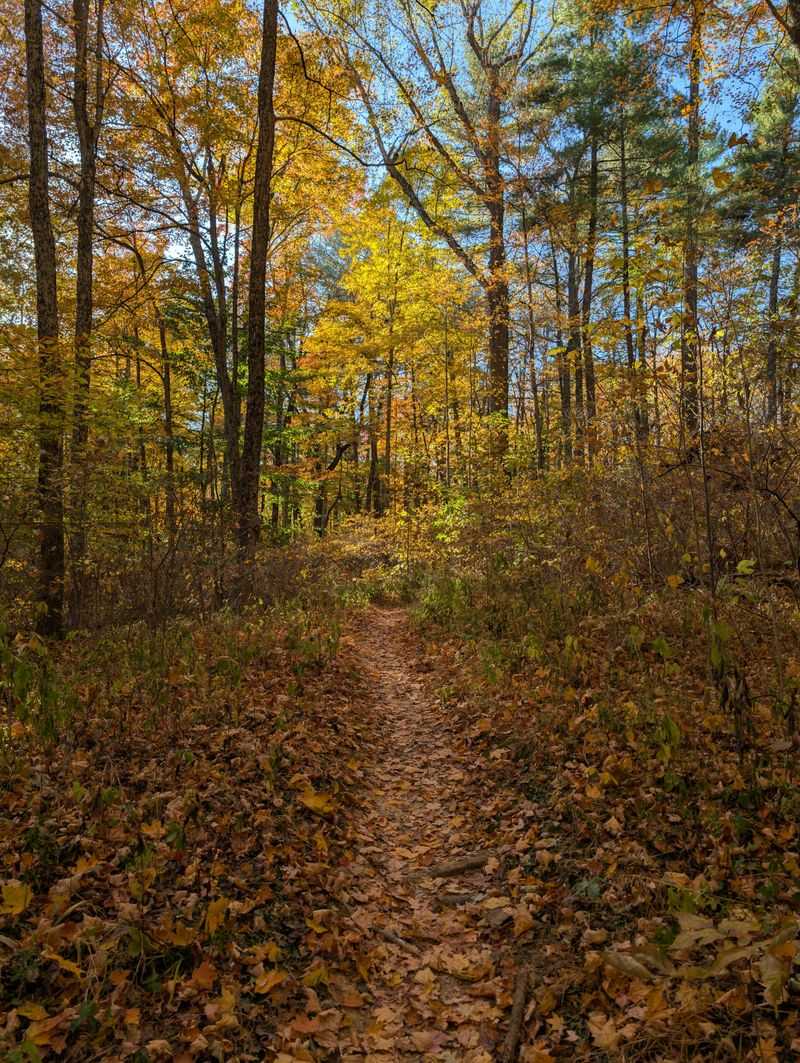
Each season transforms the Cardinal Greenway into a different experience, and dedicated riders return throughout the year to witness these changes. Spring arrives with redbuds and dogwoods blooming pink and white against the greening landscape.
Wildflowers carpet the trail edges, and migrating birds fill the trees with song. The fresh smell of growing things replaces winter’s starkness.
Summer brings full canopy coverage that shades much of the trail, making rides more comfortable even on hot days. Early morning and evening rides become especially pleasant when temperatures cool and wildlife emerges.
Fireflies blink along the trail edges at dusk, creating magical moments that remind you why you love Indiana summers.
Autumn might be the Cardinal Greenway’s finest season. The hardwood forests lining the trail explode in reds, oranges, and yellows that rival any scenic destination.
Cool temperatures make for ideal riding conditions, and the changing leaves create a constantly shifting landscape. Weekend riders flock to the trail during October’s peak color weeks.
Winter riding appeals to hardy souls who appreciate solitude and stark beauty. The trail gets plowed after major snowfalls, though fat-tire bikes handle light snow easily.
Leafless trees reveal distant views that summer’s foliage hides, and the quiet feels profound. Bundle up properly and you’ll discover winter’s unique rewards on this remarkable trail.
Dear Reader: This page may contain affiliate links which may earn a commission if you click through and make a purchase. Our independent journalism is not influenced by any advertiser or commercial initiative unless it is clearly marked as sponsored content. As travel products change, please be sure to reconfirm all details and stay up to date with current events to ensure a safe and successful trip.
