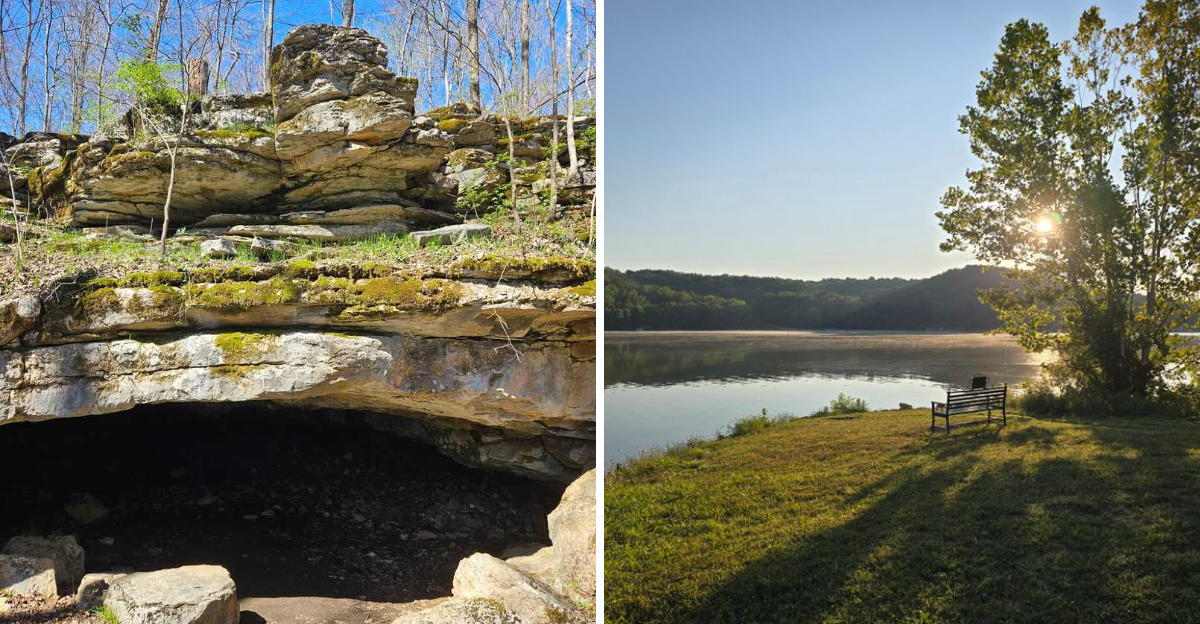
Bloomington sits in south-central Indiana like a hidden gem waiting to surprise you. Most people think of flat farmland when they picture the Hoosier State, but this college town tells a completely different story.
Rolling hills covered in dense forests surround the city, creating landscapes that feel more like Appalachia than the Midwest. The trails here wind through limestone bluffs, past clear lakes, and under canopies so thick they block out the summer sun.
You might find yourself wondering if you took a wrong turn and ended up in Kentucky or Tennessee instead. Home to Indiana University, Bloomington combines natural beauty with cultural charm.
The city has earned a reputation among outdoor enthusiasts for its exceptional hiking and biking trails. They showcase terrain you would never expect to find in Indiana.
Whether you are looking for a peaceful morning walk or a challenging mountain bike ride, Bloomington delivers experiences that will change how you think about this often-underestimated state. The trails alone make this city worth the trip, but they are just the beginning of what makes Bloomington special.
Rugged Terrain at Griffy Lake Nature Preserve
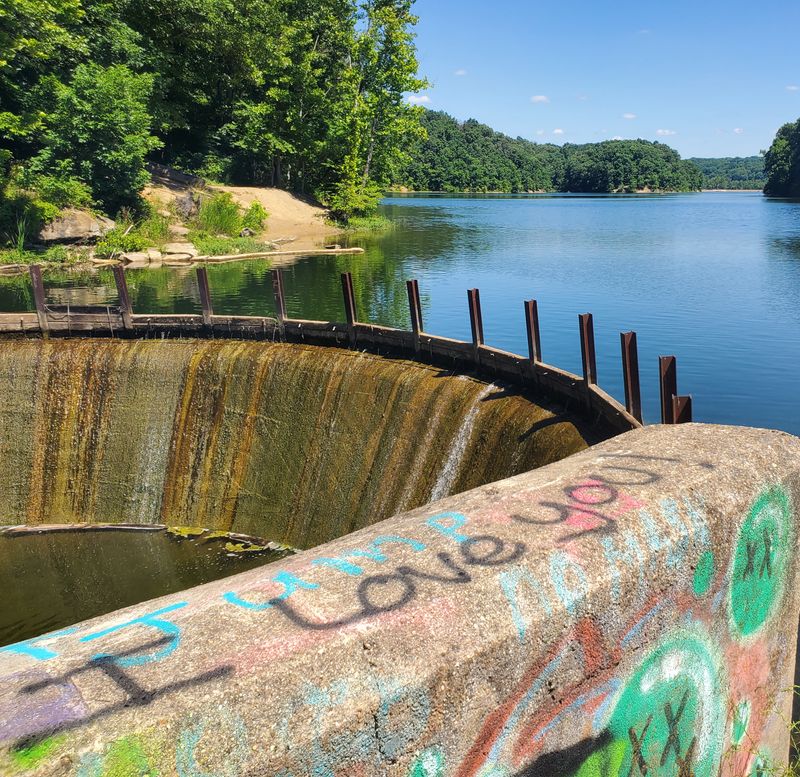
Griffy Lake Nature Preserve stretches across 1,200 acres on the north side of Bloomington, offering trails that challenge even experienced hikers. The preserve surrounds a 109-acre reservoir built in 1924, but the real attraction lies in the miles of woodland paths that climb steep ridges and descend into quiet valleys.
Rock outcroppings jut from the hillsides like ancient monuments. The trails twist through dense hardwood forests where oak, hickory, and maple trees create a thick canopy overhead.
During spring, wildflowers carpet the forest floor in colors that seem too bright to be real. Bloodroot, trillium, and Virginia bluebells bloom in waves as the weather warms.
The trails here range from easy lakeside walks to strenuous climbs that will leave your legs burning. Some paths follow the shoreline where you can watch for great blue herons and osprey hunting for fish.
Other routes climb away from the water into the hills where the only sounds come from woodpeckers and rustling leaves.
Mountain bikers love the technical single-track trails that demand focus and skill. The terrain includes roots, rocks, and sudden elevation changes that keep riders alert.
You can access Griffy Lake Nature Preserve from North Headley Road. The preserve has multiple trailheads, so you can choose routes based on your fitness level and time available.
Mountain Biking Paradise at Wapehani Mountain Bike Park
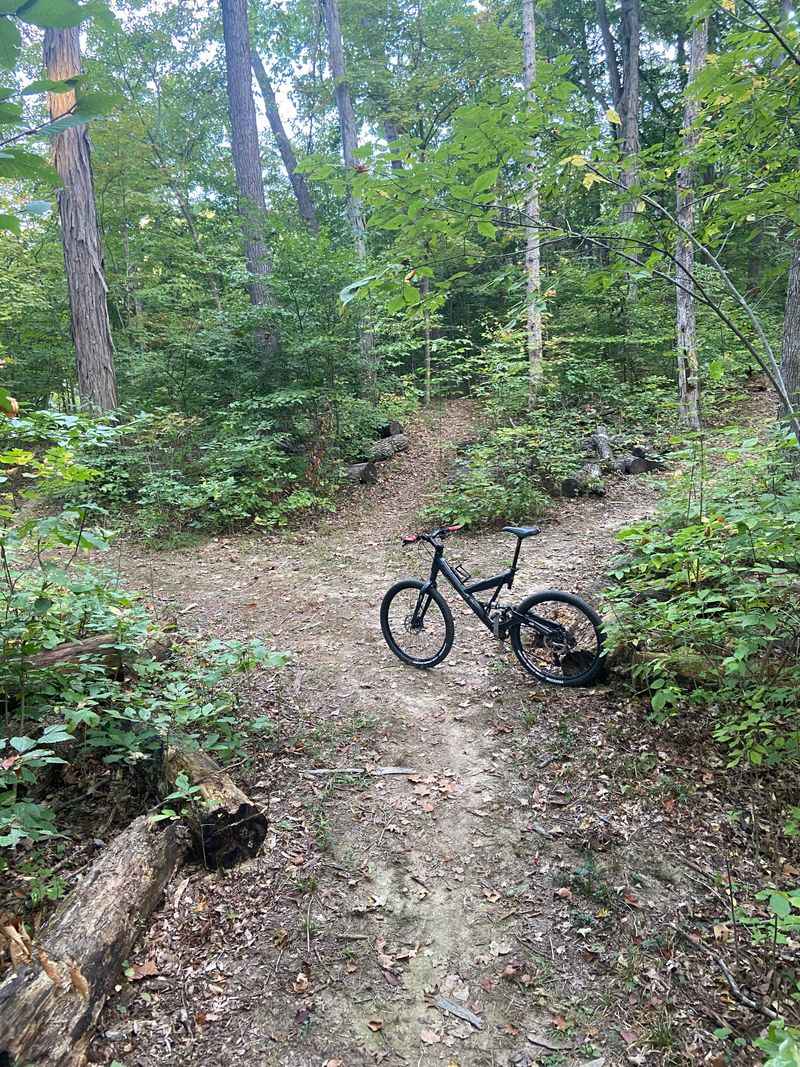
Wapehani Mountain Bike Park has earned recognition as one of the best mountain biking destinations in the Midwest. The park covers 88 acres east of Bloomington and features over 10 miles of purpose-built trails designed specifically for mountain biking.
Local riders and trail builders have spent years developing a network that includes everything from beginner-friendly loops to expert-level technical sections. The terrain here feels nothing like typical Indiana landscapes.
Sharp climbs test your endurance while fast descents reward you with adrenaline rushes. Bermed corners allow you to carry speed through turns, and wooden features add variety to the natural terrain.
Some sections include rock gardens that require careful line choice and bike handling skills.
The park operates as a partnership between the city and the Bloomington Mountain Bike Club. Volunteers maintain the trails and continue adding new features each year.
Their dedication shows in every carefully shaped turn and perfectly graded climb.
Beginners can start on the green-rated trails that teach basic mountain biking skills without overwhelming new riders. As your confidence grows, you can progress to blue and black-rated trails that demand more technical ability.
The park sits at 3691 South Walnut Street and welcomes riders from dawn to dusk. You will find a parking area and a simple trail map at the entrance, but serious riders should download a trail app to navigate the full network.
Limestone Bluffs at Leonard Springs Nature Park
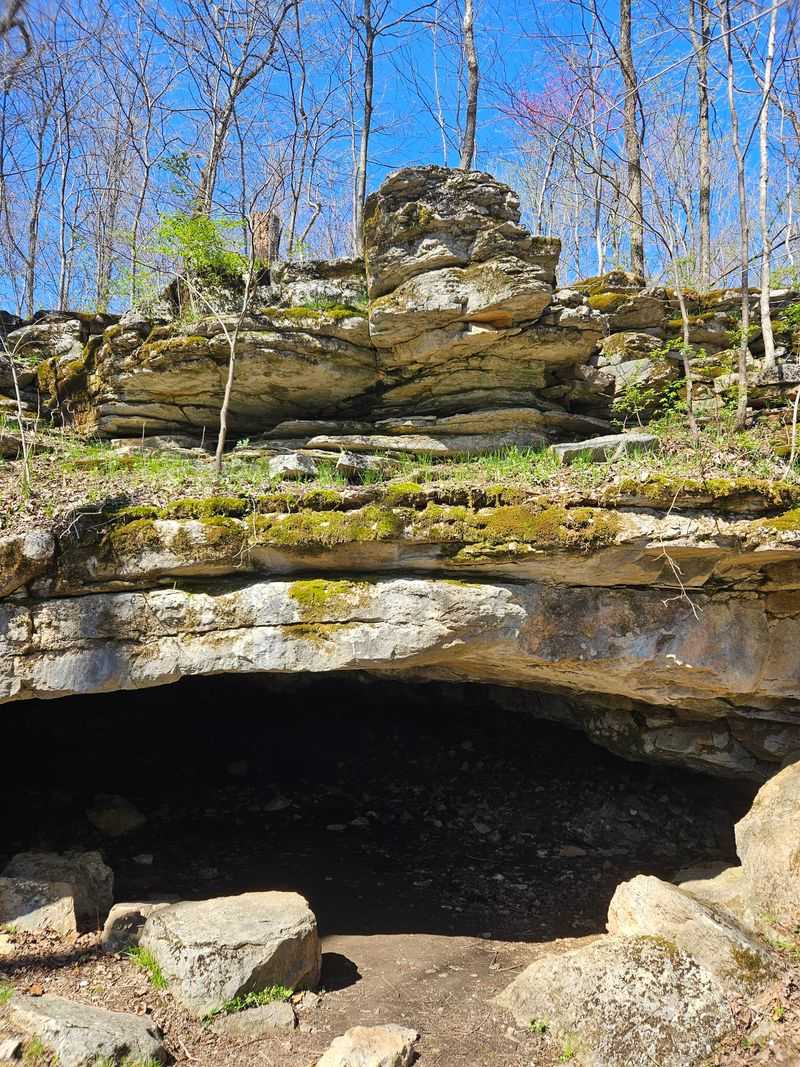
Leonard Springs Nature Park protects 93 acres of karst landscape where limestone formations create scenery that belongs in Kentucky or Tennessee. The park takes its name from a natural spring that once supplied water to early Bloomington settlers.
Today, the spring still flows, feeding a small creek that cuts through the property. But the real stars of this park are the towering limestone bluffs that rise above the forest floor like ancient walls.
Trails wind past these rock faces where ferns grow from cracks and moss covers every surface. The limestone formed millions of years ago when this region lay under a shallow sea.
Time and weather have carved the rock into dramatic shapes that create countless photo opportunities.
A short loop trail makes the park accessible to families and casual hikers, but the terrain includes some steep sections that require careful footing. The path crosses wooden bridges over the creek and climbs stairs cut into the hillside.
Spring brings the most dramatic displays when water flows heavily and wildflowers bloom throughout the understory. Hepatica, spring beauty, and Dutchman’s breeches appear in March and April, creating carpets of white and pink blooms.
The park sits at 2907 East Moores Pike on the southeast side of Bloomington. A small parking area serves as the trailhead, and you can complete the main loop in about an hour at a leisurely pace.
Wilderness Experience at Charles C. Deam Wilderness
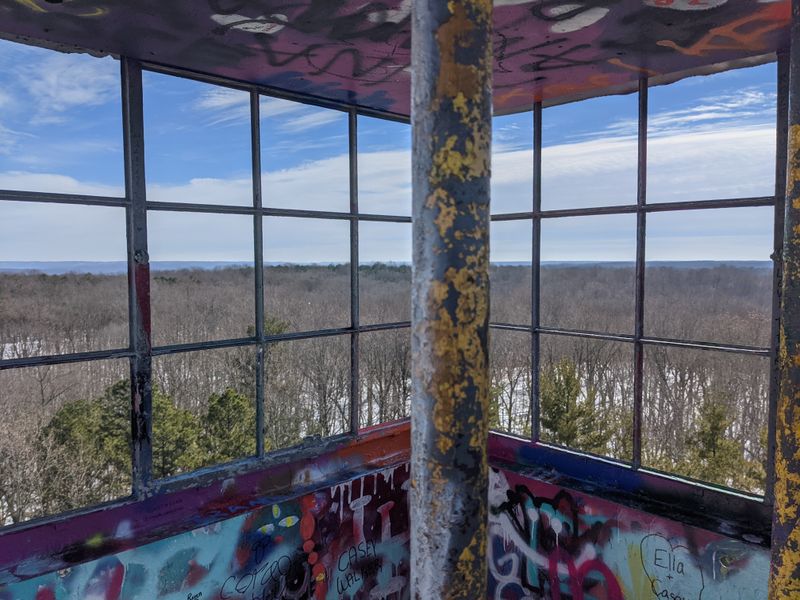
Charles C. Deam Wilderness encompasses 13,000 acres of protected forest within Hoosier National Forest, just southeast of Bloomington.
This federally designated wilderness area prohibits motorized vehicles and mountain bikes, preserving a backcountry experience rare in Indiana.
The wilderness takes its name from Charles Deam, Indiana’s first state forester who worked to protect and restore forests across the state. His legacy lives on in this rugged landscape where nature operates on its own terms.
Over 40 miles of hiking trails cross the wilderness, connecting ridgetops, valleys, and creek bottoms. The terrain challenges hikers with constant elevation changes and rocky paths that require sturdy boots and good balance.
Some trails follow old logging roads while others are narrow footpaths barely visible through the leaf litter.
Monroe Lake borders the wilderness area to the south, and several trails lead to overlooks where you can see the water stretching into the distance. The combination of forest and lake creates habitat for diverse wildlife including white-tailed deer, wild turkeys, and occasionally black bears that have returned to southern Indiana.
Backpackers can camp anywhere within the wilderness as long as they follow leave-no-trace principles. Primitive camping means no facilities, no marked campsites, and no guarantees of finding water sources during dry periods.
You need to be self-sufficient and comfortable with genuine wilderness travel.
Access the wilderness from multiple trailheads along Tower Ridge Road and other forest roads south of Bloomington.
Urban Trail Network Along Clear Creek Trail
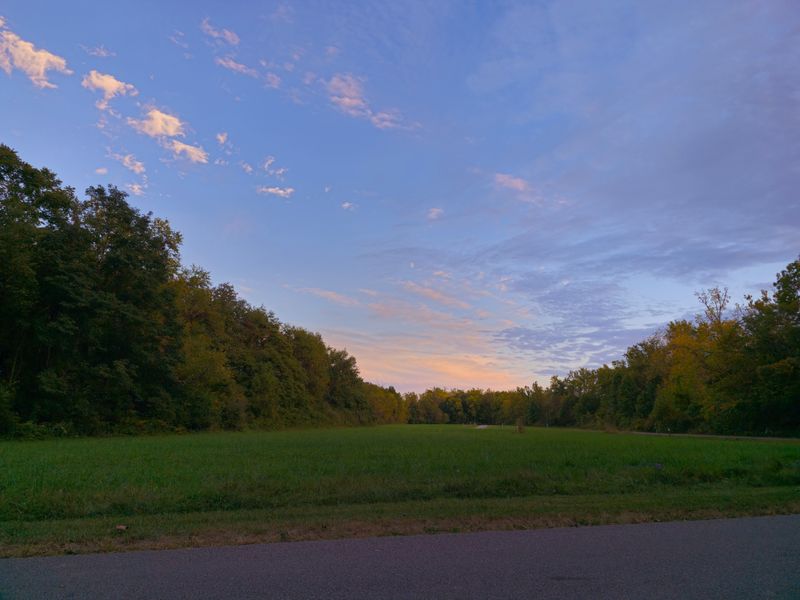
Clear Creek Trail provides 3.5 miles of paved pathway that connects neighborhoods, parks, and shopping areas throughout Bloomington. This urban trail proves that you do not need to drive into the countryside to enjoy quality outdoor experiences.
The trail follows Clear Creek as it winds through the city, creating a green corridor where joggers, cyclists, and dog walkers gather throughout the day. Mature trees shade most of the path, making summer rides pleasant even during hot afternoons.
Unlike many urban trails that feel disconnected from nature, Clear Creek Trail includes sections that feel genuinely wild. The path passes through wooded areas where the creek babbles over rocks and wildlife appears surprisingly often.
You might spot great blue herons stalking fish in shallow pools or red-tailed hawks perched in trees overhead.
The trail connects to the B-Line Trail, another paved path that runs through downtown Bloomington. Together, these trails create a network that allows you to travel across much of the city without dealing with car traffic.
Commuters use the trails to bike to work while families treat them as safe routes for teaching kids to ride.
Access points exist throughout the city, with parking available at Karst Farm Park, Cascades Park, and other locations along the route. The trail surface stays in excellent condition thanks to regular maintenance by city crews.
Public art installations appear at several points along the trail, adding cultural interest to your outdoor exercise. Benches and picnic tables provide spots to rest and watch the creek flow past.
Forest Canopy Adventures at Nebo Ridge Trail System
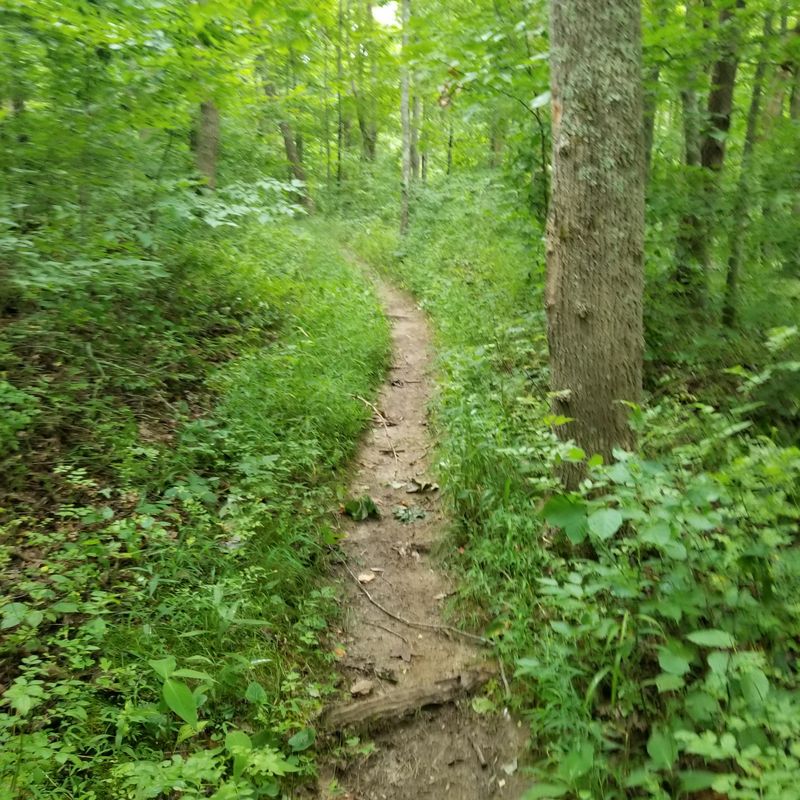
Nebo Ridge Trail System offers some of the most challenging mountain bike trails in the Bloomington area, but hikers also enjoy the network of paths that climb steep hillsides and wind through old-growth forest. The trails sit on property owned by Indiana University and managed in partnership with local outdoor recreation groups.
What makes Nebo Ridge special is the mature forest that covers the ridgetops. Some trees here are over 100 years old, having escaped the logging that cleared most of Indiana’s forests in the 1800s.
Walking beneath these giants feels like stepping back in time to when forests covered the entire region.
The canopy grows so thick in summer that little sunlight reaches the forest floor. This creates a cool, quiet environment where the sounds of the city fade completely.
Your footsteps on the leaf-covered trail become the loudest noise, along with birdsong from the treetops.
Trail builders have created a network that includes multiple loops and connector trails, allowing you to customize your route based on time and energy. Some sections climb relentlessly while others follow gentler contours along the hillsides.
Technical features challenge mountain bikers, but hikers can avoid most of these by choosing alternate paths.
The ridge offers occasional views through the trees where you can see neighboring hills rolling into the distance.
Lakeside Serenity at Lake Lemon Recreation Area
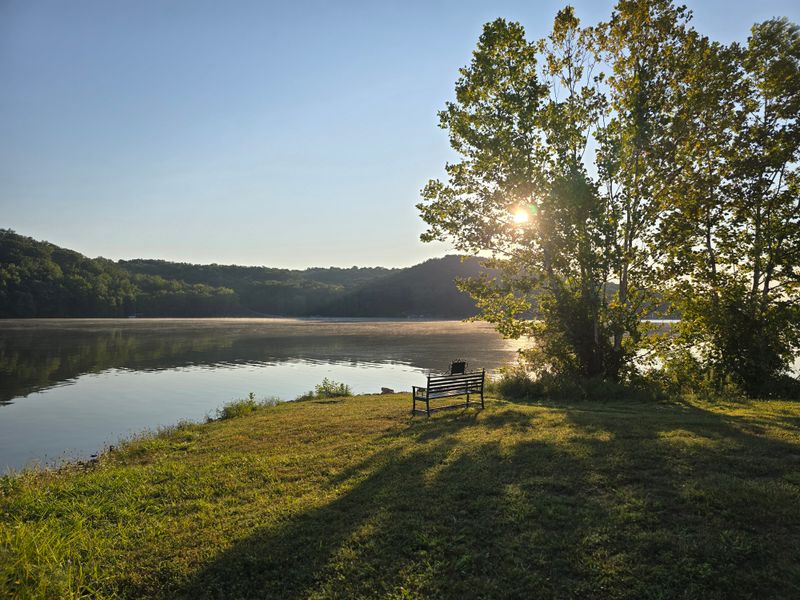
Lake Lemon sits northeast of Bloomington, offering 1,650 acres of water surrounded by wooded hills and quiet coves. The lake was created in 1953 as a water supply reservoir, but today it serves as a popular recreation destination where people come to escape city life.
Trails circle portions of the lake, providing walking and hiking opportunities with constant water views. Unlike the more rugged wilderness trails, these paths follow gentler terrain suitable for families and anyone looking for a relaxing outdoor experience rather than a workout.
The shoreline trails wind through mixed forests where you can watch for waterfowl and shorebirds. Great egrets, kingfishers, and various duck species make the lake their home during different seasons.
Patient observers might spot bald eagles soaring overhead, as these majestic birds have returned to Indiana in recent years.
Several access points around the lake provide parking and trail connections. Riddle Point Park on the north shore offers the most developed facilities including picnic areas, boat ramps, and swimming beaches.
From here, you can walk trails that follow the shoreline and climb into the surrounding hills.
The trails work well for trail running thanks to their relatively smooth surfaces and moderate terrain. Local runners use the lakeside paths for training, enjoying scenery that makes the miles pass quickly.
Summer brings crowds to the lake for swimming and boating, but the trails remain peaceful even during busy weekends.
Dear Reader: This page may contain affiliate links which may earn a commission if you click through and make a purchase. Our independent journalism is not influenced by any advertiser or commercial initiative unless it is clearly marked as sponsored content. As travel products change, please be sure to reconfirm all details and stay up to date with current events to ensure a safe and successful trip.
