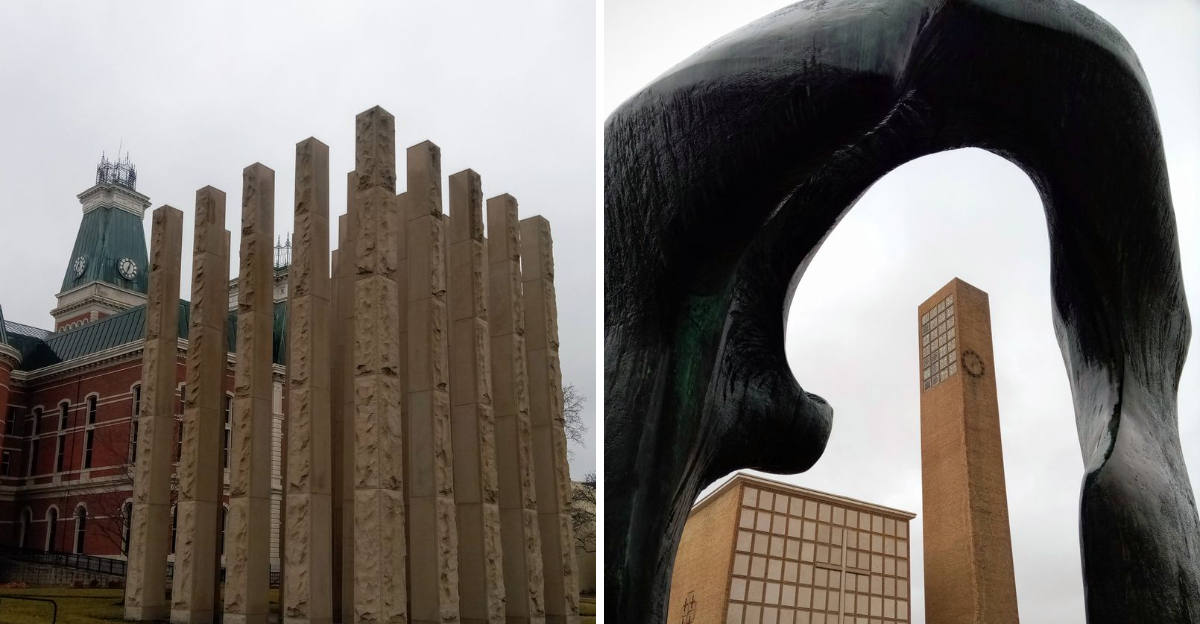
Columbus, Indiana might not be the first place that comes to mind when planning a Midwest adventure, but this charming city is about to change that. Its surprising mix of architecture, history, and limestone wonders makes it worth a closer look.
Tucked away in Bartholomew County, Columbus offers a blend of cultural richness and creative spirit. Visitors will be delighted by its small-town charm paired with world-class design.
With a population of just over 50,000, the city packs a big punch in both culture and natural beauty. Rolling landscapes and limestone formations add to its unique appeal.
From modern architectural masterpieces to scenic outdoor spaces carved from stone, Columbus invites exploration. Each corner seems to tell a story for those willing to slow down and notice.
Whether you are an art lover, history buff, or nature enthusiast, there is something here to spark your imagination. You might find yourself planning your next visit before leaving.
The city has earned national recognition for its commitment to design and innovation. It truly is a hidden gem waiting to be discovered.
So pack your bags and get ready to see why Columbus deserves a spot on your travel bucket list.
Architectural Masterpieces Around Every Corner
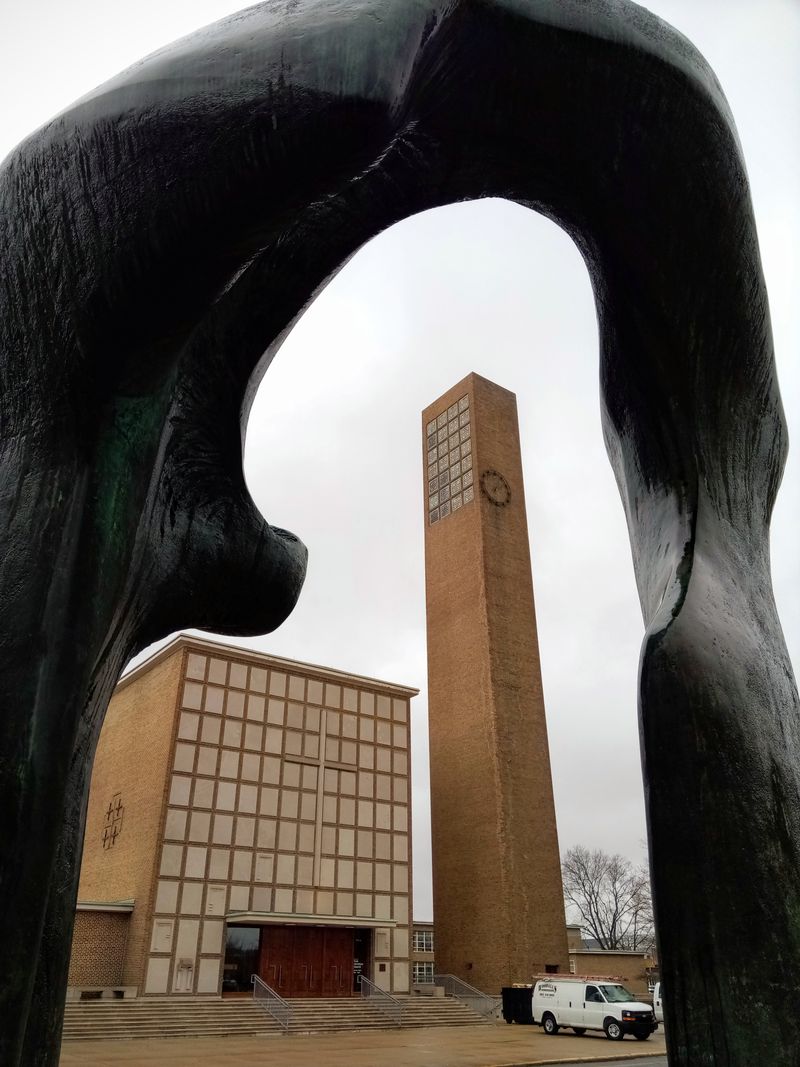
Columbus has earned the nickname “Athens of the Prairie” for good reason. This city boasts more than 70 notable buildings designed by some of the world’s most celebrated architects, including Eero Saarinen, I.M.
Pei, and Richard Meier.
Walking through downtown feels like strolling through an open-air museum where each structure tells its own story. The First Christian Church, designed by Eliel Saarinen in 1942, stands as a stunning example of modernist architecture with its soaring tower and limestone facade.
Many of these buildings incorporate Indiana limestone, giving them a timeless elegance that blends perfectly with the surrounding landscape. The Miller House and Garden, located at 2760 Hawcreek Road, offers guided tours that showcase mid-century modern design at its finest.
Built in 1957 and designed by Eero Saarinen, this National Historic Landmark features stunning interior spaces and meticulously landscaped gardens. The Columbus Visitors Center at 506 Fifth Street provides maps and information for self-guided architectural tours.
You can spend an entire day exploring these remarkable structures without ever feeling rushed. The variety of styles ranges from sleek modernism to bold contemporary designs, all unified by exceptional craftsmanship.
Mill Race Park’s Natural Beauty
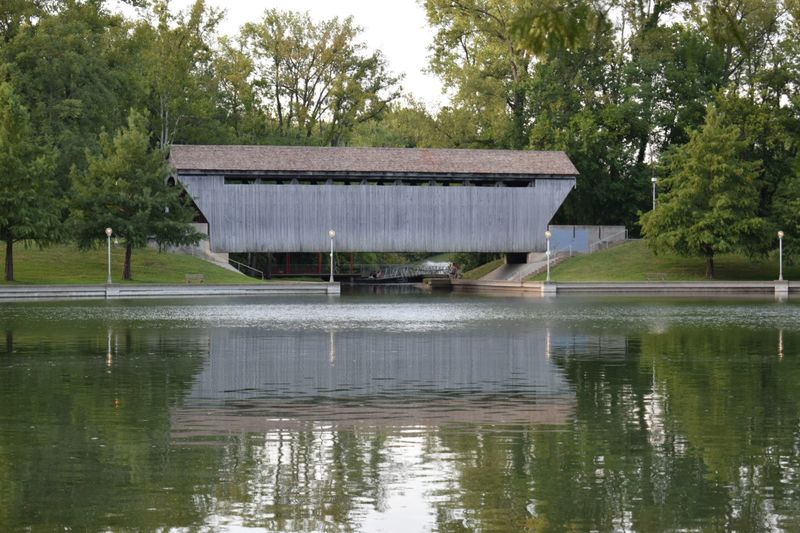
Mill Race Park stretches across 86 acres along the Flatrock River, offering a peaceful escape where nature meets carefully designed landscapes. Created in 1992 by landscape architect Michael Van Valkenburgh, this park celebrates the natural setting of the region.
The park features winding trails that follow the river’s edge, providing perfect spots for quiet reflection or family picnics. An iconic observation tower, not a covered bridge, is a key focal point that photographers adore.
The Amphitheater, carved into the landscape, hosts concerts and community events throughout the warmer months.
Kids love exploring the playgrounds and open spaces, while adults appreciate the thoughtful integration of art and nature. Limestone blocks and boulders are incorporated throughout the park’s design, serving both functional and aesthetic purposes.
During spring and summer, wildflowers bloom along the trails, adding splashes of color to the natural tones. The park’s location at 101 Lindsey Street makes it easily accessible from downtown Columbus.
Birdwatchers often spot herons, kingfishers, and other water-loving species along the riverbanks. The park maintains its natural character while offering modern amenities like restrooms and parking.
Historic Downtown with Limestone Landmarks
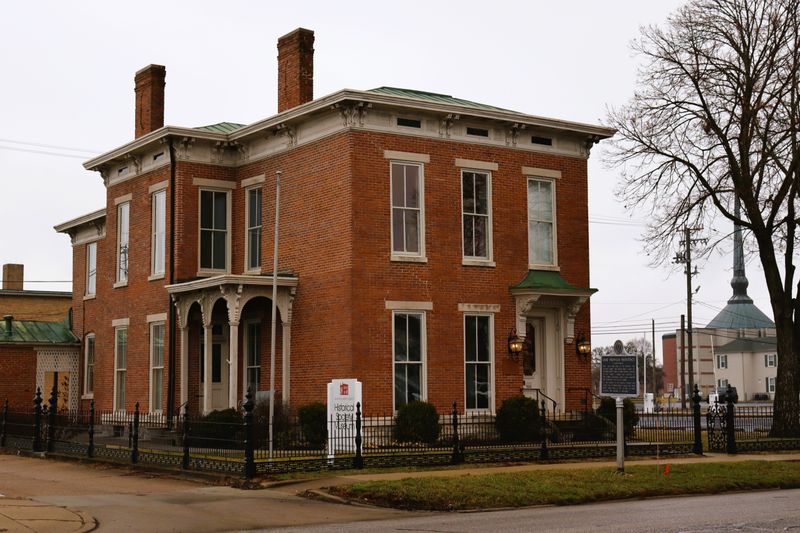
Downtown Columbus showcases how limestone has shaped Indiana’s architectural identity for generations. The Bartholomew County Courthouse, built in 1874, dominates the town square with its impressive limestone construction and Second Empire style.
This historic building served as the heart of community life for over a century before newer government facilities were constructed. Walking the downtown streets, you will notice how many older buildings feature limestone details in their facades, cornerstones, and decorative elements.
The Crump Theatre at 220 Washington Street, originally opened in 1889, displays beautiful limestone work that has been carefully preserved. Local shops and restaurants occupy buildings that blend historic charm with modern convenience.
Fourth Street is particularly delightful for window shopping and grabbing a bite to eat. You might stop at Zwanzigz Pizza and Brewing at 310 Fourth Street for lunch, where you can enjoy craft beer and wood-fired pizza in a renovated historic space.
The Columbus Area Visitors Center, housed in a striking contemporary building at 506 Fifth Street, provides the perfect starting point for exploring downtown. Staff members offer helpful suggestions and detailed maps highlighting features throughout the district.
Many buildings display plaques explaining their historical significance and architectural details. The juxtaposition of 19th-century limestone structures with sleek modern buildings creates a unique visual experience.
Otter Creek Golf Course’s Limestone Landscape
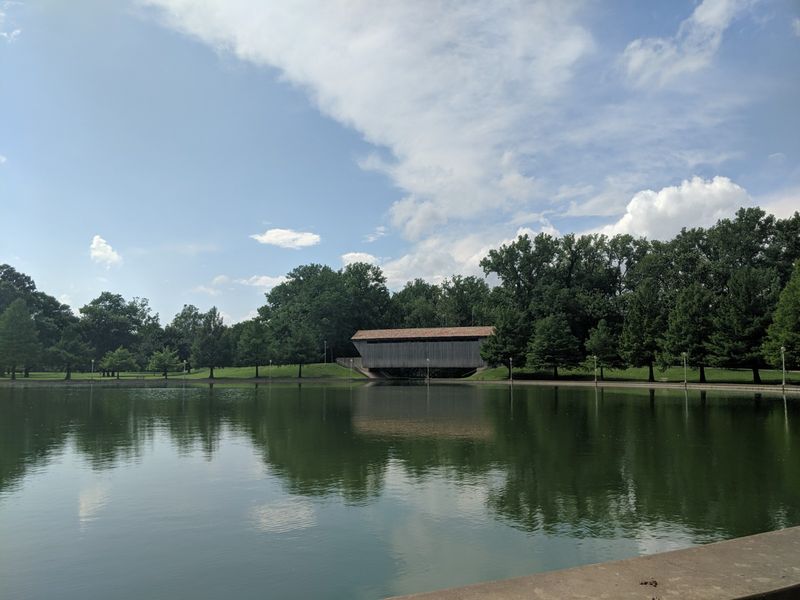
Golf takes on a whole new dimension at Otter Creek Golf Course, where the natural terrain adds drama and beauty to every hole. Located at 11522 East 50 North, this championship course winds through terrain shaped by ancient geological forces.
Strategic challenges created by design rather than specific limestone cliffs test even experienced golfers. Designed by Robert Trent Jones Sr., the course opened in 1964 and quickly gained recognition as one of Indiana’s premier public golf facilities.
The par-72 layout stretches over 7,000 yards from the back tees, offering plenty of variety and strategic interest. What makes Otter Creek truly special is how the design incorporates the natural land features rather than fighting against them.
Several holes play along dramatic elevation changes and a creek. While there are no limestone quarries on the course, its design makes it a challenging and scenic experience.
Even non-golfers can appreciate the stunning scenery by visiting the clubhouse restaurant. The course maintains excellent conditions throughout the season, with bent grass greens that roll true and fast.
Wildlife is abundant, with deer, foxes, and numerous bird species calling the property home. The course’s varied landscape creates a unique environment for both recreation and nature.
The Commons: Urban Design Meets Stone Craftsmanship
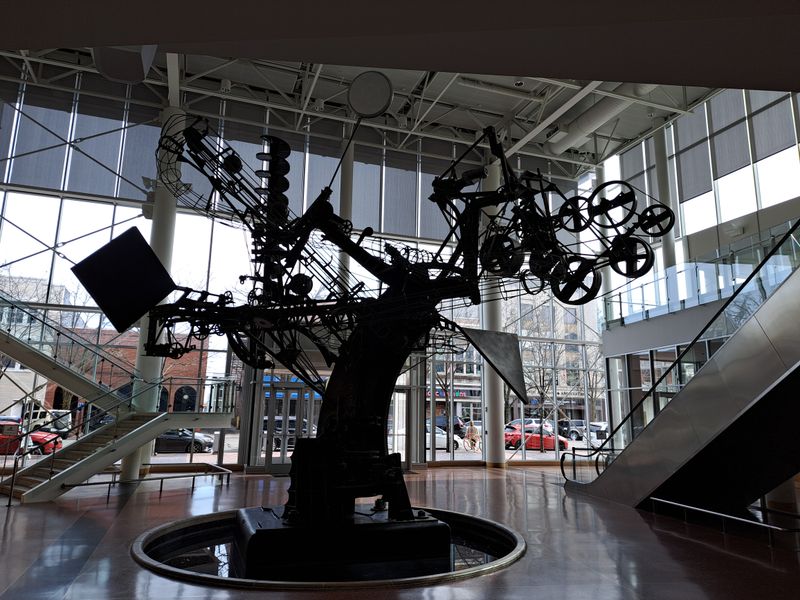
The Commons stands as a bold experiment in urban design, combining public spaces, retail, and cultural facilities under one innovative roof. Opened in 1973 and designed by Cesar Pelli, this downtown complex at 300 Washington Street reimagined what a city center could be.
The building incorporates limestone elements throughout its design, connecting it to Indiana’s architectural traditions. Inside, you will find community meeting spaces and a stunning central plaza.
The Bartholomew County Public Library is located in a separate I.M. Pei designed building across the street.
The most striking feature is the playscape that brings a vibrant splash of color and fun for children. The space is also home to “Chaos I”, a large, important kinetic sculpture by Jean Tinguely, which captivates visitors with its movement.
Indiana Limestone Heritage on Display
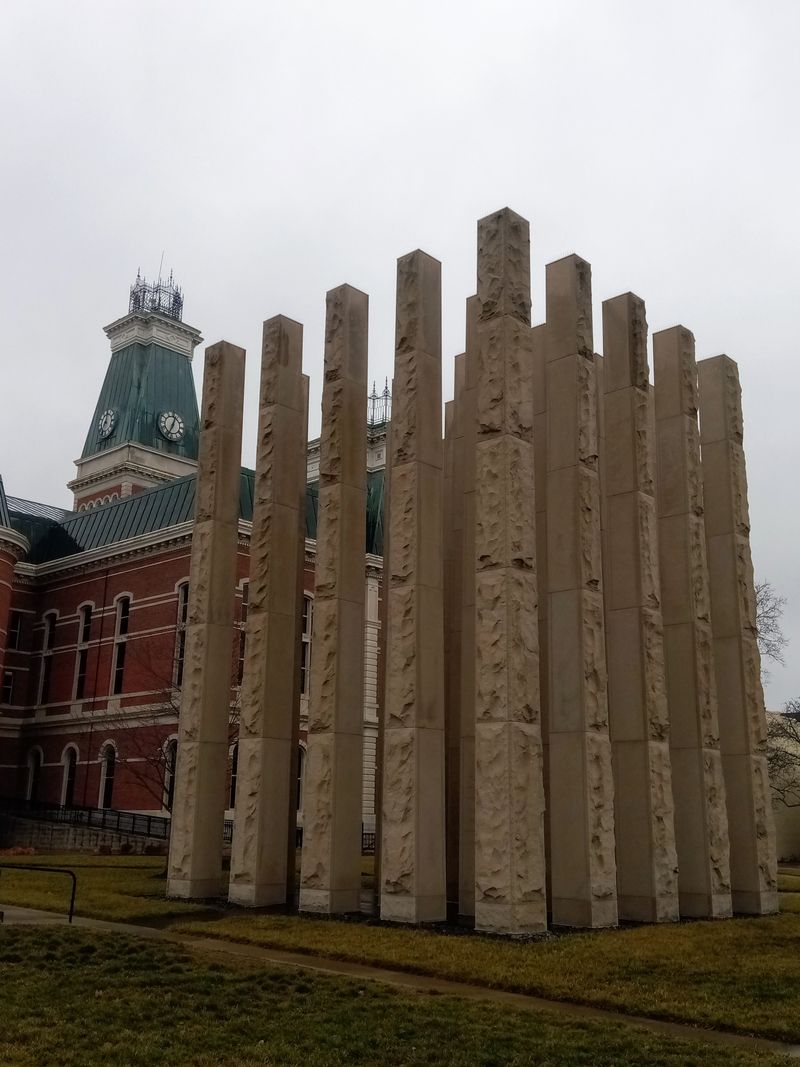
Understanding Columbus means understanding Indiana’s limestone industry, which has shaped architecture worldwide for over a century. The region sits atop massive limestone deposits formed from ancient sea beds millions of years ago.
This high-quality stone has been quarried and shipped to construction sites across the globe. Many of America’s most iconic buildings, including the Empire State Building and the Pentagon, feature Indiana limestone.
Columbus celebrates this heritage by using local limestone in both historic and contemporary structures. The stone’s warm cream color and fine texture make it ideal for detailed carving and smooth finishes.
Walking through Columbus, you can trace the evolution of limestone use from traditional masonry to modern architectural applications. The Bartholomew County Historical Society at 524 Third Street offers exhibits explaining the local quarrying industry’s importance.
You will learn how skilled stone carvers transformed raw blocks into decorative elements that adorn buildings throughout the city. Many historic homes in residential neighborhoods feature limestone foundations, window sills, and decorative trim.
The quarrying tradition continues today, though modern equipment has replaced many hand tools. Visiting Columbus provides insight into how a single natural resource can define a region’s economy and identity.
Outdoor Adventures Among Ancient Stone
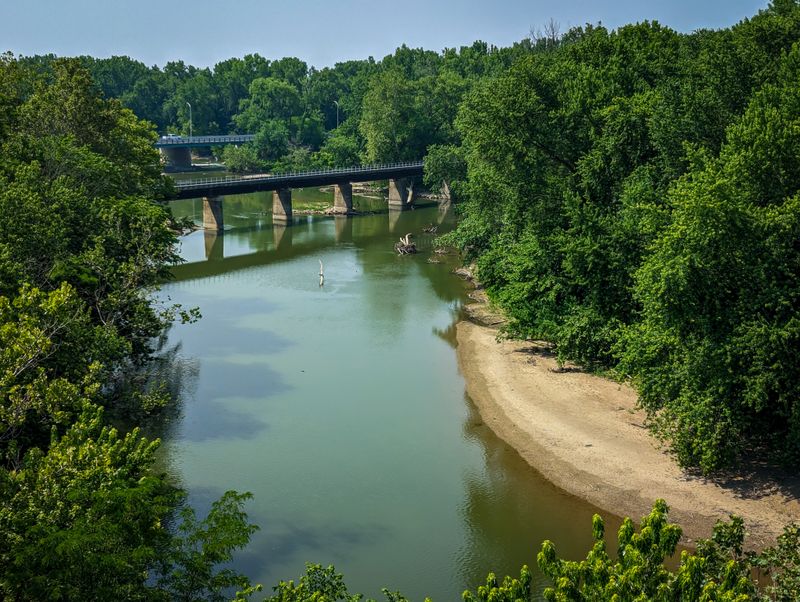
Beyond the city limits, Bartholomew County offers numerous outdoor recreation opportunities where limestone geology creates unique landscapes. The Driftwood River and Flatrock River both flow through areas where limestone bedrock shapes the waterways.
During low water periods, exposed limestone shelves create natural stepping stones and shallow pools perfect for wading. Local parks like Clifty Park and Hamilton Park provide access to trails where you can observe limestone formations up close.
The area’s karst topography, created by water dissolving limestone over millennia, produces sinkholes, caves, and underground streams. Brown County State Park, located about 30 miles northwest, features dramatic limestone cliffs and overlooks.
Hiking trails wind through forests where limestone boulders emerge from the hillsides like ancient monuments. Spring wildflower season transforms these rocky areas into colorful gardens as plants adapted to limestone soils burst into bloom.
Photographers find endless subjects in the interplay of water, stone, and vegetation. The flat agricultural land surrounding Columbus sits atop limestone bedrock that enriches the soil.
Dear Reader: This page may contain affiliate links which may earn a commission if you click through and make a purchase. Our independent journalism is not influenced by any advertiser or commercial initiative unless it is clearly marked as sponsored content. As travel products change, please be sure to reconfirm all details and stay up to date with current events to ensure a safe and successful trip.
