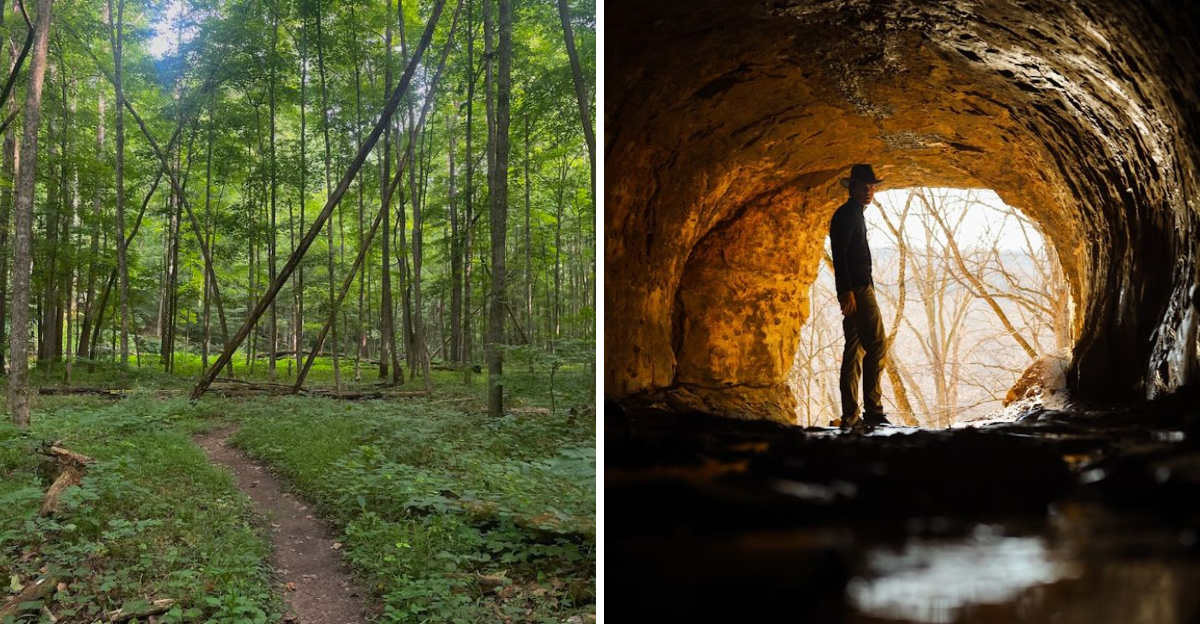
There is something about a trail that feels forgotten by the rest of the world, and one hidden trail near Bloomington, Indiana delivers exactly that feeling. I have walked a lot of Indiana trails, but this one genuinely surprised me.
The dense canopy, the earthy silence, and the winding path make you feel completely removed from the everyday, and the reward at the end; a massive wild cave tucked into the woods; makes the effort feel more than worth it. If you are an Indiana local looking for a hike that actually challenges you while making you feel like you have discovered something rare, this trail deserves a spot on your list.
It’s the kind of place where every step feels like uncovering a secret the state has been quietly holding onto.
A True Wilderness Experience Unlike Any Other Indiana Trail
Most Indiana hikes feel managed, tidy, and predictable. Patton Cave Trail inside the Charles C.
Deam Wilderness is none of those things, and that is exactly what makes it so worth visiting.
The Charles C. Deam Wilderness covers nearly 13,000 acres and contains over 37 miles of trails, making it the only true designated wilderness area in Indiana.
That designation matters. No motorized vehicles are allowed, foot traffic stays relatively low, and the land is left to behave as nature intends.
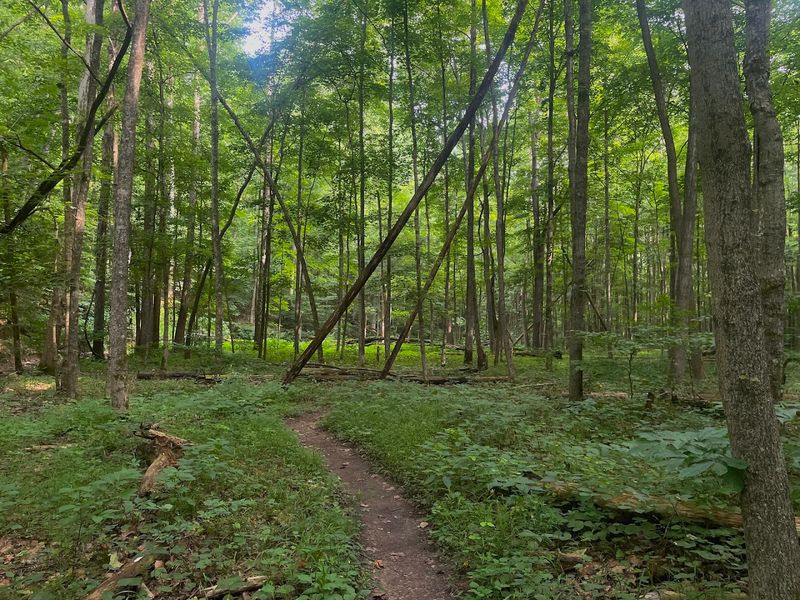
Walking the Grubb Ridge Trail that leads toward Patton Cave, you quickly realize this forest has its own rhythm.
The trail winds through dense hardwood hollows where the canopy closes overhead and the undergrowth grows thick on either side. It genuinely feels like a jungle at times, especially after a rainy spring.
Downed trees occasionally block the path, and the terrain shifts between ridgelines and creek drainages in ways that keep you alert and engaged the whole time.
For Indiana locals used to flat, manicured greenways, this trail delivers something refreshingly raw. The Deam is open 24 hours a day year-round, and the sense of solitude here is real.
Hikers frequently report going hours without seeing another person on the trail. That kind of quiet is increasingly rare anywhere in the Midwest, and finding it just a short drive from Bloomington feels like a genuine gift.
The Grubb Ridge Loop That Gets You There
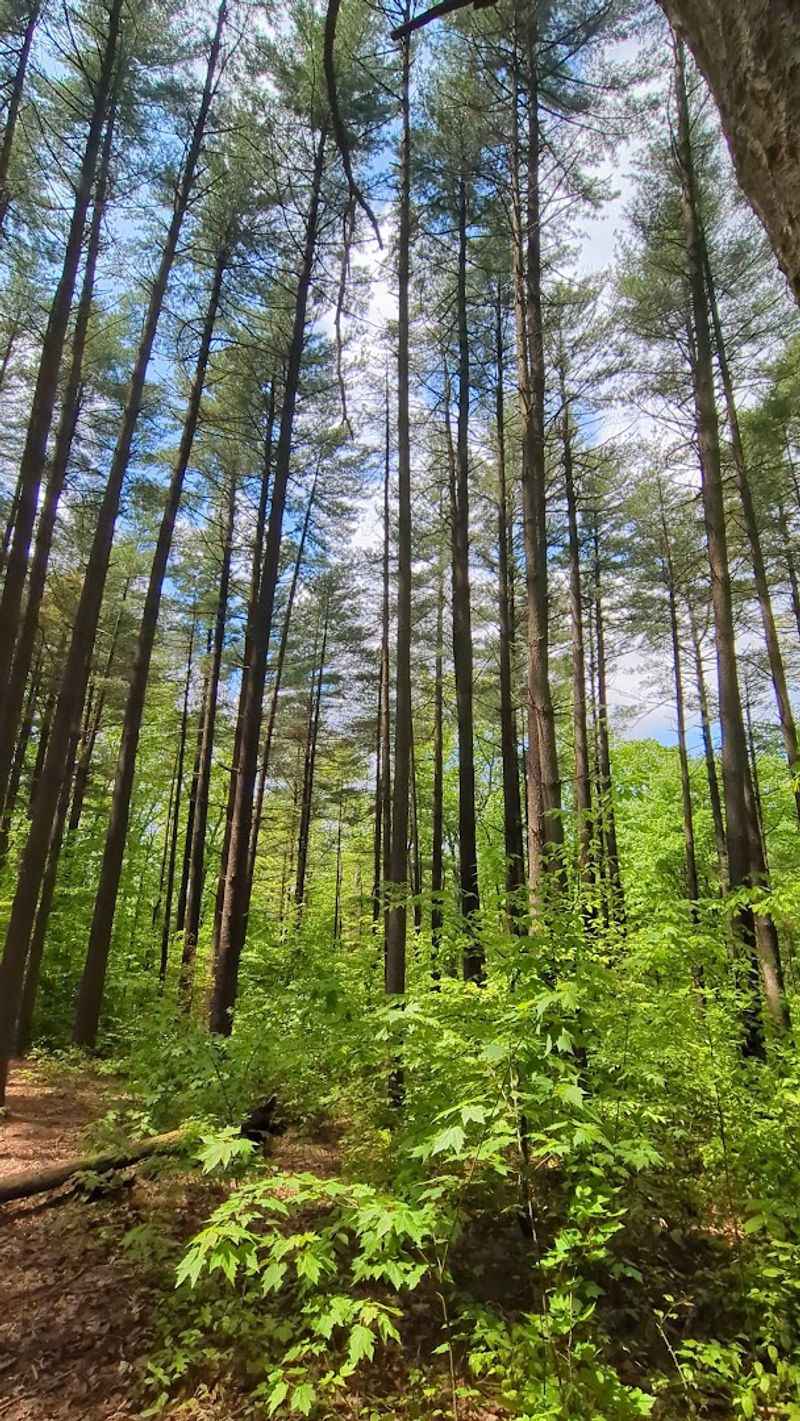
Getting to Patton Cave is not as simple as following a paved path, and honestly that is part of the appeal. The most popular route uses the Grubb Ridge Trail, a roughly 5.1-mile loop that takes hikers through some of the most beautiful and rugged terrain the Charles C.
Deam Wilderness has to offer.
The trail climbs and drops along ridgelines, crosses seasonal drainages, and passes through sections so lush and overgrown they feel more like the Ozarks than Indiana. The path is moderately challenging, well-marked overall, and rewarding at nearly every turn.
Most hikers find the full loop takes between two and three hours depending on pace and how often they stop to take it all in.
Spring is spectacular here when the understory blooms and the streams run full. Fall brings a color show that rivals anything you will find in southern Indiana, with the changing hardwoods reflected in the hollows below the ridge.
January visits, as some regulars recommend, offer a completely different kind of beauty with bare trees opening up long views across the forest.
One practical note worth mentioning: parking near the trailhead fills up on busy weekends, and roadside parking along Tower Road carries an $80 fine. Arriving early on weekend mornings is the smart move.
The horse camp area provides overflow parking for larger groups when needed.
Patton Cave Itself Is the Kind of Wild Cave That Stops You Cold

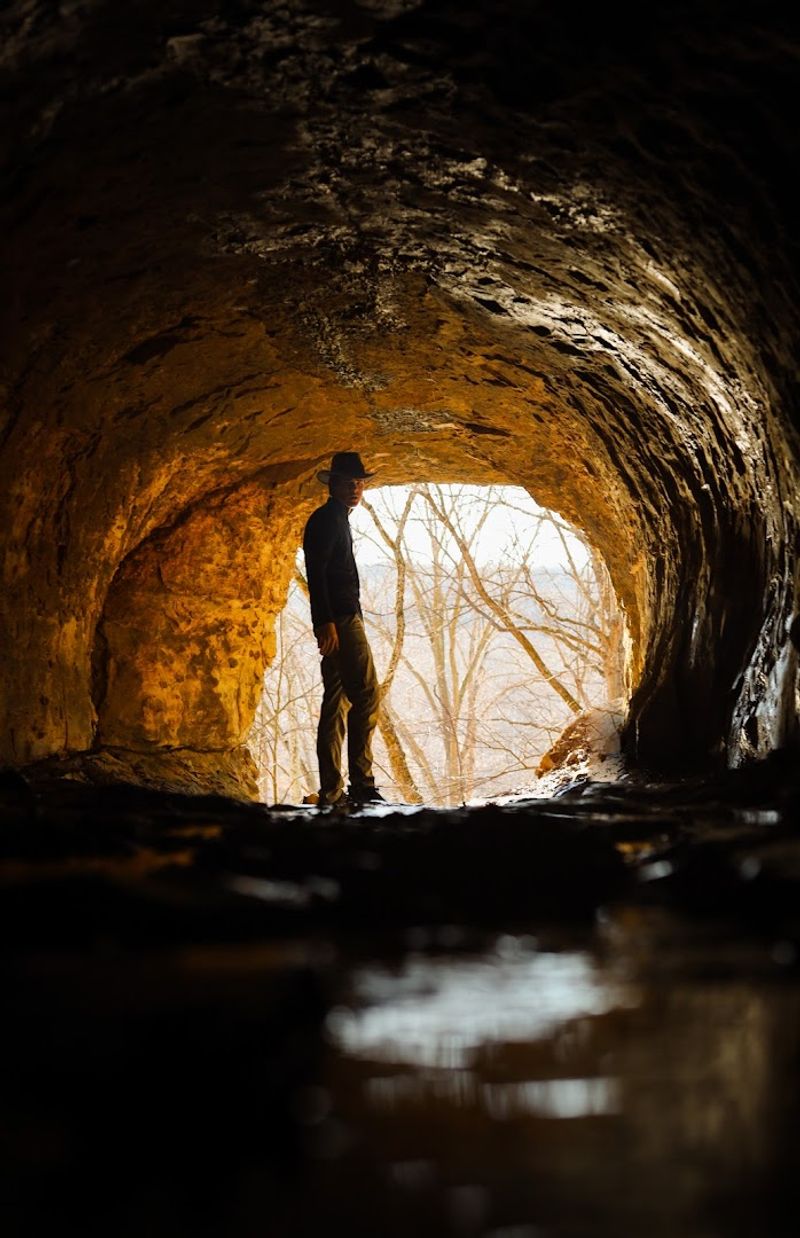
Reaching Patton Cave after winding through the forest feels like stumbling onto something the rest of the world has not found yet. The cave entrance opens up into a large, natural formation that sits quietly within the wilderness without any fencing, lighting, or interpretation panels around it.
This is not a show cave. There are no guided tours, no gift shops, and no handrails.
Patton Cave is a genuine wild cave, which means exploring it requires a headlamp, careful footing, and a reasonable sense of adventure. The cave is open to the public during warmer months but closes during hibernation season to protect the bat populations that rely on it for winter survival.
Inside, the cave opens into chambers large enough to feel genuinely dramatic. The ceiling rises well above your head in sections, and the formations along the walls and floor remind you that this space has been shaped by water and time over thousands of years.
The air inside is noticeably cooler than the trail, which makes it a welcome stop on a warm summer hike.
What makes Patton Cave particularly special is its accessibility through a public wilderness area at no cost. You do not need a permit or a reservation.
You simply hike in, experience one of Indiana’s most impressive natural caves, and hike back out. That kind of unmediated access to something this remarkable is genuinely rare.
Wildlife and Sounds That Remind You Nature Is Still Running the Show
One of the first things I noticed on the trail was the sound, or more accurately, the absence of human noise. Within about fifteen minutes of leaving the trailhead, the only things audible were birds, wind moving through the canopy, and the occasional creak of a tall tree shifting in the breeze.
The Charles C. Deam Wilderness supports a wide range of wildlife.
White-tailed deer are common along the ridgelines, particularly in the early morning and near dusk. Wild turkey move through the hollows in small groups, and various woodpecker species work the dead snags throughout the forest.
Hikers have also reported hearing coyotes and other wildlife in the more remote sections of the trail network.
The bat population connected to Patton Cave adds another layer of ecological interest. Bats play a critical role in controlling insect populations across the wilderness, which is one reason the cave closes seasonally to protect them during hibernation.
Seeing bats emerge from the cave entrance at dusk during warmer months is a genuinely memorable experience.
The density of the forest along the trail also means you are more likely to encounter wildlife here than on most Indiana hikes. The thick understory and limited human foot traffic create a corridor where animals feel comfortable moving during daylight hours.
Bringing binoculars along is a decision you will not regret on this trail.
Free Dispersed Camping That Makes a Weekend Out of It
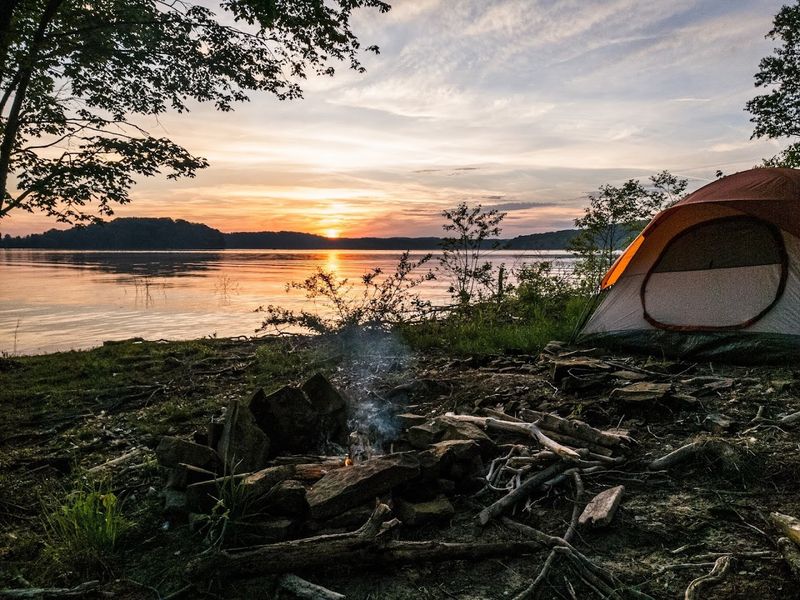
Not many places in the Midwest let you camp essentially wherever you want, for free, without a reservation system or a crowded campground. The Charles C.
Deam Wilderness is one of those places, and it changes the way a weekend trip feels entirely.
Dispersed camping is permitted throughout the wilderness, meaning you can set up camp anywhere that is reasonable and away from the trail itself. Established camping areas like Site 6 near the Sycamore Trail have become favorites among regular visitors for good reason, offering flat ground and a sense of being genuinely tucked into the forest.
The first-come, first-served system rewards those who arrive with time to spare.
There are no electrical hookups, no restroom facilities, and no staff making rounds. That is the point.
Camping here means cooking over a fire, sleeping to the sound of the forest, and waking up with no agenda other than the trail ahead. Some backpackers combine the Grubb Ridge Trail with the Axsom Branch Trail and the Terrill Ridge Trail for multi-day loops that cover serious ground.
Water is available from natural springs and seasonal streams in the hollows, but a quality filter is essential since there are no artificial water sources anywhere in the wilderness. Planning ahead with water capacity and a reliable filter makes the experience smooth rather than stressful.
The payoff is a camping experience that feels genuinely wild.
The Fire Tower Viewpoint That Puts the Whole Forest in Perspective
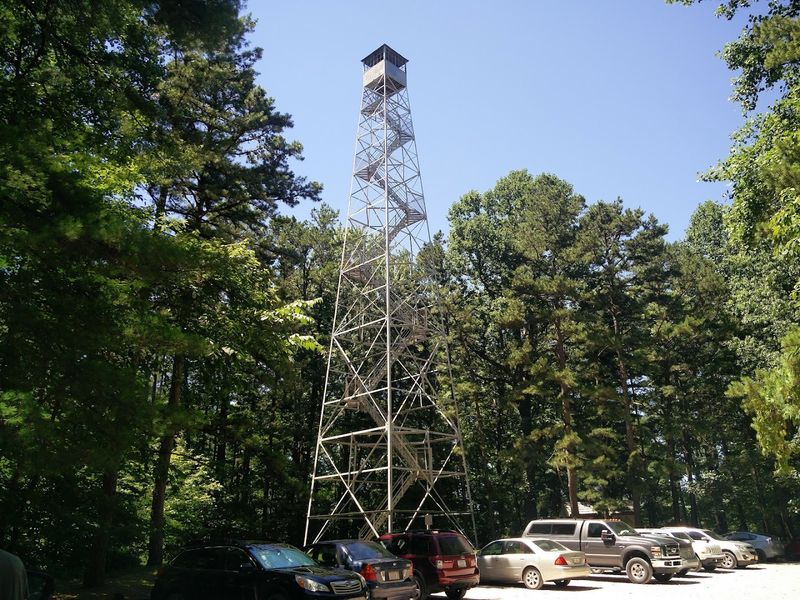
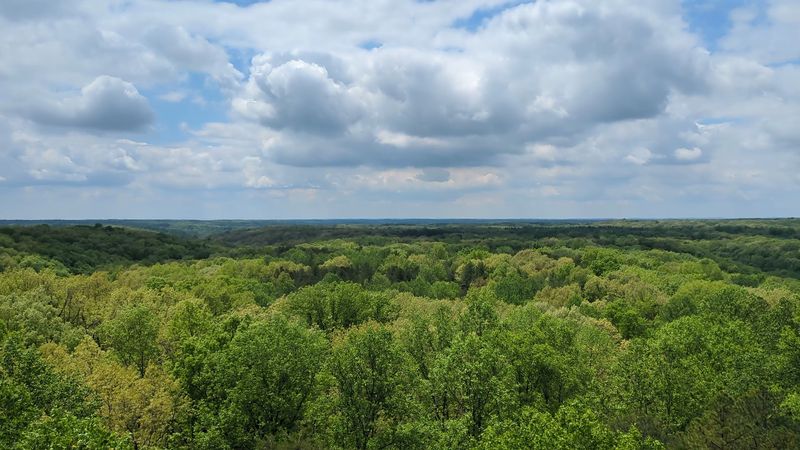
Before or after hitting the Patton Cave Trail, the fire tower located along Tower Ridge Road offers a viewpoint that reframes the entire wilderness experience. Climbing to the top gives you a sweeping panoramic view across the canopy that makes the sheer scale of the Deam Wilderness immediately visible.
From the ground, the forest feels enormous but intimate, all close-up texture and filtered light. From the fire tower, you see it differently.
The ridgelines roll away in every direction, the hollows drop between them like dark green folds in fabric, and the absence of development in every direction is striking. For Indiana, which is largely flat and agricultural, this view genuinely surprises people.
The tower is accessible without a long hike, making it a good stop for visitors who want a taste of the wilderness without committing to the full Grubb Ridge loop. Families with younger kids often use the tower as their primary destination before exploring the easier sections of trail nearby.
Fall is the most popular season for the tower view, and for good reason. The hardwood canopy turns gold, orange, and deep red across the ridgelines in October, and the tower puts all of it in front of you at once.
Locals who have been visiting the Deam for years consistently mention the fire tower as one of the details that keeps them coming back season after season.
Nearby Bloomington Spots Worth Visiting Before or After the Hike
The Charles C. Deam Wilderness sits close enough to Bloomington that combining the Patton Cave Trail hike with a visit to the city makes for a well-rounded Indiana day trip.
Bloomington has a genuinely strong food and culture scene that rewards visitors who stick around after the trail.
The Tibetan Mongolian Buddhist Cultural Center at 3655 S Snoddy Rd, Bloomington, IN 47401 offers a peaceful and visually striking stop just outside the city. The colorful prayer flags and gardens provide a calm contrast to a morning in the wilderness.
The IU Art Museum, located on the Indiana University campus at 1133 E 7th St, Bloomington, IN 47405, houses an impressive permanent collection worth an hour of your time.
For food after the hike, Lennie’s Restaurant at 1795 E 10th St, Bloomington, IN 47408 is a longtime local favorite with a comfortable atmosphere and a menu that hits the spot after a long morning on the trail. The Upland Brewing Company Tap Room at 350 W 11th St, Bloomington, IN 47404 serves food and is a popular gathering spot in the city for locals and visitors alike.
Bloomington’s downtown square also has several cafes and independent shops worth browsing if you have extra time. The combination of a wild cave hike in the morning and a relaxed afternoon in a college town makes for a genuinely satisfying Indiana day without needing to travel far.
Dear Reader: This page may contain affiliate links which may earn a commission if you click through and make a purchase. Our independent journalism is not influenced by any advertiser or commercial initiative unless it is clearly marked as sponsored content. As travel products change, please be sure to reconfirm all details and stay up to date with current events to ensure a safe and successful trip.
