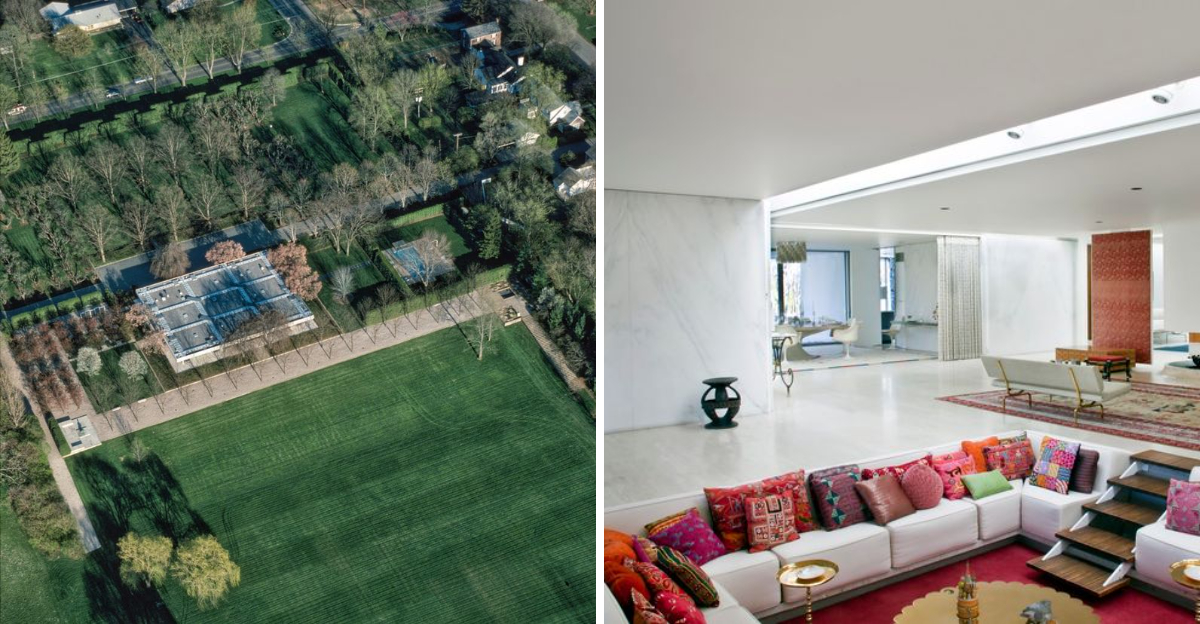
I never expected a small Indiana city to hold one of the most breathtaking examples of modernist architecture in the entire country. But Columbus surprised me, and the Miller House and Garden surprised me even more.
Walking up to this estate felt like stepping directly into 1957, a time when design was not just functional but an art form. Every line, every angle, every carefully curated piece of furniture seemed deliberate, as if the architects and designers had imagined the perfect balance of space, light, and form.
The gardens complement the house seamlessly, blurring the line between indoors and out, and making you feel both grounded and elevated at the same time. Whether you have a passing interest in design, a curiosity about history, or simply a love for beautiful spaces, this place lingers in your memory, inviting you to return again and again.
A Masterpiece Built by Legends of Modern Design
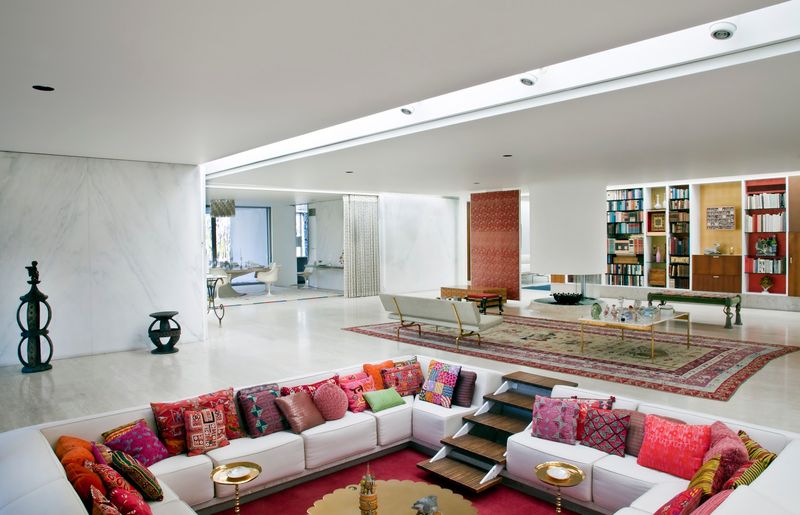
Few homes in America can claim a design team as celebrated as the one behind Miller House. Eero Saarinen handled the architecture, Alexander Girard took charge of the interiors, and Dan Kiley shaped the landscape.
Each of these three names is considered a giant in twentieth-century design, and the fact that all three collaborated on a single private residence makes this property genuinely rare.
Saarinen, known for the Gateway Arch in St. Louis and the TWA Flight Center in New York, brought his signature blend of elegance and structural innovation to this Columbus home. The result is a house that feels both grounded and futuristic at the same time.
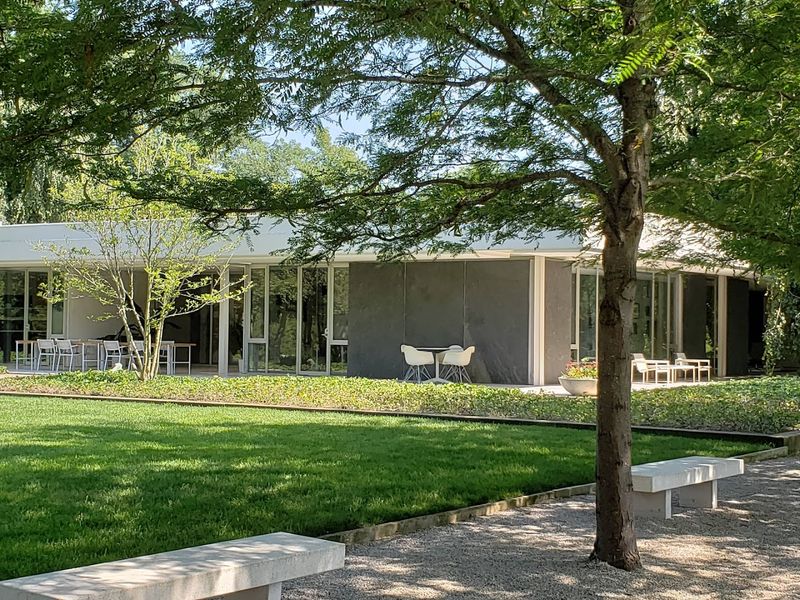
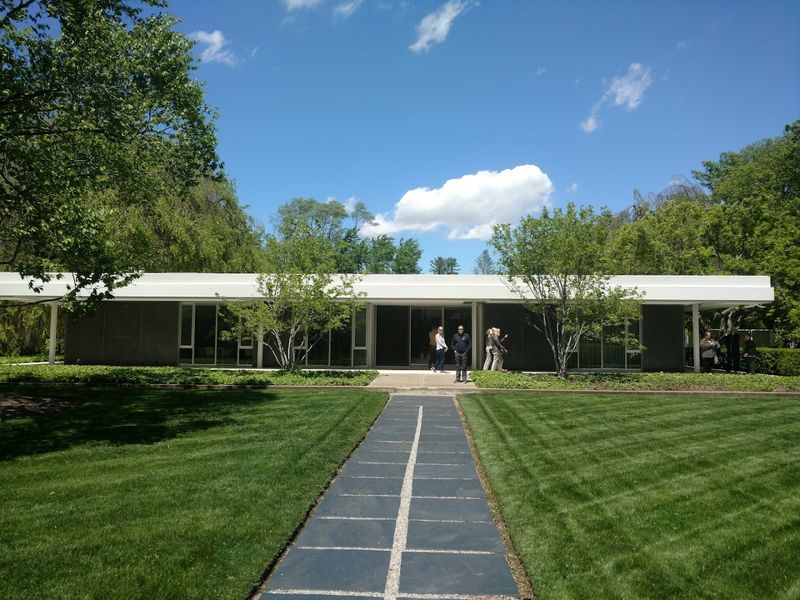
Clean horizontal lines, wide overhangs, and floor-to-ceiling glass panels give the exterior a calm, confident presence that photographs cannot fully capture.
Girard added warmth inside with bold textiles, custom furniture, and a color palette that somehow feels both daring and completely natural. Kiley wrapped the property in a garden that functions almost like an outdoor room.
Visiting means experiencing the vision of three creative minds working in rare harmony, producing something that feels more like a livable sculpture than a family home. Tours run Thursday through Saturday from 10 AM to 5 PM, with tickets available at 506 5th St, Columbus, IN 47201.
Period Furnishings Frozen Perfectly in Time
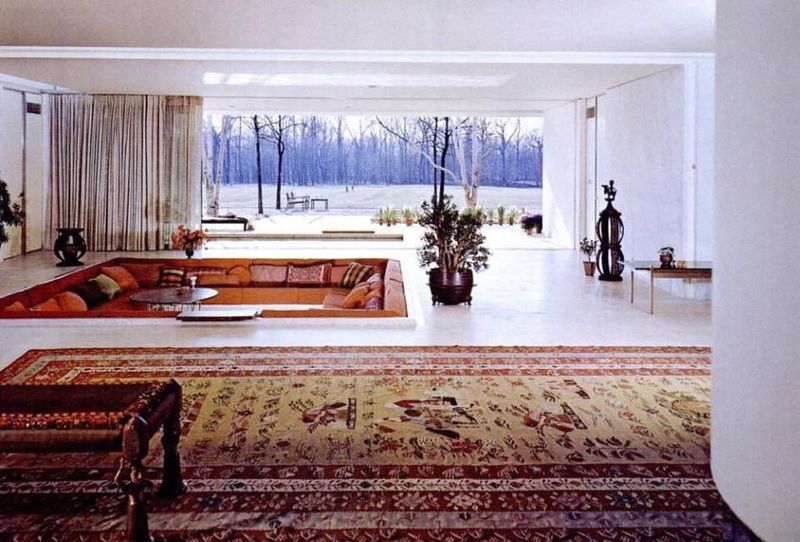
Walking into the Miller House interior feels like the calendar stopped somewhere around 1957 and simply never moved again. Every piece of furniture, every textile, every lamp and decorative object reflects Alexander Girard’s original vision with almost uncanny fidelity.
Nothing feels like a reproduction or a substitute. The real objects are right there in front of you, still doing exactly what they were meant to do.
Girard was famous for his playful use of color and pattern, and you feel that energy the moment you enter. Vivid cushions, geometric rugs, and custom-designed fabrics fill the rooms without ever feeling chaotic.
He had a gift for layering visual interest in ways that feel curated rather than cluttered, and this house is his most complete surviving example of that skill.
The sunken conversation pit in the living room is one of the most photographed interior details in American design history. Surrounding a central fireplace, it feels intimate and theatrical at the same time.
Photographs are permitted from one designated spot in the living room, which might feel limiting, but it also focuses your attention beautifully. You stop trying to document everything and start actually seeing it.
The furnishings here are not museum pieces hidden behind glass. They occupy the space the way they always have, making the house feel genuinely alive rather than frozen in amber.
Dan Kiley’s Garden Design That Redefined Outdoor Space
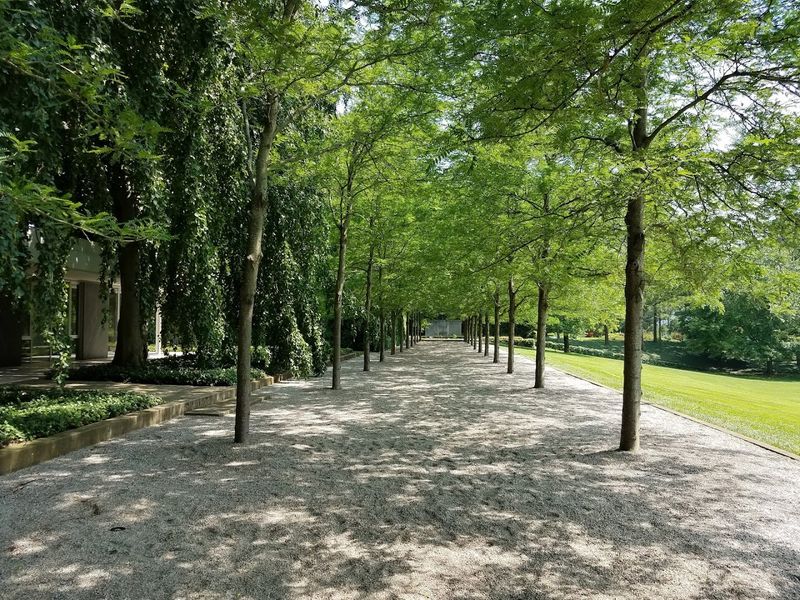
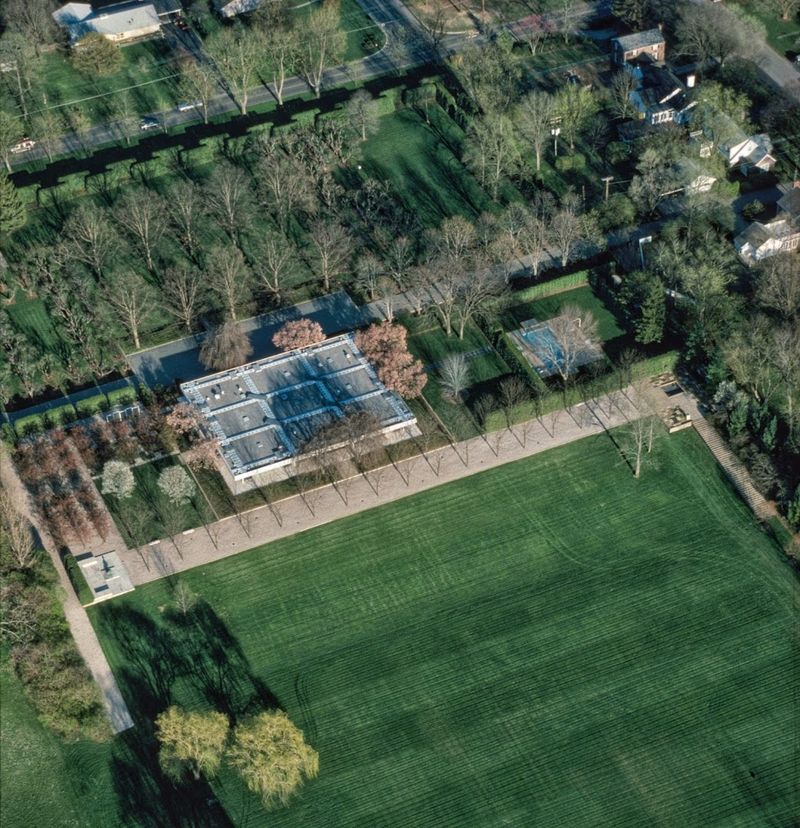
Most people visit Miller House expecting to be amazed by the architecture, but the garden catches them completely off guard. Dan Kiley designed the landscape with the same disciplined creativity that Saarinen brought to the structure, and the result is an outdoor environment that functions as a true extension of the house itself.
The two feel inseparable, which was entirely intentional.
Kiley used formal geometry as his organizing principle, planting allees of honey locust trees that create cathedral-like corridors across the property. Hedgerows define outdoor rooms without walls, giving the garden a sense of enclosure and intimacy that you do not expect from an open yard.
Every plant placement was deliberate, and the ongoing maintenance required to preserve that precision is extraordinary.
Visitors who have seen the garden describe the groundskeeping as almost impossibly meticulous. The lawn moves from space to space with the logic of a floor plan, and seasonal changes bring different qualities of light and texture to each area.
Kiley went on to design landscapes for the Dallas Museum of Art and the Art Institute of Chicago, but many consider this Columbus property his finest residential achievement. Spending time in this garden slows you down in the best possible way.
You notice the way shade falls across the grass, the rhythm of the tree trunks, the quiet confidence of a design that has nothing to prove and everything to show.
Columbus, Indiana’s Broader Architectural Legacy Surrounds You
Miller House does not exist in isolation. Columbus, Indiana, has one of the most remarkable concentrations of significant modern architecture anywhere in the United States, and visiting the Miller estate gives you a perfect reason to explore the rest of the city too.
The town itself is essentially an open-air architecture museum that most people outside Indiana have never heard of.
The Cummins Foundation funded the design of dozens of public buildings by world-class architects throughout the second half of the twentieth century. Eero Saarinen’s North Christian Church sits just a few miles from the Miller House, and its soaring spire is unlike anything else in the Midwest.
The First Christian Church, also in Columbus, was designed by Eliel Saarinen, Eero’s father, making the city a kind of family portfolio of architectural ambition.
After your Miller House tour, the Columbus Visitors Center at 506 5th St offers maps and guides for a self-guided architecture walk through the city. The Cummins Inc. Corporate Office Building and the Bartholomew County Public Library are both worth a slow walk around.
For a meal nearby, Zaharako’s Ice Cream Parlor at 329 Washington St has been serving Columbus since 1900 and pairs perfectly with an afternoon of design appreciation. The city rewards curiosity, and Miller House is the ideal starting point for a full day of exploration through one of Indiana’s most quietly extraordinary places.
The Irwin Miller Family Story Behind the Vision
Behind every great building is a client willing to dream big, and J. Irwin Miller was exactly that person.
As the CEO of Cummins Engine Company, Miller had the resources to commission exceptional architecture, but what set him apart was his genuine belief that good design could improve everyday life. He was not collecting prestige.
He was investing in the idea that beauty and function belong together.
Miller and his wife Xenia worked closely with Saarinen, Girard, and Kiley to create a home that reflected their values rather than simply their wealth. The family actually lived in this house and raised their children here, which is part of what makes it feel so different from a traditional historic house museum.
The rooms have a human scale and a practical intelligence that speaks to people who used them daily.
Miller later became a key figure in the desegregation movement in Columbus and served on the board of Yale University, among many other civic roles. His commitment to excellence extended far beyond architecture.
Learning about his life and legacy during the tour adds a layer of meaning that transforms a beautiful house visit into something genuinely moving. The story of how this family shaped an entire city through thoughtful patronage is as compelling as any design detail you will encounter inside the house itself.
It is a reminder that great places are always made by people with clear values and the courage to act on them.
A Rare Chance to Experience Mid-Century Modern as It Was Meant to Be Lived
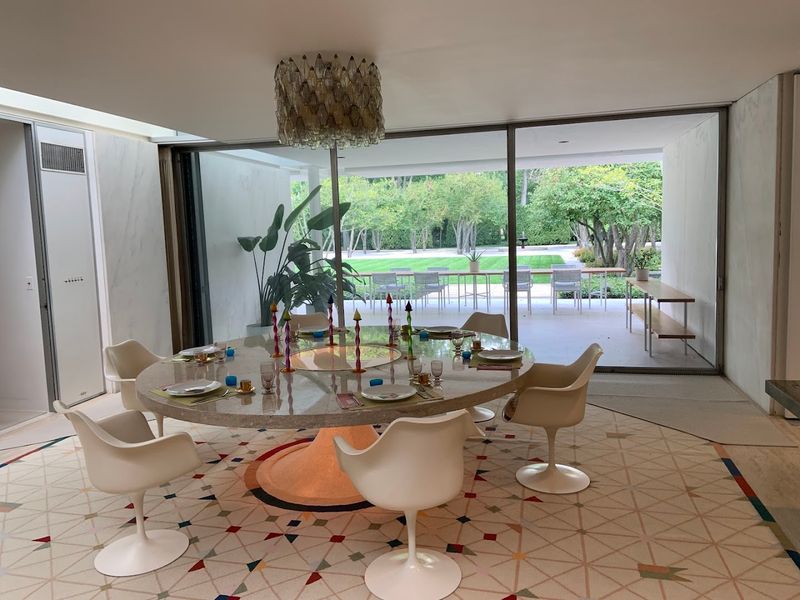
Most mid-century modern furniture and design exists today in antique shops, auction houses, or carefully staged museum galleries. Seeing a single Eero Saarinen tulip chair behind velvet rope is one thing.
Seeing an entire house where every element, from the custom cabinetry to the door handles to the fabric on each cushion, was chosen by one of the greatest designers of the twentieth century is something else entirely.
What makes Miller House so remarkable is that it was designed as a complete environment rather than a collection of individual pieces. Girard believed that interiors should tell a coherent story, and every choice he made here supports that idea.
The colors talk to each other. The furniture scales relate to the architecture.
Even the storage solutions feel like design statements rather than practical afterthoughts.
Visitors regularly describe the experience as transformative, not because the house is intimidating or cold, but because it makes you reconsider what your own home could feel like. One reviewer mentioned regretting their budget furniture purchases after spending an hour inside this space, and that reaction is completely understandable.
The house does not make you feel inadequate. It makes you feel inspired.
Tours are guided and last approximately one hour, so wear comfortable shoes and prepare to stand for the duration.
Practical Tips for Planning Your Visit to This Living Landmark
Planning a visit to Miller House requires a little advance preparation, and that preparation is genuinely worth the effort. Tours sell out regularly, especially on weekends and during warmer months, so booking ahead through the official website at columbus.in.us is strongly recommended.
Walk-ins are sometimes possible, but counting on availability without a reservation is a gamble that many visitors have lost.
The ticket office is located at 506 5th St, Columbus, IN 47201, and tours operate Thursday through Saturday from 10 AM to 5 PM. The tour itself lasts about one hour and involves standing for the full duration, so comfortable footwear is a practical necessity rather than a suggestion.
Photography is permitted in one designated area of the living room, so leave the tripod at home and just enjoy the experience with your eyes.
Columbus is about 45 miles south of Indianapolis, making it an easy and rewarding day trip from the city. If you want to make a full weekend of it, the nearby Otter Creek Golf Course and Brown County State Park offer outdoor options that complement the urban architecture experience nicely.
For coffee before your tour, Zaharako’s Ice Cream Parlor at 329 Washington St opens early and provides a genuinely local start to the morning. Miller House is the kind of place that rewards visitors who come prepared, curious, and ready to slow down long enough to really look at what is in front of them.
Dear Reader: This page may contain affiliate links which may earn a commission if you click through and make a purchase. Our independent journalism is not influenced by any advertiser or commercial initiative unless it is clearly marked as sponsored content. As travel products change, please be sure to reconfirm all details and stay up to date with current events to ensure a safe and successful trip.
