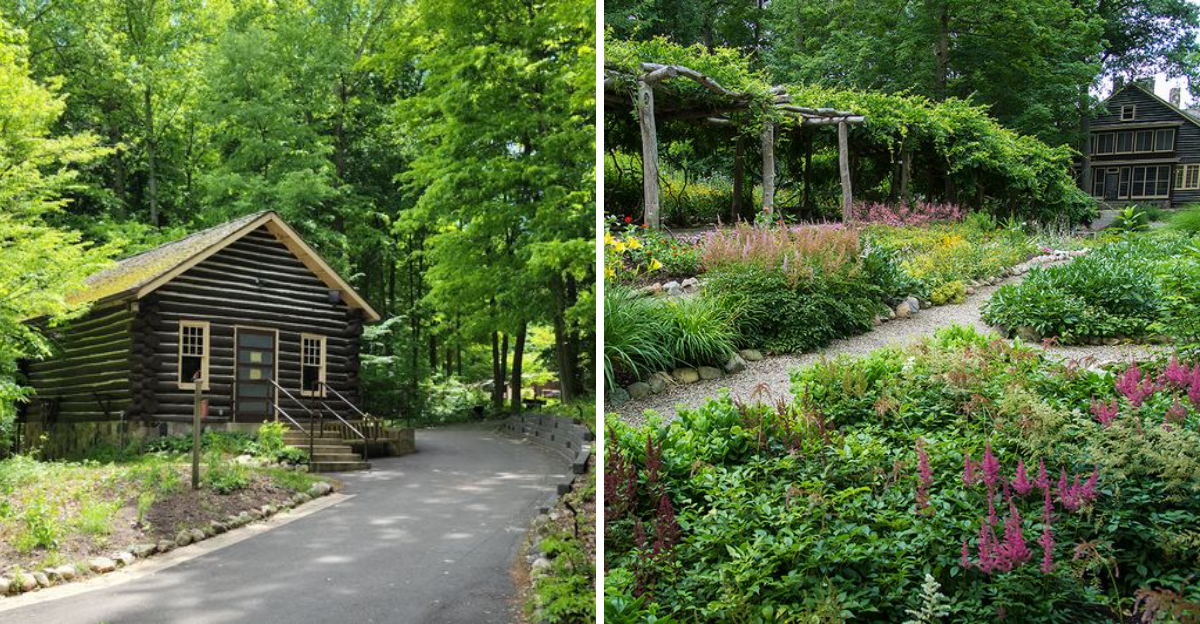
Imagine walking through a forest where thousands of wildflowers bloom in every color imaginable, like a living painting come to life.
In Indiana, a 148-acre historic site along the shores of Sylvan Lake preserves the former sanctuary of a celebrated author, naturalist, and conservationist who dedicated her life to protecting the natural world.
Visitors can explore restored grounds filled with native plants, woodland trails, and carefully maintained gardens that change with the seasons. The landscape reflects a deep commitment to conservation, blending cultivated beauty with untouched natural areas that attract birds, butterflies, and other wildlife.
Alongside the outdoor spaces, historic buildings offer insight into the life and work of the woman who once called this place home. Whether you are drawn to history, nature, or simply a peaceful escape, this destination offers a quiet and memorable experience rooted in both storytelling and the outdoors.
Tour the 1914 Lakeside Log Cabin at Wildflower Woods
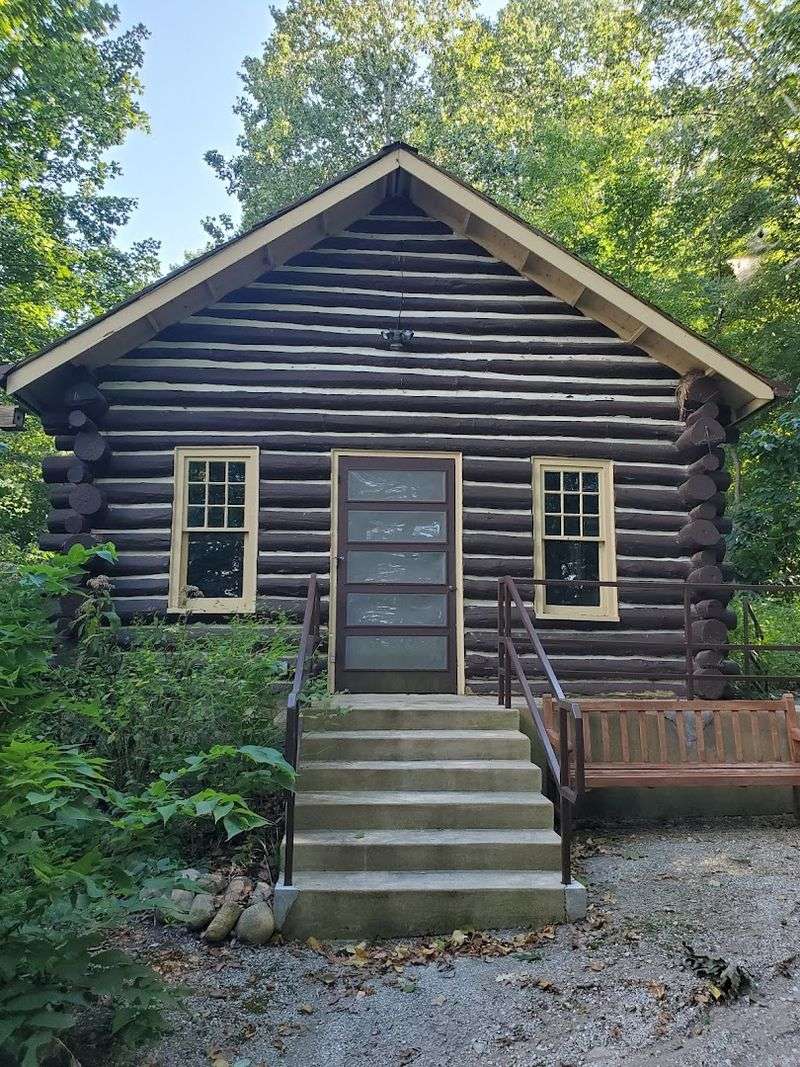
Some buildings feel like they hold stories in every wall, and Gene Stratton-Porter’s 1914 lakeside log cabin is exactly that kind of place. Built right along the shores of Sylvan Lake, this cabin was her personal retreat, a space where she wrote, studied nature, and lived with deep intention.
Walking through it feels less like a museum visit and more like stepping into someone’s real life.
Inside, you will find her original furnishings still in place. Her personal library, collections of natural specimens, and everyday objects remain exactly as she left them.
The famous “million-dollar window” offers a sweeping view of Sylvan Lake that she absolutely treasured, and it is easy to see why she loved it so much.
Guided tours run from 10 AM to 5 PM on Wednesdays through Sundays, and a small fee applies for the interior cabin tour. The site is located at 1205 Pleasant Point, Rome City, IN 46784.
Knowledgeable guides bring her story to life with fascinating details about her achievements, including becoming the first woman to own her own movie production company. Plan to arrive early to secure your tour spot, especially on busy spring weekends.
Wander Through 35 Flowerbeds Behind the Historic Cabin
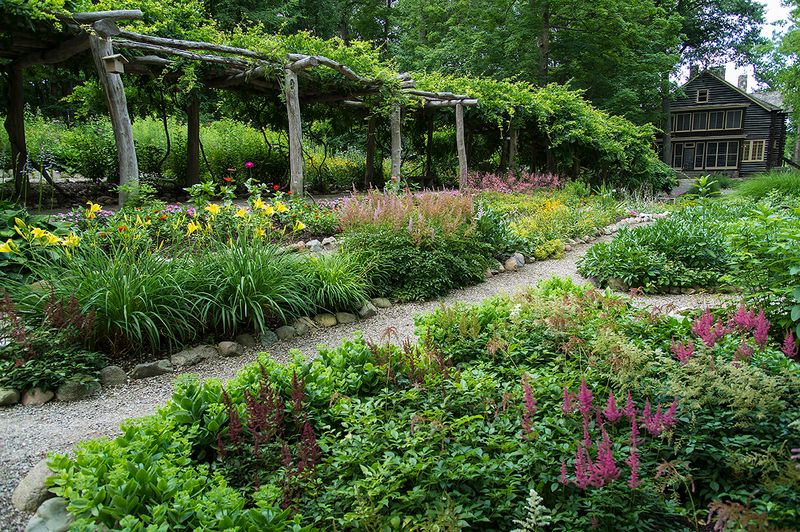
Color has a way of stopping you in your tracks, and the one-acre garden behind Gene Stratton-Porter’s cabin does exactly that.
With 35 distinct flowerbeds arranged in dedicated color themes, including red, white, pink, blue, mauve, and yellow, the garden creates a visual experience that genuinely rivals a Monet painting in its layered richness.
Stratton-Porter designed these beds herself, planting over 3,000 individual plants across the property. She even transplanted rare wildflower species from other areas to protect them from extinction.
You will spot large flower trillium, Dutchman’s britches, wood poppy, shooting stars, Jack-in-the-pulpit, bluebells, May apple, and bloodroot, just to name a few.
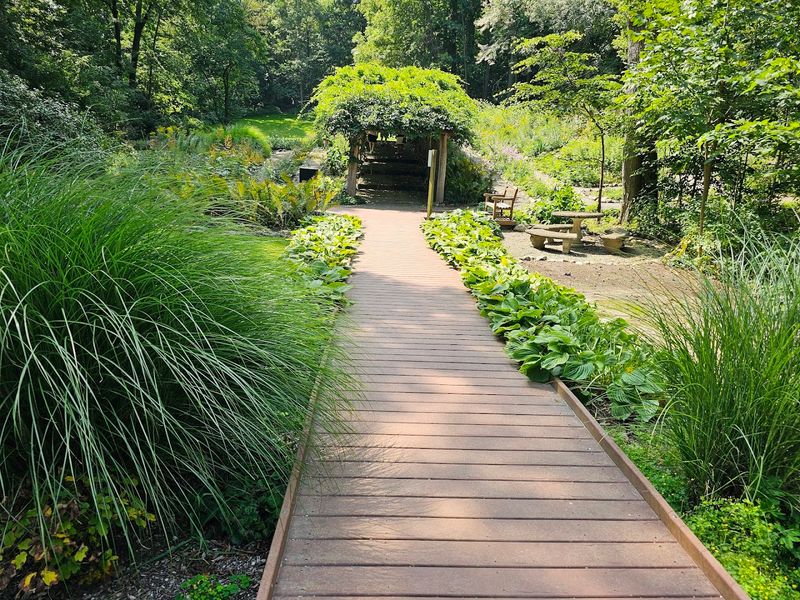
A wisteria-covered arbor serves as one of the garden’s most photographed features, especially in late spring when the blooms cascade in full purple glory. The garden walks are free to enjoy without a ticket, making this a genuinely accessible outdoor experience for families and solo visitors alike.
Spring and early summer bring the most dramatic displays, though each season offers its own surprises. Bring a camera, wear comfortable shoes, and give yourself plenty of time to explore every corner of this extraordinary outdoor space.
Explore Over 3 Miles of Forest and Lakeside Trails
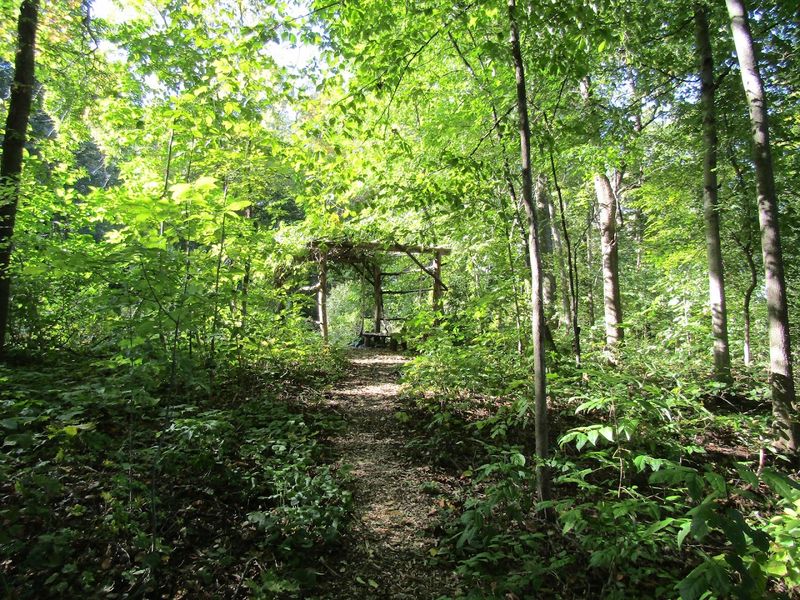
Not every nature walk feels this untouched. The trail system at Gene Stratton-Porter State Historic Site stretches over 3 miles of grass and mulched paths that wind through a variety of landscapes.
You move from dense woodland canopy to open prairie, then past wetland areas, and along the calm edge of Sylvan Lake, all within a single visit.
What makes these trails especially rewarding is the sense of genuine wilderness. This is not a manicured park path with trimmed hedges on both sides.
The forest feels ancient and authentic, largely because it has been protected and left undisturbed for well over a century. Each turn reveals something new, whether it is a cluster of wildflowers pushing up through leaf litter or a bird calling from somewhere deep in the canopy above.
The trails are open during site hours, Wednesday through Sunday from 10 AM to 5 PM, and there is no charge to walk them. Families with children will appreciate how approachable the paths are while still feeling immersive and adventurous.
Wildlife sightings are common along the lakeside sections, so keep your eyes open and your steps quiet. Comfortable walking shoes are recommended, and a pair of binoculars will make the whole experience even more enjoyable for curious nature lovers of all ages.
Visit an Old-Growth Forest That Has Stood for Centuries
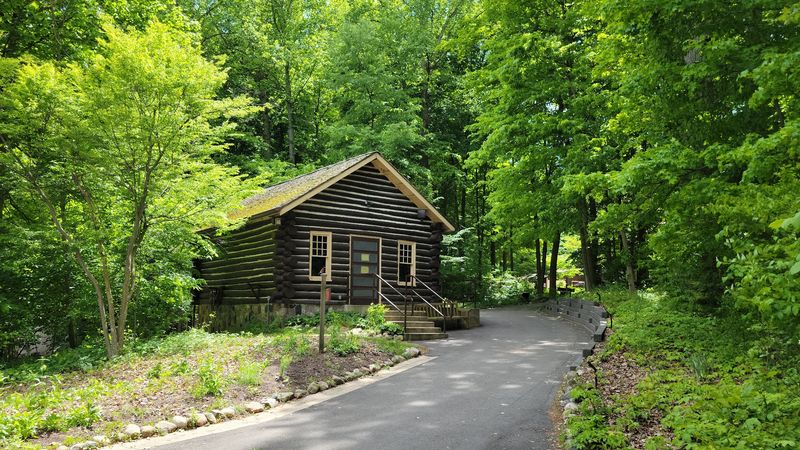
Old-growth forests are rare, and most people never get to stand inside one. Gene Stratton-Porter State Historic Site has been officially inducted into the Old-Growth Forest Network, a recognition that speaks to just how extraordinary this woodland is.
The trees here are native hardwoods with massive trunks and towering canopies, specimens that have been growing undisturbed for generations.
Gene Stratton-Porter recognized the value of this forest long before conservation was a mainstream conversation. She protected the land deliberately, refusing to allow it to be cleared or developed.
Her foresight means that visitors today get to experience something genuinely rare in Indiana, a forest that feels the way forests used to feel before so much of the natural landscape was changed.
Standing beneath these ancient trees creates a quiet kind of awe that is hard to describe but easy to feel. The forest absorbs sound in a way that smaller, younger woodlands simply cannot.
Birdcalls echo differently here, and the air carries a richness that comes from decades of undisturbed ecological balance. If you visit with kids, take a moment to help them understand what they are actually looking at.
These trees were growing long before their great-grandparents were born, and that context tends to make young visitors look up with entirely new eyes.
Spot Wildlife at the Dedicated Viewing Area Near the Carriage House
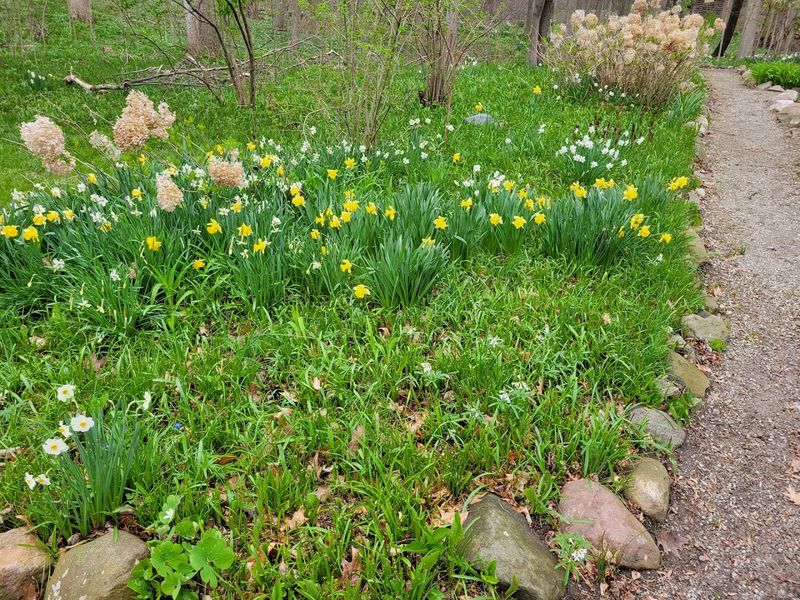
Wildlife watching does not require a remote wilderness expedition when you have a spot this thoughtfully designed. Just outside the Carriage House Visitor Center at Gene Stratton-Porter State Historic Site, a dedicated Wildlife Viewing Area gives visitors a front-row seat to the natural world.
Feeders attract a rotating cast of local birds, while native plantings draw in butterflies, squirrels, and other small creatures throughout the day.
This area is particularly wonderful for younger visitors who might not have the patience for a long trail walk but still want that thrill of seeing a real animal up close. Chickadees, nuthatches, woodpeckers, and a variety of sparrows are commonly spotted here depending on the season.
Early morning visits tend to offer the most activity, so arriving right when the site opens at 10 AM gives you a real advantage.
The Carriage House Visitor Center itself is worth stepping inside before or after your wildlife watch. It features educational exhibits covering moths, wildflowers, woodpeckers, carnivorous plants, and rocks and wildlife native to Indiana.
The gift shop inside carries nature books for all ages, including original works by Gene Stratton-Porter herself. It is a genuinely enriching stop that adds depth to everything you observe outside.
Kids and adults tend to leave with a much sharper appreciation for the natural world that surrounds them.
Attend a Wildflower Walk or Gene’s Annual Birthday Celebration
Some of the best reasons to visit a historic site are the events that bring it to life in unexpected ways. Gene Stratton-Porter State Historic Site hosts a calendar of nature-focused programs throughout the year that go well beyond a standard self-guided visit.
Interactive wildflower walks led by knowledgeable guides are among the most popular offerings, giving participants a chance to learn the names, histories, and ecological roles of the plants they are walking past.
Gene’s Annual Birthday Celebration is a particularly charming event that draws visitors who want to honor her legacy in a festive, community-centered way. Past visitors have even mentioned receiving cookies during the celebration, which adds a genuinely warm and personal touch to the occasion.
Day camps, school group activities, and seasonal tours round out a programming schedule that keeps the site feeling fresh across multiple visits.
Checking the schedule before you go is strongly recommended, because certain programs fill up quickly and some require advance registration. The site’s website at indianamuseum.org/historic-sites/gene-stratton-porter lists current events and program details.
Families planning a spring visit will want to time their trip around the wildflower walk season, when the gardens and forest trails are at their most spectacular.
These programs are designed to be engaging for all ages, making them a smart choice whether you are visiting solo, as a couple, or with a group of curious kids in tow.
Pay Respects at Her Burial Site by the Chinkapin Oak Tree
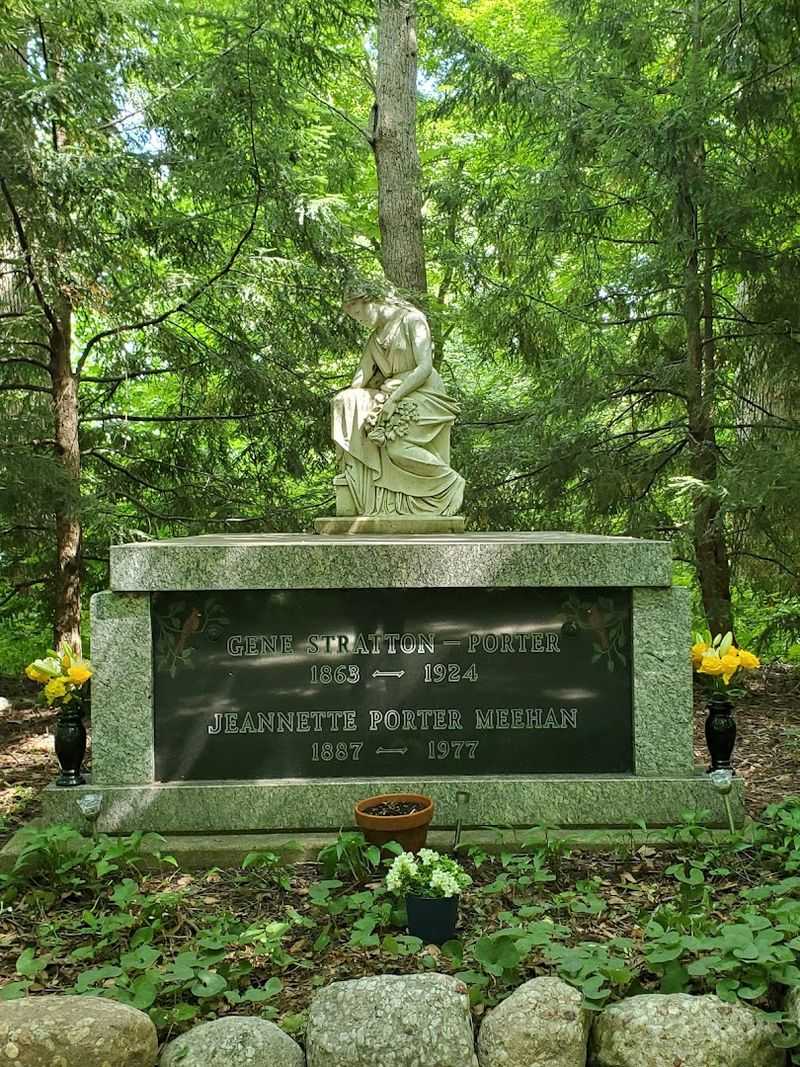
There is something quietly powerful about visiting the final resting place of someone who gave so much to the natural world.
Gene Stratton-Porter and her daughter Jeannette are buried on the grounds of Wildflower Woods, in a wooded area beside the Chinkapin oak tree that Stratton-Porter loved most during her lifetime.
It is a deeply personal corner of the property that many visitors find unexpectedly moving.
Stratton-Porter was a woman who was ahead of her time in nearly every way.
She was a self-taught nature photographer, a bestselling author, a dedicated conservationist, and eventually the first woman to own her own movie production company after she grew frustrated with how her books were being adapted for film.
Her burial site next to her favorite tree feels like a fitting tribute to a life lived in honest connection with the natural world.
Visiting this spot encourages a kind of reflection that is rare in everyday life. Standing in that quiet wooded area, surrounded by the forest she worked so hard to protect, makes her story feel immediate and real rather than distant and historical.
It is a reminder that one person’s commitment to preservation can create something that benefits thousands of people for generations. For anyone who cares about nature, conservation, or simply remarkable human stories, this is one of the most meaningful stops on the entire property.
