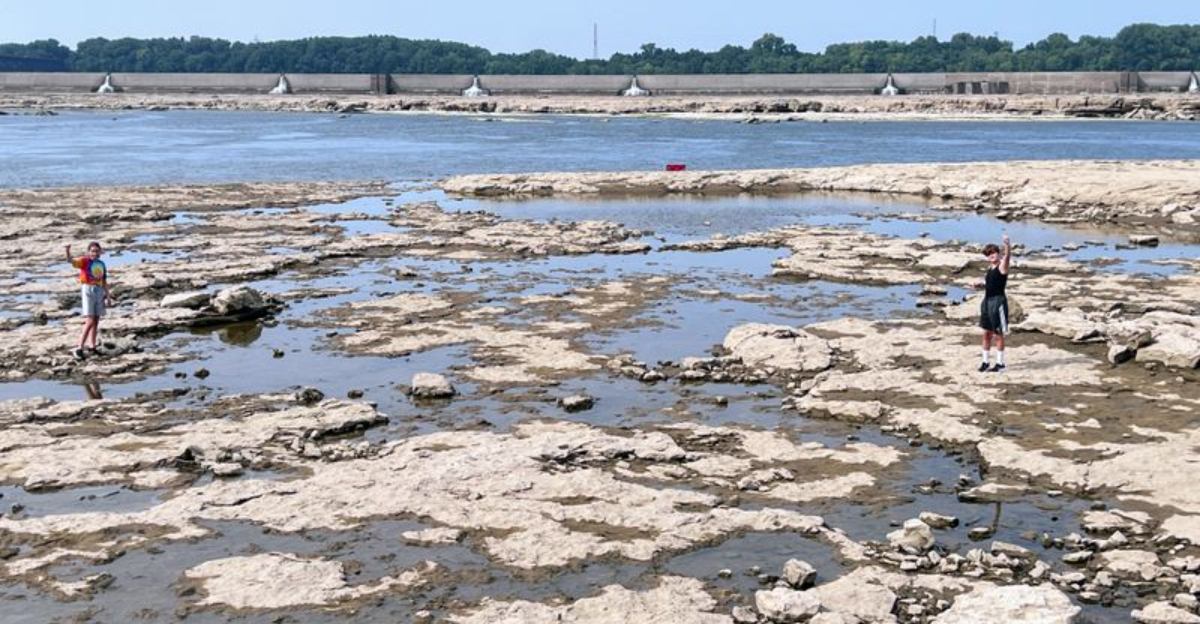
I remember the first time someone told me about Falls of the Ohio State Park. I thought they were talking about some waterfall attraction, maybe something with hiking trails and scenic overlooks.
What I found instead completely changed how I think about Indiana’s natural treasures. Right across the river from Louisville, this 390-million-year-old fossil bed stretches along the Ohio River like a massive prehistoric library written in stone.
When the water levels drop, especially late summer through fall, you can walk directly on one of the largest exposed Devonian fossil beds in the world. I’ve watched families spend entire afternoons here, kids crouched over ancient coral impressions while parents snap photos of creatures that lived before dinosaurs even existed.
The interpretive center at 201 W Riverside Dr in Clarksville offers context that makes every rock suddenly meaningful. What started as a quiet geological wonder has become one of Southern Indiana’s most popular attractions, and honestly, I understand why tourists keep coming back.
Ancient Fossil Beds Stretching Across the Riverbank
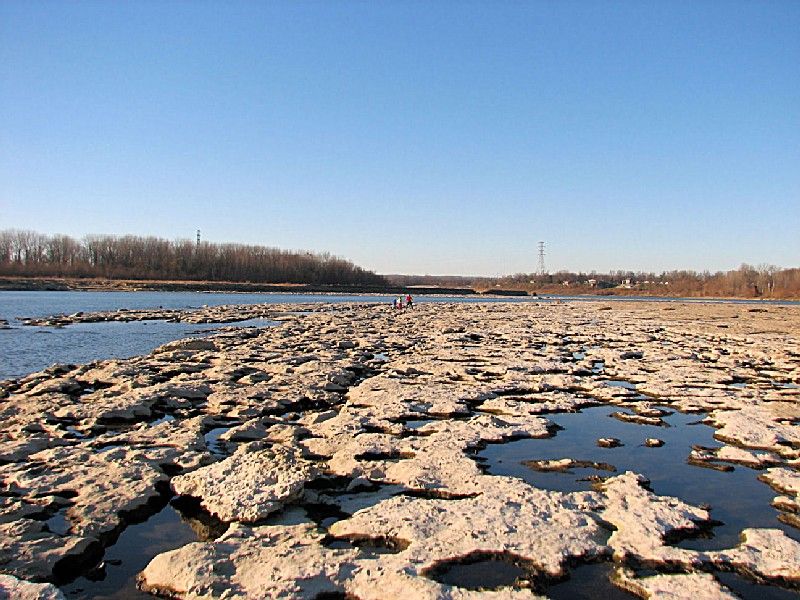
Walking onto the fossil beds feels like stepping back 390 million years. The limestone surface extends for acres when water levels cooperate, revealing an underwater world frozen in time.
Corals, brachiopods, and crinoids appear everywhere you look, their delicate structures preserved in stunning detail.
Most people arrive expecting a few interesting rocks. What they discover instead is an entire ecosystem laid out beneath their feet.
You can trace the outlines of ancient sea creatures with your fingers, feeling ridges and patterns that formed when this area sat at the bottom of a warm tropical sea.
The best viewing happens between August and October when the Ohio River drops to its lowest levels. Rangers at the interpretive center can tell you current conditions before you make the trip down to the beds.
Wear sturdy shoes because the limestone can be uneven and slippery in spots.
Families spend hours here, and I’ve seen kids who normally can’t sit still become completely absorbed in fossil hunting. There’s something magical about touching something so impossibly old.
The beds change with every visit depending on water levels and recent weather patterns, making each trip unique.
Interactive Interpretive Center With Engaging Exhibits
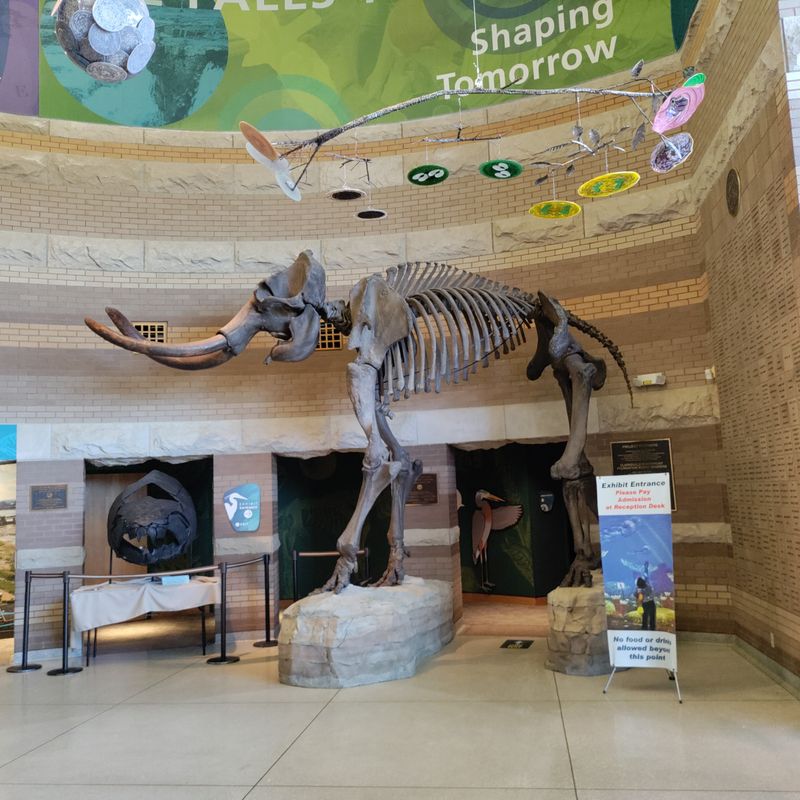
The interpretive center transforms what could be just pretty rocks into a coherent story about Earth’s history. Interactive displays let you match fossils to the creatures that made them.
A massive timeline puts the Devonian period into perspective, showing just how ancient these formations really are.
For nine dollars per adult, you get access to exhibits that explain the geology, paleontology, and human history of this remarkable place. Touch screens let kids explore different fossil types while adults read about the ancient sea that once covered Indiana.
The Lewis and Clark connection gets its own section since the expedition gathered here before heading west.
Rangers lead programs throughout the year, offering fossil identification help and answering questions about what you’re seeing. The gift shop sells field guides if you want to continue learning at home.
Clean restrooms and air conditioning make this a comfortable stop even on hot summer days.
I’ve brought out-of-town visitors here who initially seemed skeptical about a fossil museum. Every single one left impressed by how well the exhibits explain complex scientific concepts.
The center does an excellent job making 390-million-year-old history feel immediate and relevant to modern visitors.
Lewis and Clark Historical Connection
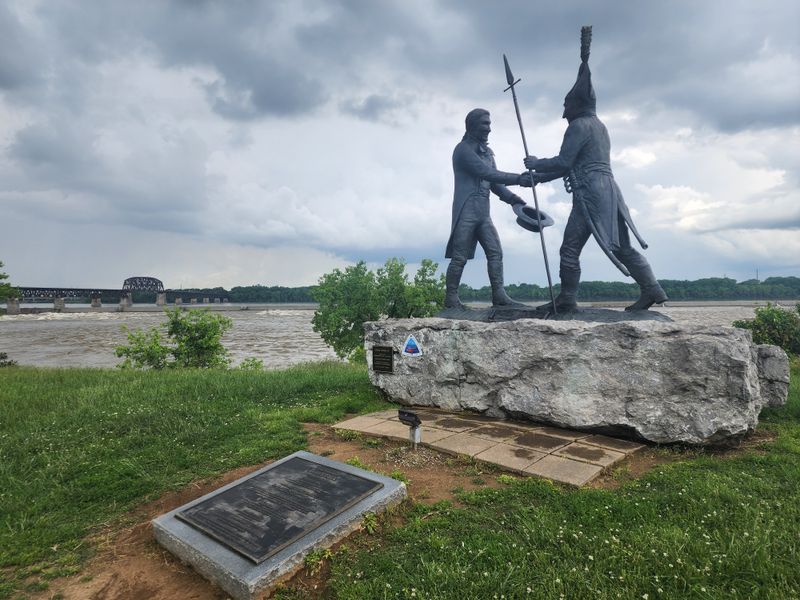
Before Meriwether Lewis and William Clark headed west to explore the Louisiana Purchase, they met right here at the Falls of the Ohio. Clark had been recruiting and training men at this location, waiting for Lewis to arrive from Washington.
Their partnership began on these shores in October 1803.
The interpretive center dedicates exhibit space to this pivotal moment in American history. You can read journals describing the falls as they appeared over 200 years ago.
Maps show the route they planned and the challenges they anticipated. It adds a human dimension to a place already rich with natural history.
Standing on the riverbank where these explorers gathered their expedition, you feel connected to something larger than fossils alone. The Ohio River still flows past just as it did when Clark drilled his men in preparation for the unknown journey ahead.
The landscape has changed, but the river remains constant.
School groups particularly enjoy this historical angle because it ties into curriculum they’re already studying. Teachers use the park to make textbook history tangible and real.
You can almost imagine the boats being loaded, supplies being checked, and the mixture of excitement and anxiety those men must have felt before departing into unmapped territory.
Free Access to Outdoor Exploration Areas
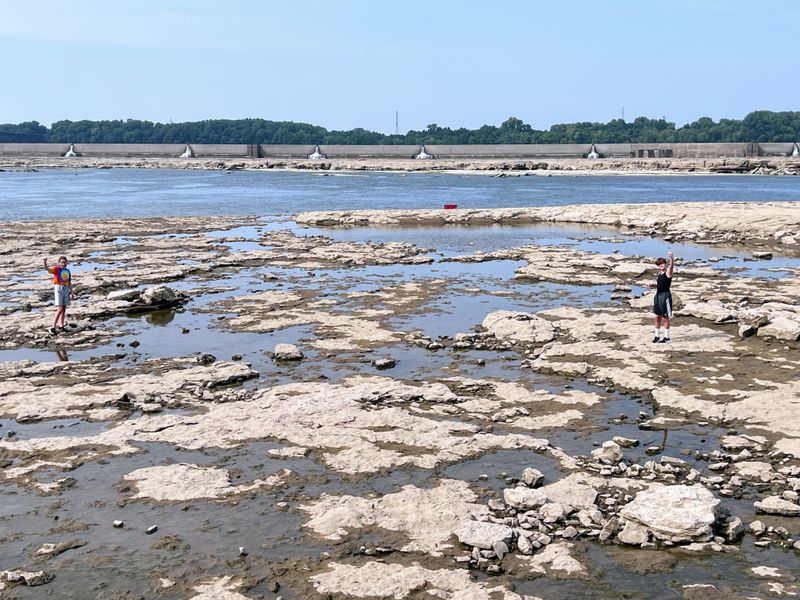
While the interpretive center charges admission, the fossil beds themselves remain completely free to explore. You can park just outside the official lot to avoid the two-dollar parking fee if you prefer.
This makes the park accessible to families on any budget, which explains why you’ll see such diverse crowds here.
The outdoor areas stay open from 7 AM to 11 PM daily, giving you flexibility to visit early morning or evening when crowds thin out. Sunrise over the fossil beds creates beautiful photography opportunities.
Late afternoon light makes the fossil details stand out more clearly against the limestone.
Trails wind through wooded areas if you want a break from the exposed rock beds. Benches overlook the river where you can watch barges navigate the falls.
Fishing is permitted in designated areas, and birders find excellent species diversity along this section of the Ohio River flyway.
I appreciate that Indiana has kept this natural wonder accessible rather than commercializing it heavily. You can spend an entire day here without spending much money at all.
Pack a lunch, bring water, and you have everything needed for an educational outdoor adventure that won’t strain your wallet.
Unique Geological Learning Opportunity
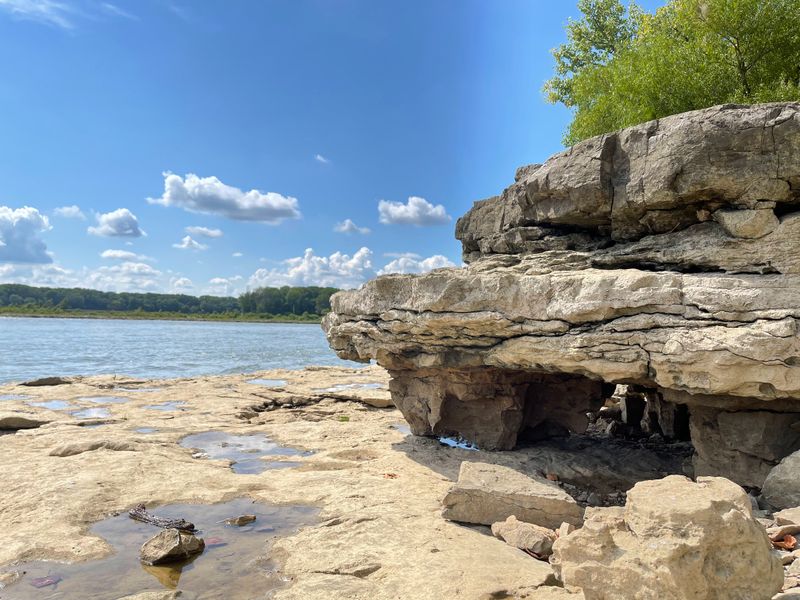
Geology textbooks show pictures of fossils, but actually walking on a 390-million-year-old seabed creates understanding that photos never could. You see how limestone forms, how fossils get preserved, and how geological time works on scales our brains struggle to comprehend.
Teachers bring entire classes here because the learning sticks in ways classroom lessons don’t.
The variety of fossils impresses even casual observers. Horn corals stand out as cone-shaped structures.
Brachiopods look like ancient clam shells. Crinoid stems create patterns like stacked coins.
Once you learn to recognize these forms, you start seeing them everywhere across the beds.
Rangers offer fossil identification help if you’re curious about specific specimens. The interpretive center provides charts showing common fossil types and what creatures created them.
You develop an eye for spotting interesting formations after spending time studying the rocks beneath your feet.
What makes this location particularly valuable for education is the sheer abundance of specimens. You’re not hunting for rare fossils.
They’re literally everywhere, which means everyone in your group will find something worth examining. Kids who think science is boring often change their minds after touching creatures that lived before trees existed on Earth.
Photography and Nature Observation Opportunities
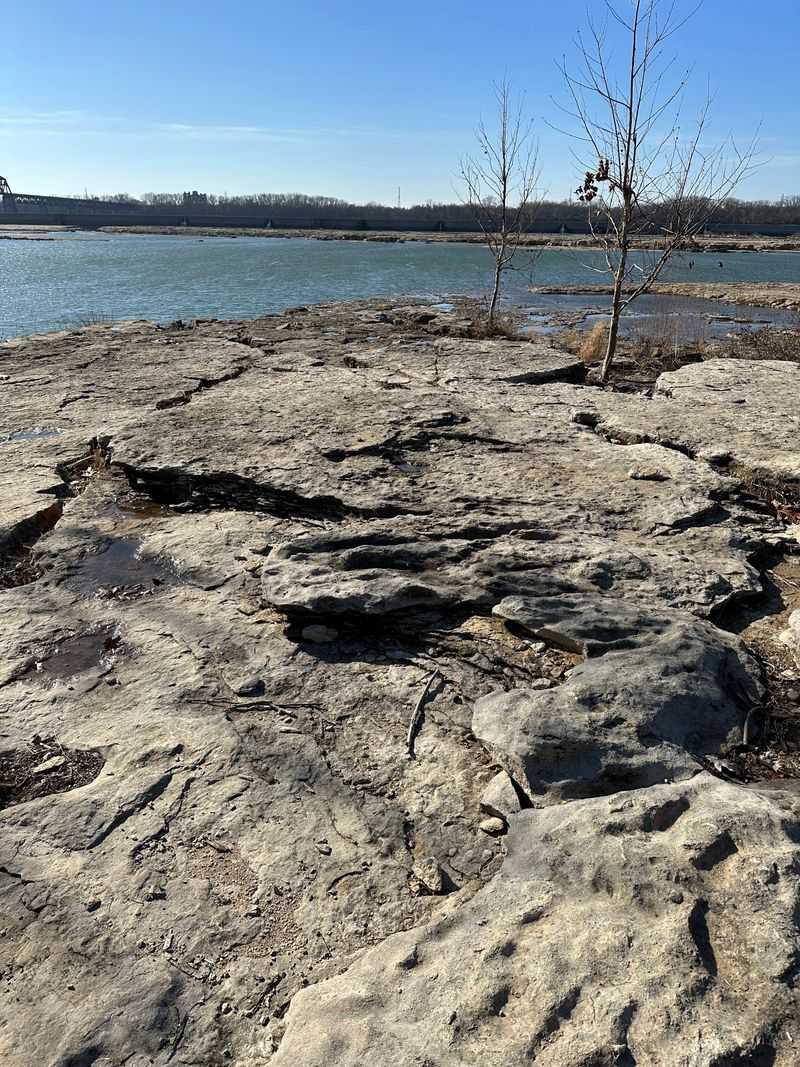
Photographers find endless subjects here, from macro shots of individual fossils to wide landscapes showing the river and Louisville skyline beyond. The exposed limestone creates interesting textures and patterns.
Driftwood scattered across the beds adds compositional elements. Birds fishing along the shallows provide action shots.
The park’s position along the Ohio River flyway means serious birders show up regularly with binoculars and field guides. Herons, egrets, and various waterfowl feed in the shallows.
During migration seasons, you might spot species rarely seen elsewhere in Indiana. The mix of river, rock, and woodland habitats supports diverse wildlife.
Sunrise and sunset transform the landscape completely. Early morning mist rising off the river creates atmospheric conditions.
Late afternoon sun angles make fossil details pop in photographs. Cloudy days work well too, providing even lighting that reduces harsh shadows on the textured limestone.
I’ve watched professional photographers spend entire mornings here working on projects. The combination of natural history, scenic river views, and urban backdrop creates unique visual opportunities.
Even smartphone cameras capture impressive images given the inherently interesting subject matter. Just remember to watch your footing while concentrating on that perfect shot.
Family-Friendly Adventure Close to Louisville
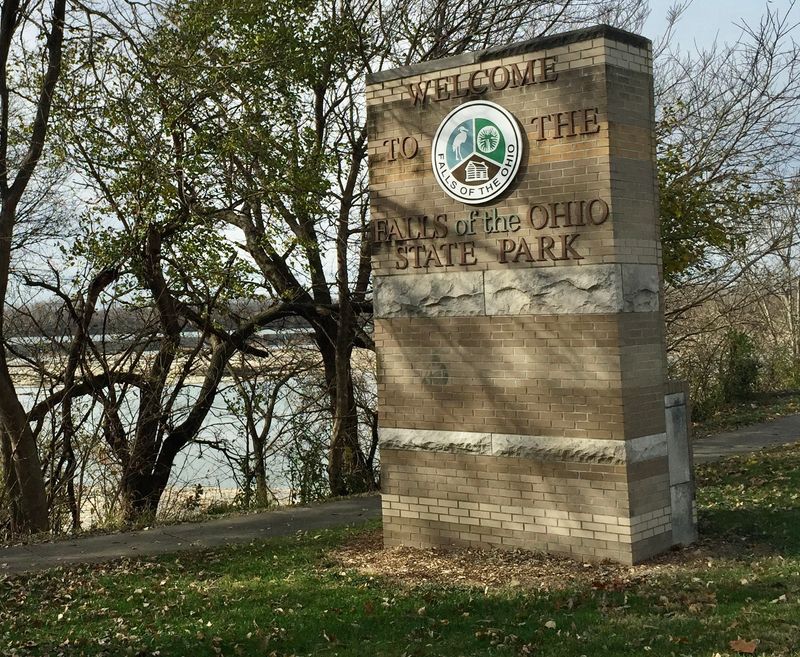
Located just across the river from Louisville at 201 W Riverside Dr in Clarksville, the park offers an easy day trip for families throughout the region. You can combine it with other attractions in either Louisville or Southern Indiana.
The short distance from major highways makes it convenient even for younger kids who struggle with long car rides.
The playground near the interpretive center gives restless children a place to burn energy before or after exploring the fossil beds. Picnic areas provide spots for lunch with river views.
The combination of structured museum time and unstructured outdoor exploration works well for mixed-age groups where some kids want to learn everything while others just want to climb on rocks.
Parents appreciate that the park offers genuine educational value without feeling like school. Kids remember fossil hunting trips for years afterward.
It’s hands-on science that doesn’t require worksheets or tests. You’re creating memories while teaching lessons about Earth’s history, patience, and careful observation.
The relatively low cost makes this an affordable family outing compared to theme parks or expensive attractions. A family of four can experience everything the park offers for under thirty dollars including parking and museum admission.
That value proposition explains why you’ll see so many families here on weekends throughout the year.
Dear Reader: This page may contain affiliate links which may earn a commission if you click through and make a purchase. Our independent journalism is not influenced by any advertiser or commercial initiative unless it is clearly marked as sponsored content. As travel products change, please be sure to reconfirm all details and stay up to date with current events to ensure a safe and successful trip.
