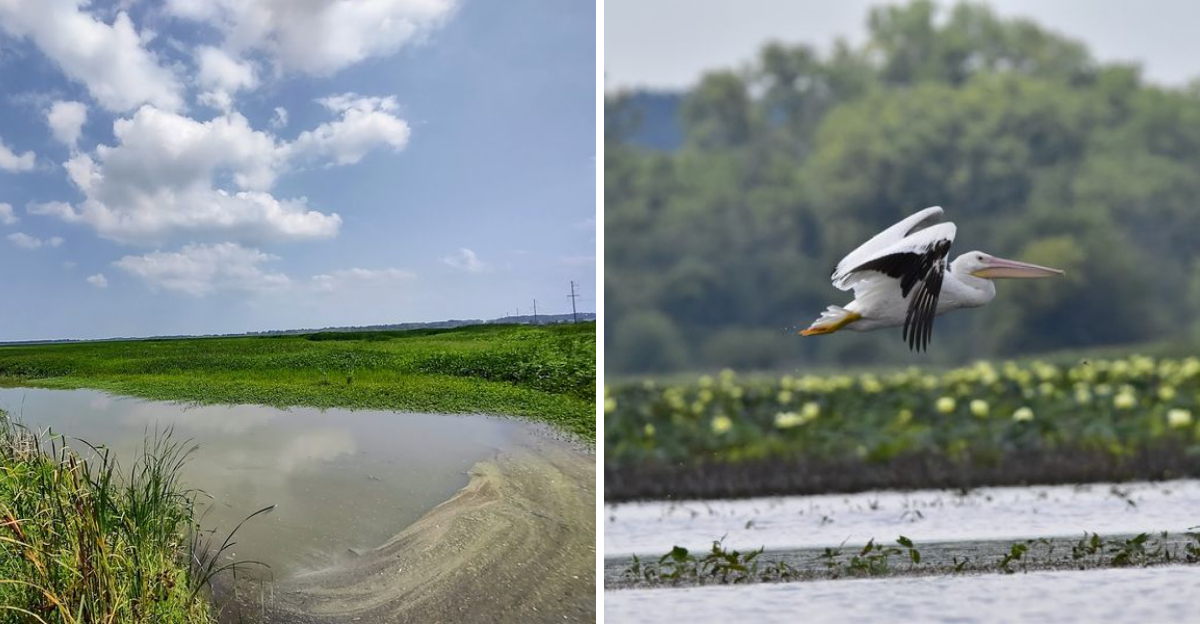
There is a place in southwestern Indiana that stopped me in my tracks the first time I laid eyes on it. Rows of pale, sun-bleached hardwood snags rise out of the water like silent sentinels, their bare branches reaching skyward against an open marsh sky.
This fish and wildlife area in Linton is one of those rare spots that feels both haunting and alive at the same time. Stretching across nearly 9,000 restored acres, it draws migratory birds by the hundreds of thousands and nature lovers from across the Midwest.
The combination of vast wetlands, quiet observation points, and the sheer scale of the landscape makes every visit feel unforgettable. Once you understand what makes it so special, you will want to experience it for yourself immediately.
The Ghost Forest of Sun-Bleached Hardwood Snags
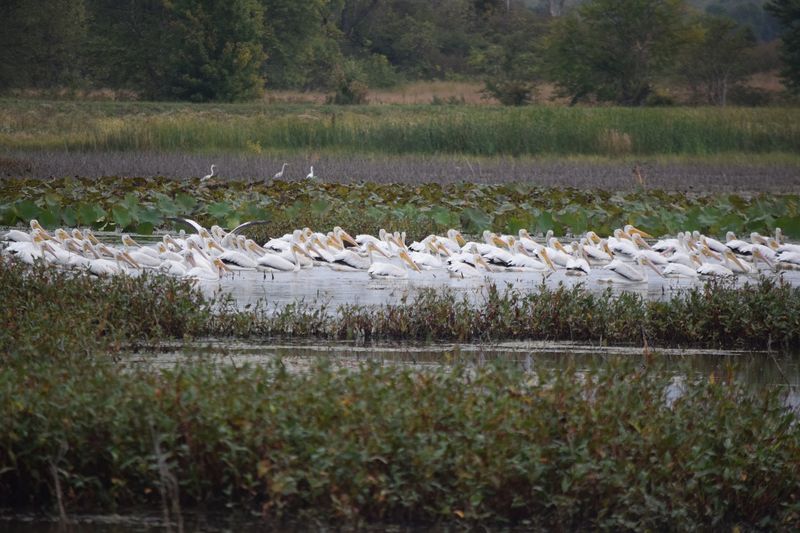
Few natural sights in Indiana are as quietly dramatic as the ghost forest at Goose Pond FWA. Hundreds of sun-bleached hardwood snags stand rooted in the shallow marsh water, their bark long gone, their pale trunks polished smooth by years of wind, rain, and sun.
They look almost sculptural, like something an artist planted on purpose.
These dead trees are not a sign of neglect. They are actually a celebrated feature of the restored wetland ecosystem.
When marginal farmland was flooded during restoration, the existing trees were left in place, and over time they became critical habitat. Ospreys, bald eagles, herons, and woodpeckers all rely on snags for nesting, perching, and hunting.
Visiting at sunrise makes the experience even more striking. The low light catches the white trunks and turns the whole marsh into something that looks more like a painting than a real place.
Photographers regularly make long drives just to capture this scene. Whether you are a birder, a photographer, or simply someone who appreciates wild and unexpected beauty, the ghost forest alone is worth the trip to Linton.
World-Class Migratory Bird Watching Opportunities
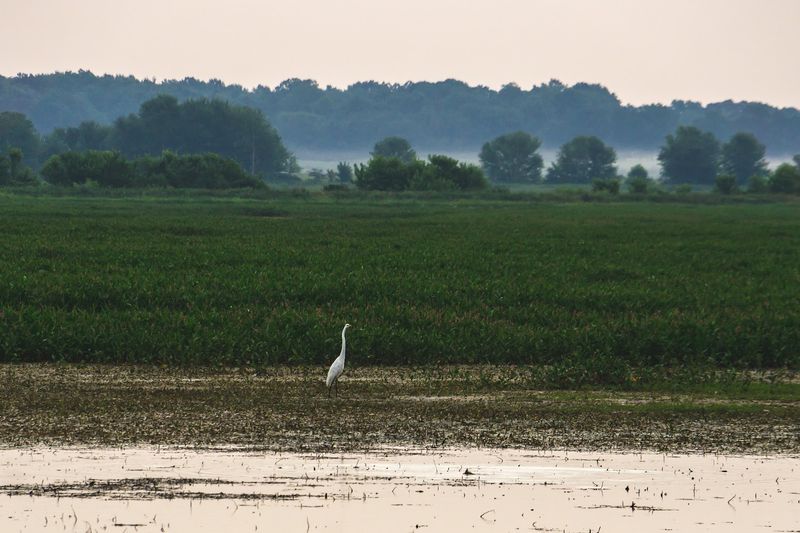
Goose Pond FWA has earned a serious reputation among birding communities across the country, and spending even one afternoon here makes it easy to understand why. The restored wetlands sit directly along major migratory flyways, funneling enormous numbers of birds through Greene County every spring and fall.
On a good October or November day, the sky above the marsh can fill with tens of thousands of Snow Geese moving in sweeping, noisy waves.
Sandhill Cranes are among the most spectacular visitors. Their prehistoric bugling call carries across the open water long before you can spot them.
Whooping Cranes, one of North America’s rarest birds, have also been documented here, which sends birding enthusiasts into a genuine frenzy of excitement.
Bald eagles hunt the shallows regularly, and patient observers have recorded well over 200 species across all seasons. Bring quality binoculars because the viewing distances can be long, and a spotting scope is even better for picking out individual species in a crowded flock.
The visitor center staff are knowledgeable and often know exactly where specific species were spotted that morning. Plan your visit around the fall migration window for the most overwhelming and memorable experience this remarkable area has to offer.
Nearly 9,000 Acres of Restored Wetland and Prairie Habitat
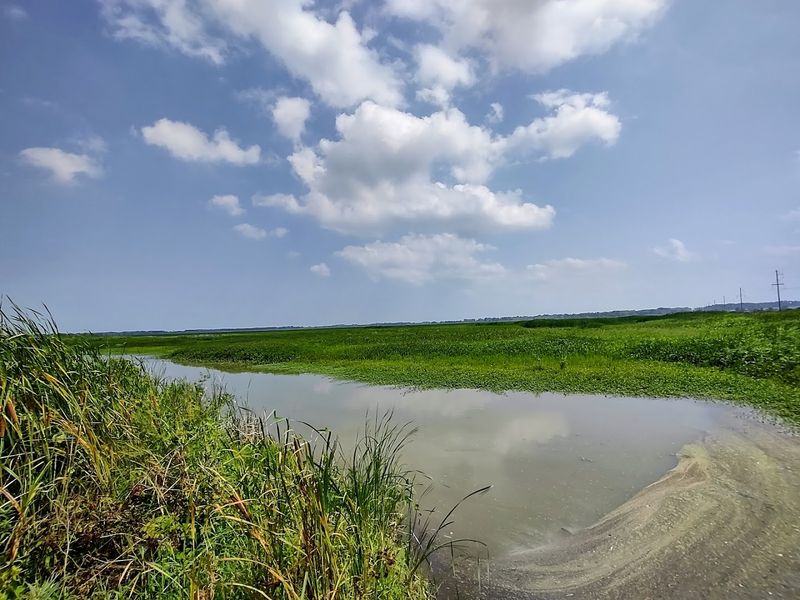
The sheer scale of Goose Pond FWA is something that does not fully register until you are standing in the middle of it. Nearly 9,000 acres of what was once marginal, low-productivity farmland has been transformed back into functioning wetland and prairie habitat.
The project stands as one of the largest wetland restorations in Indiana history and a genuine conservation success story.
Walking or driving through the area, you move through a mosaic of open water, emergent marsh, wet meadow, and restored upland prairie. Each habitat type supports different species and creates a layered, dynamic landscape that changes with every season.
Spring brings blooming prairie wildflowers and nesting waterfowl. Summer hums with insects and secretive marsh birds.
Fall delivers the massive migration spectacle, and winter brings raptors, swans, and occasional snowy owls.
Public access roads and parking areas are scattered throughout the property, making it accessible for casual visitors and dedicated naturalists alike. You can spend a full day exploring different corners of the area and still feel like you have only scratched the surface.
The Indiana DNR manages the land thoughtfully, and the result is a thriving, living landscape that rewards every visit with something new and genuinely worth seeing.
Bald Eagle Nesting Pairs and Year-Round Raptor Watching
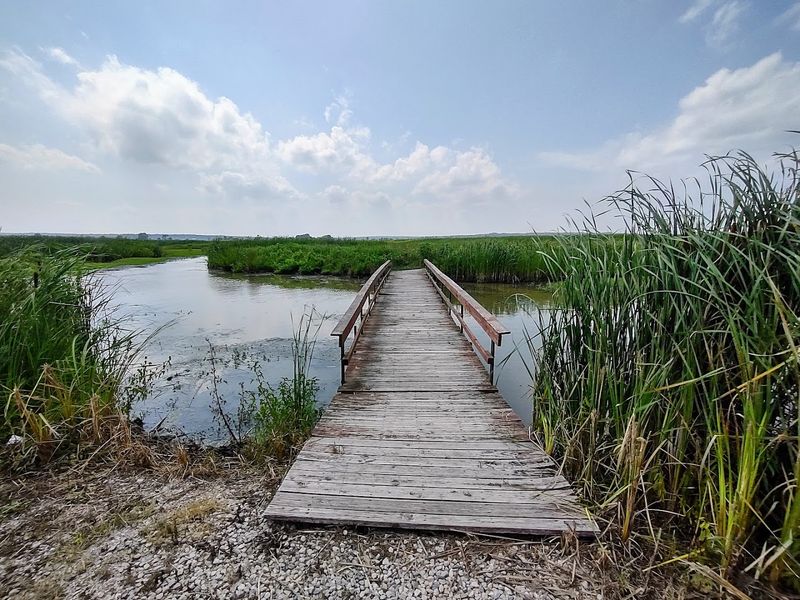
Bald eagles have made a remarkable comeback across the Midwest, and Goose Pond FWA is one of the best places in Indiana to see them up close. A nesting pair has established territory near the edge of the property, and early spring visitors who know where to look can observe the adults tending their nest from a respectful distance.
Watching a bald eagle glide low over open water is the kind of moment that stays with you for years.
Beyond the resident nesters, Goose Pond attracts migrating and wintering raptors in impressive numbers. Red-tailed hawks, rough-legged hawks, northern harriers, American kestrels, and short-eared owls all use the open marsh and prairie habitat for hunting.
The flat, open terrain gives visitors long, unobstructed sightlines that make spotting aerial hunters much easier than in forested areas.
Dusk in late fall and early winter is a particularly rewarding time to watch for short-eared owls quartering low over the marsh grasses in their distinctive buoyant flight. The visitor center at 13540 W County Rd 400 S, Linton, IN 47441, open Monday through Saturday from 8:30 AM to 4:00 PM and Sunday from noon to 4:00 PM, can point you toward the most active raptor zones on any given day.
The Visitor Center Overlook With Panoramic Marsh Views
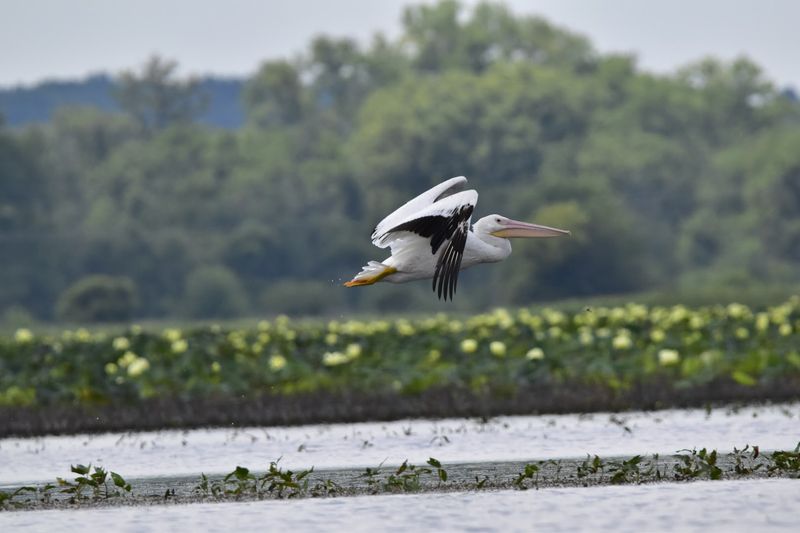
Positioned on a gentle rise overlooking the heart of the marsh, the Goose Pond visitor center offers one of the most commanding wildlife viewing platforms in Indiana. Two mounted binocular stations allow visitors to scan the open water and snag-filled shallows without needing their own equipment.
On a clear day, the view stretches for miles across the restored wetland, and the panoramic perspective makes it easy to appreciate just how vast this place really is.
The building itself is fully wheelchair accessible, which is a genuinely thoughtful touch for a rural wildlife area. Clean restrooms are available on site, which matters more than you might expect when you are spending a long day outdoors in a location this remote.
The staff and volunteers stationed at the center are consistently praised for their helpfulness and enthusiasm.
Interpretive signage around the grounds explains the restoration history, the ecological importance of wetland habitat, and the species that call the area home. There is a cut trail through prairie grass near the center that offers a ground-level perspective on the landscape to complement the elevated overlook view.
Even if you only stop here for thirty minutes before heading out to explore the rest of the property, the visitor center sets the scene beautifully and gives your visit meaningful context.
Sandhill and Whooping Crane Spectacle During Fall Migration
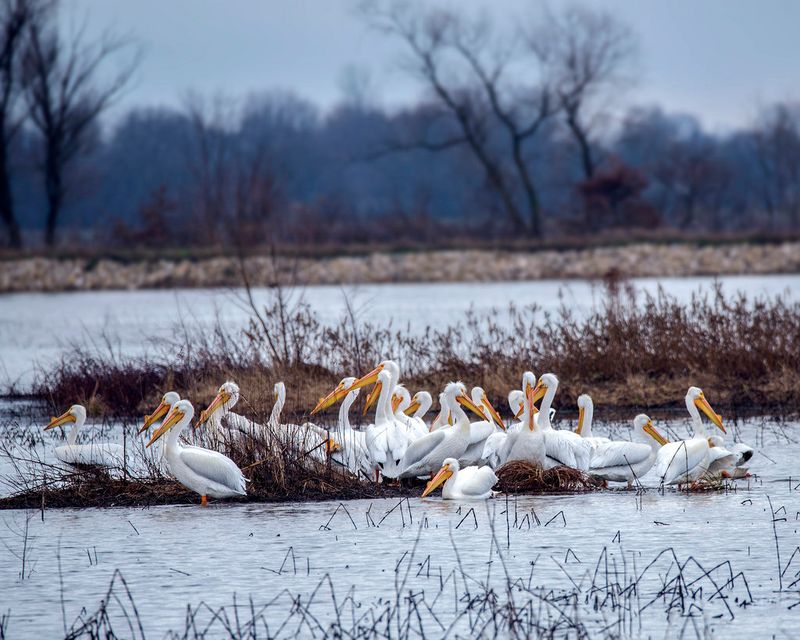
If you have never heard thousands of Sandhill Cranes calling at once, Goose Pond FWA in October will change your understanding of what nature can sound like. The cranes arrive in staggering numbers during the fall migration, staging in the shallows and nearby agricultural fields before continuing south.
Their rolling, rattling calls carry across the flat landscape and create a sound that feels ancient and wildly alive at the same time. Whooping Cranes occasionally travel with Sandhill flocks, and a confirmed Whooping Crane sighting at Goose Pond generates real excitement in the birding community.
With fewer than 800 wild Whooping Cranes estimated in North America, spotting one here feels like a genuine privilege. Knowing that this restored wetland plays a role in supporting such a rare species adds an extra layer of wonder and significance to every visit.
It’s a reminder that these acres of water, marsh, and prairie are not just beautiful; they are vital for wildlife, offering safe resting and feeding grounds that help sustain populations of species on the brink. Experiencing it firsthand makes you appreciate how delicate and extraordinary these ecosystems truly are.
Accessible Trails and Boardwalks Built for Every Type of Visitor
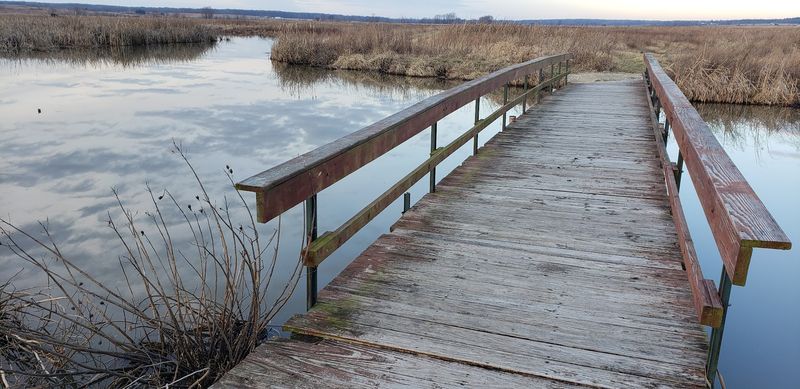
Not every incredible natural area is easy to get to, but Goose Pond FWA makes a genuine effort to welcome all kinds of visitors. Flat, well-maintained trails and elevated boardwalks cut through sections of the marsh, giving you close-up views of the wetland without requiring rugged hiking gear or serious fitness levels.
Families with strollers, older visitors, and people with mobility challenges can all find accessible routes that still deliver stunning scenery and plenty of wildlife sightings. The boardwalks put you right above the water, close enough to spot herons wading gracefully below your feet, turtles basking on logs, and ducks gliding across the surface.
Songbirds flit through the surrounding trees, dragonflies dart above the water, and the occasional deer may peek from the marsh edges, creating moments of surprise and delight at every turn.
Even a short stroll along these paths immerses you in the sights and sounds of a thriving wetland, while longer walks reveal hidden corners of the marsh teeming with life; quiet coves, lily-covered pools, and open stretches where waves of birds can suddenly take flight. A few hours here will leave you feeling genuinely connected to one of Indiana’s most restored and vibrant wild landscapes.
Dear Reader: This page may contain affiliate links which may earn a commission if you click through and make a purchase. Our independent journalism is not influenced by any advertiser or commercial initiative unless it is clearly marked as sponsored content. As travel products change, please be sure to reconfirm all details and stay up to date with current events to ensure a safe and successful trip.
