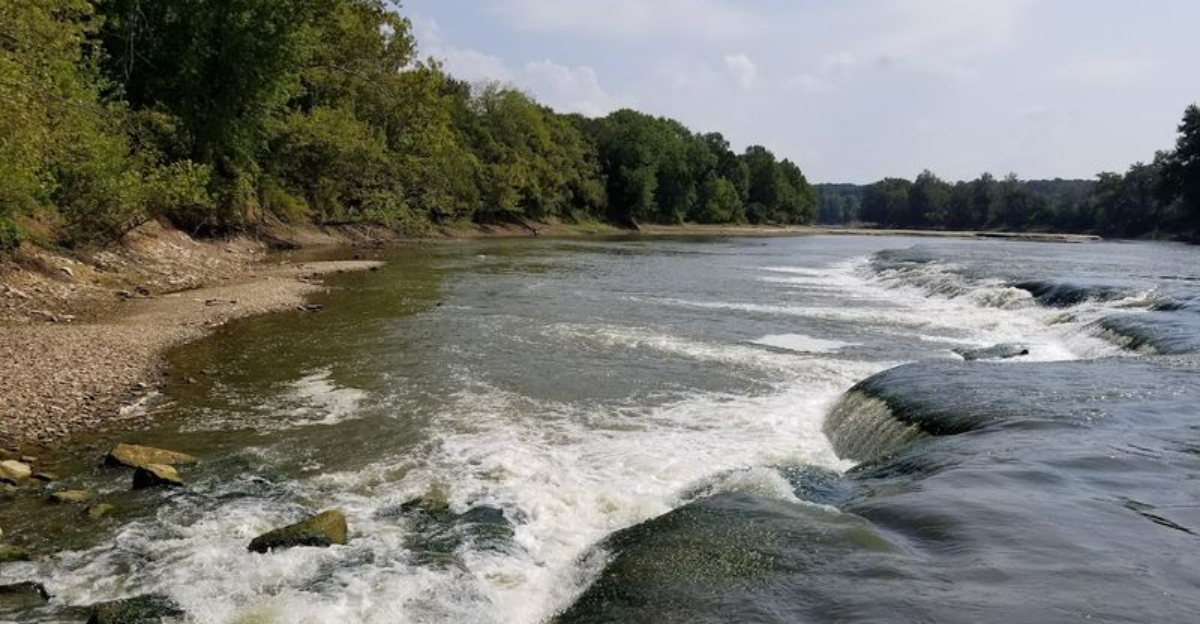
There is something quietly haunting about a place that was once alive with hundreds of voices and is now softened by trees, river sounds, and time. I first heard about this historic site from someone who grew up nearby, and the way they described it stayed with me for years.
What once was a fast-growing early settlement eventually faded away, leaving behind only traces of its past in the landscape. Today, it is less about a visible town and more about fragments of history woven into nature, stone remnants, and stories passed down over time.
Set along a river in southern Indiana, the area now feels like a blend of wilderness and memory rather than anything developed. It is the kind of place where imagination fills in what time has taken away, and the surroundings themselves become part of the story.
For anyone drawn to Indiana history, quiet outdoor spaces, and places with a sense of mystery, it leaves a lasting impression without needing to say much at all.
A Frontier Town That Rose Faster Than Almost Any Other in Early Indiana
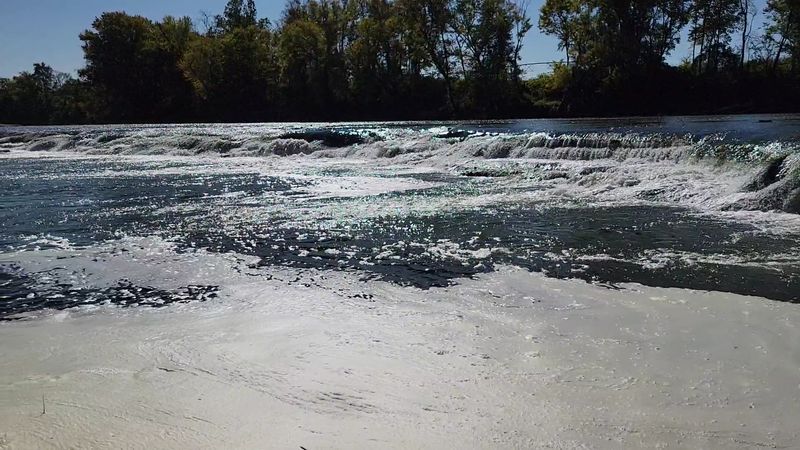
Few places in Indiana carry the kind of origin story that Hindostan Falls does. Founded in 1816 right at the falls of the East Fork of the White River, this town was not a sleepy little outpost.
It was ambitious, fast-moving, and full of promise.
By 1820, Hindostan had a population of around 1,200 people, which made it one of the largest settlements in all of frontier Indiana at the time. That number is hard to picture when you stand at the site today and see nothing but open land and river rock.
The town sat along the original stagecoach route connecting New Albany and Vincennes, which meant steady traffic, trade, and commerce flowed through it regularly. Mills were built.
Businesses opened. People arrived with plans to stay.
What makes Hindostan so fascinating to me is how real and full of life it once was, and how completely that life disappeared. Most frontier towns either slowly faded or grew into something bigger.
Hindostan did neither. It burned bright and then vanished in a way that still feels almost unbelievable.
For Indiana locals who want to connect with the state’s earliest chapter of settlement history, this site offers a rare and grounding experience. You are not just reading about the past here.
You are standing inside it.
Stone Holes in the Riverbed That Tell the Town’s Whole Story
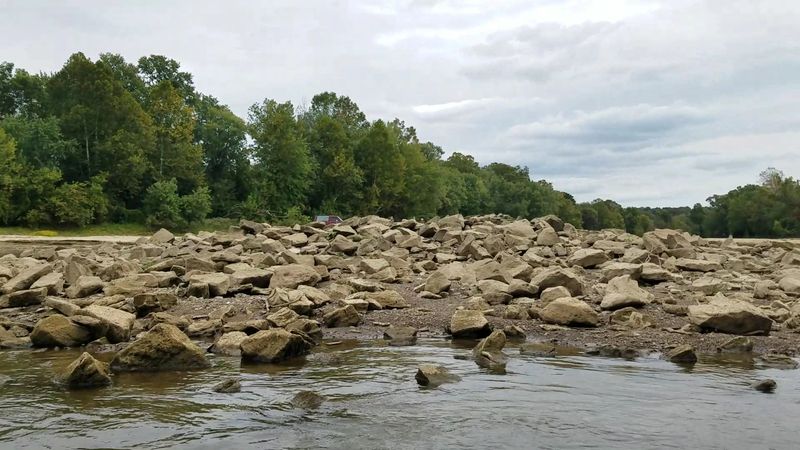
One of the most striking things about Hindostan Falls is what the river has preserved without anyone asking it to. Carved directly into a large flat rock in the riverbed are 128 square holes, each measuring 18 by 18 inches.
These holes once held the support posts for the town’s mills.
That detail alone is enough to stop you in your tracks. You are looking at the literal footprint of an industry that fed and sustained an entire frontier community.
The river did not wash them away. They are still there, waiting to be found.
No interpretive museum could make that history feel as immediate as crouching down beside those stone cuts and running your hand along the edge. It is the kind of physical connection to the past that most historic sites simply cannot offer.
Pioneer cemeteries are also located nearby, adding another layer of quiet testimony to what once existed here. The graves of people who built this town and never got to see it survive are part of the landscape too.
For anyone who loves hands-on history, this is the real thing. There are no recreations, no replicas, and no polished exhibits.
Just rock, river, and the unmistakable evidence that people were here, working hard, building something they believed in. That kind of raw authenticity is rare, and it makes Hindostan Falls genuinely unforgettable.
Indiana’s Widest Waterfall Is Right Here and Worth the Trip Alone
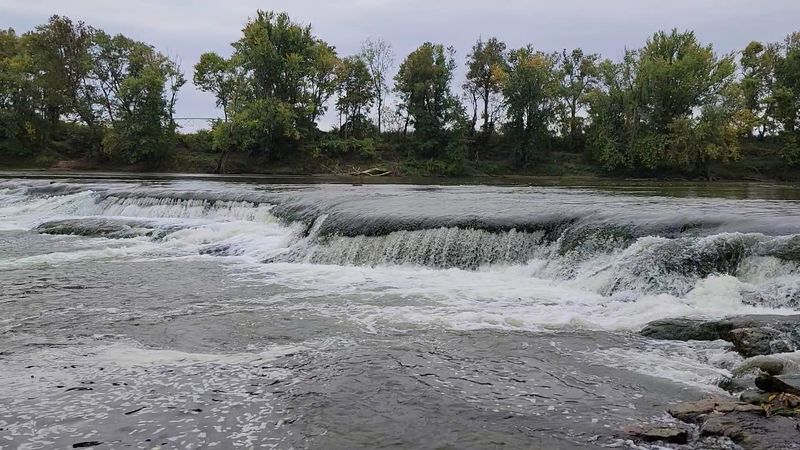
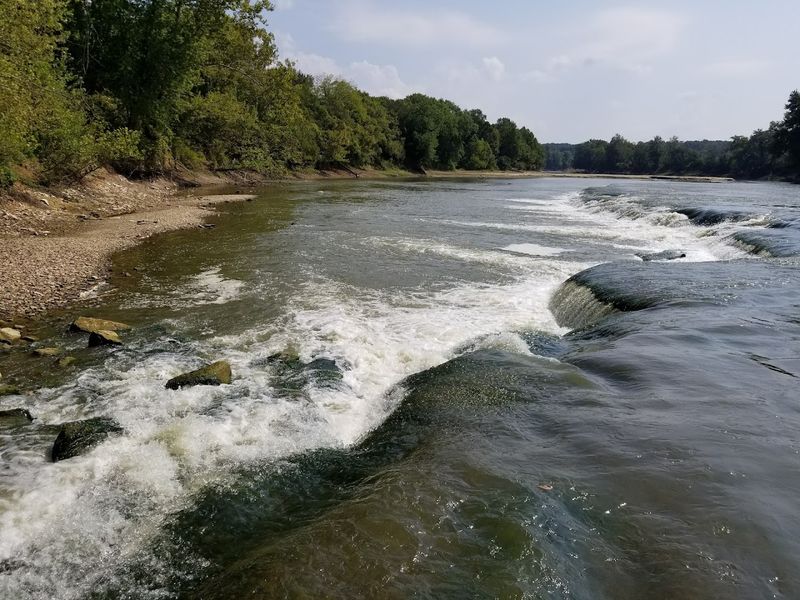
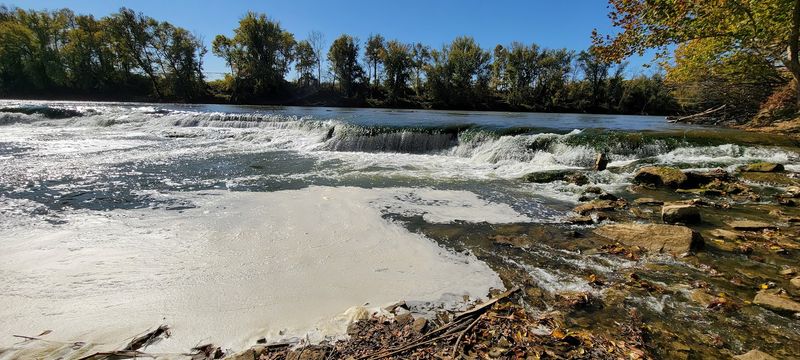
Even setting aside all the history, Hindostan Falls would be worth visiting just for the waterfall itself. It holds the distinction of being Indiana’s widest waterfall with the highest water volume in the state.
That is not a small claim for a place most people have never heard of.
Indiana is not typically associated with dramatic waterfalls, which makes this one feel like a genuine secret. The falls stretch wide across the East Fork of the White River, and when the water is running strong, the sound and sight of it is genuinely impressive.
I find it interesting that such a significant natural feature sits in a location so few people outside of Martin County seem to know about. It is the kind of place that makes you feel like you have discovered something, even if it has been there for centuries.
The falls create a natural rhythm to the visit. You arrive, you hear the water before you see it, and then the view opens up in a way that feels earned rather than handed to you.
That slow reveal is part of what makes the experience satisfying.
If you bring a camera, plan to spend more time at the falls than you expect. The light changes throughout the day, and the reflections on the limestone shelves make for genuinely beautiful photographs.
This waterfall deserves far more attention than it gets.
The Great Sickness That Wiped Out an Entire Community
No ghost town story hits quite like Hindostan’s. The so-called Great Sickness swept through the community in the early 1820s, and historians believe it was likely cholera or yellow fever.
Within just a few years, most of the population had either died or fled entirely.
That is not a slow decline. That is a collapse.
And the speed of it is what makes the story so haunting.
By 1830, the town was essentially gone. Families that had built homes, planted crops, and raised children there simply vanished from the landscape.
Some left in a panic. Others never got the chance to leave at all.
The epidemic hit during a period already weakened by economic depression, which meant there was no safety net to catch the community when it started falling. The combination of sickness and financial hardship proved too much to survive.
Walking the site today with that knowledge in mind changes the experience completely. The quiet does not feel peaceful so much as it feels earned, like the land absorbed a grief too large to speak out loud.
Martin County locals often describe the site as deeply moving rather than simply scenic.
Understanding what happened here adds weight to every step you take along the riverbank. History is not always triumphant.
Sometimes it is a reminder of how fragile even the most promising beginnings can be.
Buried Treasure Legends That Have Fueled Curiosity for Two Centuries
Every great ghost town needs a treasure legend, and Hindostan delivers more than one. The most well-known involves the town treasurer, who reportedly died during the epidemic before he could tell anyone where he had hidden the community’s funds, said to be gold and silver coins.
That story alone has sent more than a few determined treasure hunters to the riverbank over the years. Whether or not the coins are real, the legend has taken on a life of its own in Martin County folklore.
Then there are the wilder tales. Some accounts speak of Spanish gold hidden somewhere beneath the falls, and others describe a Native American cave filled with riches buried deep under the limestone.
None of these have ever been verified, which of course only makes them more compelling.
Folklore like this has a way of keeping a place alive long after its physical structures have disappeared. Hindostan may have no buildings left, but it has stories, and stories have their own kind of staying power.
Visiting with these legends in mind turns an ordinary walk along the river into something more playful and imaginative. Kids especially tend to love the treasure angle, and it gives families a fun narrative thread to follow throughout the visit.
Whether you believe the legends or not, they are a genuinely enjoyable part of what makes Hindostan Falls Historic Site such a memorable destination in southern Indiana.
Fishing, Hiking, and Picnicking in a 134-Acre State-Owned Natural Area
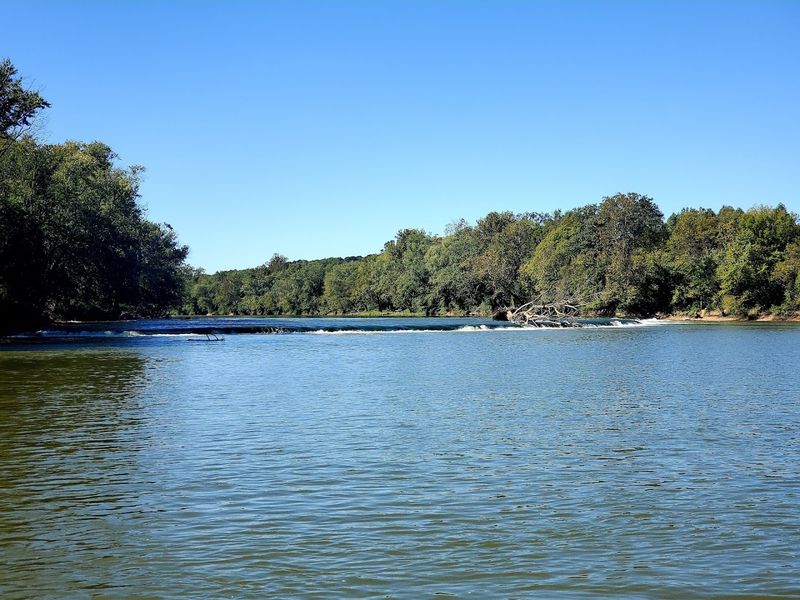
The 134-acre site is owned by the state of Indiana and managed as a fishing and wildlife area, which means it is well-maintained and genuinely welcoming for outdoor recreation. This is not a remote wilderness with no infrastructure.
It is an accessible natural area with real amenities.
Boat ramps are available both above and below the falls, making it easy to get on the water and explore the East Fork of the White River at your own pace. Fishing here draws people from across southern Indiana, and the river offers a solid variety of species depending on the season.
Hiking the area is straightforward and enjoyable, especially if you take your time and pay attention to the landscape. The trail system is not overly complicated, which makes it a good option for families with younger kids or anyone who prefers a relaxed pace over a strenuous outing.
Picnicking spots along the riverbank give you a natural place to stop, eat, and just absorb the surroundings. There is something genuinely restorative about eating lunch with the sound of the falls in the background and no city noise competing for your attention.
For outdoor enthusiasts in Indiana looking for a spot that combines natural beauty with historical depth, Hindostan Falls checks every box. Nearby, the Crane Naval Surface Warfare Center area and Hoosier National Forest offer additional outdoor options for those planning a longer trip to Martin County.
A True Digital Detox Where Indiana’s Frontier History Comes Back to Life
There is no cell service at Hindostan Falls. No internet.
No notifications pulling your attention away from where you actually are. For a lot of people, that sounds inconvenient.
For anyone who has been there, it sounds like exactly what they needed.
The absence of connectivity forces a kind of presence that is genuinely rare in modern life. You notice the water more.
You listen to the birds. You actually look at the stone holes in the riverbed instead of photographing them and moving on.
An annual event called Hindostan Day brings the lost town’s history to life through reenactments and educational exhibits, giving visitors a chance to see the site in a more structured and celebratory context. It is a great option for families or anyone who wants guided historical context rather than a solo exploration.
The combination of natural quiet and layered history makes this place feel unlike most other sites in Indiana. It asks something of you, a little patience, a little imagination, and a willingness to sit with a story that does not have a happy ending.
For Indiana locals, it is the kind of place you visit once and then find yourself recommending to everyone. Nearby, the town of Loogootee, located just a short drive away, offers dining and lodging options for those making a full day or weekend of the visit.
Hindostan Falls stays with you long after you leave.
