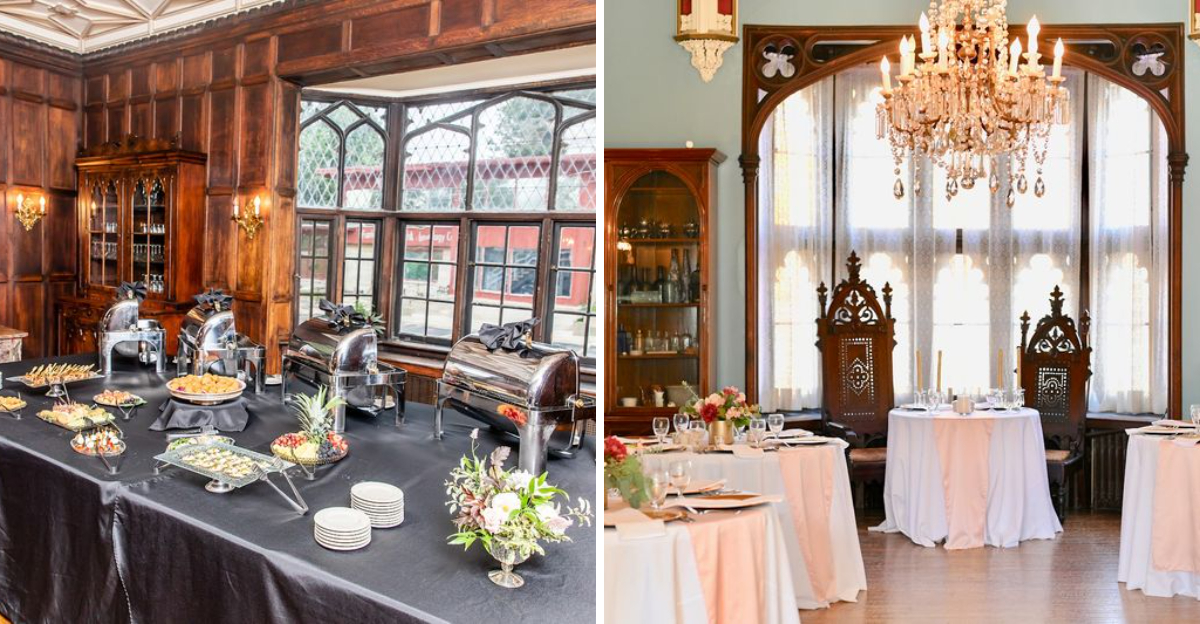
There is something about this Lafayette mansion that stops you in your tracks the moment you see it. Built in 1852, this Gothic Revival estate has survived more than 170 years of history and still manages to feel vibrant and alive.
It’s remarkable that a place this grand exists right in the heart of Indiana, yet so many locals have never stepped through its doors. From its ornate plasterwork ceilings to the unexpectedly elegant Tudor-style dining room, this mansion is the kind of place that makes you slow down and truly take in your surroundings.
Whether you are a history enthusiast, an admirer of stunning architecture, or simply someone seeking a genuinely unique outing, this mansion delivers an experience most modern venues simply cannot match.
Gothic Revival Architecture That Stops You Cold
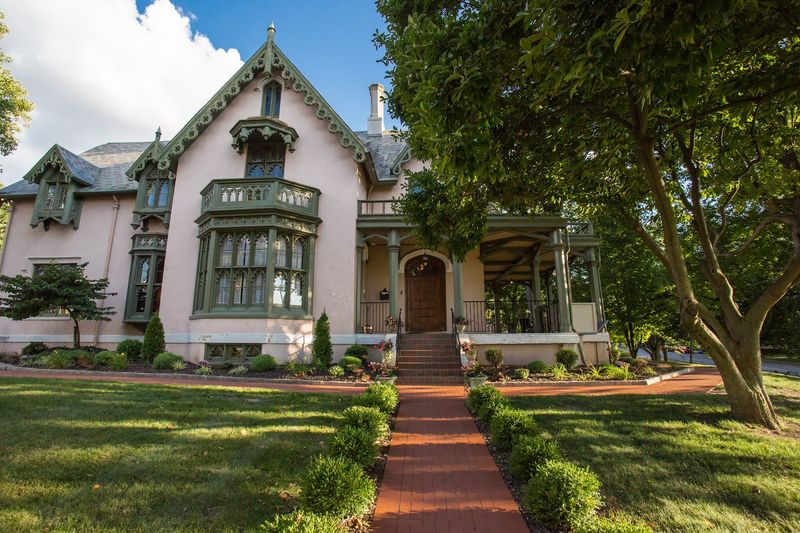
Not every building earns the label of architectural masterpiece, but the Fowler House Mansion comes remarkably close. Completed in 1852 and widely regarded as one of the finest examples of Gothic Revival architecture in the entire United States, this estate is a visual feast from the moment you approach it.
The pointed arches, decorative woodwork, and dramatic rooflines all work together to create something that feels more like a European castle than an Indiana landmark.
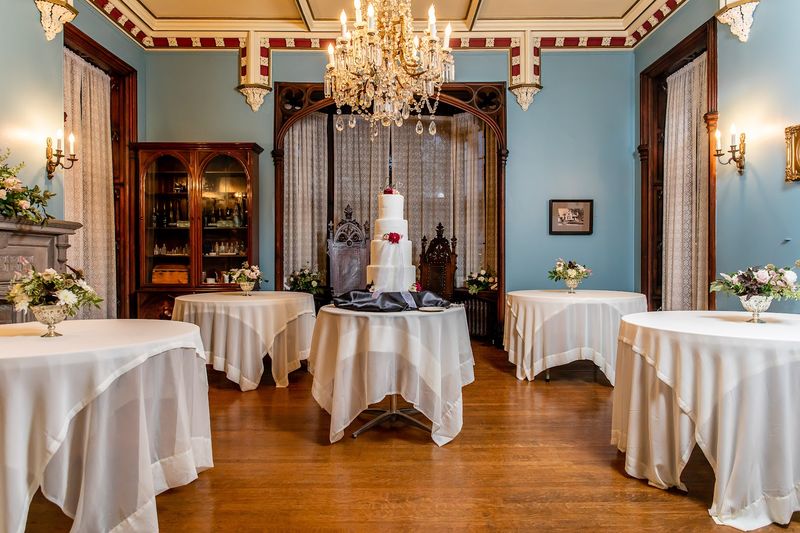
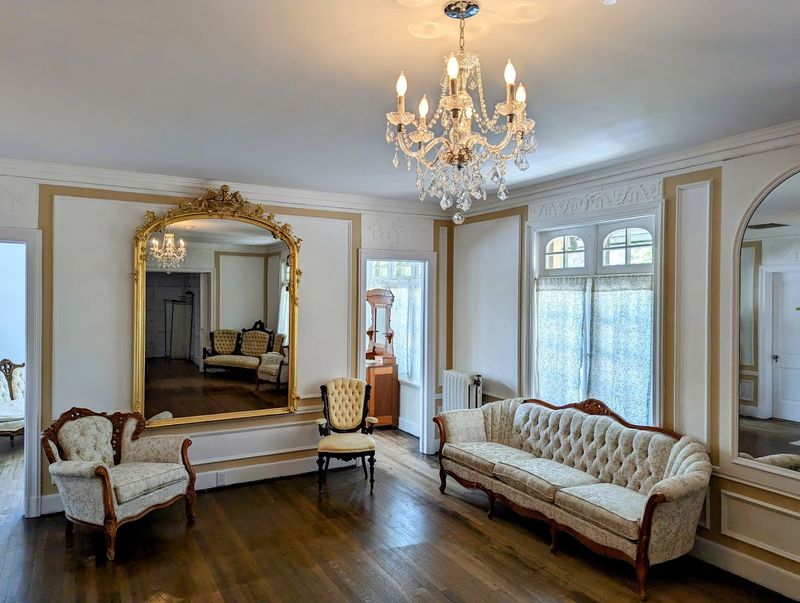
What makes it even more impressive is the craftsmanship inside. The ceilings in the north and south parlors were created by Italian artisans who were brought in specifically from New York City.
You can still see their work today, and it holds up beautifully against anything you might find in a major museum. The intricate plasterwork has a delicacy to it that feels almost impossible to achieve by hand.
For Indiana locals who grew up driving past ordinary brick buildings and flat cornfields, walking into this mansion genuinely feels like stepping into another world. The scale of the rooms, the height of the ceilings, and the careful attention to every carved detail remind you that 19th-century craftsmen took enormous pride in their work.
Visiting just to study the architecture alone is worth every minute of the drive to Lafayette. This is the kind of place that makes you want to look up, look around, and look again.
The Tudor-Style Dining Room Added in 1917
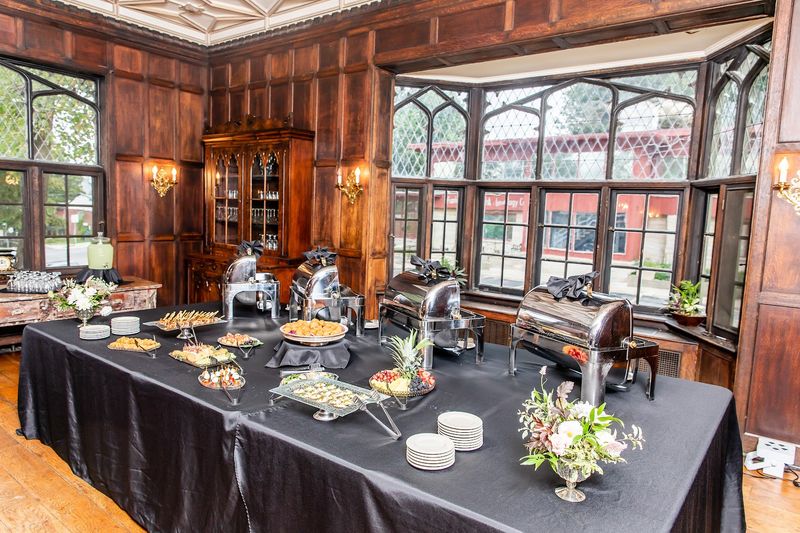
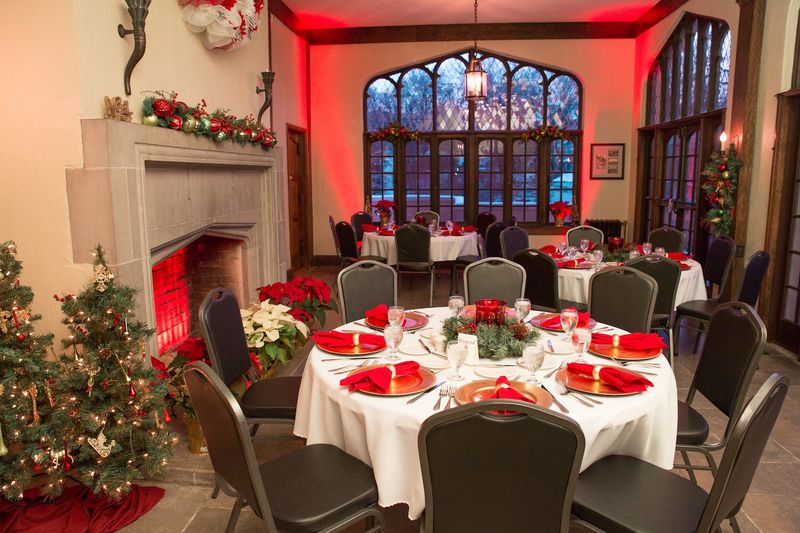
Most people do not expect to find a Tudor-style dining room hiding inside a Gothic Revival mansion, but that is exactly what awaits you at the Fowler House, located at 909 South St, Lafayette, IN 47901. During a significant renovation in 1917, a formal dining room was added to the estate that drew heavily from Tudor architectural traditions.
The result is a space that feels both grand and surprisingly intimate, with rich wood detailing and a refined atmosphere that sets it apart from every other room in the house.
What is fascinating about this addition is what it says about the family who lived here. Rather than simply maintaining the original Gothic style throughout, they chose to layer in a completely different architectural language, one that spoke to a different era of elegance.
That kind of confident design decision is rare, and it paid off. The dining room feels like it has always belonged here, even though it arrived more than six decades after the mansion was first built.
Today, the room continues to serve its original purpose in the best possible way. Guests dining at the Fowler House get to experience meals inside a space that carries more than a century of history in its walls.
The combination of Gothic bones and Tudor finishing creates an atmosphere that no modern restaurant can replicate. If you are looking for a dinner setting that genuinely feels special, this room delivers without trying too hard.
It earns its reputation simply by existing.
Italian-Style Gardens and Outdoor Spaces Worth Exploring
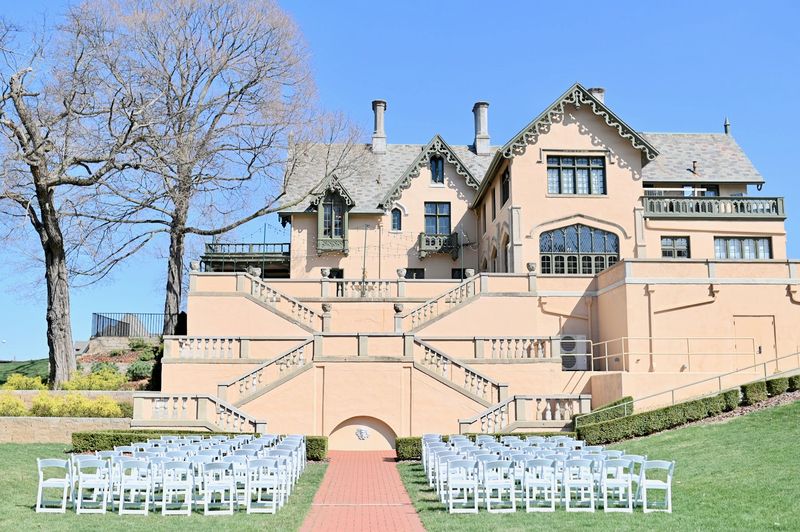
Beyond the mansion walls, the grounds at Fowler House tell their own story. The estate features an Italian-style tiered patio complete with fountains, a reflecting pool, a tea house, and formally arranged garden beds that feel like they belong somewhere along the Italian Riviera rather than in Tippecanoe County.
Sitting outside on a warm afternoon with the fountains running quietly in the background is one of those simple pleasures that you genuinely do not expect to find in Lafayette.
Several visitors have mentioned enjoying lunch on the back patio, and it is easy to understand why. The outdoor setting adds a layer of calm to the dining experience that the interior, beautiful as it is, cannot fully replicate.
The gardens were clearly designed with entertaining in mind, and they still serve that purpose well more than a century later. There is a generosity to the outdoor space that makes it feel welcoming rather than just decorative.
For anyone who loves garden design or landscape history, the grounds are worth exploring on their own terms. The tiered layout creates natural focal points that draw the eye from one feature to the next, making a slow walk through the property feel intentional and rewarding.
Nearby, the Tippecanoe County Historical Association operates out of adjacent spaces, which makes the whole block feel like a small pocket of living history. The gardens remind you that the Fowler family valued beauty in every direction they looked.
The Fascinating History of Moses Fowler and His Estate
Moses Fowler was not a man who did things halfway. A prominent businessman in Lafayette during the mid-1800s, Fowler built this estate after drawing inspiration from the Gothic Revival movement that was sweeping through American architecture at the time.
The mansion he commissioned became not just a family home but a symbol of Lafayette’s growing ambition and prosperity during the latter half of the 19th century. His vision for the property was bold, and the results have lasted well over a century.
The estate witnessed a remarkable sweep of American history between its completion in 1852 and the renovations that followed in subsequent decades. It sat at the center of Lafayette’s social and civic life for generations, functioning as a gathering place for the community long before it became a public venue.
That continuity of purpose, from private family home to cultural landmark, gives the mansion a sense of depth that newer venues simply cannot manufacture.
Learning about Moses Fowler and the people who shaped this property adds a meaningful dimension to any visit. The mansion is not just a pretty building; it is a record of ambition, taste, and community investment that spans more than 170 years.
For Indiana locals with a soft spot for regional history, the Fowler story connects directly to the broader arc of how Lafayette grew from a frontier settlement into the city it is today. History here is not behind glass.
It is all around you.
A Legendary Basement and the Prohibition Era Rumor
Every great old mansion has at least one good secret, and the Fowler House delivers on that front with genuine intrigue. During Prohibition, the mansion’s basement was rumored to have operated as a speakeasy run by the Fowler family themselves.
Whether you take that story as historical fact or local legend, it adds a layer of personality to the estate that makes exploring its lower levels feel a little more exciting than your average historical tour.
Thinking about what this place might have looked like during the 1920s, with its ornate rooms and hidden basement activity, is the kind of imaginative exercise that makes history feel alive. The mansion already has the dramatic architecture to support the story.
Those thick walls, those deep rooms, and that commanding exterior would have made for a very convincing front. It is the sort of detail that sticks with you long after you have driven back home to wherever you came from.
The Prohibition era connection also fits naturally into the broader timeline of the mansion’s 1917 renovation, which added the Tudor dining room and likely transformed other parts of the property as well. The 1920s were clearly an active period for this estate, full of change and, if the rumors are to be believed, a fair amount of clandestine excitement.
For visitors who enjoy history with a bit of edge to it, this chapter of the Fowler House story is genuinely one of the most memorable talking points on any tour.
Events, Dining, and Reasons to Keep Coming Back
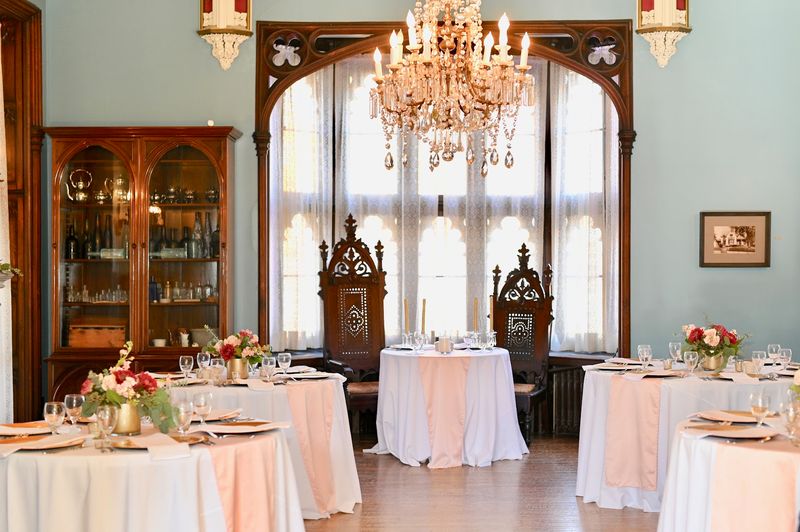
One of the things that makes the Fowler House Mansion genuinely special is that it has figured out how to stay relevant without losing any of its historic character. Today the estate functions as an active event venue and restaurant, open Wednesday through Saturday from 11 AM to 9 PM and Sunday from 10 AM to 2 PM.
The menu has earned consistent praise for dishes like the chicken pot pie, the roast on toast, and the homemade soups that rotate with the seasons.
Beyond regular dining, the mansion hosts an impressive calendar of public events including theatrical performances, holiday parties, brunches, lectures, and fundraisers. Weddings held here have a reputation for being genuinely unforgettable, largely because the building itself does so much of the decorative heavy lifting.
Couples who have celebrated here often note that the mansion’s natural beauty means you barely need to add anything to make the space feel extraordinary.
For Indiana locals looking for a reliable destination that offers something new each season, the Fowler House rewards repeat visits. The rotating events mean that no two trips feel exactly the same, and the food menu evolves enough to give regulars fresh reasons to return.
There is also a self-guided tour available via QR code at the entrance, which lets you explore the mansion’s history at your own pace. The Tippecanoe Art Museum is located right next door, making the whole block a natural destination for a full afternoon out.
Preservation Efforts Keeping This Landmark Alive for Future Generations
A building this significant does not survive 170 years by accident. The 1852 Foundation, a 501(c)(3) non-profit organization, is the group responsible for preserving the Fowler House Mansion and ensuring that it remains accessible to the public for generations to come.
Their dedication to maintaining the estate’s architectural integrity while keeping it functional as a living venue is a genuinely impressive balancing act, and the results speak for themselves every time you walk through the front door.
Preservation work on a property like this is never finished. The ornate plasterwork, the woodwork, the gardens, and the structural elements of a mid-19th century building all require ongoing attention and investment.
The 1852 Foundation has made that commitment publicly and consistently, and the mansion’s current condition reflects years of careful stewardship. For visitors who care about historic preservation, knowing that your dining dollars and event bookings directly support that mission adds a satisfying dimension to any visit.
There is also something quietly inspiring about a community that chooses to protect a place like this rather than let it fade. Lafayette has invested real energy in keeping the Fowler House Mansion not just standing but thriving.
If you have not visited yet, know that your presence there is part of that larger story. Every tour taken, every lunch enjoyed, and every event booked contributes to keeping one of Indiana’s most remarkable architectural treasures in the hands of the people who love it most.
Dear Reader: This page may contain affiliate links which may earn a commission if you click through and make a purchase. Our independent journalism is not influenced by any advertiser or commercial initiative unless it is clearly marked as sponsored content. As travel products change, please be sure to reconfirm all details and stay up to date with current events to ensure a safe and successful trip.
