I remember the first time I stumbled upon Hemlock Cliffs back when it truly felt like a secret. The narrow gravel road leading into the Hoosier National Forest seemed to go nowhere, and I passed maybe two other cars the entire drive.
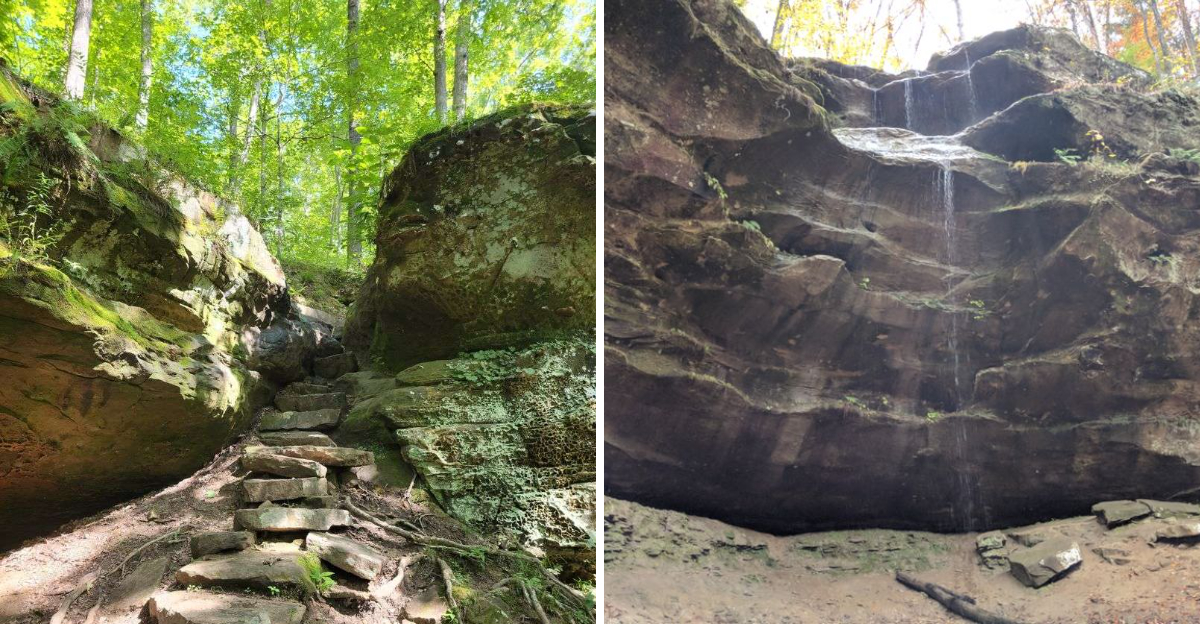
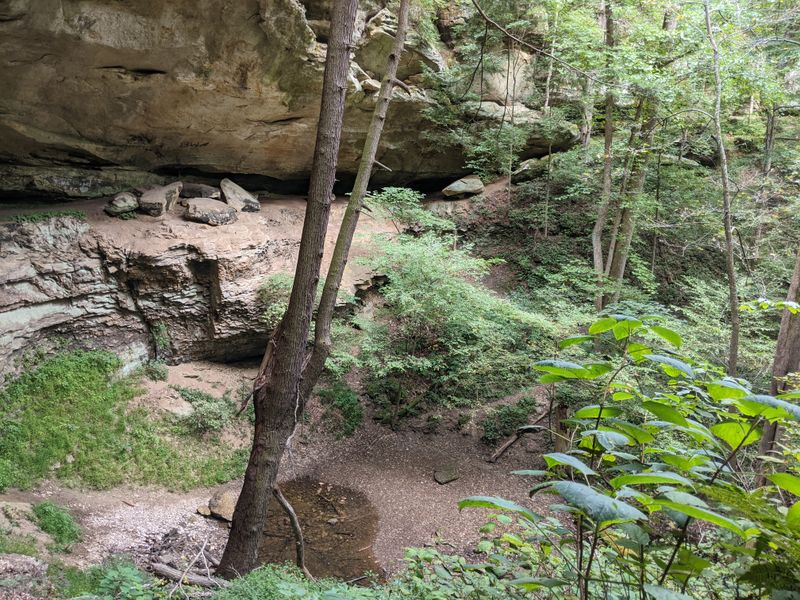
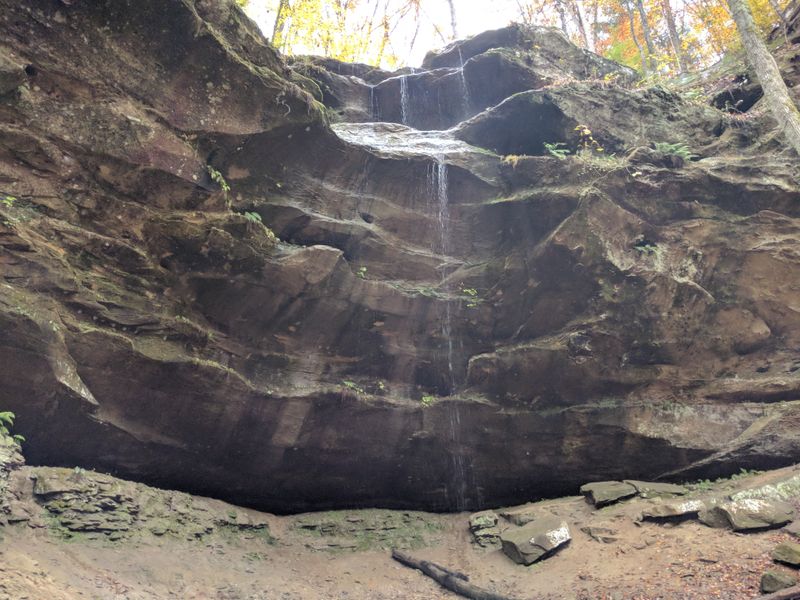
When I finally reached the trailhead, I had the whole place to myself. The sandstone cliffs, the waterfall trickling down moss-covered rocks, the ancient hemlocks towering overhead.
It felt like I had discovered my own private Indiana wonderland. Fast forward to today, and that same parking area overflows on weekends.
Social media influencers pose at every scenic overlook. Trash cans overflow, trails show serious erosion, and locals like me feel a strange mix of pride and frustration.
Hemlock Cliffs has gone viral, and while I want others to experience its beauty, I also mourn the loss of that quiet, sacred space. The secret is out, and Indiana’s hidden gem now faces the consequences of its own popularity.
Here are seven facts about why Hoosiers are genuinely furious about what has happened to this beloved natural treasure.
Social Media Turned a Local Secret into an Overcrowded Tourist Trap
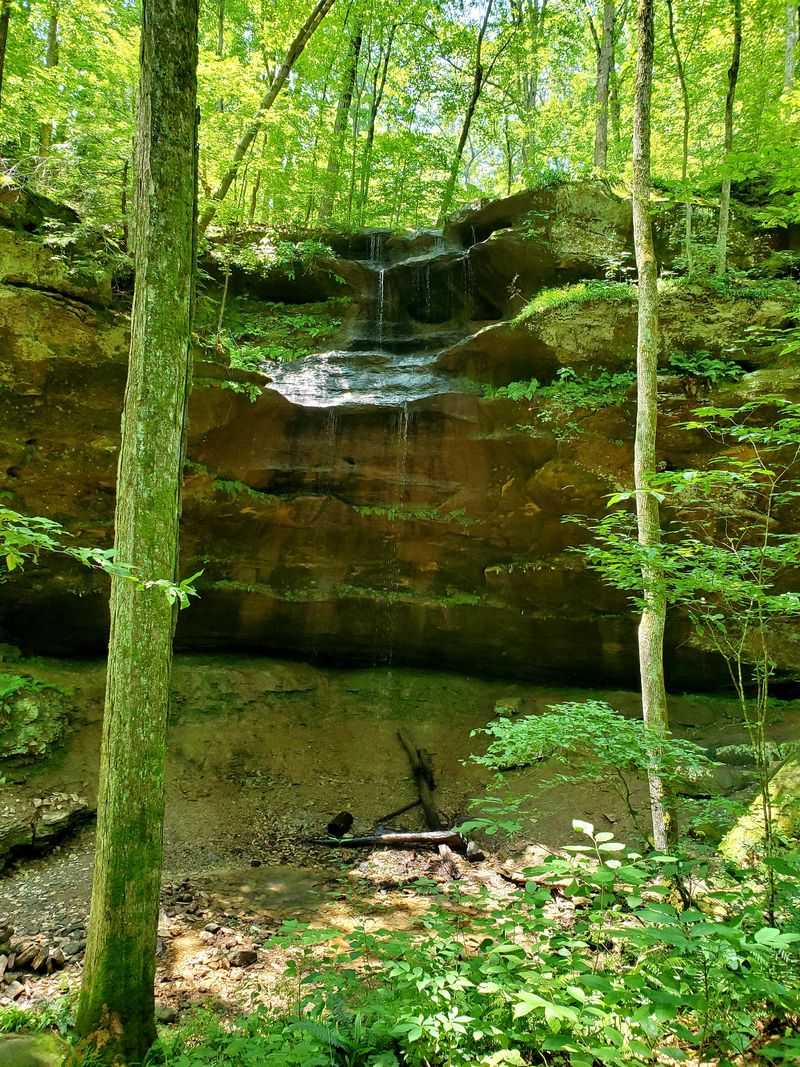
Instagram and TikTok changed everything for Hemlock Cliffs practically overnight. What used to be a place only serious hikers and local nature lovers knew about became a must-visit destination for anyone with a smartphone and a car.
Influencers started posting stunning photos of the waterfall, the cliffs, and the lush greenery, racking up thousands of likes and shares.
The problem is not that people want to visit. The problem is the sheer volume of visitors who show up unprepared, treating the area like a photo studio rather than a fragile ecosystem.
Weekend parking lots overflow, with cars lining the narrow forest roads for hundreds of feet. People wait in actual lines to take photos at popular spots, completely defeating the purpose of experiencing nature.
Many visitors arrive wearing flip-flops or dress shoes, clearly unprepared for the rocky, sometimes muddy trail. They complain when the hike proves more challenging than expected.
Rangers report finding discarded water bottles, food wrappers, and even broken glass along the trail. The Forest Service has had to increase patrols and maintenance dramatically.
Long-time visitors feel pushed out by crowds who seem more interested in getting the perfect selfie than actually appreciating the natural beauty. The quiet contemplation that once defined a visit to Hemlock Cliffs has been replaced by constant chatter and camera clicks.
The Delicate Ecosystem is Suffering from Excessive Foot Traffic
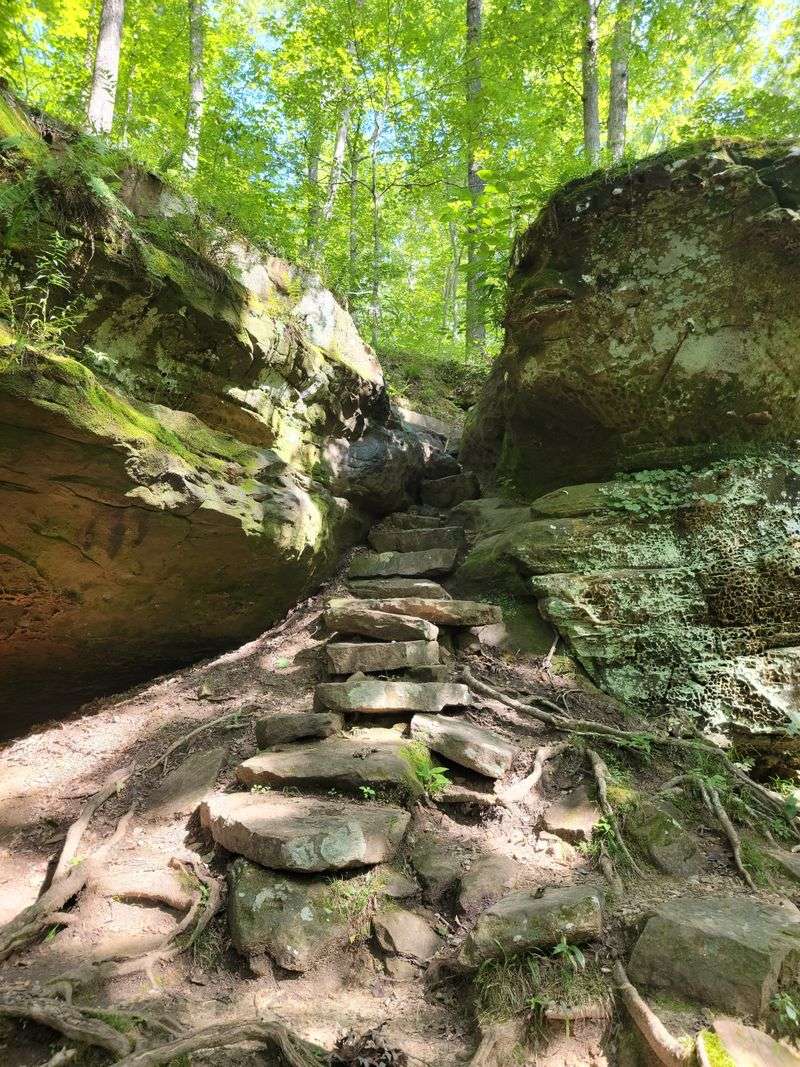
Hemlock Cliffs earned its name from the rare eastern hemlock trees that thrive in this microclimate, a remnant of the last ice age. These ancient trees, some over 200 years old, grow in conditions found nowhere else in southern Indiana.
The cool, moist environment created by the sandstone cliffs and natural springs allows species typically found much farther north to flourish here.
Botanists consider this area ecologically significant, supporting rare ferns, mosses, and wildflowers that depend on undisturbed conditions. The massive increase in foot traffic has caused serious damage.
Trails show severe erosion, with exposed tree roots and widening paths where visitors cut switchbacks or wander off designated routes.
Trampled vegetation struggles to recover between visits. Rare plant species that once grew near the trail have disappeared entirely.
The soil compaction from thousands of footsteps prevents new seedlings from establishing. Even the hemlocks themselves face stress from changing moisture patterns and physical damage to their shallow root systems.
Wildlife that once called this area home has largely retreated deeper into the forest. Birds nest elsewhere, avoiding the constant human presence.
The delicate balance that made Hemlock Cliffs special is being destroyed by the very popularity meant to celebrate it. Conservation experts worry that without intervention, irreversible damage will occur.
Parking Nightmares Have Created Safety Hazards on Forest Roads

The original parking area at Hemlock Cliffs was designed for maybe twenty vehicles, appropriate for the modest visitor numbers of years past. Now, on any decent weather weekend, fifty or more cars try to squeeze into a space that cannot possibly accommodate them.
The result is chaos that frustrates everyone and creates genuine safety concerns.
Visitors park along both sides of the narrow forest road leading to the trailhead, sometimes for a quarter mile or more. This effectively turns a two-lane gravel road into a single lane, forcing oncoming traffic to play a dangerous game of chicken.
Emergency vehicles would have serious difficulty accessing the area if needed.
Local residents who live along these forest roads complain about blocked driveways and inconsiderate parking. Some visitors park in clearly marked no-parking zones or private property, ignoring posted signs.
Tow trucks have been called repeatedly, adding expense and frustration for everyone involved.
The Forest Service has discussed expanding the parking area, but that solution brings its own problems. Expanding infrastructure to accommodate more visitors would further damage the natural character that makes the place special.
It would also encourage even more visitation, creating a vicious cycle. Meanwhile, the current situation remains untenable, with angry confrontations between visitors becoming increasingly common during peak times.
Inexperienced Hikers Require Frequent Rescue Operations
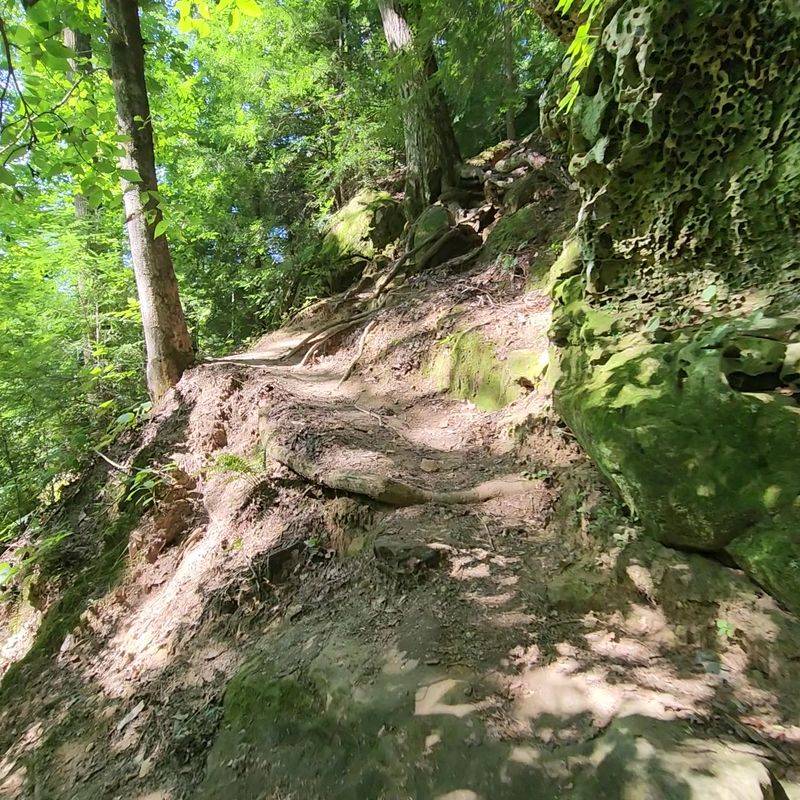
Hemlock Cliffs is not Disneyland. The trail involves steep sections, slippery rocks, exposed tree roots, and areas where one misstep could result in a serious fall.
Yet many visitors arrive completely unprepared, treating the hike like a casual walk in the park. The result has been a dramatic increase in injuries and rescue operations.
Perry County emergency services report being called to Hemlock Cliffs multiple times each month during peak season, compared to maybe twice a year a decade ago. Common injuries include sprained ankles, broken bones from falls, and heat exhaustion.
Some visitors require helicopter evacuation from remote sections of the trail.
Part of the problem stems from misleading social media posts that show only the beautiful scenery without mentioning the challenging terrain. People see gorgeous photos and assume the location is easily accessible.
They show up in inappropriate footwear, bring no water, and have no understanding of basic hiking safety.
The cost of these rescue operations falls on local taxpayers, creating resentment among residents who never asked for their quiet corner of Indiana to become a tourist destination. Volunteer search and rescue teams are stretched thin.
Rangers spend more time managing unprepared visitors than maintaining the trail or protecting the ecosystem. Everyone agrees something needs to change before someone gets killed.
Litter and Vandalism Have Marred the Natural Beauty
Anyone who visits Hemlock Cliffs regularly has watched with dismay as litter accumulates and vandalism increases. What used to be a pristine natural area now requires constant cleanup efforts.
Volunteers organize regular trash pickup days, sometimes collecting dozens of bags of garbage from a single mile of trail.
Common litter includes plastic water bottles, food wrappers, cigarette butts, and even abandoned camping gear. Some visitors apparently believe nature will magically dispose of their trash.
Others simply do not care, tossing waste into the underbrush or leaving it beside the trail. The problem worsens during holiday weekends when visitor numbers peak.
Vandalism presents an even more heartbreaking issue. People carve their initials into ancient trees and sandstone cliffs that took thousands of years to form.
Spray paint graffiti has appeared on rock faces near the waterfall. Someone even attempted to chisel out chunks of the cliff as souvenirs, causing permanent damage to geological formations.
The Forest Service has installed more trash cans and posted additional signs about Leave No Trace principles, but enforcement remains challenging. With limited ranger staff covering vast areas of national forest, catching vandals in the act proves nearly impossible.
Long-time visitors feel genuine grief watching a place they love being treated with such disrespect.
Local Communities Bear the Burden Without Reaping Economic Benefits
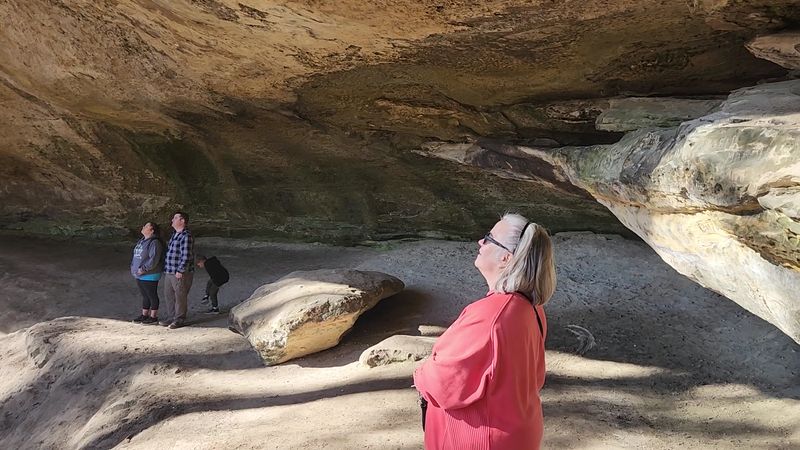
You might think increased tourism would boost the local economy, but the reality for communities near Hemlock Cliffs tells a different story. Most visitors drive in from Indianapolis, Louisville, or other cities, hike the trail, and leave without spending a dollar in nearby towns like English or Sulphur.
They bring their own food and water, use the facilities, and head home.
Meanwhile, local residents deal with increased traffic, parking problems, noise, trespassing, and the strain on emergency services. Property values near the trailhead have actually decreased as homeowners tire of dealing with lost tourists, illegal parking, and trash.
Some residents report strangers wandering onto their property looking for the trail or asking to use their bathrooms.
The few small businesses in English have seen minimal benefit. A gas station might sell a few extra bottles of water, but nothing that compensates for the disruption to daily life.
There are no hotels or restaurants in the immediate area to capture tourist dollars. Visitors simply use the natural resource and leave, contributing nothing to the community that hosts it.
This imbalance creates understandable frustration. Local taxpayers fund the emergency services that rescue unprepared hikers.
They endure the traffic and parking nightmares. Yet they see none of the economic benefits that might make the hassle worthwhile.
Many residents wish Hemlock Cliffs had remained the secret it once was.
Hoosiers Debate Whether Limiting Access is the Only Solution
The debate over how to manage Hemlock Cliffs has become contentious among Indiana nature lovers. Some argue that public lands belong to everyone and restricting access violates the democratic principle behind national forests.
Others insist that without limits, the area will be loved to death, destroyed by the very popularity meant to celebrate it.
Proposed solutions range from simple education campaigns to permit systems that would cap daily visitors. Some suggest requiring reservations, similar to popular national parks out west.
Others recommend closing the area during sensitive seasons to allow ecosystem recovery. Each option has passionate supporters and equally passionate opponents.
The permit system idea generates particular controversy. Supporters point to successful programs at places like Angels Landing in Zion National Park, where limits have reduced crowding and environmental damage.
Opponents argue that requiring permits creates barriers for low-income families and contradicts the purpose of public lands.
Meanwhile, the Forest Service faces pressure from all sides. Environmental groups demand immediate action to protect the ecosystem.
Tourism advocates want better facilities to accommodate more visitors. Local residents just want their quiet lives back.
Finding a solution that satisfies everyone seems impossible, yet doing nothing guarantees continued degradation. The clock is ticking, and Hemlock Cliffs hangs in the balance, a victim of its own beauty.
Dear Reader: This page may contain affiliate links which may earn a commission if you click through and make a purchase. Our independent journalism is not influenced by any advertiser or commercial initiative unless it is clearly marked as sponsored content. As travel products change, please be sure to reconfirm all details and stay up to date with current events to ensure a safe and successful trip.
