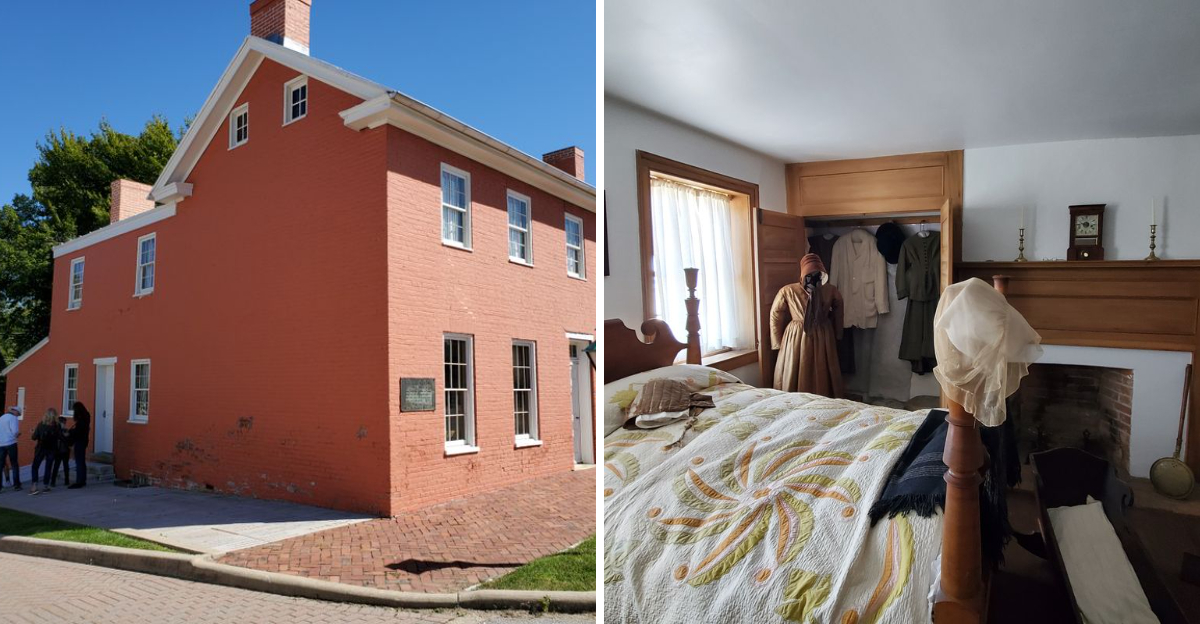
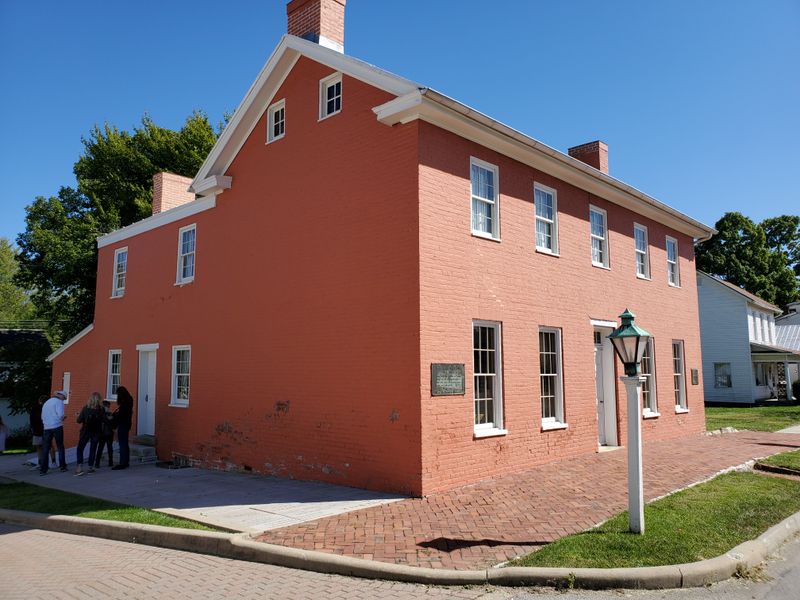
Hidden in the quiet streets of Fountain City, Indiana, stands a two-story brick home that holds secrets from one of America’s darkest periods. The Levi Coffin House looks ordinary from the outside, but its walls witnessed incredible acts of bravery and compassion.
Between the 1820s and 1847, this residence served as a key station on the Underground Railroad. It helped countless freedom seekers escape the horrors of slavery.
Levi and Catharine Coffin opened their doors to people desperately seeking liberty, risking everything to do what they believed was right. Their Quaker faith taught them that all people deserved freedom and dignity.
The couple earned Levi the nickname “President of the Underground Railroad” because of their tireless dedication. Visitors today can walk through the same rooms where freedom seekers once found safety and hope.
The house features a hidden crawl space and other clever design elements that protected those escaping to freedom. Learning about this remarkable place reminds us that ordinary people can make extraordinary differences.
The Secret Crawl Space Provided Immediate Safety
When freedom seekers arrived at the Levi Coffin House, often in the middle of the night, they needed a place to hide immediately. The secret crawl space became their first refuge from the dangers that followed them.
This concealed area was carefully designed to be difficult to detect, even during thorough searches by slave catchers who sometimes came looking for escapees.
The crawl space connected to other areas of the house through hidden passages that only the Coffin family knew about. Freedom seekers could move through these spaces without being seen from outside.
The design was so clever that even visitors to the home during daylight hours had no idea that people were hiding just feet away from them.
Catharine Coffin played a crucial role in managing these hiding spaces, making sure everyone had blankets, food, and water. She would communicate with those in hiding through quiet signals and whispered conversations.
The crawl space was not comfortable by any means, with limited headroom and no natural light, but it represented something priceless to those who used it.
For people who had traveled hundreds of miles through dangerous territory, this hidden sanctuary meant the difference between capture and continued hope. Many spent only a few hours in the crawl space before moving on to the next station.
Others needed to stay longer if slave catchers were actively searching the area.
Levi Coffin Earned the Title President of the Underground Railroad
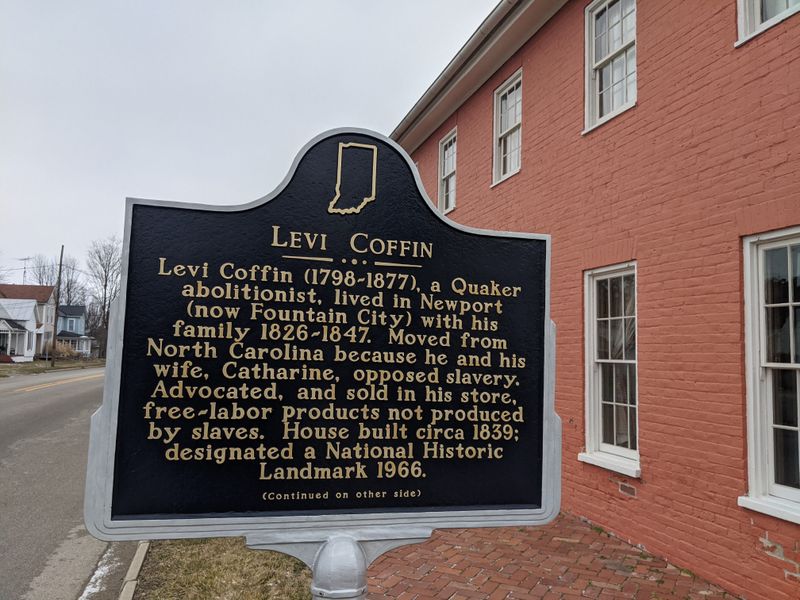
Born in North Carolina in 1798, Levi Coffin grew up witnessing the cruelties of slavery firsthand. His Quaker upbringing taught him that slavery was morally wrong and that every human being deserved freedom.
As a young man, he made a life-changing decision to dedicate himself to helping enslaved people escape, a commitment that would define his entire adult life.
When Levi and Catharine moved to Fountain City (then called Newport) in 1826, they immediately recognized the town’s strategic location. The area sat at a crossroads of several Underground Railroad routes, making it an ideal place to establish a station.
Levi began organizing a network of like-minded abolitionists throughout the region who would work together to move freedom seekers northward.
His organizational skills and unwavering dedication led others to call him the President of the Underground Railroad. This was not an official title, but rather a term of respect that recognized his leadership role.
Levi coordinated safe houses, arranged transportation, and managed the complex logistics of moving people secretly through hostile territory.
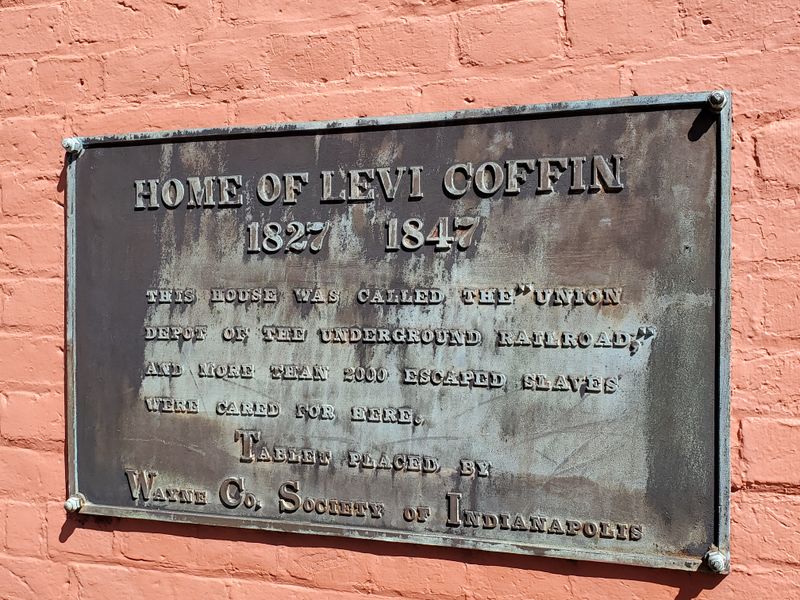
During his years in Fountain City, Levi helped approximately 2,000 people escape slavery. He kept detailed mental records of each person who passed through his home, though he wisely avoided writing anything down that could be used as evidence against him.
His work required constant vigilance, quick thinking, and absolute discretion.
Catharine Coffin Was the Unsung Hero Behind the Operations
While Levi Coffin received much of the public recognition, his wife Catharine White Coffin was equally essential to their Underground Railroad operations. She managed the day-to-day care of freedom seekers who arrived at their door, often providing the first kind words and gentle care these traumatized individuals had experienced in years.
Her compassion and organizational skills made the Coffin home a true sanctuary.
Catharine prepared meals for unexpected guests at all hours, sometimes cooking for a dozen people who arrived without warning. She mended torn clothing, tended to injuries and illnesses, and offered emotional support to people who had endured unimaginable hardships.
Many freedom seekers arrived with nothing but the clothes on their backs, and Catharine made sure they left with adequate provisions for the next leg of their journey.
She also played a strategic role in the hiding operations, knowing exactly where to place people in the crawl space and other concealed areas. When slave catchers came to the door with search warrants, Catharine remained calm and composed, never giving away any hints about who might be hiding nearby.
Her quick thinking prevented several close calls from turning into disasters.
The House Design Included Multiple Clever Hiding Features
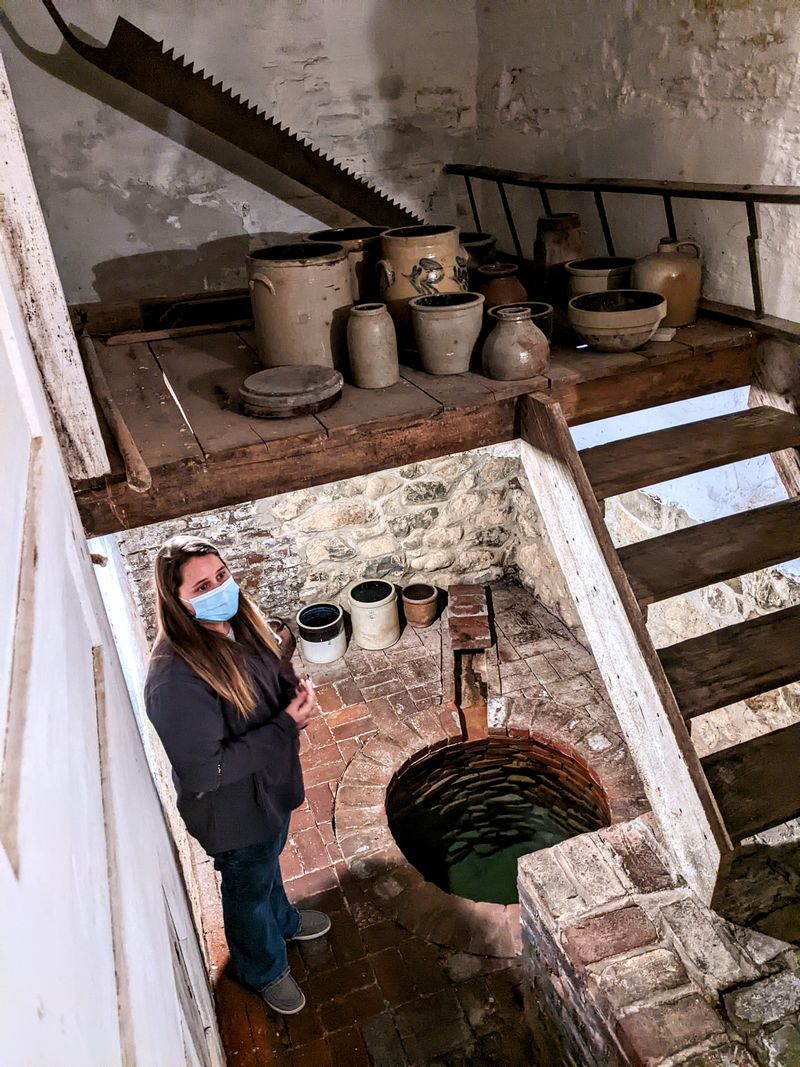
Beyond the famous crawl space, the Levi Coffin House incorporated several architectural features specifically designed to protect freedom seekers. The eight-room Federal-style brick home was built in 1839 with these secret purposes in mind.
Every element served both ordinary household functions and extraordinary humanitarian missions.
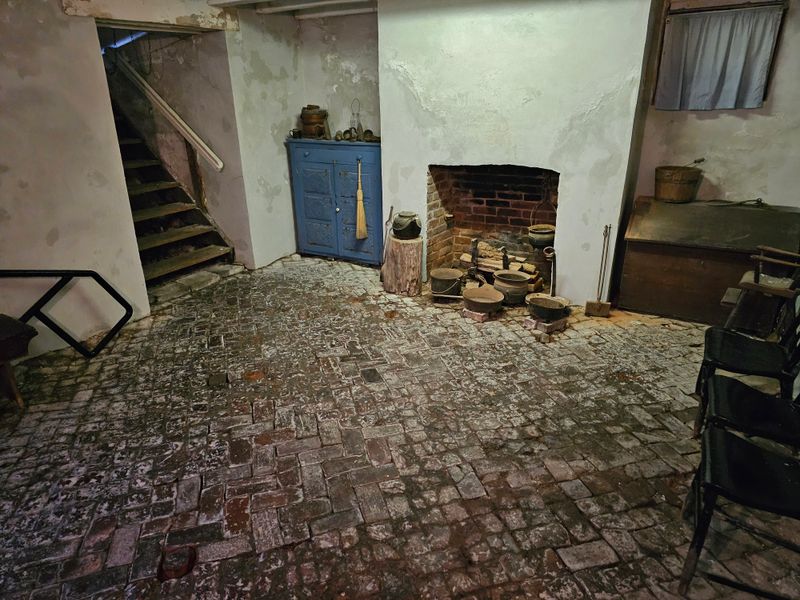
A well in the basement provided fresh water for people hiding in the house without requiring them to go outside where they might be spotted. This feature was particularly valuable during extended stays when slave catchers were actively searching the area.
The basement itself offered additional concealment options, with dark corners and storage areas that could temporarily hide individuals if unexpected visitors arrived.
The house featured multiple exits that allowed for quick escapes if the main entrance became compromised. Windows were strategically placed to provide sight lines of approaching visitors, giving the Coffins precious minutes to secure anyone hiding inside.
The attic spaces also served as temporary refuges, though they became unbearably hot during summer months.
Interior walls were thicker than necessary for a typical home, creating sound barriers that prevented conversations in hidden areas from being overheard. Floorboards were carefully constructed to minimize creaking sounds that might alert visitors to movement overhead or below.
Even the barn adjacent to the house played a role, offering additional hiding spots and a place to conceal wagons used to transport people to the next station.
The Quaker Community Provided Essential Network Support
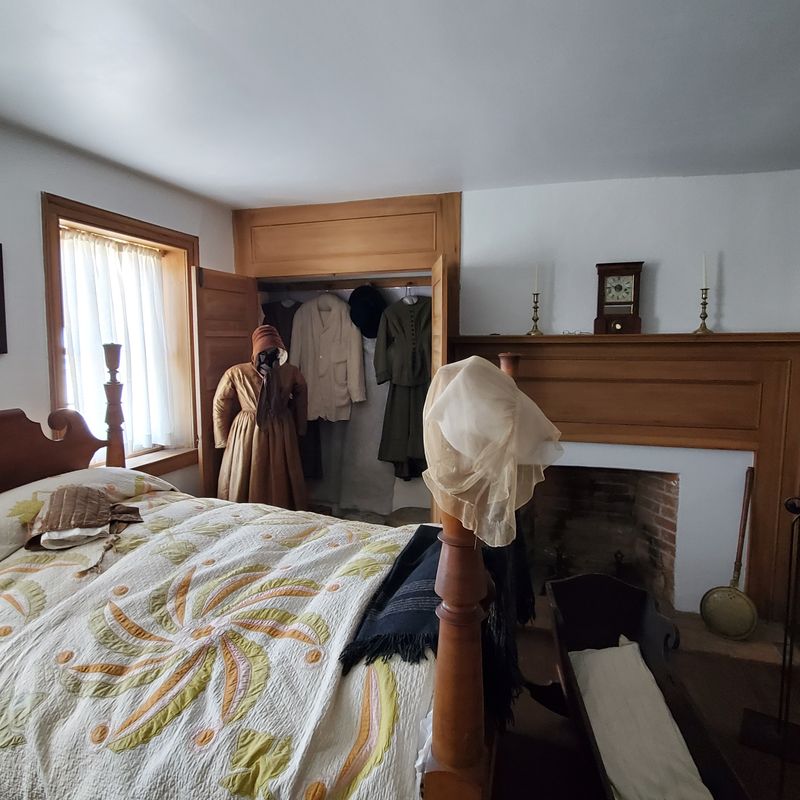
The Coffins did not work alone in their Underground Railroad operations. The entire Quaker community in Fountain City and surrounding areas participated in a coordinated network that made large-scale rescues possible.
This religious community believed deeply that slavery contradicted their faith principles, and they were willing to face legal consequences for acting on those beliefs.
Neighboring Quaker families served as additional safe houses, creating multiple options for hiding freedom seekers depending on the situation. If the Coffin house became too dangerous because of increased surveillance, people could be quickly moved to another trusted home.
This network extended throughout Wayne County and into Ohio, creating a chain of safety that guided people toward Canada.
Local Quaker merchants helped by providing supplies, clothing, and sometimes financial support for the operations. The community operated on trust and shared values, with members rarely discussing specific details even among themselves to protect everyone involved.
Coded language and subtle signals allowed them to communicate about Underground Railroad matters without arousing suspicion from outsiders.
Quaker meeting houses sometimes served as gathering points where information could be shared about safe routes and dangerous areas. The community’s commitment to nonviolence meant they relied on cleverness and planning rather than weapons to protect freedom seekers.
This approach required exceptional courage, as they faced very real threats from slave catchers and legal authorities.
Approximately 2,000 Freedom Seekers Found Safety at This Station
Over the course of their years in Fountain City, Levi and Catharine Coffin provided refuge to an estimated 2,000 people escaping slavery. This staggering number represents individual human beings, each with their own story of courage and determination.
Some arrived alone, while others came in family groups desperate to stay together despite the overwhelming odds against them.
The freedom seekers who reached the Coffin house had already traveled incredible distances, often walking hundreds of miles through dangerous territory. They followed the North Star, relied on coded directions from other stations, and trusted strangers with their lives.
By the time they knocked on the Coffin’s door, many were exhausted, hungry, and suffering from injuries or illness.
Each person who passed through represented a unique journey of heartbreak and hope. Mothers carried children on their backs, elderly individuals pushed beyond what seemed physically possible, and young people left behind everything familiar to claim their right to freedom.
The Coffins heard countless stories of families torn apart by slavery, brutal working conditions, and the constant fear of violence.
Not everyone who started the journey northward made it to the Coffin house. Some were captured and returned to slavery, facing terrible punishments for their escape attempts.
Those who did reach this station knew they still faced many miles before reaching true safety in Canada, where slavery was illegal and fugitive slave laws could not reach them.
The number 2,000 represents more than statistics. It means 2,000 times that Levi and Catharine chose to risk their own safety for others.
It means thousands of meals prepared, thousands of prayers offered, and thousands of moments when ordinary people became heroes by simply doing what they believed was right.
The Historic Site Welcomes Visitors to Learn This Important History
Today, the Levi and Catharine Coffin State Historic Site at 201 US-27 in Fountain City preserves this remarkable place for future generations. The site operates as a museum with a modern interpretive center that provides context before visitors tour the actual historic home.
Open Wednesday through Sunday from 10 AM to 5 PM, the site offers guided tours led by knowledgeable staff who bring the stories to life.
Visitors consistently praise the tour guides for their informative presentations and engaging storytelling abilities. The tours typically begin with a short video that introduces the Coffin family and the Underground Railroad’s history in Indiana.
Then guides lead small groups through the house, explaining how each room functioned in both daily family life and secret rescue operations.
The interpretive center features exhibits, photographs, and artifacts that help visitors understand the broader context of slavery, abolition, and the Underground Railroad network. Interactive displays make the history accessible to visitors of all ages, including school groups that regularly visit for educational field trips.
The site has earned a 4.7-star rating from 271 reviews, with visitors frequently mentioning how moving and educational the experience proved to be.
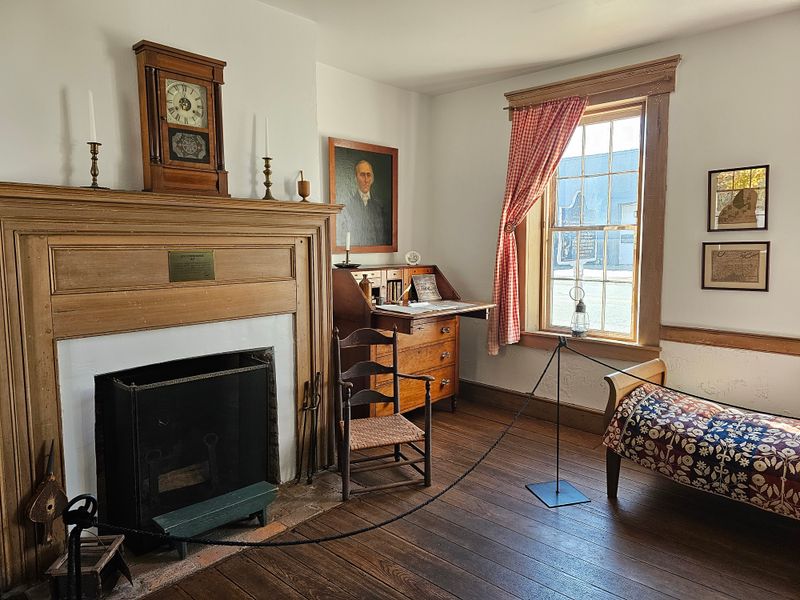
Walking through the actual rooms where freedom seekers found safety creates a powerful emotional connection to this history. Standing in the crawl space or seeing the basement well brings the stories from abstract history to tangible reality.
Many visitors report leaving with a deeper appreciation for the courage required from both the freedom seekers and those who helped them.
Dear Reader: This page may contain affiliate links which may earn a commission if you click through and make a purchase. Our independent journalism is not influenced by any advertiser or commercial initiative unless it is clearly marked as sponsored content. As travel products change, please be sure to reconfirm all details and stay up to date with current events to ensure a safe and successful trip.
