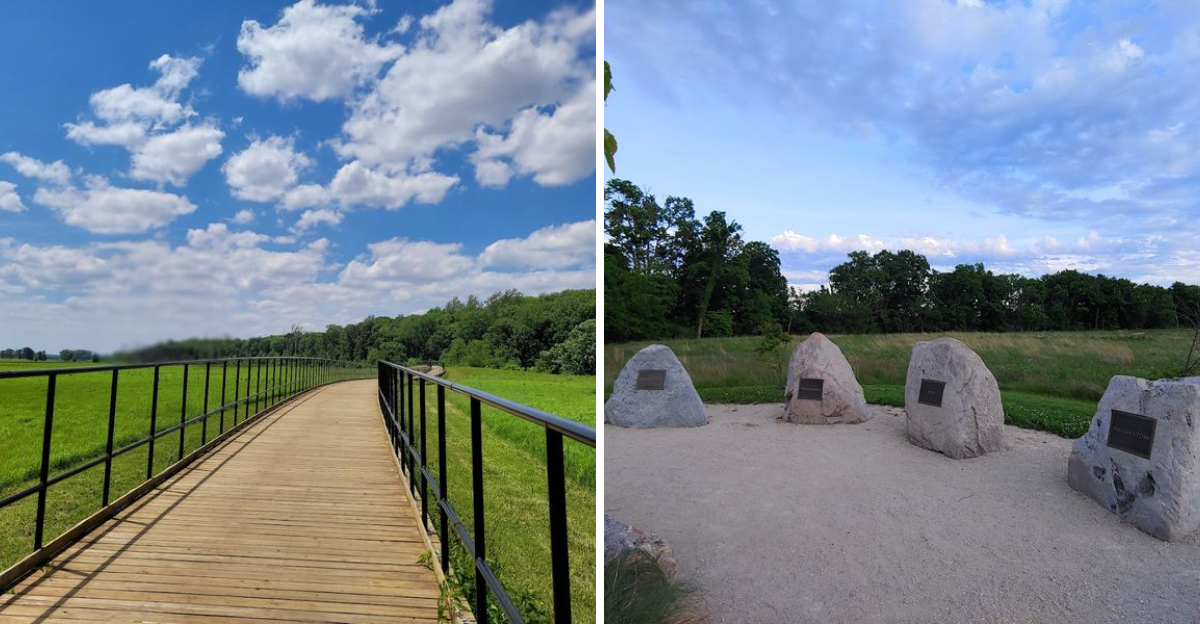
Something about this place keeps pulling me back. Set near Battle Ground in northern Indiana, where two major rivers quietly merge, this park sits in a wide stretch of restored prairie and floodplain that feels unusually still for the region.
The Wetland Loop winds through open grassland, shallow marshes, and newly rebuilt habitat where waterfowl, deer, and countless smaller species drift in and out of view. Wide skies stretch over long, easy paths that follow the river edges and slip through pockets of forest and meadow.
It is the kind of place where you can walk for a while without seeing anyone, just wind through reeds and soft ground underfoot, with calm water nearby and birds calling from all directions.
The Scenic Wetland Loop Trail Itself
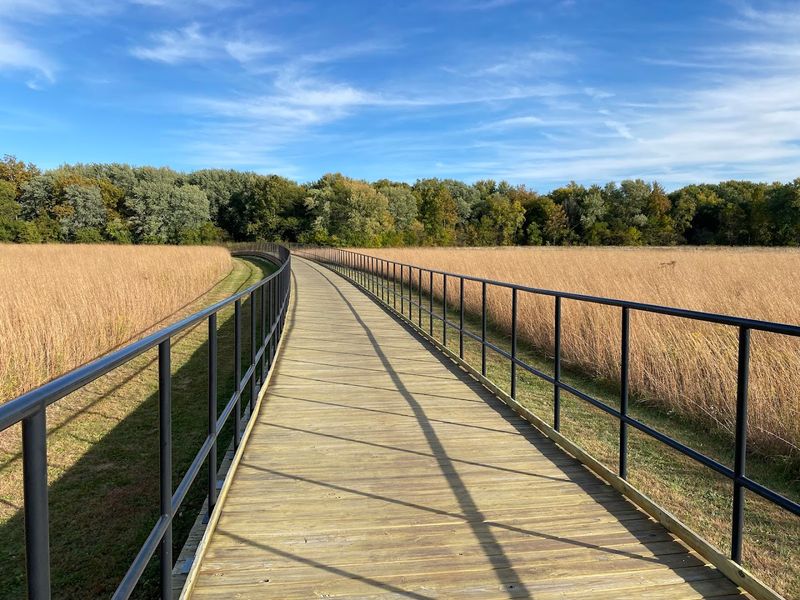
Few trails in Indiana combine this much variety into such a manageable distance. The Wetland Loop at Prophetstown State Park stretches about 2.25 miles and takes walkers through a former Christmas tree plantation, open tallgrass prairie, and a fen, which is a rare type of wetland fed by groundwater.
That combination alone makes this trail worth the drive from anywhere in the Lafayette area.
The path stays mostly flat and well-maintained, so you do not need to be an experienced hiker to enjoy it. Families with younger kids, older adults, and casual walkers all find the trail comfortable and rewarding.
The boardwalk sections over the wetland areas give you a close-up look at the water without getting your feet wet.
Morning visits tend to offer the clearest skies and the most active wildlife. The trail feels different in each season, from the green burst of late spring to the golden sweep of autumn prairie grass.
I always find something new to notice no matter how many times I walk it. The loop connects naturally with the rest of the park, so you can easily extend your outing after finishing the wetland section.
This trail is the kind of quiet Indiana gem that deserves far more attention than it gets.
Calm, Reflective Water Views Along the Path
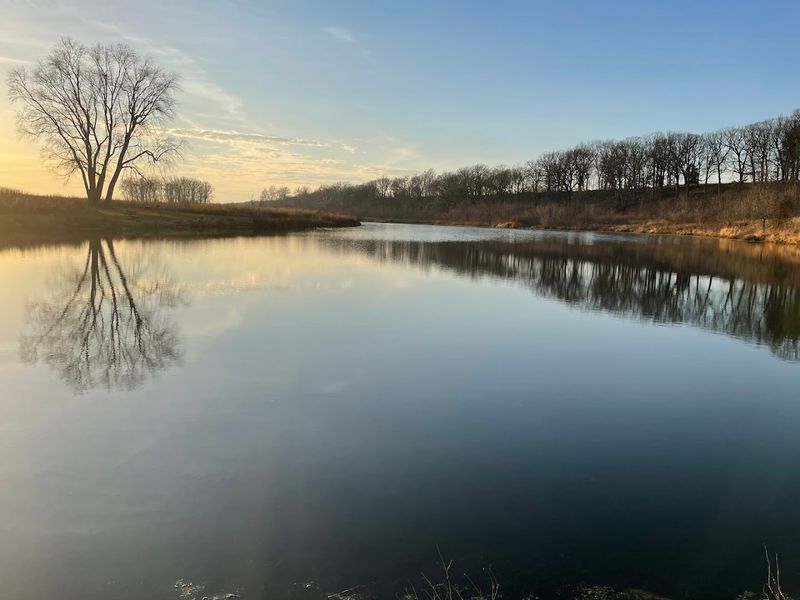
Water has a way of slowing everything down, and the wetland sections of this loop do exactly that. The still, glassy surfaces along the trail reflect the sky in a way that feels almost like a painting.
On calm mornings, the water barely moves, and you can stand on the boardwalk for several minutes just watching the reflections shift.
This is not a rushing river or a noisy waterfall. The wetland here is quiet and steady, fed by groundwater seeping up through the fen.
That kind of water draws in a very specific crowd of wildlife, including herons, frogs, turtles, and a surprising variety of dragonflies during the warmer months. Watching a great blue heron stand motionless at the water’s edge is one of those moments that genuinely stops you in your tracks.
The fen habitat is rare in Indiana, and most visitors do not realize how special it is until someone points it out. Groundwater-fed wetlands like this one support plant species that cannot survive in other environments.
The water stays cool even in summer, which keeps the ecosystem functioning in ways that surface-water wetlands cannot match. If you are looking for a peaceful, photogenic spot near West Lafayette that does not require a long drive, the calm water along this loop delivers every single time.
Easy, Accessible Paths for All Skill Levels
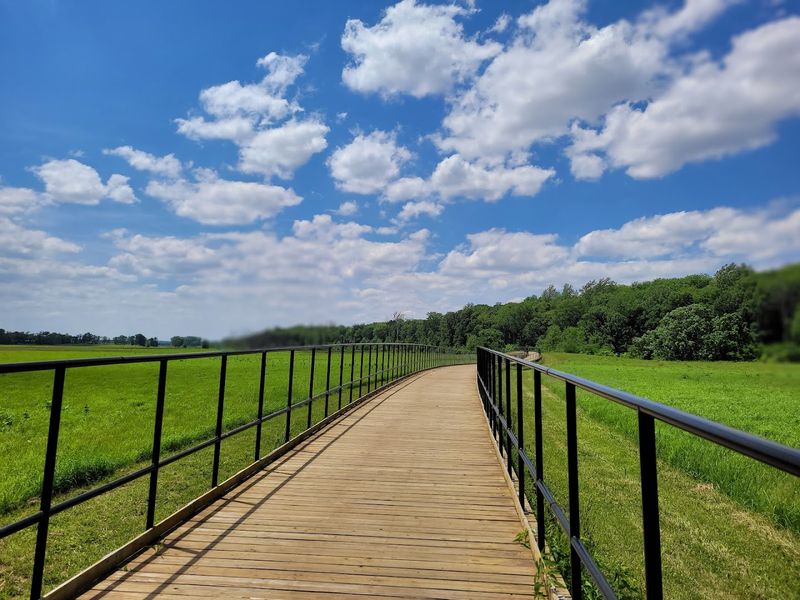
Not every great trail has to be a challenge. The Wetland Loop at Prophetstown was designed with accessibility in mind, and that shows in every section of the path.
The terrain stays level, the surface is consistent, and there are no steep climbs or technical sections that would discourage beginners or visitors with limited mobility.
Families with strollers have used this trail. Older visitors who want a relaxing walk without worrying about uneven ground find it comfortable.
Even kids who might normally complain about hiking tend to stay engaged here because the scenery changes frequently enough to hold their attention. The prairie opens up, then the path dips toward the wetland, then the boardwalk takes you over the water.
The park itself, located at 5545 Swisher Road, West Lafayette, IN 47906, keeps the trails well-maintained throughout the season. Restrooms and water fountains are available nearby, which matters more than people admit when planning a family outing.
The overall layout of the park means you can combine the Wetland Loop with a picnic, a visit to the working farm, or a stop at the aquatic center, all without feeling rushed. Accessible outdoor spaces like this one are genuinely valuable, and Prophetstown delivers that experience without making anyone feel like they have to earn it first.
Consistent and Rewarding Wildlife Sightings
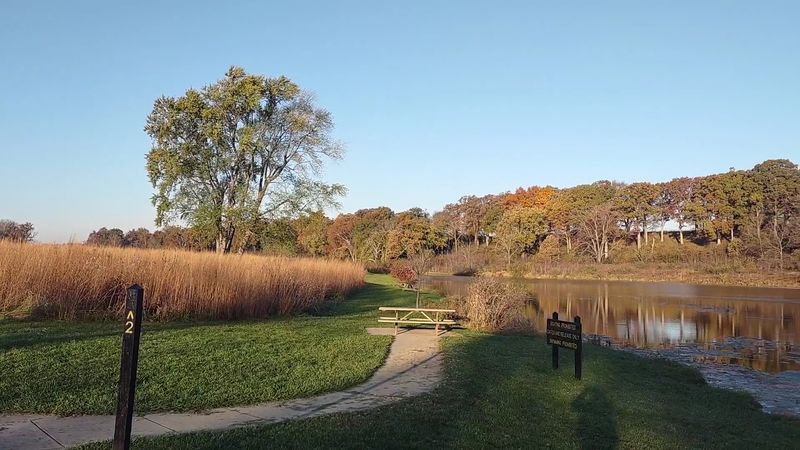
Birdwatchers talk about Prophetstown with a kind of quiet enthusiasm that tells you everything. The park has recorded over 180 bird species, and the Wetland Loop puts you right in the middle of the best habitat.
The Henslow’s Sparrow, a rare and secretive grassland bird, has been spotted here, which draws serious birders from across Indiana and beyond.
Wildlife sightings on this trail are not just occasional surprises. They are consistent enough that you can plan around them.
Great blue herons work the wetland edges almost every morning. Red-winged blackbirds call from the cattails throughout spring and summer.
White-tailed deer appear near the prairie sections at dawn and dusk with enough regularity that you start to expect them.
What makes the wildlife here feel different from other parks is the habitat diversity packed into a short loop. The fen, the prairie, and the former plantation remnants each attract different species, so your sightings change as you walk.
Dragonflies patrol the boardwalk sections in summer. Turtles sun themselves on any available log near the water.
Even on an average weekday morning, you are unlikely to walk the full loop without seeing something worth stopping for. For anyone who wants reliable nature encounters without deep wilderness experience, this trail delivers exactly that kind of honest, unhurried reward.
Rich Native Prairie and Fen Habitat Restoration
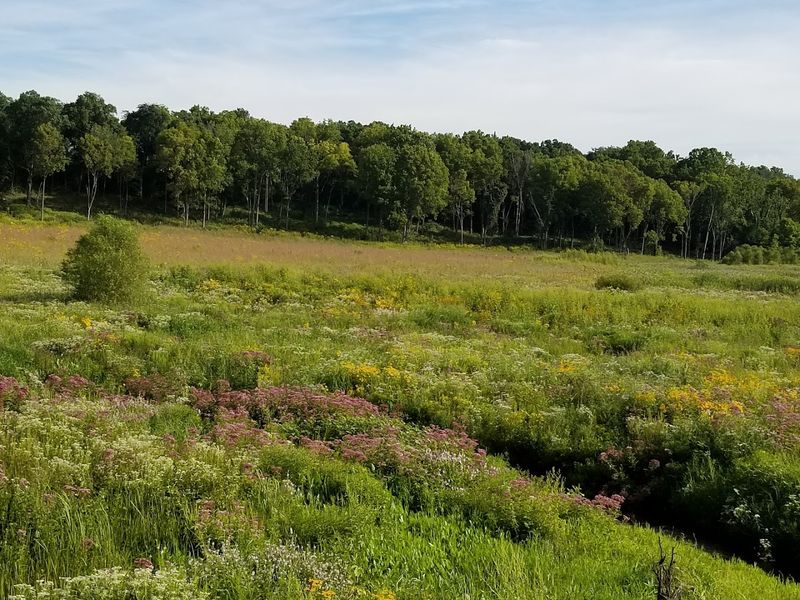
There is something genuinely moving about walking through a restored prairie. The tallgrass at Prophetstown stands tall enough in summer to make you feel surrounded by it, and the native wildflowers scattered throughout bloom in waves from spring through fall.
This is not a manicured garden. It is a working ecosystem that took years of careful restoration to bring back.
The fen adds another layer of ecological significance. Fens are among the rarest wetland types in the Midwest, and the one along this loop supports plant species that grow almost nowhere else in the region.
Carnivorous plants, sedges, and specialized mosses thrive in the cool, mineral-rich groundwater that feeds the fen. Most visitors walk right past without knowing what they are looking at, which is part of what makes the interpretive signage along the trail so valuable.
Indiana lost most of its native prairie to agriculture over the past two centuries. Seeing a restored stretch of it here, with the grasses bending in the wind and the insects moving through the blooms, feels like watching something come back to life.
The park staff and volunteers have put real effort into this restoration, and the results speak clearly to anyone who takes the time to look. Walking through this habitat gives the Wetland Loop a depth that goes well beyond a simple nature stroll.
Deep Historical Significance of the Land
The ground beneath your feet on this trail carries centuries of history. Prophetstown was the name of a real Native American village established around 1808 by Shawnee leaders Tecumseh and his brother Tenskwatawa, also known as the Prophet.
The village stood near the confluence of the Tippecanoe and Wabash Rivers and became a gathering point for Indigenous peoples resisting the loss of their lands.
Walking the Wetland Loop puts you in a landscape that those communities knew intimately. The wetlands, prairies, and river corridors were not just scenery.
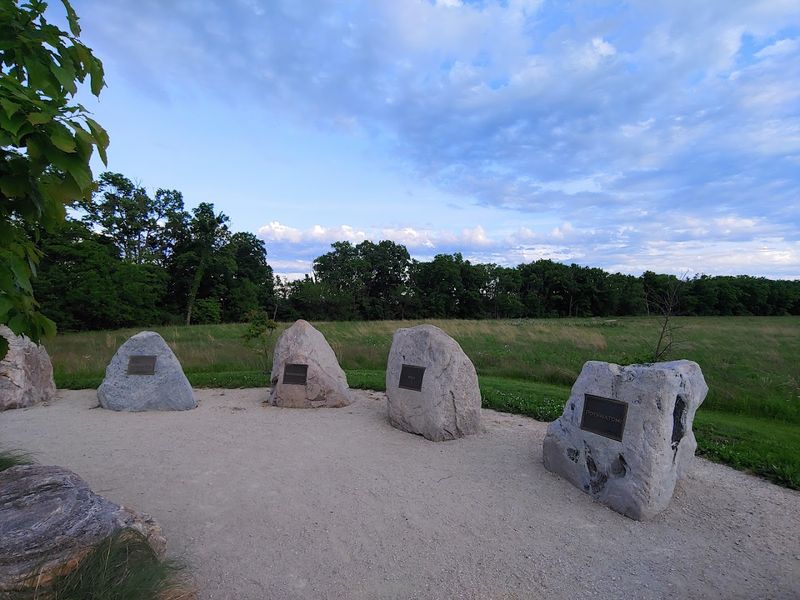
They were food sources, travel routes, and spiritual places. The park honors that history through interpretive programs, reconstructed village structures, and stone memorials representing the Native American tribes connected to this region.
The Valley Walk within the park features stones representing each tribe, which is one of the more quietly powerful memorials I have encountered at any Indiana state park. History feels different when you are standing in the actual place where it happened rather than reading about it behind glass.
Prophetstown gives visitors that kind of grounded, place-based understanding of the past. For students, families, or anyone curious about Indiana’s Indigenous history, the combination of the natural trail and the historical context makes this park unlike anything else in the West Lafayette region.
The land itself is the exhibit.
Nearby Attractions That Round Out the Visit
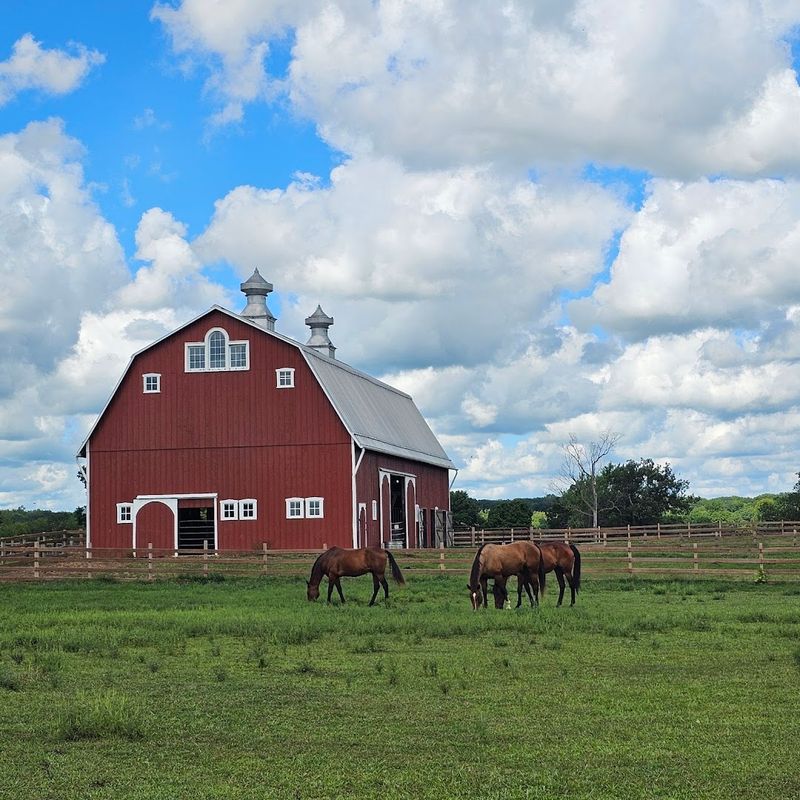
Prophetstown State Park is generous with what it offers beyond the Wetland Loop itself. The working farm on the property operates with a 1920s theme and lets visitors see horses, cows, pigs, chickens, and ducks up close.
It is the kind of hands-on agricultural experience that kids in a college town like West Lafayette rarely get, and it pairs naturally with a morning on the trail.
The aquatic center adds a seasonal option that transforms a trail day into a full family outing. There is also a visitors center with taxidermy displays, live animals, and educational materials that help put the park’s natural history in context.
Picnic shelters, playgrounds, and basketball courts give everyone in the group something to look forward to after the hike.
When you are ready to explore beyond the park, the West Lafayette area has plenty to offer. Wildcat Canoe and Kayak operates float trips in the region for those who want to get on the water rather than just look at it.
The city of West Lafayette itself, home to Purdue University, has a lively food scene along State Street and Chauncey Hill. The Greater Lafayette Museum of Art at 102 S 10th St, Lafayette, IN 47901, offers a quieter cultural stop after a morning outdoors.
Prophetstown sits at the center of a region that rewards the curious traveler at every turn.
