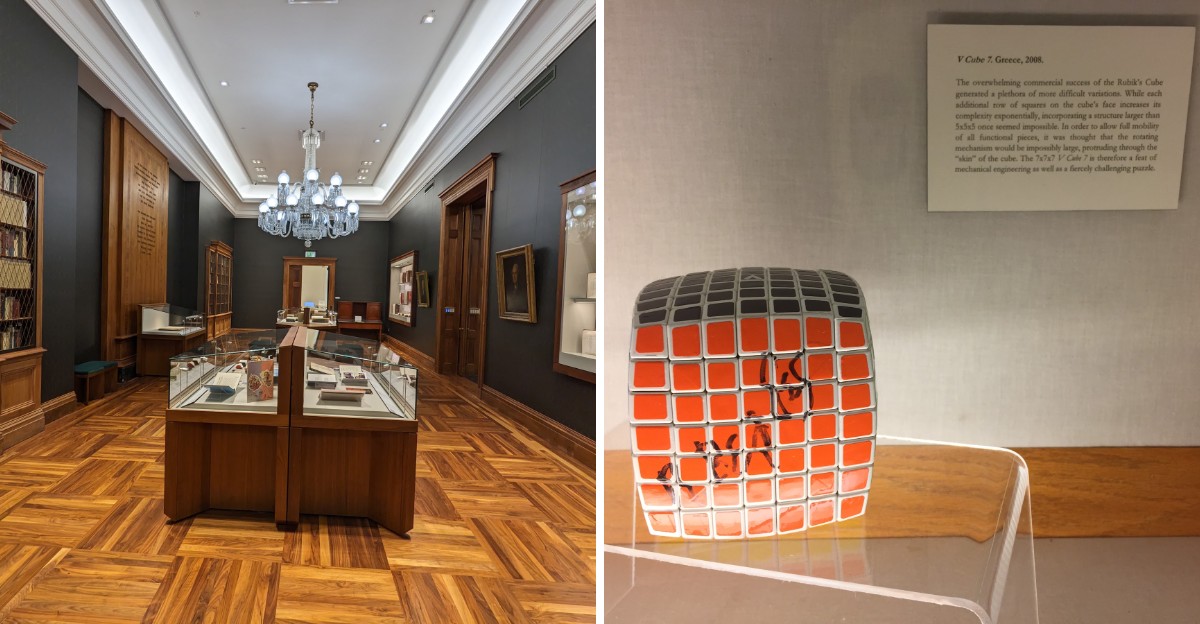
More than 30,000 mechanical puzzles live inside one Indiana library. That is the largest collection of its kind on the planet.
And yes, some of them are sitting out for you to grab and twist.
I love that nobody makes you register first. You just pick up a puzzle and start fumbling.
A helpful booklet offers goals and hints when your pride starts to wobble.
The same building also guards a Gutenberg Bible and the original Peter Pan manuscript. It even keeps two real Oscar statues.
I can’t imagine a stranger, smarter mix under one limestone roof.
Admission costs nothing, and you don’t need a student ID. So the real question is simple.
How long can you stare at a wooden puzzle before admitting it won this round?
The World’s Biggest Puzzle Stash Lives Here, And It Is Staggering
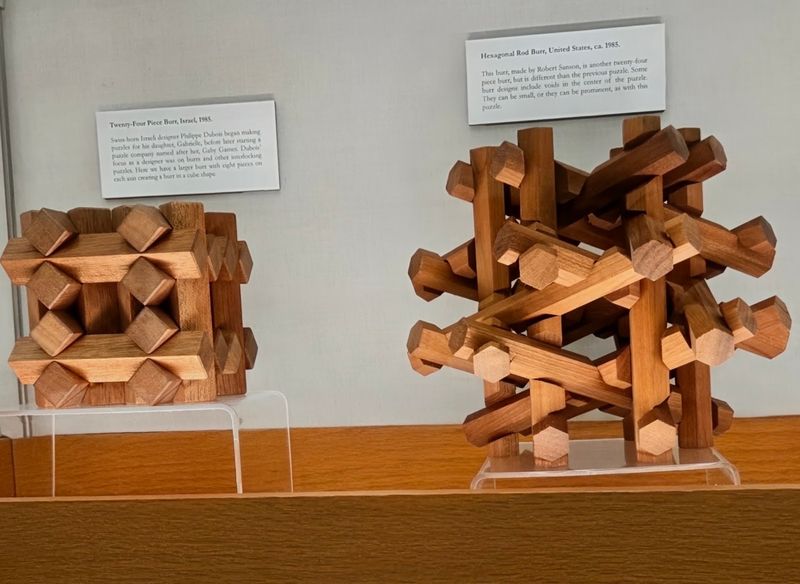
Some people collect stamps. Jerry Slocum, a Chicago-area native, collected more than 30,000 mechanical puzzles and then handed them over to The Lilly Library at Indiana University Bloomington.
His gift began in 2006, and it changed the puzzle world. It marked the first time a puzzle collection this large landed in an academic setting.
The Jerry Slocum Mechanical Puzzle Collection is considered the largest of its kind anywhere. Some counts now put it above 34,000 pieces.
It also includes thousands of puzzle-related books, roughly 4,000 to 5,000 volumes.
So what counts as a mechanical puzzle? It’s a hand-held object you solve by moving, twisting, sliding, or taking it apart.
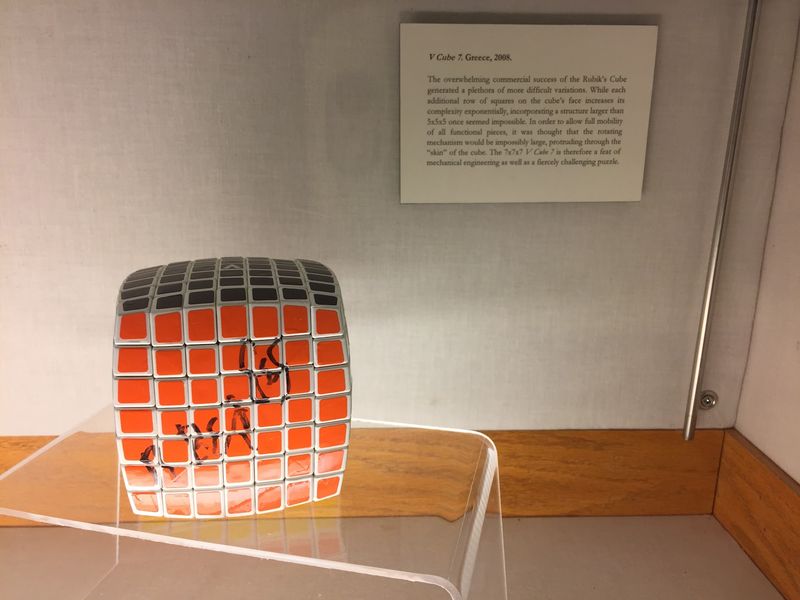
Think Rubik’s Cubes and tangrams, not jigsaws or crosswords.
Then there are the sneaky ones called impossible puzzles. You don’t solve them by moving anything.
Instead, you try to figure out how on earth somebody built them.
July 2026 marked 20 years since that first big donation arrived. That’s two decades of brains getting gently scrambled in Indiana.
Honestly, it feels like a milestone worth celebrating with a very confusing wooden box.
Before you visit, browse the full collection through its online database. It’s a fun way to pick favorites ahead of time.
Go Ahead, Pick One Up And Let It Humble You
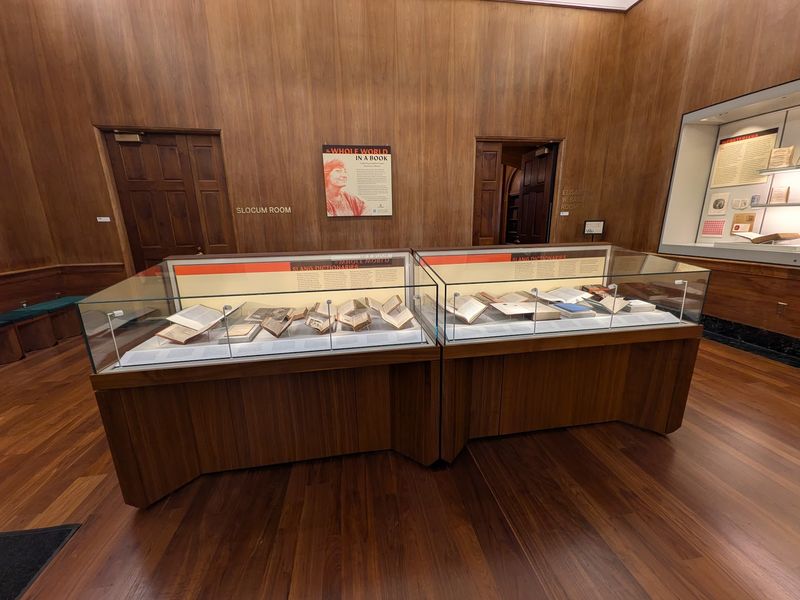
Hands-on puzzles wait in the Slocum Room, and nobody asks you to sign anything first. You walk up, choose a puzzle, and begin the slow process of questioning your own intelligence.
A booklet sits ready to help. It explains each puzzle’s goal, gives instructions, and offers hints when things get desperate.
My advice is simple. Try going hint-free for the first few minutes, then peek without shame.
Nobody hands out medals for suffering.
The puzzles aren’t just toys, either. The collection’s curator uses them in classes, including cognitive science courses.
They help show how problem-solving connects to real academic topics about the mind.
That gives your struggle a fancy new label. You’re not stuck, you’re conducting research on spatial reasoning.
Feel free to say that out loud.
Families with puzzle-loving kids should plan extra time here. A tricky piece can keep a curious mind busy while the adults wander the galleries.
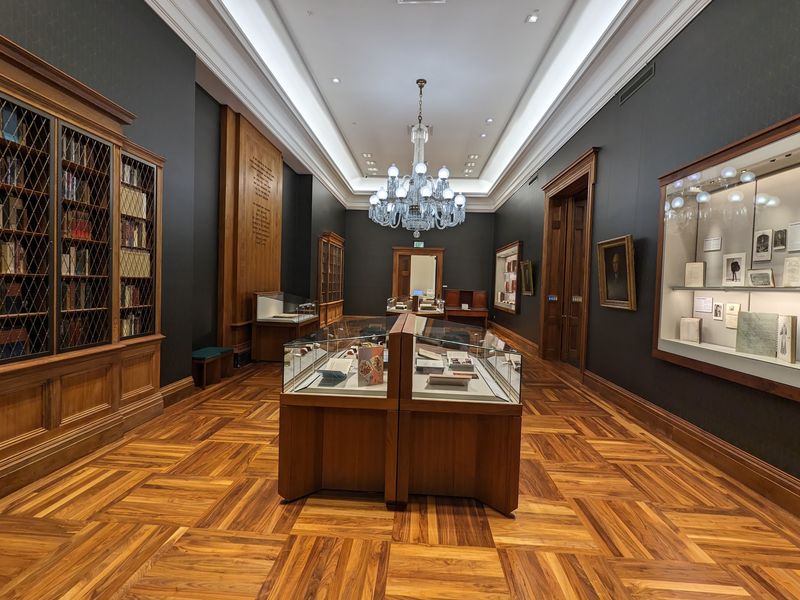
Around 400 puzzles from the collection are on display. Spend a minute studying the ones behind glass before tackling the hands-on set.
You might spot a design trick that saves you.
Or you might not. Either way, it’s a great story.
A Free Weekly Puzzle Tour Explains What You Just Failed To Solve
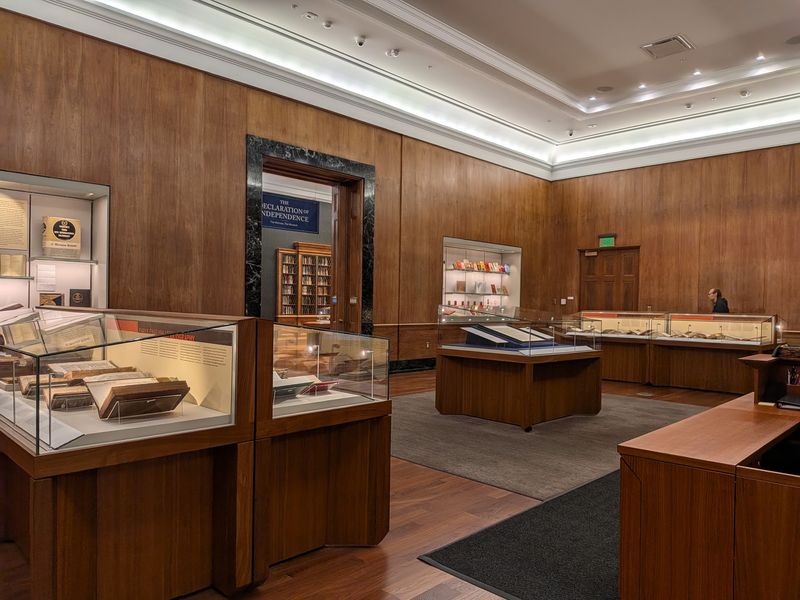
Free weekly puzzle tours are part of the fun at The Lilly Library. That means someone who truly understands these objects can walk you through them.
It’s a smart move if you’re new to mechanical puzzles. The variety can feel overwhelming at first, with thousands of shapes, materials, and clever designs.
A guide helps you see the bigger picture. You’ll get context for why certain puzzles matter and how the collection grew into a world-class resource.
I like the idea of taking the tour first and attempting puzzles second. You’ll head into the Slocum Room with a few tricks rattling around in your head.
Of course, you could do the opposite. Struggle first, then let the tour explain everything you missed.
It’s humbling but very satisfying.
The Lilly Library also runs general guided tours every Friday. Those cover the main galleries, classrooms, the Reading Room murals, and current exhibitions.
Non-flash photography is allowed on tours. So bring your phone and snap the puzzles that defeated you.
Evidence is important when you brag later about almost solving one.
Check the schedule before your trip, since tour times can change. Then plan your visit around the one that fits best.
Puzzles Share The Building With A Gutenberg Bible, Seriously
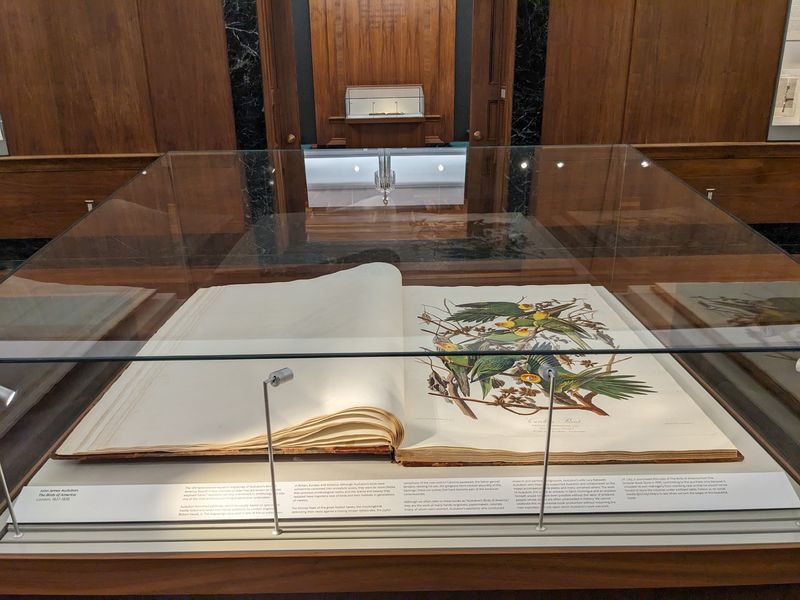
Few buildings can say they keep a Rubik’s Cube and a Gutenberg Bible under the same roof. The Lilly Library pulls it off without blinking.
The Gutenberg Bible is part of the permanent exhibits. It’s one of the earliest major books printed with movable type, and seeing it in person feels almost unreal.
Nearby treasures keep the jaw-drop streak going. The library holds the first printed edition of The Canterbury Tales and the First Folio of Shakespeare’s works.
Then there’s John James Audubon’s Birds of America. Those prints are also on permanent display, showing birds in rich, careful detail that still impresses today.
Bookish visitors might need a moment here. Even folks who only came for puzzles tend to find themselves leaning closer to the glass.
Here’s a friendly tip. Pace yourself between the puzzle displays and these historic pieces.
Your brain will appreciate switching from twisting metal to reading centuries-old pages.
The mix is what makes this place so fun. One minute you’re decoding a wooden box.
The next, you’re staring at printing history that shaped the way the world shares ideas.
That kind of whiplash is the good kind.
Peter Pan, Two Oscars, And Washington’s Big Yes
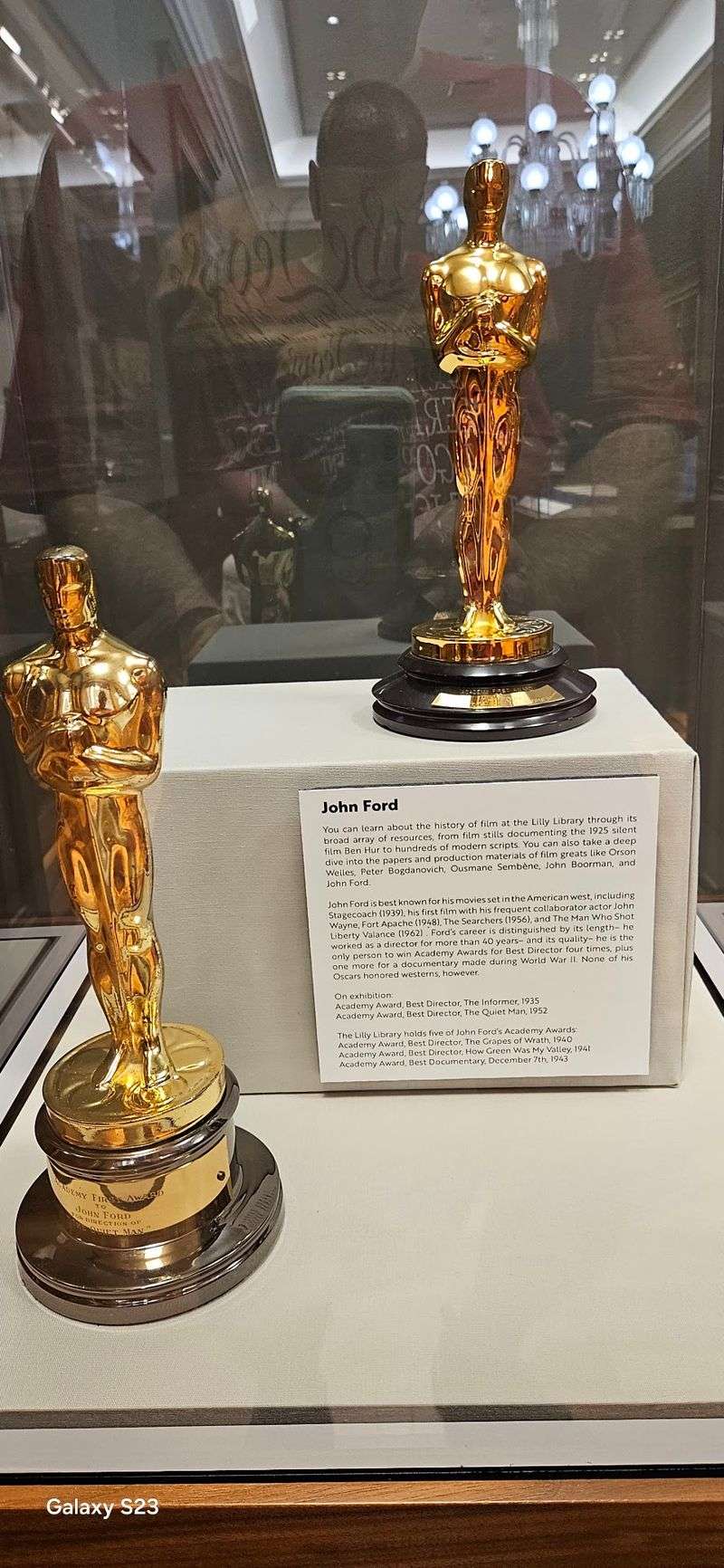
Two Oscar statues live here. And yes, they’ve become a popular selfie stop, which might be the most fun thing a rare books library has ever allowed.
The surprises don’t stop with Hollywood. The Lilly Library holds the original manuscript of J.M.
Barrie’s Peter Pan, the story about a boy who refuses to grow up.
History fans get plenty to cheer about, too. George Washington’s letter accepting the presidency is in the collection, along with Thomas Jefferson’s personal copy of the first printing of the Bill of Rights.
An early printed copy of The Star Spangled Banner is here as well. So is Queen Elizabeth I’s Great Seal, which feels wonderfully royal for a building in Indiana.
Then there’s the Boxer Codex. This 16th-century manuscript shows people of the Philippines and the Far East in colorful detail.
Not every item is out at once, since exhibits rotate. Still, knowing what lives in the vaults makes each visit feel like a treasure hunt.
The overall holdings are huge. Think around 450,000 books and 8.5 million manuscript items.
That’s a lot of stories waiting for curious readers.
Comic Books And Tiny Books Bring The Playful Side
Sixty thousand comic books. That number alone should make any superhero fan sit up a little straighter.
The Lilly Library isn’t all serious leather bindings and ancient ink. It also keeps around 16,000 miniature books, some small enough to make you squint.
Those little books get their own spotlight right now. The exhibition Micro-Mythologies: An exhibition of miniature books runs from March 23, 2026, through May 31, 2027.
I love how tiny books and mechanical puzzles share a similar charm. Both reward patience, close looking, and a bit of wonder at human cleverness.
Music lovers have a corner here as well. The library holds well over 100,000 pieces of sheet music, plus strong collections in popular music.
Food and drink history is another strength, along with children’s literature and fine printing. So the range covers far more than most people expect from one building.
Kids especially might enjoy this side of the library. Miniature books feel almost magical, and comics speak a language young readers already know.
Plan to slow down near the miniature display. Rushing past means missing details that are, quite literally, very small.
Fireplaces, Murals, And A Former Shelter Make The Building A Star
Three working fireplaces sit inside this library. You’ll find them in the Ellison, Ball, and Lilly Rooms, giving those spaces a warm, old-world feel.
The building itself is a handsome limestone structure. It was dedicated on October 3, 1960, and limestone fits perfectly in Indiana, a state famous for the stone.
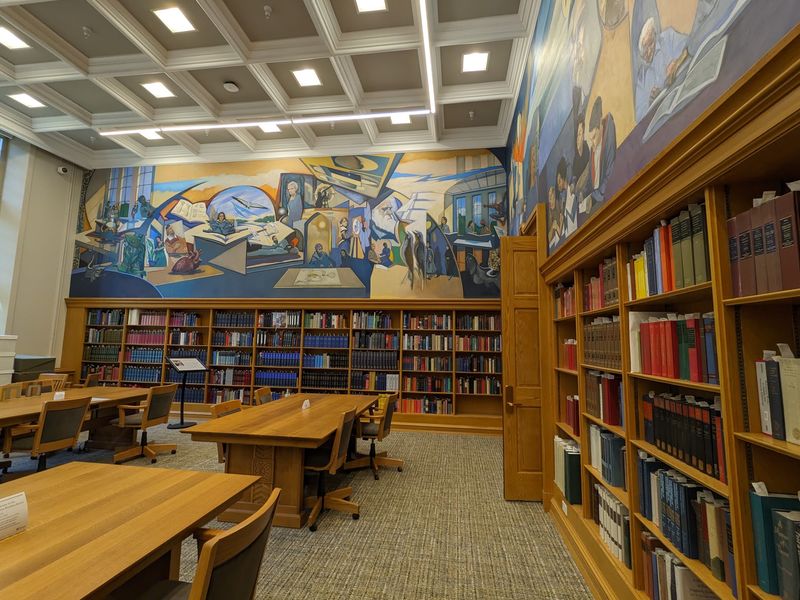
Inside, the Reading Room has stunning murals by artist Ralph Gilbert. The Friday tours include them, so you can learn their story while you look.
Here’s a quirky detail. A vault on the first floor once served as a Civil Defense shelter, which adds a dash of mid-century history to the walls.
The building got a major renovation from 2019 to 2021. It reopened in July 2021 with fresh spaces for exhibits and research.
Researchers use the Reading Room by appointment. It’s a closed-stack library, so items stay inside and visitors view them on-site.
That system protects fragile pieces for future generations. Honestly, it’s a fair trade for getting so close to history.
The building is wheelchair accessible, too. That makes it easier for more people to enjoy every room, fireplace, and painted wall.
An Oil Fortune Heir? Nope, A Medicine Fortune Built This
Josiah Kirby Lilly Jr. had an impressive hobby. He gathered more than 20,000 rare books and 17,000 manuscripts, then gave them to Indiana University between 1954 and 1957.
J.K. Lilly Jr. was heir to the Eli Lilly and Company pharmaceutical fortune.
Instead of keeping his treasures private, he shared them with students and the public.
Indiana University President Herman B. Wells saw how important the gift was.
He pushed for a dedicated, freestanding library to give the collection a proper home.
That vision became The Lilly Library, established in 1960. Over the decades, it grew into the university’s main rare books, manuscripts, and special collections library.
Scholars from around the world respect it today. Its collections shine in British and American history, Latin Americana, medicine and science, and medieval and Renaissance manuscripts.
I find this origin story genuinely heartwarming. One collector’s generosity sparked a place where anyone can see history up close.
And then, decades later, Jerry Slocum’s puzzles arrived. Two very different collectors ended up adding wonder to the same building.
Not bad for a library many folks walk right past on campus.
Free Entry, Easy Hours, And An Art Museum Next Door
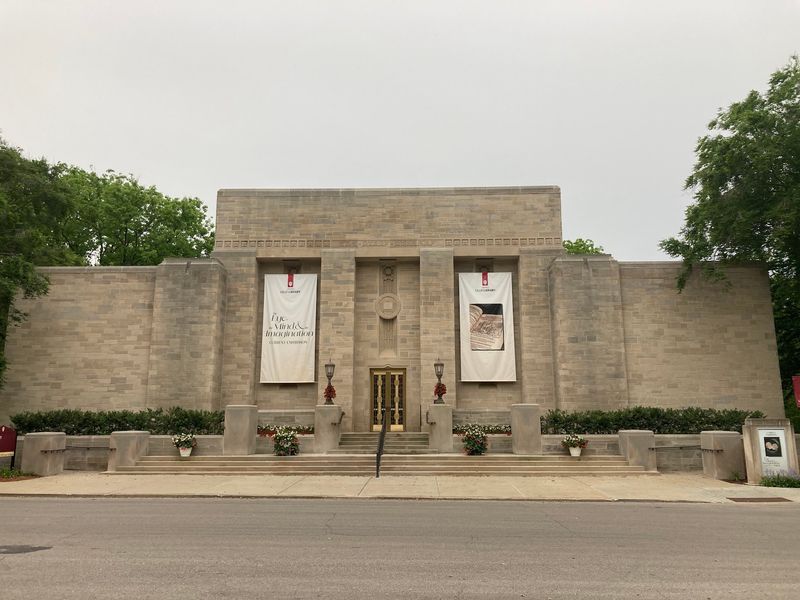
Admission is free, and that might be the best puzzle answer in the whole building. You don’t need any Indiana University connection to visit, either.
The Lilly Library sits at 1200 E 7th St, Bloomington, IN 47405. It’s part of IU’s Fine Arts Plaza, right alongside the Indiana University Auditorium and the Eskenazi Museum of Art.
That setup makes for an easy culture-packed afternoon. Start with puzzles, explore the galleries, then stroll over to see some art.
Hours run 9:30 AM to 5:30 PM Monday through Thursday. Friday closes at 5 PM, Saturday at 4 PM, and Sunday the doors stay shut.
Timing matters if you want a Friday tour. Arriving early gives you breathing room for galleries, puzzles, and that Oscar selfie.
Current exhibits are worth checking before you go. The Declaration of Independence: The Motives, The Moment runs through December 12, 2026, alongside The Signers.
Exhibits change throughout the year, so every visit can feel a little different. That’s a great excuse to come back to Indiana again.
Bring patience, curiosity, and maybe a friend who’s good at puzzles. Someone needs to finish the one you abandon.
