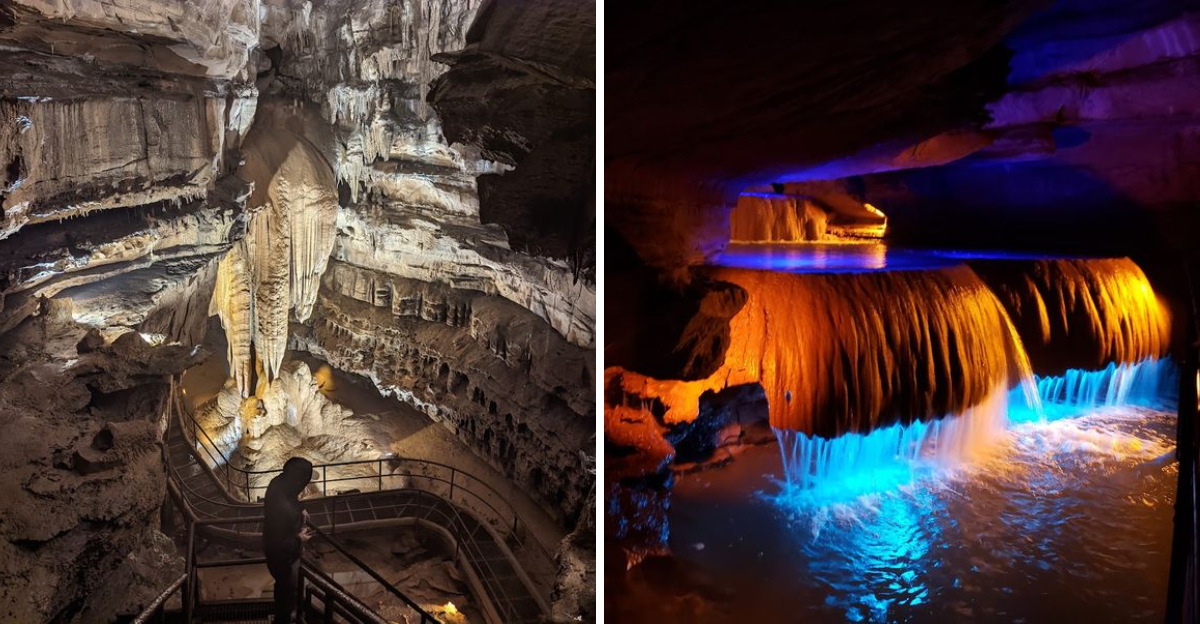
I still remember the first time I heard about it from a neighbor who grew up in that part of southern Indiana. She described it the way people talk about a favorite book, like it had quietly shifted something in her perspective.
Tucked into the rolling hills and a bit off the main routes, it feels like one of those places you only find if someone points you in the right direction. What you discover once you arrive, and especially once you head underground, is genuinely hard to put into words.
There is a sense of scale and age that hits you almost immediately, from the echo of rushing water to the intricate limestone formations that have been shaping themselves for thousands of years. And it doesn’t stop at the caverns.
The surrounding grounds add another layer, with a small pioneer-style village and a working grist mill that make the whole experience feel immersive rather than just a quick stop. It is one of those rare places that fully lives up to the excitement people bring to it.
Rich Historical Significance Rooted in the Boone Legacy
Not many places in Indiana let you stand next to a piece of genuine American frontier history. Squire Boone Caverns was discovered in 1790 by Squire Boone and his more famous brother, Daniel Boone, while they were exploring the rugged landscape of southern Indiana.
That alone is enough to make any history lover pay attention.
Squire Boone was so moved by the cave that he returned later in life, built a settlement nearby, and asked to be buried inside the cavern itself. His burial site remains within the cave today, which gives the tour a quiet, almost reverent weight that you do not expect when you first walk in.
Guides share his story with real care and detail, connecting visitors to the man behind the name.
The pioneer era feels surprisingly close here. Squire was not just an explorer but also a skilled millwright, preacher, and craftsman who shaped early life in this corner of Indiana.
Learning about his life inside the very cave he loved adds a personal dimension that history books rarely deliver. For Indiana locals who grew up hearing about the Boone family, standing in this cave feels like meeting a piece of the story face to face.
It is the kind of history that sticks with you long after you leave the parking lot.
Stunning Geological Formations Millions of Years in the Making
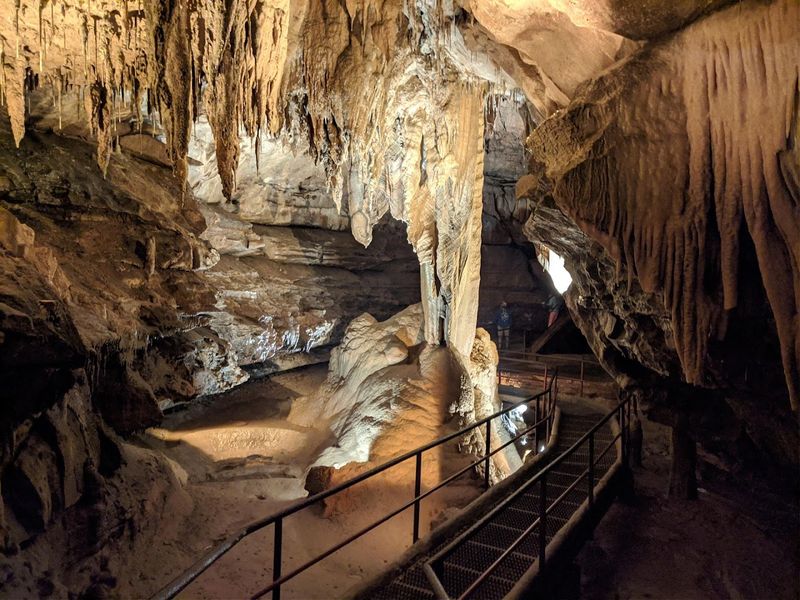
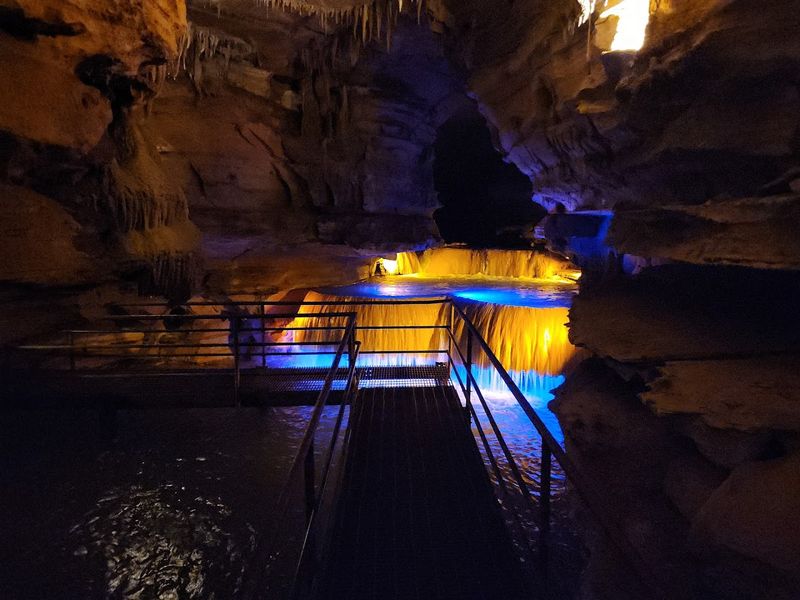
Walking through Squire Boone Caverns, located at 100 Squire Boone Rd SW, Mauckport, IN 47142, feels a little like walking through a sculpture gallery that nature spent millions of years building without anyone asking it to stop. The cave is packed with stalactites hanging from the ceiling, stalagmites rising from the floor, flowstone cascading down cave walls, and rimstone dams pooling crystal-clear water in shallow basins.
Every corner offers something worth slowing down for.
What makes these formations especially fascinating is that many of them are still actively growing. Geologists call formations like these speleothems, and they develop when mineral-rich water seeps through limestone and slowly deposits calcium carbonate over enormous stretches of time.
Some of the formations inside this cave are thought to be hundreds of thousands of years old, which puts a lot of things in perspective.
Guides do a wonderful job of explaining how each formation came to be without making it feel like a science lecture. You end up genuinely curious about the geology rather than just nodding along.
The lighting inside the cave is thoughtfully placed to bring out the texture and color of the limestone, making the formations look almost luminous in certain spots. If you have ever thought that rocks could not be exciting, a walk through these passages will change your mind completely.
Bring a camera because your phone photos will not do it full justice, but you will take them anyway.
Active Underground Waterfalls That Actually Move and Roar
Most caves are quiet. Squire Boone Caverns is not.
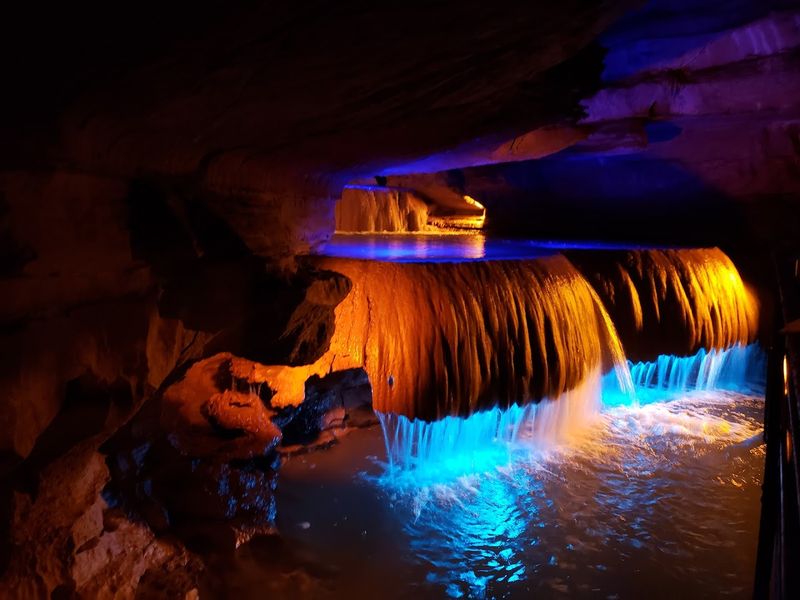
The sound of rushing water greets you almost immediately, and it only gets louder as the tour moves deeper into the system. Streams carry over a million gallons of water through the cave every single day, feeding a network of underground waterfalls that are genuinely active and constantly moving.
After heavy rainfall, those streams swell dramatically. Visitors who have toured the cave after a big storm describe the experience as completely different from a dry-weather visit, with water rushing over pathways and filling the cave with a low, steady roar.
Even on a calm day, the waterfalls add a sense of life and energy that sets this cave apart from others in the region. The water is part of what keeps the formations growing, too, so there is a beautiful connection between the sound you hear and the shapes you see.
The cave tour route is paved and well-lit, so visitors can get close to the water features without worrying too much about footing. Kids especially love this part of the tour because the waterfalls feel genuinely wild and unpredictable in a way that is exciting rather than scary.
For anyone who has toured Mammoth Cave or other large systems in the area, the active water presence at Squire Boone Caverns makes it feel distinctly alive. It is one of those natural details that no photograph fully captures.
Guided Tours That Make the Science Feel Personal
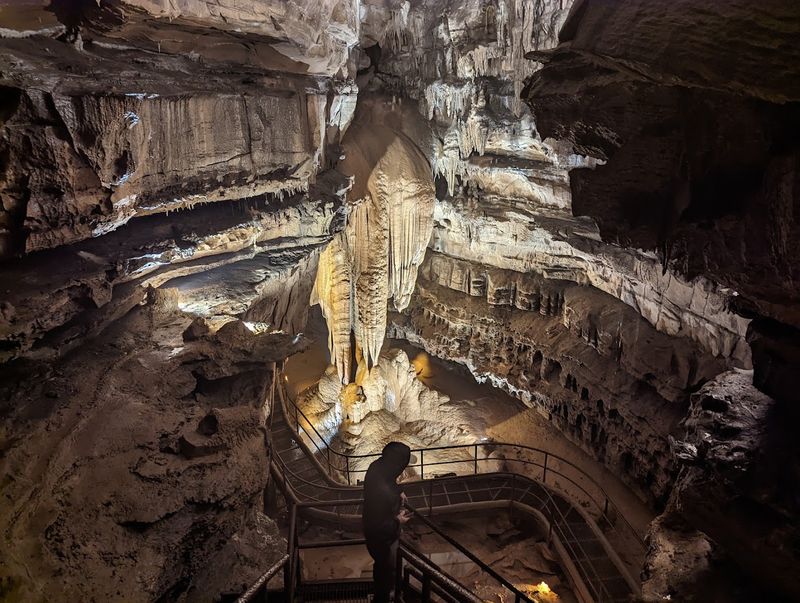
A good tour guide can turn an interesting place into an unforgettable one. The guides at Squire Boone Caverns have a reputation for genuinely knowing and loving the cave they work in.
They share geological details, local lore, and historical context in a way that feels conversational rather than scripted, and they take time to answer questions from curious visitors of all ages.
Tours run approximately one hour and follow lighted, paved pathways through the cave system. The route is designed to be accessible for most visitors, though there are some stairs and a notable spiral staircase near the end of the tour that requires a bit of effort.
Wearing comfortable shoes is strongly recommended, and a light jacket helps since the cave stays at a steady 54 degrees Fahrenheit year-round regardless of the season outside.
One moment that nearly every visitor mentions is when the guide turns off all the lights inside the cave, leaving the group in complete, total darkness. It sounds like it might be unsettling, but most people describe it as surprisingly peaceful.
There is something grounding about standing in a space that old, in that kind of quiet. Groups of all sizes visit regularly, from families with young children to school field trips to senior bus tours, and the guides adjust their pace and style to fit whoever is with them that day.
It is a genuinely human experience wrapped inside a geological one.
Historic Boone’s Mill Still Grinding Grain Today
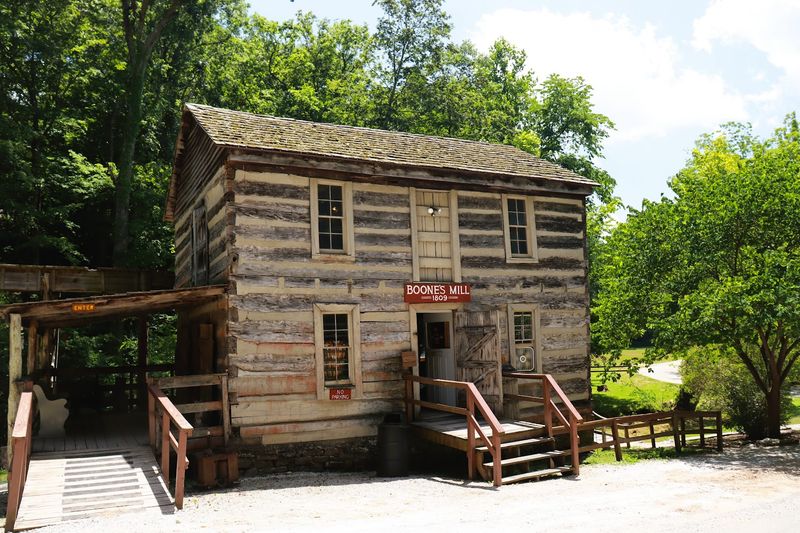
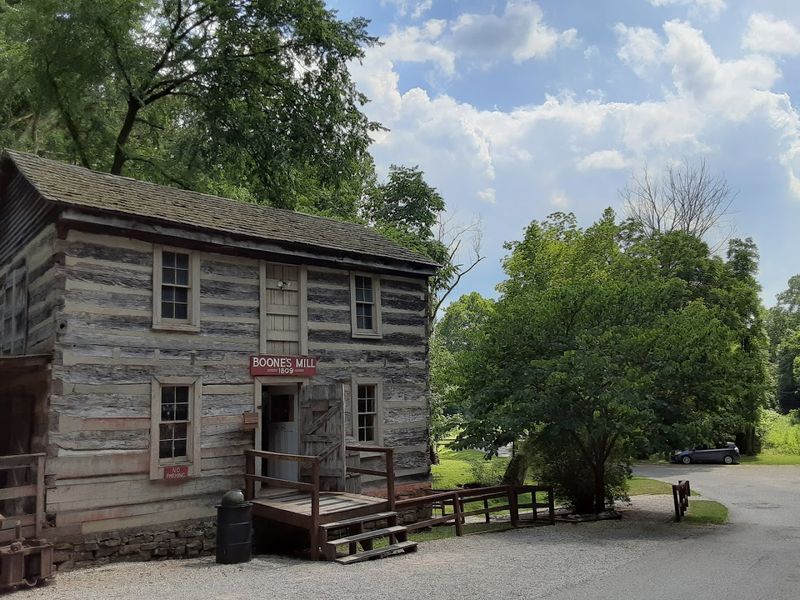
There are not many places in the country where you can watch a grist mill built in the early 1800s still doing exactly what it was designed to do. Boone’s Mill at Squire Boone Caverns is powered by water flowing directly out of the cave, using the same force that carved the limestone passages over thousands of years to grind grain just as it did during the pioneer era.
Squire Boone himself constructed the original mill, and the current restored structure is listed on the Indiana Register of Historic Sites and Structures. Staff members at the mill are passionate about explaining how it works, and they walk visitors through the mechanics of water-powered milling in a way that is easy to follow and genuinely interesting.
Watching the millstone turn from the power of underground water is one of those simple moments that stays with you.
The mill also sells products ground on-site, which makes for a unique and locally meaningful souvenir. Picking up a bag of cornmeal ground by a 200-year-old process feels different from buying something off a shelf at a gift shop.
For visitors interested in early American industry and frontier life, the mill adds a whole other layer to the Squire Boone Caverns experience. It connects the underground world of the cave to the surface world of daily pioneer life in a way that is hard to find anywhere else in Indiana.
This is living history in the most literal sense.
Pioneer Village With Hands-On Crafts and Genuine Character
Right next to the cave entrance, a small pioneer village brings the 1800s to life in a way that feels authentic rather than staged. Log cabins, a soap shop, a candle-making shop, and a country store sit together on the grounds, each one offering something to do or take home.
It is the kind of place where kids and adults both end up lingering longer than they planned.
The candle shop is a particular favorite. Visitors can watch candles being made using traditional methods, and the shop carries a wide variety of handmade products at prices that feel almost surprisingly reasonable.
The soap shop carries handcrafted bars in a range of scents and styles, and many visitors stock up before heading home. Everything sold in the village has a handmade quality that stands out compared to typical tourist shop merchandise.
Beyond shopping, the village adds important context to the Squire Boone story. Walking through the log structures and seeing the tools and crafts of that era helps visitors understand what daily life actually looked like for early settlers in southern Indiana.
It is one thing to read about pioneer life in a textbook and another thing entirely to hold a hand-dipped candle or watch a mill grind grain. The village is also a great spot for photos.
The rustic wooden buildings and open grounds photograph beautifully in almost any light, especially during fall when the surrounding hillsides turn golden.
Year-Round Destination With Activities for Every Season
One of the most practical things about Squire Boone Caverns is that it genuinely works as a destination in any month of the year. The cave maintains a constant temperature of 54 degrees Fahrenheit regardless of what is happening outside, which makes it a refreshing escape in July heat and a cozy retreat during a cold February afternoon.
Bringing a light jacket is always a good idea, but the cave itself handles the rest.
Outside the cave, the property offers a full range of activities that change in appeal with the seasons. A zipline runs through the wooded hillside for visitors who want a rush of adrenaline after their underground tour.
A petting zoo with friendly goats and pigs is a consistent hit with younger visitors. Gem mining stations let kids and adults sift through sand to find real minerals and fossils to take home, and the activity tends to hold attention for longer than most people expect.
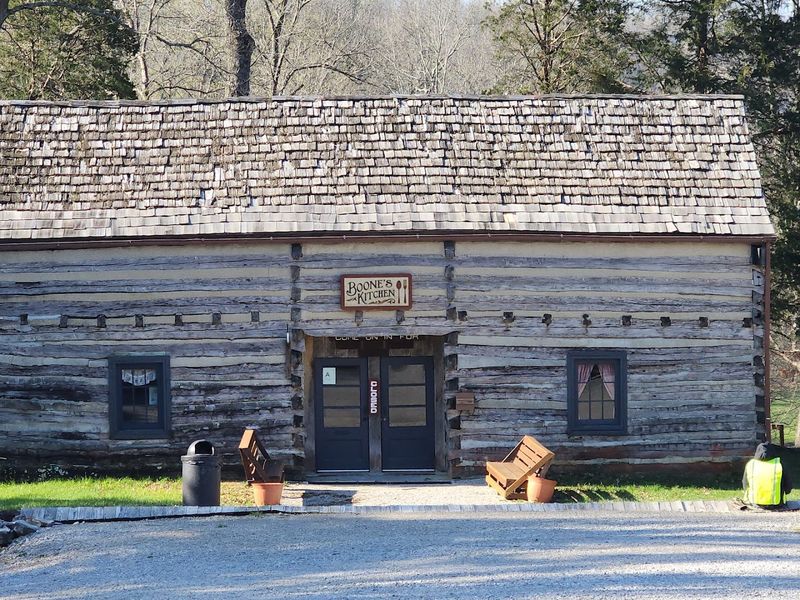
Boone’s Kitchen on the property serves sandwiches and sides with a casual, old-fashioned feel that fits the whole atmosphere of the place. After spending a morning in the cave and an afternoon exploring the village and outdoor activities, a meal on-site makes the whole visit feel complete.
For anyone in southern Indiana looking for a day trip that covers history, nature, food, and hands-on fun without driving more than a couple of hours, Squire Boone Caverns is genuinely hard to beat. Plan for at least four to five hours if you want to do it all.
Dear Reader: This page may contain affiliate links which may earn a commission if you click through and make a purchase. Our independent journalism is not influenced by any advertiser or commercial initiative unless it is clearly marked as sponsored content. As travel products change, please be sure to reconfirm all details and stay up to date with current events to ensure a safe and successful trip.
