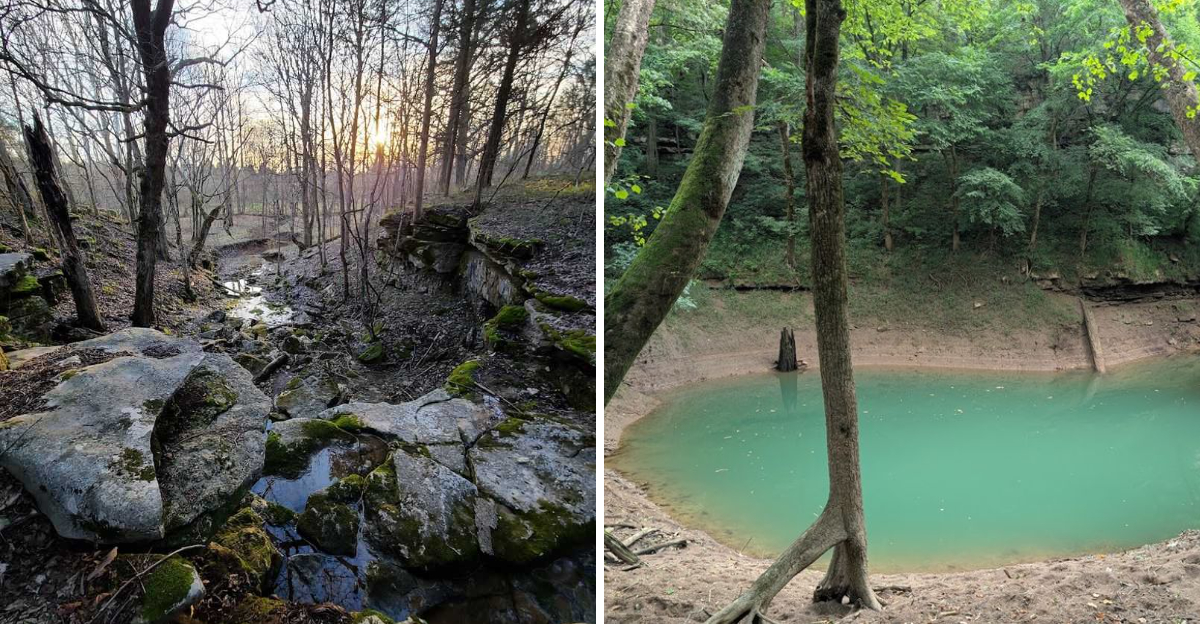
There are places in Indiana that feel like they belong in a geography textbook, except standing at the edge of one makes the whole thing feel almost unreal. Wesley Chapel Gulf in Orange County is one of those rare spots where nature does something so strange and beautiful that you have to see it to believe it.
The Lost River vanishes completely underground here, traveling nearly 22 miles beneath the earth before resurfacing somewhere else entirely. I keep coming back to this place because it reminds me just how wild and surprising southern Indiana really is.
Walking along the rim, watching the landscape twist and fold in ways you wouldn’t expect, makes it easy to forget you’re still very much in the Hoosier State.
The Underground River That Defies Everything You Know About Water
Water is supposed to flow downstream, collect in rivers, and eventually reach the sea. The Lost River in Orange County, Indiana, has other plans.
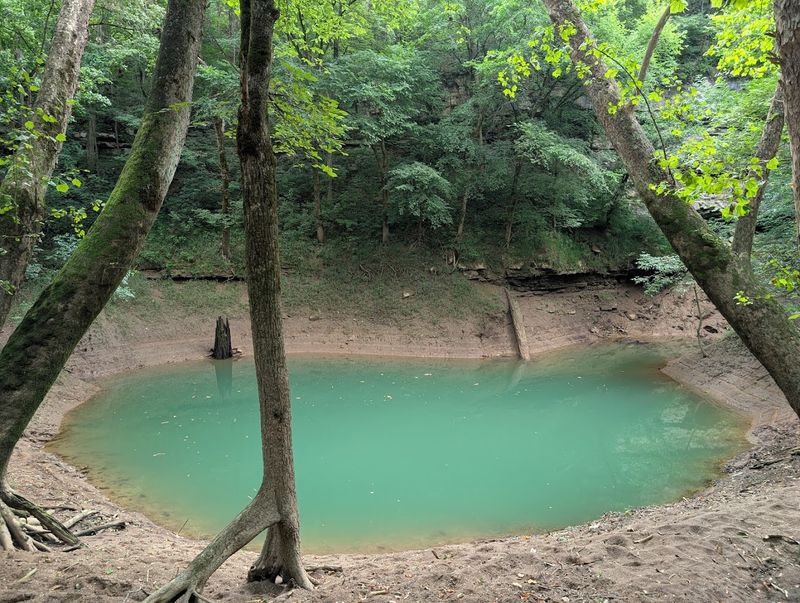
At Wesley Chapel Gulf, the river simply vanishes into the earth, slipping through cracks in the limestone bedrock and traveling underground for roughly 22 miles before emerging again at a resurgence spring.
This is not a slow trickle or a seasonal quirk. The disappearance is dramatic and total.
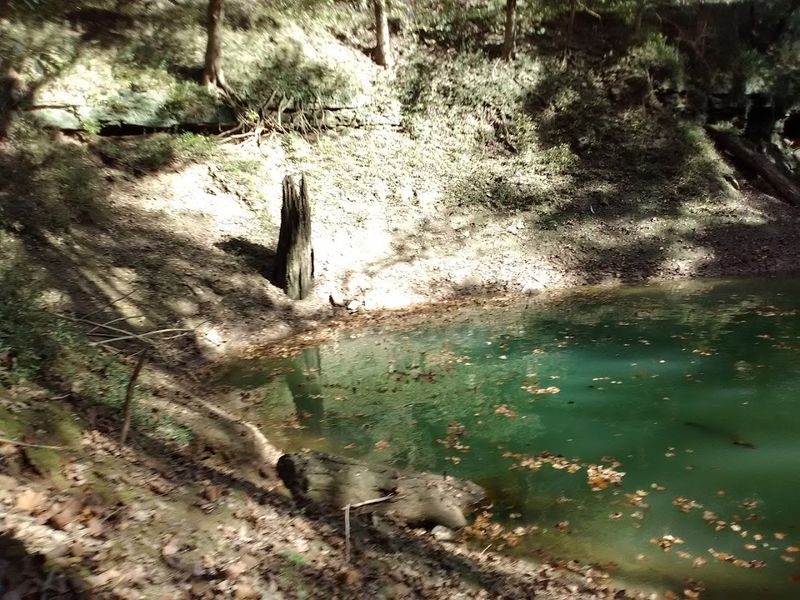
Standing at the edge of the gulf, you can watch bright blue-green water swirl in a deep pool and then disappear into the rock below, as if the earth itself is drinking it down.
The Lost River system is one of the longest and most complex karst river systems in the United States. Karst landscapes form when soluble rock like limestone dissolves over thousands of years, creating caves, sinkholes, and underground channels.
Orange County sits on top of a massive network of these passages.
For geology lovers, this is genuinely exciting stuff. For casual visitors, it is simply one of the most visually striking and thought-provoking natural features in the entire state.
You walk away from Wesley Chapel Gulf with a new respect for what lies beneath ordinary-looking Indiana farmland and forest. The experience stays with you long after the drive home.
A Hike That Rewards Every Step with Stunning Scenery
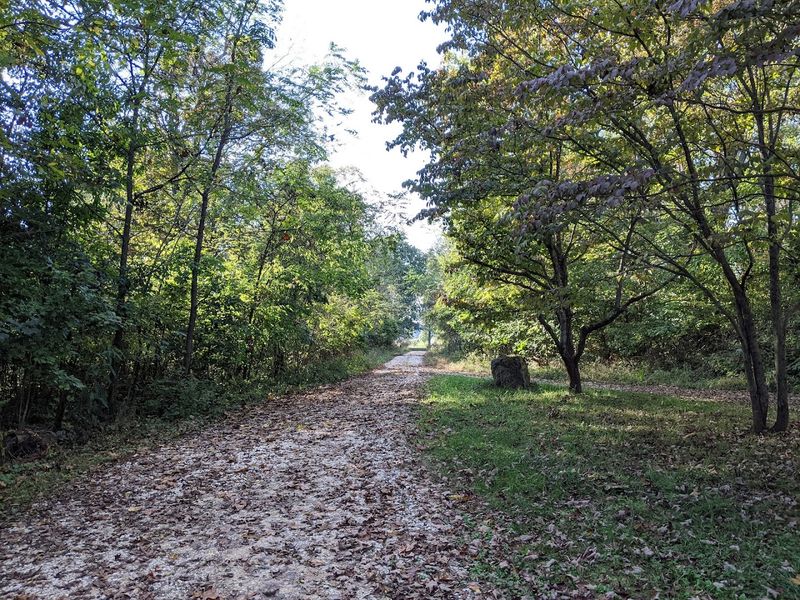
Hiking to the spring at Wesley Chapel Gulf is not a long trek, but it packs a lot into a short distance. The trail winds through mixed forest, descends toward the gulf, and opens up to views that feel genuinely wild and remote despite being just a short drive from small Indiana towns.
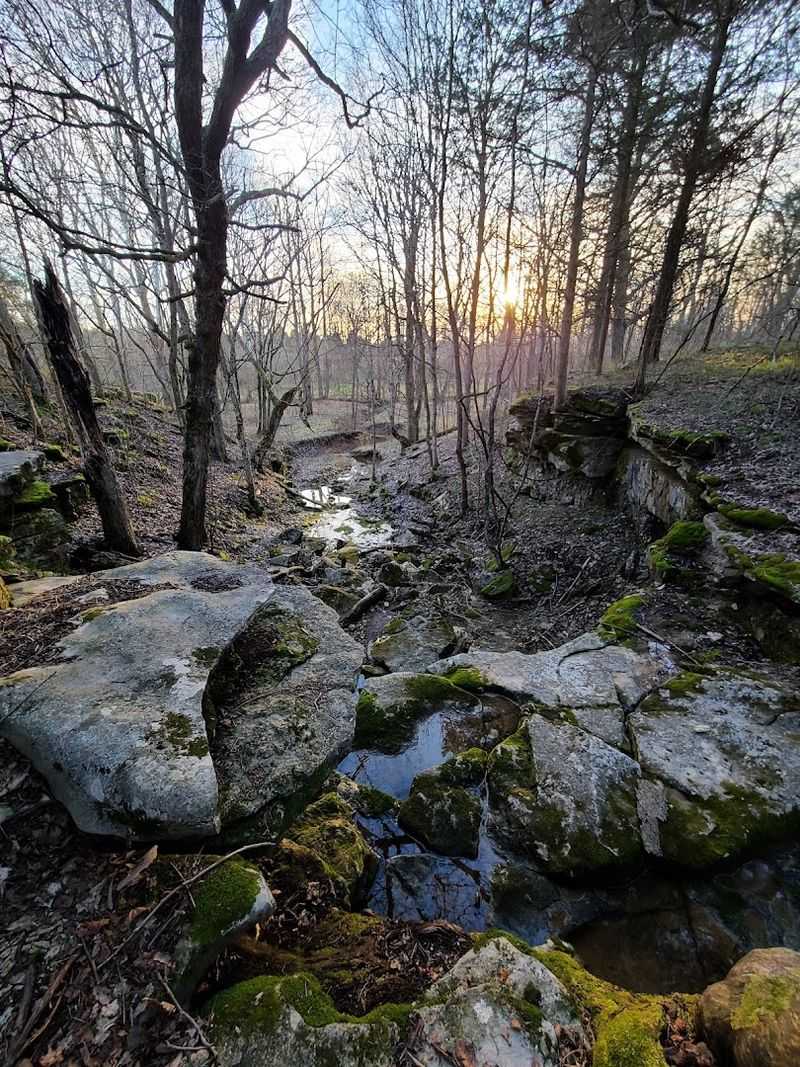
The path is not heavily maintained, which actually adds to the charm. Roots cross the trail, the undergrowth presses in on either side, and you get the sense that not many people come this way.
That quiet solitude is part of what makes the payoff so satisfying when the trail finally opens up to the spring and the gulf below.
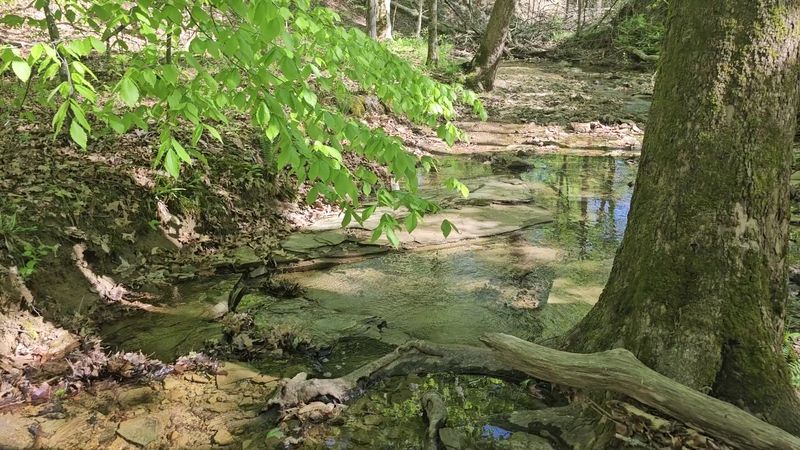
After a recent rain, the experience gets even better. Small waterfalls appear along the rock faces, water rushes over mossy ledges, and the whole area feels alive in a way that dry-weather visits simply cannot match.
Planning a visit for the day after a good rain shower is a genuinely smart move.
Wear proper hiking boots and long pants regardless of the season. Ticks and chiggers are a real concern here, and bug spray is not optional.
Bring water, take your time on the descent, and keep your eyes open for the side trails that loop around the bluff edge for additional views. The address is 4742 N County Rd 350 W, Orleans, IN 47452.
One of the Most Unique Geological Features in the Midwest
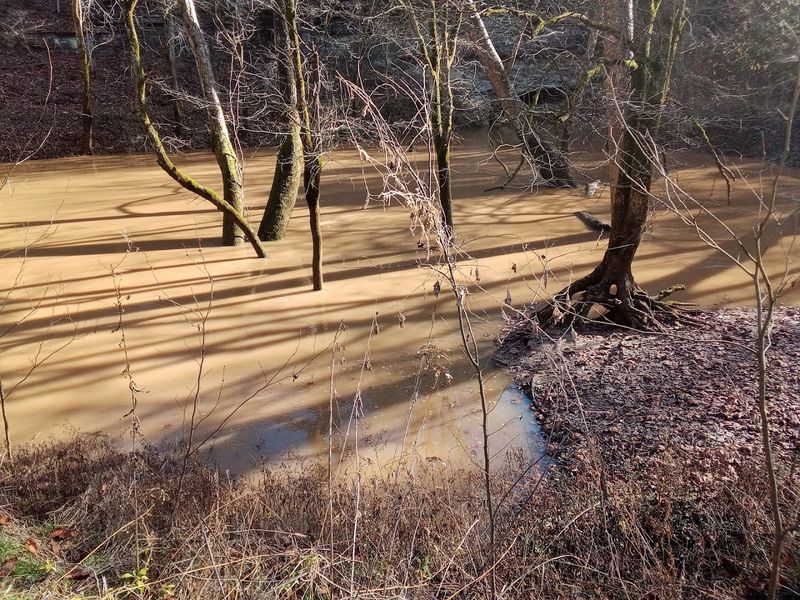
Indiana does not always get credit for its geology, but Orange County makes a strong argument that it should. The karst topography in this part of the state is world-class, and Wesley Chapel Gulf sits at the dramatic heart of it.
The gulf itself is a large, bowl-shaped depression carved out of the landscape by centuries of underground erosion and collapse.
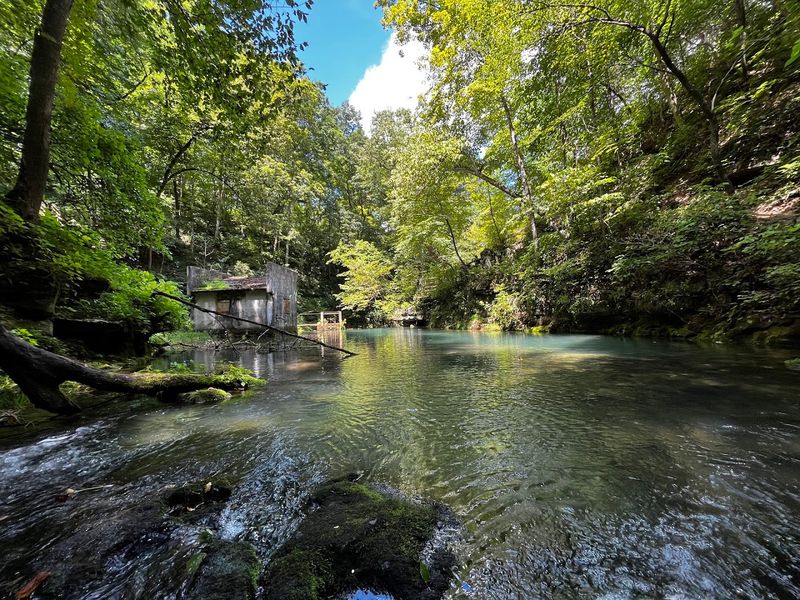
The sulfurous spring that feeds the visible pool is part of what makes this spot so memorable. The water carries a faint mineral smell and glows with that signature blue-green color that looks almost artificially vivid in direct sunlight.
It is the kind of color you expect from a Caribbean lagoon, not a southern Indiana forest.
Geologists have studied the Lost River system extensively because it offers a rare above-ground window into processes that usually happen completely out of sight. The way water moves through this landscape, disappearing and reappearing miles away, tells a long story about the ancient seabed that once covered this region.
Even if science is not your thing, the visual impact of the gulf is undeniable. The steep sides, the swirling water, the sense of depth and mystery all combine to create something that feels genuinely otherworldly.
This is the kind of place that makes you want to learn more about the ground beneath your feet and the slow, patient forces that shaped it.
Peaceful Solitude Far from the Crowds
Some natural attractions in Indiana draw massive weekend crowds and require advance planning just to find parking. Wesley Chapel Gulf is refreshingly different.
The small lot off County Road 350 W holds maybe six vehicles on a good day, and the trail sees only a fraction of the foot traffic that more popular state parks attract.
That low-key atmosphere is genuinely appealing if you are someone who values quiet time outdoors. The sounds here are birdsong, wind through the canopy, and the subtle gurgle of water finding its way underground.
There is no background noise of other hikers chatting or dogs barking down the trail.
Going on a weekday almost guarantees you will have the whole place to yourself. Even on weekends, the remote location and lack of signage keep casual visitors away.
This is a spot for people who seek out the unusual and do not mind a little extra effort to find it.
That sense of discovery is part of the appeal. Arriving here feels like finding something that most people simply do not know exists.
The peacefulness is not accidental. It comes from a combination of the location, the modest trail, and the fact that Wesley Chapel Gulf has never been heavily promoted or commercialized.
It remains genuinely off the beaten path in the best possible way, a quiet reward for the curious traveler.
Rich History Written in Limestone and Water
The story of the Lost River is not just a geology lesson. It is also a window into how people have related to this strange landscape for generations.
Indigenous communities knew about the river’s unusual behavior long before European settlers arrived, and local folklore has always attached a certain mystery to a river that disappears into the ground.
Early settlers found the Lost River both fascinating and frustrating. A river that vanishes is not much use for navigation or water-powered mills, and the sinkholes and caves that dot the landscape made farming tricky in places.
The area developed slowly as a result, which is part of why so much of the original landscape has survived relatively intact.
The interpretive plaque at the site, though weathered and unfortunately vandalized at some point in the past, still offers context for what you are looking at. The Hoosier National Forest manages the area and has documented the system as one of the most significant karst features in the eastern United States.
Learning a little about the history before you visit makes the experience richer. Knowing that people have stood at this same spot for hundreds of years, staring at the same swirling water and wondering where it goes, adds a layer of meaning to the visit.
The Lost River connects the present to a very long and layered past in southern Indiana.
Nearby Attractions That Make the Trip Even More Worthwhile
Wesley Chapel Gulf works beautifully as part of a longer day trip through southern Indiana. The surrounding area is packed with natural and historical attractions that pair well with a visit to the gulf, making it easy to build a full day of exploration without driving far.
Spring Mill State Park, located at 3333 State Road 60 E, Mitchell, IN 47446, is one of the best nearby options. The park features a restored pioneer village, a working grist mill powered by a natural spring, and miles of cave and hiking trails.
It is a genuinely impressive place that appeals to visitors of all ages and interests.
For food after a morning on the trail, Orleans and the surrounding towns offer small-town diners and local spots worth checking out. The town of French Lick is also within reasonable driving distance and brings its own history and charm to a longer southern Indiana road trip.
The West Baden Springs Hotel, located at 8538 West Baden Ave, West Baden Springs, IN 47469, is a stunning piece of architecture that most Hoosiers have heard of but fewer have actually visited. Its famous atrium dome was once considered an engineering marvel.
Combining a stop at Wesley Chapel Gulf with a walk through that historic space makes for an unexpectedly rich and varied day in Orange County and beyond.
A Place That Sparks Wonder in Kids and Adults Equally
Not every natural attraction holds the attention of younger visitors, but Wesley Chapel Gulf is different. The concept of a river that goes underground and travels for 22 miles before coming back up is exactly the kind of thing that lights up a kid’s imagination.
It sounds like something from a fantasy novel, and yet it is completely real and right here in Indiana.
Watching children process the visual of that swirling green pool and the explanation of where the water actually goes is genuinely delightful. Questions start coming fast.
Where does it go? How does it fit underground?
Can you go inside? The curiosity the place inspires is one of its best qualities.
Adults tend to get pulled in just as deeply, especially those with an interest in geology, ecology, or simply the feeling of standing somewhere that does not follow ordinary rules. The gulf has a way of making the familiar feel strange again, which is a rare and valuable quality in any natural space.
Just remember to prepare the kids properly before the hike. Long pants, closed-toe shoes, and bug spray are non-negotiable here.
Ticks and chiggers are present, and the trail involves some uneven terrain. With the right gear, though, a family visit to Wesley Chapel Gulf becomes the kind of outdoor memory that kids actually talk about for years afterward.
Dear Reader: This page may contain affiliate links which may earn a commission if you click through and make a purchase. Our independent journalism is not influenced by any advertiser or commercial initiative unless it is clearly marked as sponsored content. As travel products change, please be sure to reconfirm all details and stay up to date with current events to ensure a safe and successful trip.
