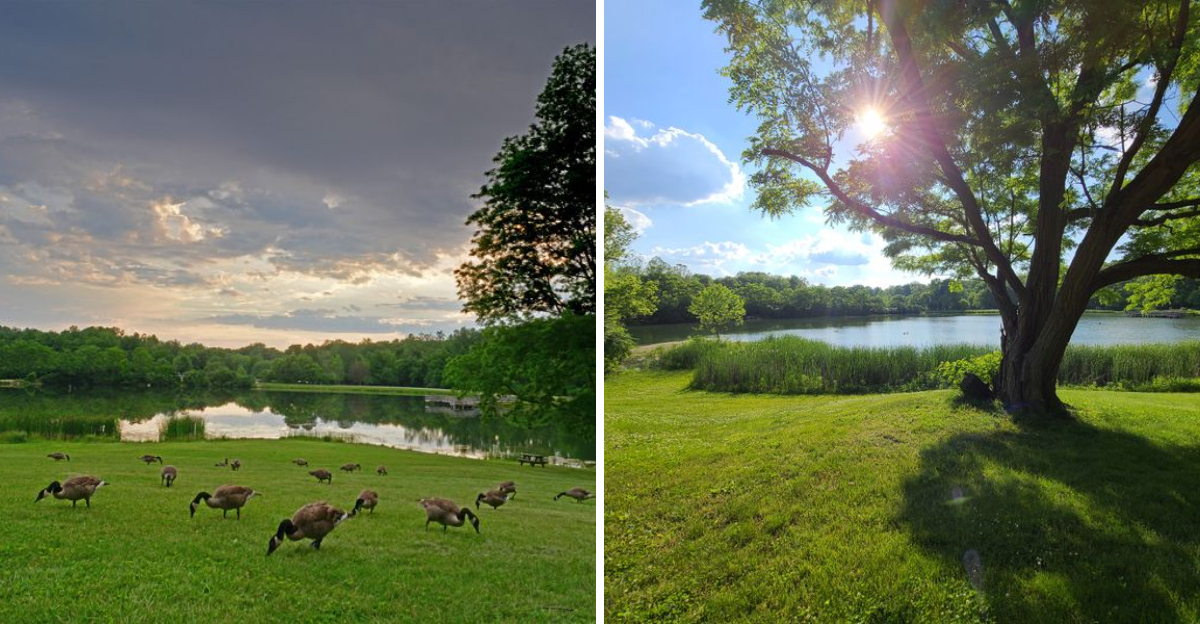
Every spring, something extraordinary happens at Fort Harrison State Park in Indianapolis. The meadows burst into color, trails come alive with wildflowers, and locals flock to witness nature’s annual spectacle.
It’s not just about pretty blooms, though that’s certainly part of the magic. This 1,700-acre urban oasis transforms into a vibrant wonderland where families, photographers, and nature lovers gather to soak up the season.
From the trails winding along Fall Creek to the historic grounds dotted with native plants, there’s something uniquely captivating about springtime here. Whether you’re chasing the perfect sunset photo or simply craving fresh air after a long winter, Fort Harrison delivers.
The park sits just east of I-465, making it incredibly accessible for a quick escape or a full day adventure. And once you experience spring at Fort Harrison, you’ll understand why locals return year after year, cameras in hand and smiles on their faces.
Wildflower Explosion Across 1,700 Acres
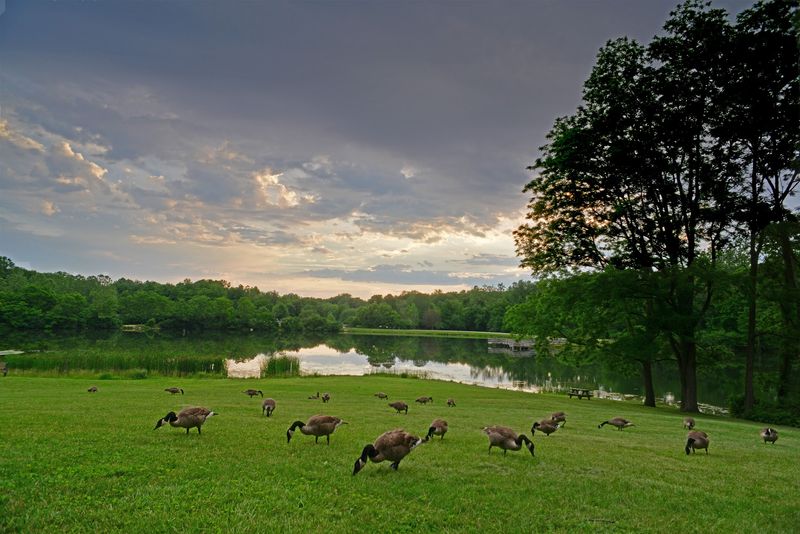
Spring at Fort Harrison State Park isn’t subtle. When April rolls around, native wildflowers carpet the meadows in waves of purple, yellow, and white.
You’ll spot wild violets peeking through the grass, bright yellow celandine poppies catching the sunlight, and delicate spring beauties dotting the forest floor.
The park’s commitment to native plant restoration means these aren’t your typical landscaped gardens. These are authentic Indiana meadows, the kind that used to stretch across the state before development took over.
Walking through them feels like stepping back in time.
Photographers arrive at sunrise to capture the dew-covered petals glowing in the early light. Families spread blankets near the meadow edges for picnics surrounded by color.
Even casual walkers find themselves stopping every few feet to admire another bloom.
The diversity is astounding. Trilliums emerge in shaded areas along the trails, while prairie flowers take over the open spaces.
Bloodroot, mayapple, and Dutchman’s breeches create a botanical treasure hunt for anyone willing to look closely.
Park naturalists lead wildflower walks throughout spring, teaching visitors to identify species and understand the ecosystem. These free programs fill up quickly, especially on weekends when the blooms peak.
Kids love the scavenger hunt aspect, checking off flowers from printed guides available at the visitor center.
Fall Creek’s Stunning Waterside Blooms
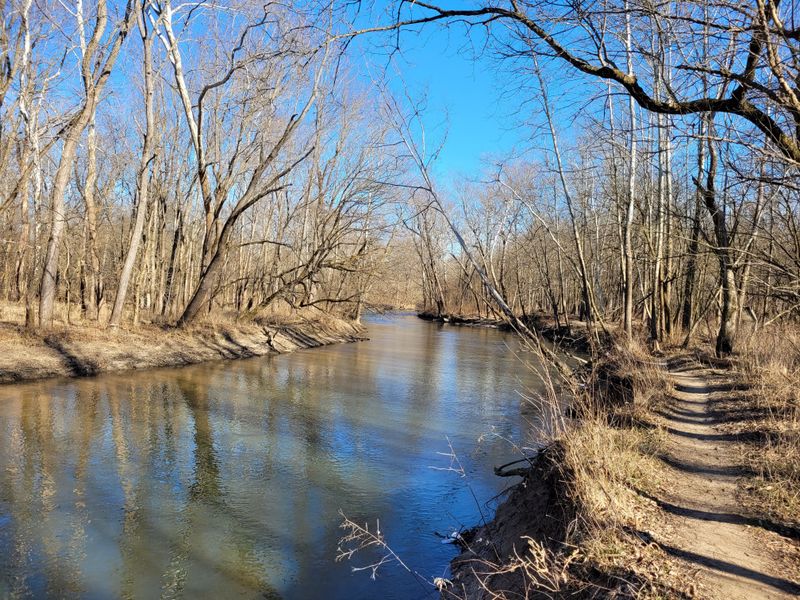
Fall Creek winds through Fort Harrison like a liquid ribbon, and its banks transform into botanical galleries each spring. The creek-side trails offer something special that the open meadows can’t match: water-loving wildflowers that thrive in the moist soil near the stream.
Virginia bluebells steal the show here. These nodding pink and blue flowers create dense colonies along the water’s edge, sometimes covering entire hillsides.
When they’re at peak bloom in late April, the effect is almost surreal, like someone painted the landscape in pastel watercolors.
The sound of running water accompanies your walk, adding a peaceful soundtrack to the visual feast. Creek Trail takes you right alongside the water for about two miles, offering constant views of both the stream and the surrounding blooms.
Wooden bridges cross smaller tributaries, giving you elevated viewpoints over the flower-filled banks.
Bird activity explodes during spring too. Warblers, thrushes, and other migratory species stop at Fall Creek to rest and feed, drawn by the insects that pollinate all these flowers.
Bring binoculars if you’re into birding because you’ll spot species that only pass through Indiana during migration.
The combination of water, flowers, and wildlife creates an ecosystem that feels remarkably wild despite being within Indianapolis city limits.
Perfect Weather for Outdoor Exploration
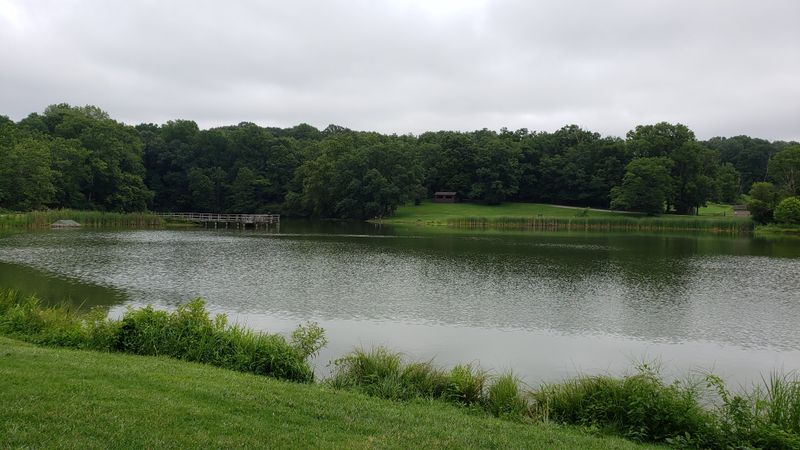
Indiana springs can be unpredictable, but that’s part of their charm at Fort Harrison. One day might bring gentle rain that makes the flowers sparkle, while the next offers clear blue skies perfect for photography.
The temperatures hover in that sweet spot between winter’s chill and summer’s humidity, usually ranging from the mid-50s to low 70s.
This comfortable weather opens up activities that aren’t as pleasant during other seasons. Hiking feels effortless without the August heat beating down on you.
Kids can run around the playgrounds without overheating in minutes. Picnic areas actually get used because sitting outside is genuinely enjoyable rather than an exercise in sweat management.
The park’s 1,700 acres include over 15 miles of trails, and spring is prime time to explore them all. The ground has dried out from winter’s snow and mud but hasn’t yet become dusty from summer drought.
Footing is solid, making even the more rugged trails accessible to casual hikers.
Mountain bikers love spring at Fort Harrison because the trails are in peak condition. The park allows bikes on most paths, and you’ll see plenty of riders taking advantage of the perfect weather.
Just stay alert when walking, as bikes can come up quickly behind you on the winding trails.
Spring also means the park’s amenities fully reopen. Restrooms that close during winter months are back in service, clean and well-maintained according to reviews.
Historic Military Grounds in Full Bloom
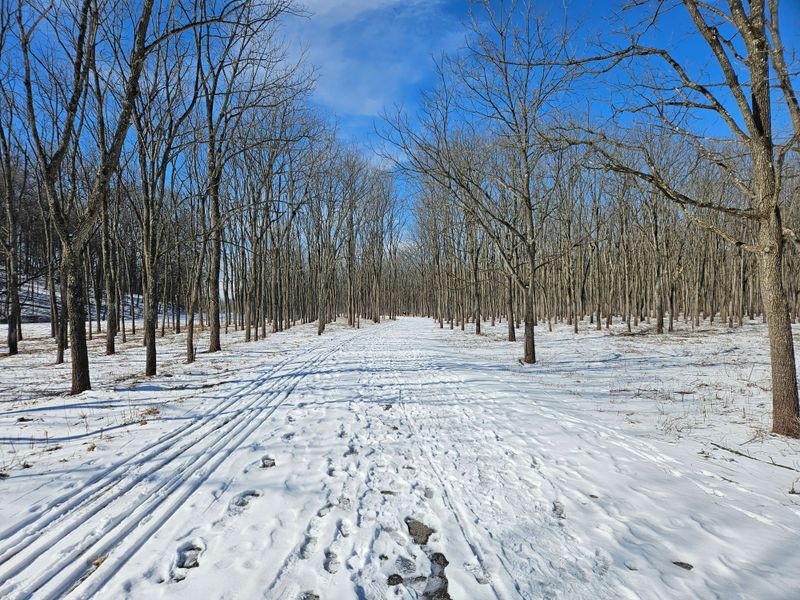
Fort Harrison’s history runs deep. This land served as an active military base from 1903 until 1991, training soldiers for both World Wars and beyond.
When you walk the trails today, you’re literally treading on history, and spring makes those connections even more poignant.
Old barracks buildings still stand throughout the park, their brick facades weathered but sturdy. In spring, flowering trees planted decades ago by military families burst into bloom around these structures.
Crabapples, redbuds, and dogwoods frame the historic buildings in clouds of pink and white blossoms.
The contrast between military precision and nature’s wild beauty creates something unexpectedly moving. Neat rows of daffodils, likely planted by long-ago residents, still emerge each spring near former housing areas.
These cheerful yellow blooms represent continuity, connecting past to present through simple flowers that return year after year.
The visitor center houses exhibits explaining the fort’s military legacy. You can see vintage photographs of soldiers training on these same grounds, compare them to the peaceful park outside, and appreciate how the land has transformed.
Spring seems especially appropriate for this transformation story, symbolizing renewal and new life.
Veterans visit frequently, drawn by memories and the desire to show family members where they served. Spring brings an influx of these visits, with former soldiers walking paths they once marched, now lined with wildflowers instead of formations.
It’s not uncommon to overhear stories shared between generations, history kept alive through personal recollection.
Horseback Riding Through Flower-Lined Trails
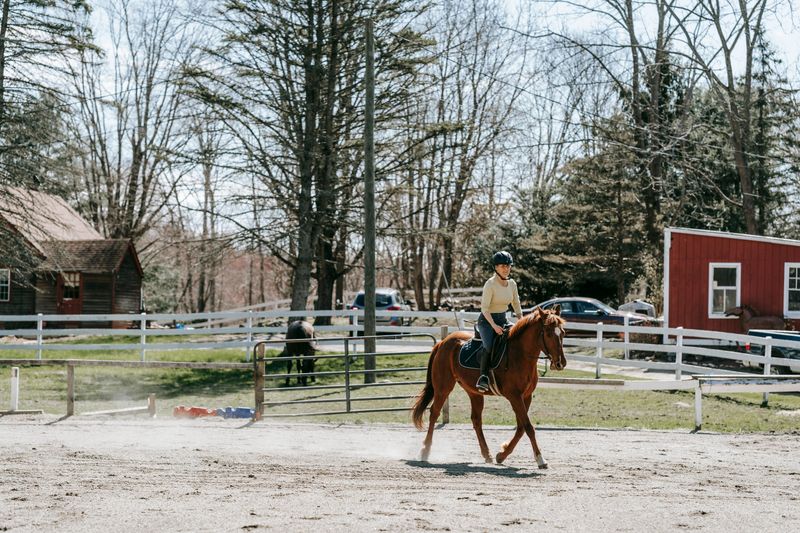
Fort Harrison’s saddle barn offers a unique way to experience spring’s floral display: from horseback. The park maintains a working stable where visitors can book guided trail rides through meadows and forests bursting with seasonal color.
This isn’t your typical pony ride around a small ring, it’s genuine trail riding through spectacular scenery.
The horses are well-trained and gentle, suitable for riders of all experience levels. Even if you’ve never been on a horse before, the barn staff will match you with an appropriate mount and provide basic instruction.
Spring rides are particularly popular, so booking ahead is essential, especially for weekend slots.
From horseback, you gain a different perspective on the blooms. You’re higher than walking, able to see over meadow grasses to flower fields beyond.
The gentle sway of the horse’s gait creates a meditative rhythm that lets you absorb the scenery without the distraction of watching where you’re stepping.
The trails designated for horseback riding wind through some of the park’s most beautiful areas. You’ll pass through wooded sections where spring ephemerals carpet the forest floor, then emerge into open meadows where prairie flowers stretch toward the horizon.
The horses seem to enjoy spring too, their ears swiveling to catch bird songs and their steps lively in the pleasant weather.
Kids absolutely love this experience. The combination of horses and flowers creates memories that last long after the ride ends.
Photography Paradise for Capturing Spring Magic
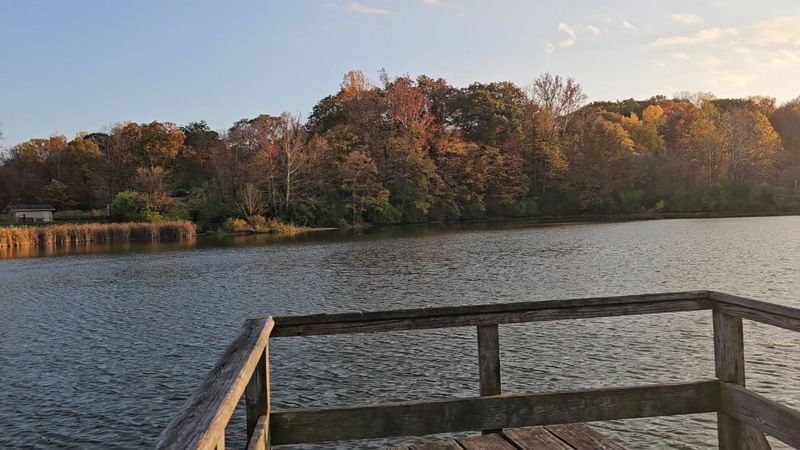
Scroll through Instagram during April and May, and you’ll see Fort Harrison State Park flooding Indiana feeds. Photographers of all skill levels descend on the park during spring, cameras ready to capture the ephemeral beauty that only lasts a few weeks each year.
The light quality during spring mornings is unmatched. Soft and golden, it illuminates flowers without the harsh shadows of summer sun.
Fog often settles over Delaware Lake and the meadows at dawn, creating dreamy, ethereal scenes that look almost painted. Professional photographers bring clients here for engagement sessions, family portraits, and senior pictures because the natural backdrops require minimal editing.
You don’t need expensive gear to get great shots. Smartphone cameras handle the vibrant colors beautifully, especially in good light.
The park’s flowers are so photogenic that composition becomes the main challenge, not technical camera settings. Wide shots capture sweeping meadows, while close-ups reveal intricate petal details and visiting insects.
Popular photography spots include the bridge over Fall Creek, the meadows near the main entrance, and the area around the duck pond. These locations offer varied backgrounds and lighting conditions throughout the day.
Arrive early to claim your spot, especially on weekends when the park gets crowded with other photographers.
Bird photography peaks during spring migration. Warblers in breeding plumage, bright and active, flit through flowering trees.
Family-Friendly Activities Among the Blooms
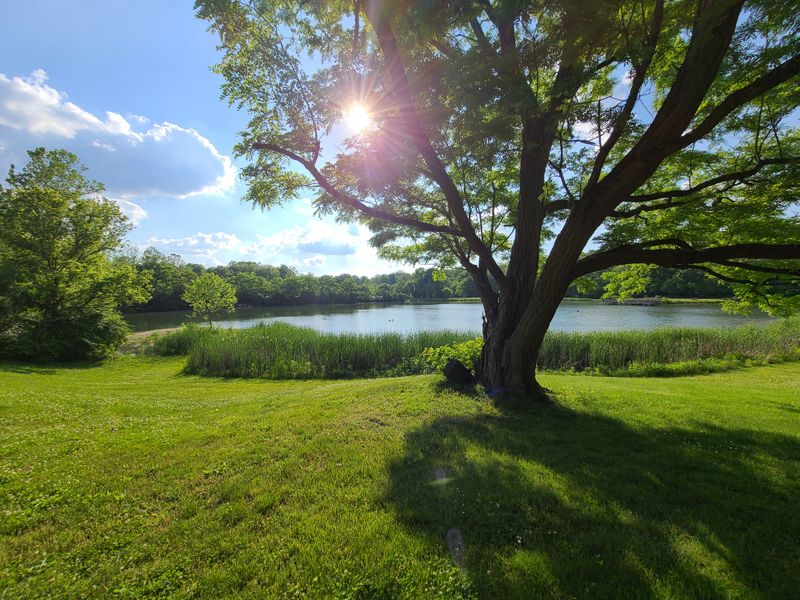
Fort Harrison excels at being a park for everyone, and spring amplifies this appeal. Families with young children find endless ways to enjoy the season’s beauty without needing to be serious hikers or naturalists.
The park’s design accommodates strollers, offers multiple playgrounds, and provides amenities that make visiting with kids genuinely pleasant rather than stressful.
The playground near the main area features an in-ground slide that kids go wild for. In spring, the surrounding grass greens up beautifully, and nearby trees provide shade for parents watching their children play.
It’s not uncommon to see families picnicking on blankets while kids run between the playground and the adjacent open spaces where wildflowers bloom.
Shorter trails work perfectly for little legs that tire easily. The loop around the duck pond measures just under a mile, completely manageable for preschoolers while still offering plenty to see.
Ducks and geese gather near the water, always eager for attention from passing children. Spring babies, whether ducklings or goslings, add extra cuteness to the scene.
The visitor center provides free activity sheets designed to engage kids with nature. Spring editions focus on identifying flowers, spotting birds, and understanding plant life cycles.
These simple educational tools transform a regular walk into a learning adventure that kids actually enjoy because it feels like a game rather than a lesson.
Dear Reader: This page may contain affiliate links which may earn a commission if you click through and make a purchase. Our independent journalism is not influenced by any advertiser or commercial initiative unless it is clearly marked as sponsored content. As travel products change, please be sure to reconfirm all details and stay up to date with current events to ensure a safe and successful trip.
