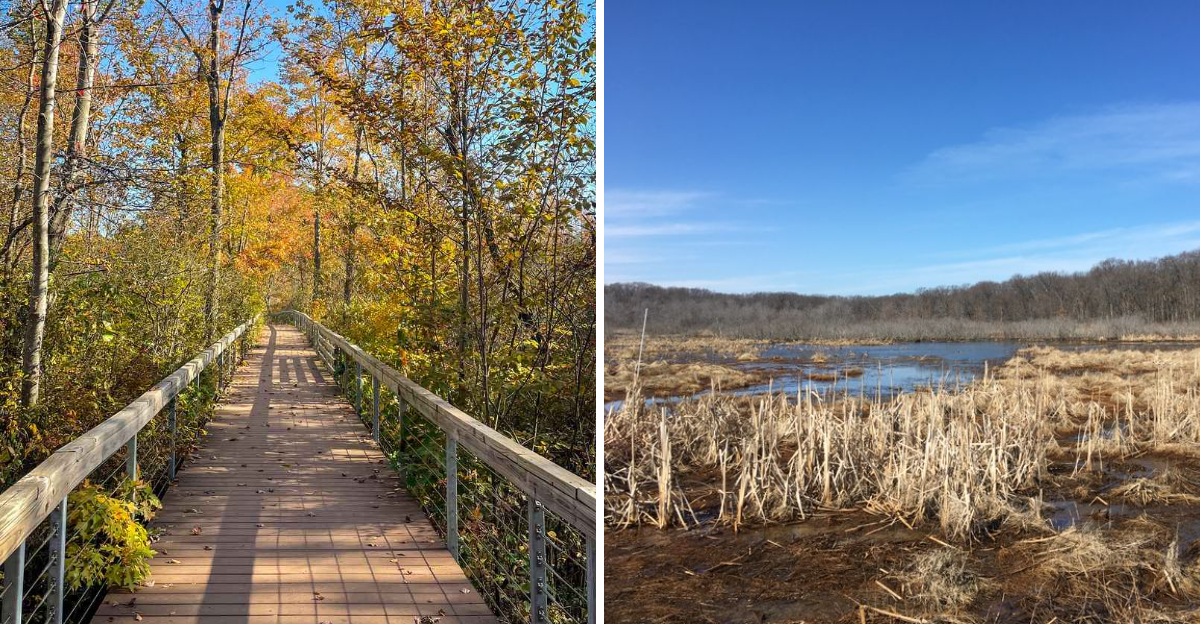
Walking through Cowles Bog makes me feel like I have stepped into a hidden corner of northwest Indiana that most people never notice. I watch cars speed past Porter County on their way to Chicago or the lakefront, unaware they are missing one of the rarest ecosystems in the Midwest.
Despite the name, Cowles Bog is actually a fen, a groundwater-fed wetland with conditions so specific that many of the plants and animals found here exist almost nowhere else in the state. The 4.7-mile trail carries me through marshes and black oak savannas before opening up to the shores of Lake Michigan, shifting landscapes in a way that feels far removed from everyday Indiana.
I have walked this trail in every season, and each visit shows me something different, from delicate orchids in spring to the quiet crunch of snow beneath my boots in winter. If you have never explored this part of Indiana Dunes National Park, it is an experience I believe every Hoosier should make time for at least once.
A Rare Fen Ecosystem Found Almost Nowhere Else
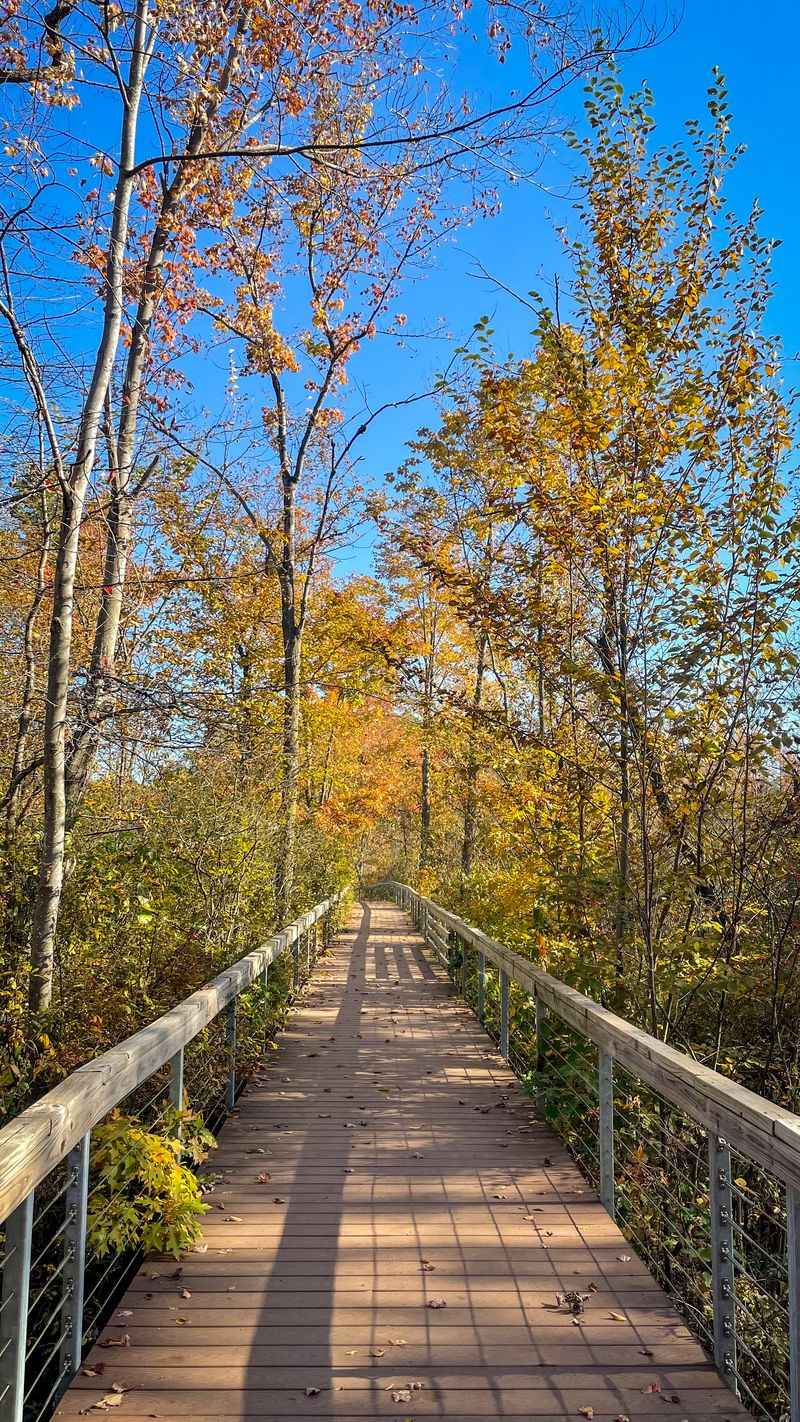
Walking into Cowles Bog feels like stepping into a living science lesson, except way more interesting than any classroom could ever be. The fen ecosystem here is incredibly rare, fed by cold groundwater seeping up from underground aquifers rather than surface water like typical wetlands.
This constant flow of mineral-rich water creates alkaline conditions that support plants you simply will not find in regular swamps or marshes.
Carnivorous pitcher plants and sundews thrive here, trapping insects in their specialized leaves because the nutrient-poor soil cannot provide what they need. Rare orchids bloom in hidden corners, and if you visit in early summer, you might spot the delicate grass pink orchid or the white lady’s slipper.
These plants are picky about where they grow, and Cowles Bog provides exactly what they need.
The boardwalk sections protect both you and this fragile environment, keeping your feet dry while preventing damage to sensitive vegetation. Scientists from universities across the Midwest come here to study how fen ecosystems function and why they matter so much for biodiversity.
You do not need a biology degree to appreciate the magic, though. Just knowing you are walking through something this rare makes every step feel more meaningful and connects you to the natural heritage of Indiana in a profound way.
A Trail That Travels Through Five Distinct Habitats
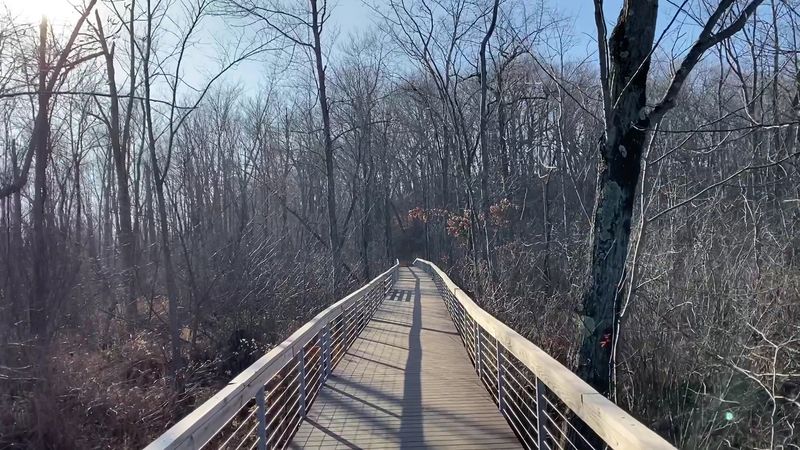
Most trails stick to one type of scenery, but Cowles Bog takes you on a journey through five completely different habitats in a single hike. You start in upland forest where oak and hickory trees tower overhead, their branches creating a canopy that filters sunlight into dancing patterns on the trail.
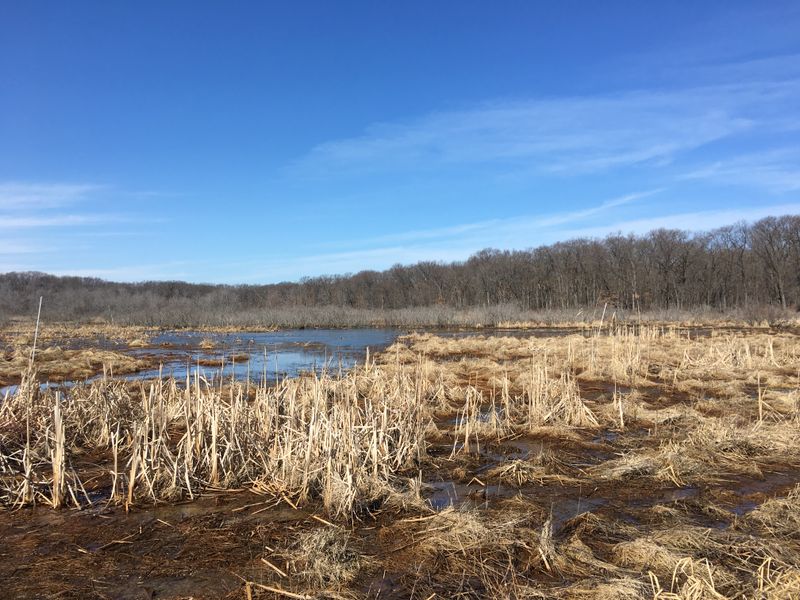
Within the first mile, you transition into the fen itself, where the landscape opens up and marsh grasses sway in the breeze.
Further along, you enter black oak savanna, a habitat that once covered much of northwest Indiana but now exists in only scattered remnants. These savannas feature widely spaced trees with prairie grasses and wildflowers underneath, maintained historically by fire and now carefully managed by park staff.
The interdunal ponds you pass are seasonal wetlands that provide critical breeding habitat for frogs and salamanders.
Finally, if you complete the full loop, you reach the Lake Michigan shoreline where sand dunes meet crashing waves. This habitat diversity means you can see dozens of different bird species in one hike, from forest warblers to marsh wrens to shorebirds.
Each transition feels gradual and natural, showing how these ecosystems blend into one another. Bring your camera because the scenery changes constantly, and every turn offers something worth capturing for your memory or your Instagram feed.
Exceptional Bird Watching Opportunities Year-Round
Serious birders know Cowles Bog as one of the best spots in Indiana for adding species to their life lists. The habitat diversity attracts an incredible variety of birds throughout the year, with over 350 species documented in Indiana Dunes National Park overall.
Spring migration brings waves of colorful warblers moving north, and the early morning chorus in May can be almost overwhelming in the best possible way.
I have watched great blue herons stalk through the shallow waters of the fen, their prehistoric-looking silhouettes frozen mid-step as they hunt for fish and frogs. Sandhill cranes pass through during migration, their rattling calls echoing across the marsh.
Red-winged blackbirds claim territory in the cattails, and if you are lucky, you might spot a Virginia rail or sora slipping through the vegetation.
Winter birding here can be equally rewarding, with northern species like rough-legged hawks and snow buntings showing up when conditions are right. The park service maintains bird checklists available at the visitor center or online, helping you identify what you are seeing.
Bring binoculars and download a bird identification app if you have one. Even if you are not a dedicated birder, the sheer number and variety of birds adds constant movement and sound to your hike, making the experience feel alive and dynamic rather than just a walk through static scenery.
Access to Lake Michigan Beach Without the Crowds
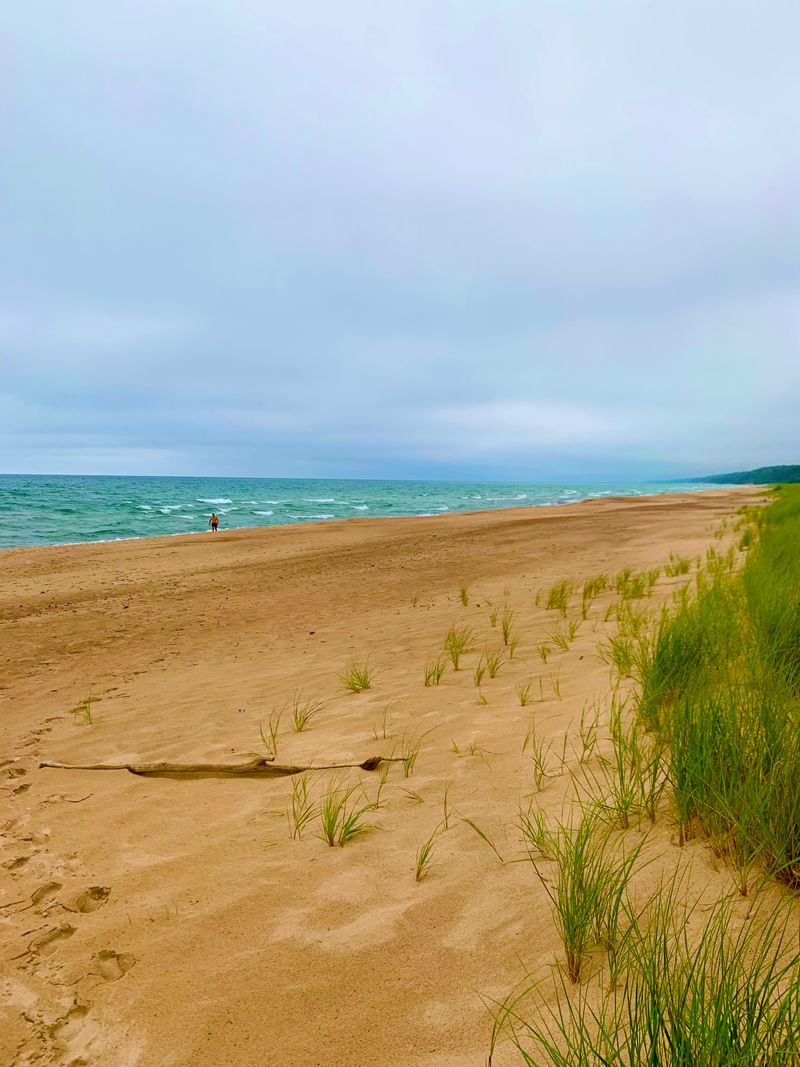
Everyone flocks to West Beach and Mount Baldy, but hiking through Cowles Bog gives you a backdoor route to Lake Michigan that most tourists never discover. After roughly four miles of trail, you emerge onto a relatively quiet stretch of beach where the crowds thin out dramatically.
The walk is long enough to discourage casual beachgoers, meaning you often have significant stretches of sand nearly to yourself.
The beach here feels wilder and more natural than the developed areas, with dune grasses stabilizing the sand and driftwood scattered along the waterline. On summer days, you can take a swim to cool off before heading back on the trail, though the water stays pretty chilly even in July and August.
The solitude makes this beach perfect for quiet reflection or simply enjoying the sound of waves without competing with music from portable speakers.
Photography enthusiasts love the unspoiled quality of this section of shoreline, where you can capture images that look like true wilderness rather than a busy public beach. The hike back gives you time to dry off and enjoy the habitats from a different perspective, as afternoon light changes the way everything looks.
If you visit during the off-season, you might have the entire beach to yourself, which feels like a rare privilege in a state park that attracts millions of visitors annually to its more accessible areas.
Educational Boardwalks That Protect Fragile Wetlands
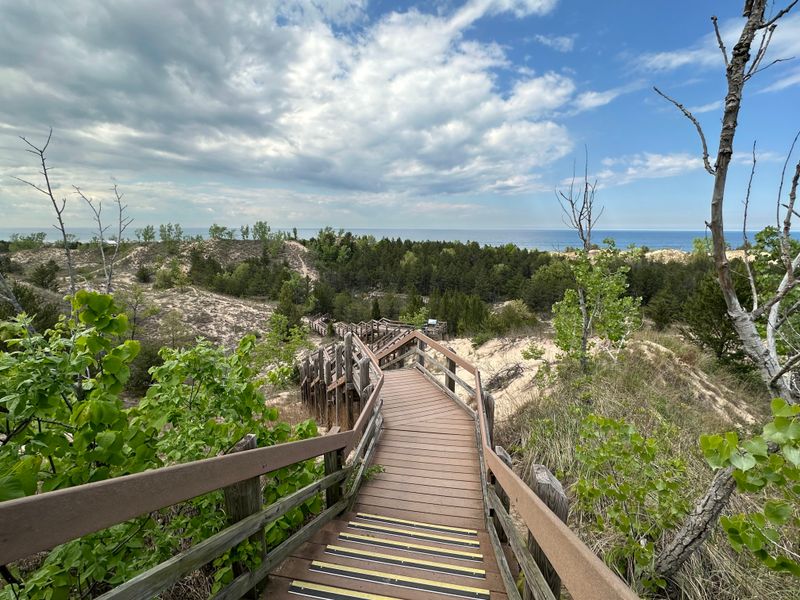
The boardwalk sections at Cowles Bog serve double duty, protecting the sensitive fen ecosystem while giving you an up-close view you could never safely achieve by walking through the wetland itself. These elevated pathways keep your feet dry and prevent the soil compaction and vegetation damage that would occur if thousands of hikers tramped directly through the marsh.
The construction itself is impressive, with treated lumber designed to withstand constant moisture and changing seasons.
Standing on the boardwalk, you can lean over the railing and observe the wetland community in detail without disturbing it. Dragonflies patrol for mosquitoes, frogs call from hidden spots in the vegetation, and water striders skate across still pools.
Interpretive signs along the way explain what you are seeing, turning your hike into an informal education in wetland ecology.
Kids especially love the boardwalk sections because they feel like an adventure, elevated above the mysterious marsh below. Parents appreciate that the solid footing makes it easier to manage younger children who might struggle on muddy or uneven terrain.
The boardwalks also make portions of the trail accessible to people who might have difficulty with rougher paths, though the full loop includes plenty of natural trail as well. During spring when water levels rise, the boardwalk can feel like you are walking on water, surrounded by flooded forest and marsh that stretches in every direction.
A Workout Hike That Rewards Your Effort
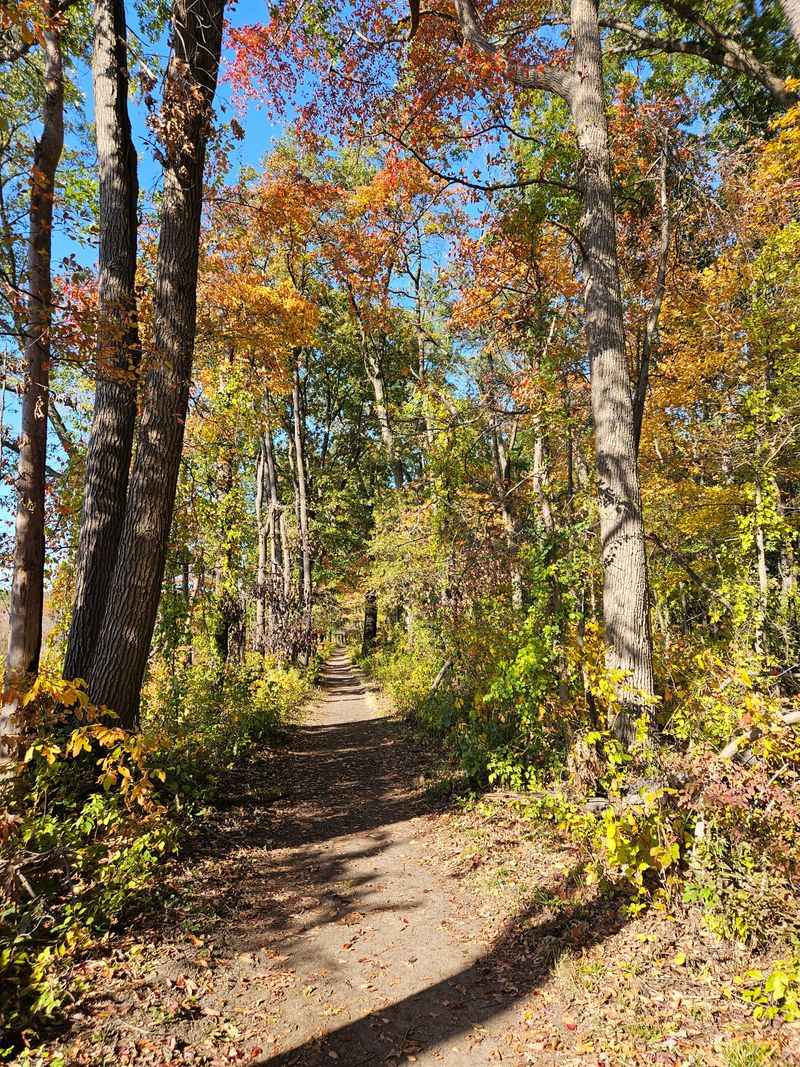
At 4.7 miles for the full loop, Cowles Bog provides a legitimate workout without being so challenging that you need to be in marathon shape to complete it. The trail includes enough variety in terrain to keep your muscles engaged, with some sandy sections that make you work a bit harder and occasional elevation changes as you move between habitats.
You will definitely feel like you exercised by the time you return to the trailhead.
The length also means you can adjust your hike based on your fitness level and available time. Some people do an out-and-back to the fen and boardwalk sections, cutting the distance roughly in half.
Others tackle the full loop, which takes most hikers between two and three hours at a moderate pace with stops for photos and wildlife watching.
I appreciate that this trail gives me a genuine workout while still being manageable for reasonably fit people who do not hike every weekend. The varied terrain keeps things interesting, so you are not just slogging through mile after mile of identical landscape.
Bring water and maybe a snack, especially if you plan to complete the full loop on a warm day. The trail is open 24 hours, and some dedicated hikers love doing sunrise or sunset walks when the light is magical and temperatures are cooler.
Just make sure you have a headlamp if you will be out near dawn or dusk, as parts of the trail pass through dense forest that gets dark quickly.
Seasonal Changes That Make Every Visit Unique
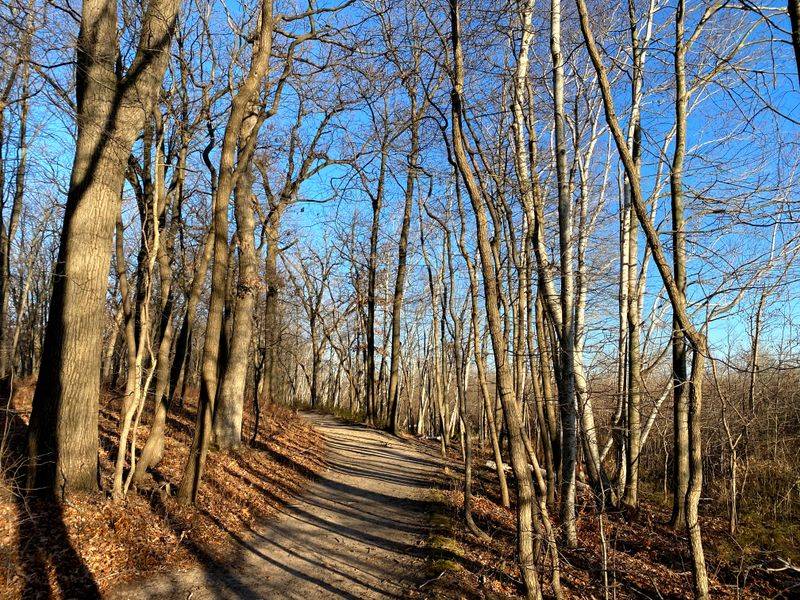
I have hiked Cowles Bog in every season, and I can honestly say each visit feels like experiencing a completely different place. Spring transforms the trail with wildflowers and migrating birds, the fen coming alive with the calls of frogs and the buzz of emerging insects.
Skunk cabbage pushes up through the last patches of snow, and the marsh marigolds create splashes of bright yellow against dark water.
Summer brings lush green growth that can make the fen feel almost tropical, with dragonflies patrolling and turtles sunning themselves on logs. The canopy provides welcome shade in the forested sections, though you will want bug spray because mosquitoes definitely know this place exists.
Fall may be my favorite season here, when the black oaks turn golden and the marsh grasses fade to warm browns and tans that glow in the afternoon light.
Winter hiking at Cowles Bog offers a stark beauty that many people miss by staying home in the cold months. The bare trees reveal landscape features hidden by summer foliage, and the frozen marsh takes on an otherworldly quality.
Snow cover makes animal tracks easy to spot, turning you into a detective following the movements of deer, coyotes, and smaller creatures. Each season requires slightly different preparation in terms of clothing and gear, but all four offer rewards that make bundling up or slathering on sunscreen worthwhile for experiencing this special place.
Dear Reader: This page may contain affiliate links which may earn a commission if you click through and make a purchase. Our independent journalism is not influenced by any advertiser or commercial initiative unless it is clearly marked as sponsored content. As travel products change, please be sure to reconfirm all details and stay up to date with current events to ensure a safe and successful trip.
