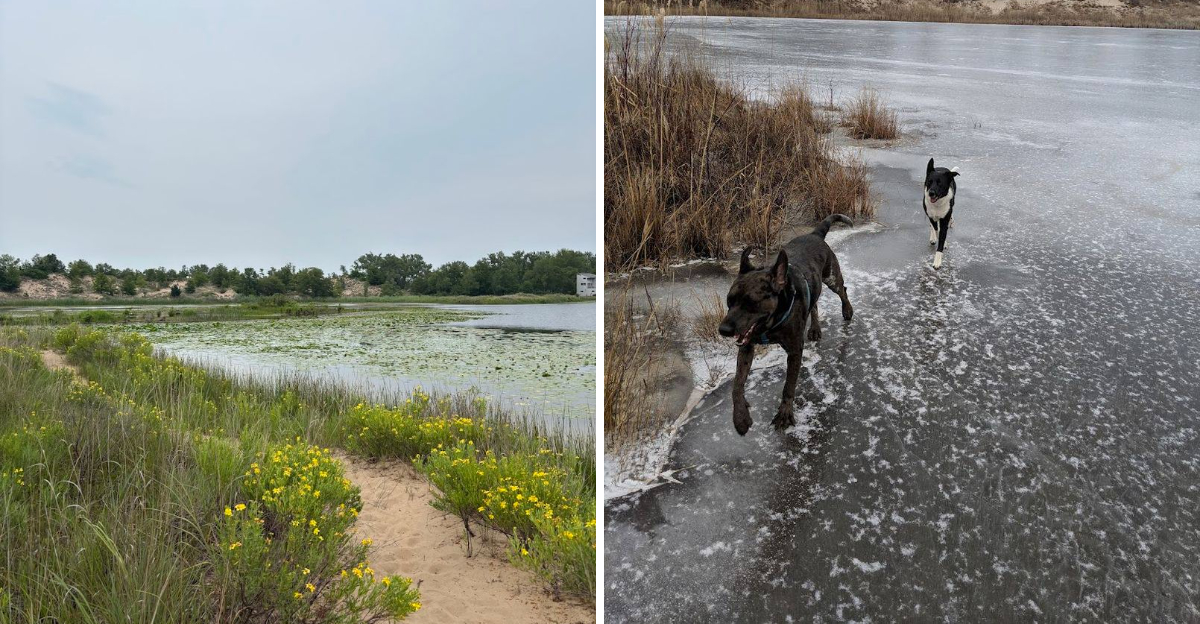
Most people think of Indiana and picture cornfields and flat highways, but the northern edge of the state tells a completely different story. The Paul H.
Douglas Trail at Indiana Dunes National Park is one of those rare places that genuinely surprises you. I had no idea a trail this beautiful existed just a short drive from Chicago, and I am willing to bet most visitors to the region have never heard of it.
From a wooded old railroad bed to wild dunes and a quiet stretch of Lake Michigan shoreline, this trail packs in more variety than trails twice its length. If you are looking for a hidden gem that rewards curiosity, this is it.
A Secret Beach That Most Tourists Never Find
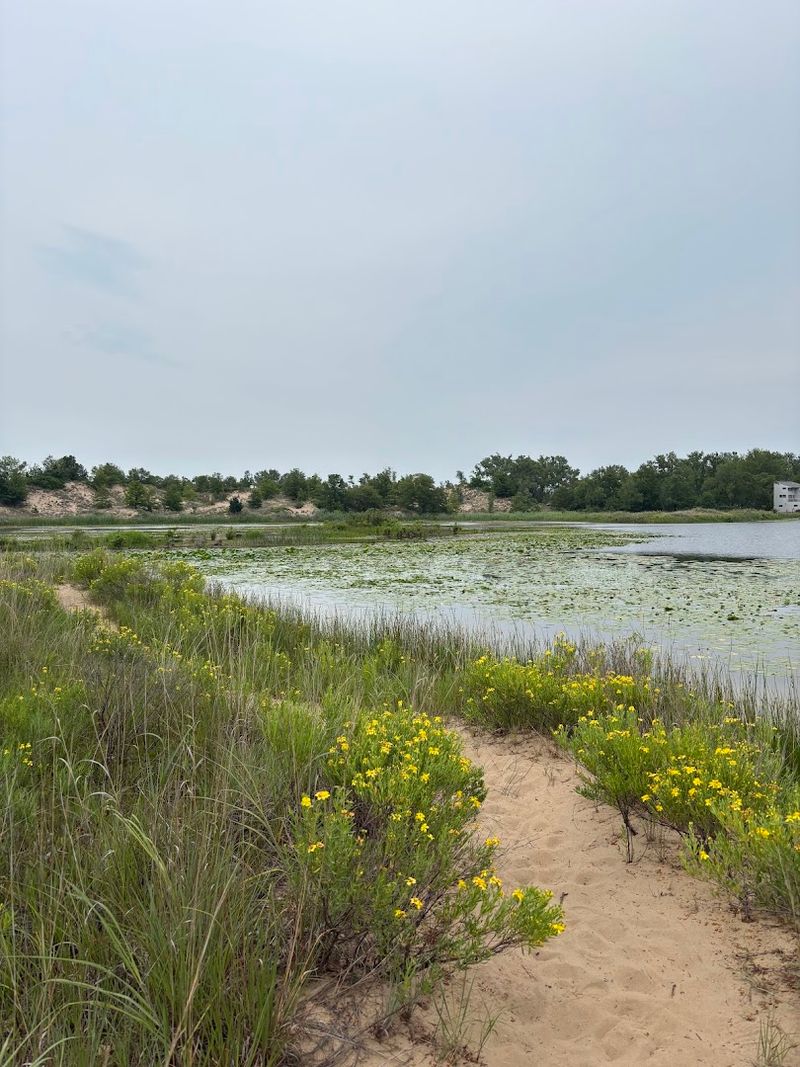
Most crowded beaches have parking lots, vendor carts, and a soundtrack of screaming kids. The beach at the end of the Paul H.
Douglas Trail is nothing like that. You actually have to earn it, and that short effort keeps the crowds away almost entirely.
The trail winds through woodland and gentle dunes before opening onto a stretch of Lake Michigan shoreline that feels genuinely undiscovered. On a summer weekend, you might share it with only a handful of other hikers.
That kind of quiet on a Great Lakes beach is rare, and it makes every step of the walk feel worth it.
The water here is clear and the views stretch endlessly toward the horizon. Bringing a bag to carry out any stray trash you find is a small act that keeps this hidden spot beautiful for everyone who follows.
The beach is not heavily maintained, which is honestly part of its charm. It feels wild and honest in a way that manicured public beaches simply do not.
If finding a place that most tourists scroll right past on a map sounds appealing, the endpoint of this trail delivers exactly that kind of reward.
Walking an Old Railroad Bed Through Living History
Before it became a hiking trail, this path was a working railroad corridor. That history is still written into the landscape if you know what to look for.
The flat, straight sections give away the old rail bed immediately, and there is something quietly fascinating about walking a route that once carried trains through this part of Indiana.
Starting your hike along this section before the trail transitions into more natural terrain is genuinely recommended by people who know the area well. The contrast between the engineered flatness of the rail bed and the organic curves of the dune landscape ahead makes the transition feel almost theatrical.
You move from one world into another within just a few hundred steps.
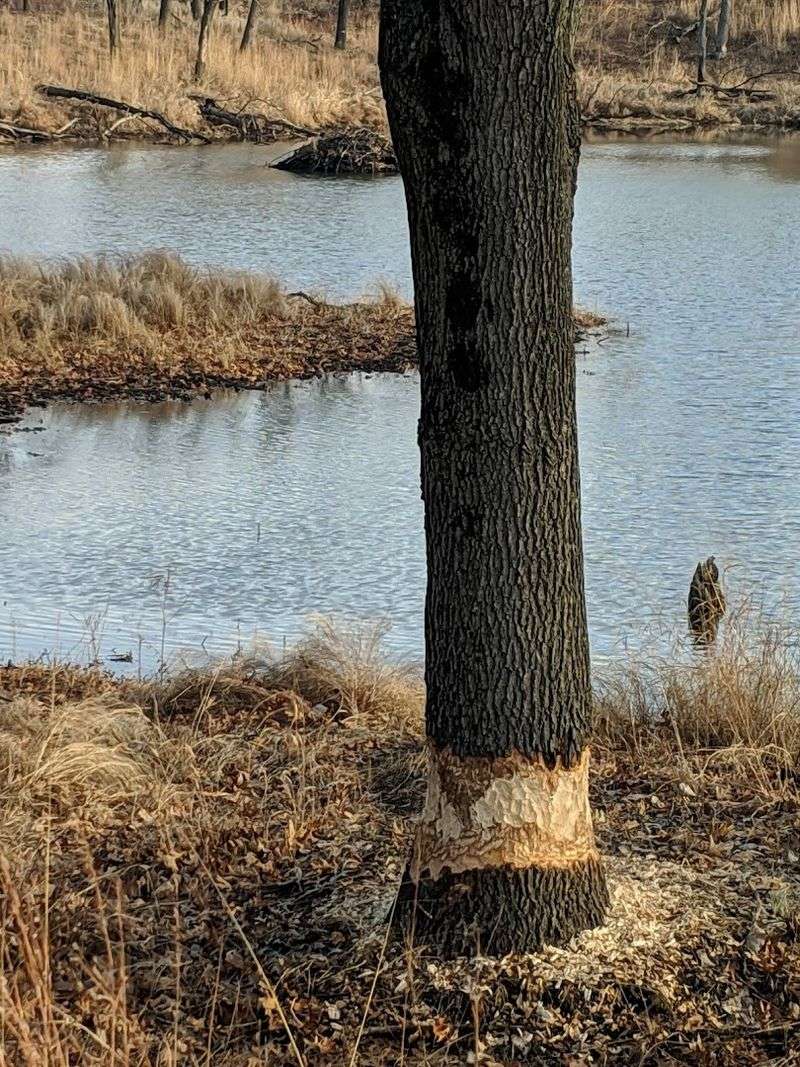
Beaver activity along this stretch adds another layer of interest. Evidence of their work shows up in gnawed tree stumps and small dams near the water, and spotting these signs of wildlife makes the walk feel like a nature lesson without any classroom.
Kids especially get a kick out of finding the claw marks and chewed wood. History and ecology share the same trail here, and that combination makes the early portion of the hike memorable long before you ever catch your first glimpse of the lake ahead.
Beaver Activity and Wildlife You Did Not Expect to See
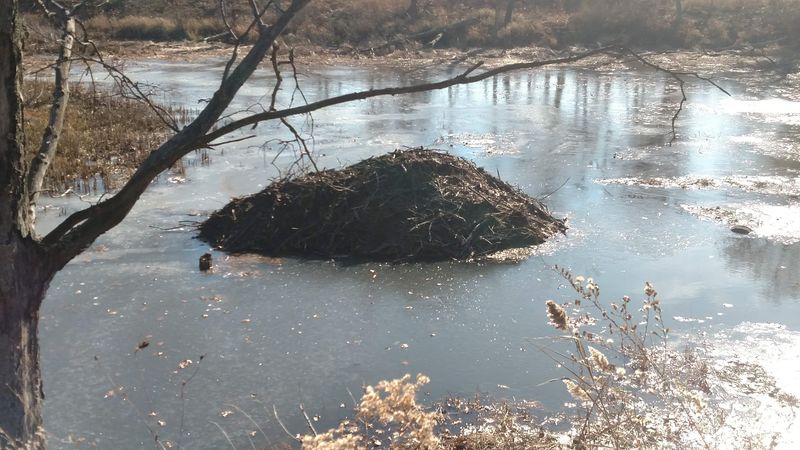
Wildlife watching on this trail is not a maybe situation. The beaver activity along the old railroad bed section is active and visible, and it gives the hike a spontaneous, exploratory energy that you rarely get on more polished park trails.
Gnawed stumps, dragged branches, and small dams appear regularly along this stretch.
Water fowl also show up in impressive numbers. Herons, ducks, and various migratory birds use the wetland areas near the trail as a regular stop, and patient hikers are often rewarded with close-up views that would cost serious money on a guided birding tour elsewhere.
Binoculars are worth throwing in your bag before you head out.
What makes the wildlife experience here feel special is how unscripted it is. Nobody is managing the animals for your viewing pleasure.
You are walking through a functioning ecosystem where creatures go about their business regardless of whether you notice them. That authenticity is increasingly hard to find in natural spaces close to major metro areas.
The trail sits near the urban edge of the Chicago region, yet it feels genuinely wild in the right moments. Spotting a great blue heron standing perfectly still in the shallows while the city skyline floats distantly on the horizon is one of those images that stays with you well after the hike is done.
Wildflowers That Bloom in Surprising Variety
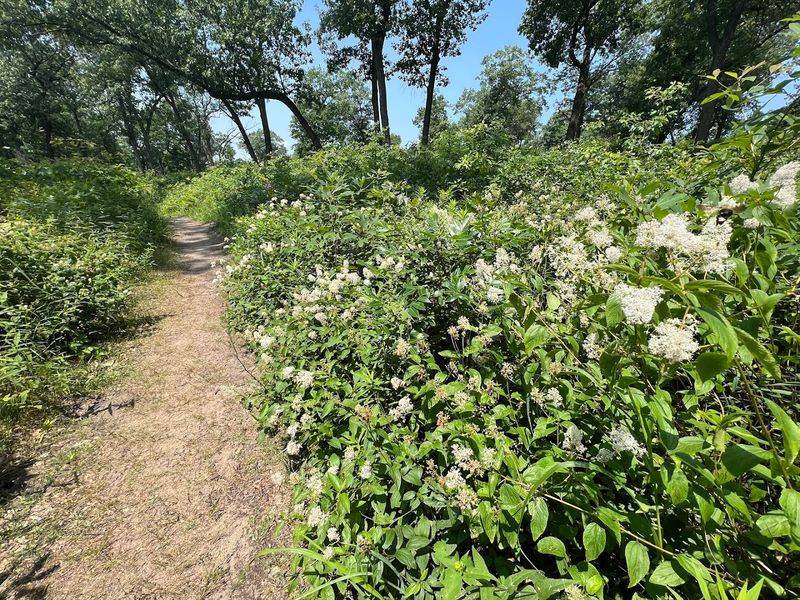
There is a plant along this trail that locals sometimes call wild snowballs, and once you see it in bloom, the nickname makes perfect sense. New Jersey Tea, its proper name, produces small clusters of white flowers that look almost festive against the green of the surrounding brush.
Spotting them mid-hike feels like a little gift the trail drops in your path.
The wildflower variety along the Paul H. Douglas Trail shifts with the seasons, which means repeat visits in spring, summer, and early fall each offer something different.
Visitors have noted blooms appearing consistently throughout the warmer months, making it hard to pick a bad time to go. The trail never really looks the same twice, and that keeps it interesting for people who come back regularly.
For those who enjoy amateur botany or simply appreciate color in a natural setting, this trail punches well above its weight. The mix of woodland, wetland, and dune environments along the route creates microclimates that support an unusually diverse range of plant life for such a compact trail.
You do not need to be a botanist to appreciate it. Just slow down occasionally, look away from the path, and the trail rewards that attention with something new almost every time.
Bringing a wildflower identification app makes the experience even richer and more satisfying.
Three Landscapes in One Single Hike
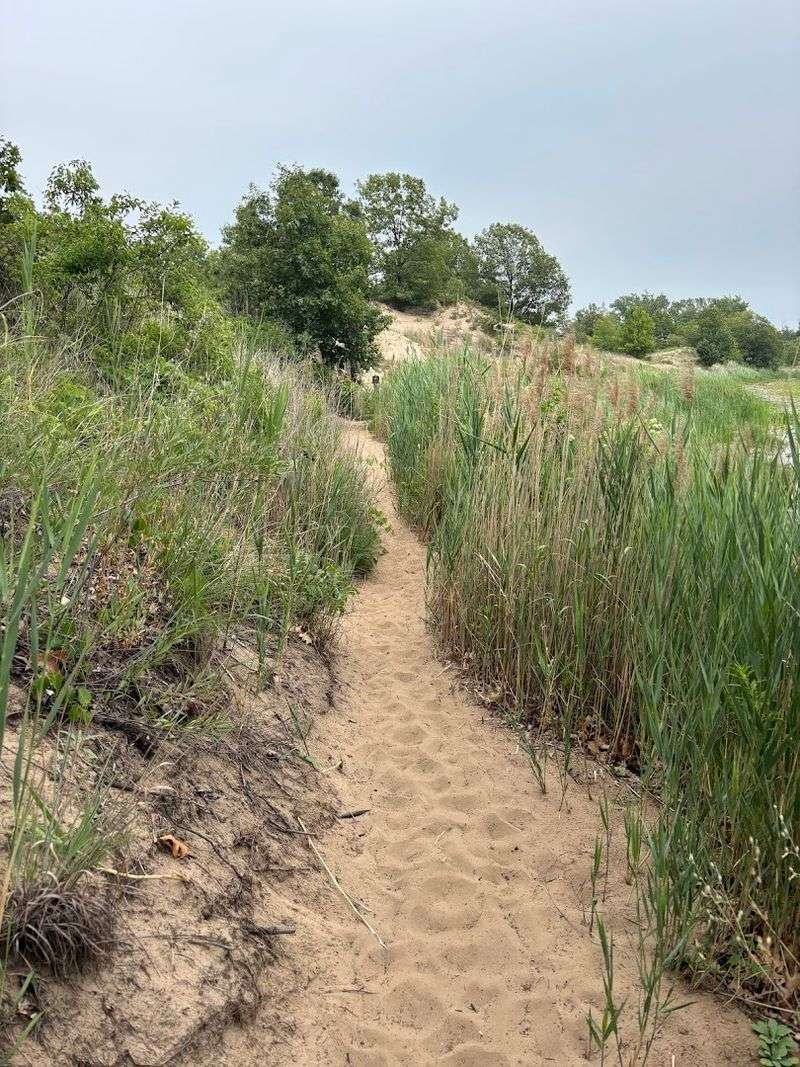
Not many trails under a few miles long manage to move you through three genuinely distinct environments. The Paul H.
Douglas Trail does exactly that, shifting from dense woodland to open dune terrain to full lakefront shoreline in a sequence that feels almost cinematic. Each zone has its own atmosphere, its own sounds, and its own light.
The woodland section offers shade and birdsong. The dune transition zone opens the sky and brings in a breeze that carries the faint mineral smell of the lake.
Then the beach arrives with that wide, horizon-filling view of Lake Michigan that reminds you just how large this body of water actually is. Standing at the edge of it after walking through forest feels genuinely dramatic in the best possible way.
This layered experience is part of what makes the trail worth the trip even for people who hike regularly and think they have seen everything the region offers. The progression from one landscape to the next keeps the walk engaging from start to finish.
There is no long boring middle section where you are just grinding through uniform terrain. Every portion of the trail has its own personality and its own reasons to pay attention.
That kind of variety in a short, accessible hike is genuinely rare and makes the Paul H. Douglas Trail stand out from almost every other option in the area.
Close to Chicago but Far From the Crowds
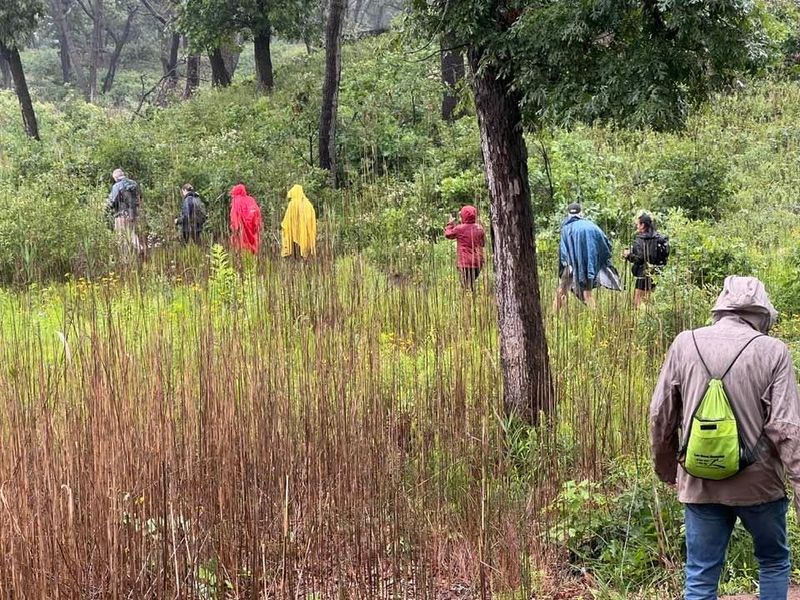
Gary, Indiana does not usually show up on travel bucket lists, but the Paul H. Douglas Trailhead sits in a part of the region that genuinely rewards the short drive from Chicago.
The trail is close enough to the city that you can be on it within an hour from most Chicago neighborhoods, yet the atmosphere feels nothing like an urban park.
The low visitor count is a real advantage. Even on warm summer weekends, hikers report that the trail stays relatively uncrowded compared to other Indiana Dunes access points.
That is partly because the trailhead is not well publicized and partly because the name Paul H. Douglas does not carry the same brand recognition as some other park entrances in the system.
That obscurity works entirely in your favor.
One practical note worth knowing before you go: some visitors have had trouble with navigation to the exact trailhead, especially when nearby roads have been closed for construction. Starting from the Paul H.
Douglas Nature Center nearby can make the beginning of your trip much smoother and gives you access to helpful information about the trail before you set out. The Nature Center is a useful anchor point and makes the whole experience feel more organized.
Planning ahead with a quick check of current NPS conditions at nps.gov/indu before heading out is always a smart move.
A Trail That Rewards You for Caring About Nature
Some trails ask nothing of you beyond showing up. The Paul H.
Douglas Trail quietly asks a little more, and that is actually one of the things that makes the community of people who love it so appealing. The beach at the end of the trail is not heavily maintained, which means visitors who care about keeping it clean make a real difference every single time they bring a bag and pick up what others have left behind.
That culture of stewardship gives the trail a character that feels different from more commercialized park experiences. People who hike here tend to notice the landscape carefully and treat it with genuine respect.
Joining that group, even just by carrying out a few pieces of trash on your way back, connects you to something larger than a single afternoon walk.
The trail is named for Paul H. Douglas, a United States Senator from Illinois who was a fierce advocate for preserving the Indiana Dunes as a national park.
His effort made places like this trail possible. Walking it with that context in mind adds a layer of meaning to every step.
The beach at the end exists because someone fought hard to protect it. Honoring that by leaving it cleaner than you found it is a small but genuinely satisfying way to participate in something that matters well beyond your own afternoon adventure.
Dear Reader: This page may contain affiliate links which may earn a commission if you click through and make a purchase. Our independent journalism is not influenced by any advertiser or commercial initiative unless it is clearly marked as sponsored content. As travel products change, please be sure to reconfirm all details and stay up to date with current events to ensure a safe and successful trip.
