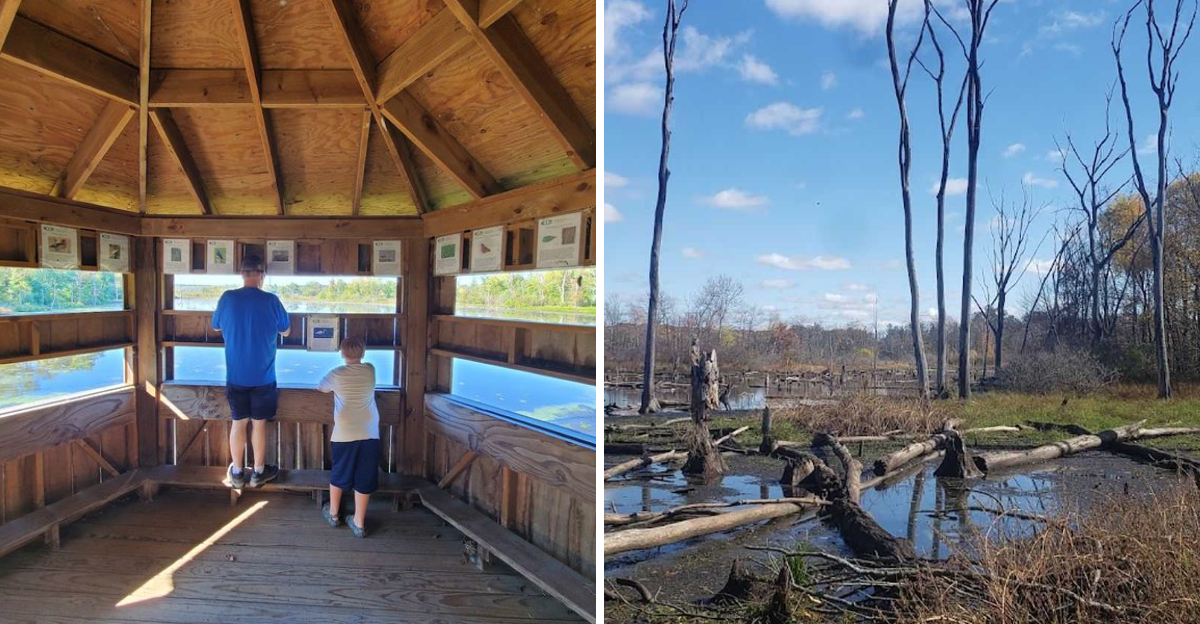
There are places in Indiana that quietly hold something extraordinary, and this environmental learning center in Noble County is one of them.
I first heard about the shaking ground from a friend who described it like walking on a giant sponge, and honestly, that description barely scratches the surface.
The peatland here is one of the rarest ecosystems in the entire Midwest, and the fact that it sits just about 30 miles northwest of Fort Wayne makes it feel like a hidden world most Hoosiers have no idea exists.
If you have ever wanted to feel the earth move beneath your feet without any seismic activity involved, this place is going to astonish you.
The Peatland That Actually Shakes Underfoot
Walking across a peatland for the first time is one of those experiences that genuinely surprises you. The ground does not feel like ground at all.
It compresses and bounces with each step, like walking on a thick mattress that has been soaked in water for decades.
Peat forms over thousands of years as dead plant material accumulates in waterlogged conditions where oxygen is too low for normal decomposition. At Merry Lea, located at 2388 S 500 W, Albion, IN 46701, this ancient organic layer sits beneath your feet along the designated trail path, and the result is a subtle but unmistakable trembling sensation that spreads outward with each footfall.
This kind of ecosystem is genuinely rare in Indiana. The peatlands at Merry Lea include both bogs and fens, which differ in how they receive water.
Bogs depend almost entirely on rainfall, while fens are fed by groundwater rich in minerals. Both types support plant species that would be completely out of place anywhere else in the state.
Carnivorous plants like sundews grow here because the nutrient-poor peat forces them to supplement their diet with insects. Sphagnum moss, the primary peat-builder, can hold up to twenty times its weight in water, which explains that unmistakable springy feeling.
Grab a trail map at the welcome sign before you head out, wear boots you do not mind getting muddy, and take your time on the peatland path because this is not something you experience anywhere else in Indiana.
Seven Miles of Trails Through Wildly Diverse Habitats
Most nature preserves offer one or two types of terrain and call it a day. Merry Lea gives you something far more layered.
Roughly seven miles of well-maintained trails wind through wetlands, marshes, bogs, fens, forests, prairies, and open meadows, all within a single property in Noble County.
What makes the trail system feel special is how quickly the landscape shifts. You can move from a shaded woodland path to an open prairie in a matter of minutes, and then find yourself standing at the edge of a quiet marsh where great egrets wade in the shallows.
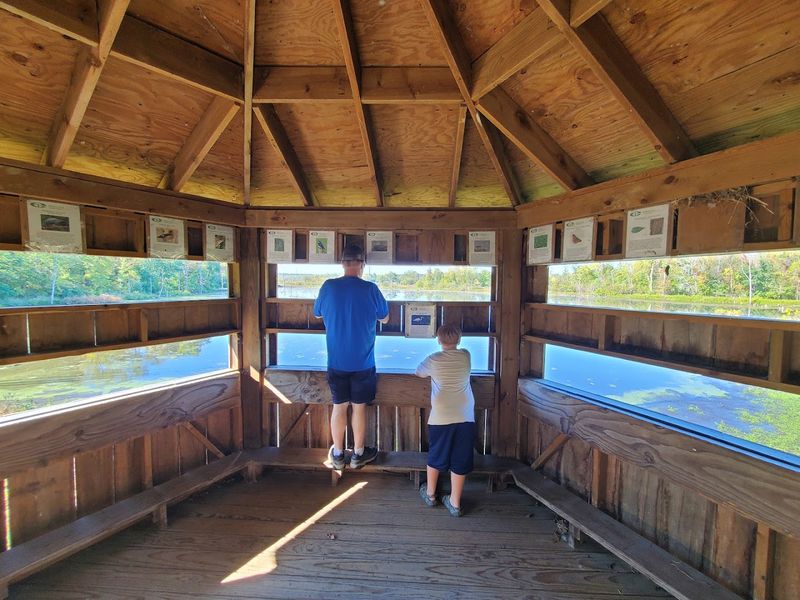
The observation tower is worth the walk on its own, offering views across the water that feel almost cinematic on a clear morning.
The trails are open daily from dawn to dusk, which means early risers get the best of the wildlife activity. Songbirds are particularly active in the morning hours, and the wetland areas attract waterfowl throughout the year.
Turtles are a common sight along the water edges, and if you move quietly, you stand a good chance of spotting something unexpected.
Picking up a trail map at the welcome sign before heading out is genuinely helpful here. The property is large enough that a little preparation goes a long way.
Comfortable boots are strongly recommended since some sections near the wetlands can stay muddy well after a rain. The diversity packed into these seven miles is something Indiana locals should not overlook.
Bogs, Fens, Marshes, and Wetlands All in One Place
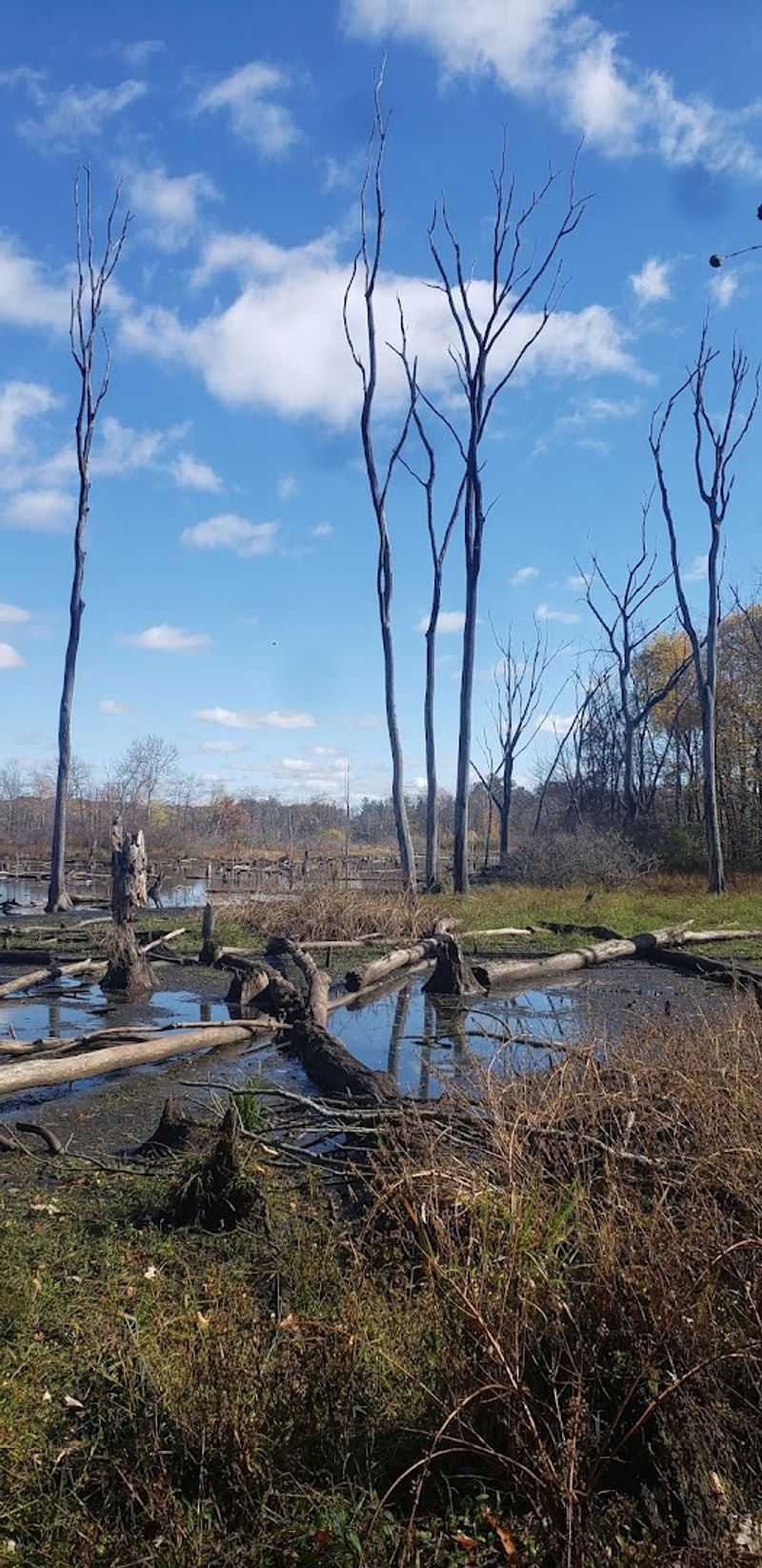
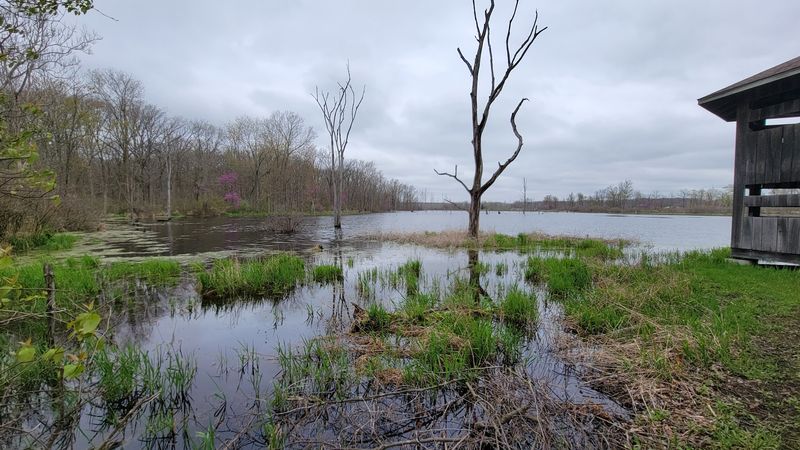
Northern Indiana used to be covered in wetlands before most of them were drained for agriculture in the 1800s. What remains today is a fraction of what once existed, which makes places like Merry Lea genuinely significant.
The 353-acre property preserves a mosaic of wetland types that tells the ecological story of this region in a way that no textbook can replicate.
Marshes here support dense stands of cattails and sedges, providing nesting cover for red-winged blackbirds and other marsh-dependent species. The fens, fed by mineral-rich groundwater, host plant communities that include rare sedges and wildflowers that cannot survive in more acidic bog conditions.
Each wetland type has its own character, its own smell, and its own soundscape.
Standing at the edge of one of the open water areas on a calm morning, you can hear frogs calling from several directions at once. The wetland ecosystem at Merry Lea filters water, stores carbon, and provides habitat for species that would otherwise have nowhere left to go in this part of the state.
For anyone who grew up in Indiana and assumes the landscape is mostly flat farmland, this place reframes that assumption entirely. The richness packed into these wetland habitats is a reminder of what the land looked like before settlement transformed it.
Visiting once is enough to make you want to come back every season to see how the landscape changes with the weather and the calendar.
The Wonderful Wetlands Education Program
Field trips are often forgettable. A bus ride, a worksheet, a rushed walk through somewhere unfamiliar, and then back to school.
The Wonderful Wetlands program at Merry Lea is built around the opposite philosophy, and the difference is obvious from the moment kids step off the bus.
The program offers hands-on experiences inside actual wetland ecosystems. Students do not just observe from a distance.
They get close to the water, examine plants, look for invertebrates, and start to understand how these habitats function as living systems. The guides are patient, knowledgeable, and clearly enthusiastic about what they do, which makes a real difference when working with groups of kids who have varying levels of interest in the outdoors.
Parent chaperones who have attended have come away genuinely impressed by the balance the staff maintains between structure and exploration. Some kids need more encouragement, and the guides seem to read that naturally and adjust without missing a beat.
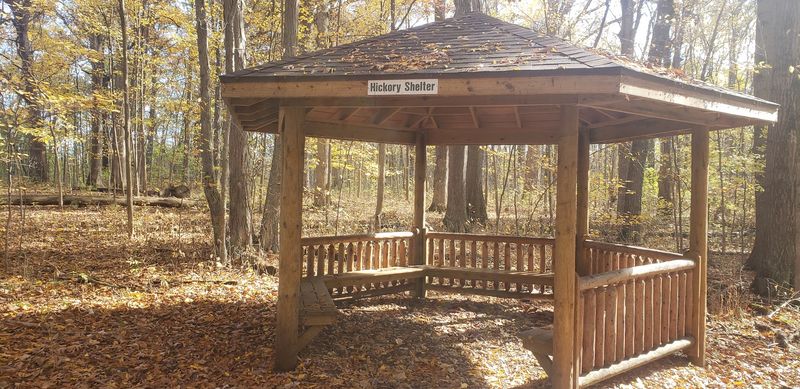
The covered seating area with picnic tables provides a clean and comfortable spot for lunch, which is a small but appreciated detail when you are managing a group of energetic students. Merry Lea serves students from kindergarten all the way through graduate-level programs, which speaks to the depth and flexibility of what they offer.
For families in northern Indiana looking for a field trip experience that actually sticks with kids long after they get home, the Wonderful Wetlands program is hard to beat.
What Northern Indiana Looked Like 200 Years Ago
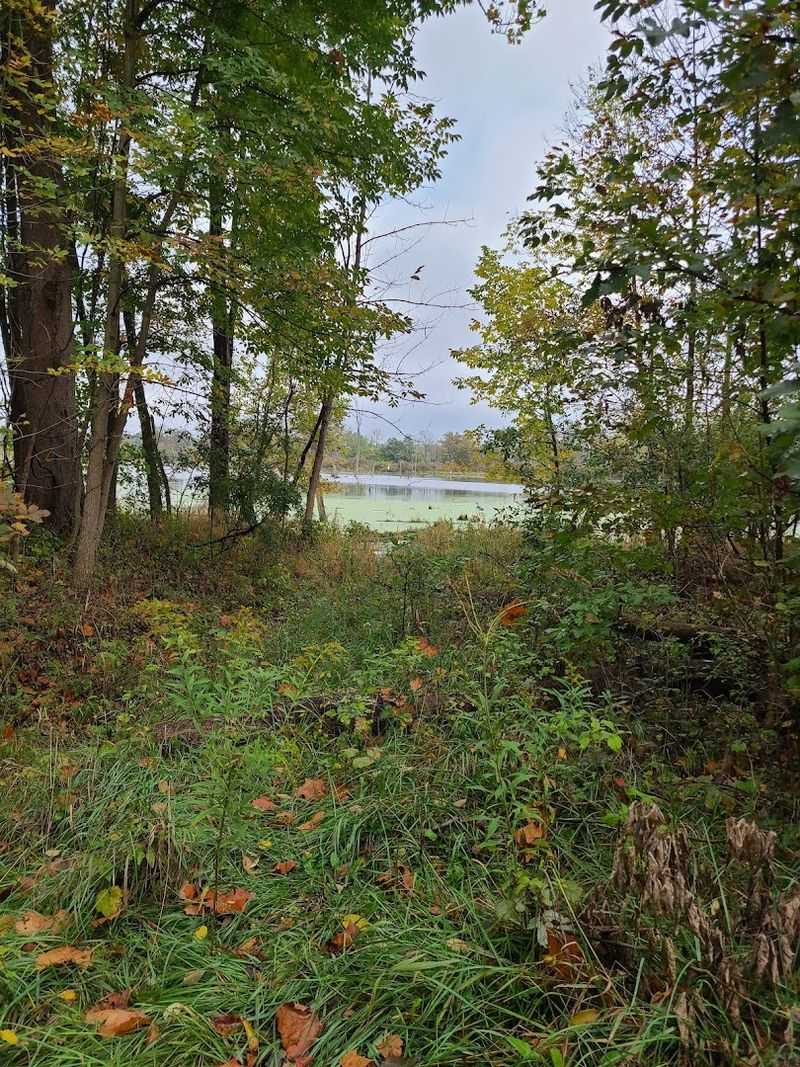
There is something quietly moving about standing in a landscape that has not been dramatically altered by human development. Most of northern Indiana has been transformed by agriculture and urban growth, and the original ecosystems that once defined this region are largely gone.
Merry Lea preserves a living snapshot of what this land looked like before that transformation happened.
The property includes woodland, prairie, and wetland habitats that together recreate the ecological patchwork that covered this part of Indiana in the early 1800s. Walking the trails here, it is possible to imagine the landscape as Indigenous peoples and early settlers would have encountered it, a mosaic of habitats teeming with birds, amphibians, and plant communities that have since disappeared from most of the surrounding region.
The immaculately maintained grounds make this kind of reflection easy. There is no visual clutter competing for your attention.
The trails are clear, the habitats are intact, and the silence in certain sections of the property is the kind that feels earned rather than empty.
Merry Lea is operated by Goshen College, which brings an educational mission to the preservation work happening here. That connection to academia means the land is managed with both ecological rigor and a genuine commitment to sharing its story with visitors.
Bringing a picnic lunch and spending a full afternoon here is one of the better ways to spend a weekend in Noble County, especially for anyone with a genuine curiosity about the natural history of Indiana.
Wildlife Watching Across Three Lakes and Open Water
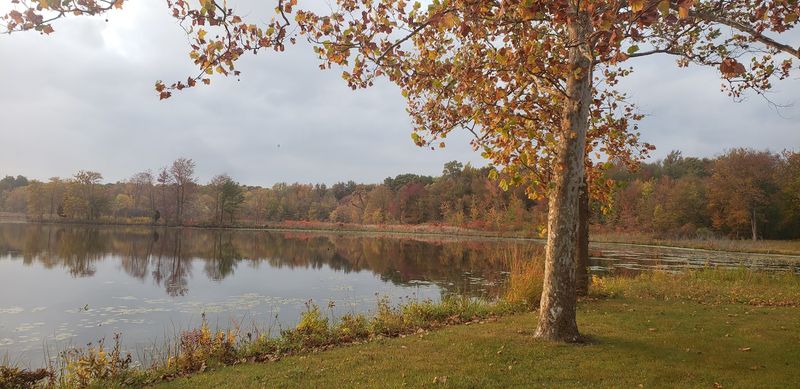
The observation tower at Merry Lea is one of those spots that rewards patience. Spend a few quiet minutes up there and you start to notice things: a great egret moving through the shallows with that slow, deliberate patience that makes them look almost prehistoric, a painted turtle pulling itself onto a log, Canada geese cutting low across the water in a loose formation.
The property includes three lakes, and the open water areas attract a wide variety of waterfowl throughout the year. Migratory species pass through during spring and fall, and resident birds use the wetland habitats for nesting and foraging across multiple seasons.
The diversity of water and land habitats on a single property creates the kind of layered wildlife activity that serious birders and casual observers both appreciate.
Tadpoles are visible in the shallower water areas during warmer months, along with aquatic insects and the occasional water snake moving through the reeds. Mushrooms appear along the woodland trails after rain, and the forest understory supports wildflowers in spring that are worth slowing down for.
The story trail is a thoughtful addition for families with younger children. Pages of a book are displayed in glass-topped posts along the trail, turning a hike into a shared reading experience that keeps kids engaged and moving at the same time.
Merry Lea manages to be genuinely rewarding for visitors of almost every age and level of outdoor experience, which is a harder balance to achieve than it might seem.
Nearby Spots Worth Pairing With Your Visit
After a morning on the trails at Merry Lea, the surrounding Noble County area has enough to make a full day trip worthwhile. Albion, the county seat, sits close by and has a relaxed small-town character that pairs well with a day spent outdoors.
The Noble County Historical Museum, located at 101 East Main Street in Albion, offers a grounded look at the history of the region, including its agricultural roots and the Indigenous history of the land before European settlement. It is a compact but genuinely informative stop for anyone curious about the context behind the landscape they just walked through.
For a meal after your hike, Tiffany’s Family Restaurant at 2140 North State Road 9 in Albion serves straightforward home-style cooking that hits the spot after a few hours on muddy trails. The atmosphere is unpretentious and the portions are generous, which is exactly what you want after burning some energy outdoors.
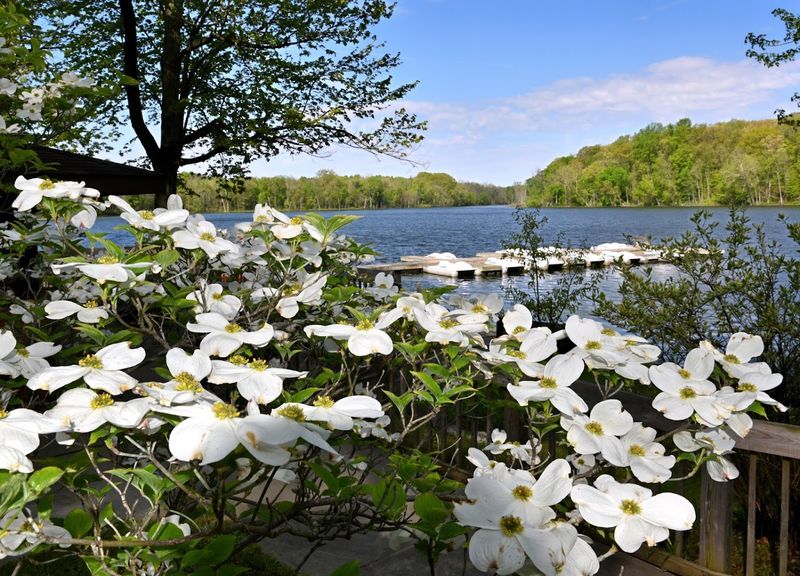
Chain Lakes State Recreation Area, located at 3248 South 900 East in Albion, is another natural area worth exploring if you have energy left in the day. The lakes there offer fishing and a quieter outdoor experience that complements the more educational focus of Merry Lea.
Noble County as a whole has a kind of unhurried quality that makes it easy to slow down, pay attention, and appreciate the natural and historical richness that this corner of Indiana quietly holds for anyone willing to make the drive.
Dear Reader: This page may contain affiliate links which may earn a commission if you click through and make a purchase. Our independent journalism is not influenced by any advertiser or commercial initiative unless it is clearly marked as sponsored content. As travel products change, please be sure to reconfirm all details and stay up to date with current events to ensure a safe and successful trip.
